





The works of Giovanni Antonio Bazzi, known as Sodoma, are a captivating collection of eclectic delights and antiquarian touches—especially those of the mature Sodoma, the Sodoma who, wandering the streets of Rome and Tuscany, almost forgot his ancestral tongue, retaining at most a few inflections of all the dialects he had absorbed during his long journeys between his native Vercelli, his master’s Casale, the Milan of Leonardo and the Leonardeschi, perhaps Mantua, before discovering the Eternal City, its painters, and its antiquities, and before being persuaded—as Vasari puts it—by certain “merchants acting on behalf of the Spannocchi” to move permanently to the wealthy and desperate Siena of Pandolfo Petrucci, the Siena of Christian observance and pagan rites, the Siena of the last republican freedoms demolished—six years after Sodoma’s death—by the cannon fire of the Florentines and Spaniards that rained down on the city walls and forced the city to surrender due to starvation. Giovanni Antonio Bazzi at least had the privilege of not witnessing the fall of his adopted city and the consequent, methodical, chaotic dissolution of the world of customs within which he had grown accustomed to living, but one cannot even be so certain that Sodoma ever truly experienced stability. On the contrary: if Sodoma ever had a true home, then it might be found in the fluid, the provisional. “An extravagant, erratic, unstable painter, to the point of feigned madness,” says Roberto Bartalini. An artist whose life “exhibits, in concentrated form, the entire Vasarian vocabulary of the unusual […], of the bizarre.” Giovanni Antonio Bazzi could thus be imagined as a fluid painter, a painter compelled and destined for precariousness.
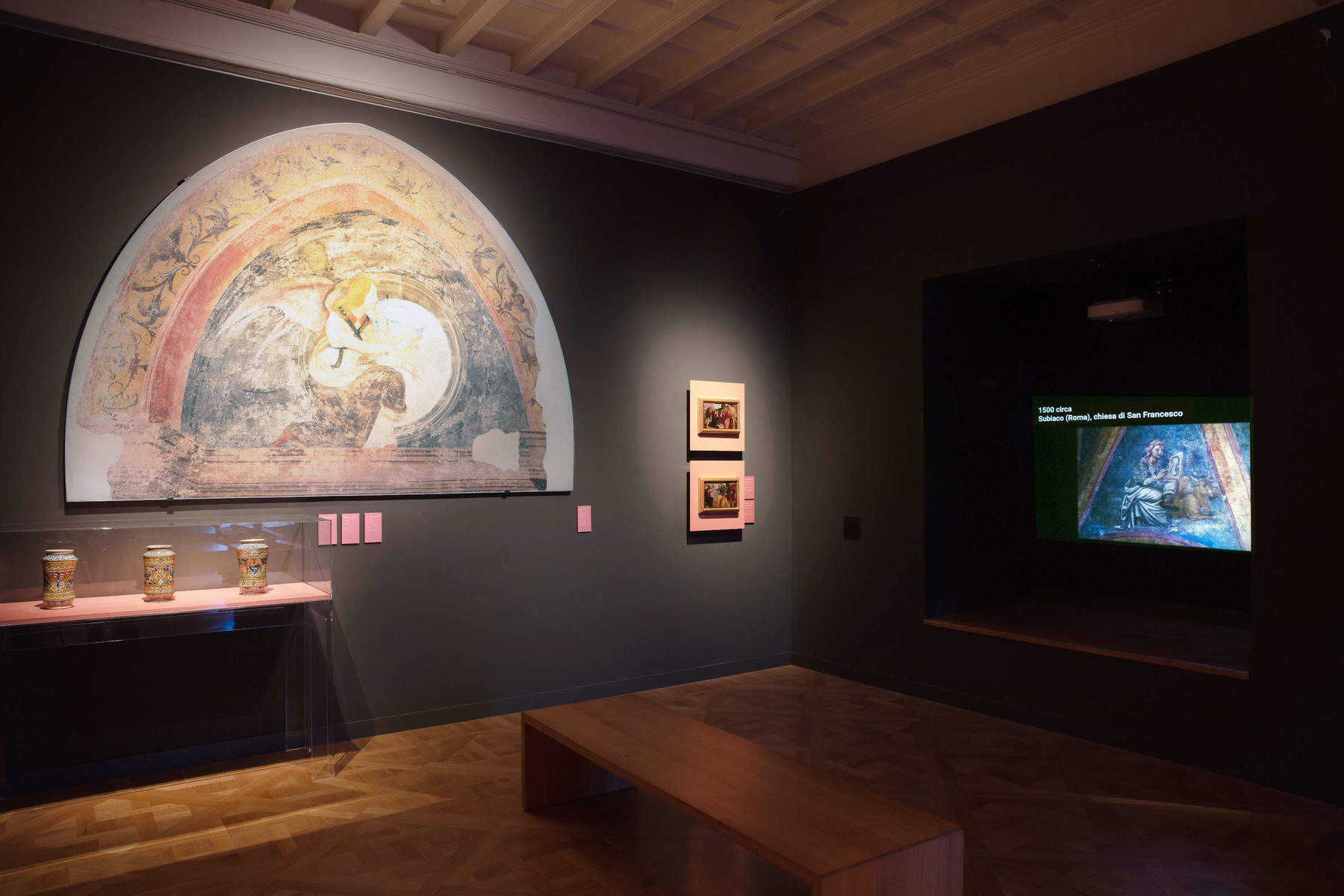
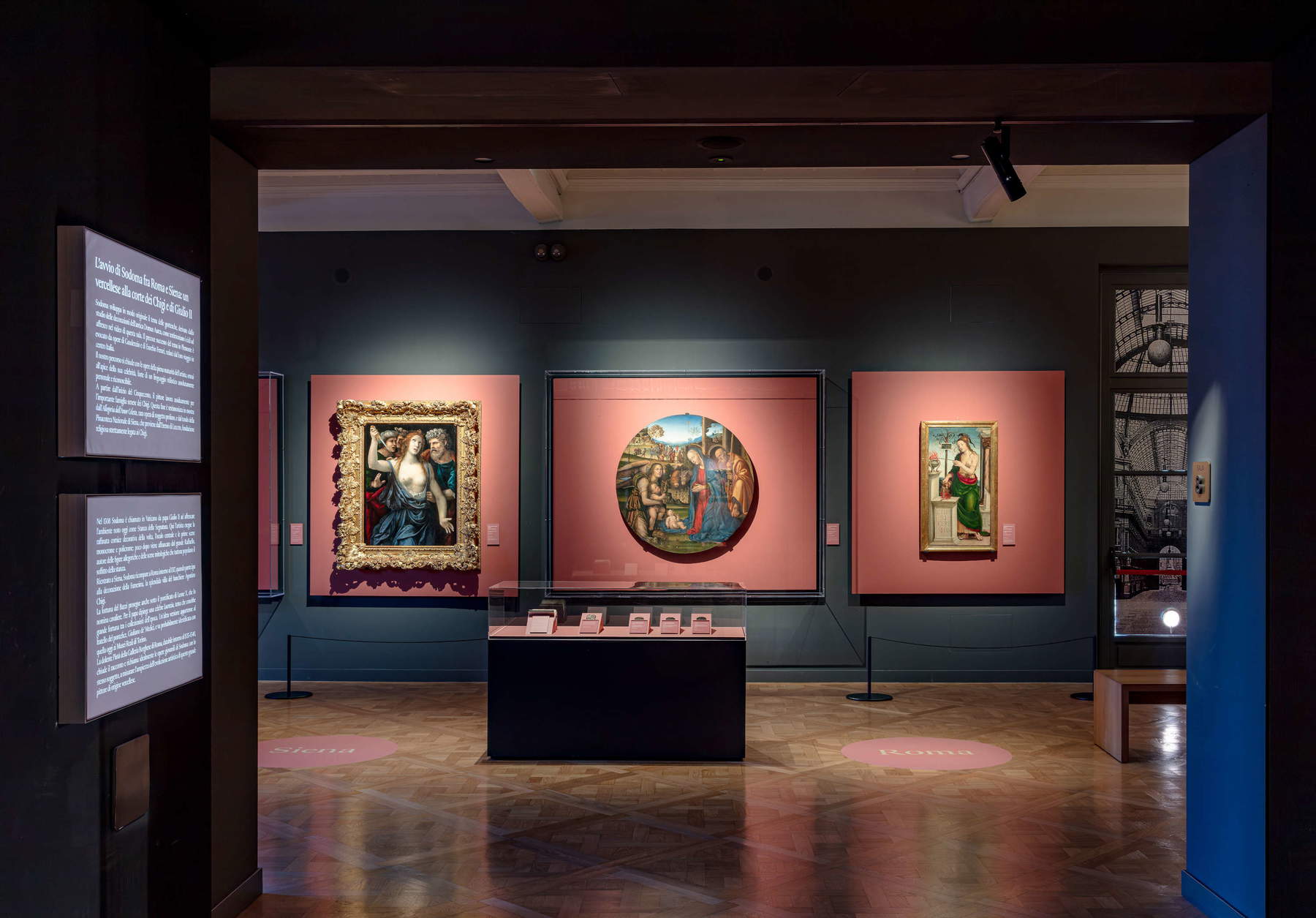
The exhibition that so successfully fills the galleries of the Accorsi-Ometto Foundation in Turin (Giovanni Antonio Bazzi, known as Sodoma. Conquering the Renaissance), curated with impeccable rigor by Serena D’Italia, Luca Mana, and Vittorio Natale, aims to reconstruct the premises of that conquest, to piece together that strange idiom that Sodoma had fashioned for himself—and with which he was anything but enamored—and to understand how this painter, aware of his own transience, satisfied his most refined, ravenous appetites. The exhibition at the Accorsi-Ometto Foundation resembles, more than an exhibition, a cartography of fragments: one moves through the galleries as one might move while leafing through the pages of an atlas, exploring the fragments of Sodoma’s visual culture and viewing his works as the site of an endless assimilation, as theresult of a continuous digestion of everything that had preceded and surrounded him, knowing that the journey will tend toward that “conquest” promised by the title—which, however, is not on display, is not offered up to the public’s satisfaction, but is merely touched upon, evoked, and suggested.
It is an exhibition that organizes Sodoma’s fluidity around a few fixed points—those rare ones upon which the reconstruction of the painter’s youth can be anchored—and around certain new insights, which are, moreover, presented to the visitor with a certain emphasis, an emphasis that one might say is well-placed, since the discoveries and proposals are significant, suggesting the hypothesis that Giovanni Antonio Bazzi had, from the very beginning of his career, developed a much more complex body of experience than previously thought. During the preparatory work for the Turin exhibition, for example, a document was discovered confirming Sodoma’s presence in Rome as early as May 1497—that is, at a time when, as Vittorio Natale notes in the comprehensive catalog edited by Dario Cimorelli, “one would have imagined him still busy between Vercelli and Milan, if not in the workshop of his master,” Martino Spanzotti of Casale. And it is this early, previously unknown stay in Rome by Sodoma—who was barely twenty years old at the time—that an exhibition is attempting to shed light on for the first time; this exhibition could therefore confirm, at the very least, the painter’s early interest in Roman antiquities: It is from this new document that we learn Sodoma was in contact with a certain Battista di Cola Tomarozzi, whom Serena D’Italia describes as a “figure” “characterized by a keen interest in antiquities and a collector of Roman antiquities.” It is clear that Rome was no mere accident for Sodoma, but was likely a fierce, sought-after, and immediate desire; and the collection—a sort of early “cabinet of curiosities”—that the painter would later assemble in Siena, and of which we know from a small group of documents, should probably also be considered in light of his youthful passions: a rarely explored topic, revisited on the occasion of the exhibition by Alessandra De Romanis, Sodoma’s collection must have been an attempt to translate the objects of his cosmos; it must have been, in turn, a language incomprehensible to most (his posthumous inventory refers , generically, to “various heads, antiquities, and items belonging to painters, found in a small room in his house”: it was therefore a collection of antiques but also, as we would say today, of contemporary art), the cabinet of a professional, a scholar, an enthusiast, a scientist—the work of a cataloger of lost worlds that has itself been lost (the only piece that can be identified with any degree of certainty, according to De Romanis, is a first-century Roman terracotta depicting Hercules and the allegory of Winter, now housed in the Louvre).
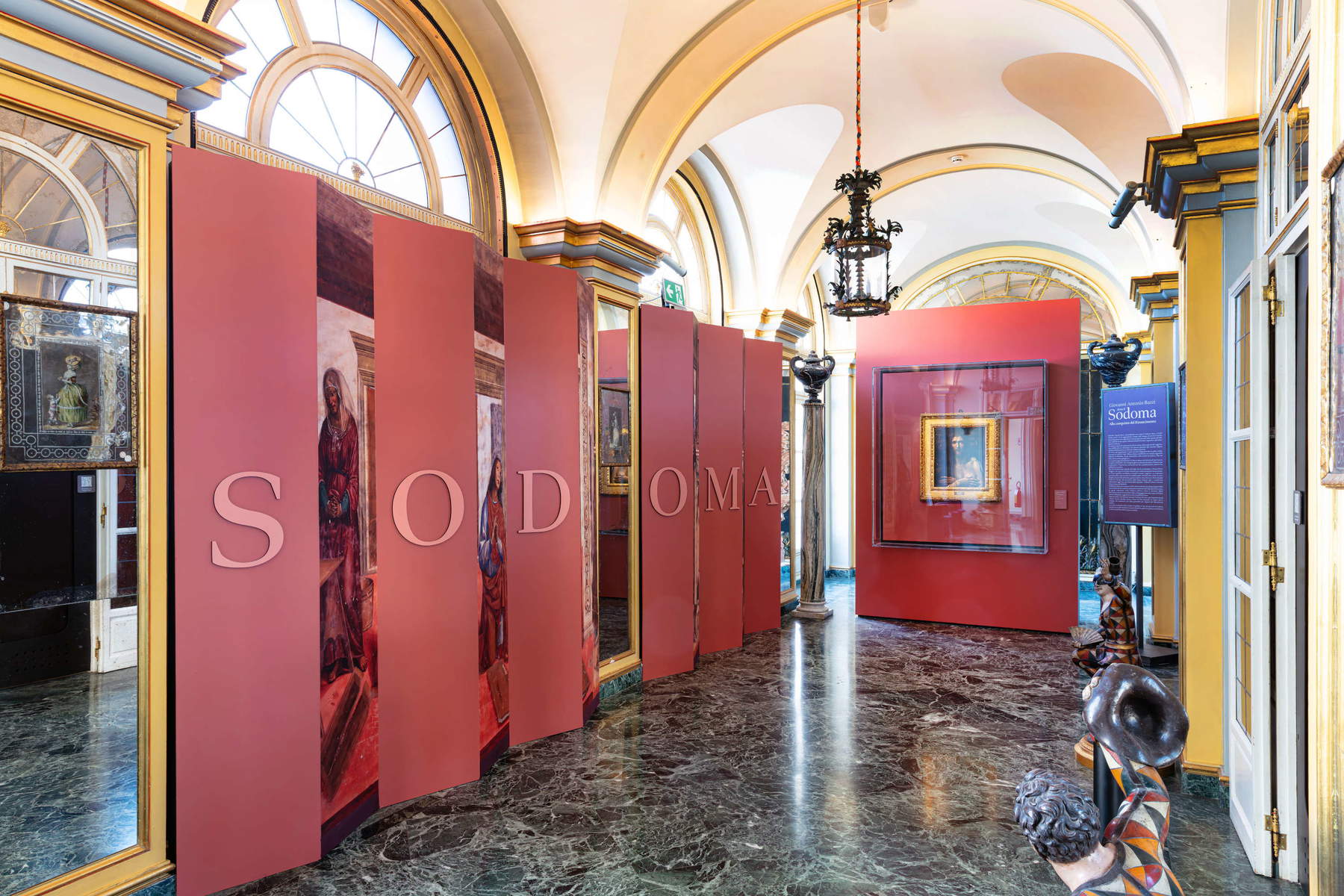
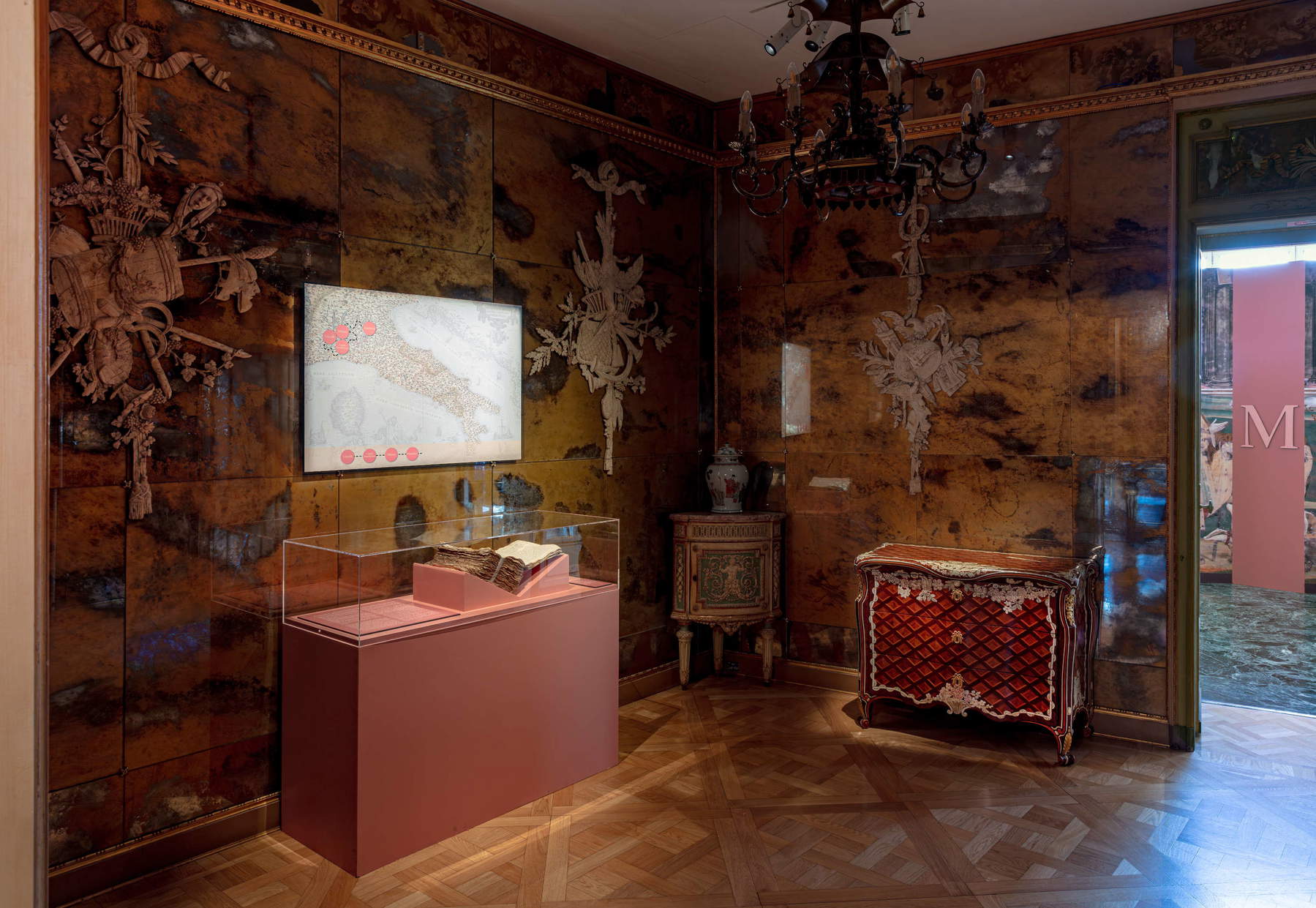
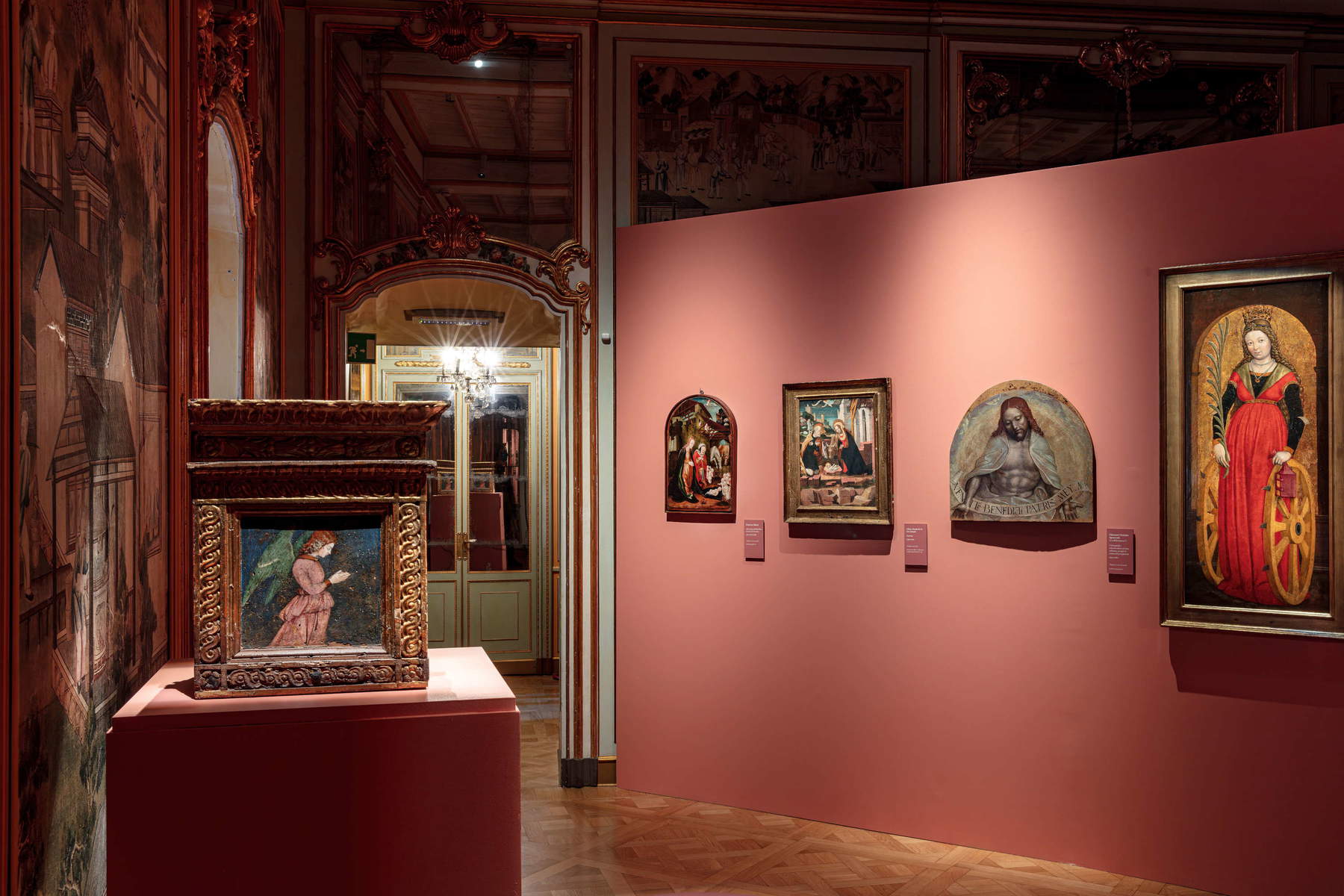
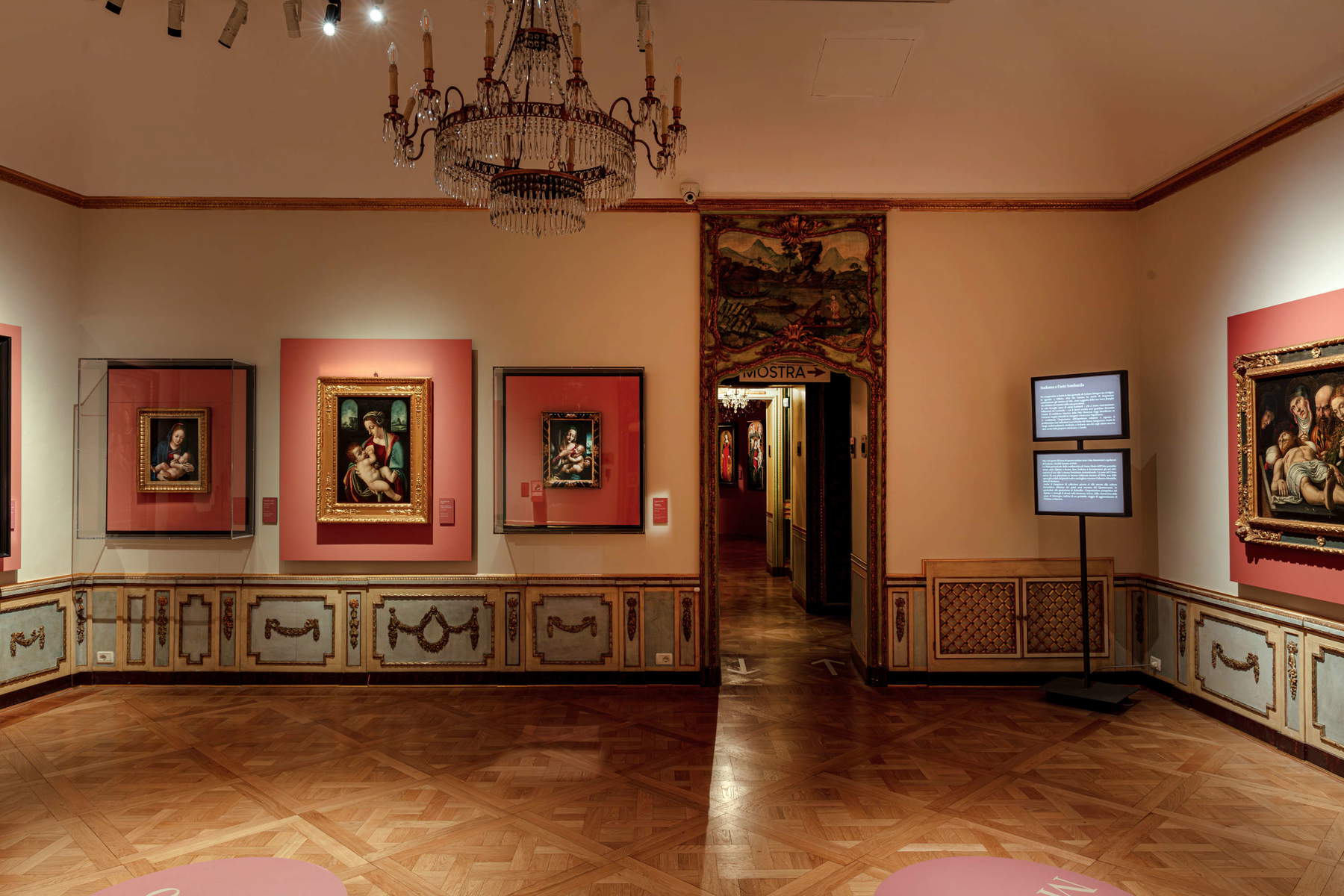
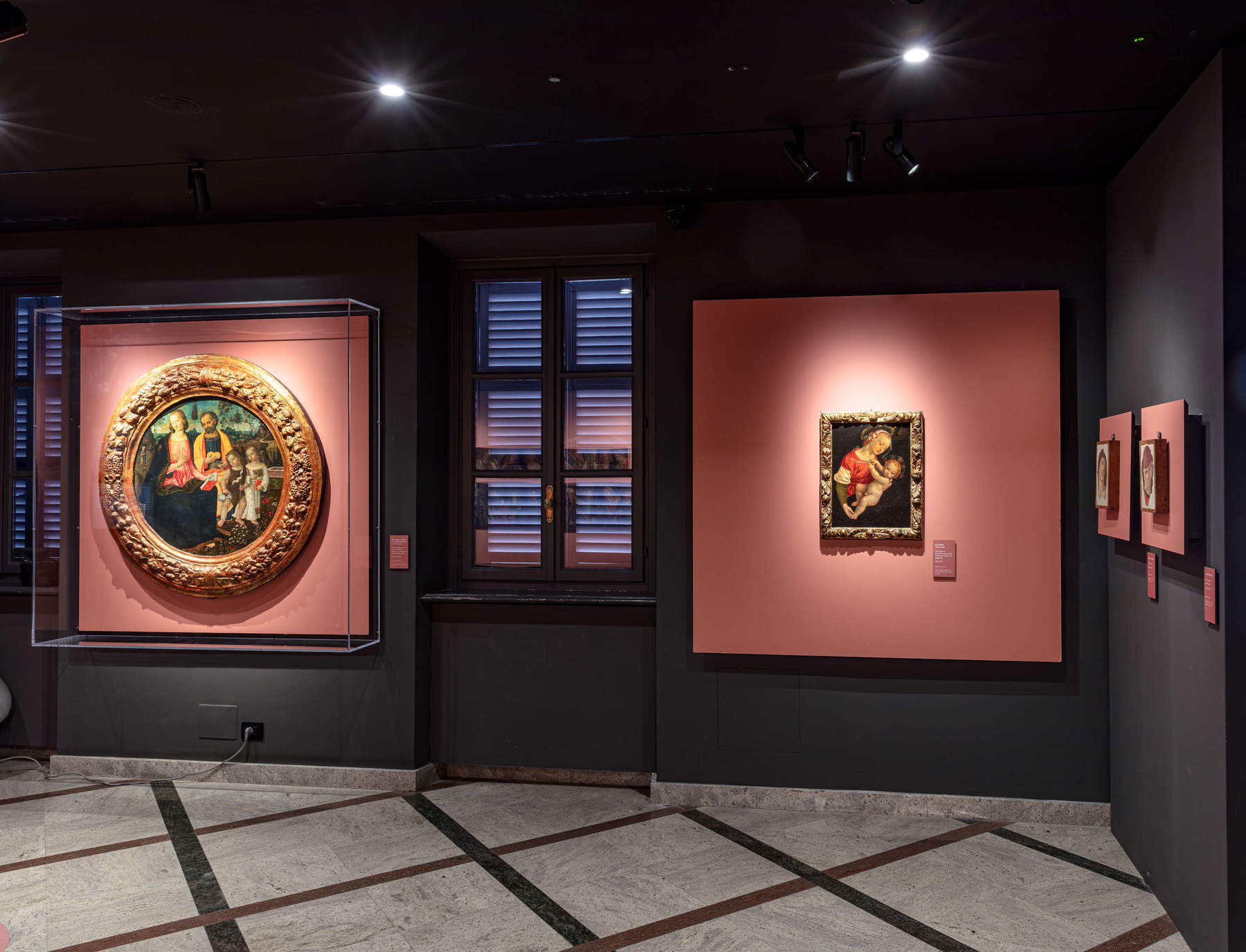
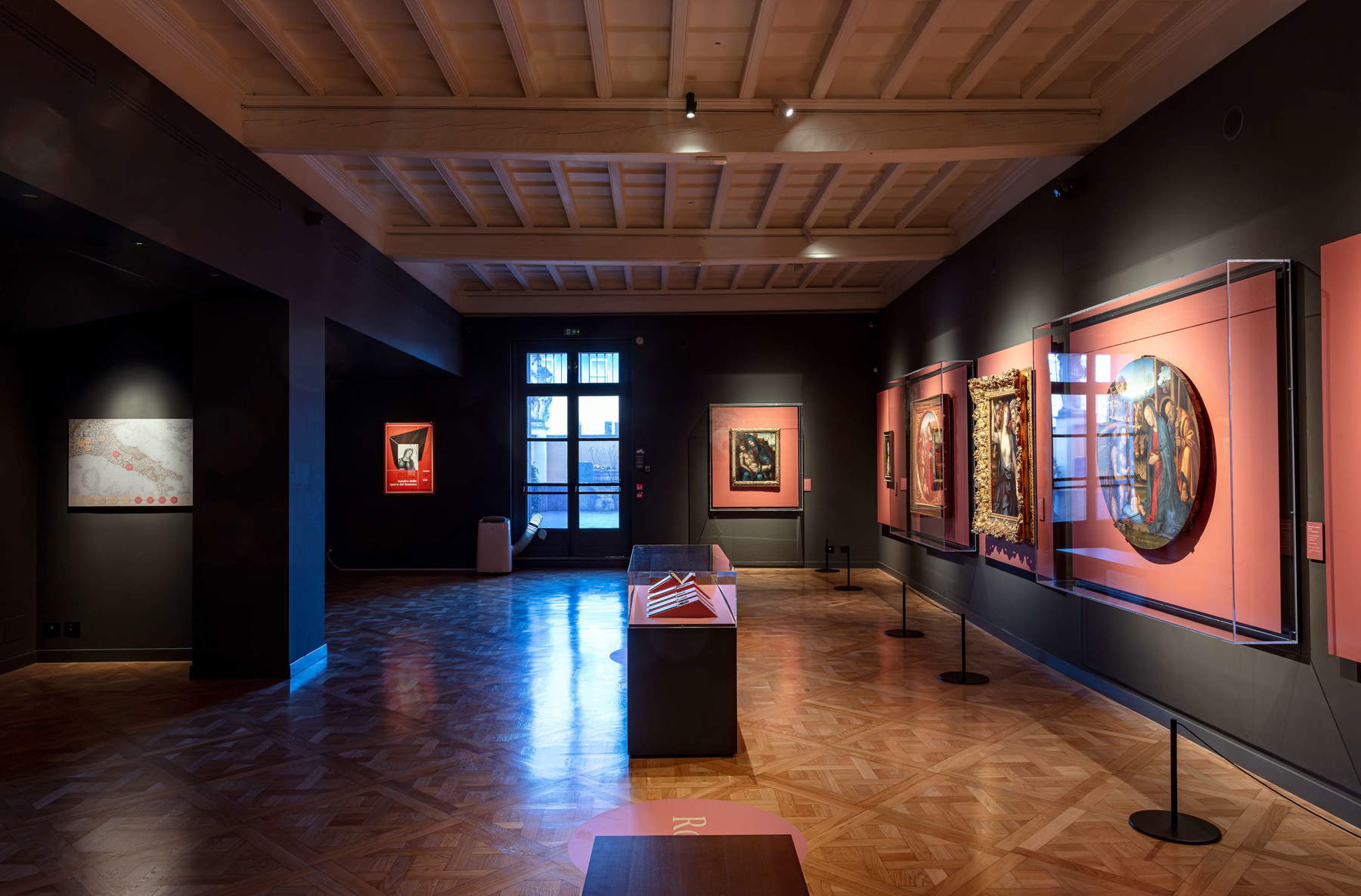
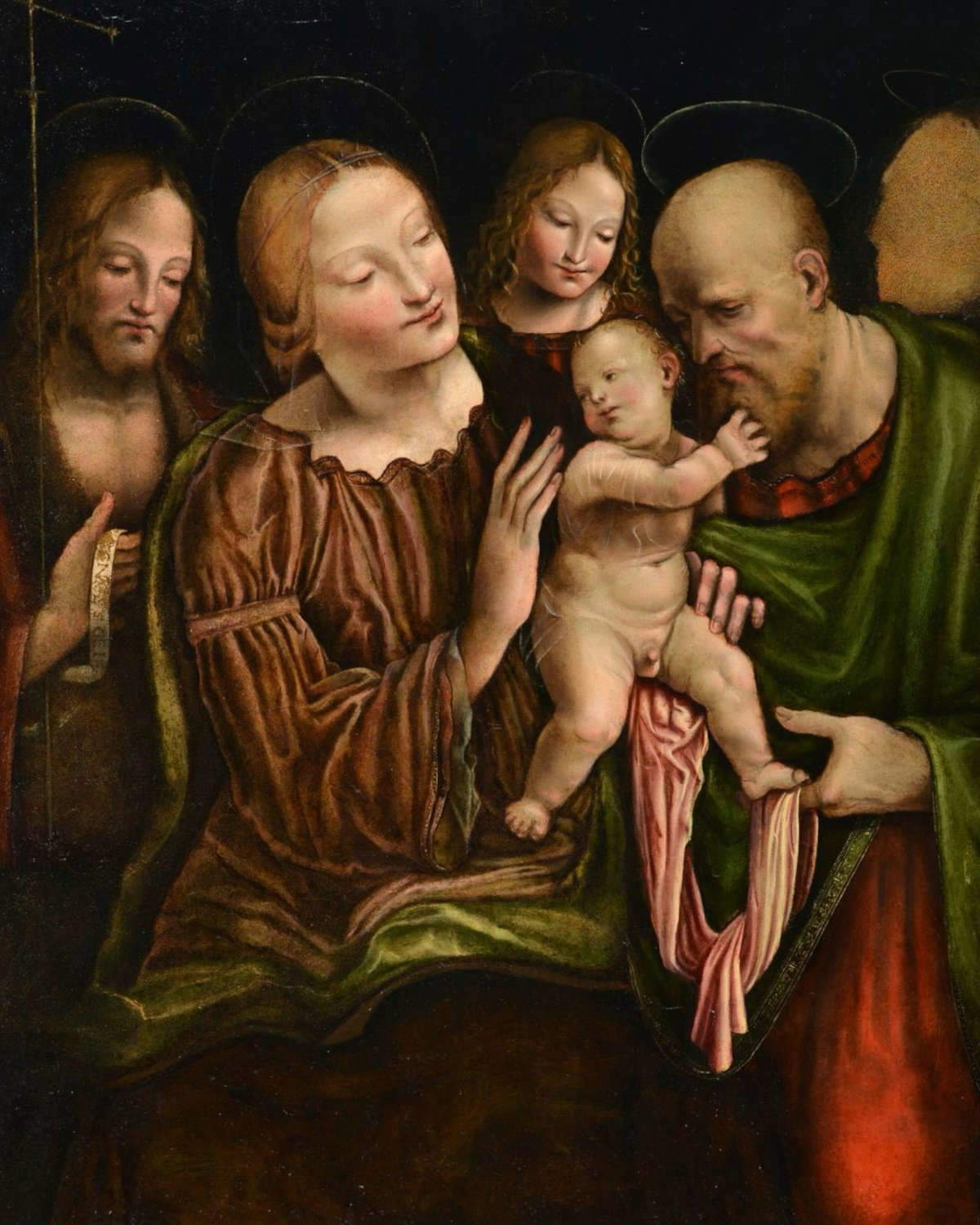
Rome, which would become Sodoma’s hunting ground and where he would be both conquered and conqueror, was for the twenty-year-old artist the dream that emerged from the mists of the Po Valley, illuminated by that entire cohort of skilled artists lined up in the first room to evoke the atmosphere that must have prevailed between Vercelli and Casale in the 1480s and 1490s, when the young Bazzi was apprenticed to Giovanni Martino Spanzotti (the exhibition opens with an entire room dedicated to his apprenticeship contract) and saw around him Eleazaro Oldoni and Alvise de’ Donati, Aimo and Balzarino Volpi—Spanzotti’s followers. In the first work attributed to the artist—a Holy Family with Saint John the Baptist and an Angel, recently published by Edoardo Villata and exhibited to the public for the first time at the Turin exhibition— Sodoma is still a painter of raw, sensitive, and deeply human roughness, who has not yet severed his ties with his master Spanzotti (in the drapery, for example, the nineteen-year-old Sodoma goes to great lengths to imitate the texture—at once harsh and silky—of his master’s tactile and luminous folds, not to mention the Baptist, who seems almost like the shy brother of the Christs that Spanzotti paints on thesmall altarpiece at Sommariva Perno or on the rare tabernacle from a private collection displayed directly opposite the young Sodoma’s panel), and yet is already moving independently toward Milan, for the Boltraffian effusions that shape the Virgin’s face are undeniable. It is already clear, even from this first, tentative attempt, that Sodoma is a permeable, mercurial artist, inclined to capture yet resistant to being captured: when the artist was in Pienza to work in the monastery of Sant’Anna in Camprena—his first documented commission—he was already a completely different artist from the Sodoma of that Holy Family. Everything that happened before Pienza is a challenge; everything we need to attribute to Sodoma in the absence of solid points of reference must be interpreted by looking at those wall paintings.
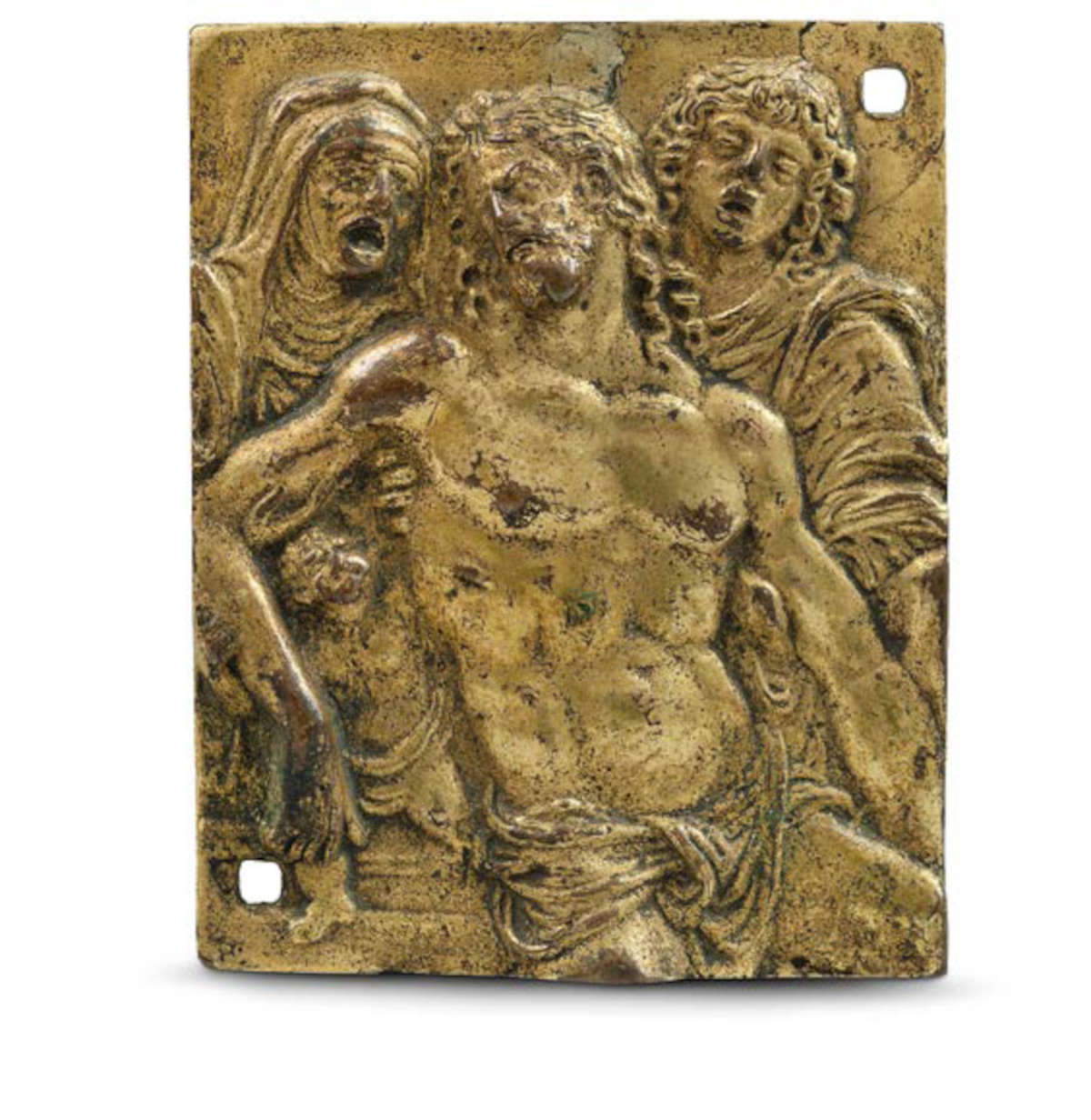
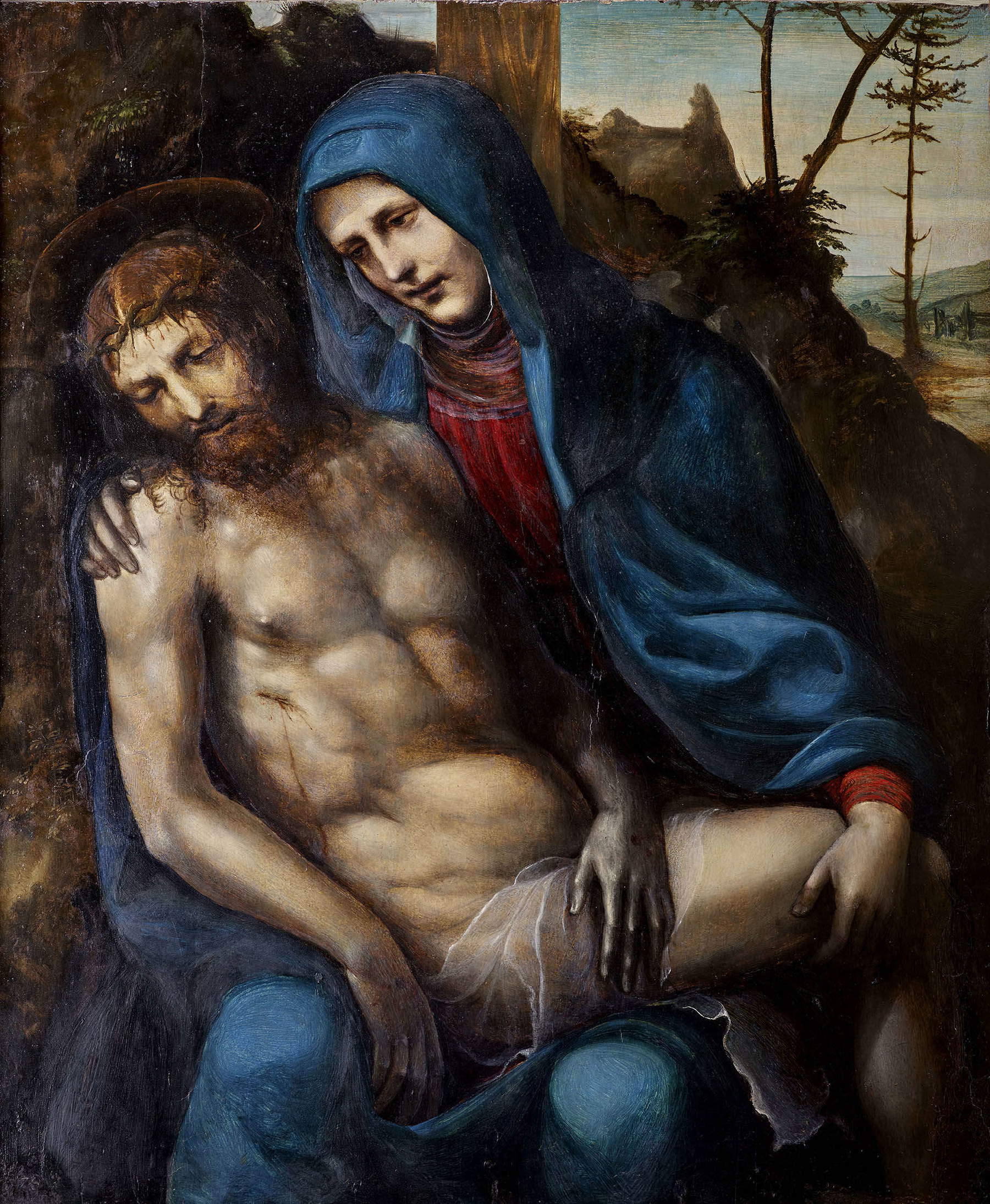
Sodoma’s early Milanese explorations must therefore be understood in light of the continuities found in those frescoes, where interest in the Sforza workshops of Leonardo, Boltraffio, Zenale, Bramantino, and Francesco Napoletano had not yet waned. However, wandering through the Lombard art gallery, one realizes the difficulty of the matter: the large Saint Sebastian at the Musée Jacquemart-André in Paris, for example, has yet to be attributed to a specific artist, even though the hypothesis that it is by Sodoma has been put forward in the past (a hypothesis that is revisited here, but with a question mark: the evidence is still too tenuous). Far more certain, however, are certain works dating to the period of the frescoes in Sant’Anna in Camprena (and the frescoes in San Francesco in Subiaco, which are slightly earlier), due to the more evident lingering influence of Spanzotti and Boltraffio’s teachings, and because of the Mantegnian references that emerge with insistence (in Subiaco, the oculus of the chapel frescoed by Sodoma is, after all, an explicit citation) and make the artist from Vercelli, for at least one or two years, a sort of softer and more luminous Mantegna: so if, in the Pietà of Santa Maria dell’Orto—still rooted within a Piedmontese and Lombard context— there are more suggestions than direct references (at most, it is that monumental severity, that almost sculpted harshness that might remotely and superficially suggest Mantegna’s influence, but the overall composition looks elsewhere: Sodoma, in this Pietà,” Bartalini noted in his monograph, “sought to make his own an invention popularized by a small plaque by the Lombard goldsmith who signed himself ‘Moderno’,” a plaque that is, moreover, on display in the exhibition; and yet, in this painting, “much […] speaks of Leonardo, but also of another supporting figure, that Bernardino Zenale, celebrated—according to Vasari—in Sforza-era Milan”), in *The Lamentation*, published in 1988 by Alessandro Bagnoli, every reference to Mantegna (and to *The Dead Christ*, in this specific case) is laid bare: the arrangement of the figures, the perspective structure of the composition, Christ’s right hand with his knuckles brushing the shroud, the pose with his feet in the foreground. A Mantegna undergoing metamorphosis, then: a Mantegna softened by the oblique light of the Leonardesque style, a Mantegna with a Piedmontese sensibility in the virile faces still echoing the absorbed humanity of those by his master Spanzotti, a Mantegna even tinged with certain Peruginesque tenderness, at least if one wishes to linger on the grace of that sweet and heartbroken Mary Magdalene, a figure in whom grief, rather than dissolving into gesture, gathers into a silent and composed delicacy—and perhaps for this very reason is all the more inconsolable.
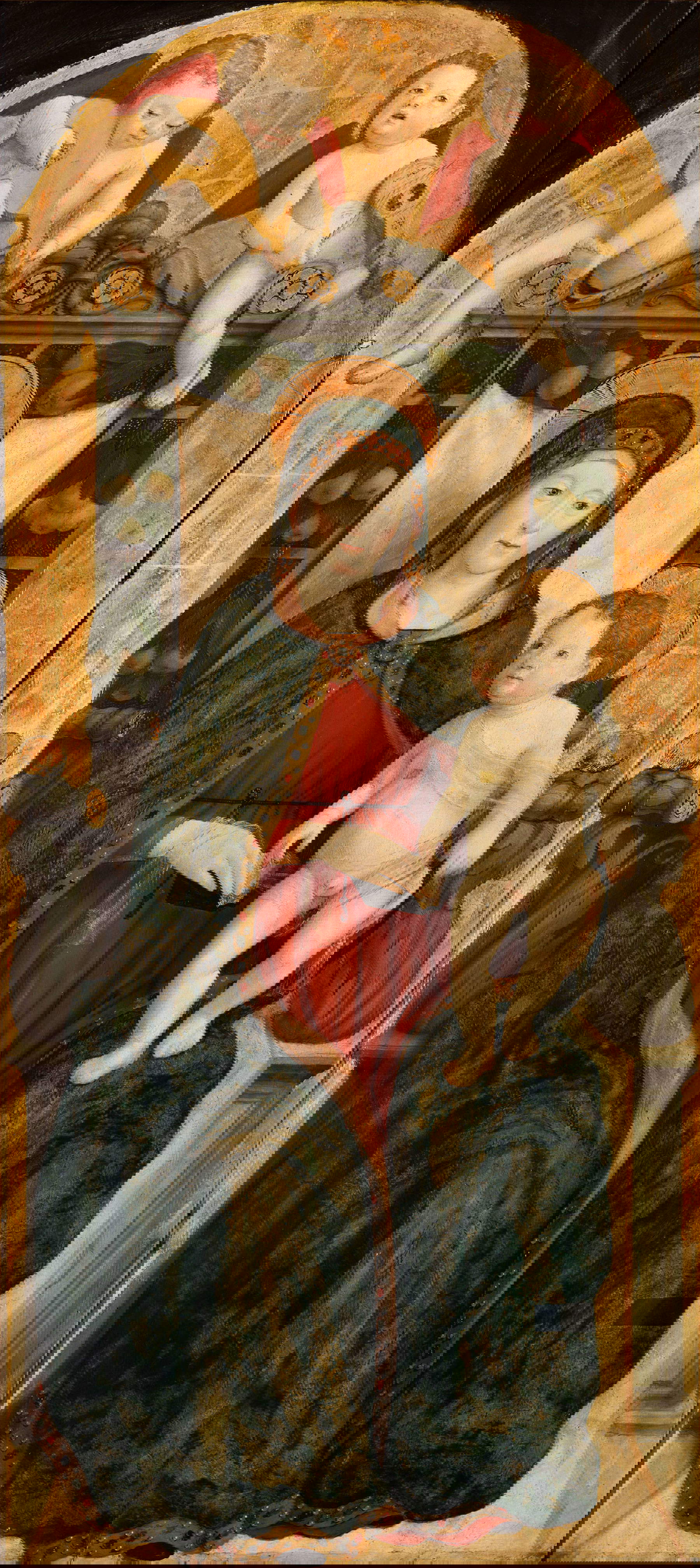
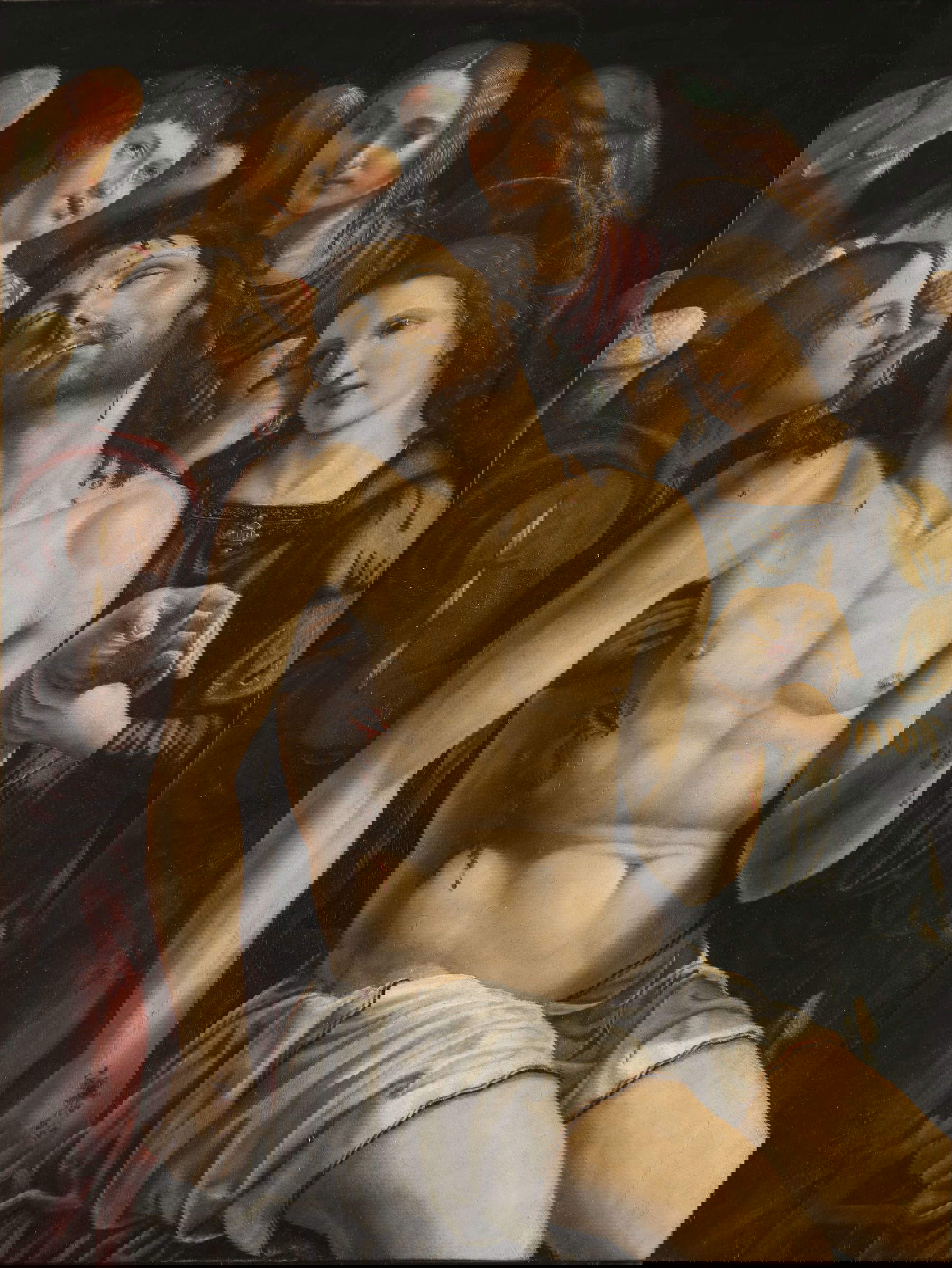
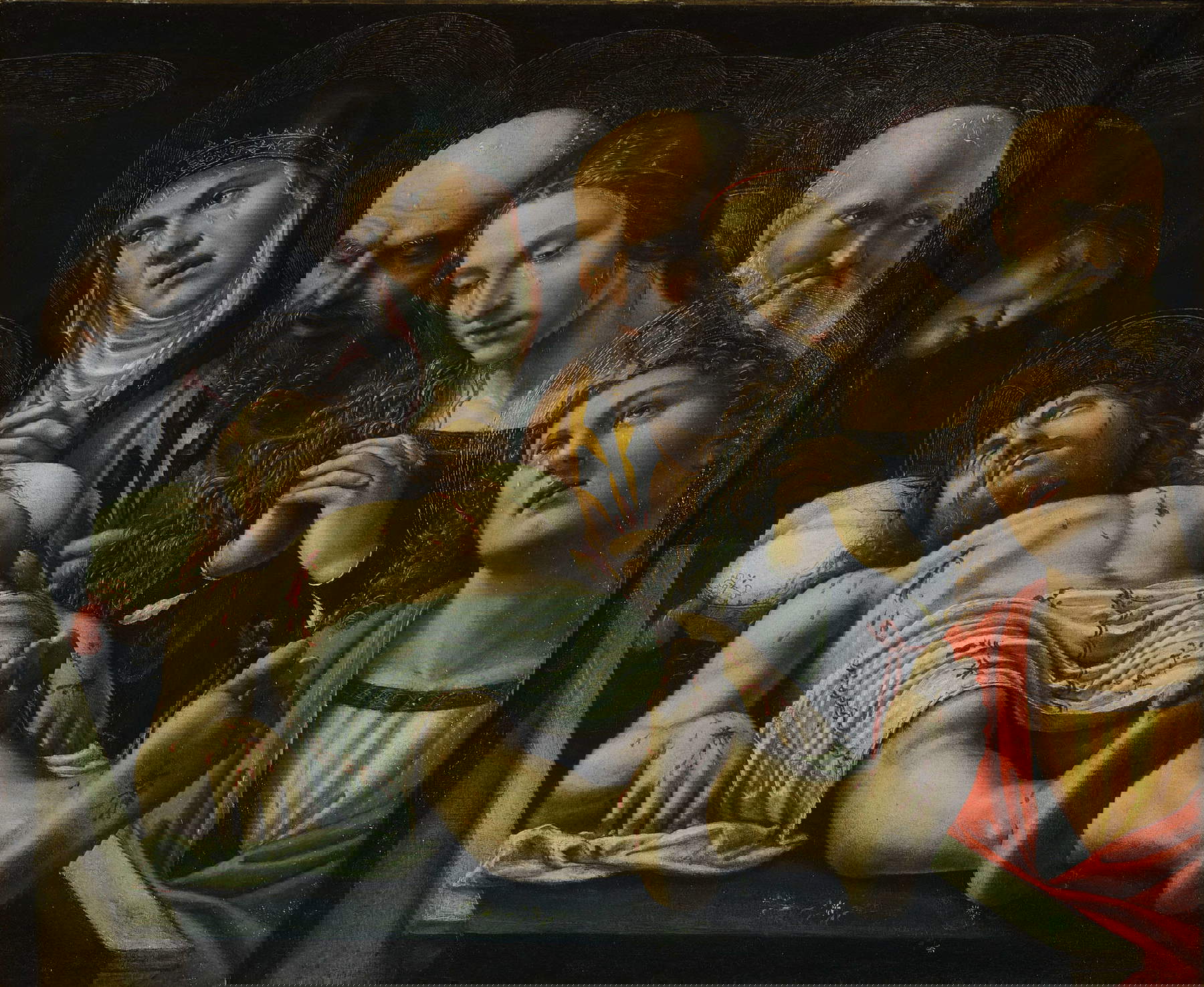
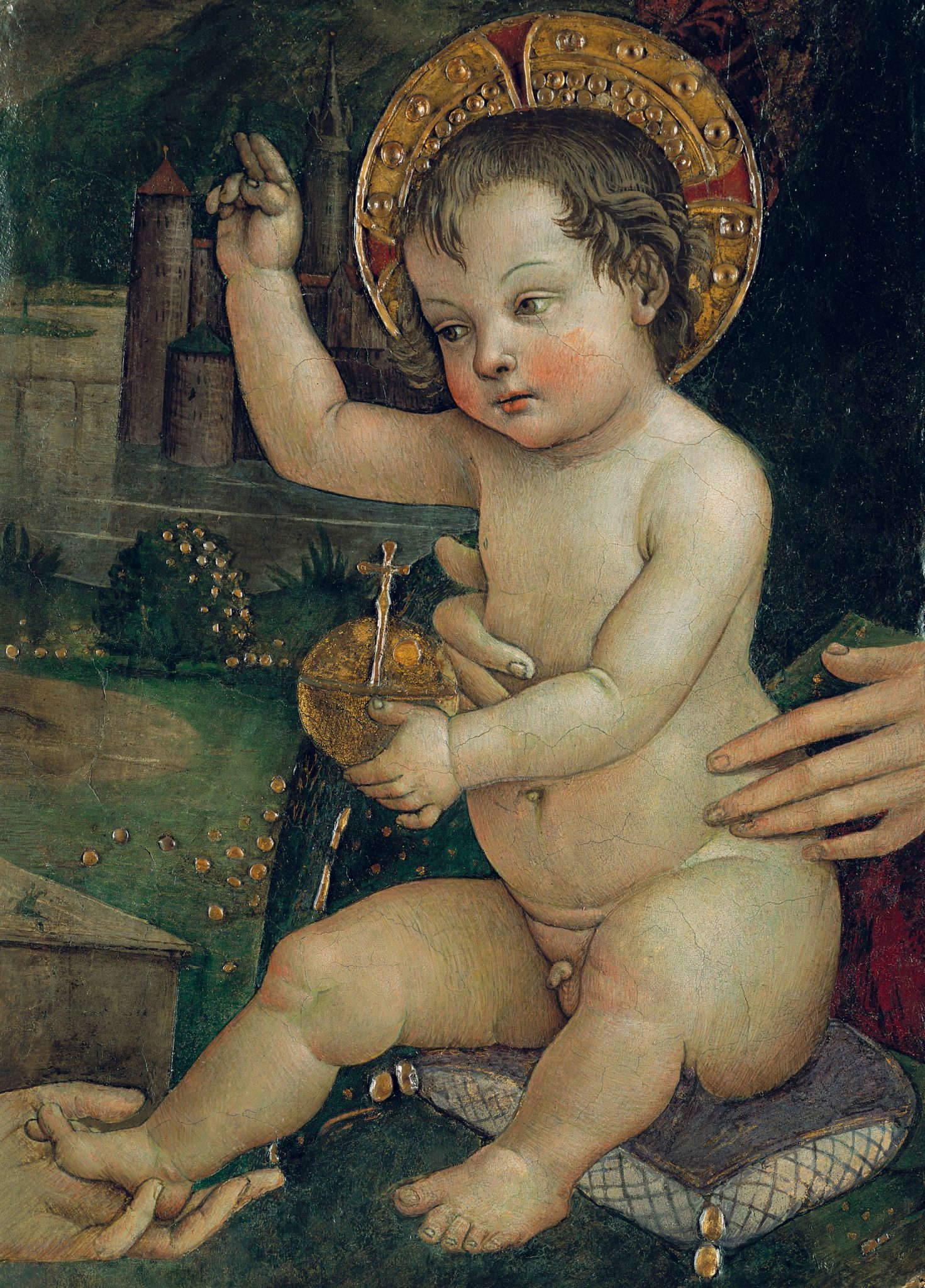
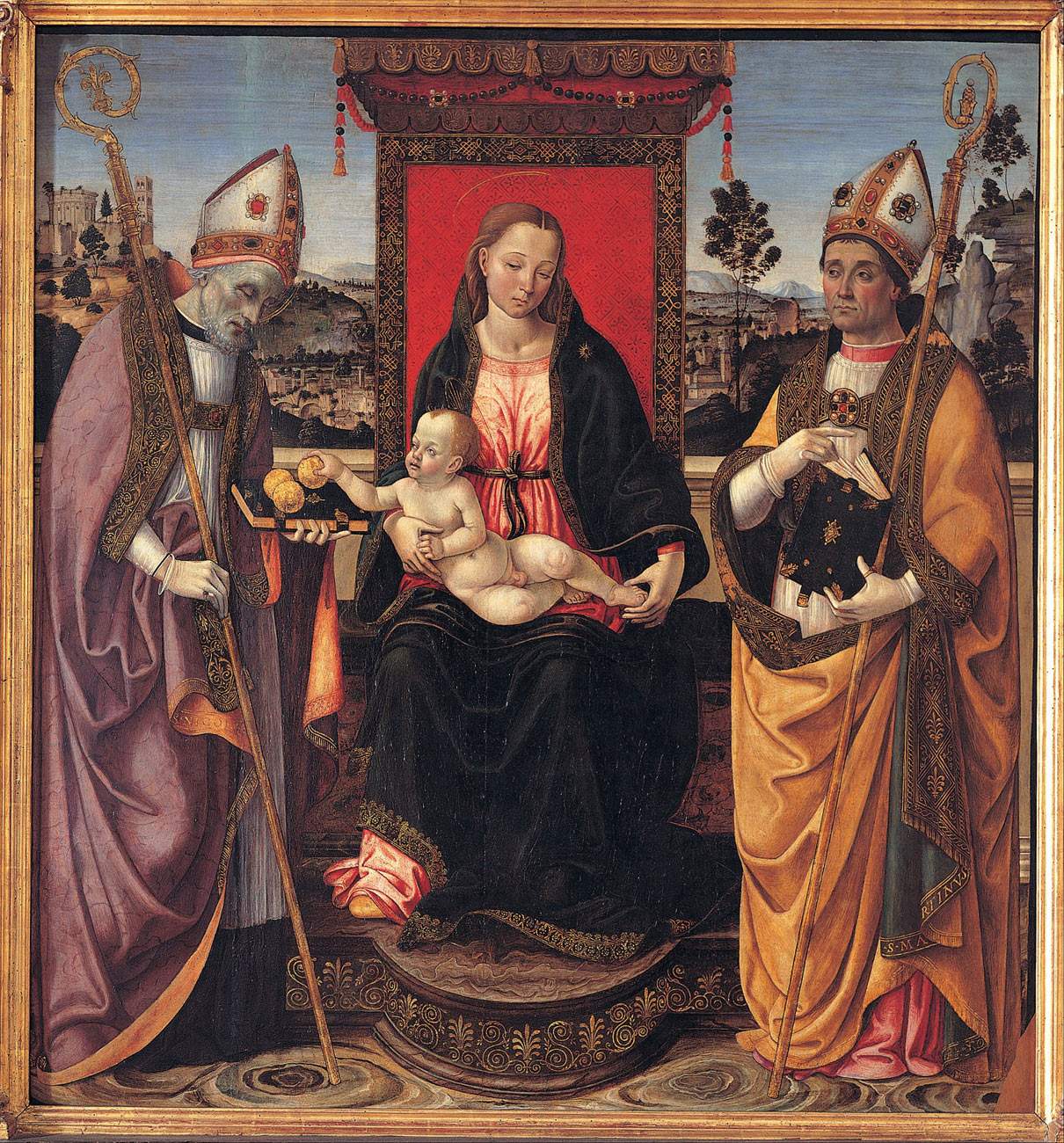
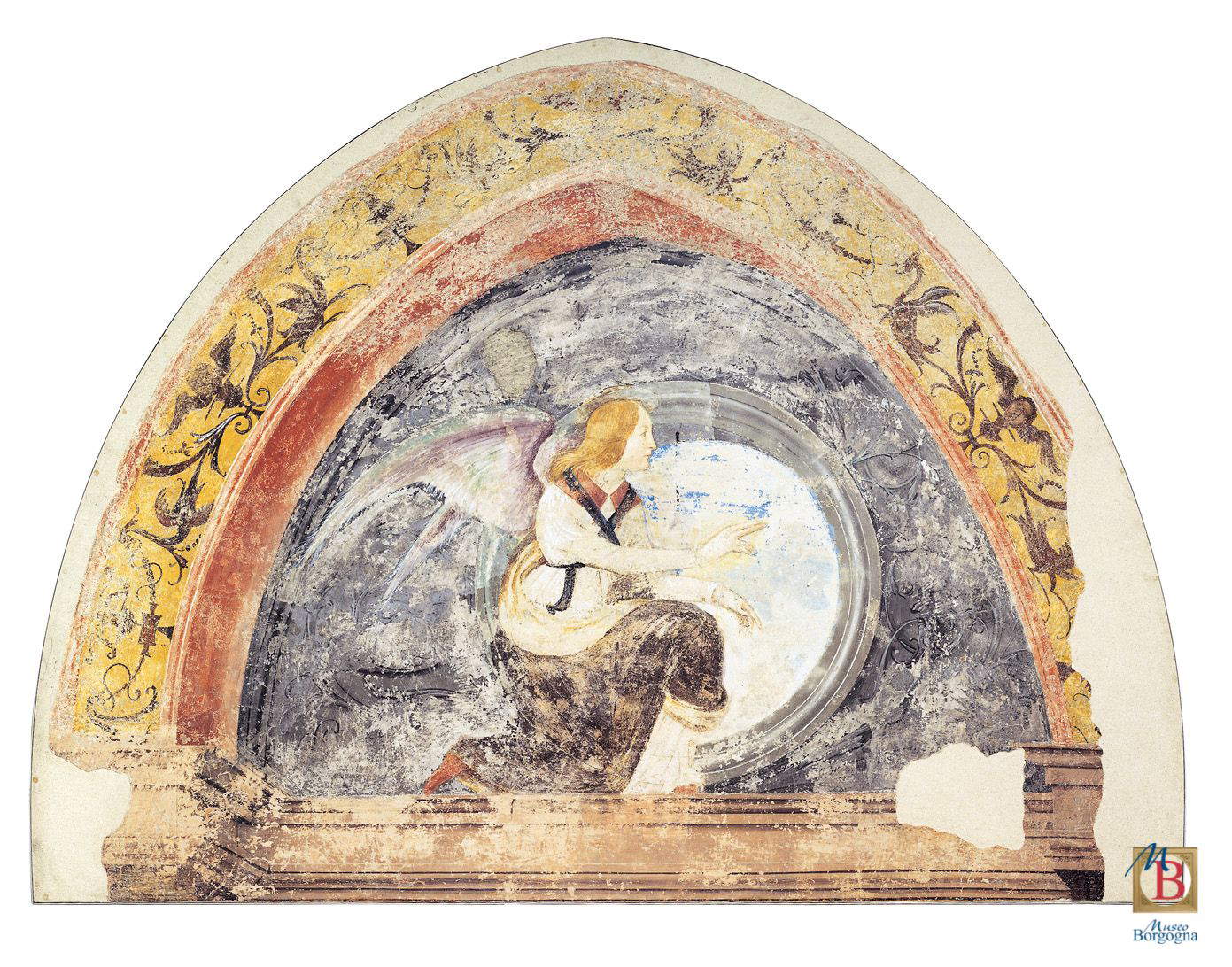
Here, the notion of a possible trip by Sodoma to Mantua comes to an end, so profound and direct is his knowledge of Mantegna’s work—the most innovative section of the exhibition, which concludes by guiding the visitor toward the Rome of Sodoma’s achievements, the Rome that would see him engaged in works for Agostino Chigi and Julius II, culminating in the pinnacle of the vault of the Stanza della Segnatura and the decoration of the Farnesina. The finale, therefore, is entirely devoted to some of the highlights of Giovanni Antonio Bazzi’s early mature work, guided toward the delights of Rome by the works of Macrino d’Alba, Gaudenzio Ferrari, and Eusebio Ferrari, all summoned to Turin to document what was happening along the route connecting eastern Piedmont to Rome, and by Pinturicchio, whose work helps open a window onto early 16th-century Rome and shed light on the Umbrian charms that also permeate the painting of the Roman Sodoma. Here, then, are the outstanding loans from the Capitoline Picture Gallery: Macrino d’Alba’s altarpiece and Pinturicchio ’s “Infant Jesus”; here are the predella panels by Gaudenzio Ferrari, small scenes that, according to Giovanni Romano, seemed “painted in Rome rather than in Vercelli”; here is the large detached fresco by Eusebio Ferrari,the Announcing Angel from the Convent of the Grazie in Vercelli—now in the Borgogna Museum—which, with its grotesques, stands as an extremely early testament to how no one, not even in the midst of these countryside regions so far from Rome, had been able to resist that subterranean world of monsters, hybrids, genies, and oddities that populated the buried halls of the Domus Aurea. Sodoma’s understanding of Roman culture had, perhaps, already taken shape even before his trip to Rome.
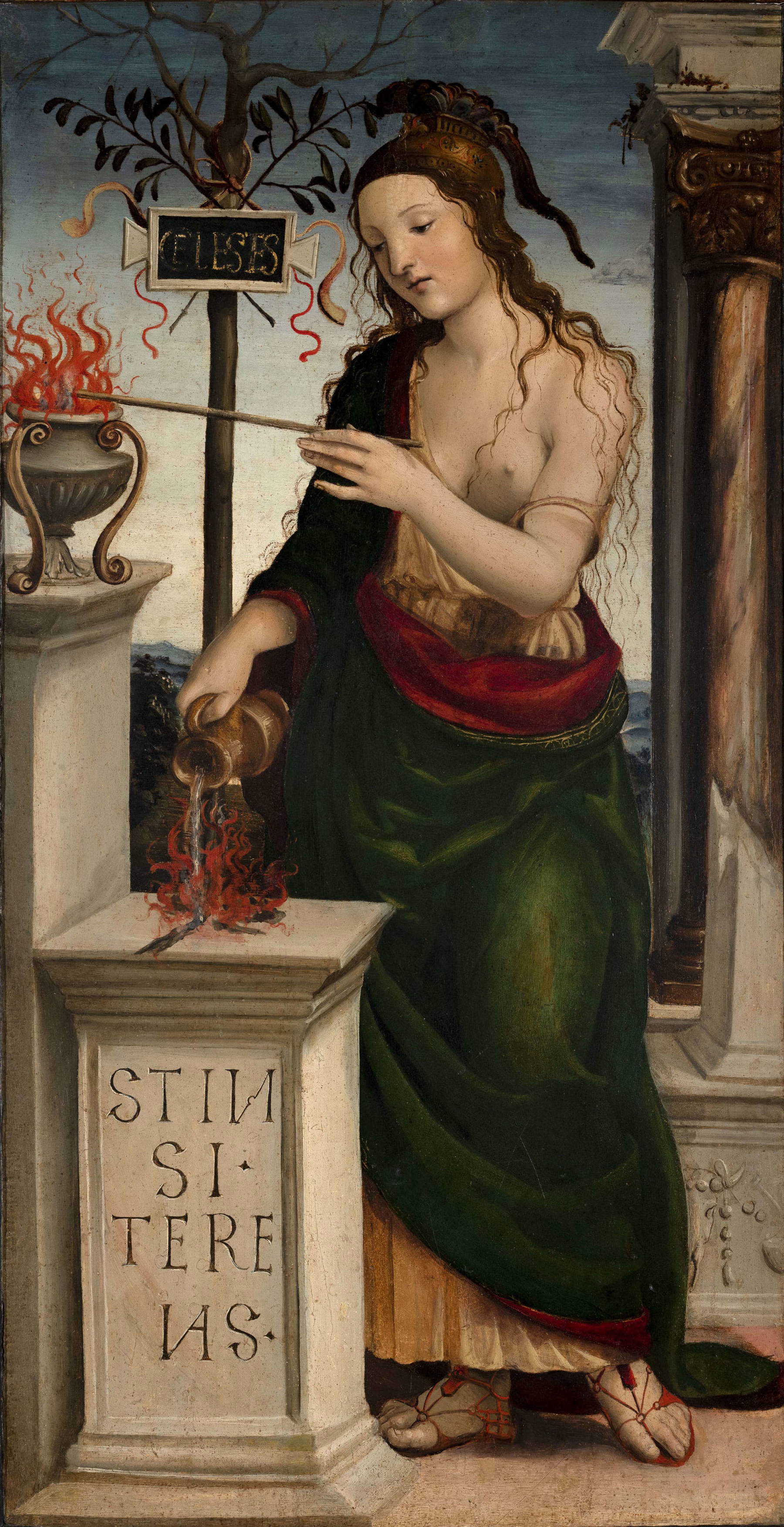
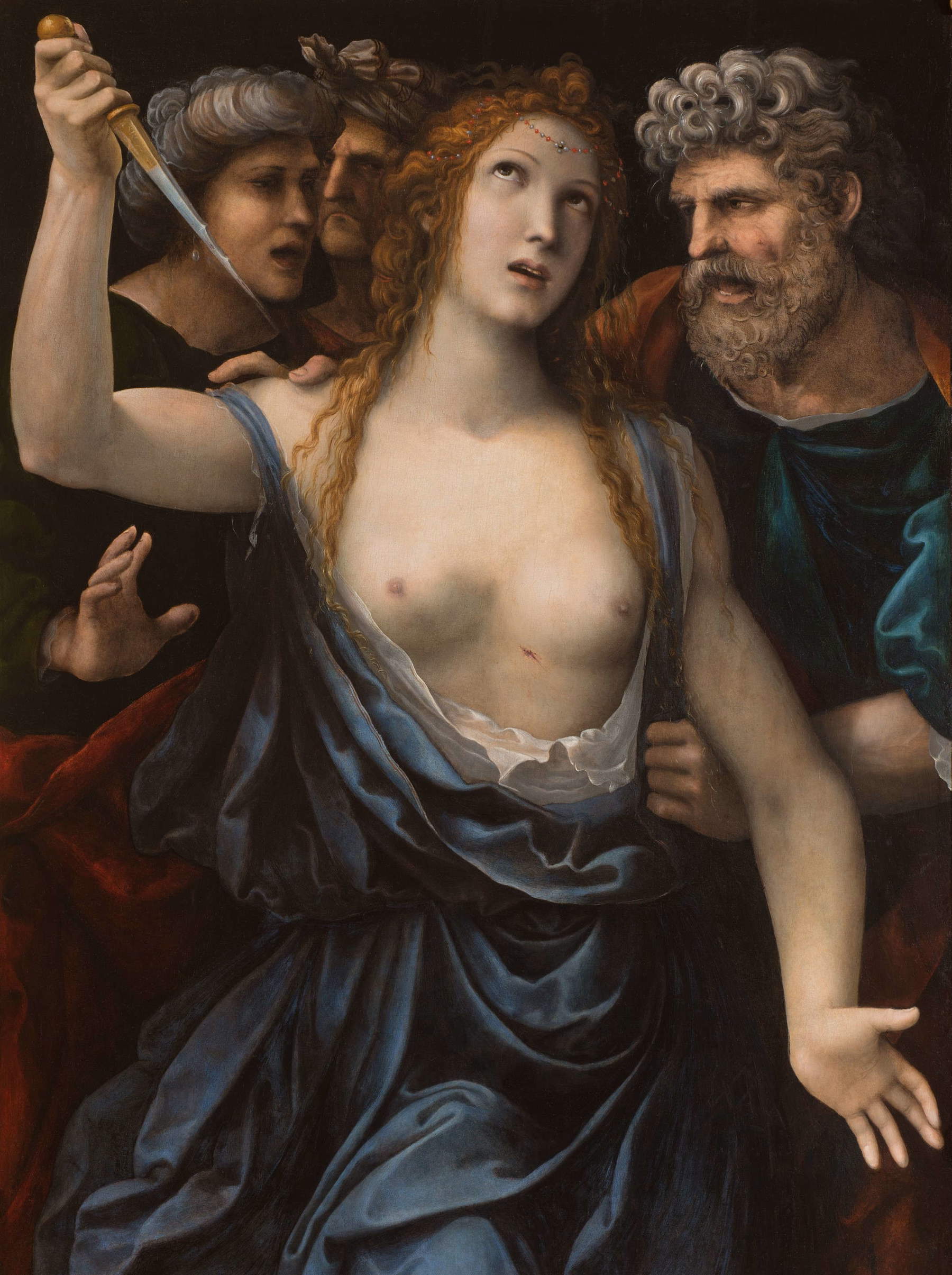
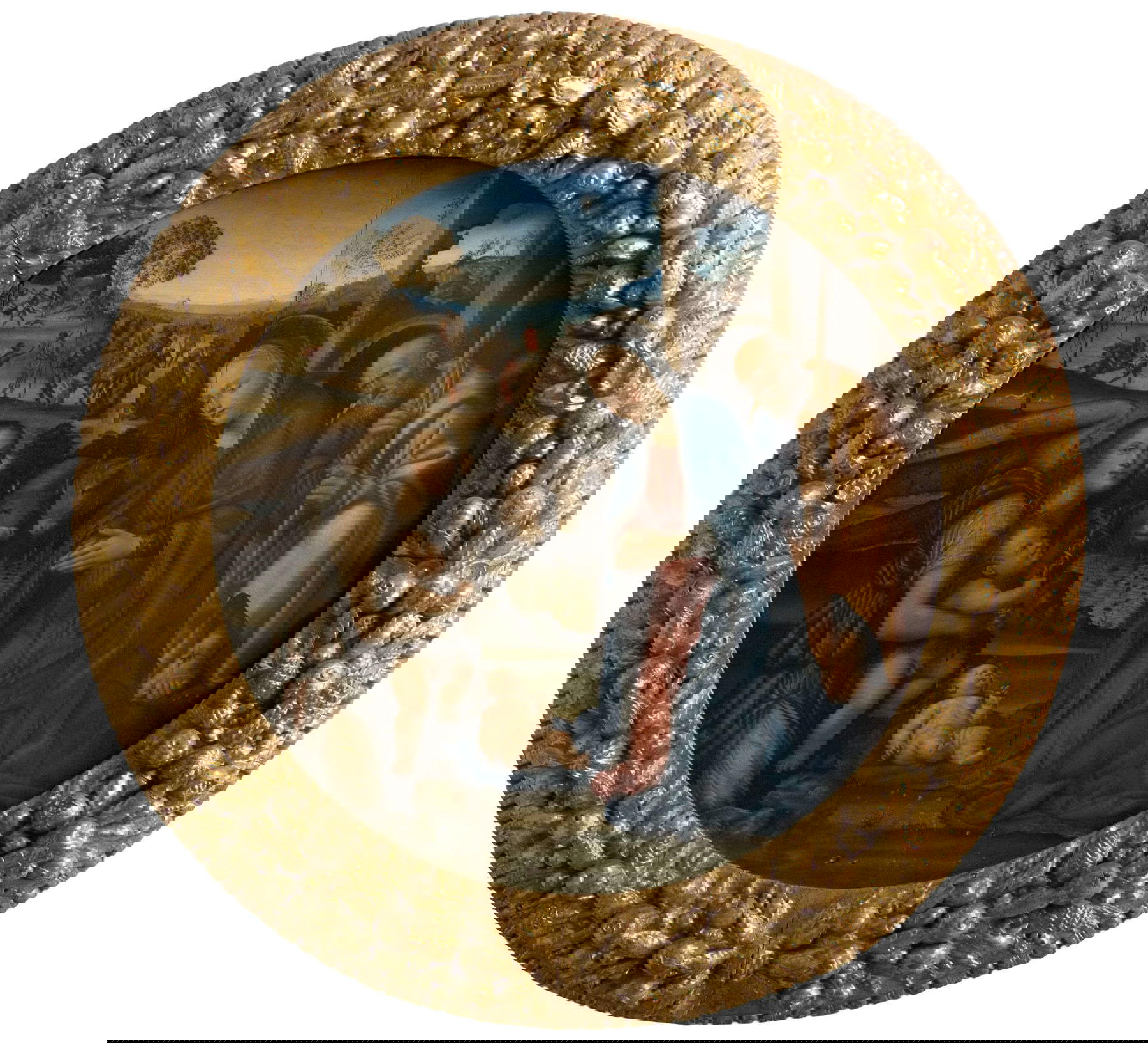
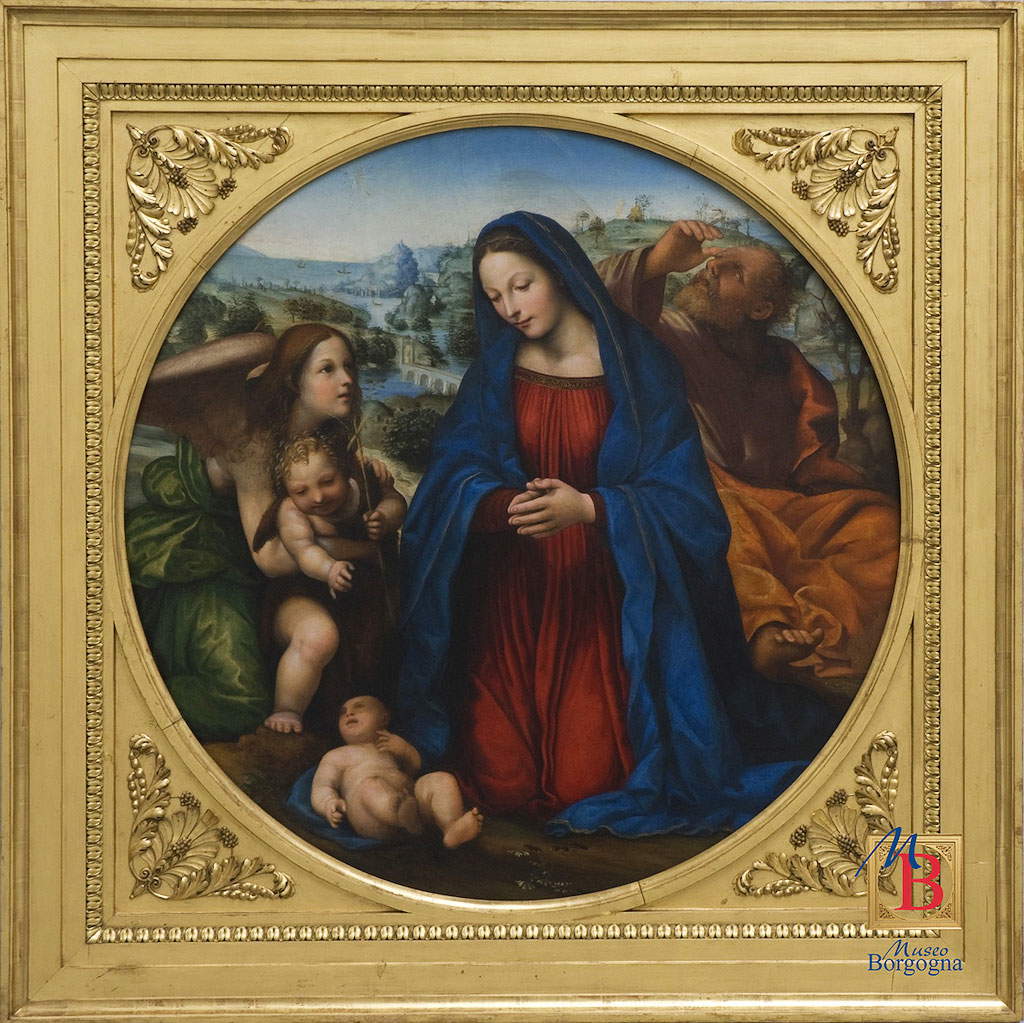
And in Rome, Sodoma discovered, like everyone else, that he was an ancient. A true, confident, observant ancient. A pagan who, convinced of what he had already learned amid the artifacts of Vercelli and Milan, did not even bother to conceal his intentions. An artist who, in this unpretentious embrace of antiquity, paradoxically became extremely modern, for he inhabited a contemporaneity that almost rejected its own time. Now, it is easy to see the “ancient” Sodoma in a painting such asthe *Allegory of Celestial Love* from the Chigi Saracini Collection, which is one of his best-known and most celebrated works, a vestal virgin in a tunic and helmet who invites the viewer, through gestures and even in writing, to curb one’s instincts (or so at least at the most basic level of iconological interpretation). Just as it is easy to find it in the ivory theater of the “Lucrezia” in the Sabauda Gallery, which still recalls Mantegna (in the tiered planes, the turbans, certain furrowed expressions) but is also imbued with classical monumentality, a monumentality reminiscent of Roman statuary, especially in the figure of the bearded man who almost resembles an ancient bust. And it is also easy to see it in the physical—if not sensual—exaltation of Lucrezia herself or of Sperone’s Magdalene, that ambiguous Magdalene, torn between the sacred and the carnal. It is less obvious to find the pagan Sodoma elsewhere, where perhaps no one would dare to look for him: for example, in the ballet of figures swarming in the background of the Nativity at the Pinacoteca Nazionale in Siena—perhaps an evocation of the procession of the Magi, perhaps a gathering of ancient philosophers or ancestors, similar to the processions seen on ancient bas-reliefs. Or in the light drapery, with dense vertical folds, of the tunic—which seems to imitate a chiton—worn by the Virgin in the tondo housed at the Museo Borgogna in Vercelli. And perhaps even in the attempt to interpret Michelangelo through the late *Pietà* in the Galleria Borghese—a work, placed at the end of the exhibition, by a Sodoma who was by then well over fifty (and thus the only painting that seems a bit out of place and out of context, though useful for providing a point of comparison with the Pietà of Santa Maria dell’Orto), and curiously praised by Vasari—who had never been able to stand Sodoma—yet nonetheless recognized the “grace” and the “wonderful divinity” of this painting, perhaps precisely because of his memory of the Vatican Pietà. Sodoma was an “old master,” to be sure, but of that sort who do not paint the past and likely see themselves as the heirs of a civilization that continues to breathe in the present and speaks to modern people.
Vasari detested Sodoma, as is well known. They were incompatible: the moralist Vasari could not forgive Sodoma for his licentiousness, that pederasty which made Sodoma’s antiquity a matter of physical nature, that “depraved and bestial” life that Vasari attributed to him—and which, however, evidently mattered to no one while Sodoma was still alive. It was only in his final years that he found himself alone and unemployed, but that was because times had changed: Laura Martini attributed the decline in his fortunes to his “insufficient attempts at renewal.” A decline in his fortunes that would then continue—as a result of Vasari’s condemnation—until the early 20th century, when Sodoma, conversely, became a widely studied painter, a controversial painter, an exhibited painter, a painter who even came to embody, in certain interpretations, as Luca Mana puts it, a “symbol of nonconformity and individual freedom against clerical obscurantism.” A transformation that Vasari might well have counted among his misfortunes. Then, of course, eighty years have passed since the last exhibition dedicated to him—if one is to make an exception for the splendid exhibition *Il buon secolo della pittura senese* (*The Golden Age of Sienese Painting* ) , which , among its many themes, also focused on Sodoma’s final years (as everyone knows, our times are not favorable to those artists who have not established themselves within the mainstream canon). It would be a mistake, however, to mistake the absence of exhibitions for a lack of interest: on the contrary, precisely in recent years, Sodoma has experienced a period of study and rediscovery that seems to demonstrate one of the most irrefutable truths of art history—namely, that when the subject matter appears to have reached a definitive conclusion, it is in fact preparing for a new reversal. It is likely, therefore, that Sodoma will be subject to further reevaluations: we know little, for example, about his travels between Pisa, Volterra, and Piombino in his later years, and the “Buon Secolo” exhibition proposed a working hypothesis regarding these journeys through Tuscany.
This has also happened, after all, in this Turin exhibition. The exhibition at the Accorsi Ometto Foundation has generated new knowledge, reconstructed contexts and examined them, raised questions, and presented previously unseen works in an attempt at an extremely difficult—and never before attempted—exploration of Sodoma’s youth, and for the sheer audacity of the undertaking alone, it deserves a visit. A visit for what the exhibition displays, of course, but also for the way it demonstrates how art history can emerge from a reevaluation—from a mundane document dated 1497 that has managed to disrupt and upend the order that was taken for granted. Suggesting, here, the idea of a painter far more precocious and far more discerning than was previously known. It shows us a very young Sodoma who was already a Roman at a time when he was still suspected of being Spanzotti’s apprentice, when he was imagined to be in the final days of his seven-year apprenticeship—yet he was perhaps already intent on shaping his own fluidity, on crafting his own antiquity.


The author of this article: Federico Giannini
Nato a Massa nel 1986, si è laureato nel 2010 in Informatica Umanistica all’Università di Pisa. Nel 2009 ha iniziato a lavorare nel settore della comunicazione su web, con particolare riferimento alla comunicazione per i beni culturali. Nel 2017 ha fondato con Ilaria Baratta la rivista Finestre sull’Arte. Dalla fondazione è direttore responsabile della rivista. Nel 2025 ha scritto il libro Vero, Falso, Fake. Credenze, errori e falsità nel mondo dell'arte (Giunti editore). Collabora e ha collaborato con diverse riviste, tra cui Art e Dossier e Left, e per la televisione è stato autore del documentario Le mani dell’arte (Rai 5) ed è stato tra i presentatori del programma Dorian – L’arte non invecchia (Rai 5). Al suo attivo anche docenze in materia di giornalismo culturale all'Università di Genova e all'Ordine dei Giornalisti, inoltre partecipa regolarmente come relatore e moderatore su temi di arte e cultura a numerosi convegni (tra gli altri: Lu.Bec. Lucca Beni Culturali, Ro.Me Exhibition, Con-Vivere Festival, TTG Travel Experience).
Warning: the translation into English of the original Italian article was created using automatic tools. We undertake to review all articles, but we do not guarantee the total absence of inaccuracies in the translation due to the program. You can find the original by clicking on the ITA button. If you find any mistake,please contact us.






















 IT
IT FR
FR DE
DE ES
ES CN
CN


