





From Feb. 21 to April 12, 2026, MuSa Museo di Salò (Brescia) is hosting The Last Days. The Adamello Glacier in the photographs of Michele Gusmeri, an exhibition project promoted by the Italian Alpine Club, Brescia section, and dedicated to the largest glacial concentration in the Italian Alps. The initiative is part of the International Year for the Protection of Glaciers, proclaimed for 2025 by UNESCO together with the World Meteorological Organization, in response to the rapid collapse of glaciers due to climatic and environmental variations, a process whose effects remain partly unpredictable.
The exhibition brings together thirty-three photographs by Michele Gusmeri (Brescia, 1984) dedicated to the Adamello glacier, documenting its retreat and at the same time its landscape dimension. The project was born with an intent at once artistic and documentary: to record a historical moment in which the transformation of the glacial mass appears accelerated and visible. The images render a condition that the author identifies as an extreme phase of a centuries-long cycle, suggesting the idea of a temporal threshold. The glacier is observed as a natural body in progressive reduction, but also as a central element of high altitude environmental balances and water reserves.
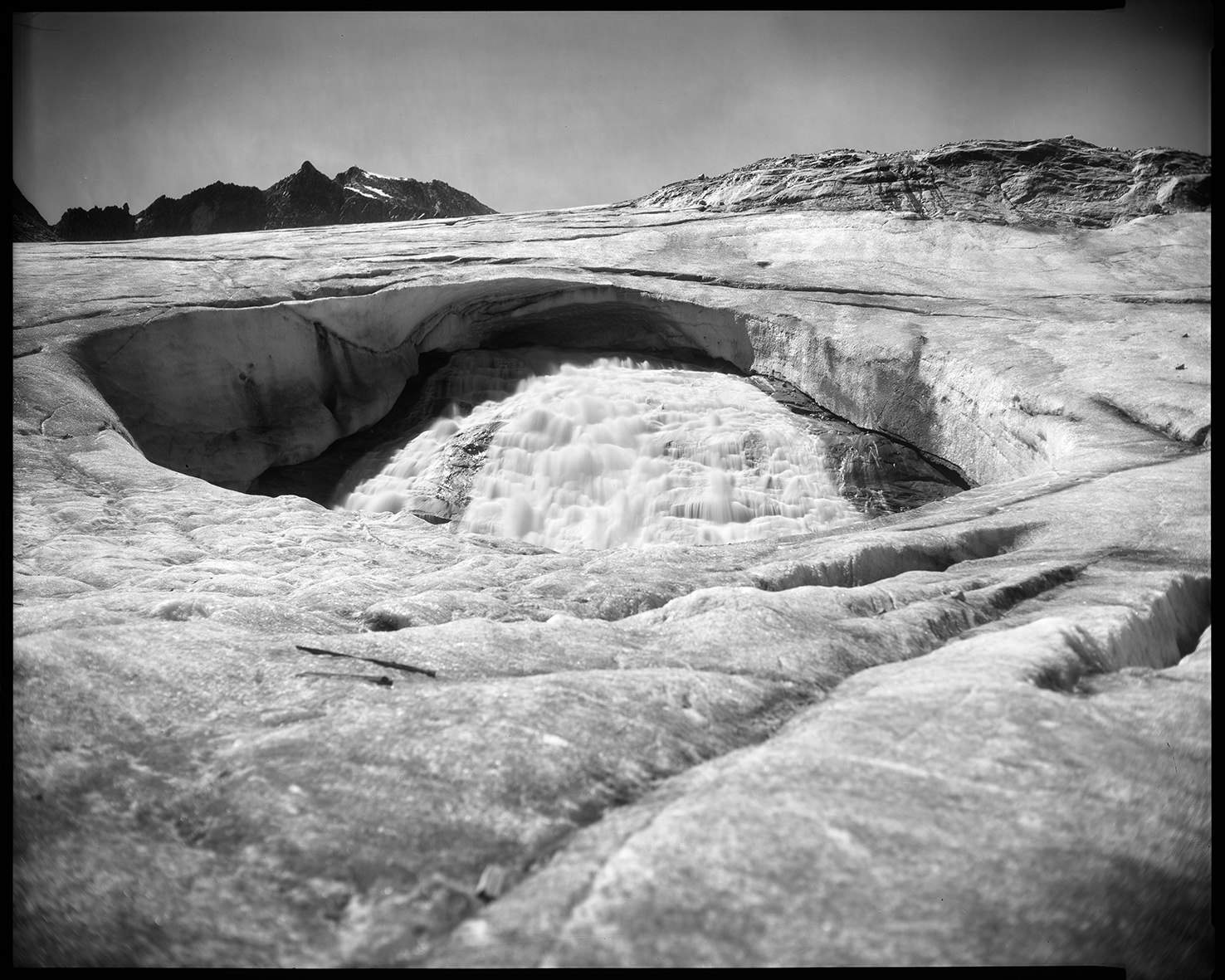
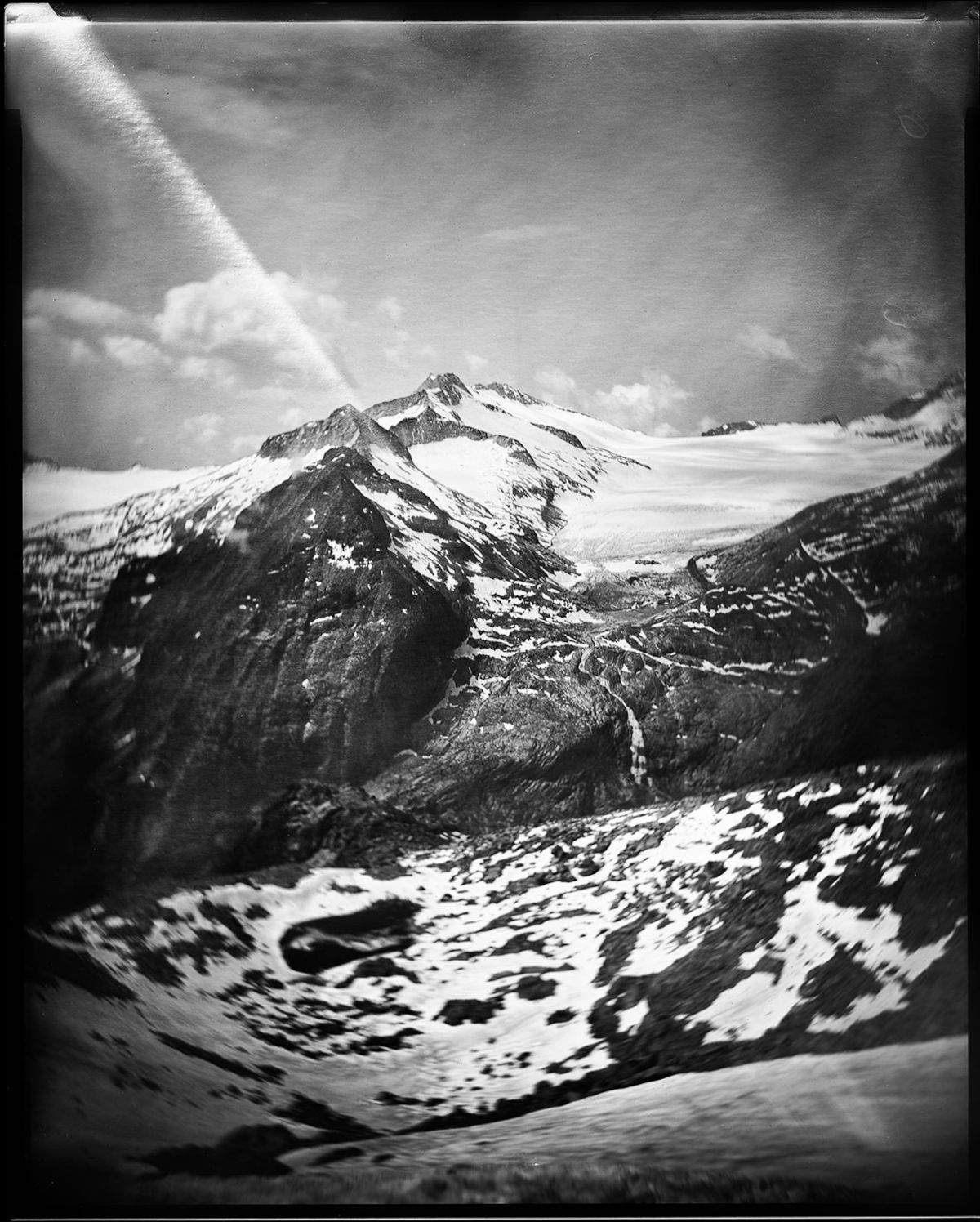
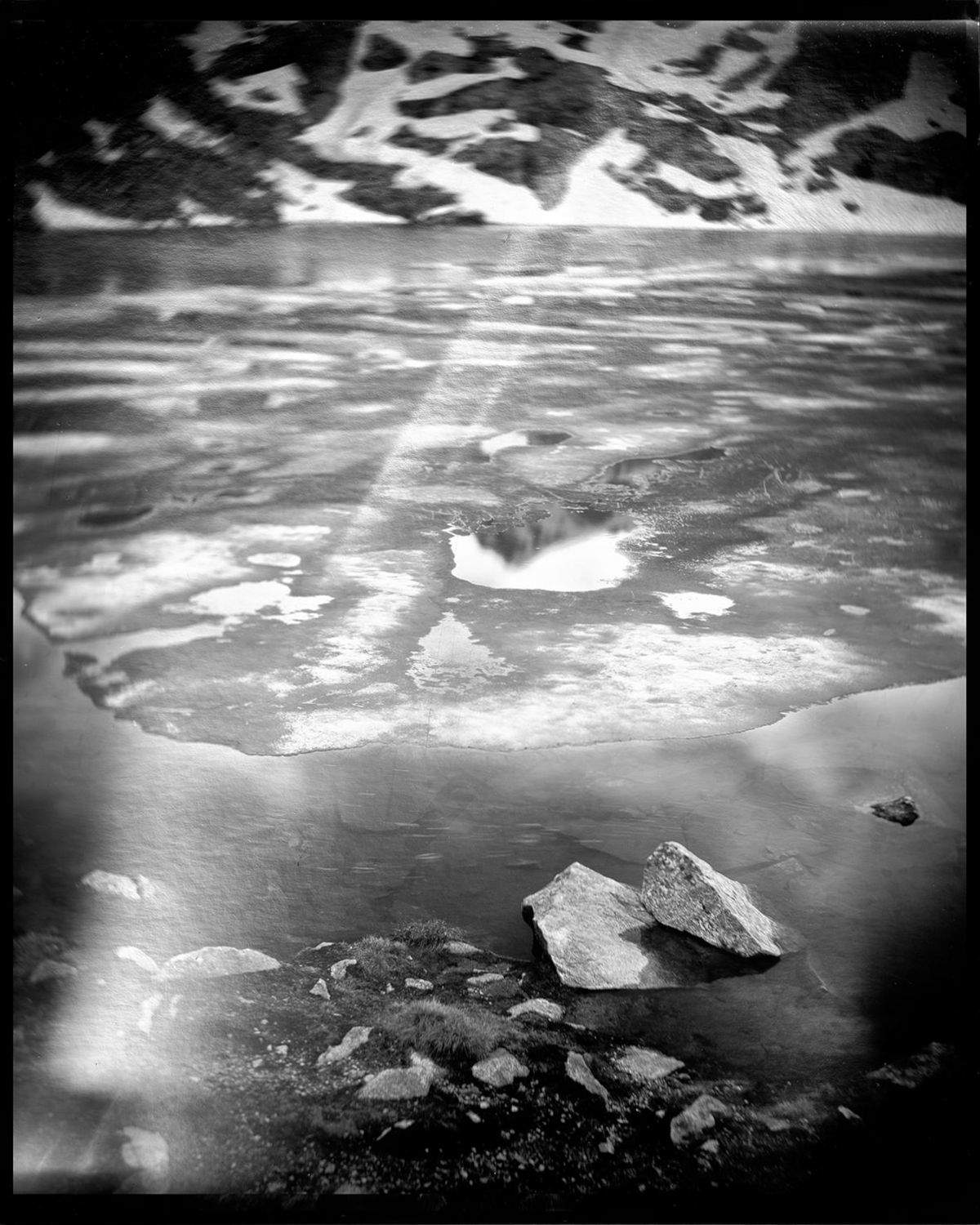
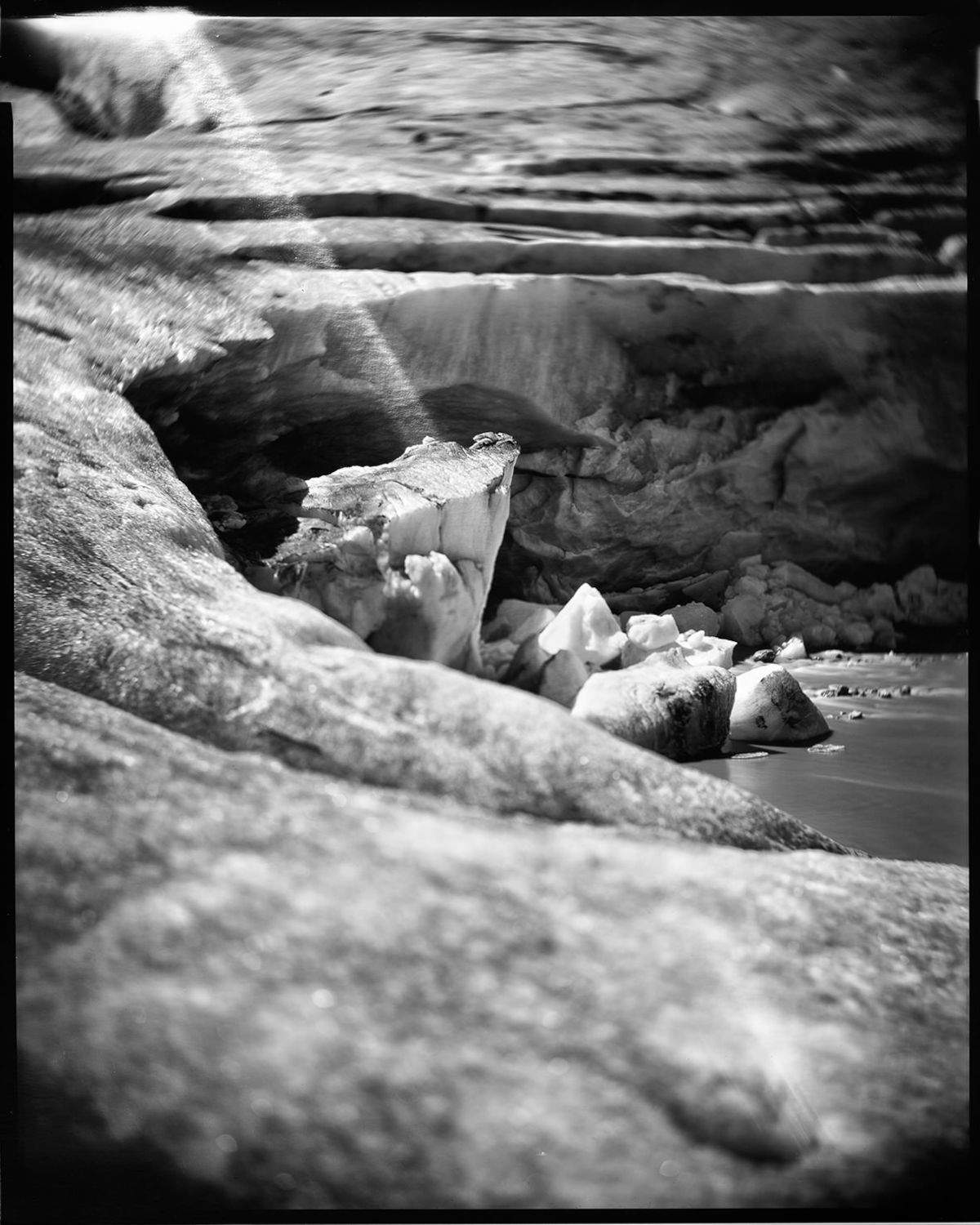
The technical choice constitutes one of the central aspects of the project. Gusmeri worked with a large-format 8x10-inch analog camera, using the exposed paper negative through historical photographic lenses. The main lens used is an Auzoux & Français 300mm f/4 Petzval, made in Paris in 1863, the year the Italian Alpine Club was founded.
The process adopted involves the use of photosensitive photographic paper loaded directly into the chassis of the view camera. Compared to modern films, the paper has a very low sensitivity, a condition that allows the use of antique lenses without a shutter. The result is a rendering characterized by soft tonal qualities and a pictorial component that can be traced back to the portrait optics of the late 19th century, an area in which the photographer has matured specific formal research over the years.
The negatives were developed directly on the glacier, in en plein air (open air) conditions. The expedition involved transporting not only the photographic equipment to high altitudes, but also all the material necessary for chemical development: basins, chemists, tanks, tongs, red lights, water and a portable darkroom-tent. At the end of the high-altitude operations, the paper negatives were digitally captured; the final prints were made in large format with Fine Art pigment technique on 100% cotton metallized museum-quality paper. A short film documenting the different stages of the expedition, from technical preparation to work on the glacier, is also presented within the exhibition. The film is signed by professional filmmakers Matteo Sandrini and Paolo Guarneri, who followed the entire image-making process in the field.
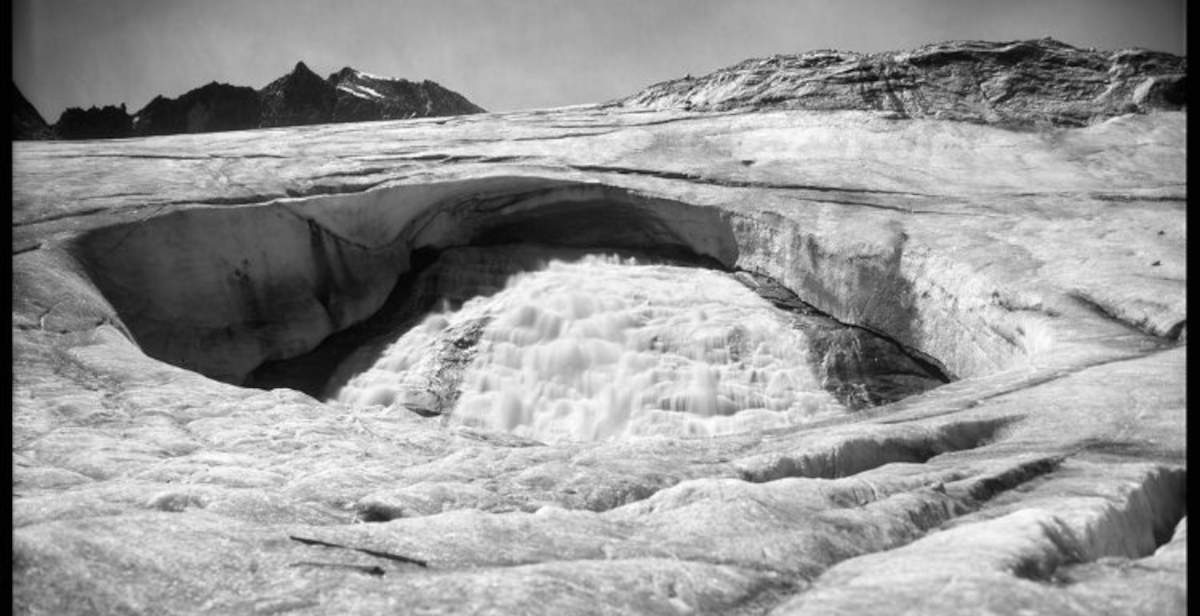 |
| Adamello, the last days of the glacier in the photographs of Michele Gusmeri |

Warning: the translation into English of the original Italian article was created using automatic tools. We undertake to review all articles, but we do not guarantee the total absence of inaccuracies in the translation due to the program. You can find the original by clicking on the ITA button. If you find any mistake,please contact us.


























 IT
IT FR
FR DE
DE ES
ES CN
CN


