





An exhibition dedicated to one of the great figures of 20th-century photography brings together two cultural institutions in the Veneto region through a complementary exhibition that traces the life and work of Alfred Eisenstaedt (Tczew, 1898 – Oak Bluffs, 1995). Through September 20, 2026, the Villa Bassi Rathgeb Museum in Abano Terme is hosting the exhibition *Alfred Eisenstaedt: Photography Was in the Air*, while the story continues through November 22 at the Naval History Museum in Venice with a second exhibition dedicated to the photographer’s years in Europe.
The initiative, curated by Monica Poggi and produced by CAMERA – Italian Center for Photography, is organized by the Municipality of Abano Terme and D’Uva, the operator of MUNAV – the Naval History Museum of Venice. The project was conceived with the aim of fostering dialogue between institutions and the local community through the work of an artist who made a decisive contribution to defining the language of contemporary photojournalism. The exhibition’s title draws on Eisenstaedt’s own reflections on post-World War I Germany and evokes the atmosphere of transformation, cultural openness, and creative energy that shaped his formative years—an atmosphere the organizers aim to bring to life through this dual exhibition itinerary.
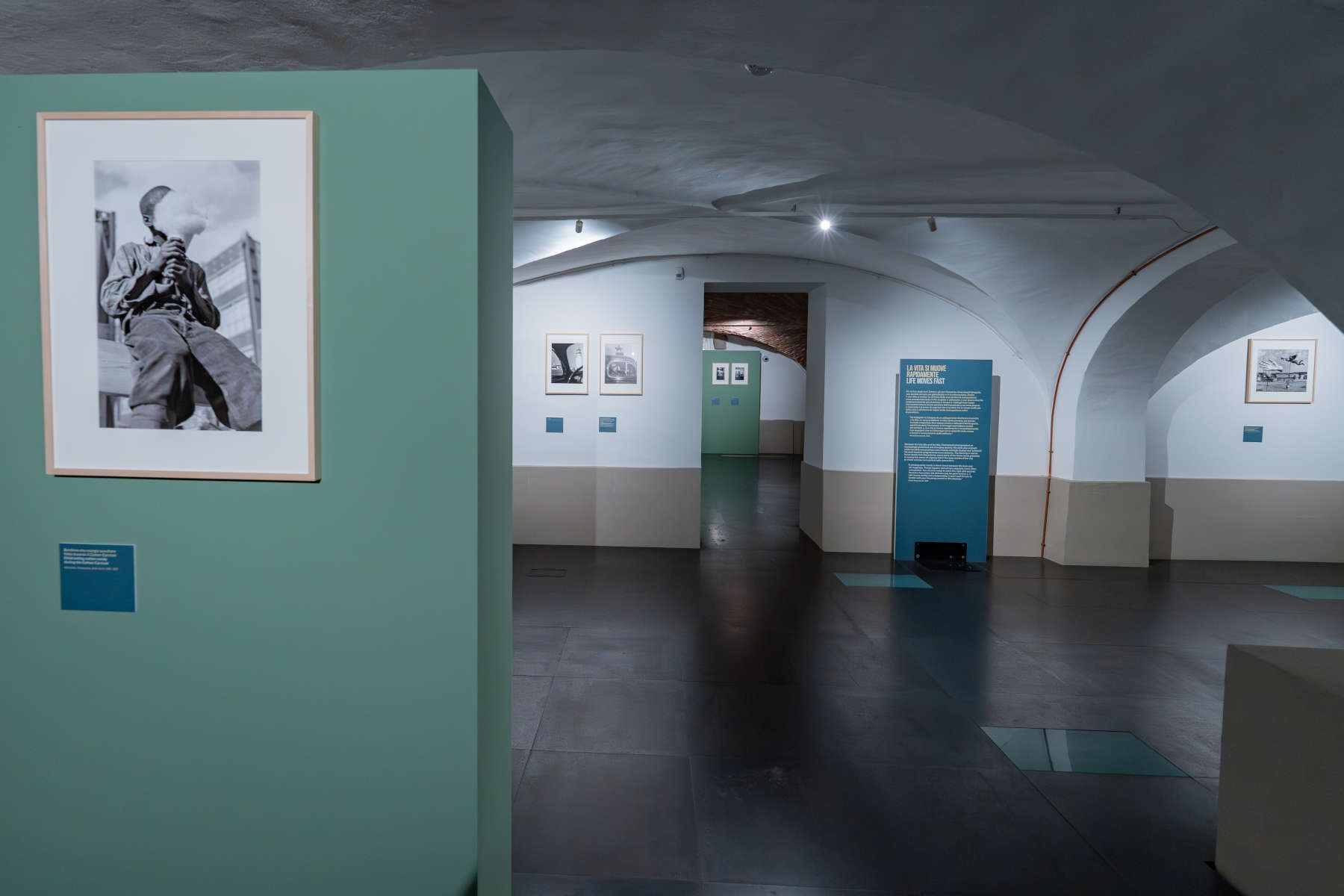
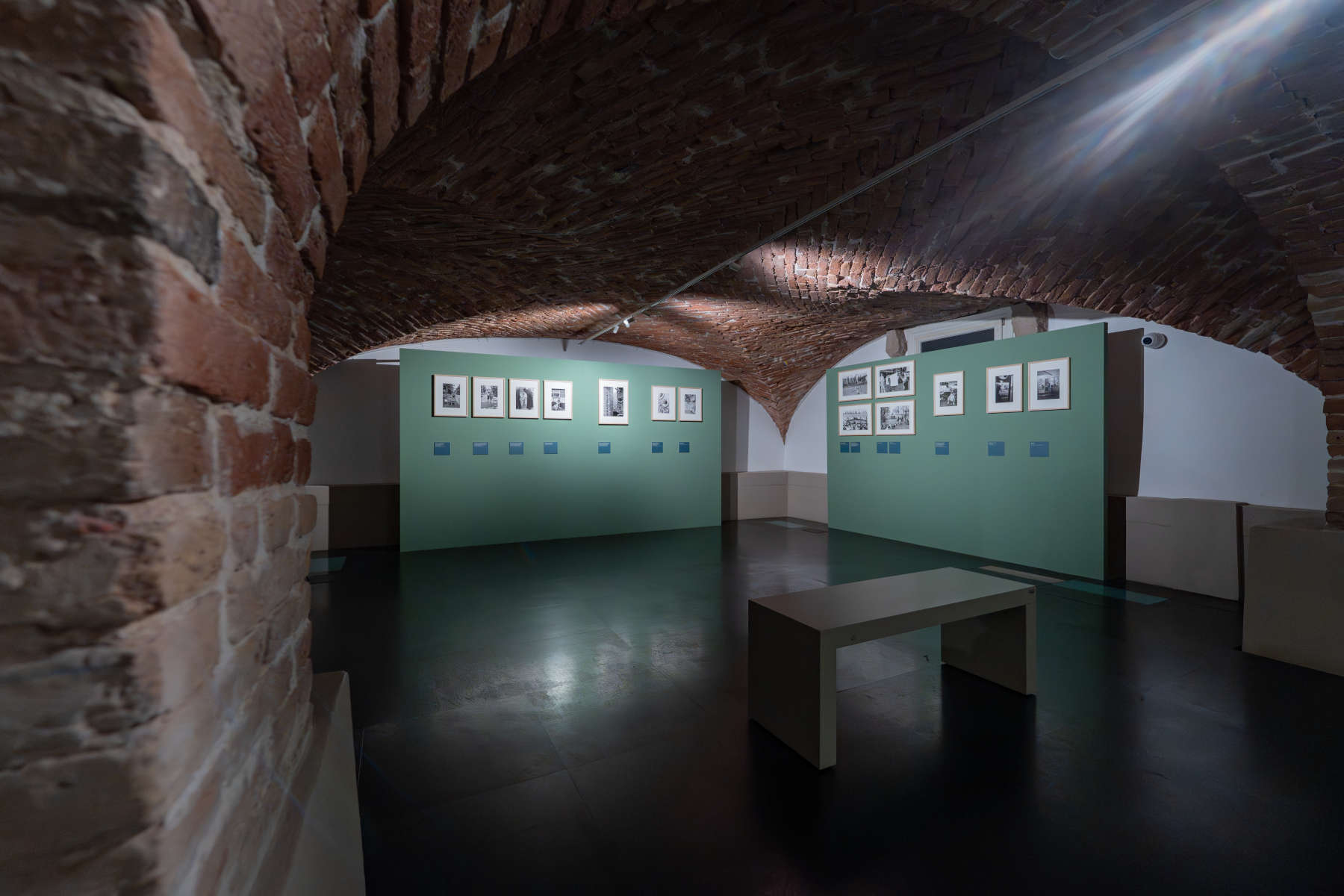
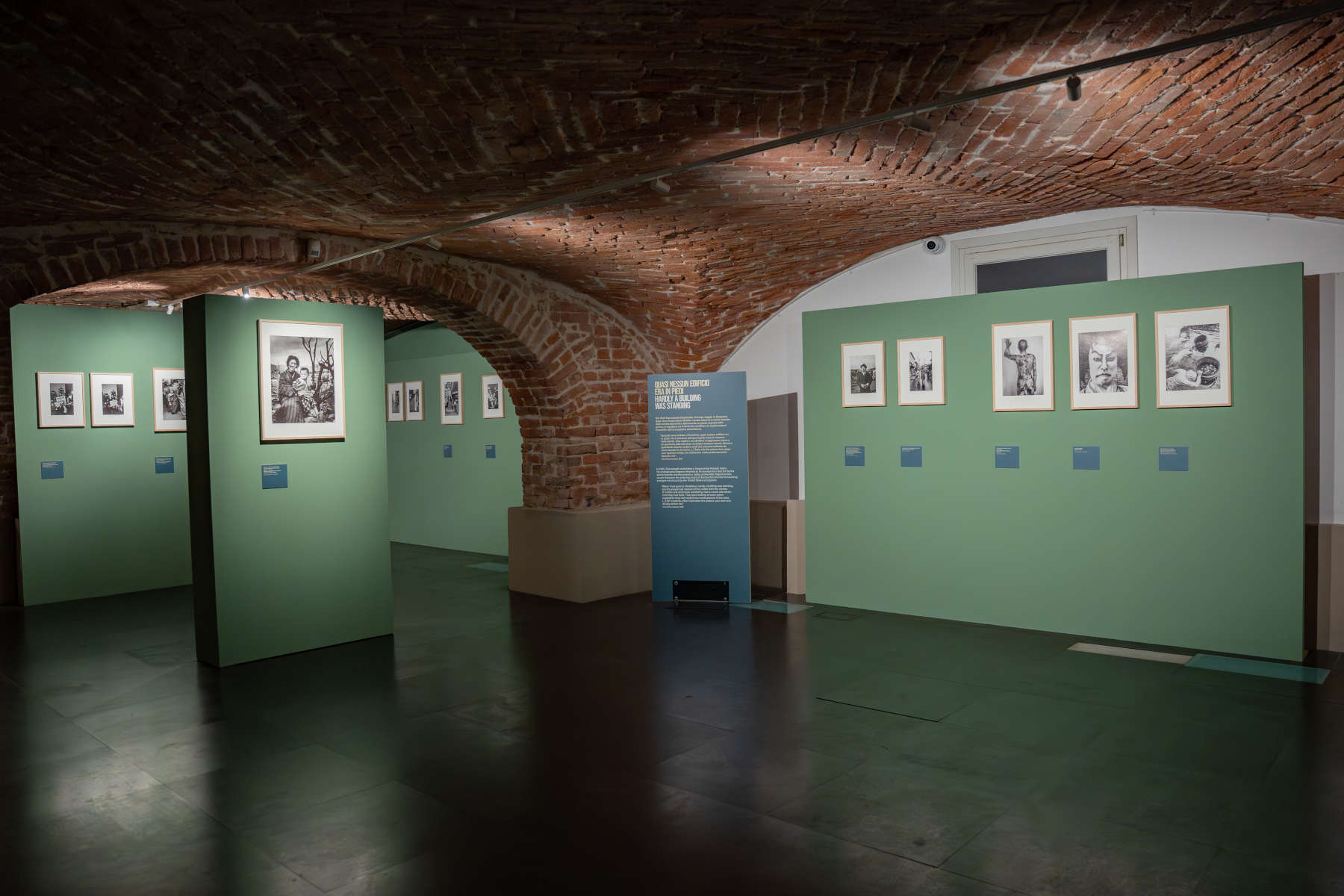
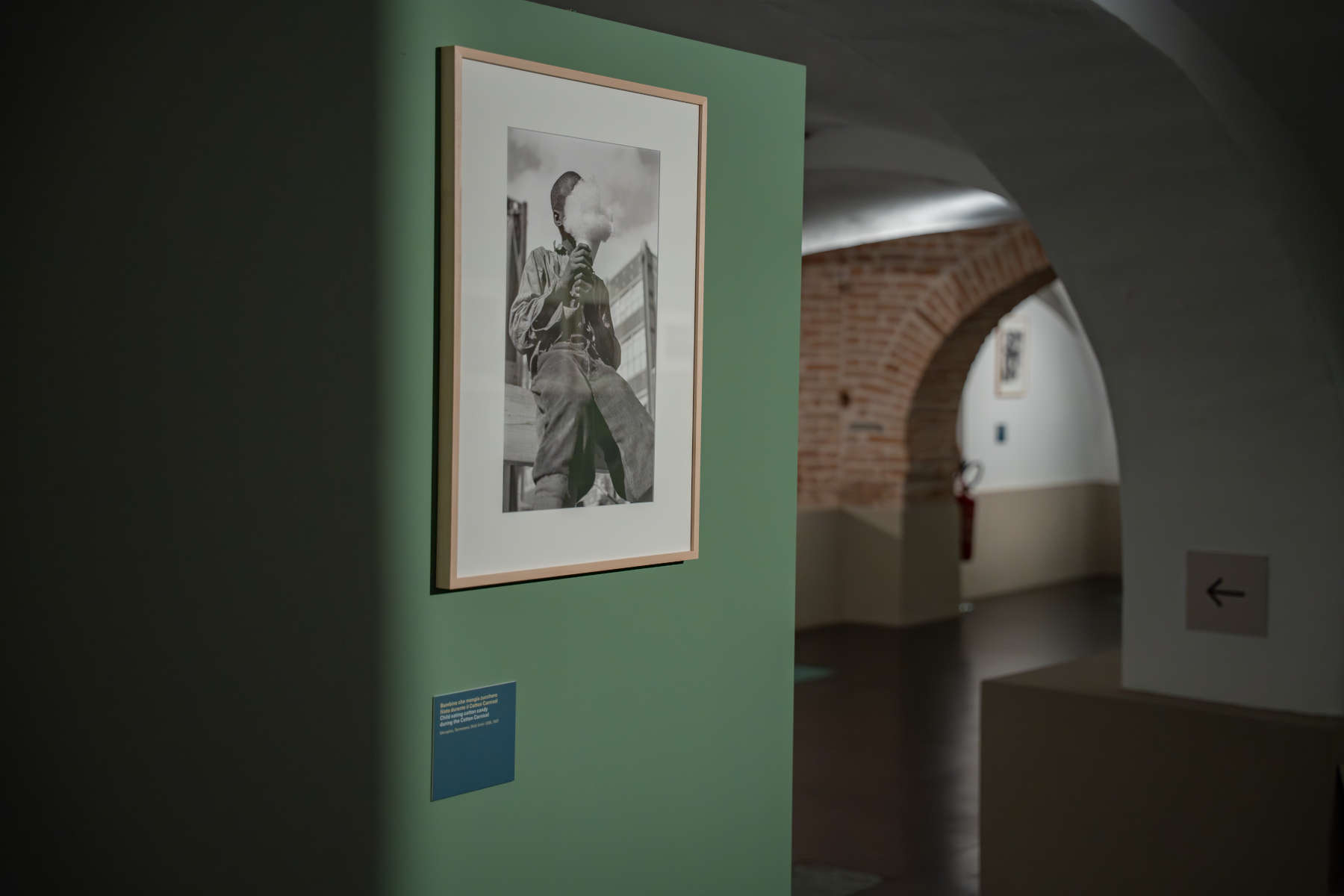
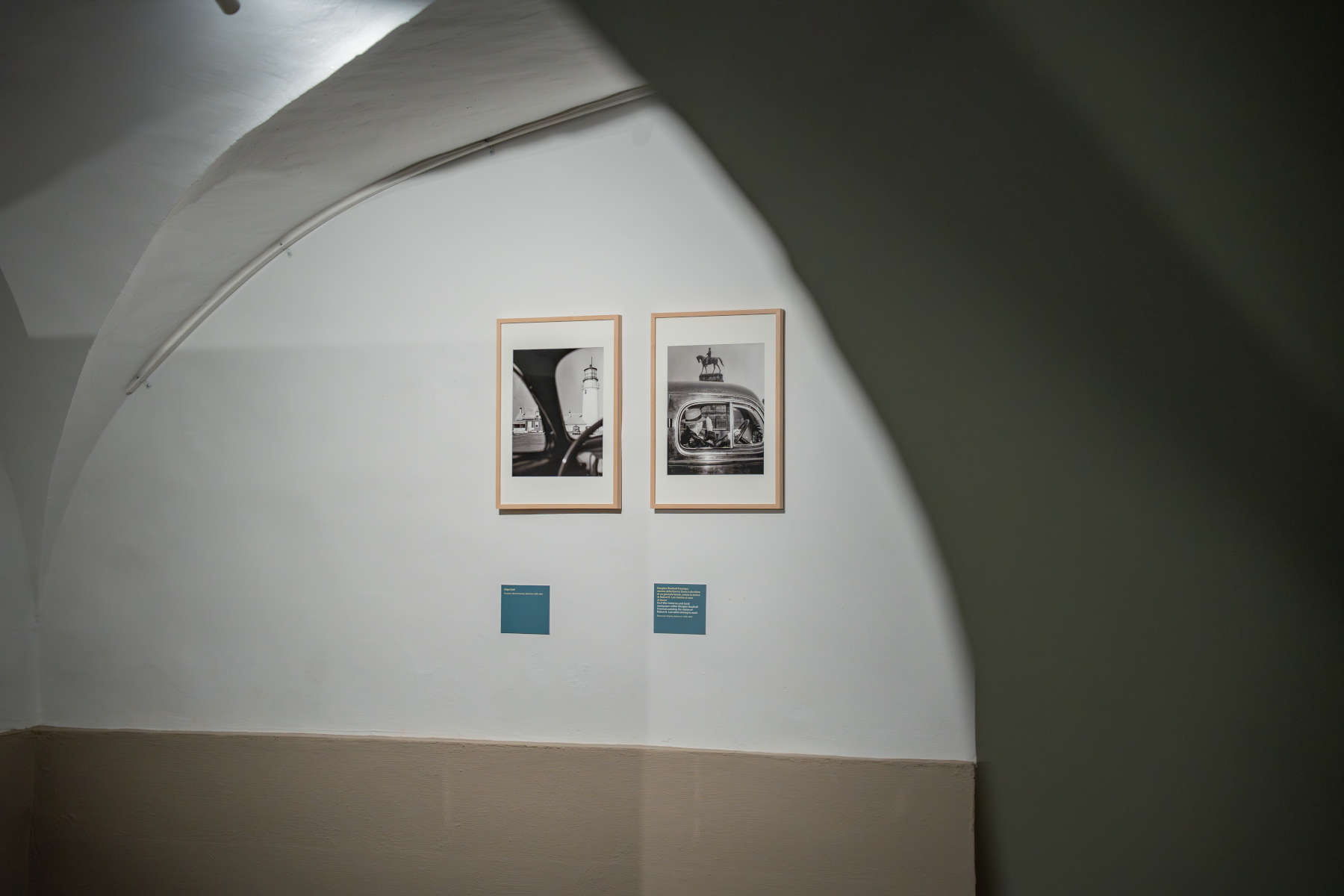
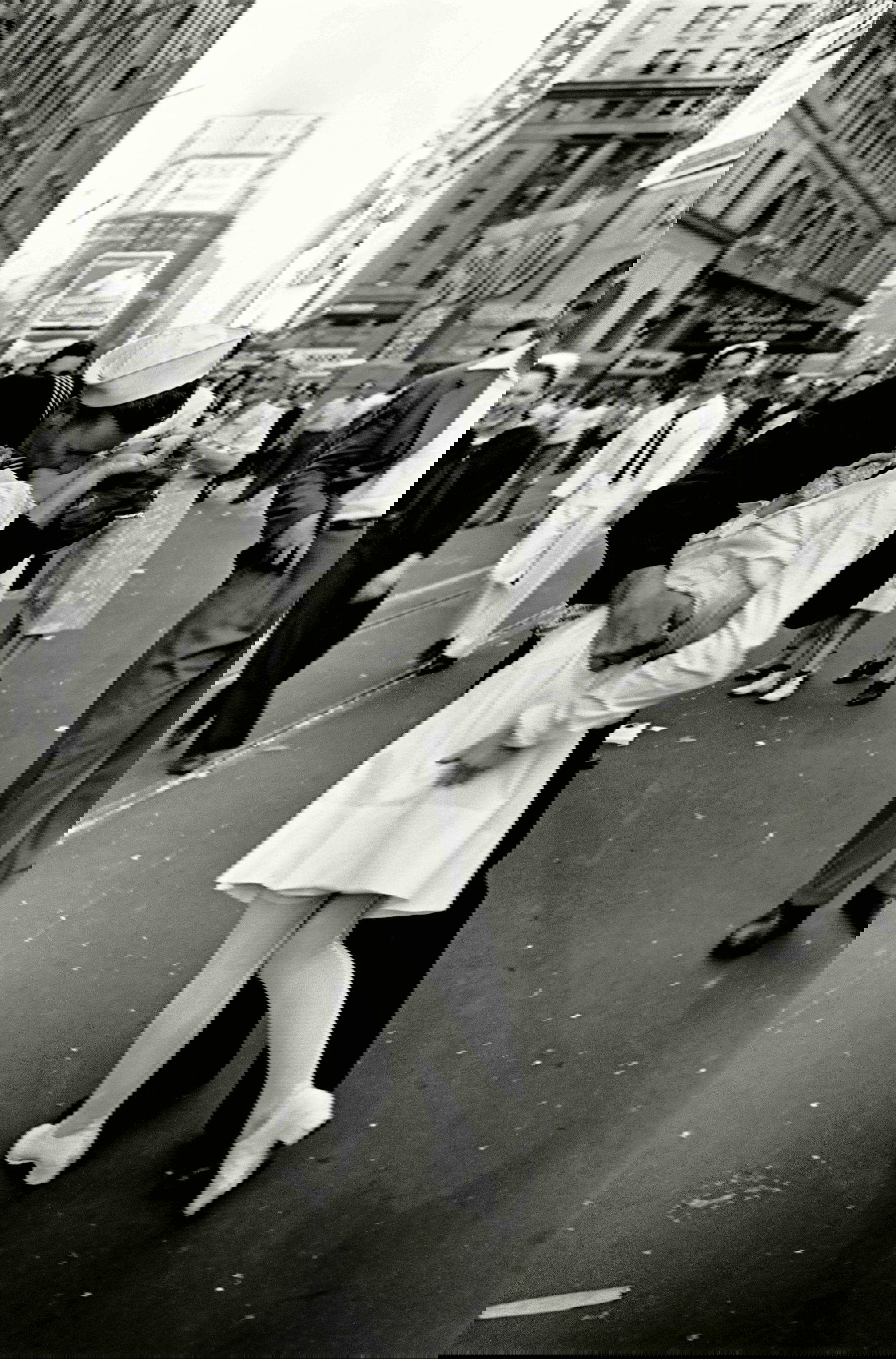
Considered one of the most important photographers of the 20th century, Alfred Eisenstaedt is best known for being one of the leading visual contributors to Life magazine and the creator of one of the most famous images in the history of photography, the famous “V-J Day in Times Square,” the photograph taken on August 14, 1945, during the celebrations marking the end of World War II, which captures a sailor kissing a nurse in the heart of New York. The exhibition at Villa Bassi Rathgeb focuses on the most significant period of his career, the time following his move to the United States.
The exhibition brings together about 80 photographs organized into four sections and chronicles the years following his escape from Europe in 1935, when the rise of anti-Semitism forced Eisenstaedt, who was of Jewish descent, to leave Germany and settle in the United States. It was in the United States that the photographer began his long collaboration with *Life* magazine, joining the editorial staff in 1936. He worked for the renowned magazine until 1972, the year it ceased publication, producing over 2,500 photo essays and more than 90 covers, thereby making a decisive contribution to shaping the visual culture of the 20th century.
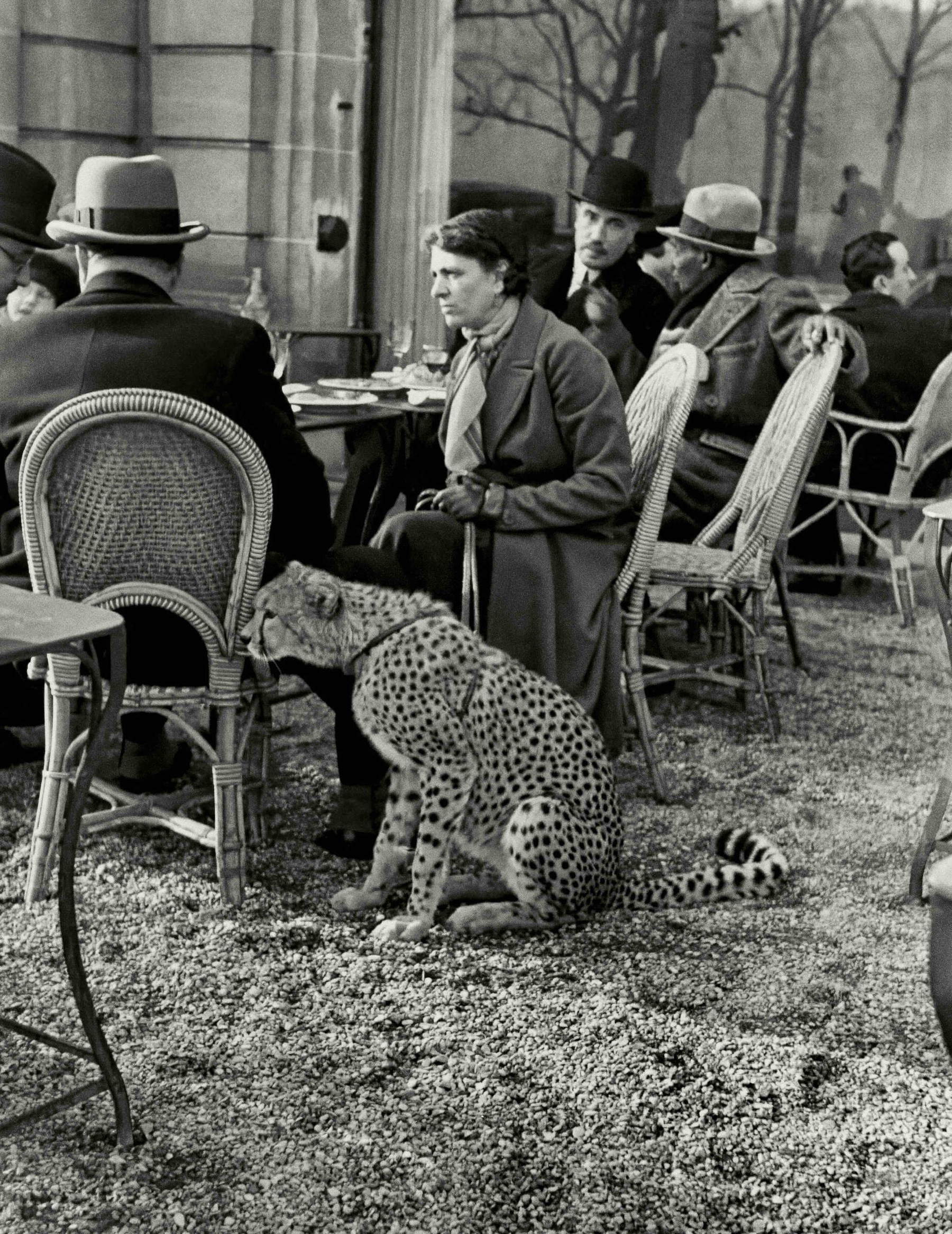
The exhibition opens with the section “From the Beginnings to the Escape,” dedicated to the European years of his formative period. The photographs depict a society caught between elegance and unease, where the allure of cultural life coexists with the signs of the political crisis that would engulf the continent. Among the images on display are photographs of the theater, the circus, and the Nobel Prize in Literature ceremony, alongside scenes of a more surprising and almost surreal nature, such as that of a woman having tea with her cheetah at the Café du Bois de Boulogne or the portrait of a waiter on roller skates in St. Moritz. Even in these early works, his attention to social context, his precise eye, and the narrative skill that would characterize his entire subsequent body of work are already evident.
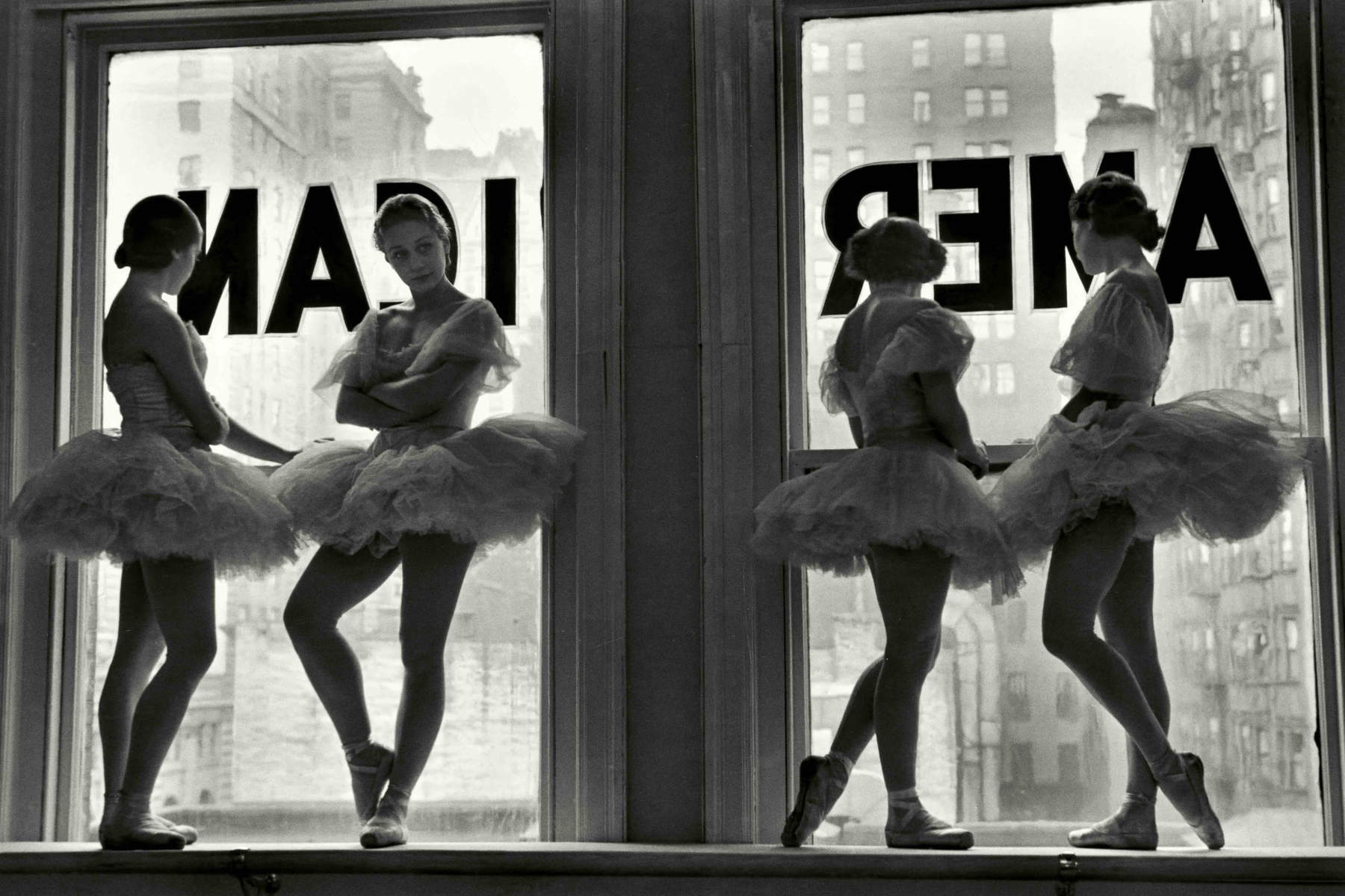
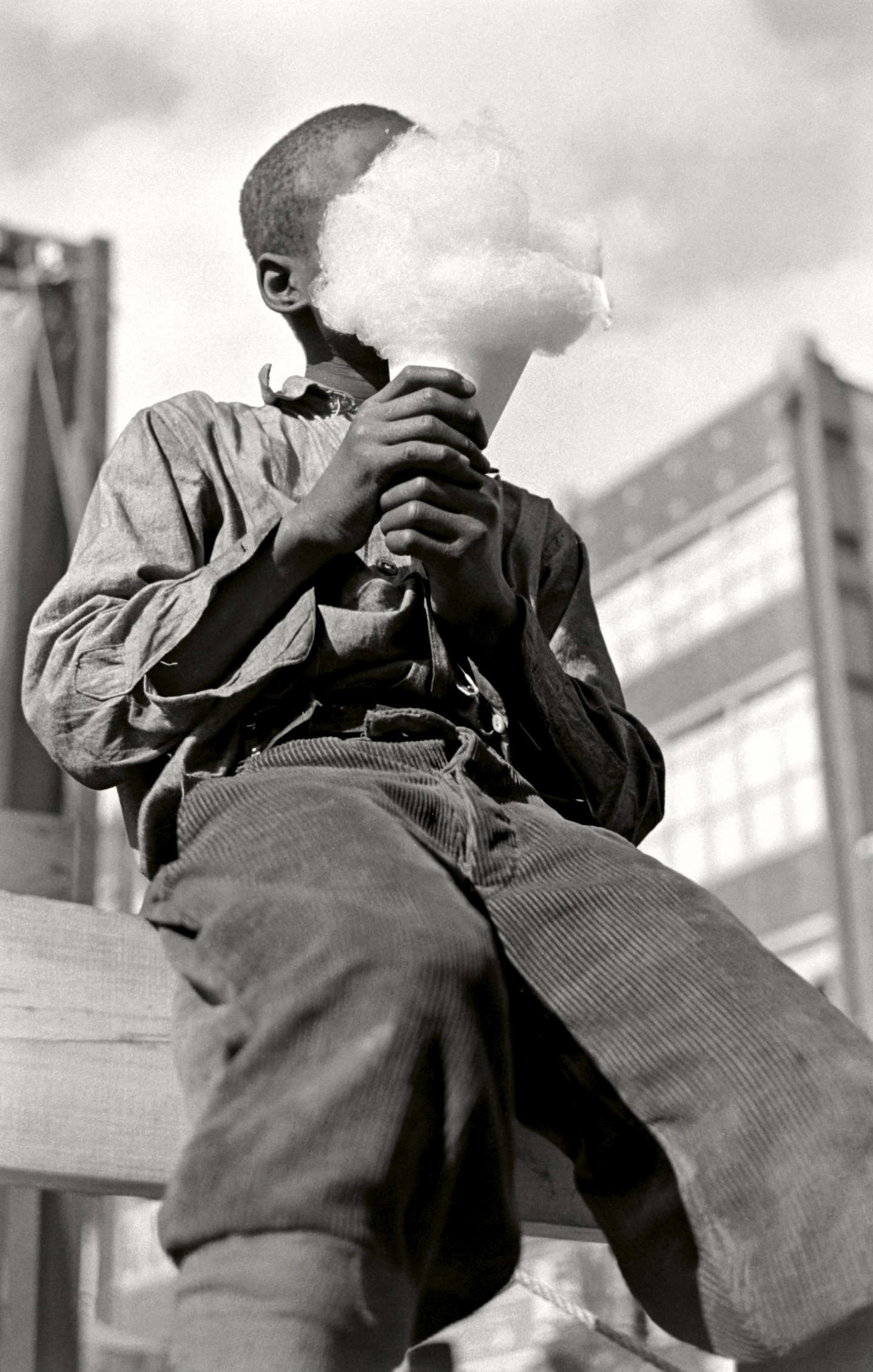
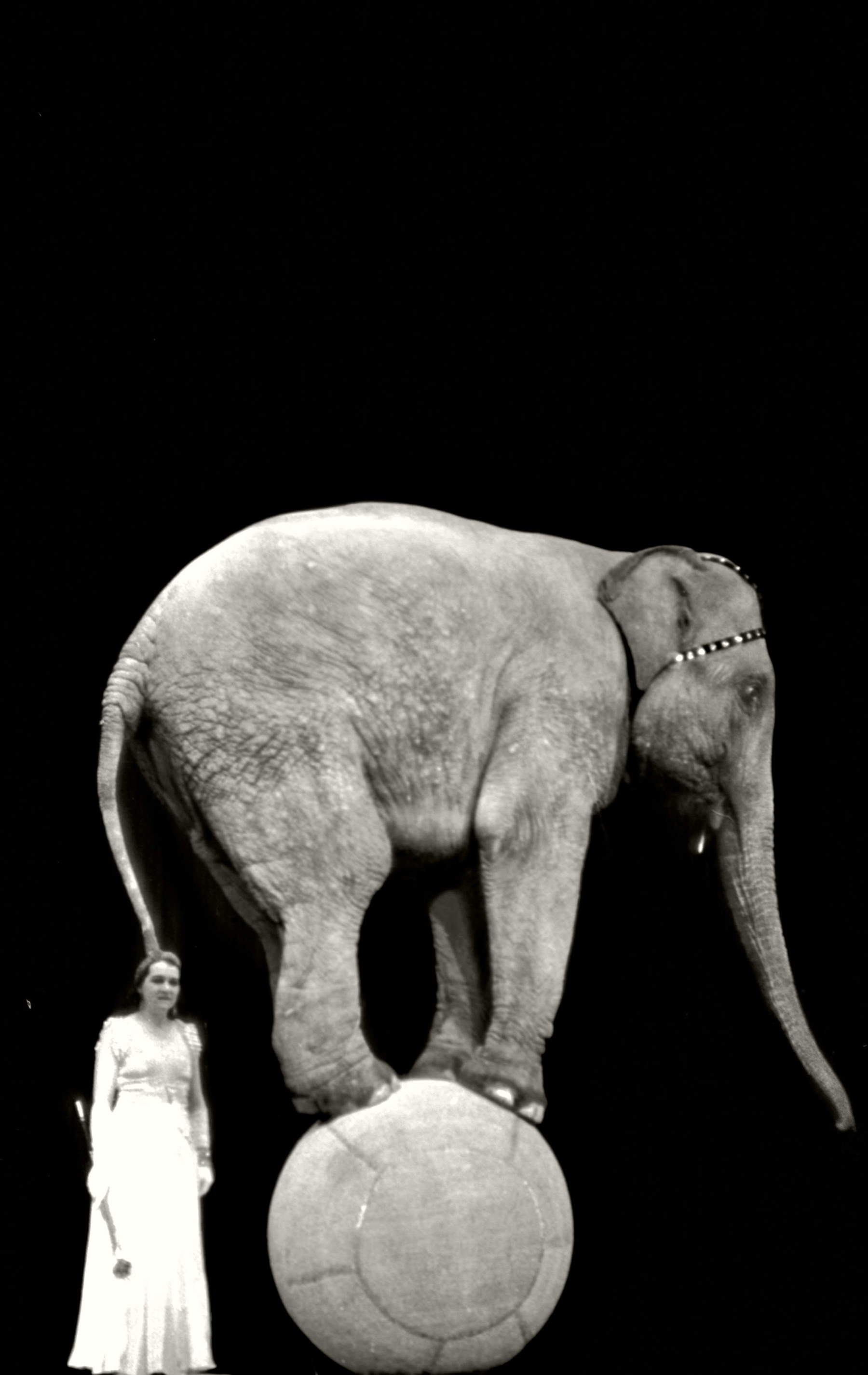
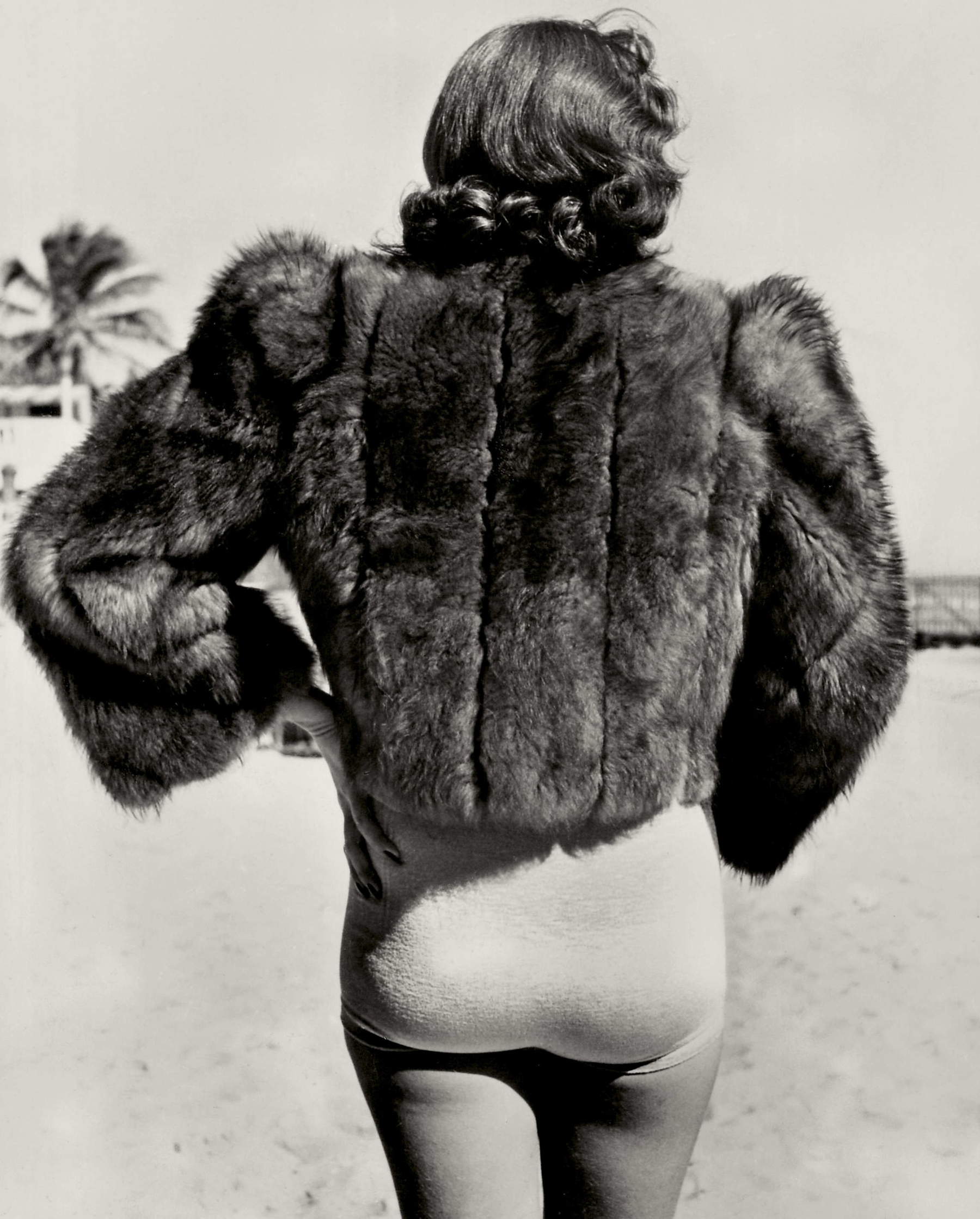
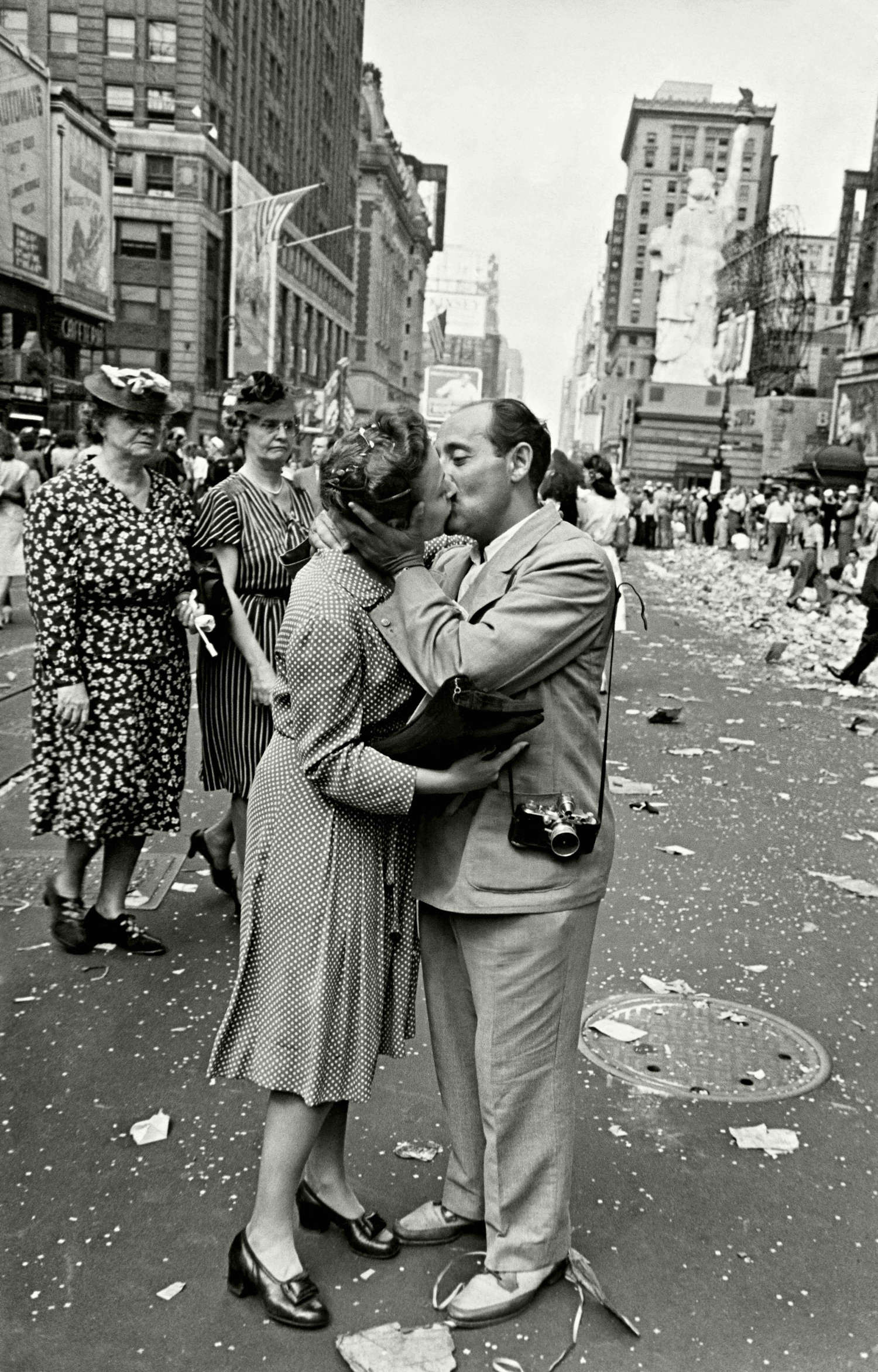
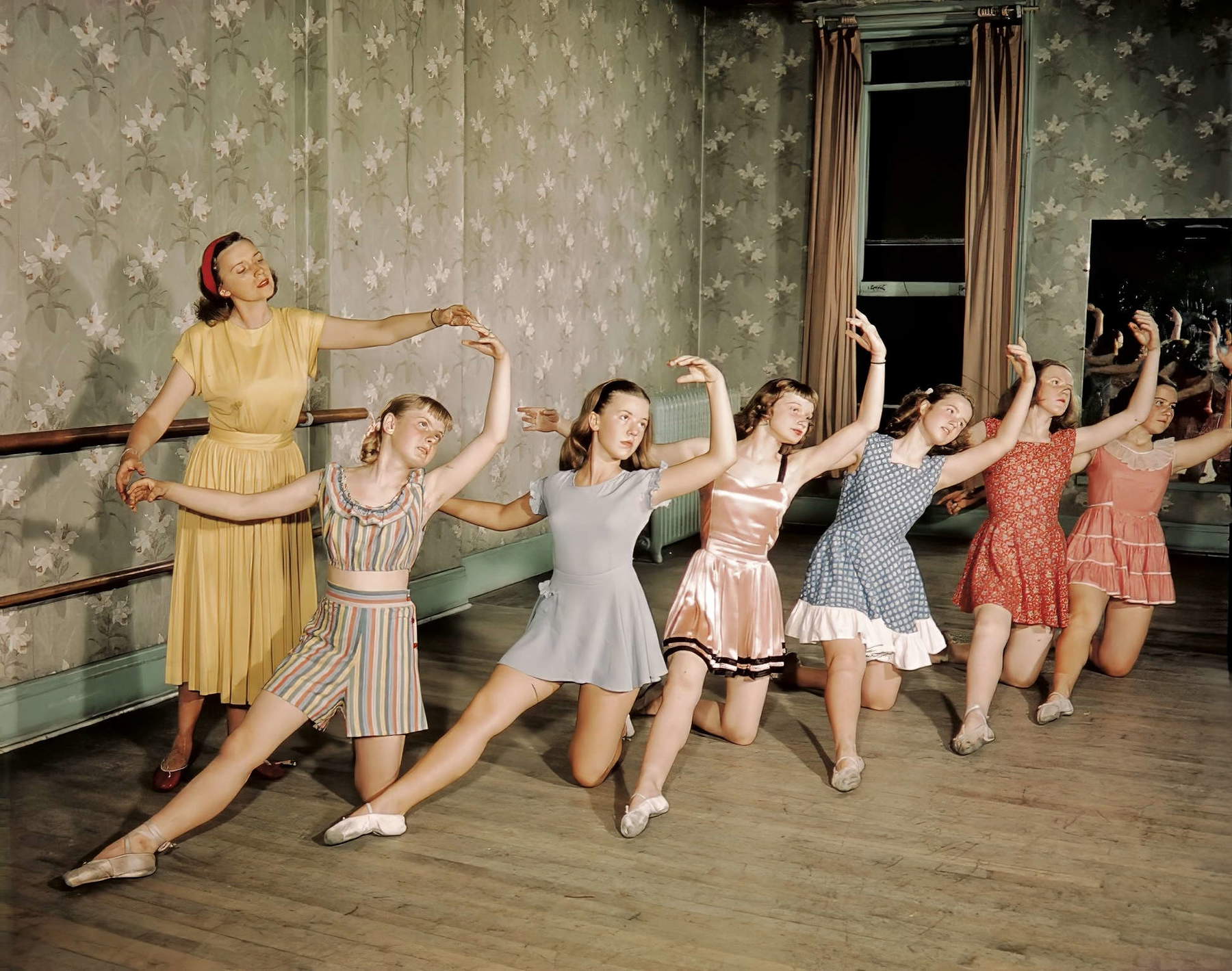
The second part of the exhibition is dedicated to the United States and tells the story of American society at the height of the economic boom. Through images characterized by irony, dynamism, and attention to the details of everyday life, Eisenstaedt documents the transformations of a rapidly evolving country, capturing its energy, contradictions, and changes. The style that emerges from these works combines documentary rigor with poetic sensibility, paying particular attention to the human dimension and relationships between people. The photographs transform seemingly ordinary moments into images capable of capturing an entire era.
One section of the exhibition is dedicated to photoessays taken in postwar Japan. Titled “Unstable Equilibria,” this section features photographs documenting the aftermath of the atomic bombs and the country’s reconstruction efforts. Through these works, Eisenstaedt further expands his exploration, addressing themes related to memory, rebirth, and the ability of societies to rebuild themselves after conflicts.
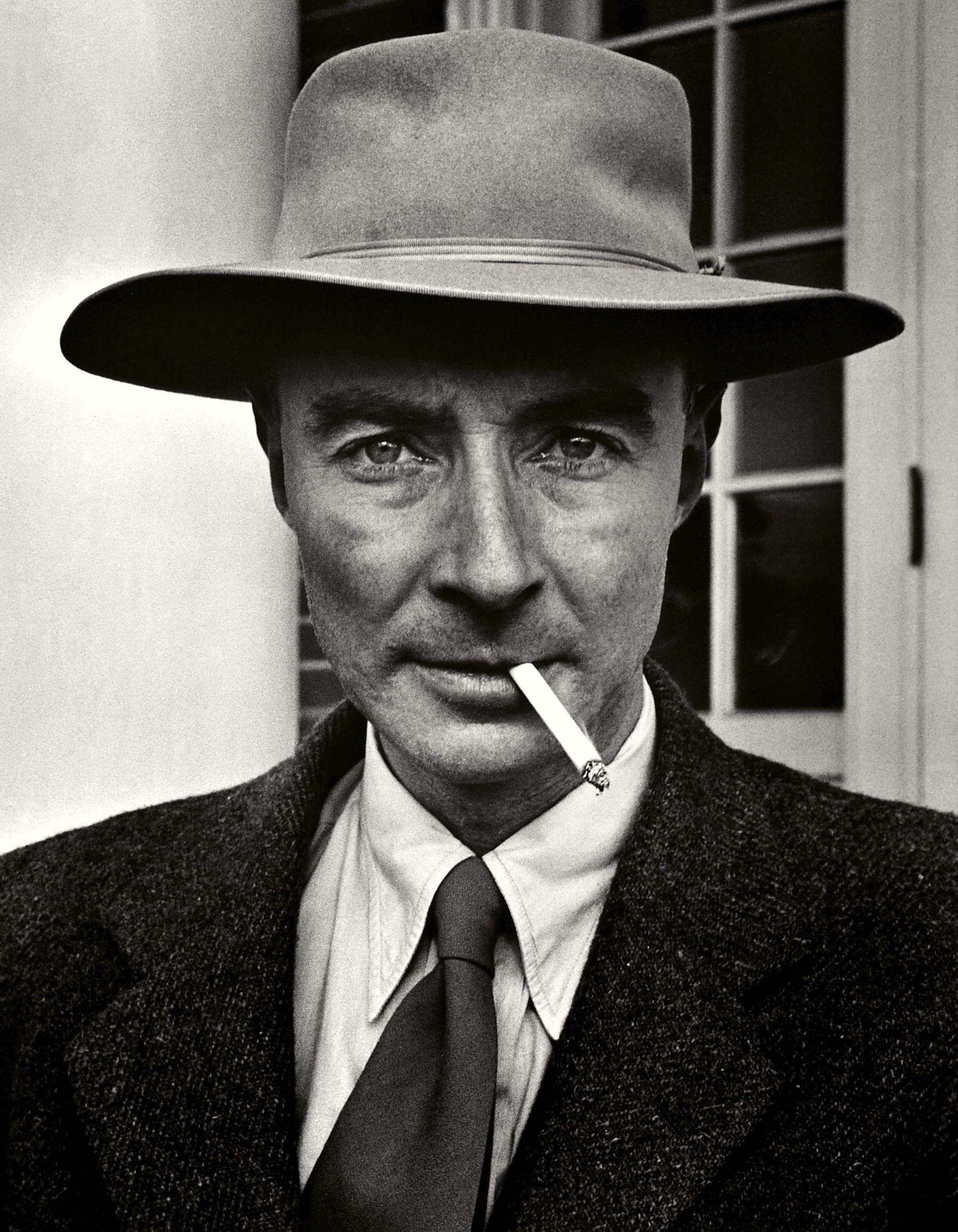
The final part of the exhibition brings together a selection of portraits of some of the most important figures of the 20th century. Among those featured are scientist J. Robert Oppenheimer, U.S. President John F. Kennedy, writer Ernest Hemingway, and actress Angela Lansbury. The portraits highlight the photographer’s ability to establish a direct connection with his subjects, capturing their expressions and personalities with great immediacy.
At the Villa Bassi Rathgeb Museum, the exhibition is open Wednesday through Sunday from 10 a.m. to 1 p.m. and from 3 p.m. to 6 p.m. In July and August, it is open Wednesday through Sunday from 10 a.m. to 1 p.m. and from 4 p.m. to 7 p.m. Closed on Mondays and Tuesdays. At the MUNAV – Venice Naval History Museum, it is open Tuesday through Sunday from 10 a.m. to 6 p.m., closed on Mondays. Admission: Villa Bassi Rathgeb Museum—full price €10, reduced price €8 (with MUNAV admission ticket), €5 for students ages 7–25, free for children under 7. At the MUNAV – Venice Naval History Museum: full price 17 €, reduced price 14 € (with a Villa Bassi Rathgeb Museum admission ticket), 8.5 € for students ages 6–26, free for children under 6. The exhibition is accompanied by a catalog published by Dario Cimorelli Editore.
Born in 1898 in Dirschau (now Tczew) to a wealthy family in West Prussia and raised in Berlin, Alfred Eisenstaedt developed a strong passion for music at a young age, a passion that would stay with him throughout his life. At the age of fourteen, he received a Kodak camera as a gift, but his path was interrupted by the outbreak of World War I. Drafted into the army, he was seriously wounded, and during his long convalescence he frequented museums, studying the use of light and composition by the great masters of painting—elements that would profoundly influence his photographic style.
In the 1920s, while working as a button and belt merchant, he gradually returned to photography. He purchased a Zeiss camera and began selling images to illustrated magazines, at a time when the language of photography was undergoing a profound transformation thanks to the proliferation of illustrated publications and new, lightweight, and fast cameras.
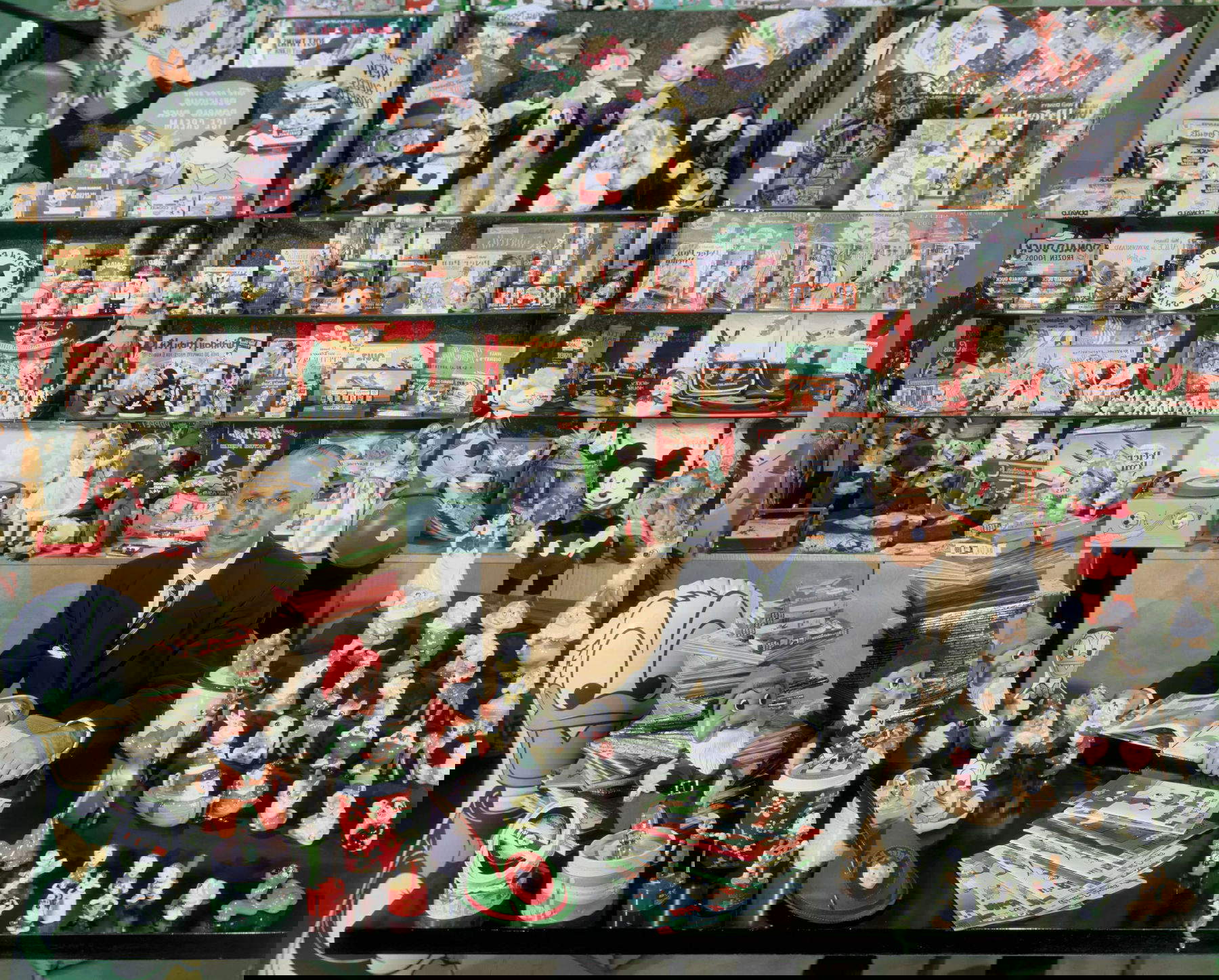
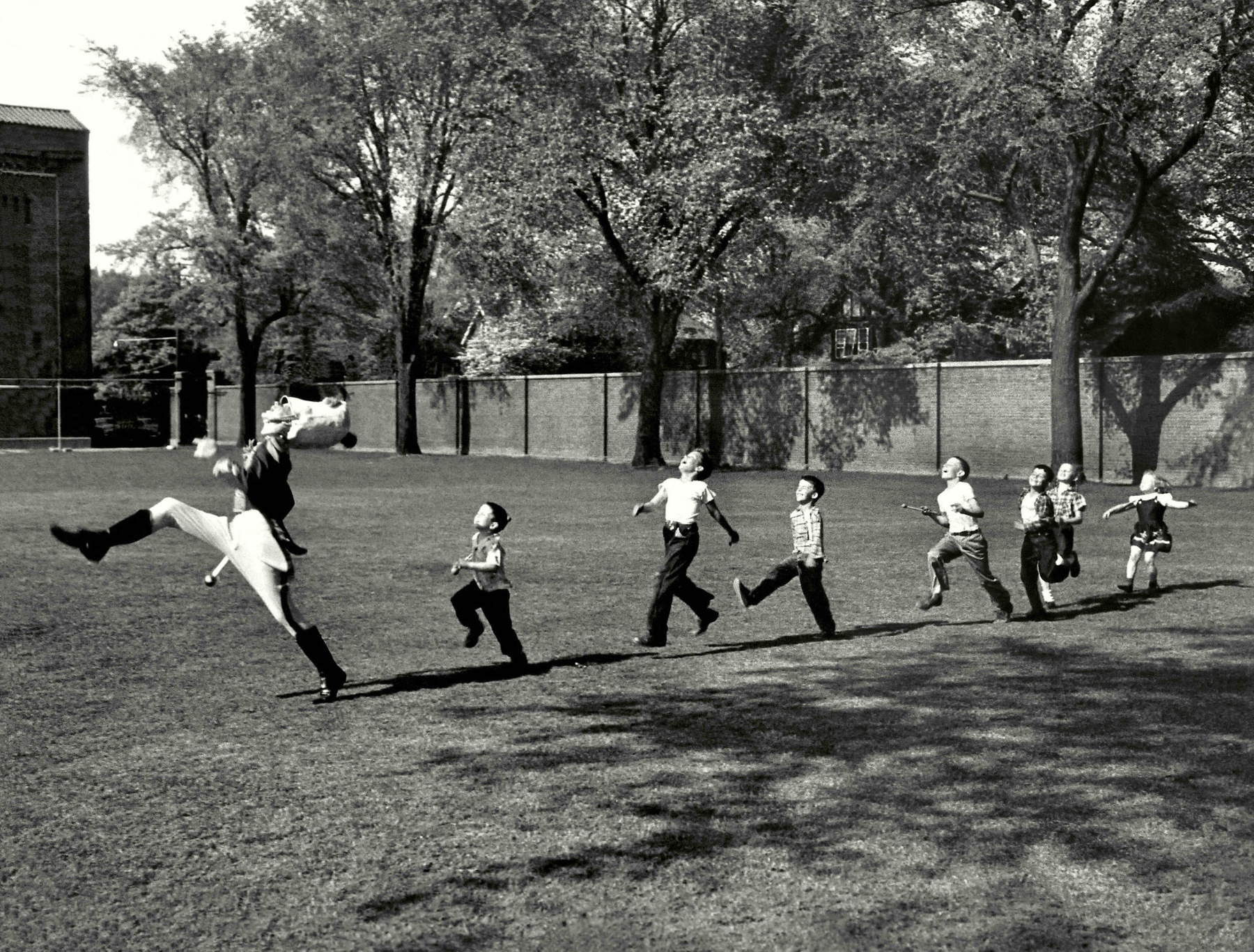
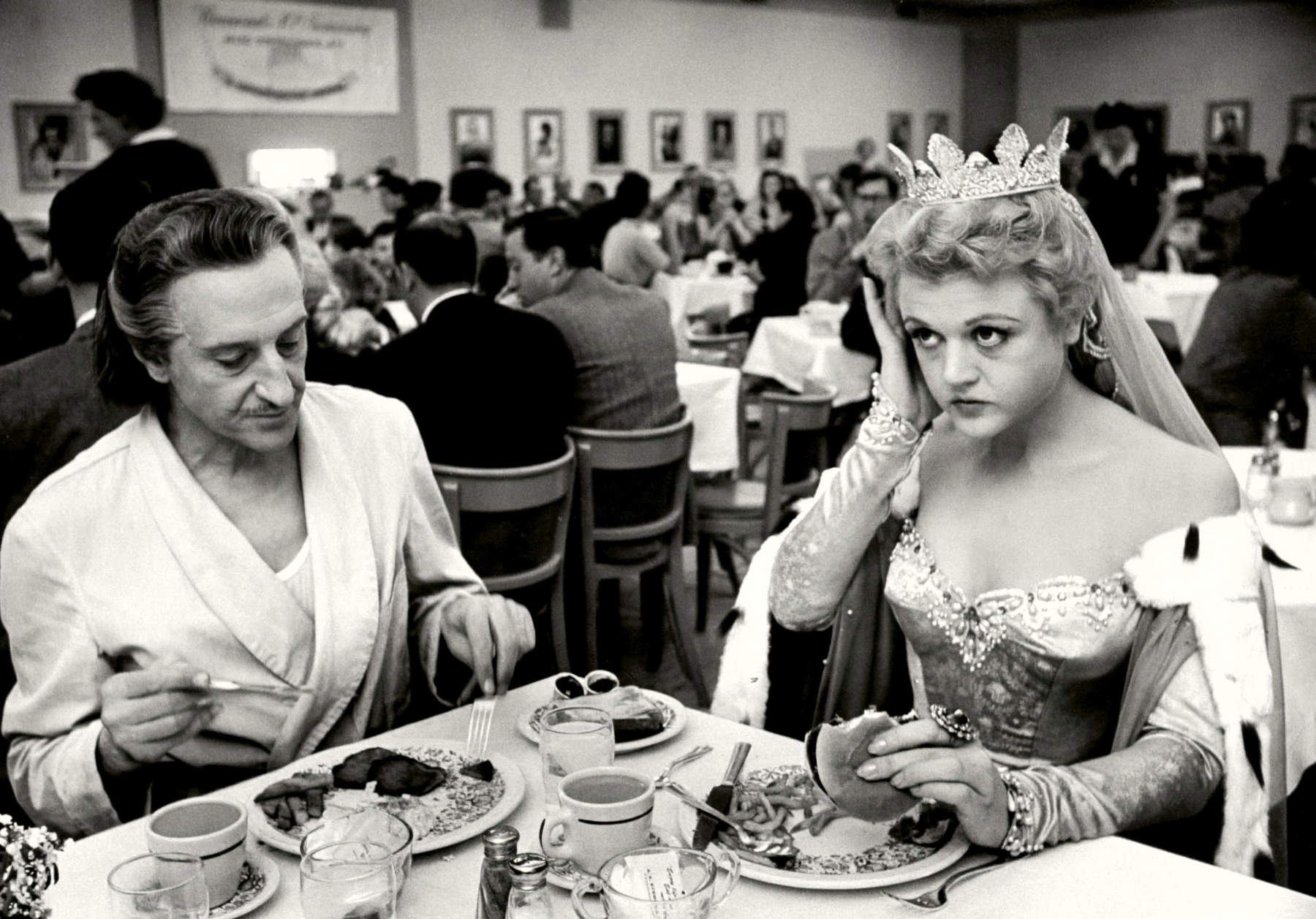
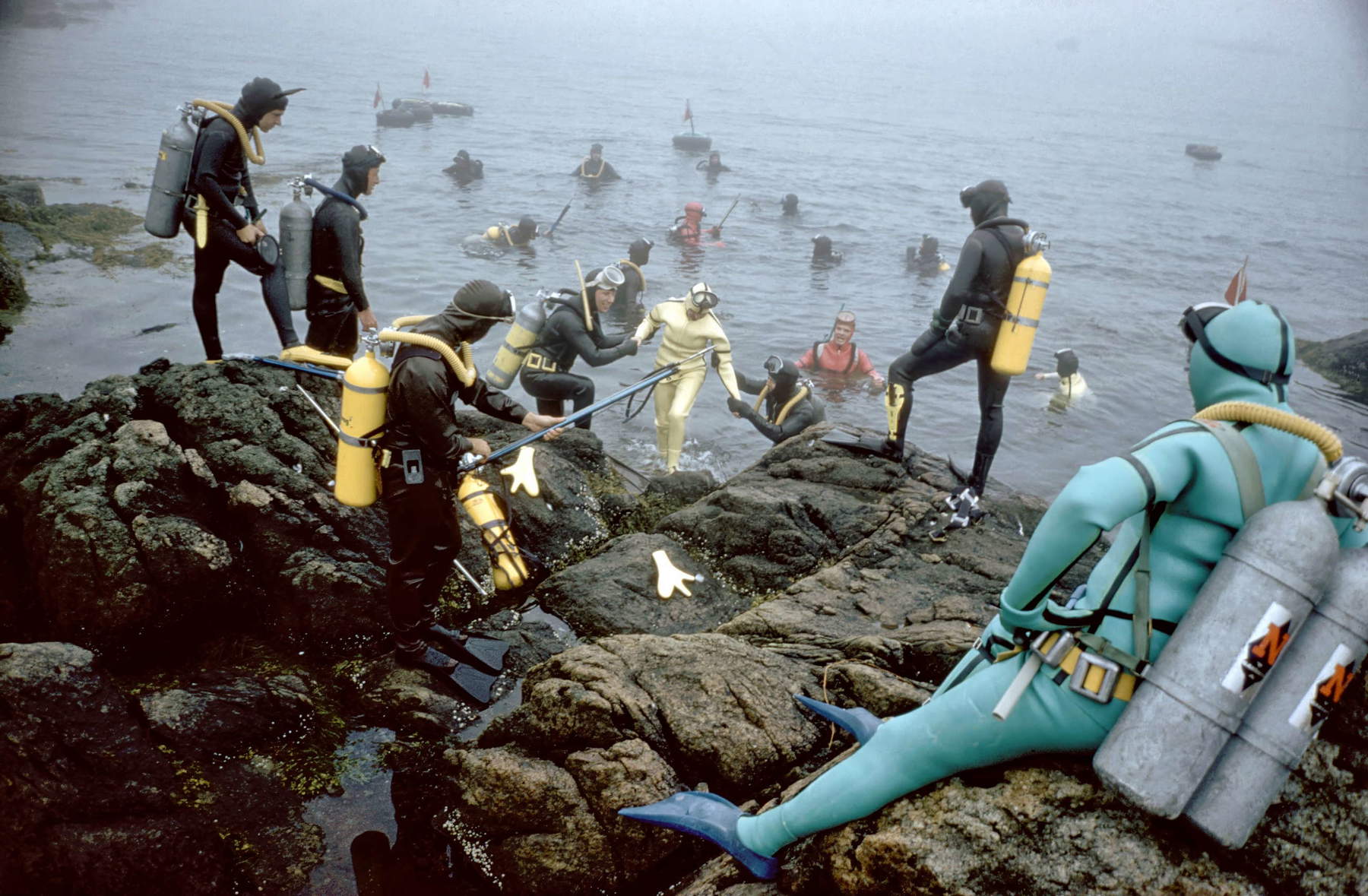
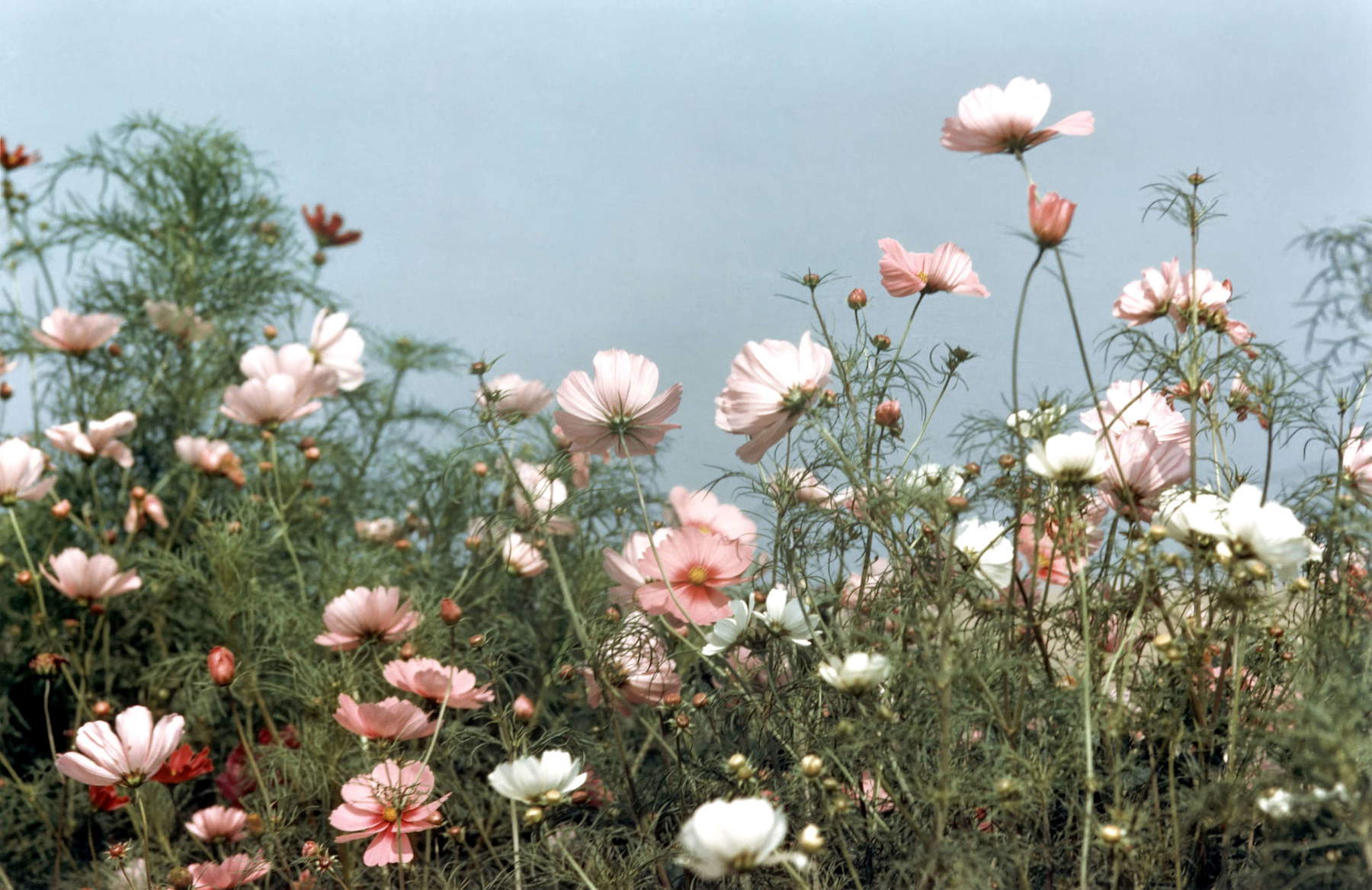
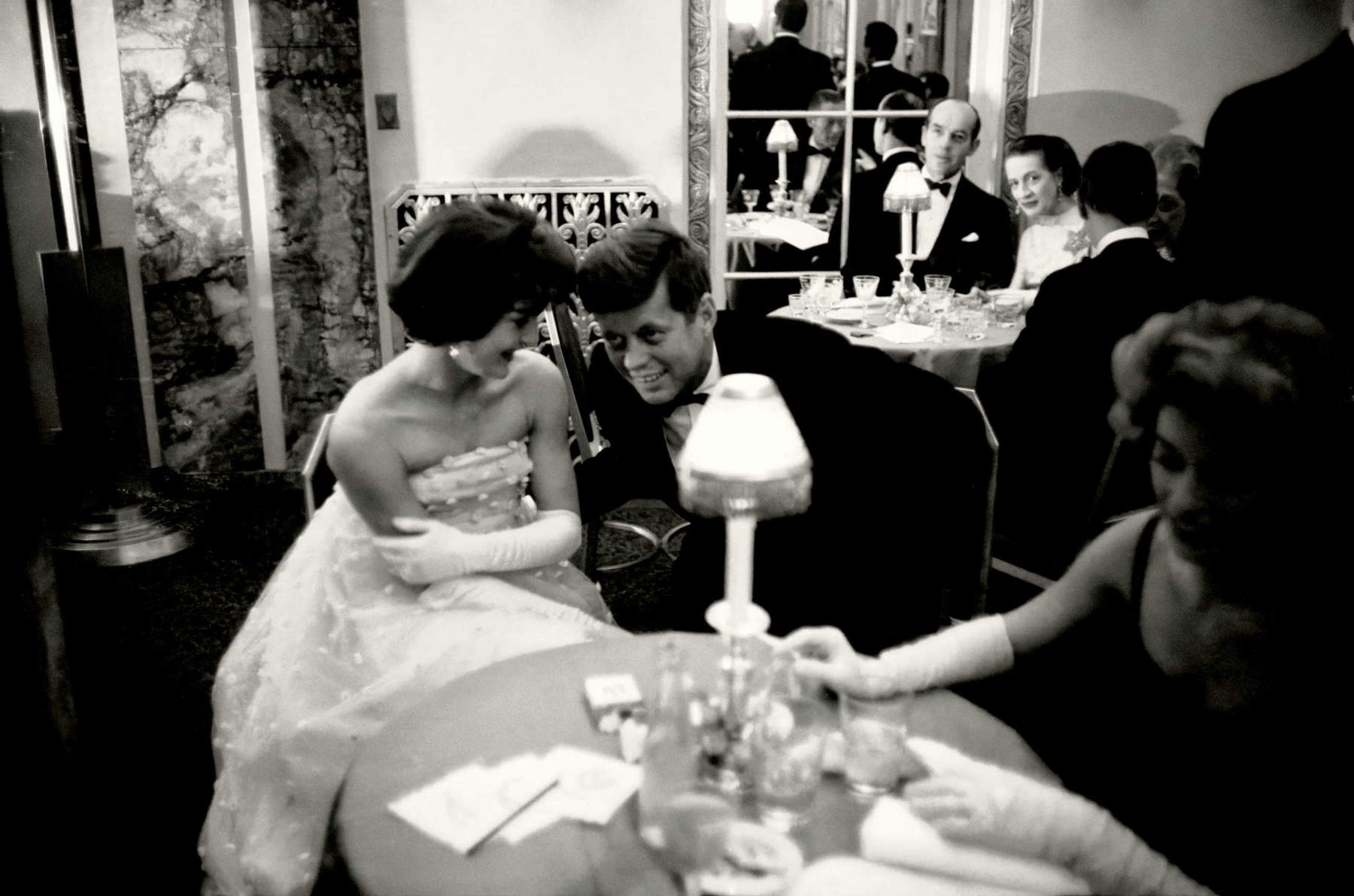
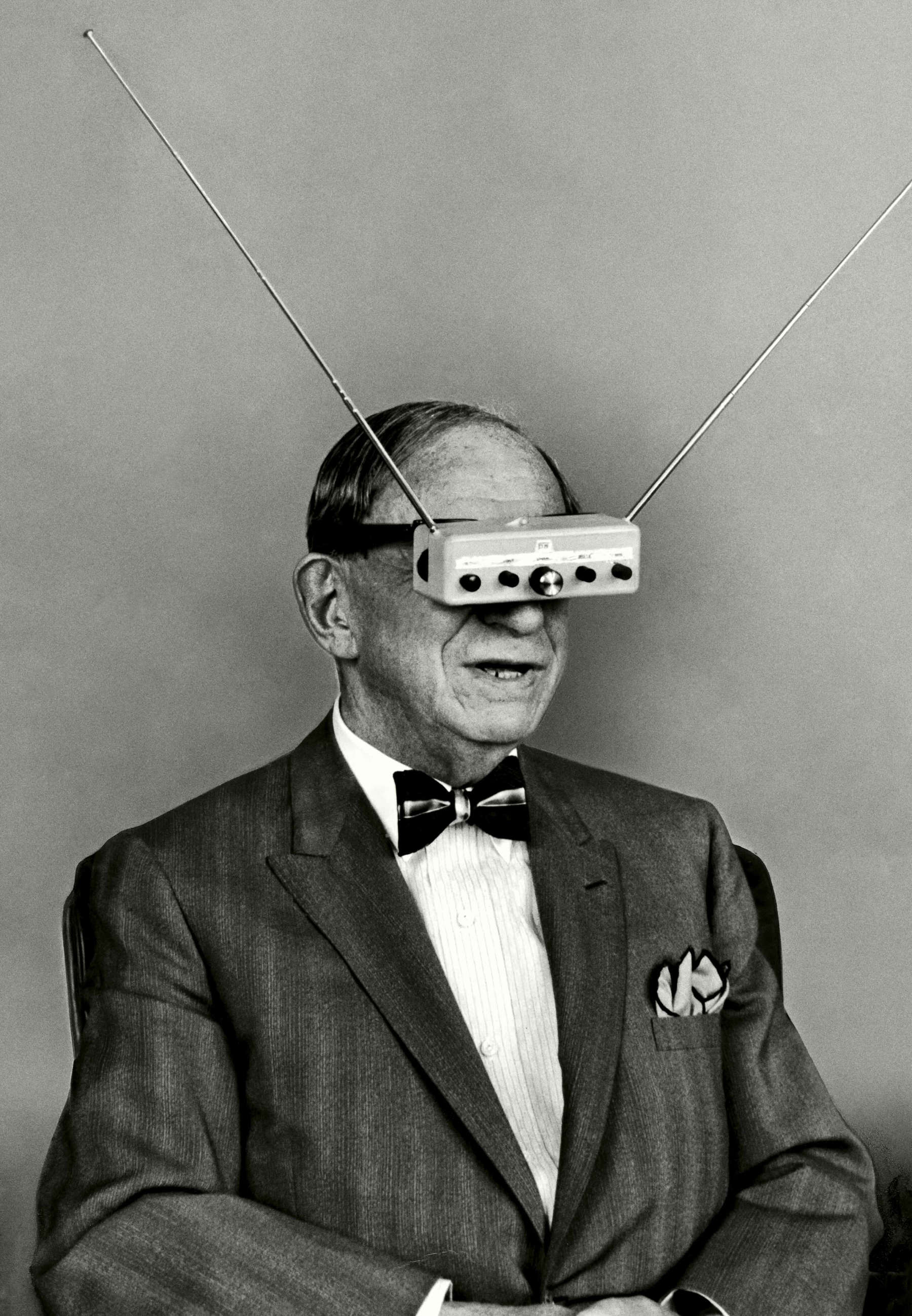
In the first half of the 1930s, his career took off rapidly. He traveled throughout Europe documenting political and cultural events and collaborated with some of the leading publications of the time, including *Die Dame*, *Berliner Illustrirte Zeitung*, *Graphic*, and *London Illustrated News*.
With the rise of Nazism, staying in Germany became increasingly risky. After photographing prominent figures of the regime such as Adolf Hitler and Joseph Goebbels and producing a major photo essay in Ethiopia, he left Europe for good in 1935 and moved to New York.
His time in America marked a decisive turning point in his career. In 1936, he joined the editorial staff of *Life*, becoming one of its most iconic photographers. In addition to his famous photograph of the kiss in Times Square, he continued for decades to chronicle major international events, documenting Japan’s postwar reconstruction, returning to Ethiopia, visiting Israel, and photographing some of the most influential figures of the 20th century, including Albert Einstein, J. Robert Oppenheimer, Ernest Hemingway, John F. Kennedy, and Sophia Loren.
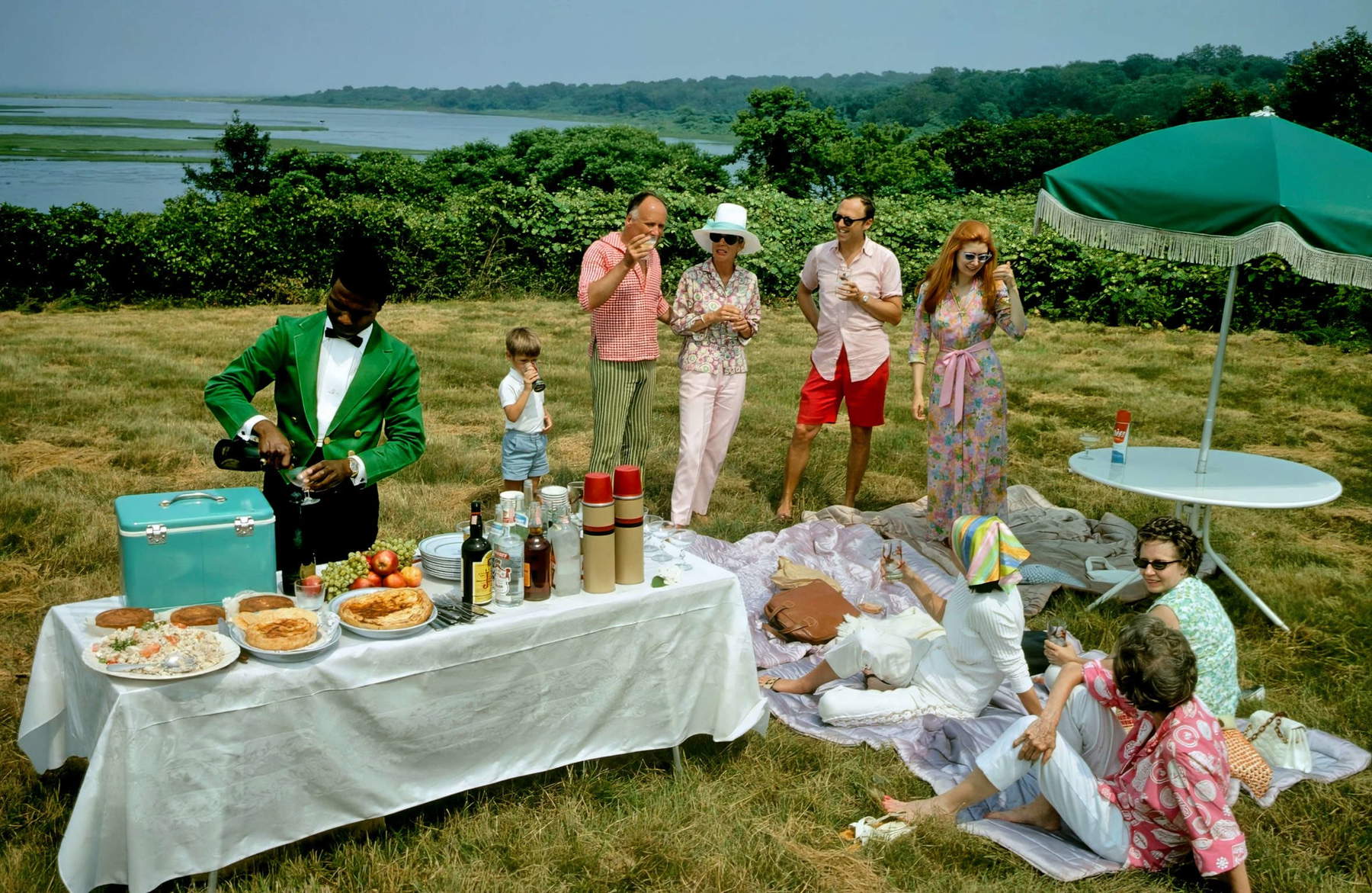
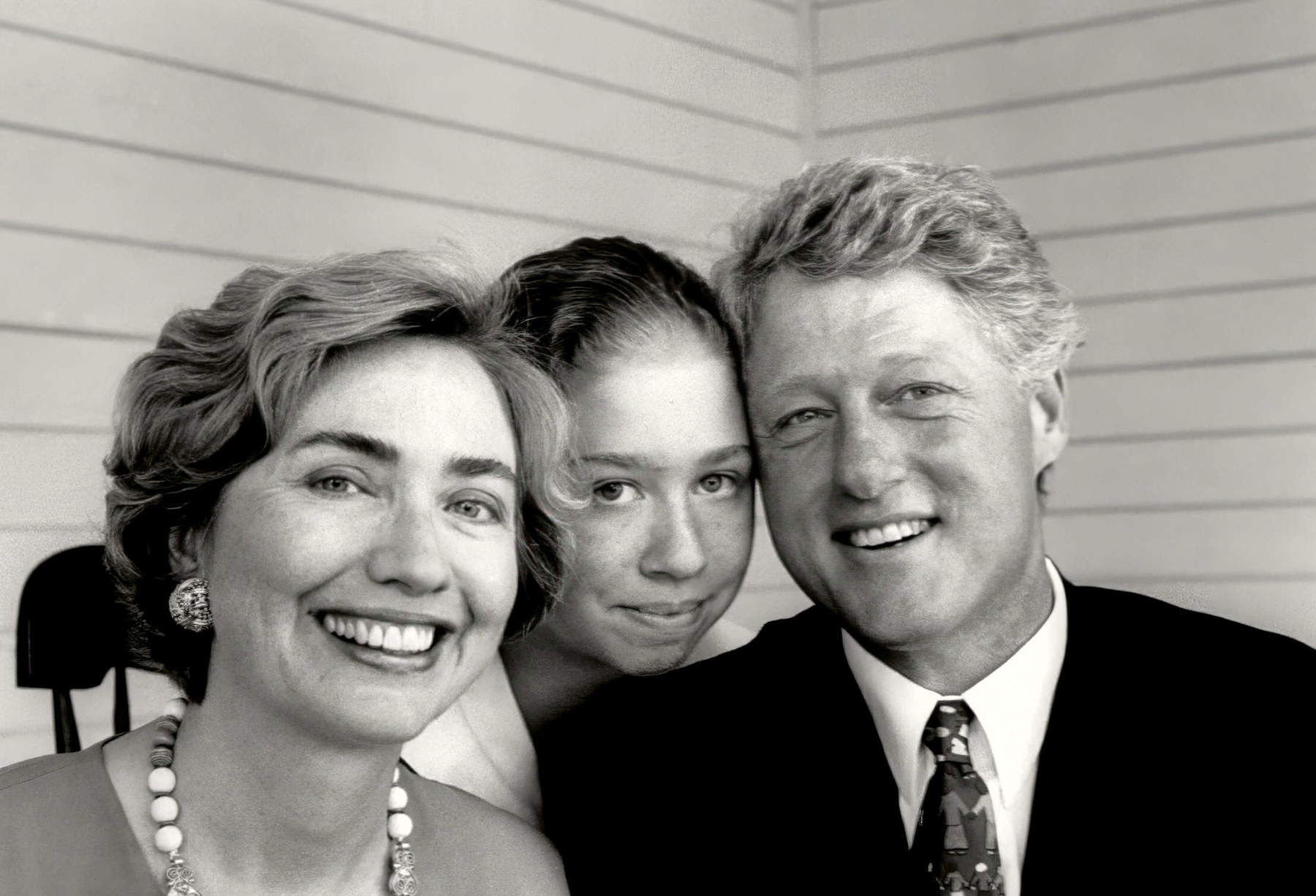
Throughout his long career, he received numerous international awards and published several books dedicated to his photographic work. Even in his later years, he never stopped working. The last photograph of his career dates back to 1993, when, at the age of ninety-five, he photographed U.S. President Bill Clinton alongside his wife Hillary and daughter Chelsea on the porch of their home on Martha’s Vineyard. Two years later, in 1995, Alfred Eisenstaedt died at the very home on Martha’s Vineyard that he had loved so much.
The exhibition project spanning Abano Terme and Venice thus paints a portrait of an artist who witnessed some of the key turning points in 20th-century history, chronicling wars, reconstruction, social transformations, and major figures in politics, culture, and science through a perspective that combines documentary precision, artistic sensibility, and a deep focus on the human dimension. The dual exhibition celebrates not only one of the masters of international photography but also the role of the image as a privileged tool for understanding the history of the last century.
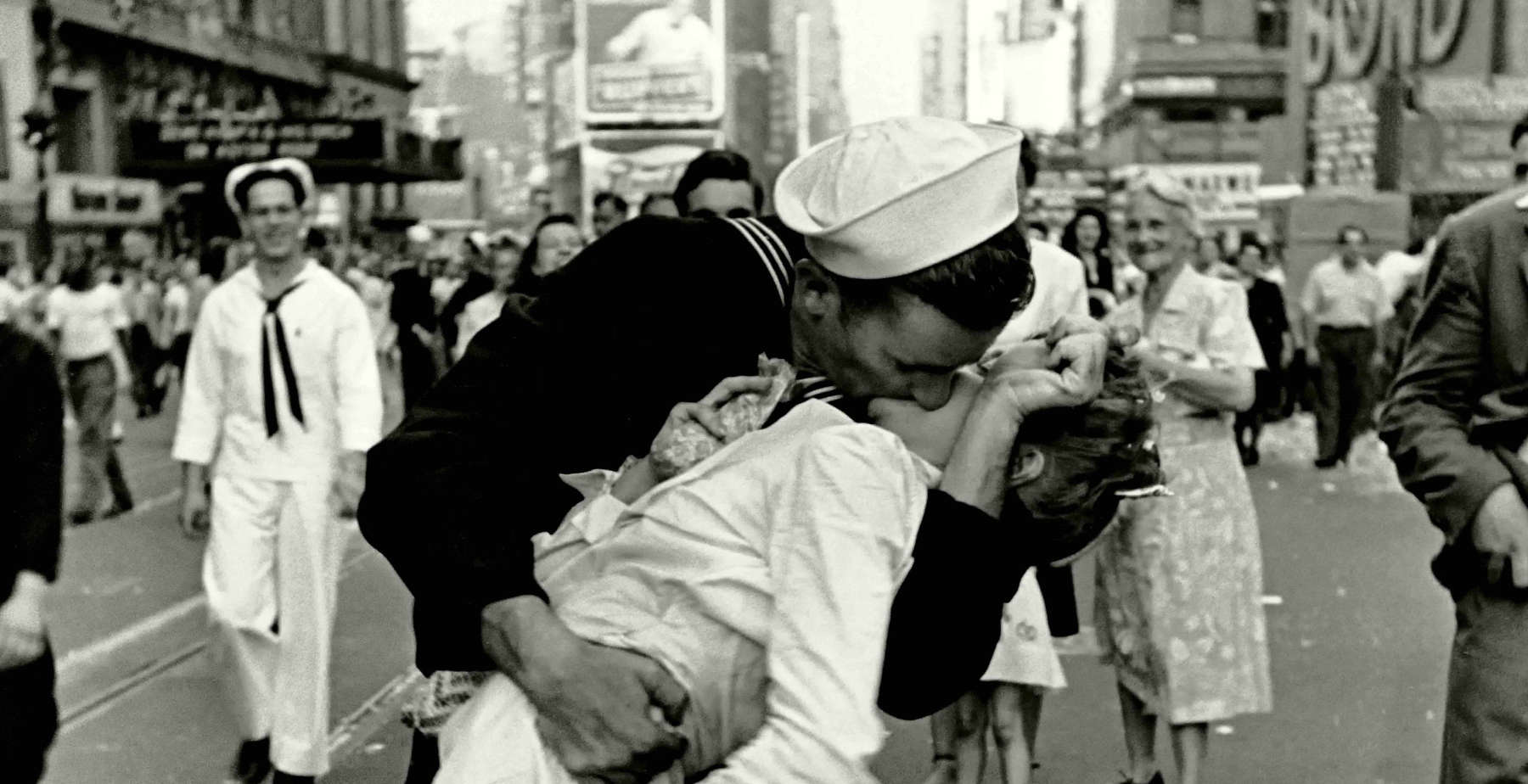 |
| Alfred Eisenstaedt is the focus of a dual exhibition in Abano Terme and Venice |

Warning: the translation into English of the original Italian article was created using automatic tools. We undertake to review all articles, but we do not guarantee the total absence of inaccuracies in the translation due to the program. You can find the original by clicking on the ITA button. If you find any mistake,please contact us.














 IT
IT FR
FR DE
DE ES
ES CN
CN


