




by Redazione 06/04/2026


Categories: Exhibitions / Disclaimer
From April 17 to July 5, 2026, VIVE is hosting an exhibition dedicated to Piero di Cosimo's Magdalene at Palazzo Venezia. The painting is a starting point for investigating the daily life of women in Renaissance Florence through works, documents and objects.
On April 17, 2026, the VIVE - Vittoriano and Palazzo Venezia will inaugurate the exhibition La Maddalena di Piero di Cosimo: art, history and women’s lives in the Florentine Renaissance, set up in the rooms of the ancient kitchens of Rome’s Palazzo Venezia, restored and reopened to the public for the occasion. The exhibition, which can be visited until July 5, 2026, is curated by Edith Gabrielli with historical advice from Fernanda Alfieri, Serena Galasso and Isabella Lazzarini.
The centerpiece of the project is a panel painting by Piero di Cosimo (1462-1522), La Maddalena, preserved in the collection of the Gallerie Nazionali d’Arte Antica at Palazzo Barberini and loaned to VIVE as part of a strategic agreement between the two museum institutions. The work becomes the starting point for an investigation into the lives of women in Renaissance Florence, through an interdisciplinary path involving about thirty scholars from different fields, including art history, social history and the history of material culture.
When Piero di Cosimo made the panel, at the end of the 15th century, the artist was already recognized as one of the most original figures on the Florentine scene. Trained in the workshop of Cosimo Rosselli, his painting developed from a solid tradition, enriched by suggestions from different areas. In her language, in fact, elements derived from Flemish painting and suggestions related to Leonardo da Vinci’s research converge, reworked in a personal way. The result is a style that combines attention to detail, narrative invention and a dimension often defined as enigmatic.


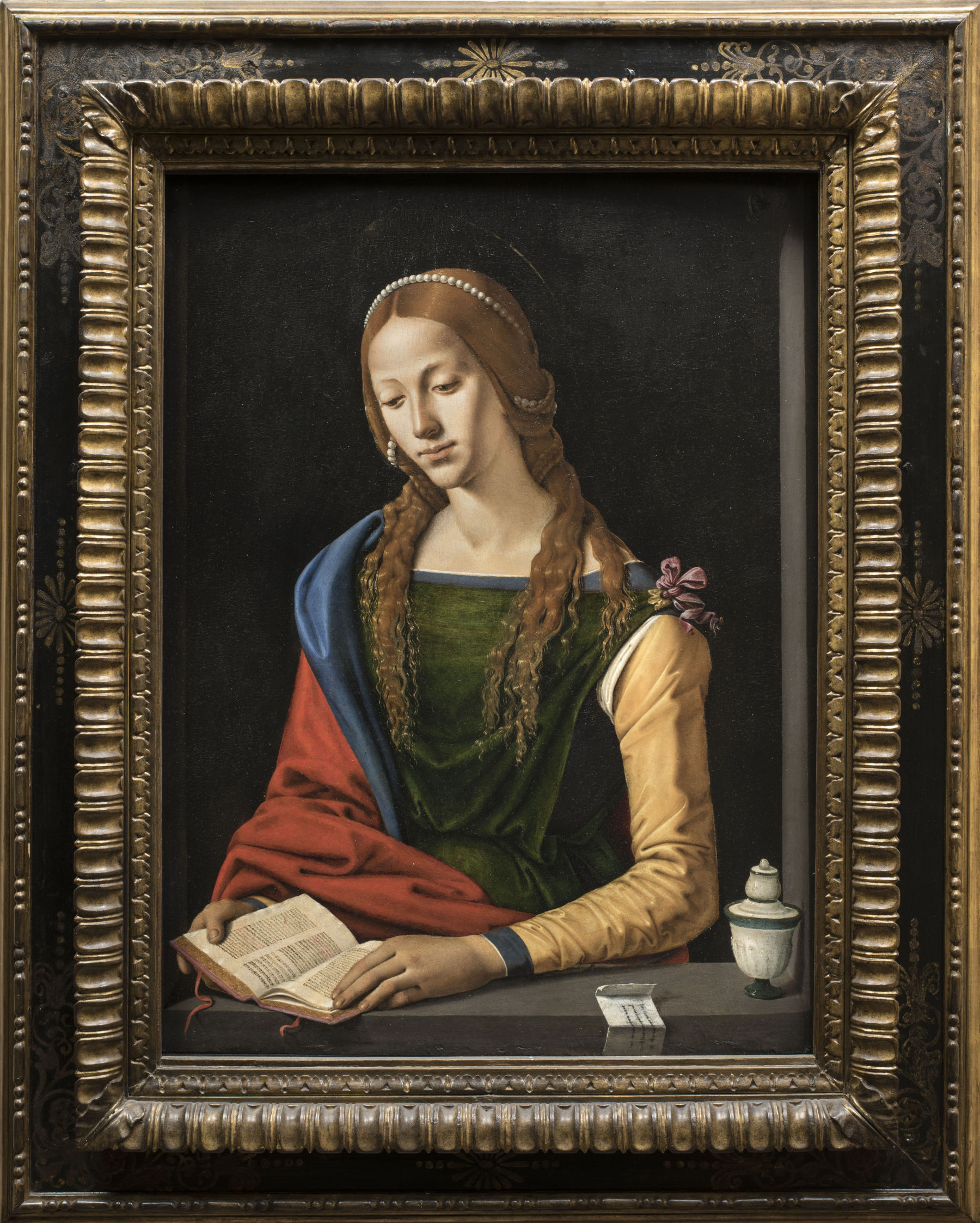
In the painting, Magdalene, among the most faithful followers of Jesus, appears as a young woman of the 15th century. The artist chooses to depict the saint with features and clothing that recall the contemporary Florentine environment. Objects related to daily life appear around the figure: the robes, a string of pearls, the ointment jar, a letter and a book. It is from such details that the idea of the exhibition originates. The project uses the table as a key to explore the female condition in Renaissance Florence. The exhibition is divided into eleven sections that develop three interwoven narrative lines. The first examines Piero di Cosimo’s Magdalene from an iconographic and stylistic point of view, placing it in the artist’s career and in the cultural context of the time.
The second line, on the other hand, follows the different stages in the lives of Florentine women. The narrative traverses fundamental moments of women’s existence between the fifteenth and sixteenth centuries: birth and education, the choice or imposition of religious life, marriage and motherhood, the management of the home, the practice of devotion, up to the activities carried out inside and outside the domestic space and the care of the body. Through such themes, an articulate reconstruction of the everyday experiences and social roles assigned to women in urban Renaissance society emerges.
The third line of the itinerary focuses on the aesthetic and technical quality of decorative arts in Renaissance Italy. In that context, a textile, a jug or a piece of jewelry were part of the same cultural and productive universe as a painting or a sculpture. The exhibition brings together more than sixty documents and objects from Florence or imported from other centers of the peninsula. The works are present thanks to an agreement with the General Directorate for Archives and contributions from Italian museums, archives and libraries.
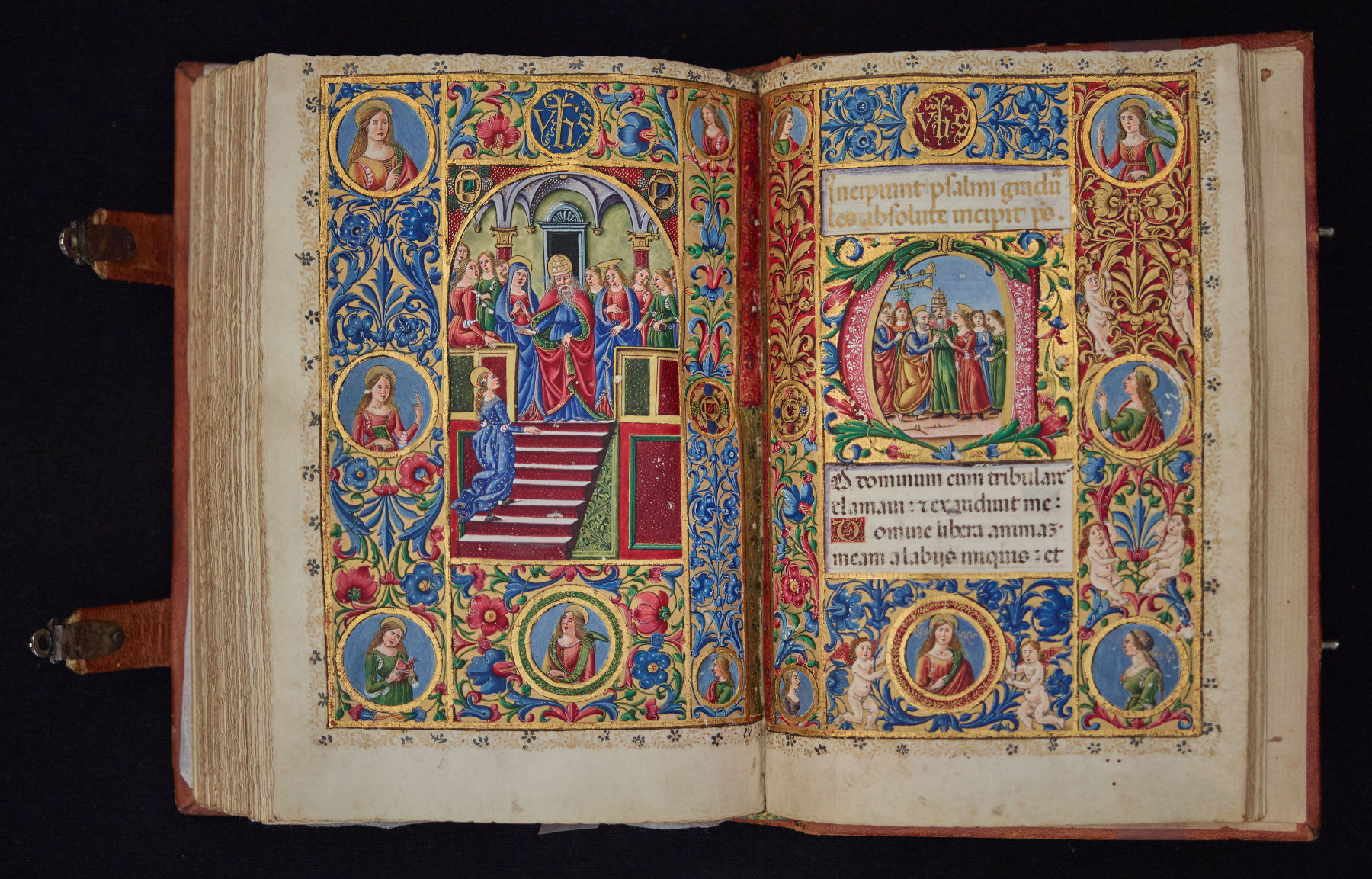
Among the materials on display appear letters, poems and account books written by well-known or little-known women. Documents traceable to figures such as Lucrezia Tornabuoni, mother of Lorenzo the Magnificent, dialogue with evidence from lesser-known authors, such as Sister Paraclita. The itinerary relates these sources to illuminated manuscripts created by artists such as Gherardo di Giovanni or Attavante degli Attavanti. Textiles, tableware, glasses and chalices, knives, rings and wedding chests appear alongside book materials, as well as terracotta altars, jewelry and caskets.
“This exhibition,” says Edith Gabrielli, director of VIVE and curator of the exhibition, “starts from a painting to tell the story of women’s lives in Florence during the Renaissance and the objects of their daily life, from textiles to glass, from ceramics to furniture. A central role is thus given to the great craft production, then part of the same universe of painting and sculpture. The VIVE continues its valorization, anticipating the stable itinerary of Palazzo Venezia dedicated to the so-called ”Made in Italy,“ from the Middle Ages to the threshold of Made in Italy, and initiating a system of relations with specialized museums, from Prato to Montelupo, from Gambassi to Vicenza.”
The display is accompanied by a digital educational apparatus that includes twenty-two video installations created for the exhibition and a multimedia room dedicated to the production processes of the objects on display. The contents allow visitors to observe the techniques used to make ceramics, glass, textiles, jewelry and painted plates, offering a glimpse into the craft skills and technical knowledge that characterized these artifacts.
Palazzo Venezia, which holds one of Italy’s leading collections of decorative arts, is the chosen context for the initiative. The exhibition is also a stepping stone to the new stable itinerary on the piano nobile, curated by Edith Gabrielli and Michele De Lucchi, dedicated to the peninsula’s artistic and artisan tradition from the Middle Ages to the threshold of Made in Italy. The exhibition is also part of a strategy promoted by VIVE to enhance the decorative arts. The project involves the creation of a network of institutions that includes the Museo del Tessuto in Prato, the Museo della Ceramica in Montelupo, the permanent exhibition La produzione vetraria a Gambassi (secoli XIII-XVI) and the Museo del Gioiello in Vicenza.
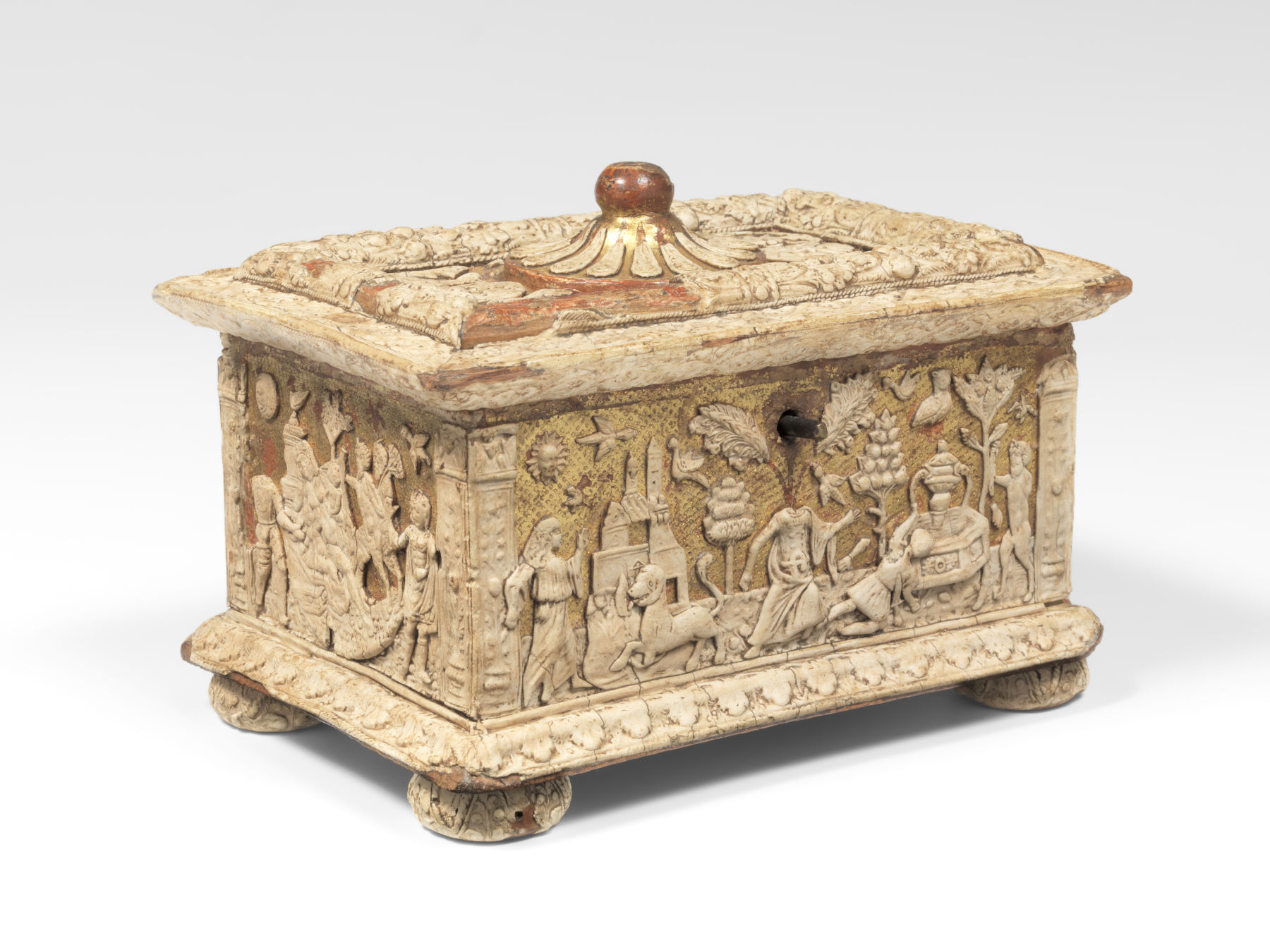
The exhibition is accompanied by a guidebook and a book of studies. The book will be presented on May 28 at a dedicated study day. A program of activities including guided tours and workshops for children is also planned during the opening period. Scheduled events include the performance Maddalena c’est moi, scheduled for May 29, 2026, with Iaia Forte and music by Danilo Rossi, first viola of Milan’s Teatro alla Scala. The event is part of the Piccolo teatro di poesia cycle at VIVE, curated by Davide Rondoni, included in the national project Le Stagioni dellaPoesia supported by CEPELL - Centro per il Libro e la Lettura.
Practical information
Hours: Daily, 9:30 a.m.-7:30 p.m. (last admission 6:45 p.m.)
Tickets: The exhibition is included in the VIVE ticket.
Full: 18 euros (including exhibitions)
Facilitated: 5 euros including exhibitions
Statutory gratuity
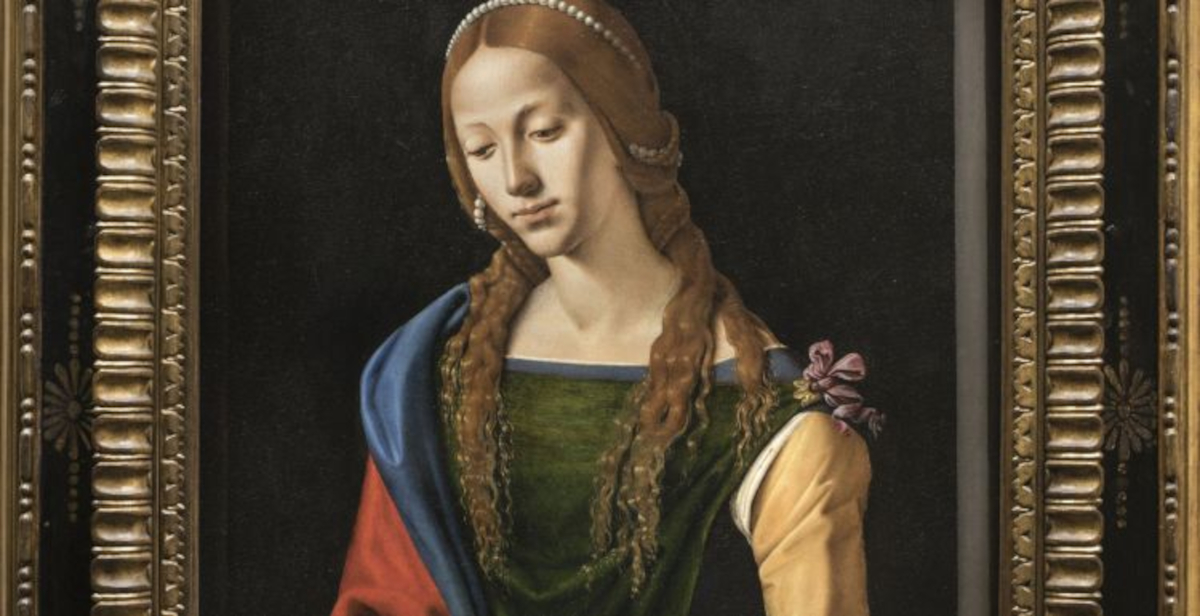 |
| An exhibition at Palazzo Venezia on Piero di Cosimo's Magdalene recounts the lives of women in the Renaissance |
Warning: the translation into English of the original Italian article was created using automatic tools. We undertake to review all articles, but we do not guarantee the total absence of inaccuracies in the translation due to the program. You can find the original by clicking on the ITA button. If you find any mistake,please contact us.