




by Redazione 15/07/2026



Categories: Exhibitions / Disclaimer
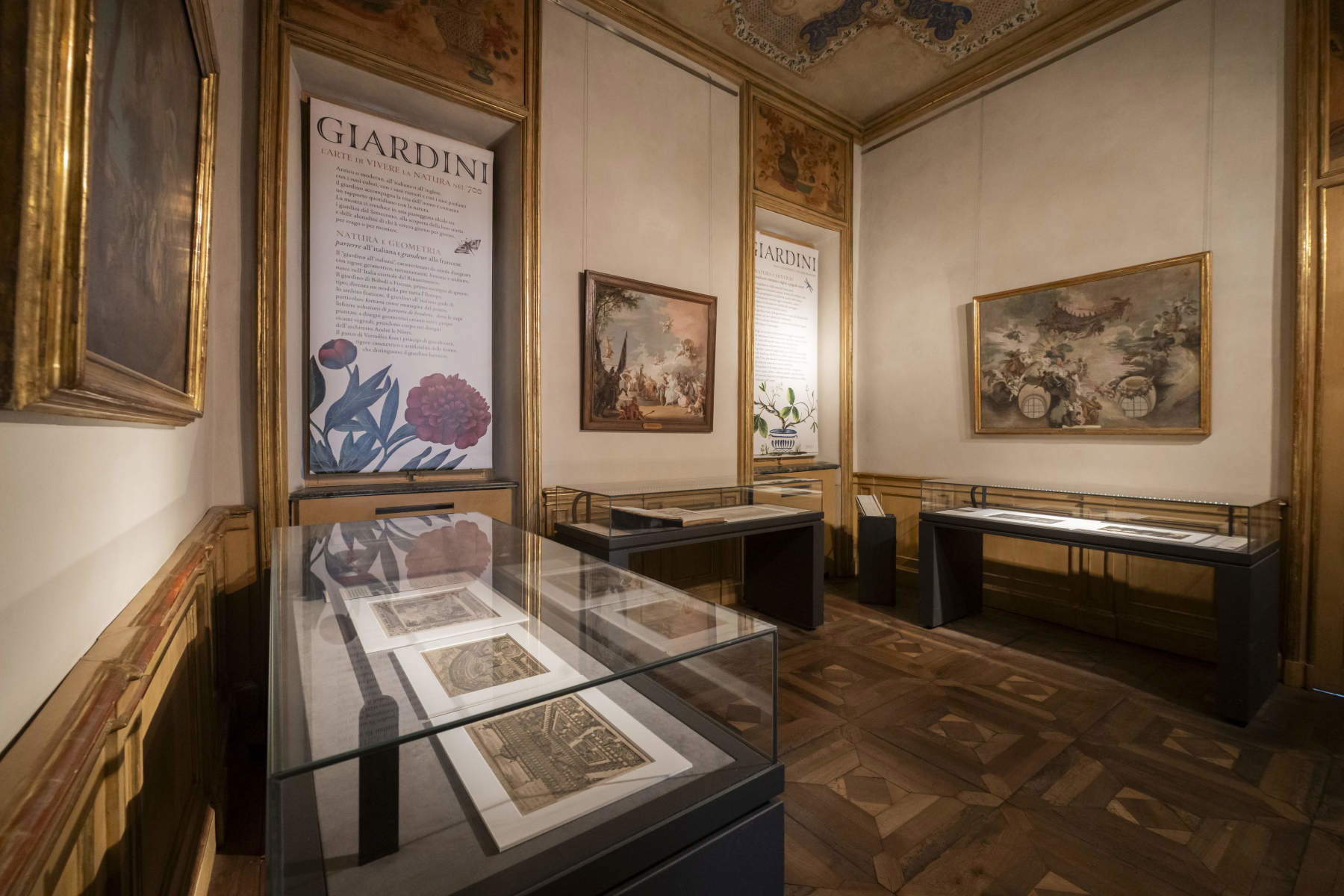
From July 15, 2026, to January 6, 2027, Palazzo Madama in Turin will host “Giardini.” The Art of Experiencing Nature in the 18th Century, an exhibition curated by Clelia Arnaldi di Balme that traces the evolution of garden design through drawings, engravings, and botanical illustrations. At the same time, the Textile Room is also being redesigned.


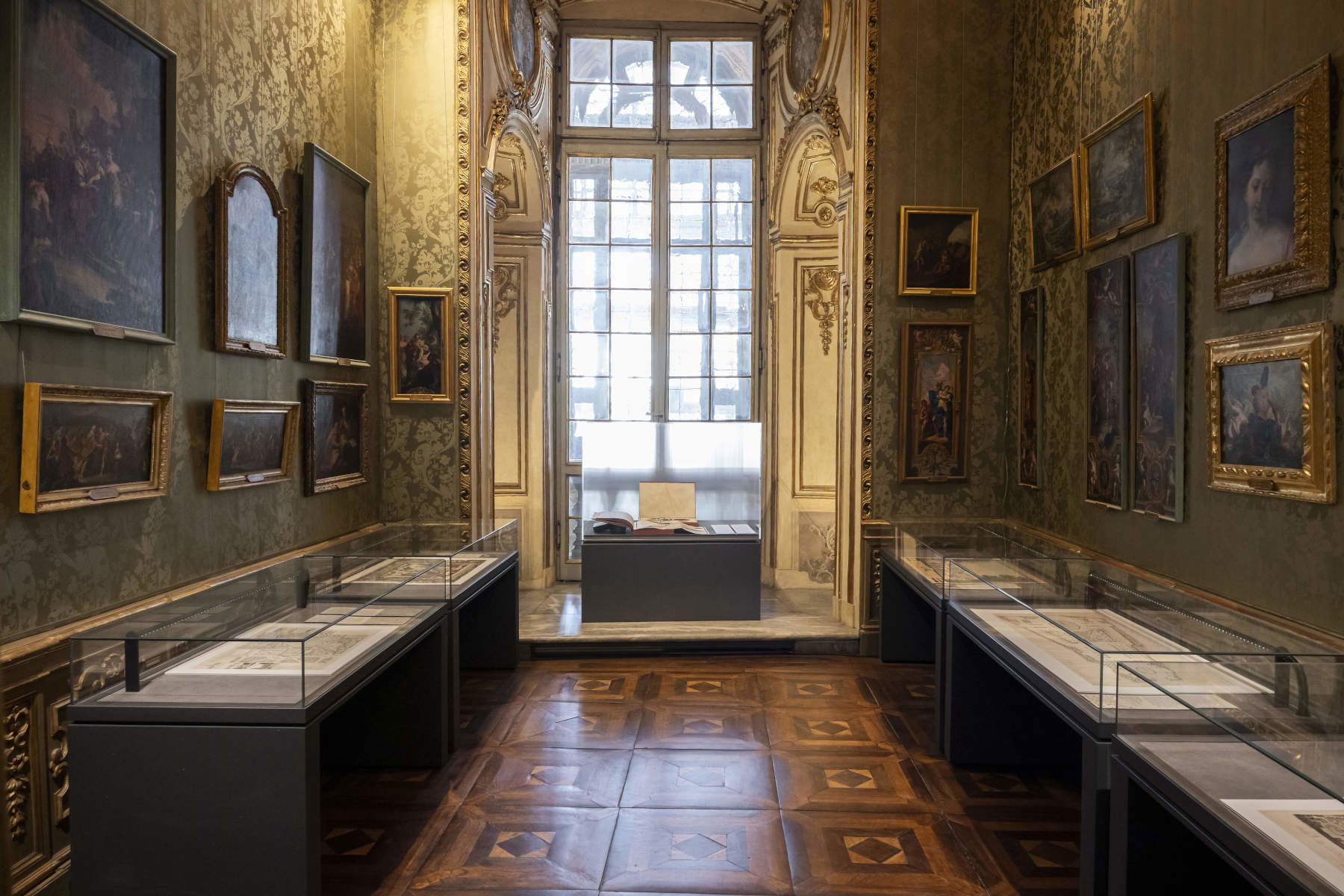
From July 15, 2026, to January 6, 2027, Palazzo Madama in Turin will host an exhibition dedicated to the history and culture of gardens in the 18th century. Housed in the Guardaroba and the Piccolo Gabinetto Cinese, the exhibition *Giardini. The Art of Experiencing Nature in the Eighteenth Century, curated by Clelia Arnaldi di Balme, offers a journey through a selection of drawings, botanical illustrations, and engravings that trace the evolution of the European garden and humanity’s relationship with nature during the Age of Enlightenment.

The itinerary begins with the Italian garden, a model that developed in central Italy during the Renaissance and is characterized by a rigorous geometric layout consisting of regular flowerbeds, terraces, fountains, and sculptural elements. In this context, the Boboli Gardens in Florence are presented as an example destined to exert a wide influence across Europe and to become a symbol of the prestige and power of the great courts.
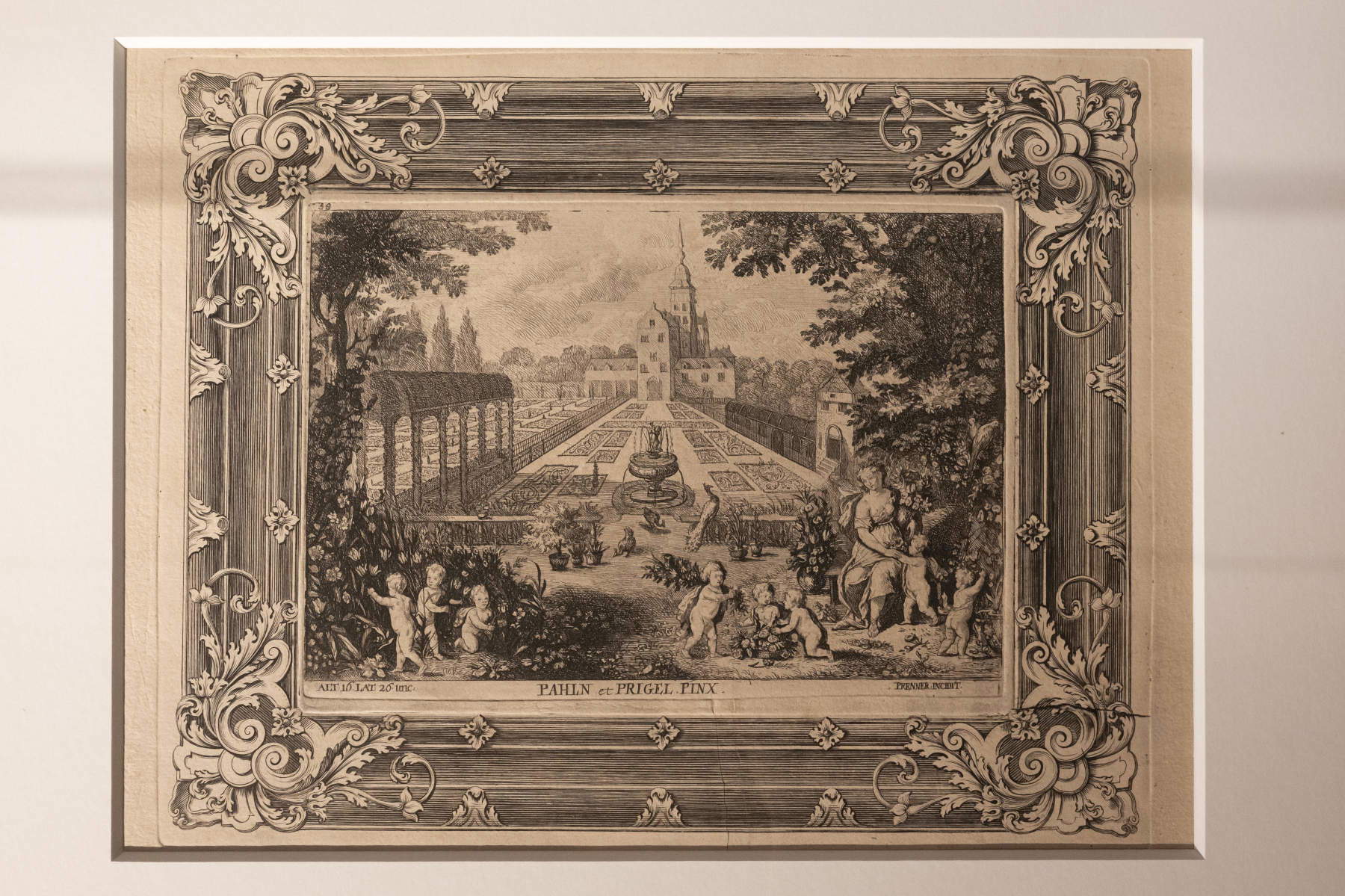
The success of this model is also documented by the engravings by Antonio de Pienne created for the volume *Regie villae poetice descripte*, published in Turin in 1771. The plates depict the parterre de broderie of the Savoy royal residences, in which hedges shaped into geometric patterns take on the appearance of botanical embroidery, expressing the principles of symmetry, monumentality, and control over nature that characterize the Baroque garden.


One section of the exhibition is dedicated to the presence of the garden in 18th-century theatrical set design. In this context, green spaces take on strong symbolic value: the garden represents humanity’s organizing influence over nature and serves as a place for social gatherings and leisure activities among court society, while the forest evokes mystery and disorientation, and the grove becomes the preferred setting for private meetings and confidences. These various meanings are illustrated by the set designs of Filippo Juvarra and the brothers Bernardino and Fabrizio Galliari, created for the Turin court theaters.
Ample space is also devoted to Filippo Juvarra’s design work. The exhibition presents the design developed by the architect from Messina for the garden of Luigi Mansi’s villa in Segromigno, in the Lucca area. Conceived in 1706 and completed in 1725, the complex includes parterre à broderie and fountains in the French style. The garden’s final appearance is also documented by a perspective view engraved in 1790 based on a drawing by the Lucca-based abbot and geographer Giovanni Francesco Giusti.
The project also provides insight into the technical complexity involved in creating a monumental garden. The architect must, in fact, address issues related to variations in ground level and the hydraulic engineering works necessary for the fountains to function. Juvarra conceived a system divided into three distinct gardens: two areas featuring water features and geometric flowerbeds enclose a large lawn crossed by an avenue leading to the villa’s loggia. Behind the building, a scenic, semicircular backdrop unfolds, composed of aedicules, small temples, sculptural groups, and small fountains.
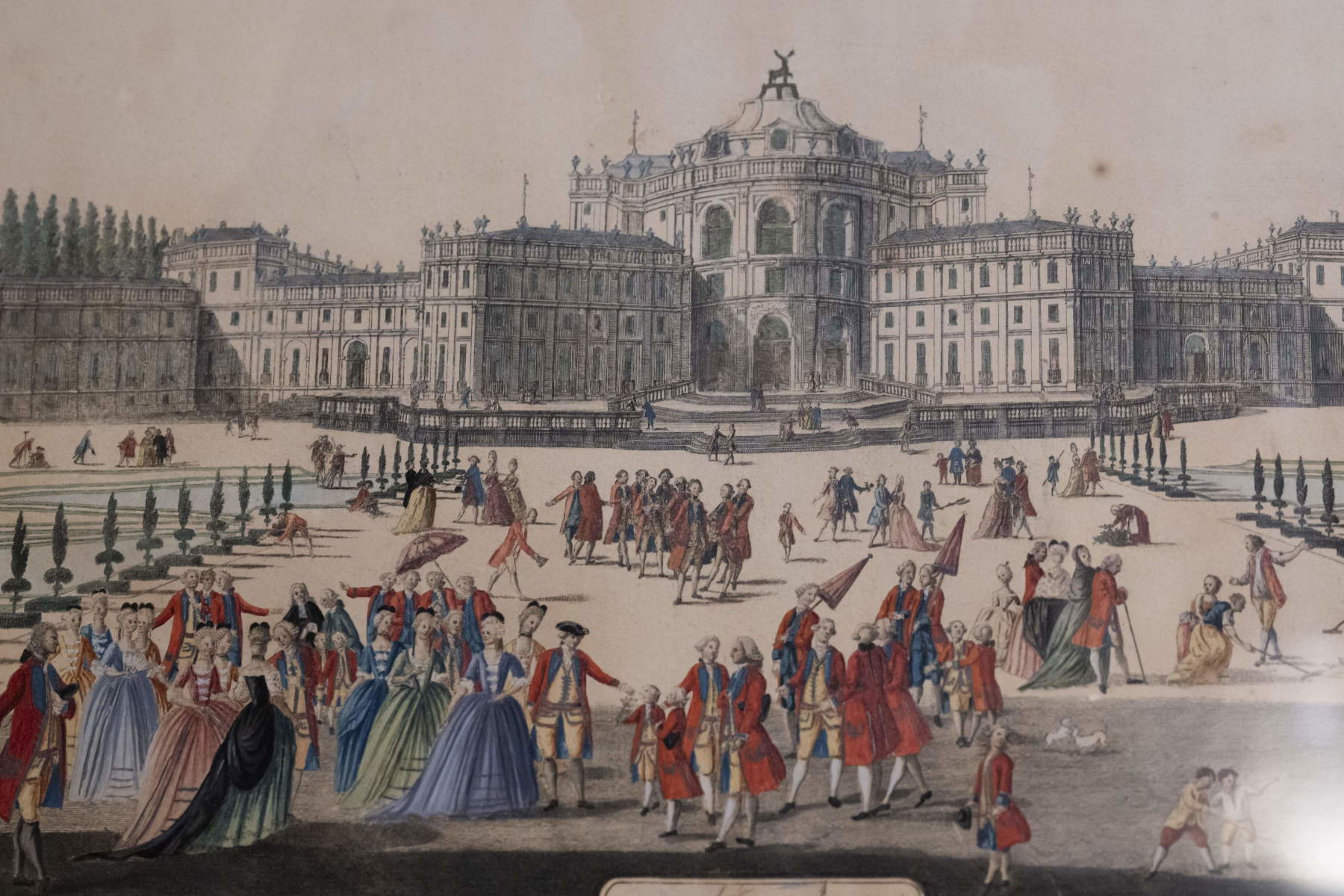
The engravings by Ignazio Sclopis, including the view of Stupinigi Park with its famous radial layout of avenues, depict the garden as a space intended for social life and recreational activities. Walks, concerts held in the pavilions, ball games, and regattas paint a picture of places designed as settings dedicated to leisure and socializing.
In the final section of the exhibition, the focus shifts to English and Oriental gardens, reflecting the shift in taste that took place in the second half of the 18th century. The designs of Francesco Bettini—an architect and botanist who lived for many years in Paris and London before returning to Rome—demonstrate the spread of the English landscape model. Rooted in aesthetic reflections on the sublime and the beautiful developed in England, this type of garden moves away from the strict geometry of earlier designs in favor of a freer organization of space, capable of evoking the power of nature and the vastness of the landscape.
At the same time, interest in Chinese gardens also gained ground, made possible by the growing popularity of travel literature and the accounts of missionaries. While until the early 18th century the East was known primarily through the decorations on porcelain, textiles, and lacquerware, descriptions of the imperial residences of the Qing dynasty helped introduce a different way of conceiving the landscape. Thus, rocks, ponds, trees, shrubs, pagodas, and small Oriental-inspired structures began to appear in European gardens, arranged with apparent spontaneity on artificial mounds to recreate a natural landscape.
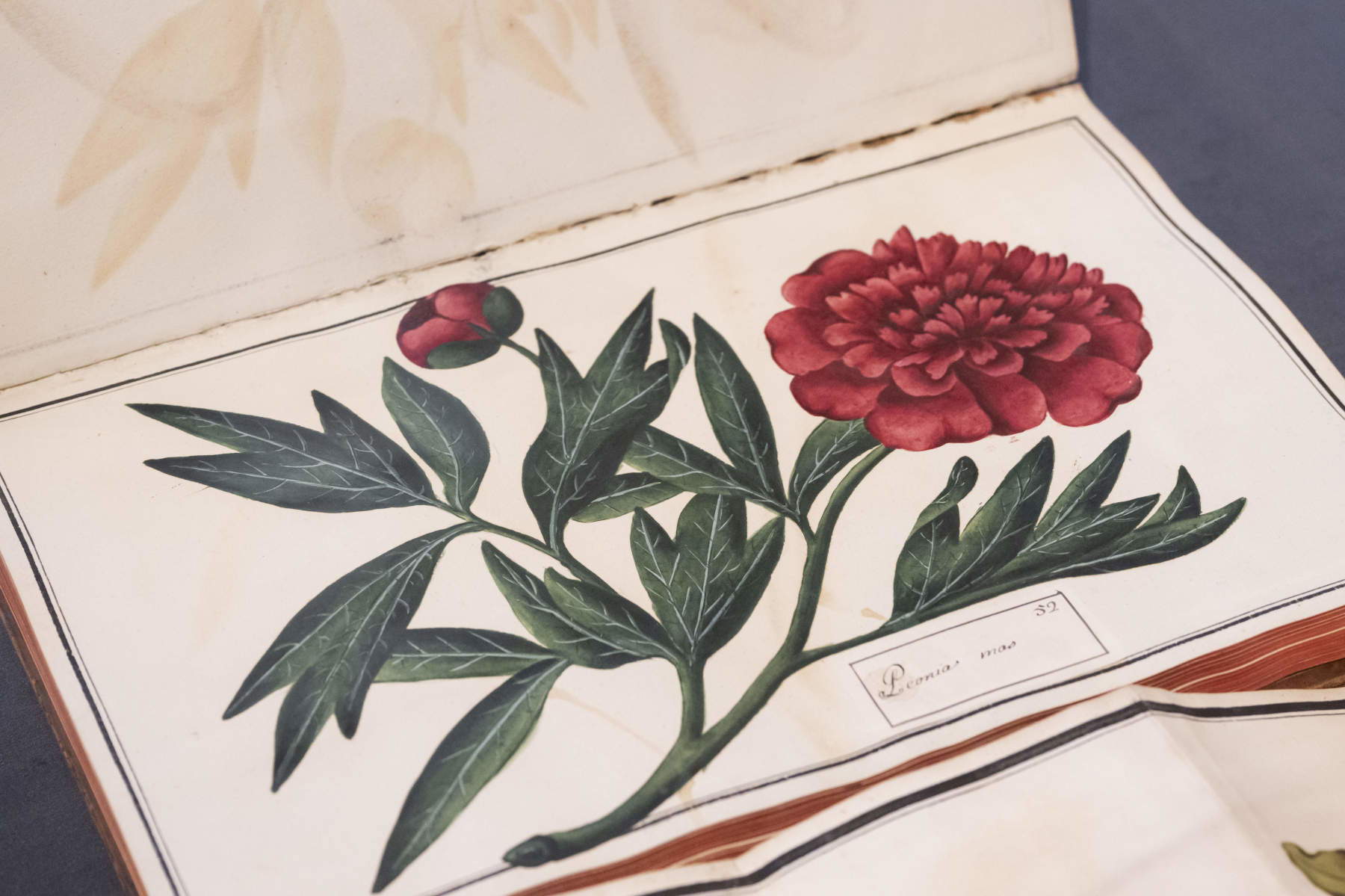
The exhibition concludes with a display case dedicated to the two volumes of botanical watercolors created by Count Lorenzo Freylino, titled *Francisci Laurentii Freylini... Hortus herbarii repertorium botanicae figuris ab eodem collectis delineatisque, excerptum, ac demonstratum*. Freylino, who had created a botanical garden rich in rare and exotic species at his palace in Buttigliera d’Asti, maintained correspondences with some of the leading Italian and foreign botanists of the time. The two manuscripts contain a total of 123 plates created between 1773 and 1813 and document the scientific interest in the classification and study of plants. The exhibition’s graphic design is by Simona Alborno, in collaboration with Giuseppe Salerno.
To mark the opening of the exhibition, Palazzo Madama is also presenting the new layout of the Textile Room, where *Bianco al femminile*—an exhibition curated by Paola Ruffino and dedicated to the material and symbolic relationship between the color white and the feminine world—is once again open to visitors. The exhibition brings together fifty artifacts from the museum’s collections—ranging from medieval linen embroidery to needle and bobbin lace, and from white-on-white embroidery to wedding gowns—offering an overview of the evolution of textile craftsmanship through cotton muslin, silk gauze, and lightweight satins. This new installation will also be open to the public starting July 15 with admission to the permanent collections.
Practical Information
Admission is included with the ticket for the museum’s permanent collections.
Hours: Monday and Wednesday through Sunday: 10 a.m. – 6 p.m. Closed on Tuesday.
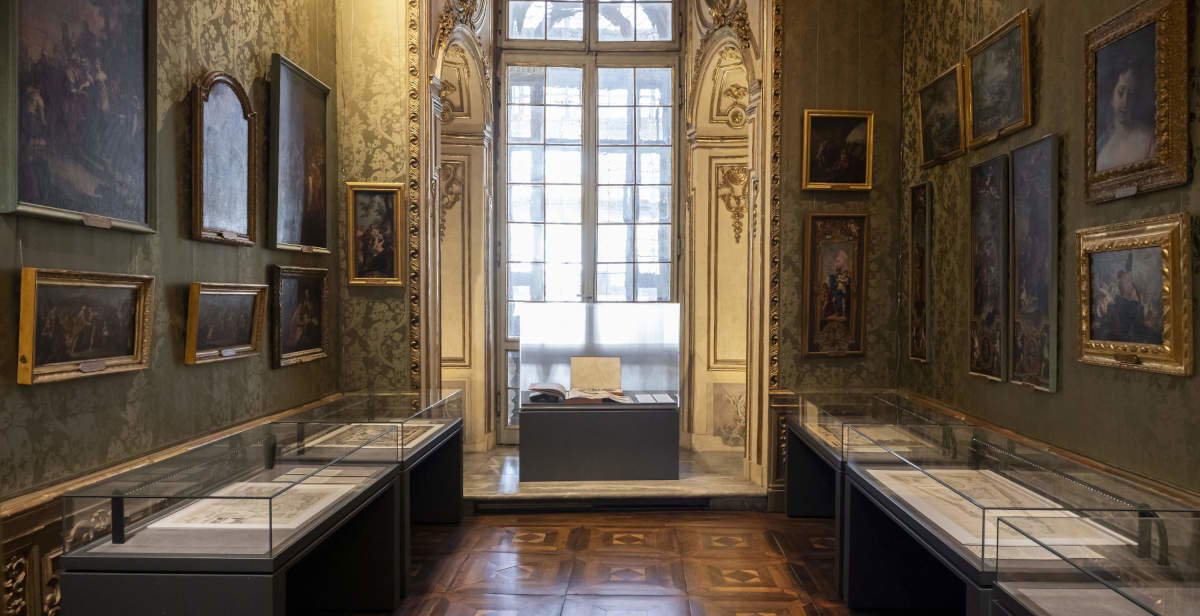 |
| At Palazzo Madama, the 18th-century garden is brought to life through drawings, engravings, and botanical illustrations |
Warning: the translation into English of the original Italian article was created using automatic tools. We undertake to review all articles, but we do not guarantee the total absence of inaccuracies in the translation due to the program. You can find the original by clicking on the ITA button. If you find any mistake,please contact us.