





At the Palazzina di Caccia di Stupinigi, in the province of Turin, the Galleria di Levante is hosting from June 10 to Oct. 25, 2026, the exhibition Giacomo Puccini: music, cinema and history, an exhibition project that interweaves the vicissitudes of the Savoy monarchy, the history of music and cinematic memory of the 20th century. The initiative, curated by Alessandro Rota is part of the celebrations for the centenary of the death of Queen Margaret of Savoy.
The exhibition begins with a little-known episode in the relationship between the sovereign and the Lucchese composer. In 1880 Queen Margherita allegedly supported the young Giacomo Puccini financially, helping to enable him to move from Lucca to Milan to attend the Conservatory. This intervention is interpreted as evidence of the queen’s attention to the country’s cultural and artistic education and is the starting point of the exhibition itinerary.
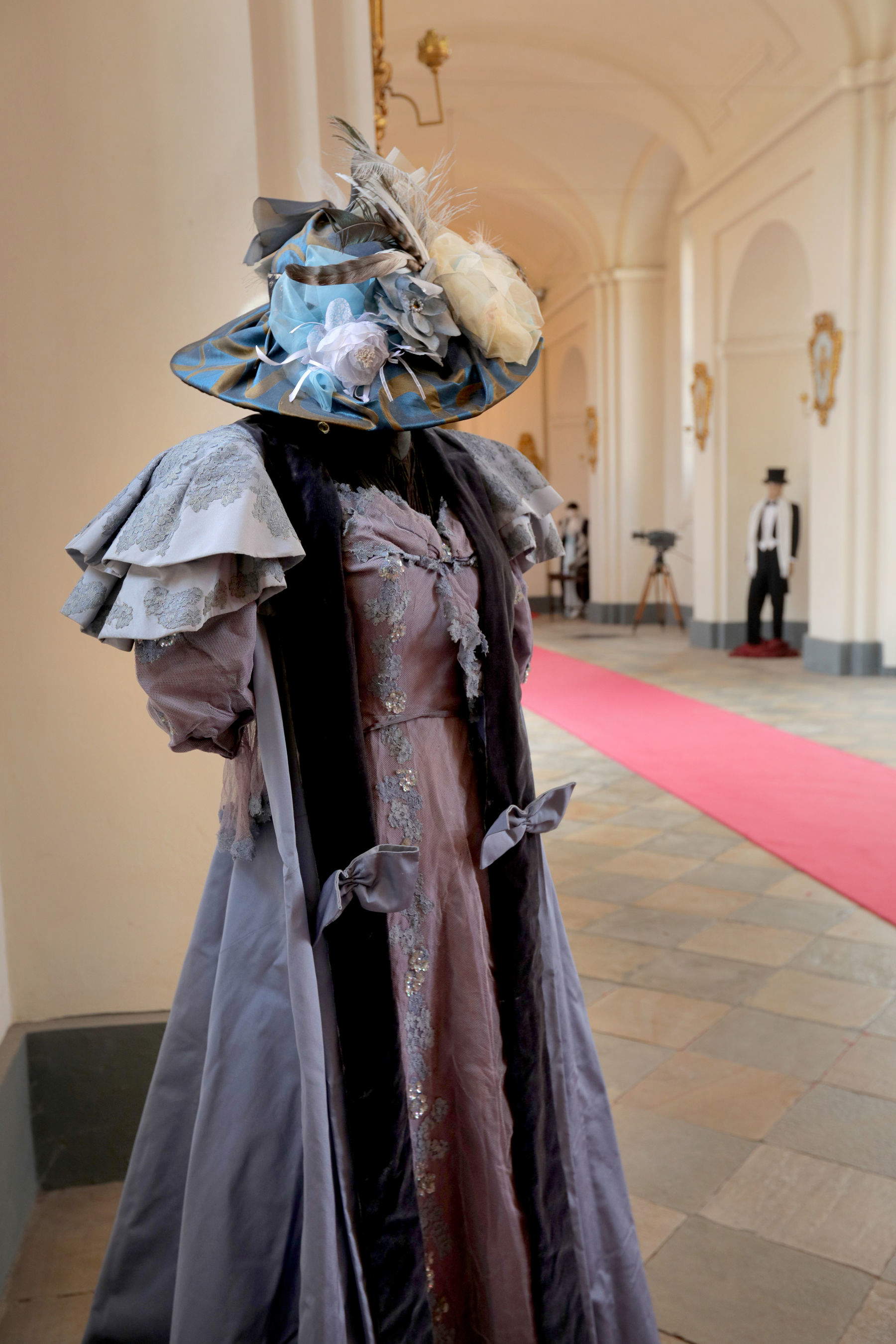
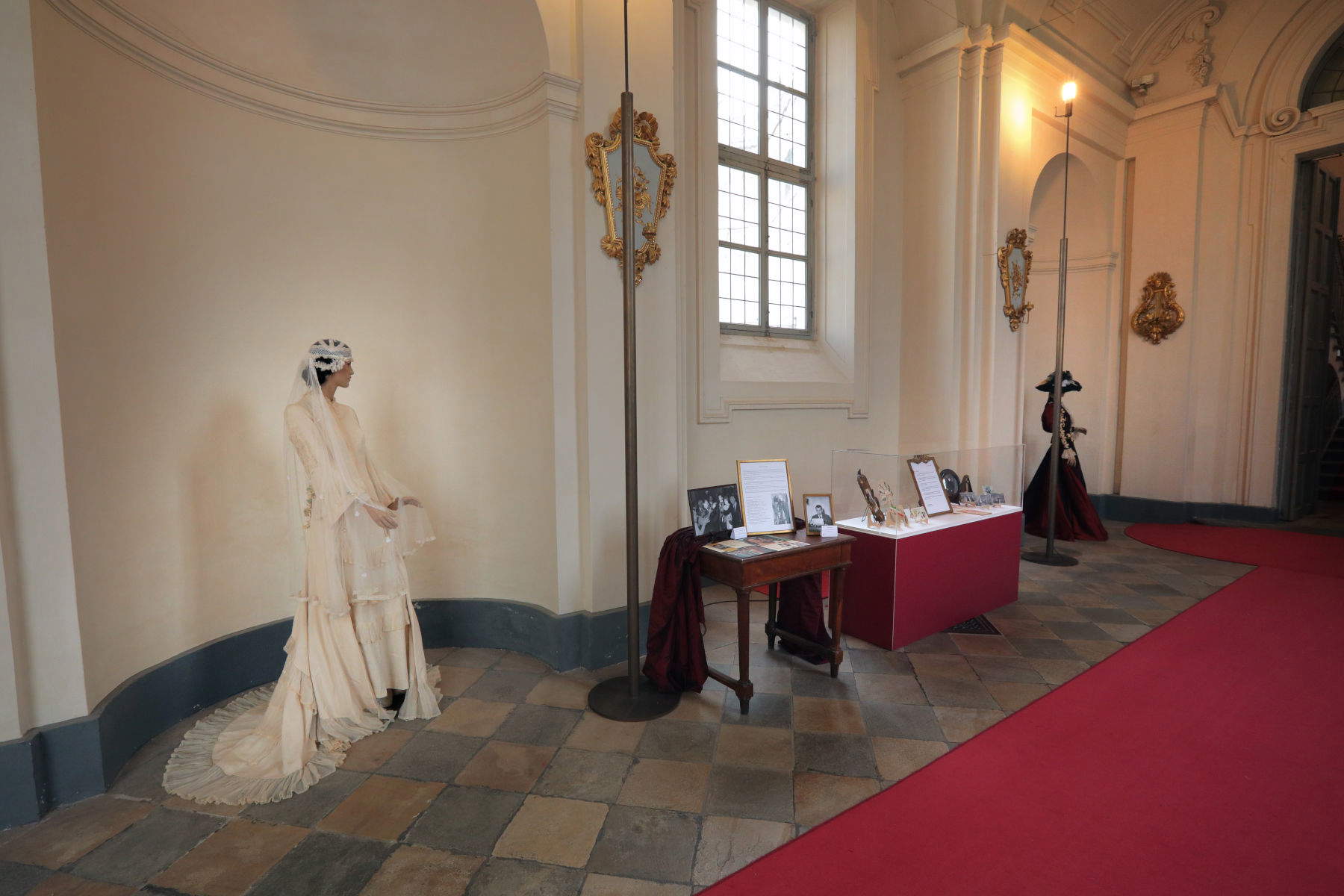
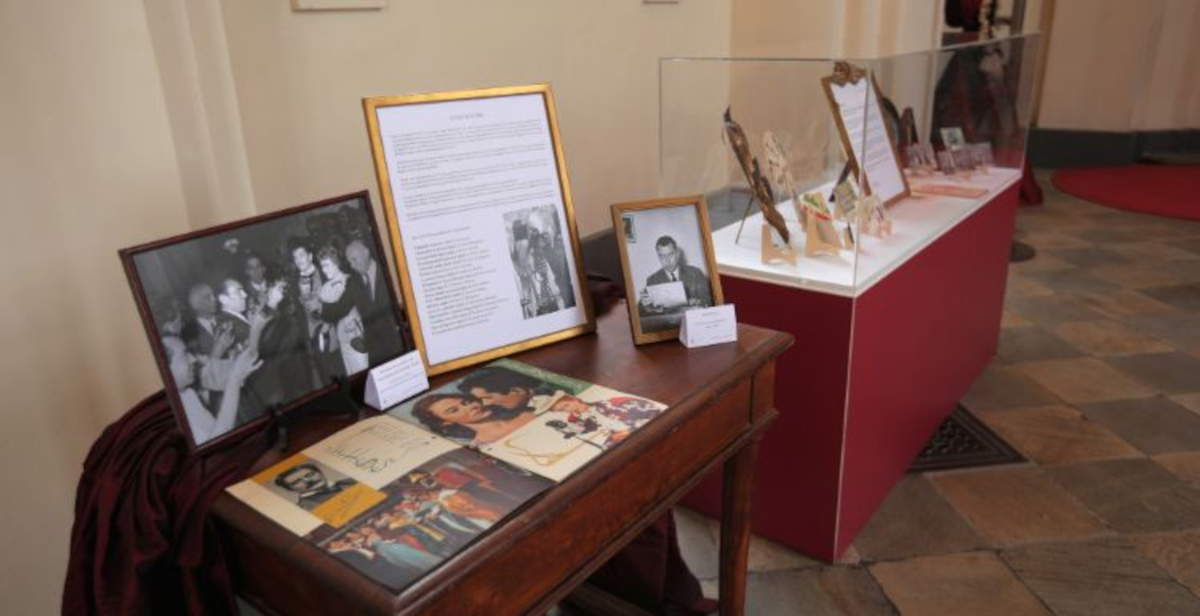
The core of the exhibition is the original costumes made by Georges Annenkov for Carmine Gallone ’s 1953 film Puccini, starring Gabriele Ferzetti. The costumes are presented together with film memorabilia and a historical movie camera, elements that allow reconstructing the production context of postwar Italian cinema and the way the figure of the composer was reinterpreted on screen.
The exhibition project also broadens the perspective to the role of producer Luigi Rovere, a central figure in Piedmontese and national cinematography. Rovere started his business in Turin and contributed to the season of Italian cinema after World War II, working with directors such as Federico Fellini, whose first film he produced, and Pietro Germi, author of Il cammino della speranza, which won the Silver Bear at the first Berlin Film Festival.
The itinerary relates the history of the Savoy monarchy to the language of cinema, also recalling a relevant precedent: in fact, Queen Margherita was shot in 1896 by Vittorio Calcina in one of the first films of Italian cinema, made during a stay at the Villa Reale in Monza. The film, now preserved in the Archives of the Cineteca Nazionale, is considered among the oldest cinematic records in the country.
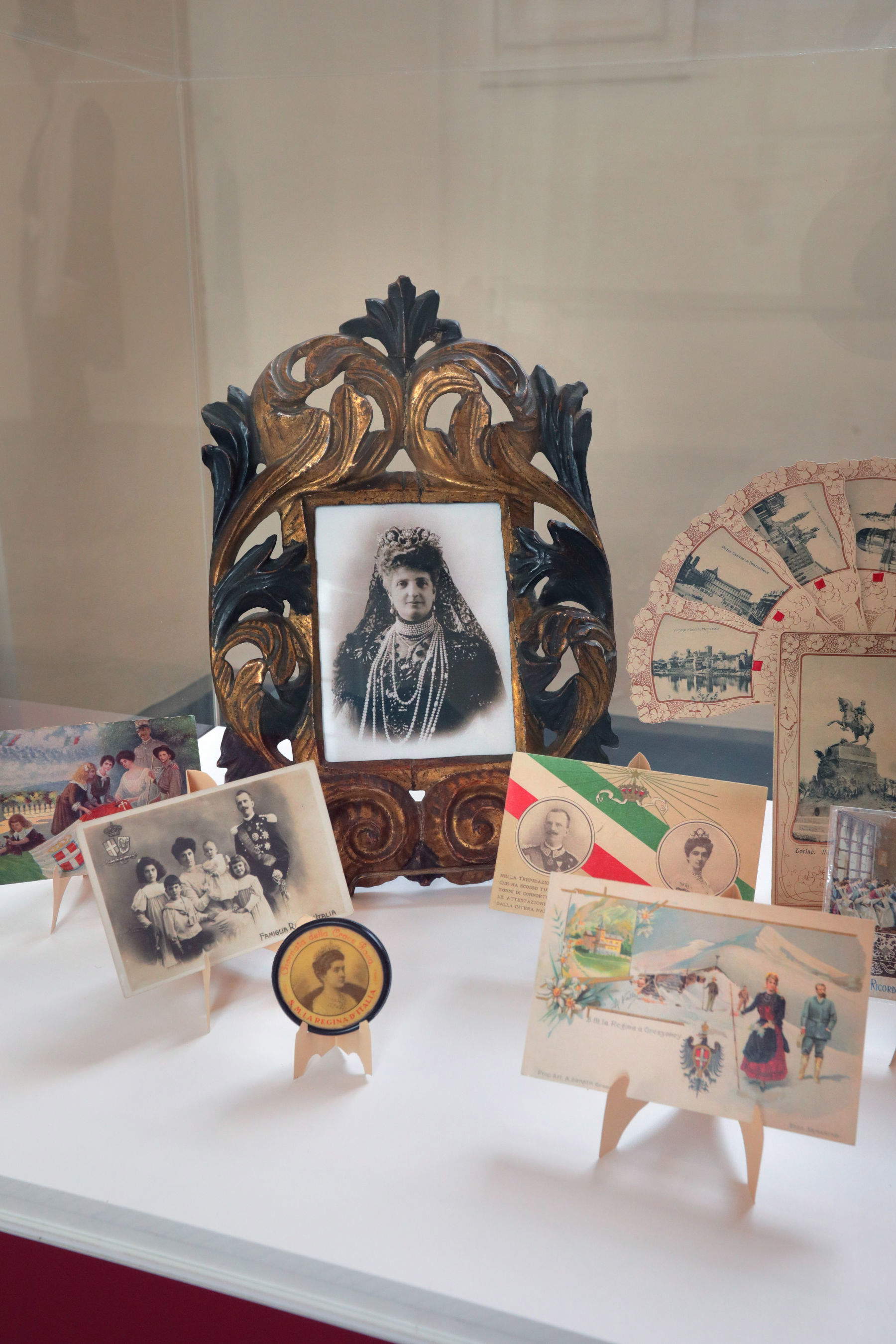
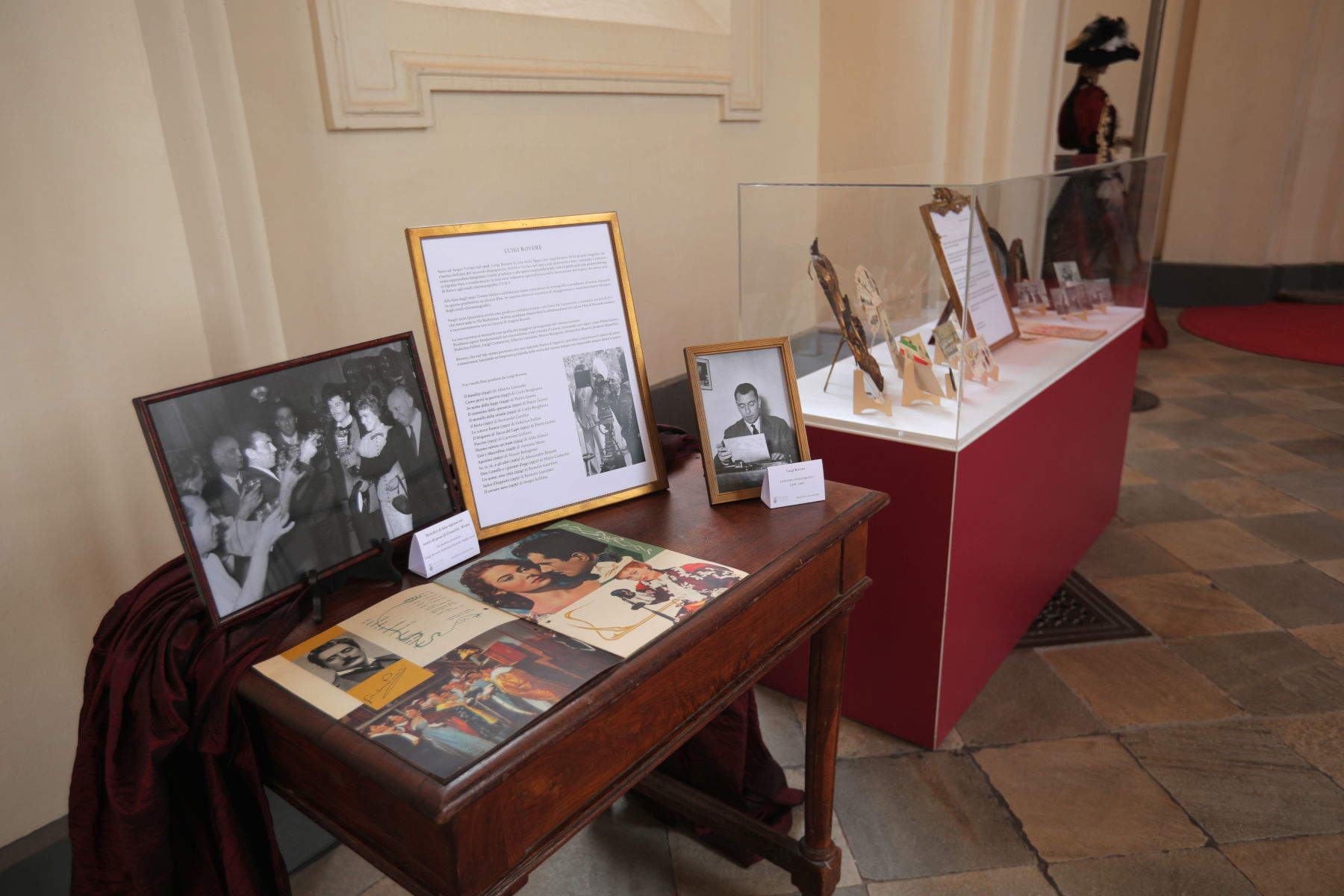
The staging is based on materials preserved by the Luigi Rovere Archive of the Rovere family, enhanced by the Officine Ianós Association. The restoration of the clothes was carried out by Clotilde Cattaneo. The concession of the materials is by Mariella Rovere.
The dresses will remain on display until October 25, 2026, when the Palazzina di Caccia di Stupinigi will host a concert dedicated to Queen Margherita in the Central Hall, organized by the Chocolate and Gianduja Museum. The institution has dedicated the Queen’s Pearls chocolate to the sovereign.
Also planned as part of the celebrations are the June 20 and 21 events of The Days of Margaret, a weekend dedicated to the figure of the sovereign. The program includes the historical re-enactment of her arrival at Stupinigi in June 1901, the exhibition for the first time of the Royal Mantle from the Datrino Collection, a philatelic cancellation created in collaboration with the Italian Postal Service, carriage rides, workshops and activities dedicated to court life, along with in-depth studies on the link between Queen Margaret and the Stupinigi residence.
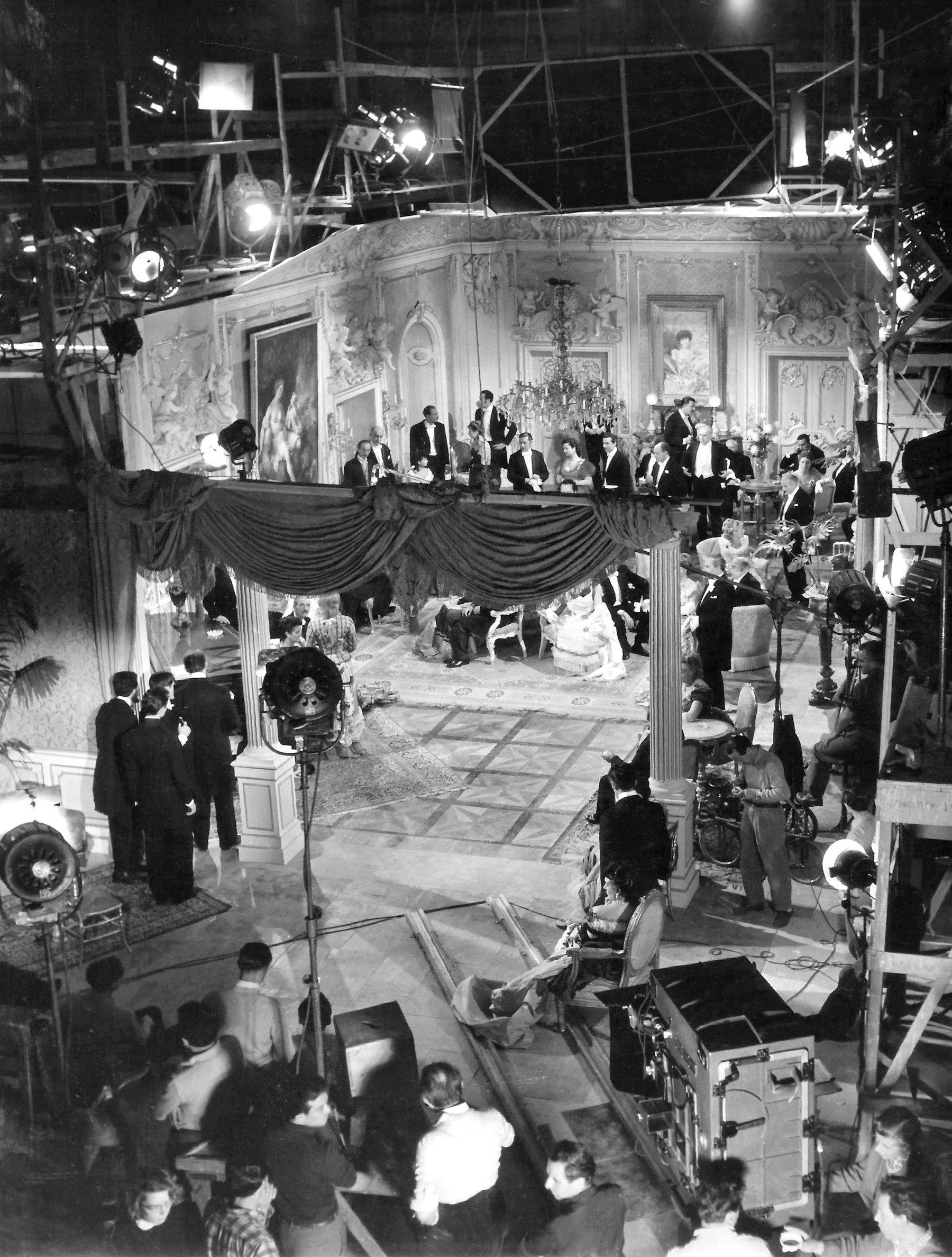
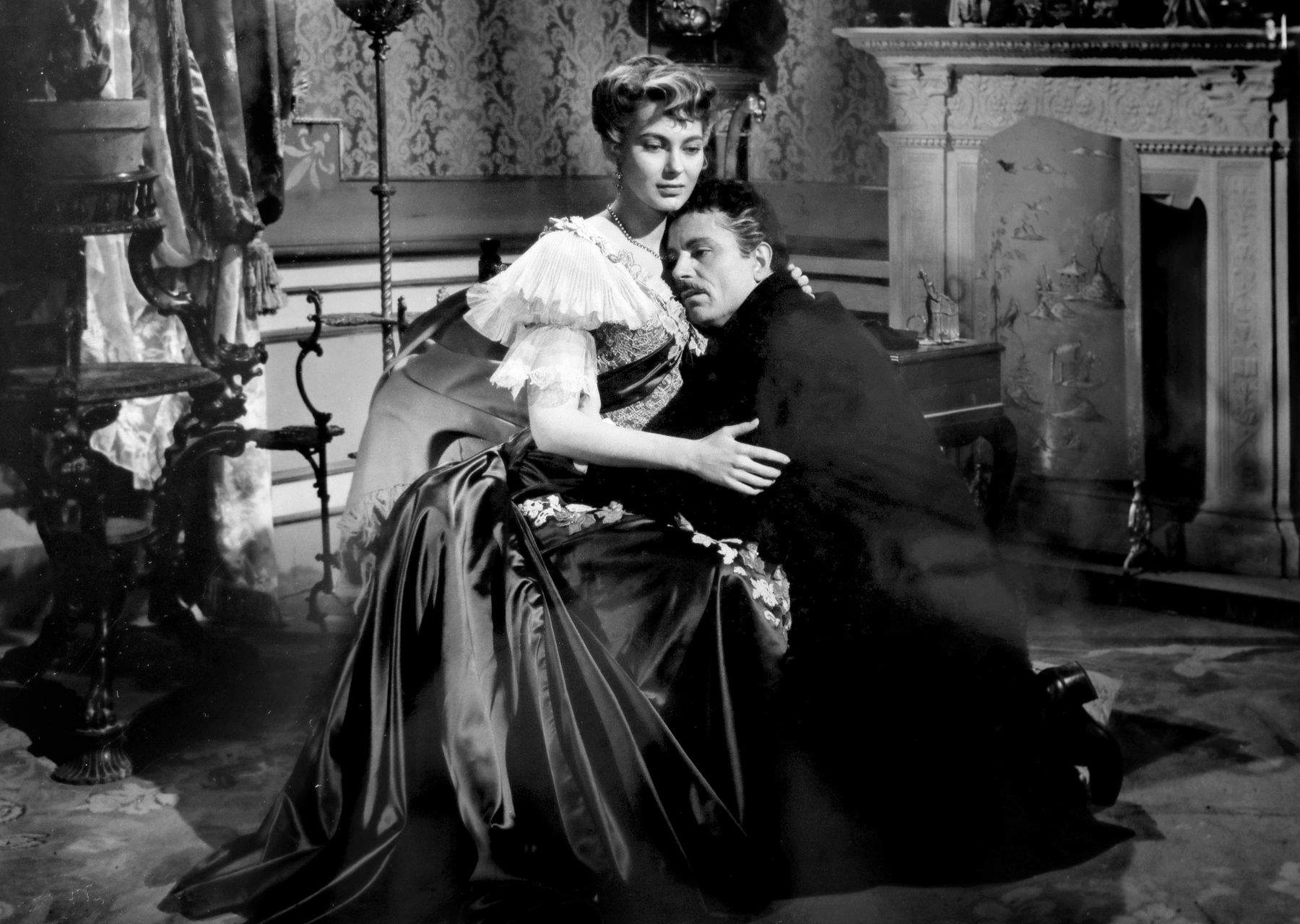
“The enhancement of the unpublished archive of film producer Luigi Rovere,” explains curator Alessandro Rota, “represents an extraordinary opportunity for discovery and insight. Through this exhibition we bring back to light the history of an important film dedicated to one of the most famous Italian composers in the world and, at the same time, we return attention to a Piedmontese protagonist of Italian cinema who deserves to be better known and enhanced.”
“The figure of Queen Margherita is deeply linked to the history of the Palazzina,” says Marta Fusi, director of the Palazzina di Caccia di Stupinigi, “one of the residences she loved most and chose as a place to stay in the last years of her life. The initiatives we are dedicating to the centenary of her death stem from the desire to return this special relationship to the public, recounting not only the sovereign, but also the cultural, artistic and human context that revolved around her presence. The exhibition dedicated to Giacomo Puccini and the June 20 and 21 event also fits into this path: through historical re-enactments, exhibitions and opportunities for in-depth study, visitors will be able to rediscover the link between Margherita and Stupinigi and get closer to an important page in the history of the residence.”
The exhibition is included in the entrance ticket to the Palazzina
Tickets: 12 euros full, 8 euros reduced
Opening days and hours Palazzina di Caccia di Stupinigi and historic garden: Tuesday to Friday 10 a.m.-5.30 p.m. (last admission 5 p.m.); Saturday, Sunday and holidays 10 a.m.-6.30 p.m. (last admission 6 p.m.).
 |
| At the Palazzina di Stupinigi, cinema rereads Puccini and Queen Margaret |

Warning: the translation into English of the original Italian article was created using automatic tools. We undertake to review all articles, but we do not guarantee the total absence of inaccuracies in the translation due to the program. You can find the original by clicking on the ITA button. If you find any mistake,please contact us.




















 IT
IT FR
FR DE
DE ES
ES CN
CN


