





Thirty years after his 1995 solo exhibition Cappelle Medicee, Aurelio Amendola’s photography returns to Milan’s Palazzo Reale. From June 16 to September 6, 2026, it will indeed host the exhibition Aurelio Amendola. Masterpieces Photographed. Burri, Vedova, Nitsch, Milan Cathedral, Bernini, Canova, Michelangelo, promoted by the City of Milan - Culture, produced by Palazzo Reale in collaboration with BUILDING Cultural Association. The exhibition brings together 85 large-format photographs made between 1976 and 2025 and pays tribute to the artistic research of Amendola (Pistoia, 1938), a leading figure in contemporary art photography. His work stands out for its ability to cross different eras and artistic languages, transforming light into a narrative tool capable of offering an intense and deeply personal gaze.
Central to the exhibition is the relationship the photographer establishes with some of the greatest protagonists of art history. From the sculptures of Michelangelo Buonarroti, Gian Lorenzo Bernini and Antonio Canova to the expressive power of contemporary art represented by Alberto Burri, Emilio Vedova and Hermann Nitsch, Amendola’s shots manage to reveal both the hidden soul of the works and the most authentic identity of their authors. Added to this path is a section dedicated to the Duomo of Milan, with unpublished photographs that interpret the cathedral as a great sculpted matter, traversed by light and time rather than a simple architectural structure.
The exhibition aims to be a path that puts different eras and artistic practices in dialogue, building a rich and layered visual narrative. Through his gaze, Amendola offers an intimate rereading of art history, dwelling on the relationship between matter, memory and creative gesture.
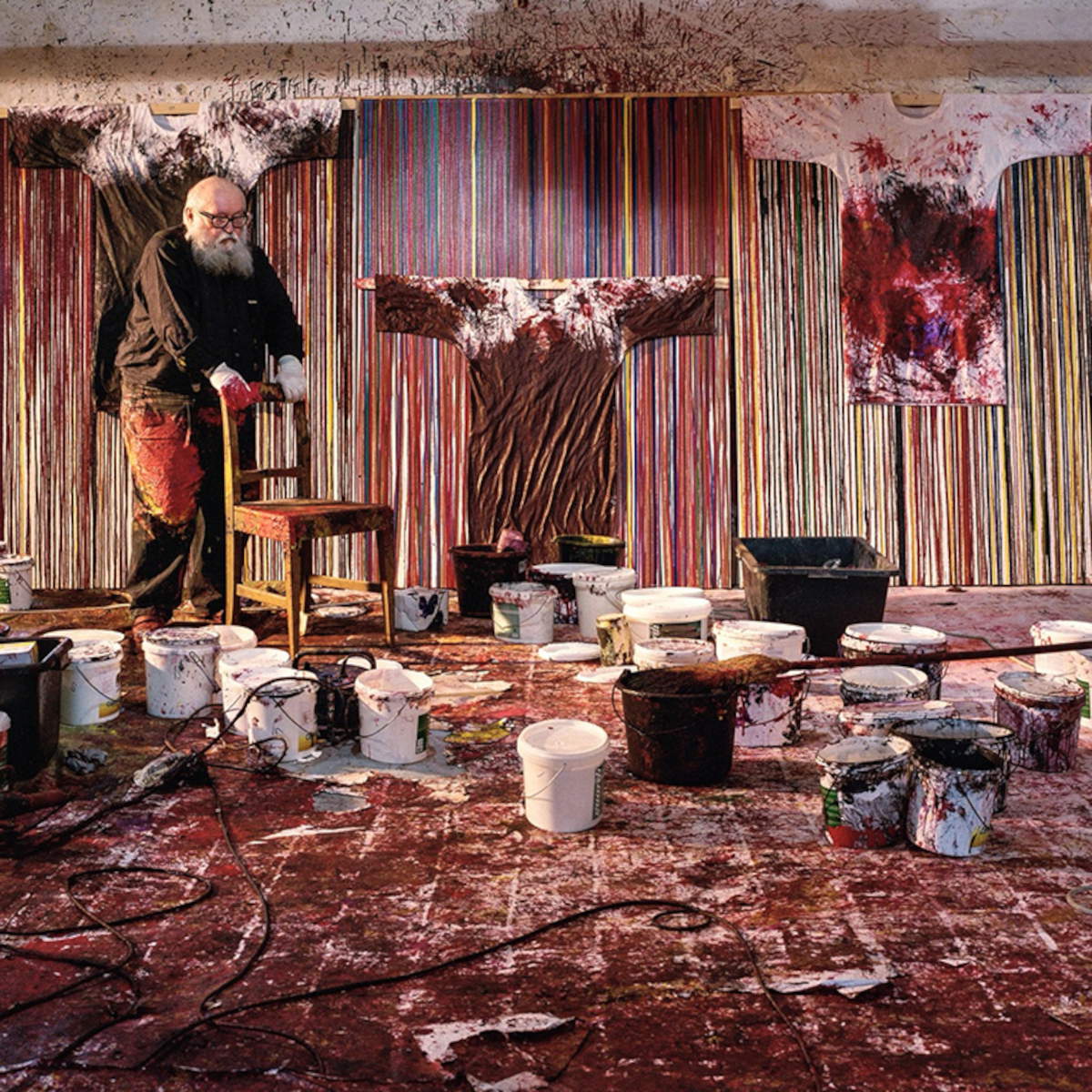
The exhibition opens with 41 photographs dedicated to Hermann Nitsch, Alberto Burri and Emilio Vedova, central figures of the second half of the 20th century who shared an artistic practice based on action. The works also come from important Italian and international collections, including the Fondazione Palazzo Albizzini Collezione Burri in Città di Castello, the Fondazione Emilio and Annabianca Vedova in Venice and the Nitsch Foundation in Vienna. In these artists, gesture becomes sign, energy and matter, finally transforming into work. Amendola portrays them in their ateliers, capturing their most private dimension and, at the same time, their extraordinary creative intensity.
Prominent among the works on display are the photographs dedicated to the “blood-red actions” made by Hermann Nitsch in Prinzendorf Castle in 2012. The shots condense the essence of his artistic research into a more collected and unprecedented form than the collective and performative dimension that usually characterizes his actions.
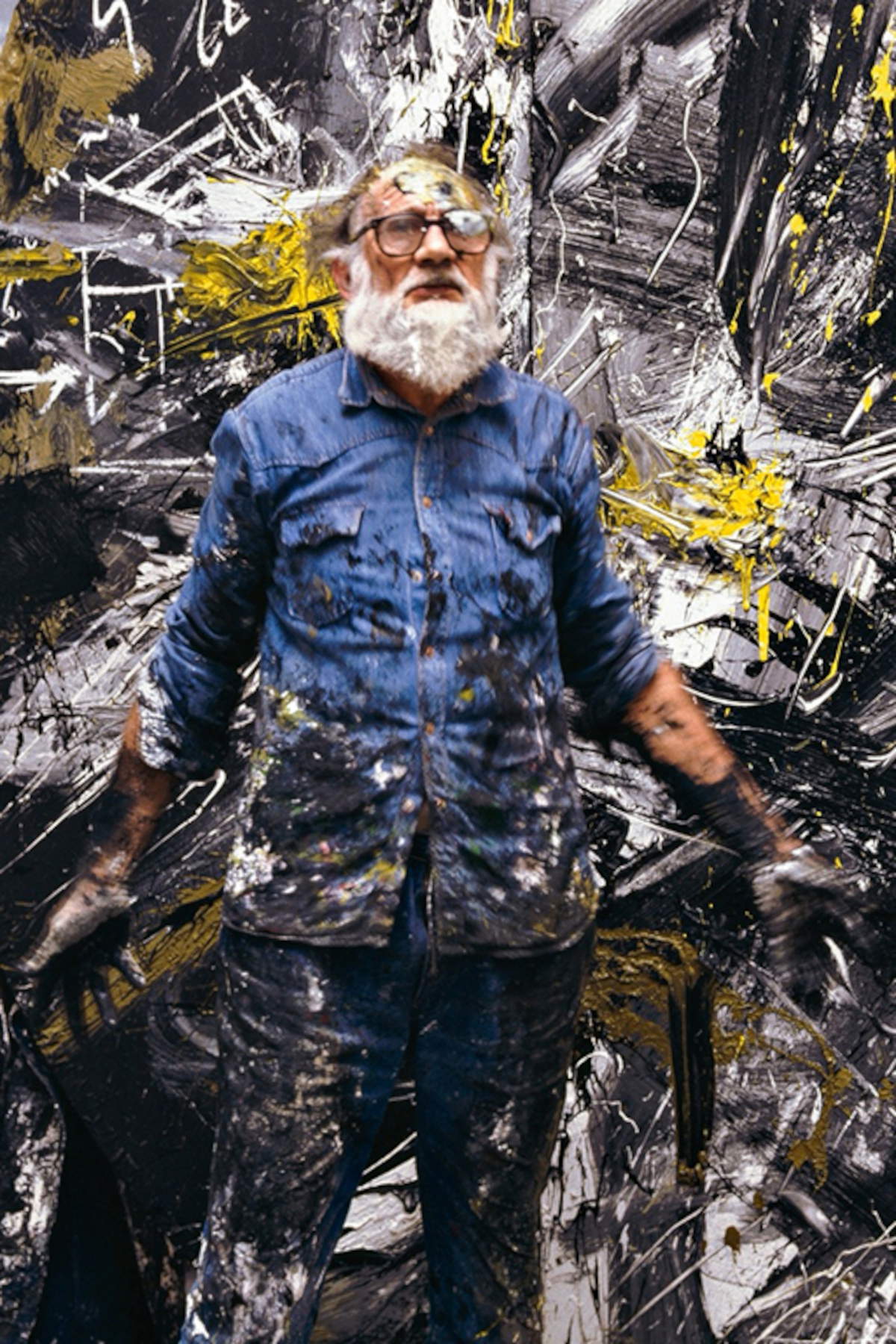
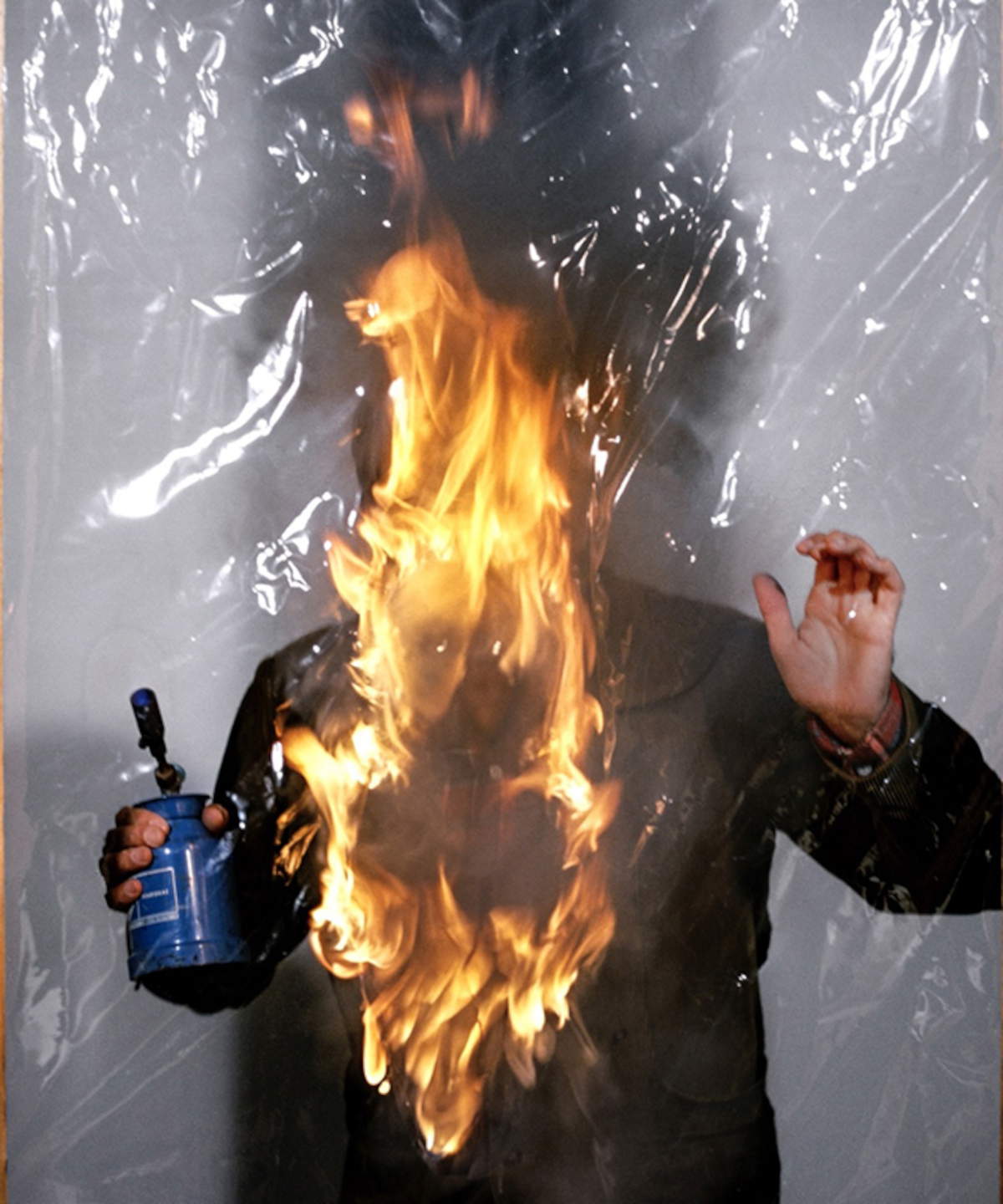
The famous images of Alberto Burri’s Combustions are also particularly significant. In 1976, in Città di Castello, Amendola documented the artist burning a plastic surface, modifying its material. The photographs powerfully render Burri’s creative process, in which a gesture at once spontaneous and controlled gives rise to some of his most iconic works. In the photographs made in 1987 dedicated to Emilio Vedova, on the other hand, the swirling energy of his painting emerges. The tension that runs through the large roundels appears as a direct extension of his intense and controlled gestures. Vedova is immortalized as he moves through the space of the atelier as if within a real field of action, transforming his own body into the matrix of the pictorial sign.
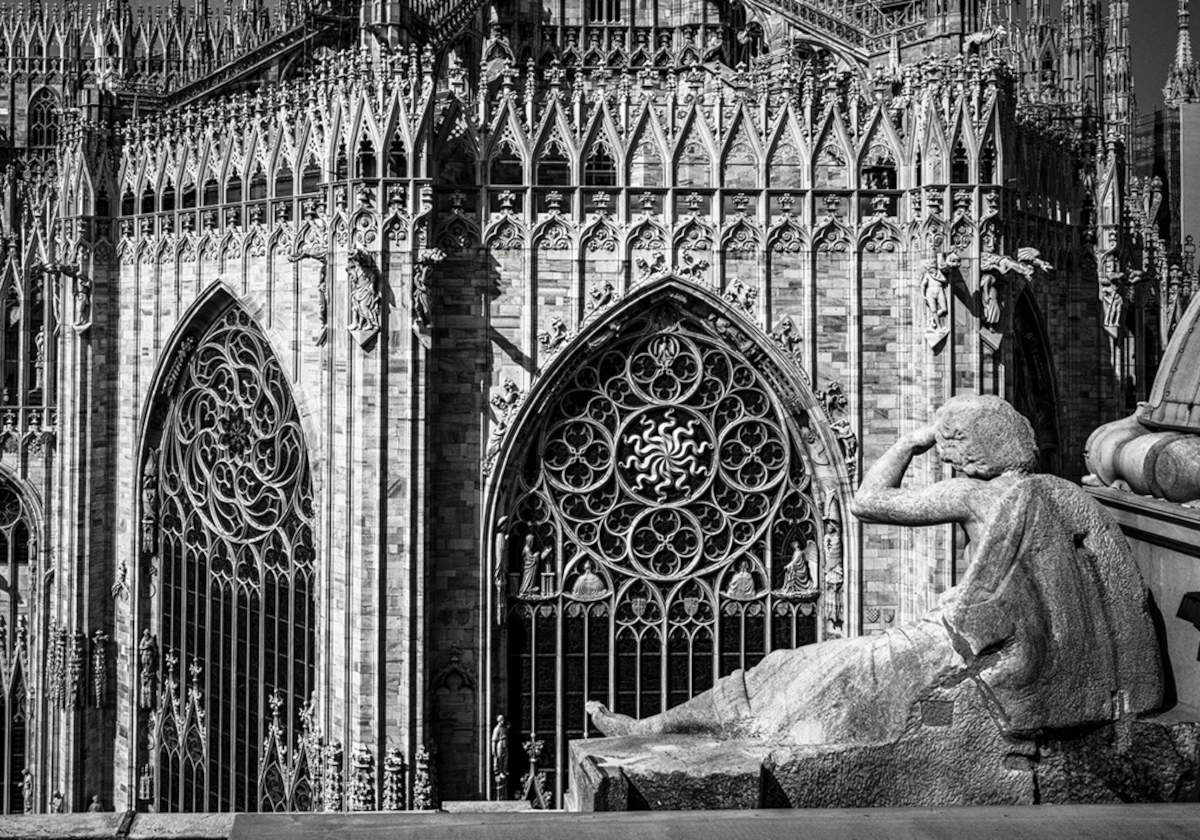
The exhibition continues with a room entirely reserved for nine photographs of Milan Cathedral, taken in 2009 and exhibited for the first time. Through architectural details, unusual perspectives and refined plays of light, the cathedral is reinterpreted in its formal and expressive power.
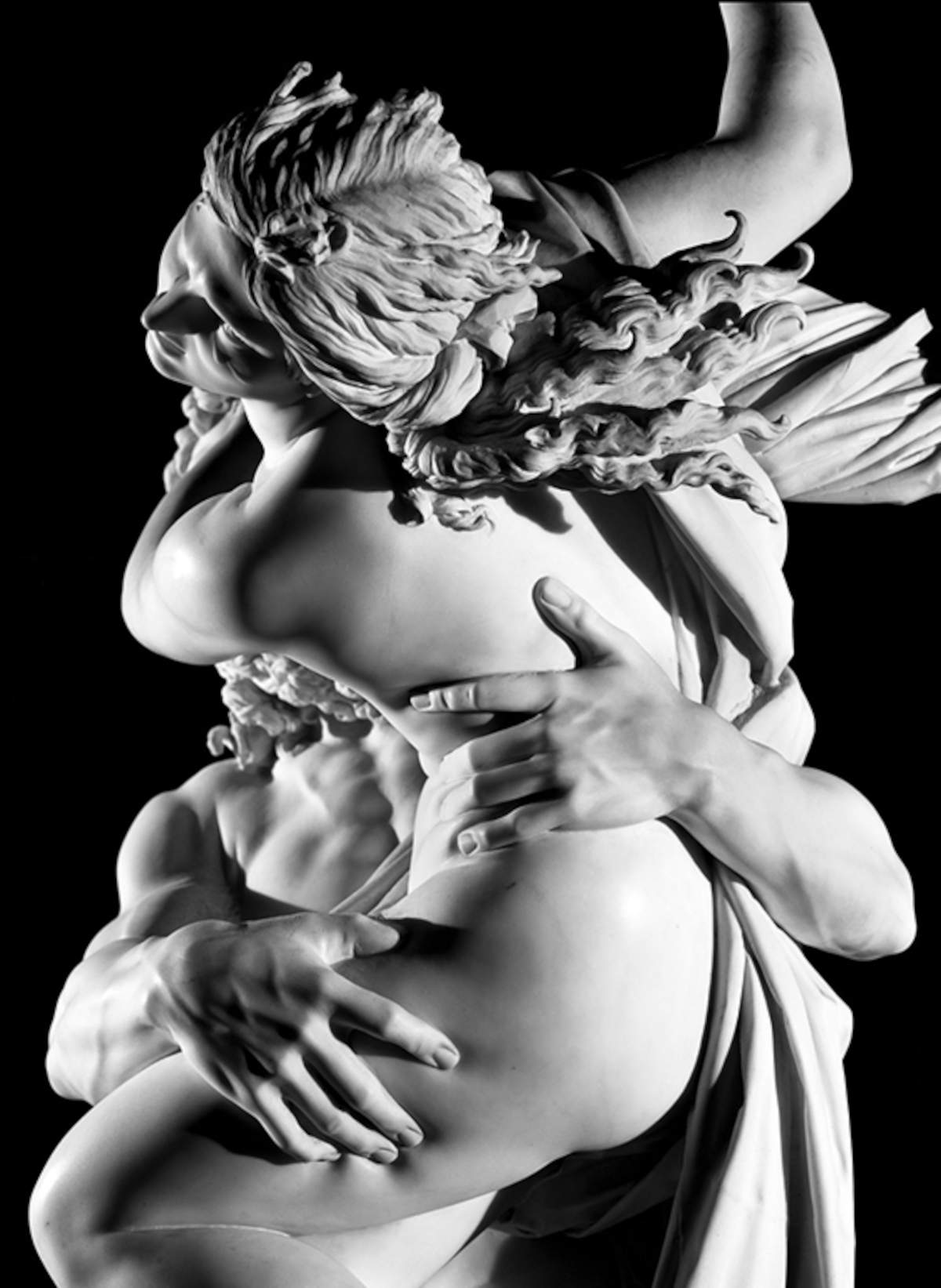
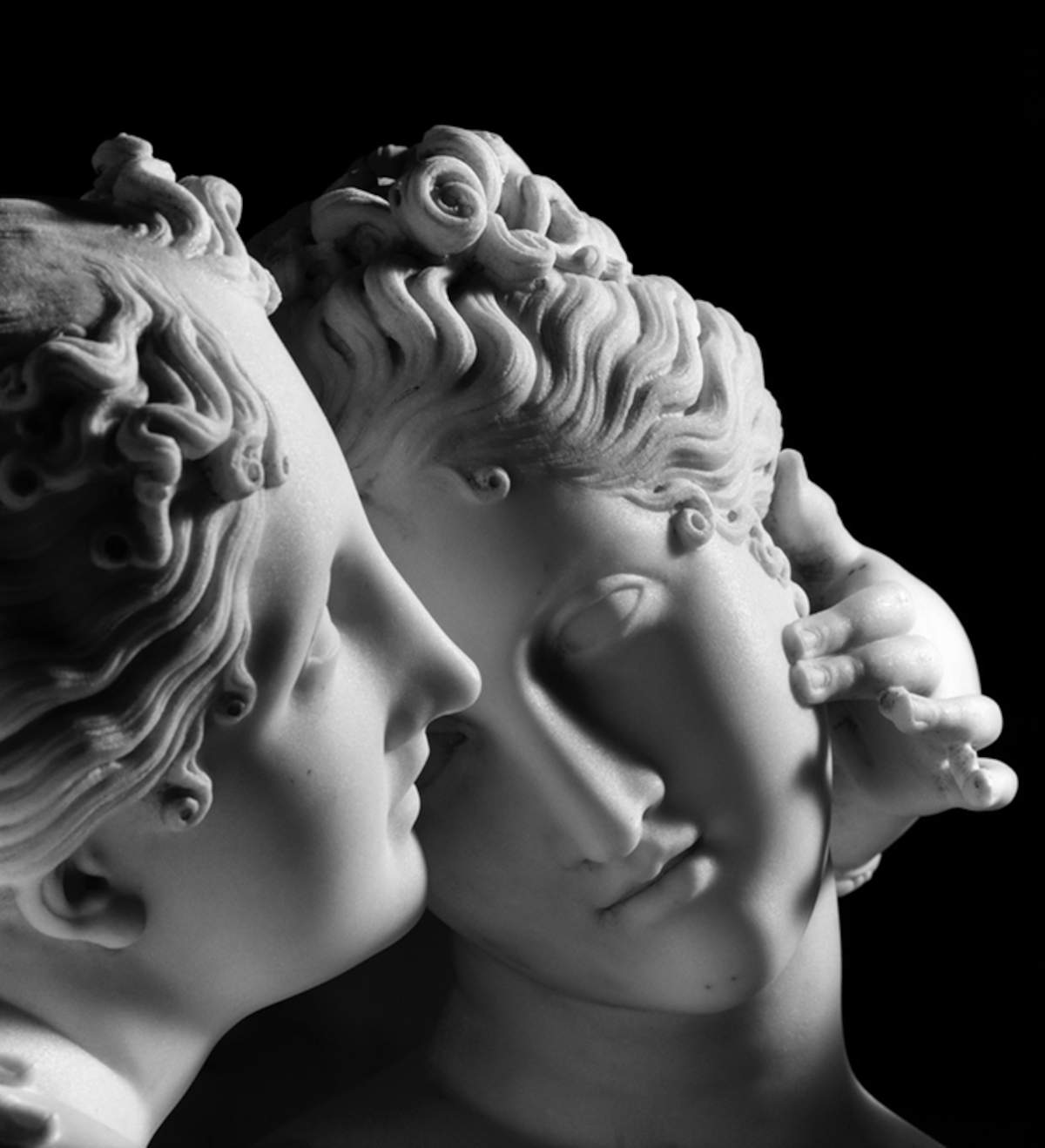
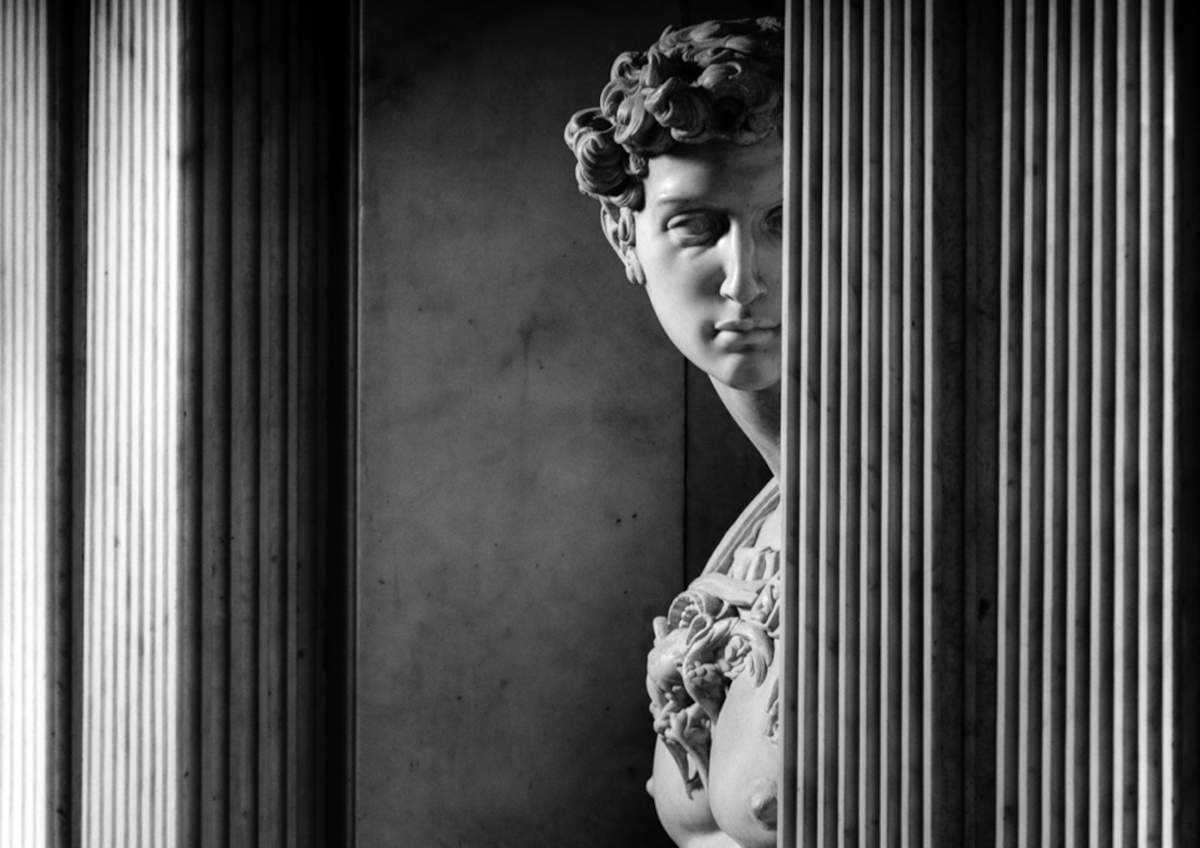
The itinerary also includes 35 photographs dedicated to some of the most celebrated Italian sculptural masterpieces by Gian Lorenzo Bernini, Antonio Canova, and Michelangelo Buonarroti. Thanks to sophisticated contrasts of light that enhance the surface of the marble, Amendola’s black-and-white shots offer unprecedented perspectives and surprising details: from the dramatic tension of Bernini’s Rape of Proserpine, to the delicate suspension of Canova’s embrace between Amore and Psyche, to the intensity of the gaze of the statue of Giuliano de’ Medici sculpted by Michelangelo for the Medici Chapels of the New Sacristy in Florence. In the photographs, the marble retains visible traces of the sculptor’s work and is revealed as a living, vibrant material traversed by light. Through chiaroscuro and details, Amendola’s gaze restores a new expressive depth to the works.
A bilingual catalog, in Italian and English, dedicated to Aurelio Amendola’s work and the works presented at Palazzo Reale will also be published by Skira on the occasion of the exhibition.
|
| Aurelio Amendola's photography returns to Milan's Palazzo Reale after 30 years |

Warning: the translation into English of the original Italian article was created using automatic tools. We undertake to review all articles, but we do not guarantee the total absence of inaccuracies in the translation due to the program. You can find the original by clicking on the ITA button. If you find any mistake,please contact us.



















 IT
IT FR
FR DE
DE ES
ES CN
CN


