




by Redazione 02/04/2026



Categories: Exhibitions / Disclaimer
A system is born between Modena, Ferrara and L'Aquila to enhance the artistic heritage of the BPER Group. And "Virtue and Grace" dedicated to the female figure in the 17th century opens in Modena.


A widespread cultural system that networks heritage, territories and communities. This is the guideline along which the 2026 programming of La Galleria BPER is developed, which presents an articulated calendar of exhibitions, meetings and initiatives and inaugurates a new organizational model based on the so-called Poli Culturali BPER. The project, entitled “BPER Cultural Poles. A Diffuse Heritage System,” connects three historical locations of the banking group, transforming them into an integrated network: Palazzo San Carlo in Modena, Palazzo Barbantini-Koch in Ferrara and Palazzo Farinosi-Branconio in L’Aquila. Three places that become open cultural presidia, dedicated to the preservation, study and public restitution of the Corporate Collection.

Coordinated by the BPER Gallery itself, the system aims to connect collections, buildings and communities, strengthening the role of culture as a lever of social and educational growth. In this context, exhibition programming is no longer a set of isolated events, but part of a unified strategy aimed at making heritage increasingly accessible, inclusive and in dialogue with the present.


Says Sabrina Bianchi, head of Cultural Heritage and Corporate Collection La Galleria BPER: “Cultural Programming 2026 was born from a precise vision: to make the bank’s heritage increasingly open, accessible and alive. With the project Poli Culturali BPER. A System of Diffuse Heritage we are taking a further step in this direction, transforming historical locations and collections into places for relationships, knowledge and participation. It is not just about enhancing a heritage, but recognizing it as a living matter, capable of activating dialogues, generating meanings and building ties with territories and communities. The exhibitions, meetings and initiatives that make up the 2026 program fit into this design as opportunities to produce new readings, connections and possibilities. We believe that culture can be a concrete lever of social and educational growth, capable of creating value over time. It is in this perspective that La Galleria BPER continues to work, building a model of widespread culture that puts people, places and their stories at the center.”


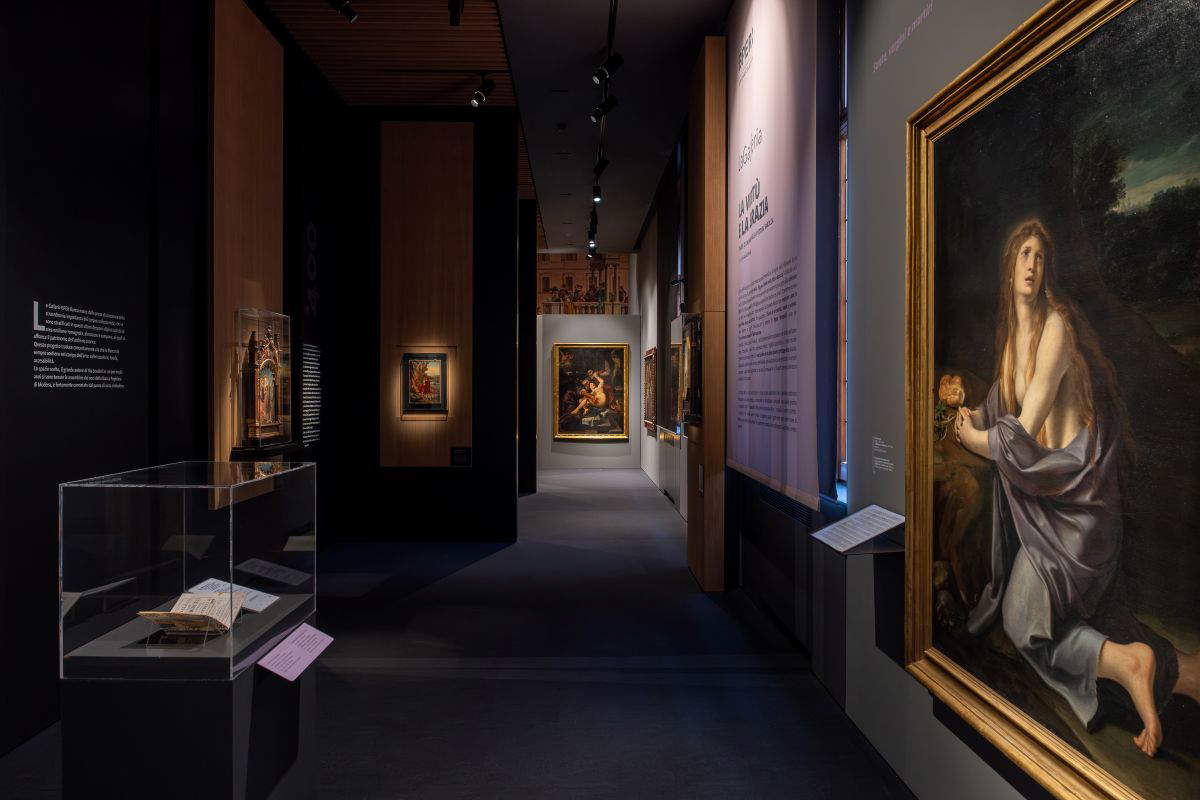
Within this design is one of the main events of the year, the exhibition Virtue and Grace. Figures of Women in Baroque Painting, hosted at the Modena venue from April 3 to June 28, 2026 and curated by Lucia Peruzzi. The exhibition offers a thematic journey dedicated to the representation of the female figure in the 17th century, bringing together works from the BPER collection along with institutional and private loans. The exhibition explores the centrality of women in Baroque figurative culture, presented in their multiple declinations: saint, virgin, martyr, biblical heroine, pagan deity, seductress or allegory. A plurality of roles that reflects the spiritual and moral tensions of the Counter-Reformation era, in which the female figure assumes a prominent symbolic and narrative function.
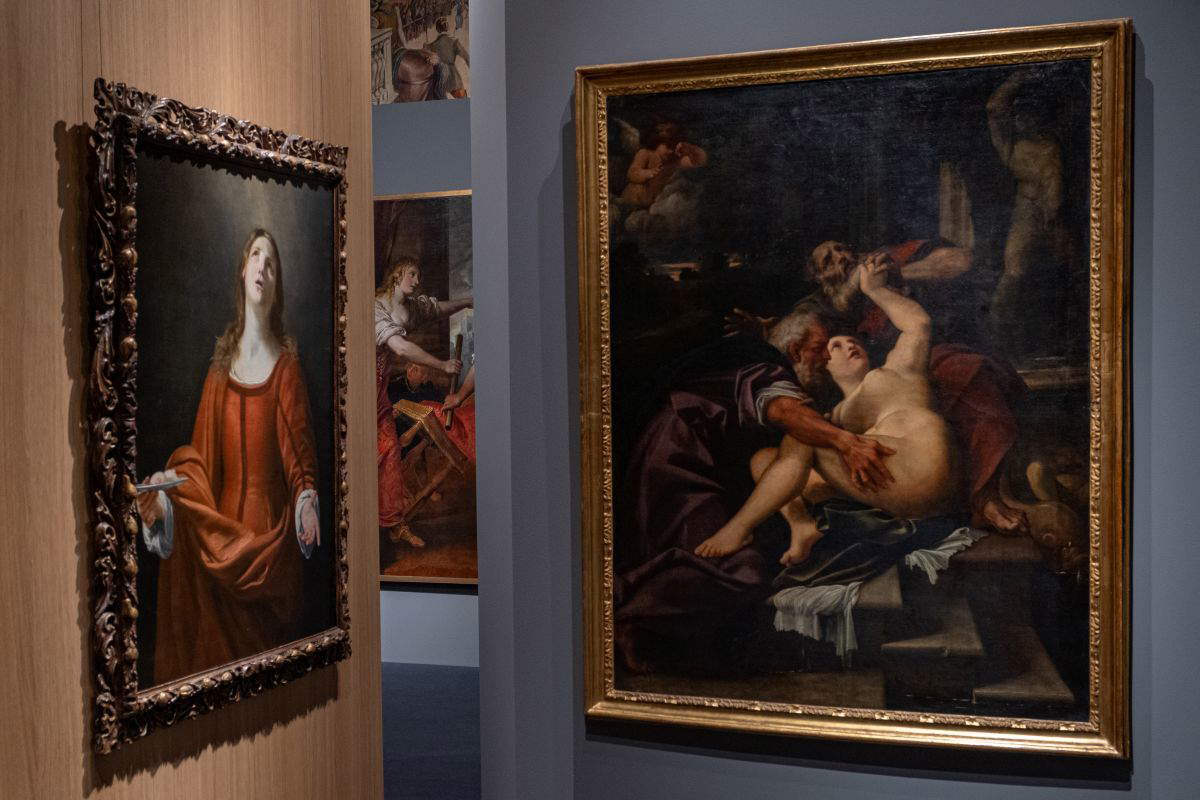
The exhibition itinerary develops through thematic nuclei that traverse devotion, myth, power and feeling. Depictions of Magdalene, an emblematic figure of the redeemed sinner, coexist with those of martyred saints such as Agatha, as well as biblical episodes such as Susanna and the old men or the prophetess Anna. In these images, Baroque painting translates religious pathos into visual forms of strong emotional impact, in which sensuality and spirituality are intertwined. Alongside the devotional dimension, the exhibition also investigates the terrain of myth and narrative, with episodes from Ovid’s Metamorphoses and the Old Testament. Scenes such as the Rape of Europa, Diana and Callisto or Jacob and Rachel restore a universe in which female beauty is both an object of desire and a cause of conflict.
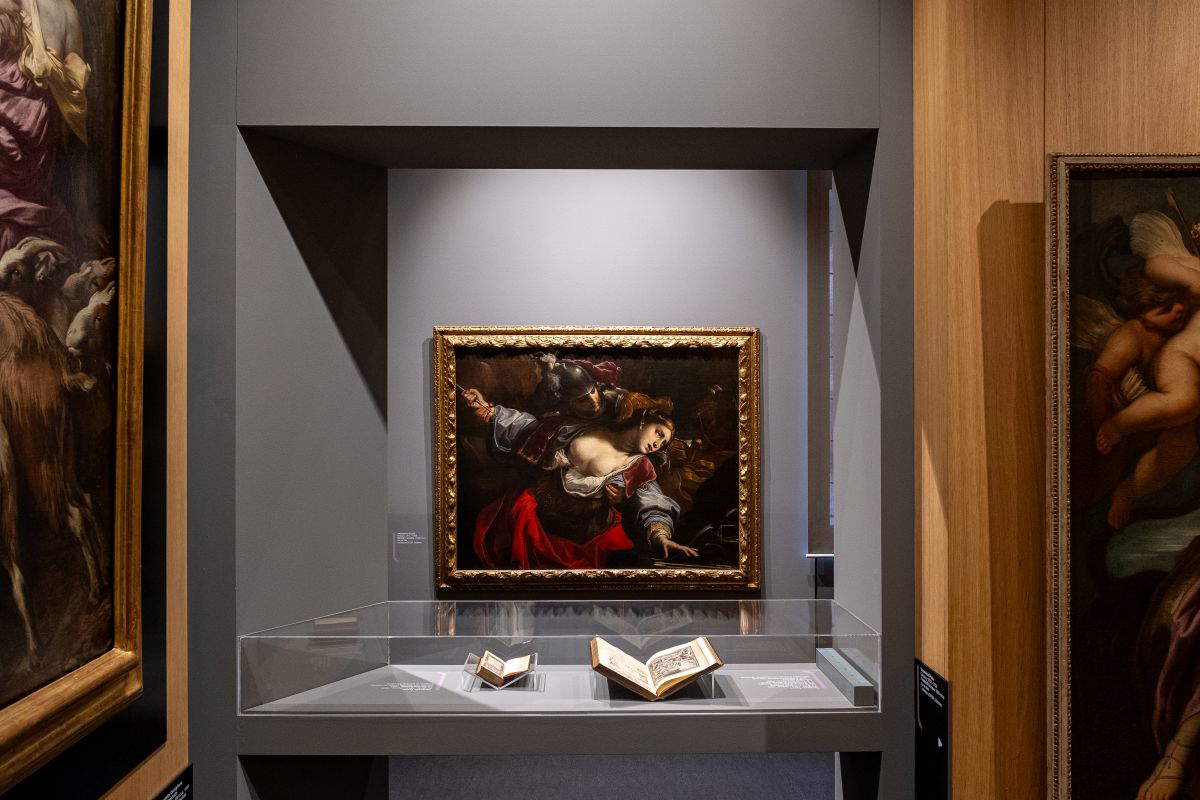
In contrast, the figures of Judith, Lucretia and Semiramis emerge as protagonists of a more dramatic dimension, embodying tensions between virtue and transgression, justice and revenge. Similarly, representations related to the love theme, such as Rinaldo and Armida or Tancredi and Clorinda, highlight the ambivalence of desire, suspended between passion and redemption. The allegorical dimension closes the path, in which the female figure becomes the embodiment of abstract concepts and moral values, according to one of the most typical expressions of Baroque culture. Works such as the Allegory of Abundance translate complex ideas into images rich in symbols, capable of combining visual wonder and reflection.
The exhibition is part of a larger research and dissemination project that aims to make heritage not only visible, but active in the present. In this sense, the Modena branch of the BPER Gallery confirms itself as a driving center of cultural planning, capable of combining scientific quality and openness to the public.
Alongside the exhibition, an articulated program of activities is planned that includes the publication of a catalog published by Sagep, with essays by Lucia Peruzzi and Elena Fumagalli. The volume will be available with a minimal contribution, and proceeds will go to the non-profit Vita Indipendente Onlus Foundation, committed since 2008 to supporting the autonomy of people with disabilities.
Particular attention is also paid toaccessibility, with the creation of tactile engravings in collaboration with the Francesco Cavazza Institute for the Blind and the development of an audio guide usable via QR code, created together with the San Carlo College Foundation and the Radio FSC-Unimore student group.
The public program also includes guided tours and educational routes for schools, developed with Civita Mostre, as well as interdisciplinary meetings and initiatives. These include a cultural itinerary linking the exhibition with other city exhibition routes on April 11, while on April 22, as part of the ARTalk cycle, an appointment dedicated to the relationship between art and well-being will feature the participation of researcher Annalisa Banzi and curator Giovanna Zabotti.
In this context, the 2026 programming marks a significant step for La Galleria BPER, which strengthens its presence in the national cultural scene through a model based on territorial diffusion, scientific quality and accessibility. An approach that aims to transform the company’s heritage into a shared asset, capable of generating knowledge and participation and building new relationships between institutions, scholars and the public.
|
| BPER launches cultural hubs and Baroque exhibition |
Warning: the translation into English of the original Italian article was created using automatic tools. We undertake to review all articles, but we do not guarantee the total absence of inaccuracies in the translation due to the program. You can find the original by clicking on the ITA button. If you find any mistake,please contact us.