




by Redazione 10/04/2026



Categories: Exhibitions / Disclaimer
The St. Mark's Museum in Florence presents "The Library Unveiled: the Fantastic Bestiary," the first exhibition-dossier dedicated to the illuminated codices kept in the complex's historic library.

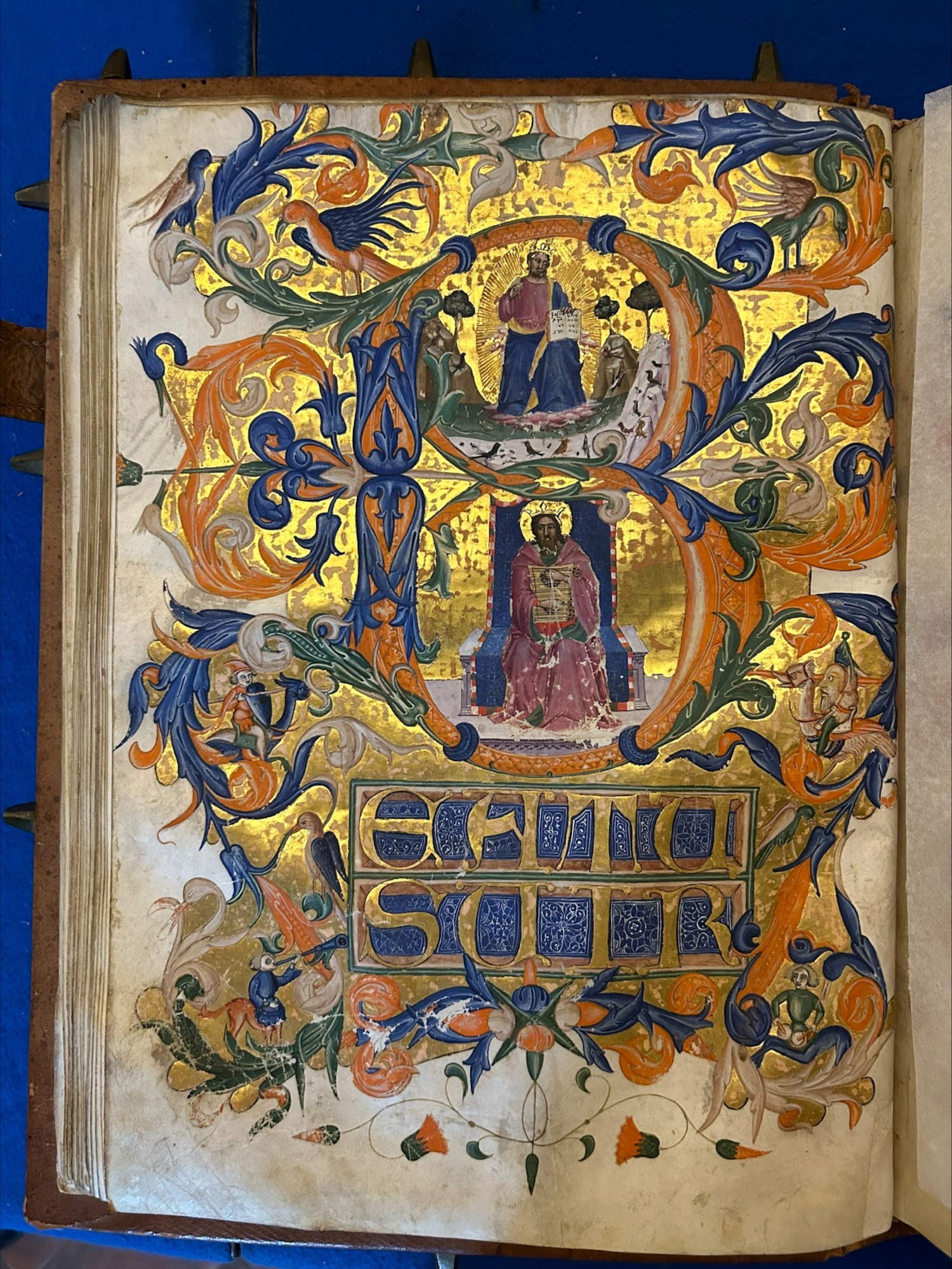
From April 11 to October 31, 2026, the Museo di San Marco in Florence presents to the public The Library Unveiled: the fantastic bestiary, the first exhibition-dossier dedicated to the illuminated codices kept in the complex’s historic library. Designed in the 15th century by Michelozzo at the behest of Cosimo de’ Medici, this library represents one of the oldest examples of a public library in Europe. The initiative, promoted by the Regional Directorate National Museums of Tuscany of the Ministry of Culture, under the scientific coordination of Marco Mozzo, director of the Museo di San Marco, and curated by Sara Fabbri, Sara Ragazzini and Anna Soffici, introduces a new approach to the enhancement of the institution’s library heritage through thematic exhibitions dedicated to specific nuclei of the collection. It is also part of a broader program of museum renovation, aimed at improving knowledge of and access to the works through rearrangements, targeted interventions and an updated cultural strategy.
The exhibition comes at a particularly lively time for the museum, marked by the recent reopening of the Beato Angelico Room and the special section of the Rothko in Florence exhibition, in which five of the artist’s works dialogue with Beato Angelico ’s frescoes within some of the most significant cells of the itinerary. In this context, the new layout also expands attention to the Library and its collection of illuminated manuscripts, a fundamental part of St. Mark’s heritage.


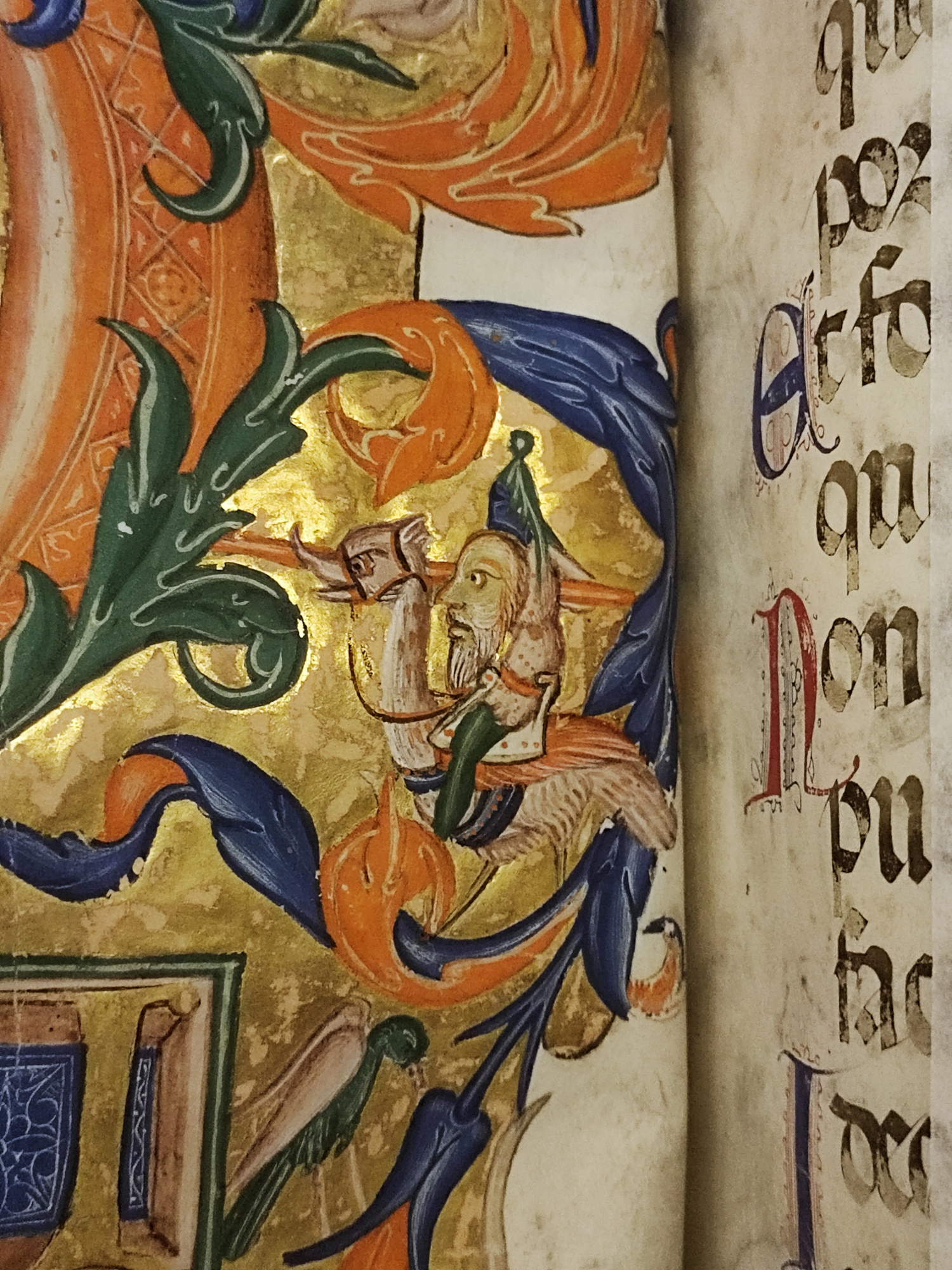
Through a selection of illuminated codices dated between the 13th and 16th centuries, the exhibition investigates the theme of zoomorphic decoration, populated by real animals and fantastic creatures charged with complex symbolic meanings. The tour offers not only a close-up view of the manuscripts, but also a suggestion of the environment for which they were originally conceived.
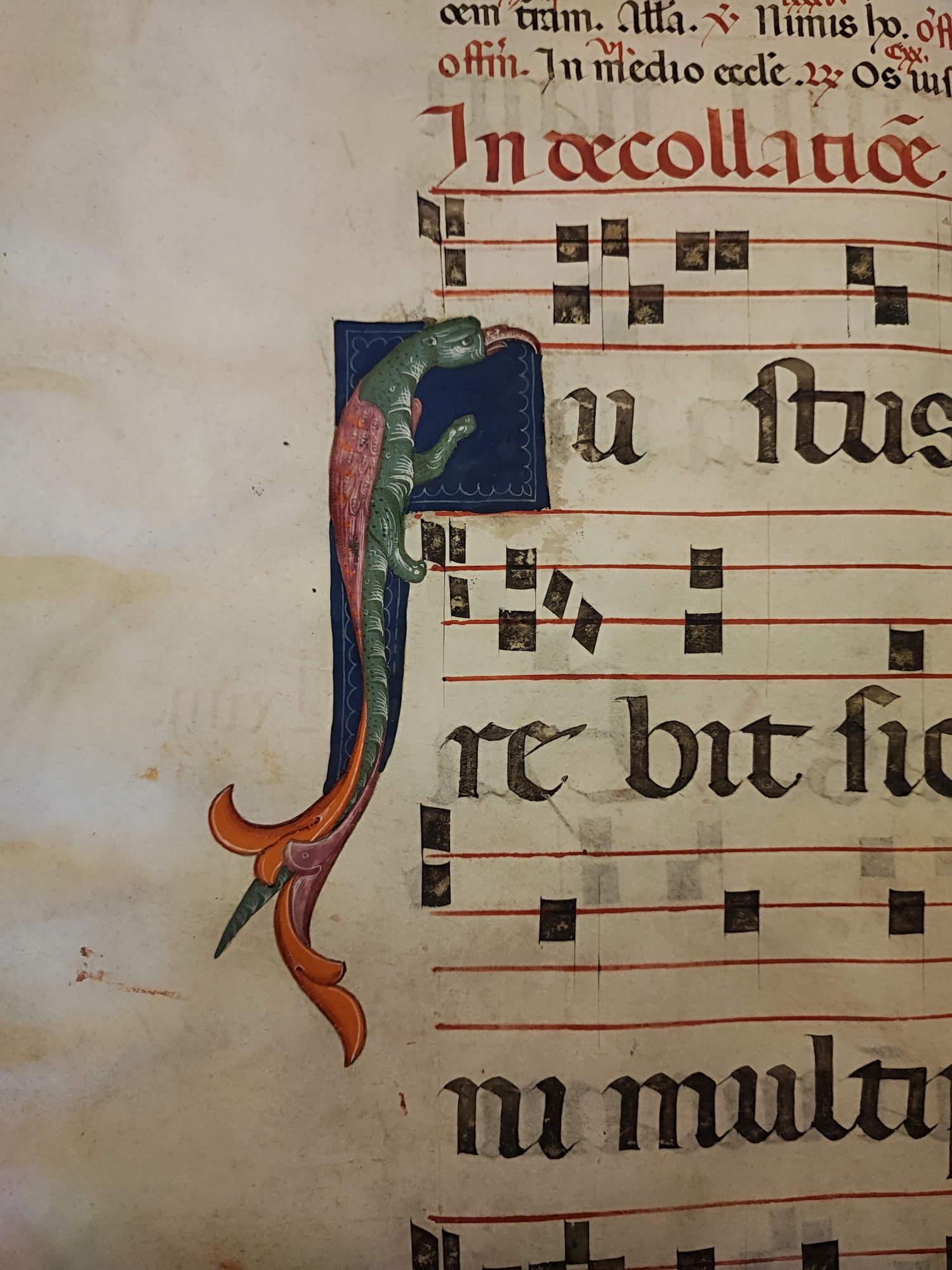
Along the aisles of the library, a narrative in images dedicated to an imaginative universe, dominated by the figure of the dragon, unfolds. A hybrid and ancestral creature, it represents from the very beginning the forces of chaos and destruction: it appears in Mesopotamian culture in the guise of the goddess Tiamat, defeated by the hero Marduk, and in ancient Egypt as Apophis, the dragon of darkness that the Sun god Ra must vanquish every day to ensure the triumph of light. In the classical world the dragon appears in the exploits of Heracles against Hydra and in Ovid’s tales, and then takes on new forms in the Norse epics after the decline of the ancient world. Here it becomes the keeper of treasures in the epic poem Beowulf, or is identified with Fafnir, whose blood makes Siegfried invulnerable. It is also found as a symbol of power in Viking ship decorations and as an attribute of Uther Pendragon.
In the manuscripts of Christian Europe preserved at St. Mark’s, however, the dragon loses all ambiguity and becomes an emblem of absolute evil and Satan. In this context, its defeat symbolizes the triumph of faith: indeed, it appears to be dominated by saints like St. George or angelic figures like the Archangel Michael. Next to it, the bestiary is enriched with other symbolic figures, such as the poisonous basilisk, the unicorn symbol of purity, and harpies, which from classical tradition reach all the way to Dante’s literature.
In contrast to these monstrous creatures, some illuminated manuscripts commissioned by Cosimo the Elder celebrate noble animals such as the falcon, highly valued by the aristocracy and linked to courtly culture.
The itinerary concludes with symbols of spiritual elevation and rebirth, such as the phoenix, the butterfly and the deer, images of resurrection and the victory of the spirit over evil. This imagery, rooted in the centuries, continues to influence contemporary culture, from Tolkien’s works to famous sagas such as Harry Potter, The Iron Throne and The Hobbit, demonstrating the persistence and evocative power of such symbols.
From a chronological point of view, the oldest codices on display date back to the 13th century and reflect a culture still linked to the Byzantine tradition, fused with Gothic elements. These include two graduals from the convent of San Jacopo di Ripoli and later from Santa Maria Novella, attributed to the Bolognese workshop of the Master of the Gerona Bible, as well as a psalter with the figure of King David accompanied by a musical instrument in the shape of a dragon.
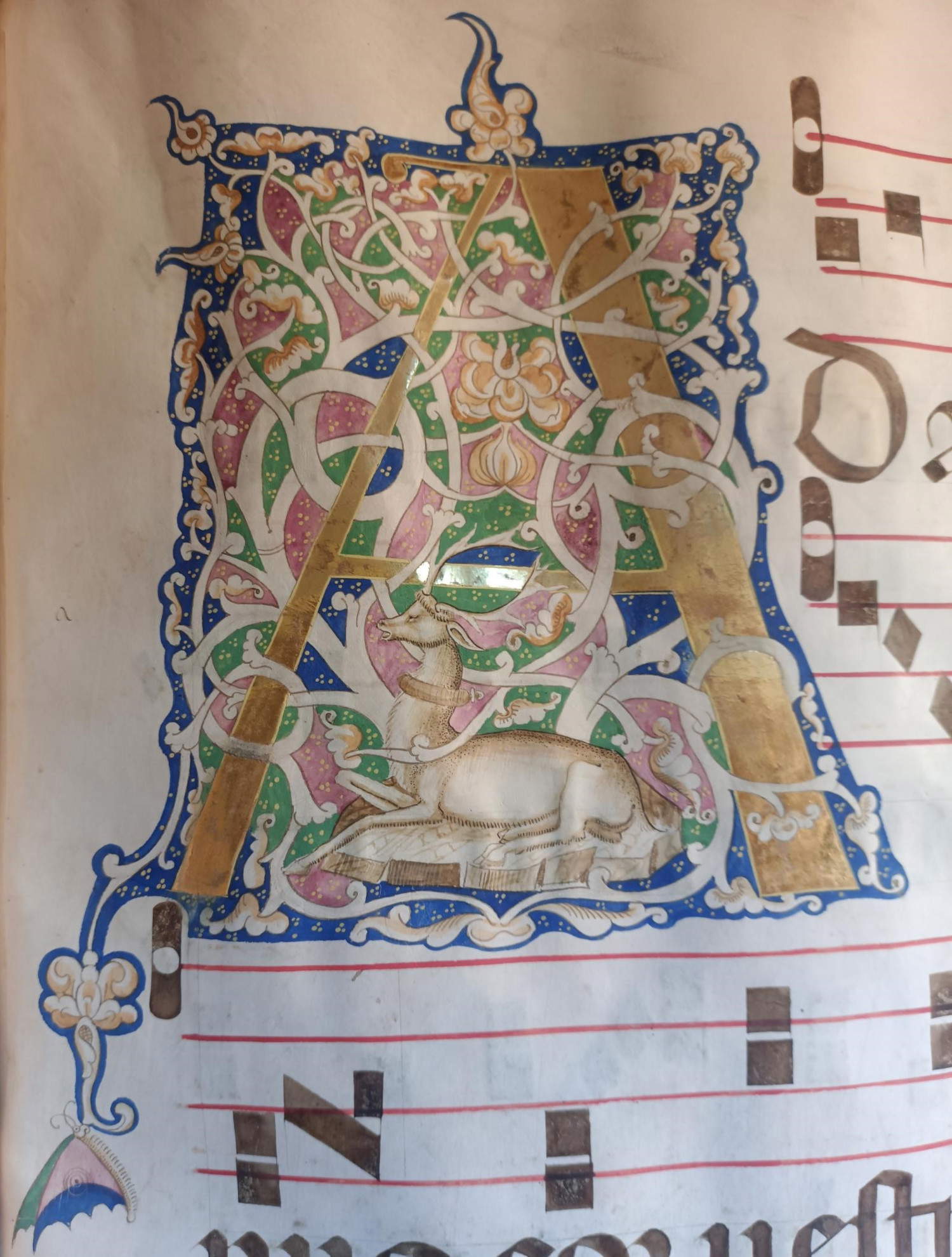
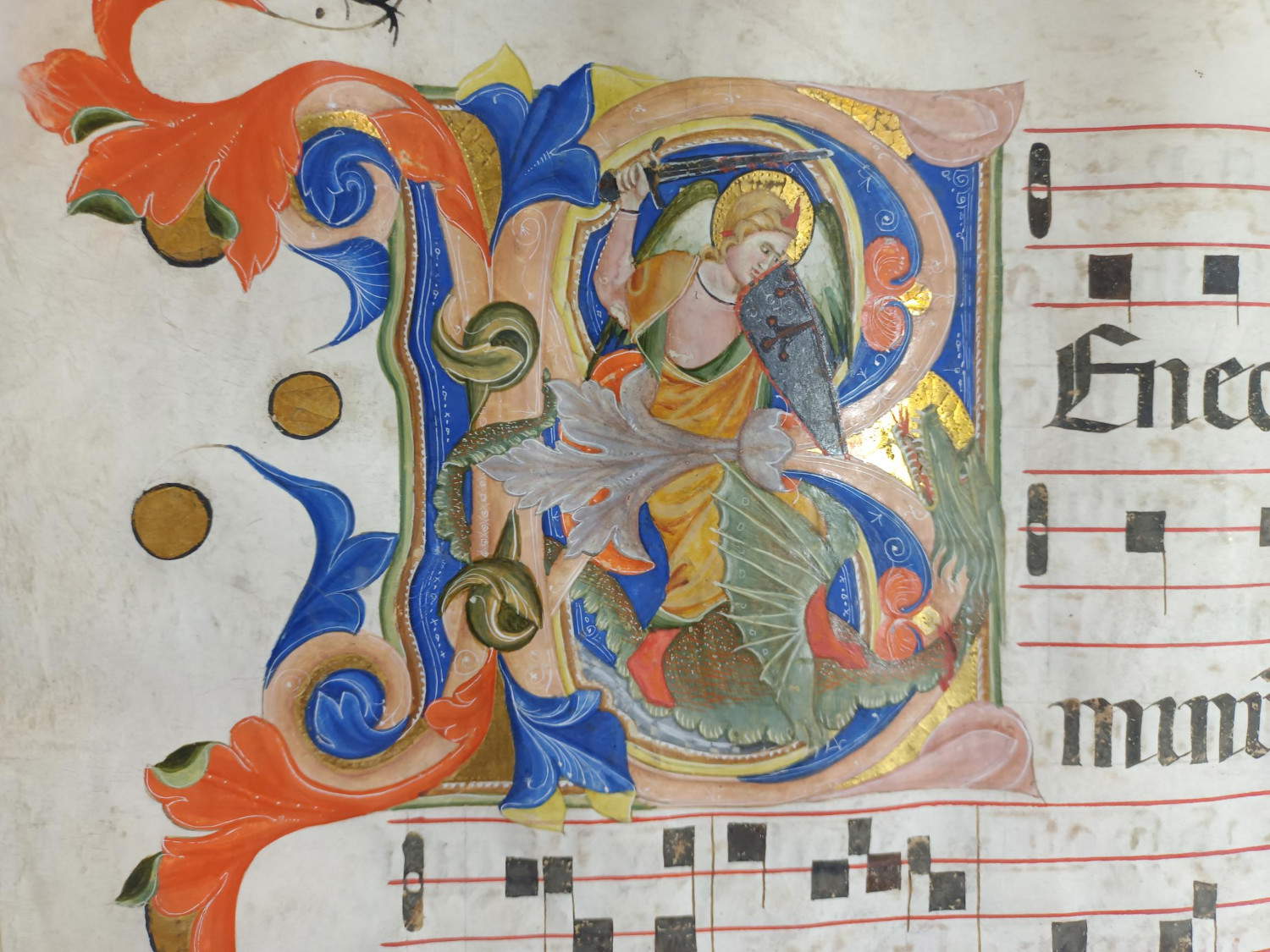
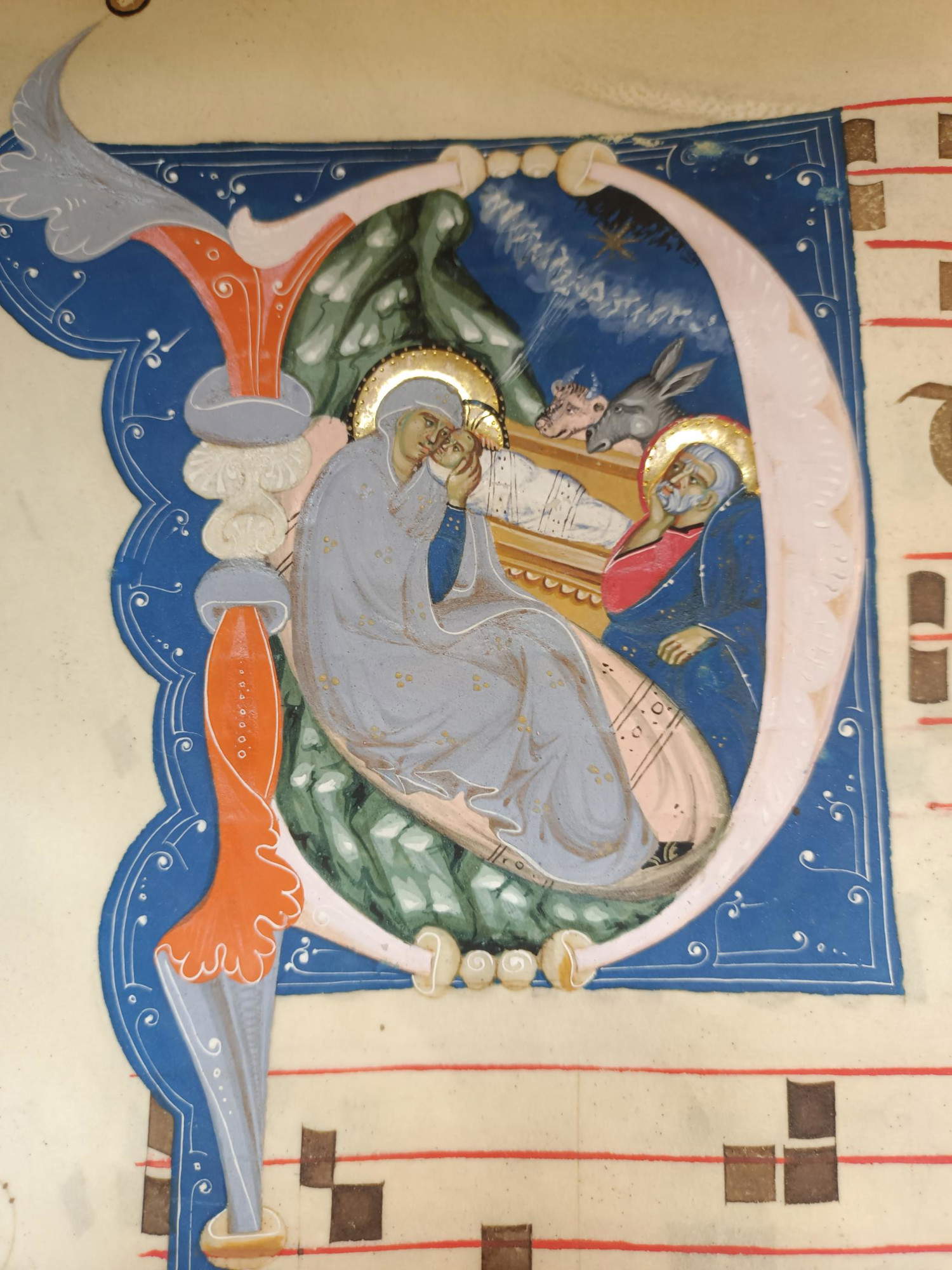
In the 14th century, under the influence of Giotto, miniatures show greater spatial complexity, as in the codices from the church of Santa Maria del Carmine, with scenes depicting St. Michael defeating the dragon or David flanked by lion and unicorn. The Corsini gradual, purchased by the state in 2000, on the other hand, introduces the language of the International Late Gothic, characterized by refined decorations and fantastic figures.
In the context of the Camaldolese monastery of Santa Maria degli Angeli, artists such as Bartolomeo di Fruosino, linked to Lorenzo Monaco, worked on miniatures rich in friezes and imaginary creatures.
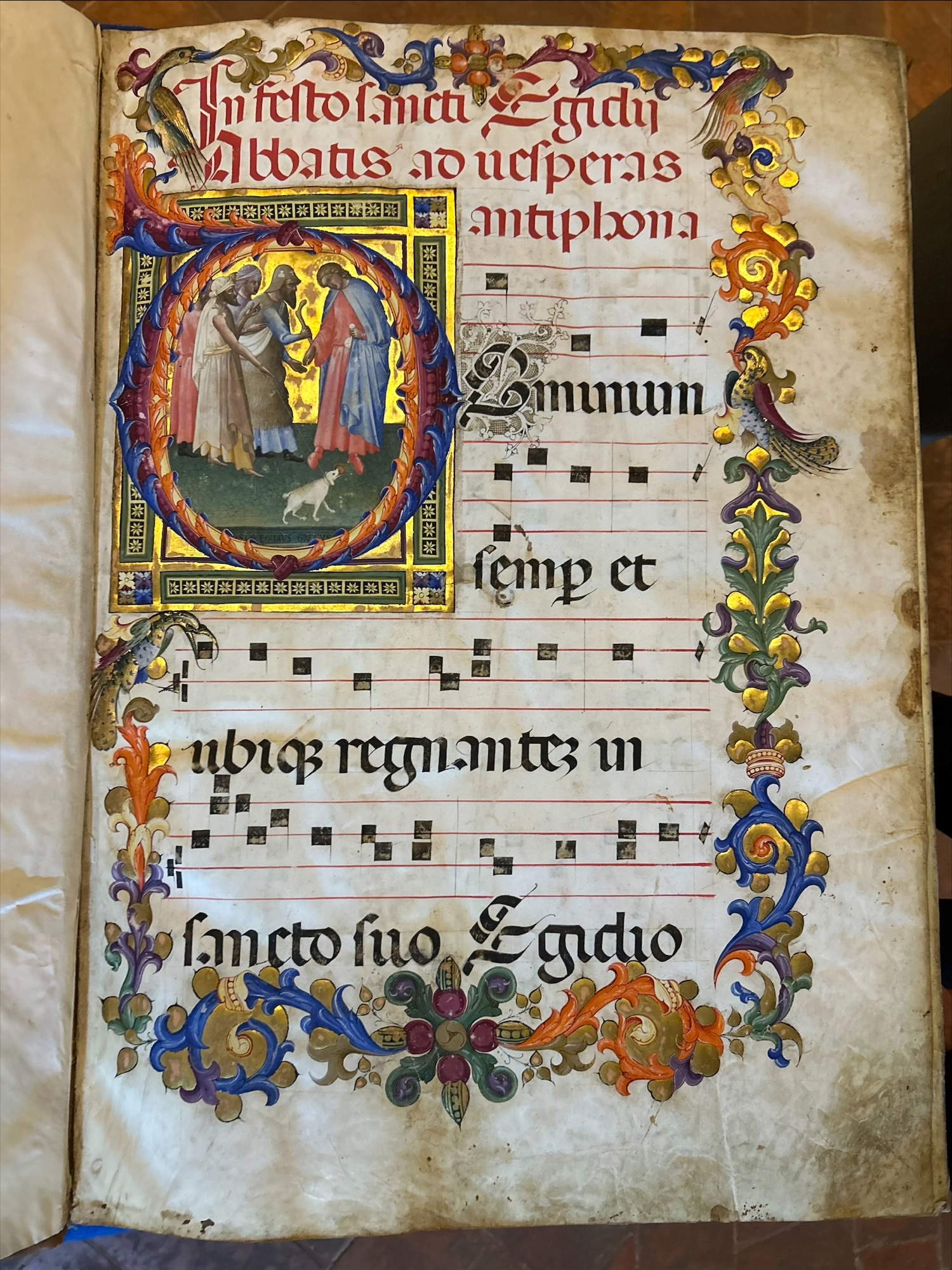
The highlight of the itinerary is the 15th-century codices commissioned by Cosimo de’ Medici and illuminated by Zanobi Strozzi with decorations by Filippo di Matteo Torelli. In one of the initials, dedicated to the Mission of St. Dominic, the scene extends beyond the letter, depicting the saint receiving the Bible from Peter and Paul, accompanied by the Dominican dog, a distinctive iconographic element. A direct participation of Beato Angelico has also been hypothesized for this miniature, probably through a preparatory drawing, a hypothesis supported by the documented relationships between the artist and Strozzi and the supervisory role exercised by the painter, attested in convent sources.
The codices also dialogue with the cells frescoed by Beato Angelico, especially those between 31 and 34, showing affinities in style, in the use of light and in the balanced presence of symbolic elements, including animals, confirming their common meditative function.
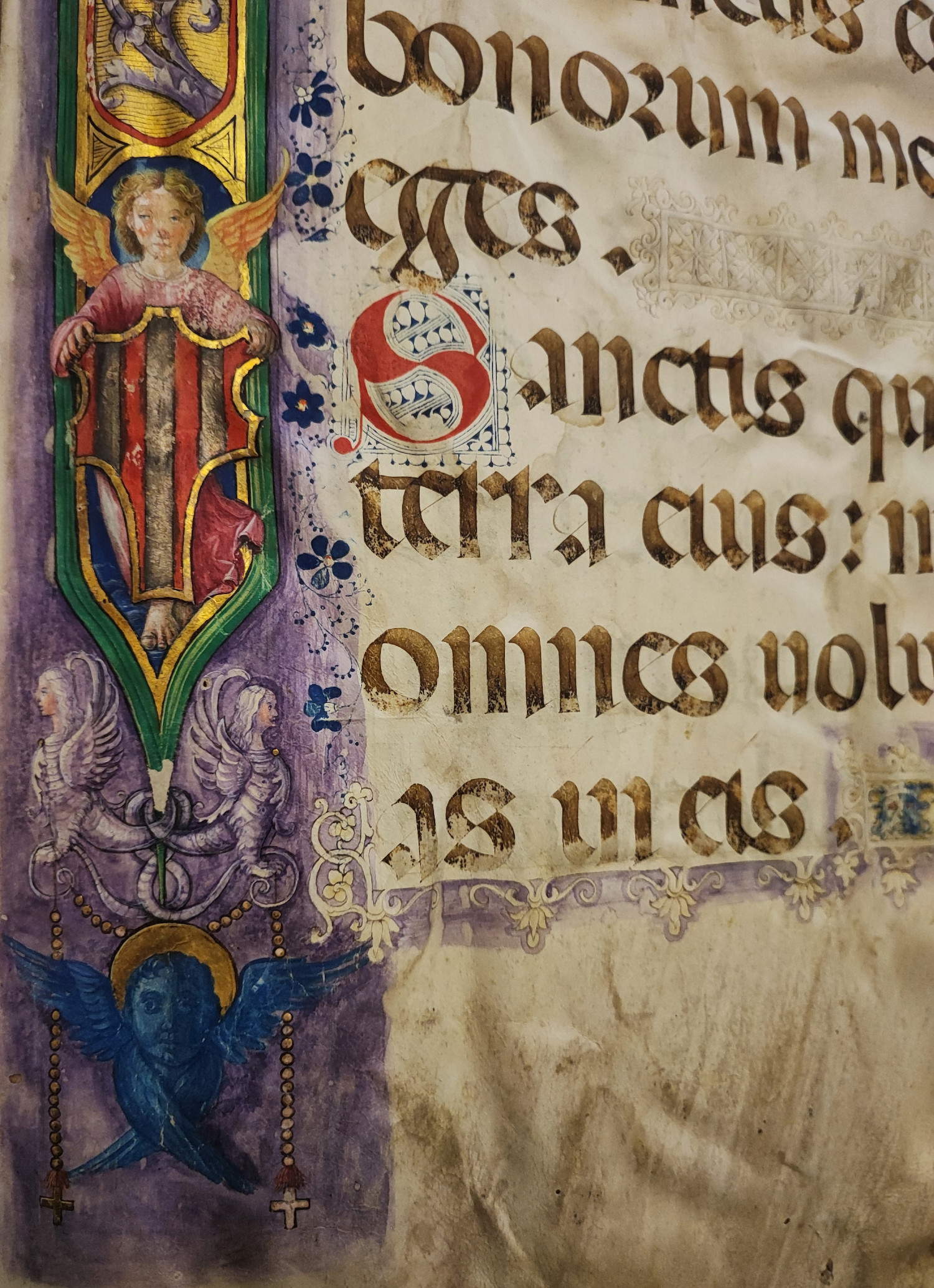
Finally, in the 16th century, the manuscripts testify to the continuity and evolution of symbolic language: the codex of Friar Eustace features initials decorated with figures and animals such as the sparrowhawk, while manuscript 543 illuminated by Monte di Giovanni offers a rich repertoire of angels, cherubs and harpies.
The exhibition is open Tuesday through Sunday, 8:30 a.m. to 1:50 p.m. (last admission 12:45 p.m.). Closed every Monday, the fifth Sunday of the month. Admission to the exhibition is included in the museum ticket.
|
| In Florence, the Museo di San Marco's first exhibition-dossier on the illuminated codices and bestiaries of its historic Library |
Warning: the translation into English of the original Italian article was created using automatic tools. We undertake to review all articles, but we do not guarantee the total absence of inaccuracies in the translation due to the program. You can find the original by clicking on the ITA button. If you find any mistake,please contact us.