





From July 18 to October 17, 2026, the Carlo Contini Art Gallery in Oristano will host “Secret Pages,” an exhibition dedicated to Japanese photographer Nobuyoshi Araki (Tokyo, 1940). Curated by Sonia Borsato and part of the program for the 28th edition of the Dromos Festival—which this year is dedicated to the theme “Secrets”—the exhibition brings together 122 works from the Molinas Balata Collection, with the aim of tracing some of the main themes in the artist’s body of work.
The exhibition features 101 Polaroids and 21 photographs of various sizes. The exhibition explores recurring themes in Araki’s work, ranging from desire to memory, from intimacy to loss, from sensuality to melancholy, and the relationship between life and death. The images construct a fragmentary narrative, akin to the pages of a personal diary, and engage in a dialogue with the theme chosen by the Dromos Festival, which is dedicated to the concept of the secret as a space for curiosity, creativity, and belonging. From this perspective, the photographs invite viewers to reflect on what remains hidden, prompting contemplation of the relationship between what is revealed and what continues to elude the gaze.
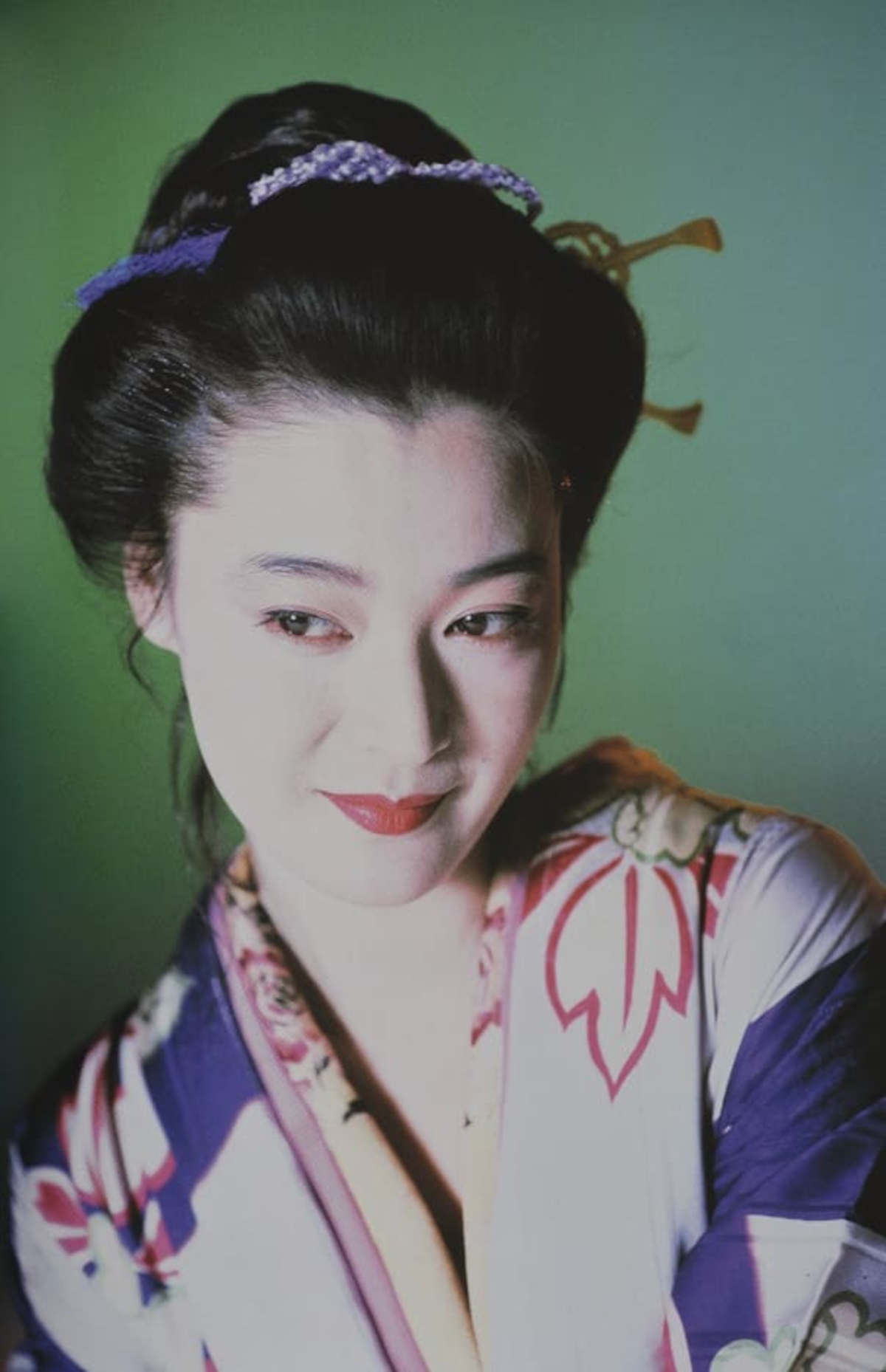
Born in Tokyo in 1940, Araki has developed, over the course of more than fifty years, a photographic language that intertwines autobiography, eroticism, observations of urban life, and visual experimentation. For the Japanese photographer, photography is a practice closely linked to the experience of time: each shot becomes a testament to the moment and an attempt to preserve its memory. The relentless production of images is one of the defining elements of his work, which aims to document the flow of daily life and transform every moment into a fragment destined to survive the passage of time.
In this body of work, the Polaroid plays a central role. The immediacy of the instant image, in fact, becomes a privileged tool of his artistic practice, allowing him to construct a form of direct visual writing in which personal memory and the recording of the present coincide. The Polaroid serves as a medium capable of rapidly translating the relationship between lived experience and the photographic image.
The works brought together in *Secret Pages* reflect the variety of subjects the artist has explored. Flowers, bodies, details of everyday life, female figures, and suspended vistas coexist in a universe where elements of reality take on a symbolic dimension. Each photograph retains the diary-like quality that runs through Araki’s entire body of work, where the image serves as a trace of existence and memory.
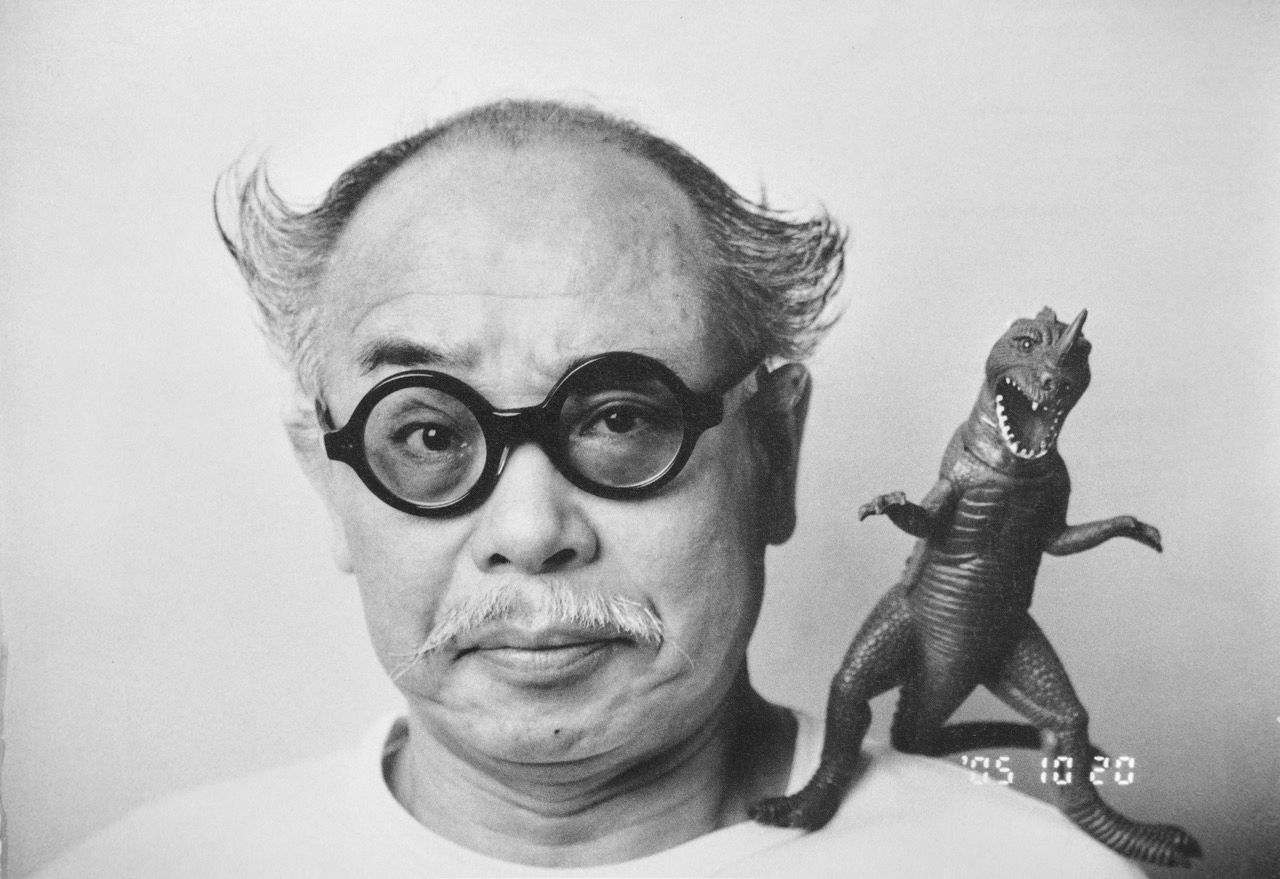
The exhibition also traces some of the best-known series of his career. From works dedicated to his wife Yōko to portraits of women, from floral compositions to urban images, Araki has transformed episodes from his personal experience into a reflection on the transience of time and the impermanence of life—a theme deeply rooted in Japanese culture.
One of the most well-known and debated aspects of his work concerns the depiction of eroticism and sexuality through images inspired by kinbaku, the traditional Japanese art of bondage. Literally translating as “tight binding,” kinbaku is considered a practice that combines artistic and erotic dimensions and, in Japanese tradition, is interpreted as a form of relationship based on intimacy and connection between the participants.
In the photographs dedicated to this theme, women bound in ropes are portrayed in settings strongly characterized by Japanese culture, with tatami-mat-lined rooms, minimalist interiors, and suspended atmospheres. The composition of the images accentuates the contrast between the emotional tension of the scenes and the models’ impassive expressions, helping to reinforce the sense of narrative suspension that pervades much of the artist’s work.
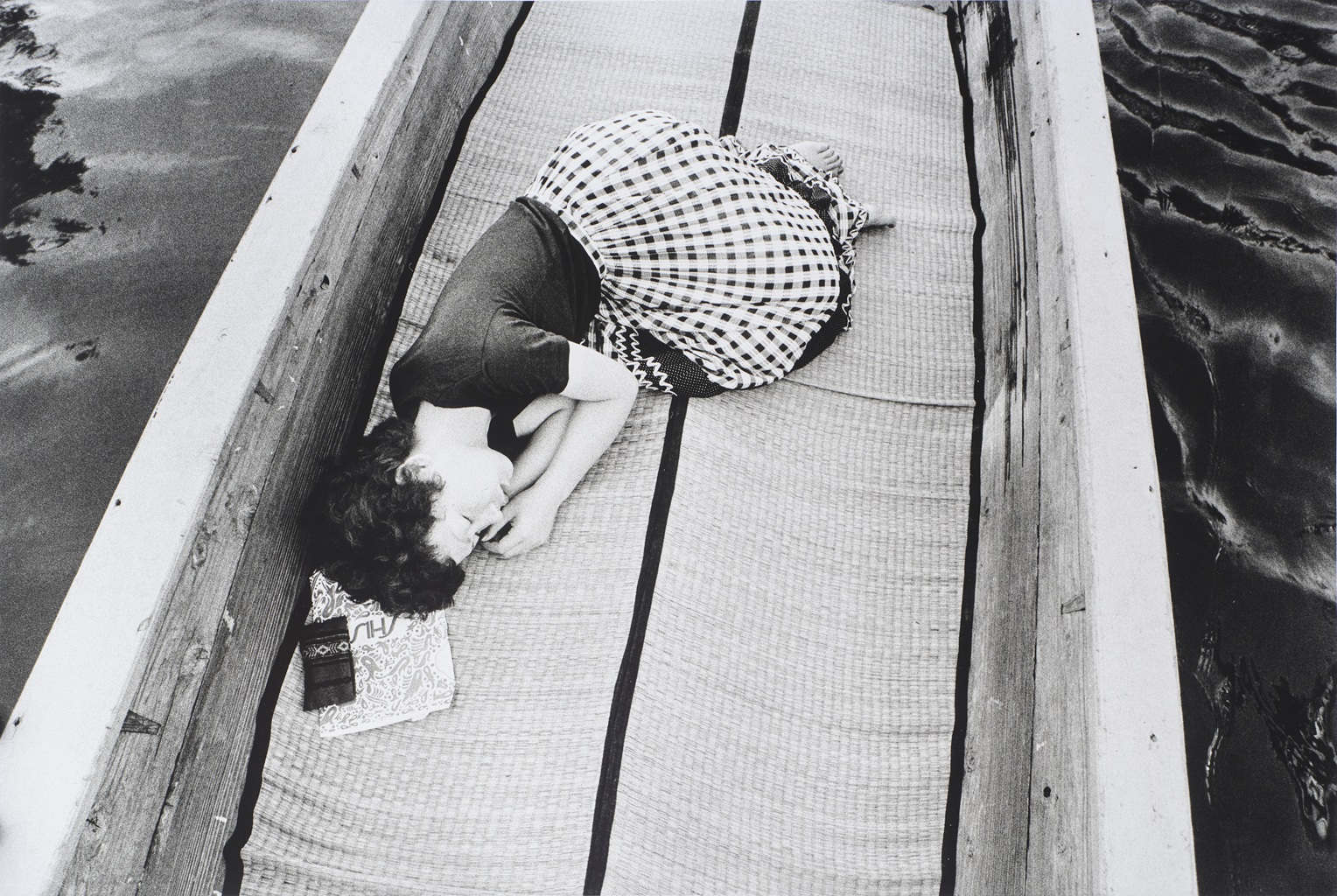
Behind the provocative element that has often accompanied the reception of his work lies a constant reflection on the vulnerability of existence. In Araki’s photographs, desire and absence, eroticism and death, beauty and dissolution coexist—elements presented as inseparable aspects of the human experience. Through his use of Polaroid, color, manual manipulations, and the construction of narrative sequences, the Japanese photographer has helped redefine the expressive possibilities of the photographic medium and the relationship between image, memory, and narrative.
“With his genius, Araki manages to depict the varied realms of women, flora, and objects, from which he brings out the hidden and secret parts—some more or less passionate, others particularly dreamlike: imaginal visions that ennoble the spirit,” says Pietro Molinas Balata.
“What appears to be an erotic display is, however, a reflection on time, on transience, and, even more so, on elusiveness,” emphasizes curator Sonia Borsato. “His images seem to assert: everything is ephemeral—beauty and love fade with time—and yet, precisely for this reason, they are worth looking at and remembering. Through his photographs, Araki attempts to accept the impermanence of desire and, at the same time, to probe the mystery of our existence.”
Opening hours: Monday through Friday, 9 a.m.–8 p.m.; Saturday and Sunday, 9 a.m.–1 p.m. and 3 p.m.–8 p.m.
Exhibition ticket: 5 euros
 |
| In Oristano, 122 photographs by Nobuyoshi Araki reveal the secrets of memory |

Warning: the translation into English of the original Italian article was created using automatic tools. We undertake to review all articles, but we do not guarantee the total absence of inaccuracies in the translation due to the program. You can find the original by clicking on the ITA button. If you find any mistake,please contact us.


















 IT
IT FR
FR DE
DE ES
ES CN
CN


