




by Redazione 09/04/2026



Categories: Exhibitions / Disclaimer
At the Merz Foundation in Turin, the exhibition "GAZA, the Future Has an Ancient Heart. Materials and Memories of the Mediterranean" restores the historical and cultural depth of Gaza through archaeology and contemporary art.


From April 22 to September 27, 2026, the Merz Foundation, the Egyptian Museum of Turin and the MAH - Musée d’art et d’histoire de Genève present GAZA, the future has an ancient heart. Materials and Memories of the Mediterranean, an exhibition made possible by theassent of the State of Palestine with the support of CIPEG - Comité international pour l’égyptologie (ICOM), which, through the confrontation of archaeology and contemporary art, aims to restore the historical and cultural depth of Gaza. The city is thus recounted as a millennial crossroads of exchanges, cultures and beliefs, removing it from a vision limited to the present and inviting reflection on the universal value of cultural heritage as a space of memory, identity and future perspective.

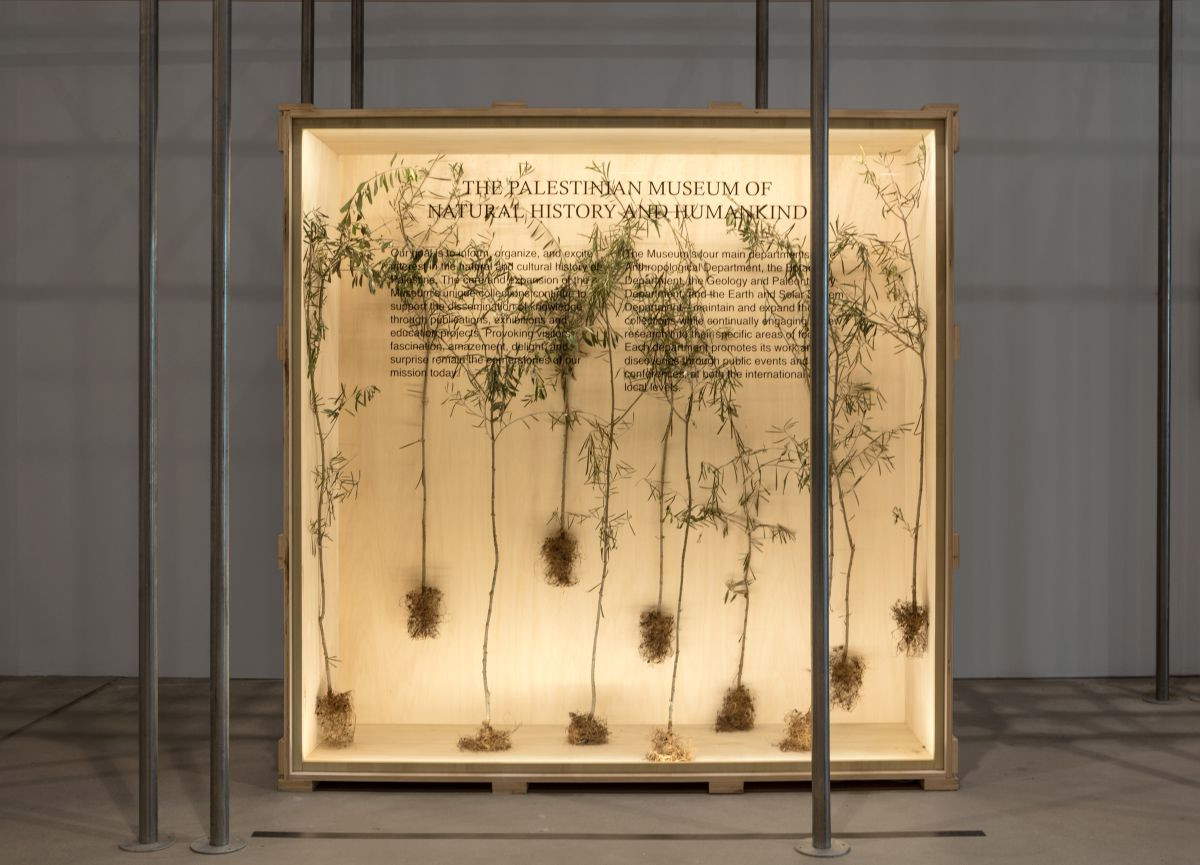
The exhibition project, staged at the Merz Foundation in Turin, enjoys the Patronage of the City of Turin and is curated by the curatorial committee composed of Beatrice Merz, Silvano Bertalot, Giulia Turconi for the Merz Foundation; Marc-Olivier Wahler, Béatrice Blandin, Fadel Al Utol for the Musée d’art et d’histoire in Geneva; by Christian Greco, Federico Zaina, Divina Centore for the Egyptian Museum in Turin; and is supported by the scientific committee composed of Suad Amiry, Paola Caridi, Reem Fadda, Jean-Pierre Filiu, Mahmoud Hawari, Jean-Baptiste Humbert, Tomaso Montanari, Davide Quadrio, Ludovico Scaglione, and Salim Tamari. The exhibition brings into dialogue some eighty archaeological artifacts from the MAH in Geneva, under mandate from the State of Palestine, and the Egyptian Museum in Turin, dating from the Bronze Age to the Ottoman period, with works by contemporary Palestinian and international artists, such as Samaa Emad, Mirna Bamieh, Khalil Rabah, Vivien Sansour, Wael Shawky, Dima Srouji and Akram Zaatari. The exhibit also features a selection of photographs of Gaza from the archives ofUNRWA, the United Nations Relief and Works Agency for Palestine Refugees in West Asia.


The exhibits are one part of a larger collection of about 500 objects from Gaza, currently temporarily stored at the Geneva museum on behalf of the State of Palestine. This collection was originally intended for the creation of an archaeological museum in Palestine, a project that was never realized due to the conflicts in the area.


The exhibition is part of the broader debate on the destruction of cultural heritage, which concerns not only archaeological sites, monuments or material evidence of the past that have been lost or severely damaged, but also the communities that inhabited, valued and recognized them as part of their identity, and that today are missing or disappeared due to war. In this context, Gaza represents an emblematic but not isolated case of a series of destructive events that, in different parts of the world, are compromising cultural heritage.
Among the main objectives of the exhibition is the desire to preserve the memory of a millennia-old civilization and the communities that embodied it, raising public awareness of the urgency of protecting and transmitting a heritage threatened by both conflict and oblivion. This is done through a continuous dialogue between archaeological artifacts and contemporary works.
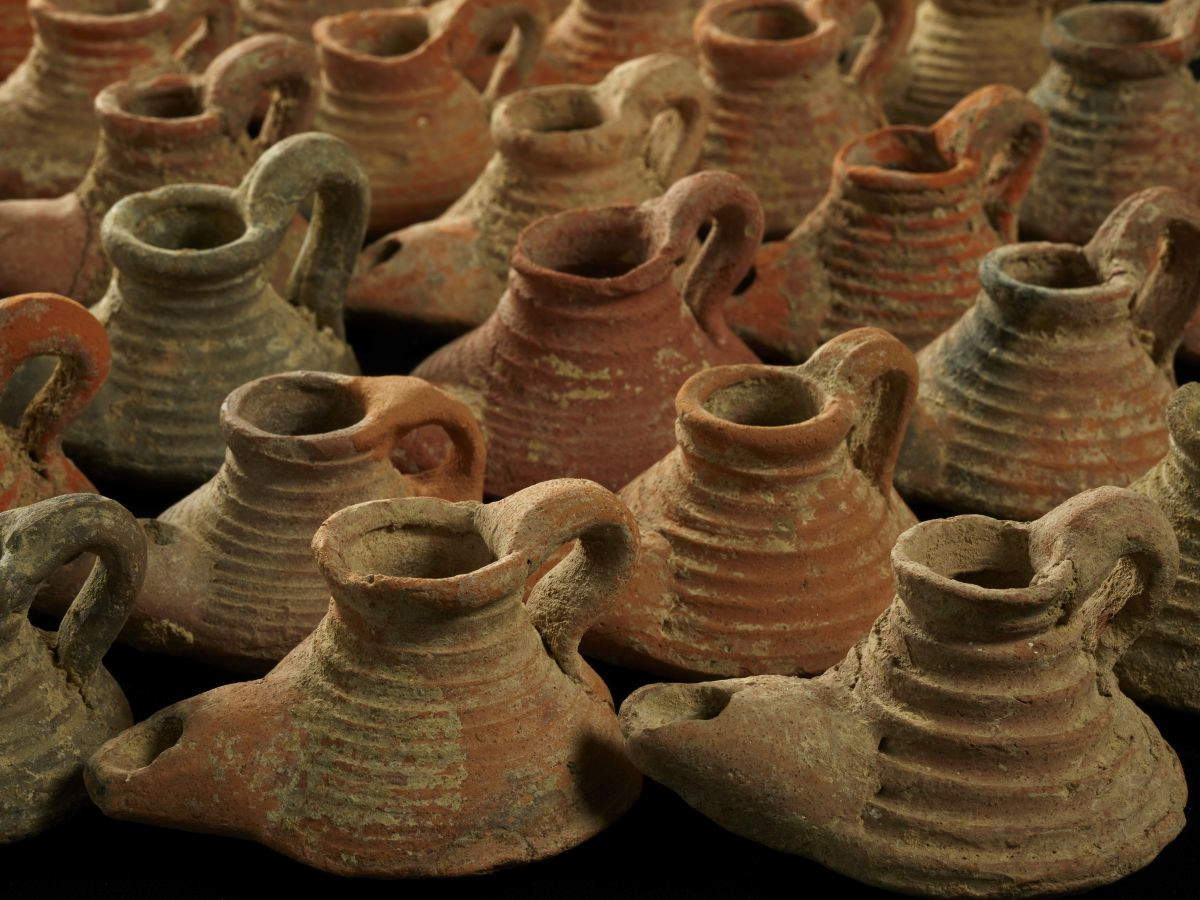
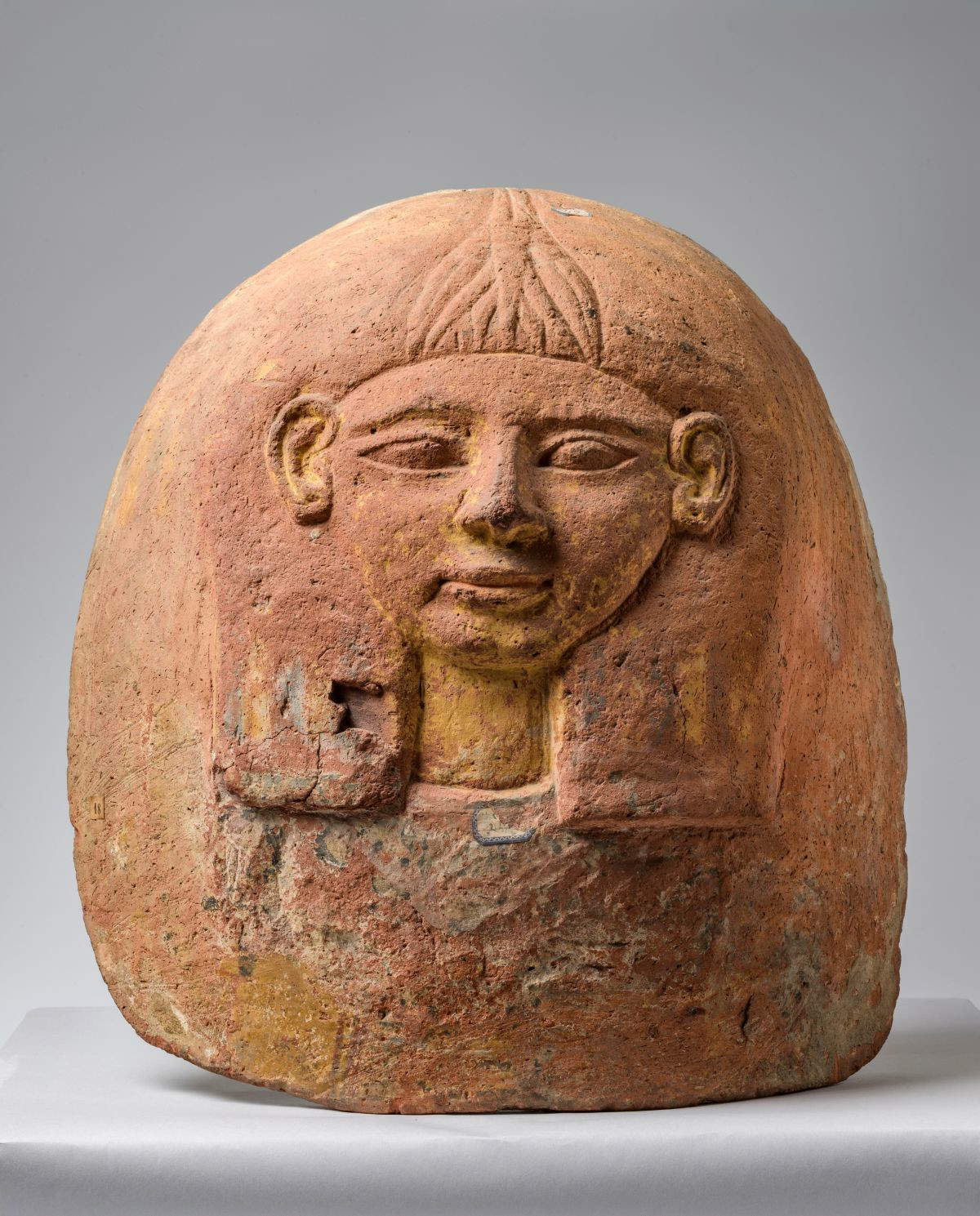
Since the Bronze Age, Gaza has played a strategic role in relations between Africa, Asia and the Mediterranean, shaping itself as a meeting and exchange point between different civilizations. Located along important trade, religious and cultural routes, the city has accumulated a very rich historical stratification over time. The selection of exhibits aims precisely to highlight these aspects, while the comparison with the collections of the Egyptian Museum in Turin helps to place Gaza within a wider network of relationships and influences, to restore the complexity of a central territory in the history of the Mediterranean.
The issue of cultural heritage protection is currently emerging with particular urgency and involves the entire global community. By documenting the effects of conflicts on Gaza, as well as in other contexts, it is possible to raise collective awareness with respect to the responsibility of preserving its material memory. Thus, the exhibition aims to highlight the vulnerability of heritage in war situations, entrusting contemporary artists with the task of building a dialogue between past and present and opening up new narrative possibilities.
The project is accompanied by a rich program of initiatives, including meetings, workshops, performances and presentations, hosted in historical sites and important institutions in Turin.
Among those involved are public and private institutions, including Associazione Festival delle Colline, Fondazione Lac o Le Mon San Cesario di Lecce, Fondazione MeNo Palermo, Lettera 22, Libreria Trebisonda Turin, Museo Archeologico Castromediano Lecce, Museo d’arte orientale Turin, Museo Nazionale del Cinema Turin, Parco arte vivente Turin, Riwaq Center for architectural conservation, Sesamo, Salone Internazionele del Libro Torino, Società for Middle Eastern Studies, University for Foreigners of Siena, Tedacà Turin.
|
| In Turin, archaeology and contemporary art tell the historical and cultural depth of Gaza |
Warning: the translation into English of the original Italian article was created using automatic tools. We undertake to review all articles, but we do not guarantee the total absence of inaccuracies in the translation due to the program. You can find the original by clicking on the ITA button. If you find any mistake,please contact us.