







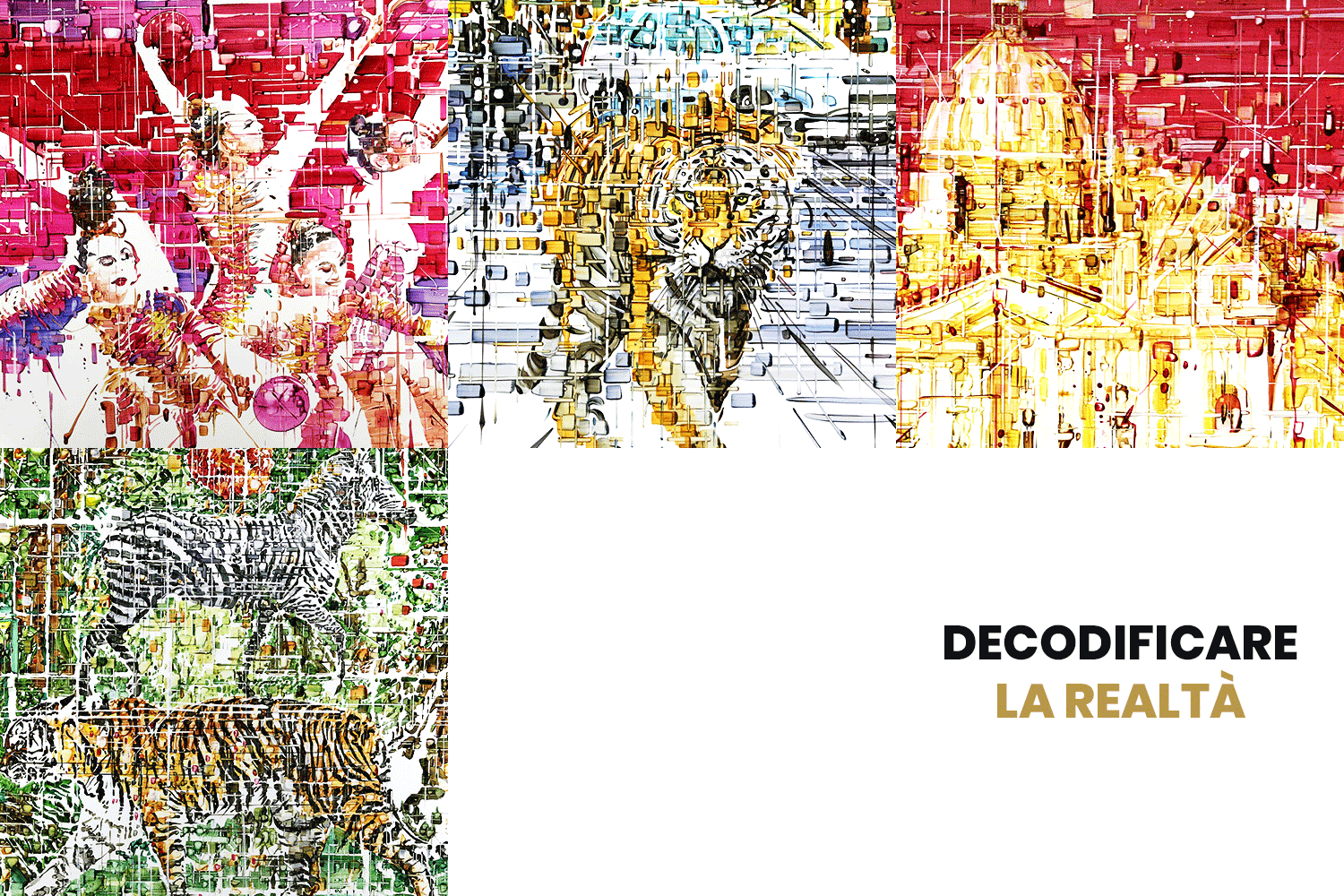
From May 16 to June 22, 2026, Cardelli & Fontana artecontemporanea gallery in Sarzana presents Ecce Homo Happy End, the second solo exhibition of Marco Salvetti (Pietrasanta, 1983) in the Ligurian gallery’s spaces. The exhibition represents a significant step in the Tuscan artist’s career and coincides with the publication of an extensive monograph dedicated to his pictorial research, published by Progetto Parallelo. The volume, which includes texts by Stefania Margiacchi, Federico Giannini, Luca Bertolo and Salvetti himself, will be presented at the gallery on June 14 and accompanies an exhibition project that focuses on the condition of the contemporary image, its loss of adherence to reality and the transformation of painting into a space of friction, compression and visual saturation.
With Ecce Homo Happy End, Salvetti constructs an articulated cycle of works that reflects on the mechanisms of production, circulation and consumption of images in the present. The very title of the exhibition, suspended between religious evocation, advertising slogan and ironic formula, introduces a universe in which truth no longer coincides with the authenticity of experience, but with the ability of the image to function, replicate itself and become viral.
Ecce Homo Happy End is described as slogan and prayer together, a formula that makes true only what is to be believed and that enters into circulation without necessarily producing meaning. In this scenario, the image is no longer called upon to represent the world or cherish its memory, but constructs an autonomous otherness, disengaged from the real and from any stable reference. It does not tell a truth because the very concept of truth appears marginal or even superfluous.
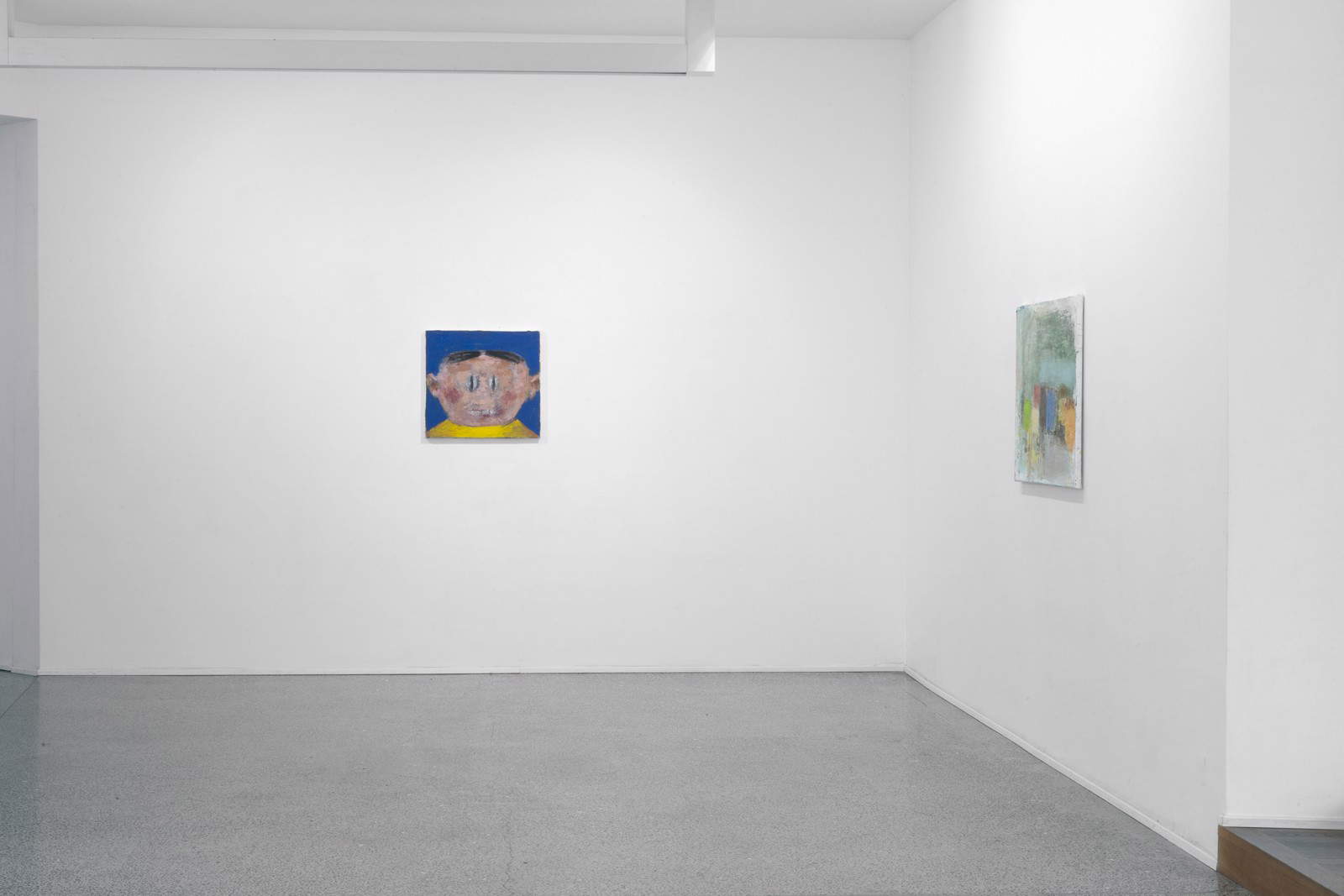
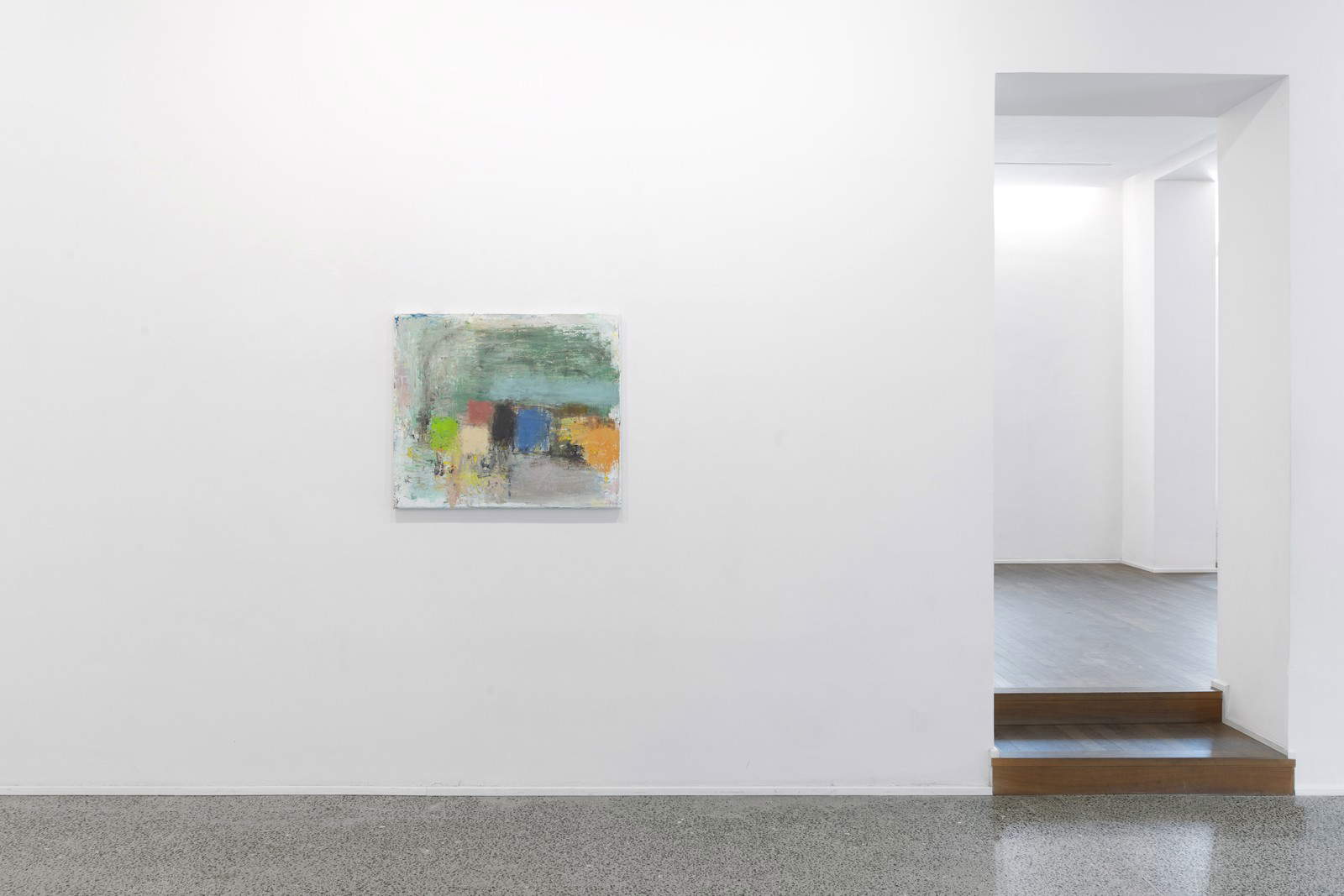
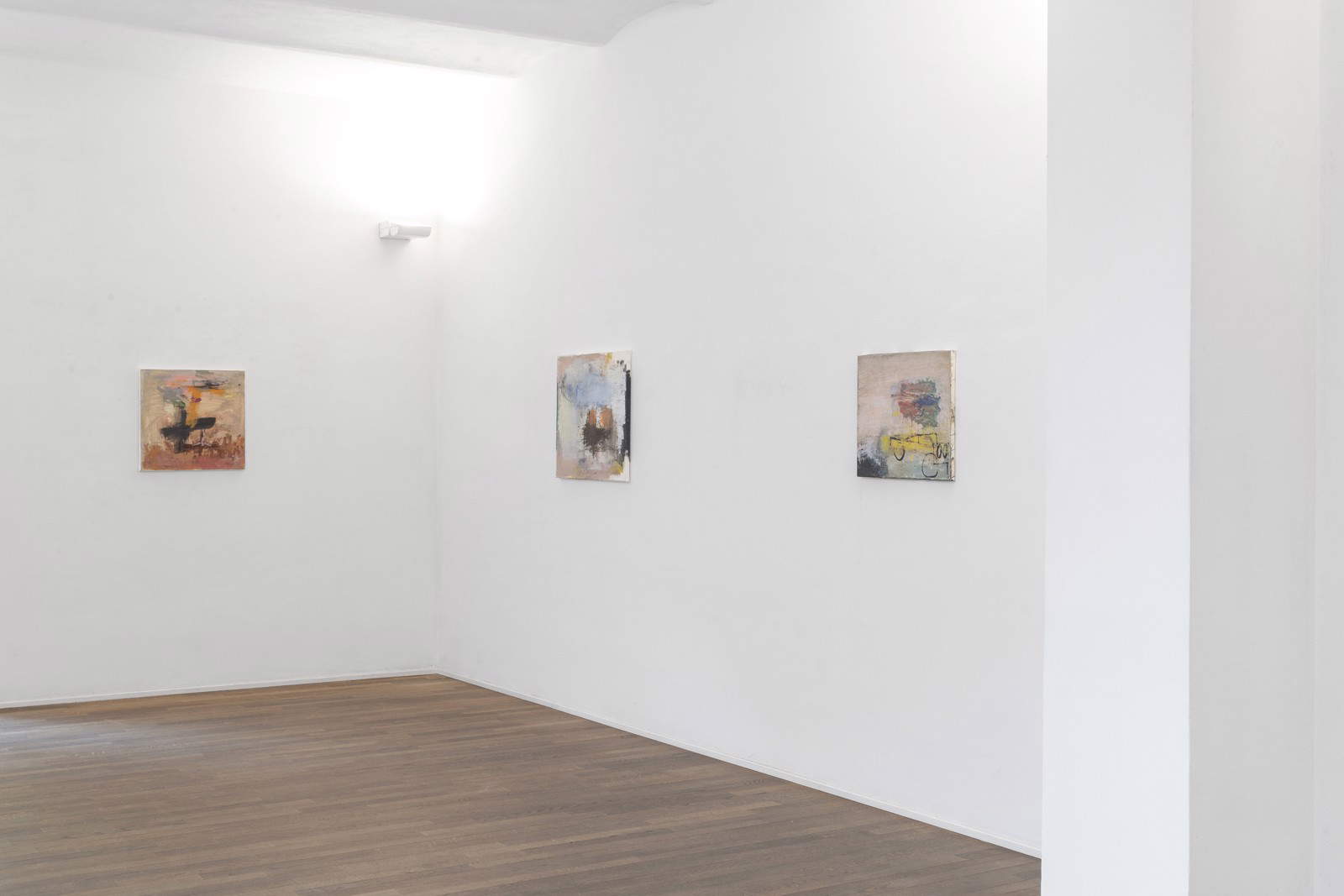
Within this theoretical and visual horizon, Salvetti’s painting is not proposed as a space of resistance or refuge from the contemporary crisis of images. On the contrary, the artist assumes and incorporates the contradictions of the contemporary visual system, making his own the dynamics of fragmentation, overexposure and distortion that characterize the present.
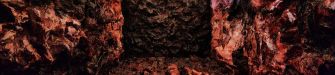
The exhibited works are thus configured as “devices for collecting and compressing pictorial fragments,” according to the definition accompanying the exhibition project. The surface of the painting becomes a place of friction and martyrdom, a problematic space in which representation does not disappear entirely but survives in an unstable, saturated form, continually traversed by visual and conceptual tensions. In Salvetti’s research, the figure seems to have lost its stable presence. What remains is a compressed trace, a form that emerges and at the same time dissolves within a dense and opaque pictorial layering. The immediacy typical of contemporary visual communication is thus reversed: instead of offering clarity and transparency, painting produces obscurity, interference, accumulation.
The virality of the contemporary image, in the artist’s reading, is transformed into visual distortion. The pictorial surface is never neutral or pacified, but appears continuously traversed by superimpositions, erasures and material tensions that prevent an unambiguous reading. Representation is neither purified nor definitively overcome: it continues to exist as an exposed and vulnerable surface, forced to confront an unstable and manipulable reality. And it is precisely this instability that constitutes one of the central elements of the new cycle of works: in fact, the forms painted by Salvetti are unable to fully stabilize themselves because the world to which they belong appears to be devoid of gravity, continually subject to mutation and alteration. The very possibility of revelation or ultimate truth seems compromised, leaving room for a deeper and radically existential feeling.
Within the exhibition, painting thus does not assume the nostalgic role of guardian of lost authenticity, but is directly confronted with the collapse of contemporary systems of meaning. The artist seems to interrogate the condition of an image that continues to exist even after the loss of its original function, surviving as a residue, trace or simulation.
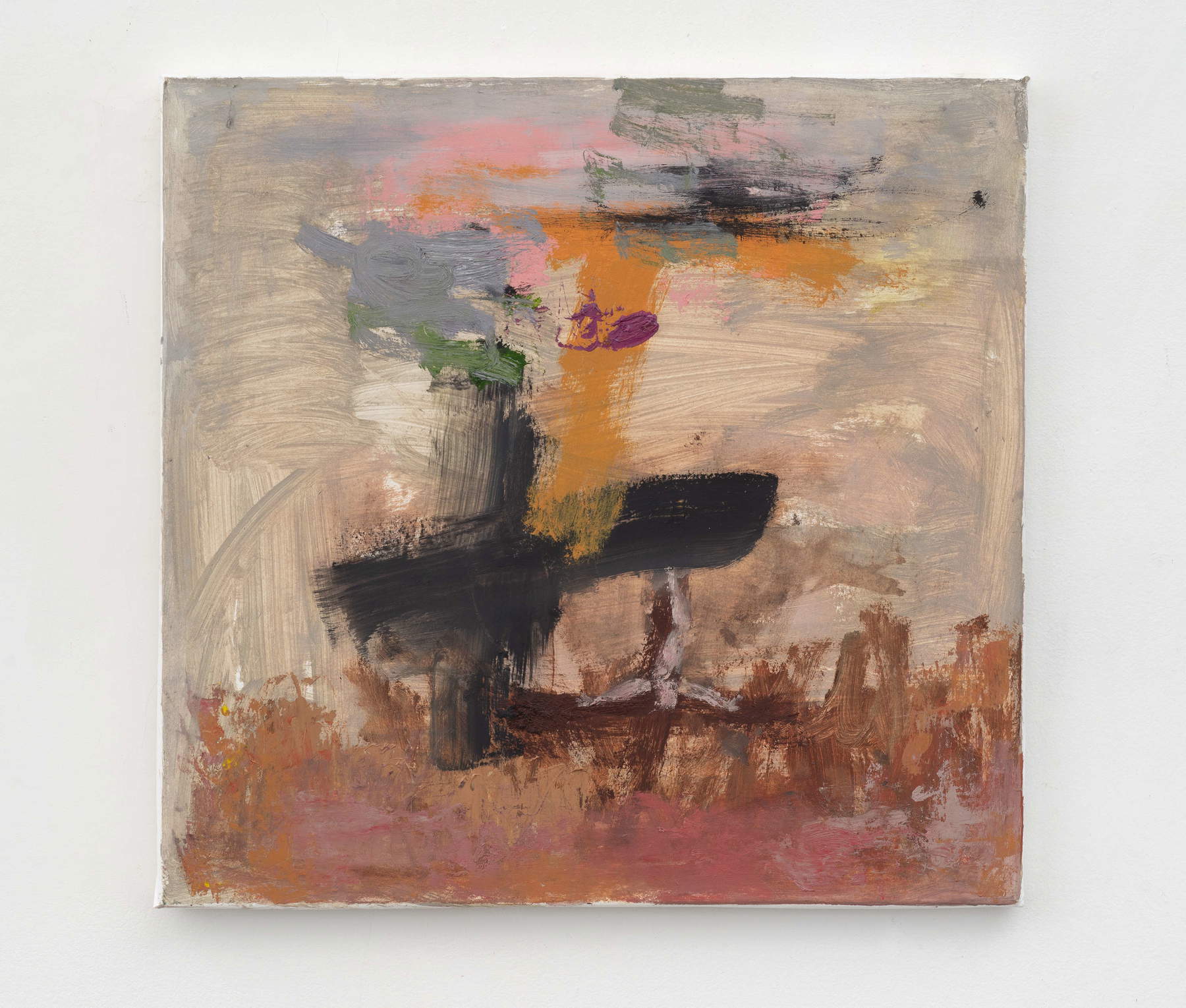
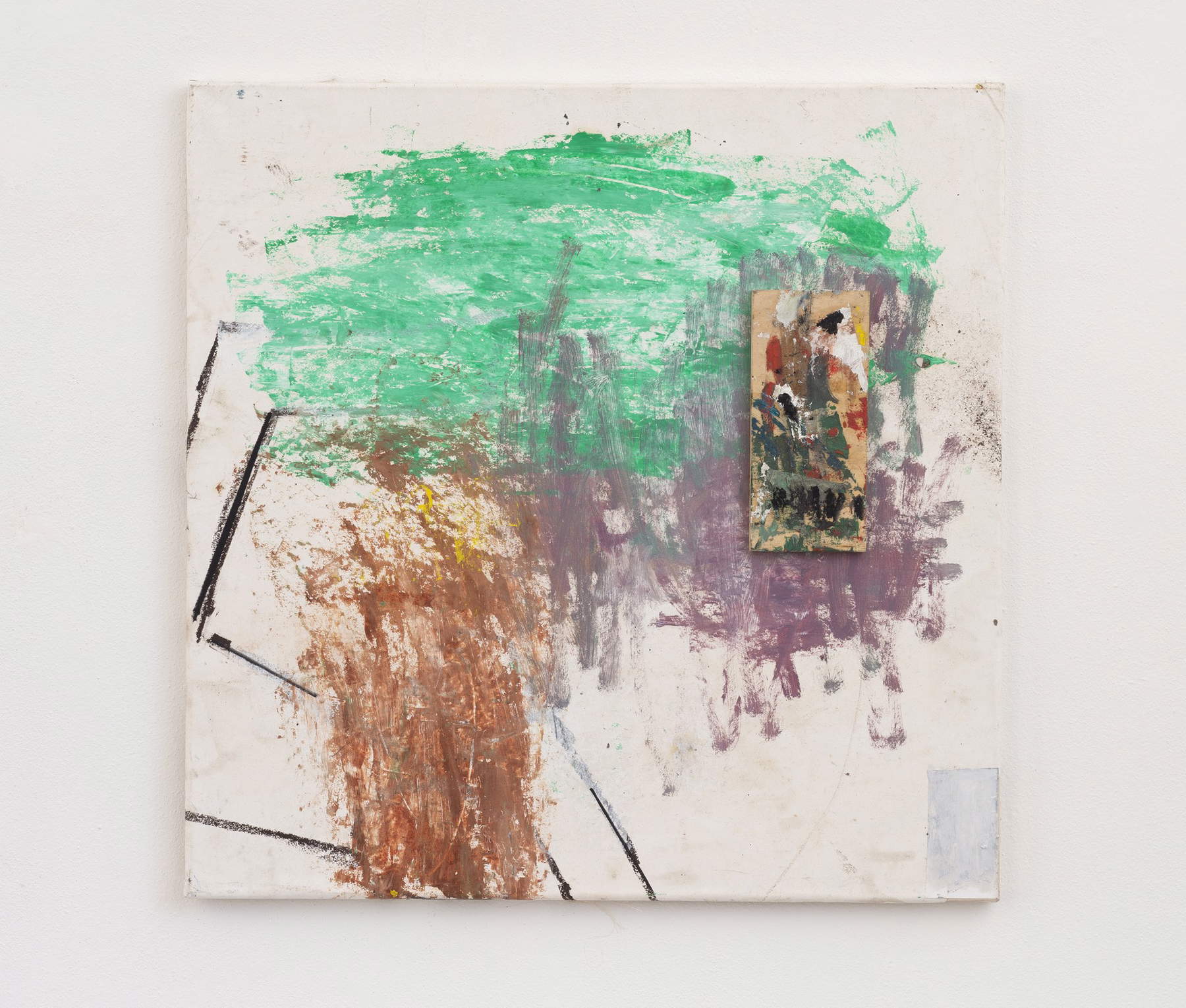
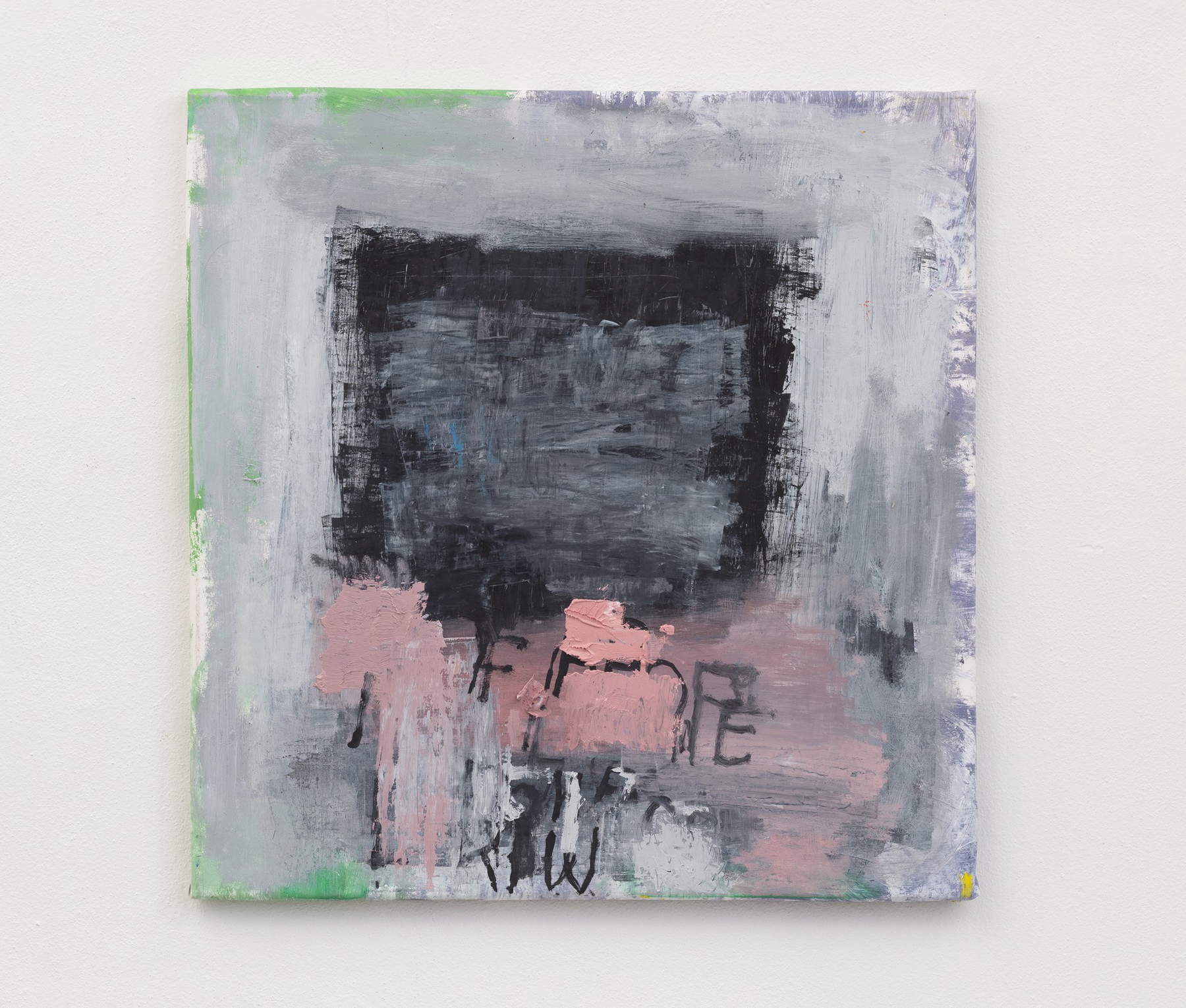
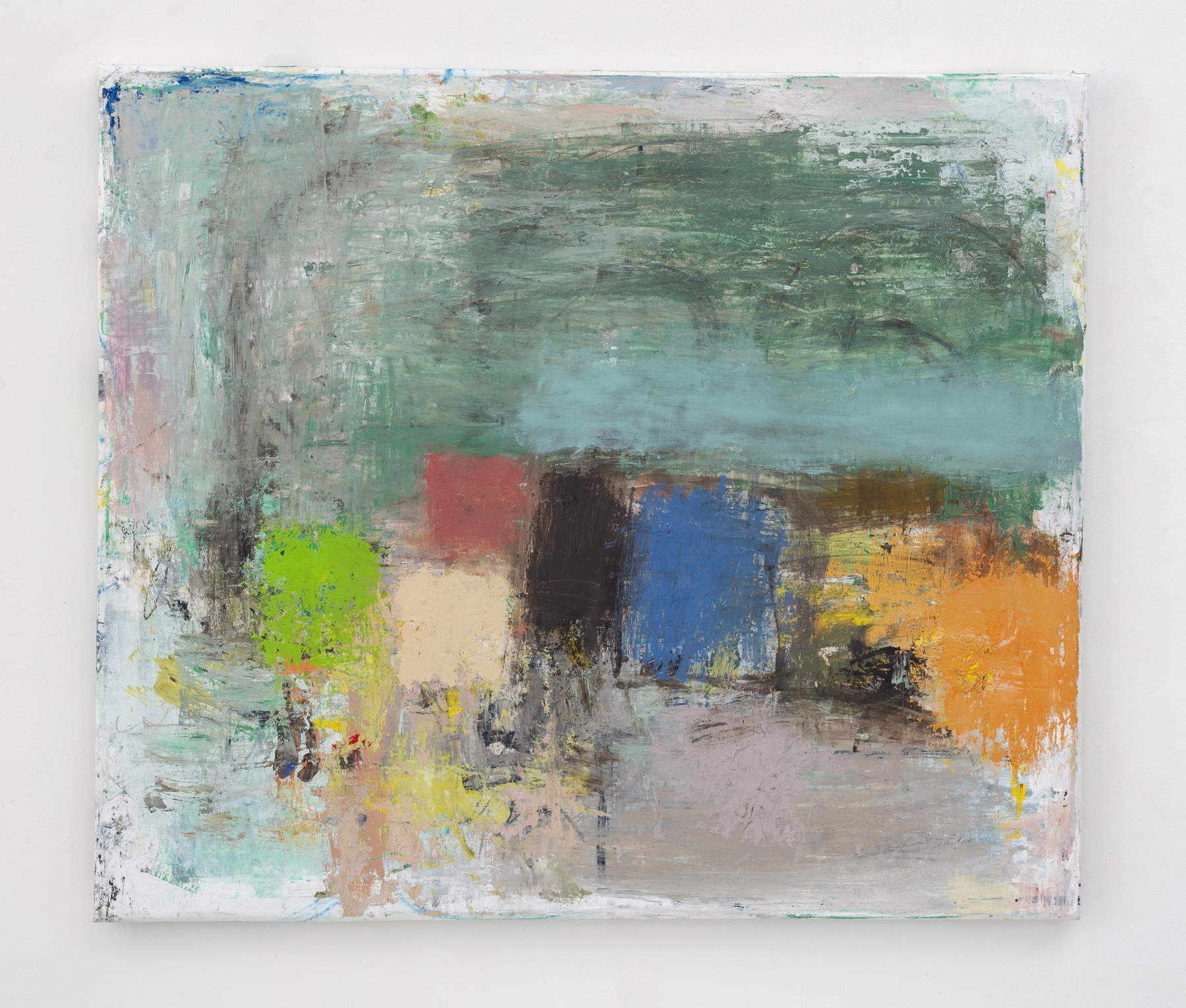
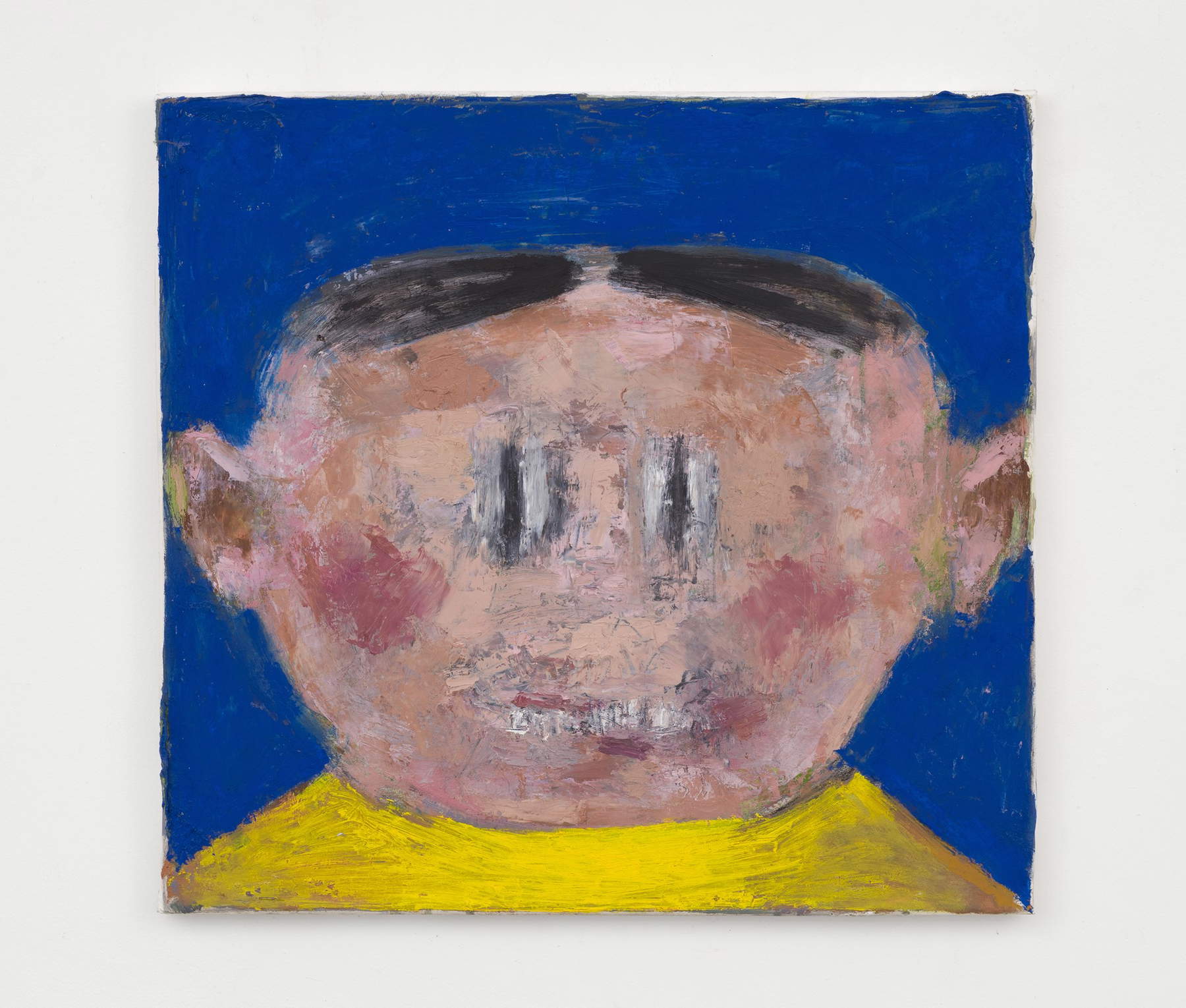
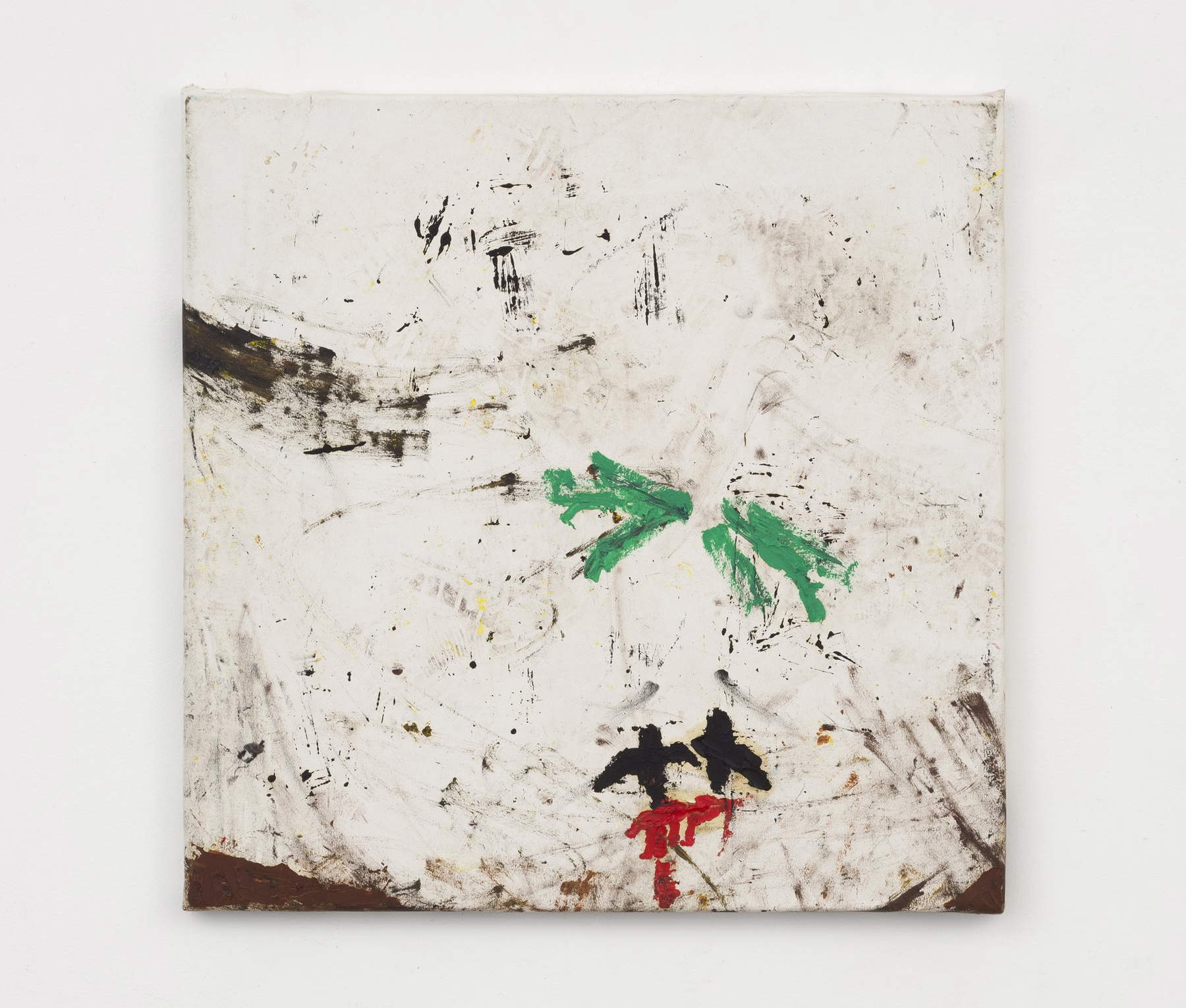
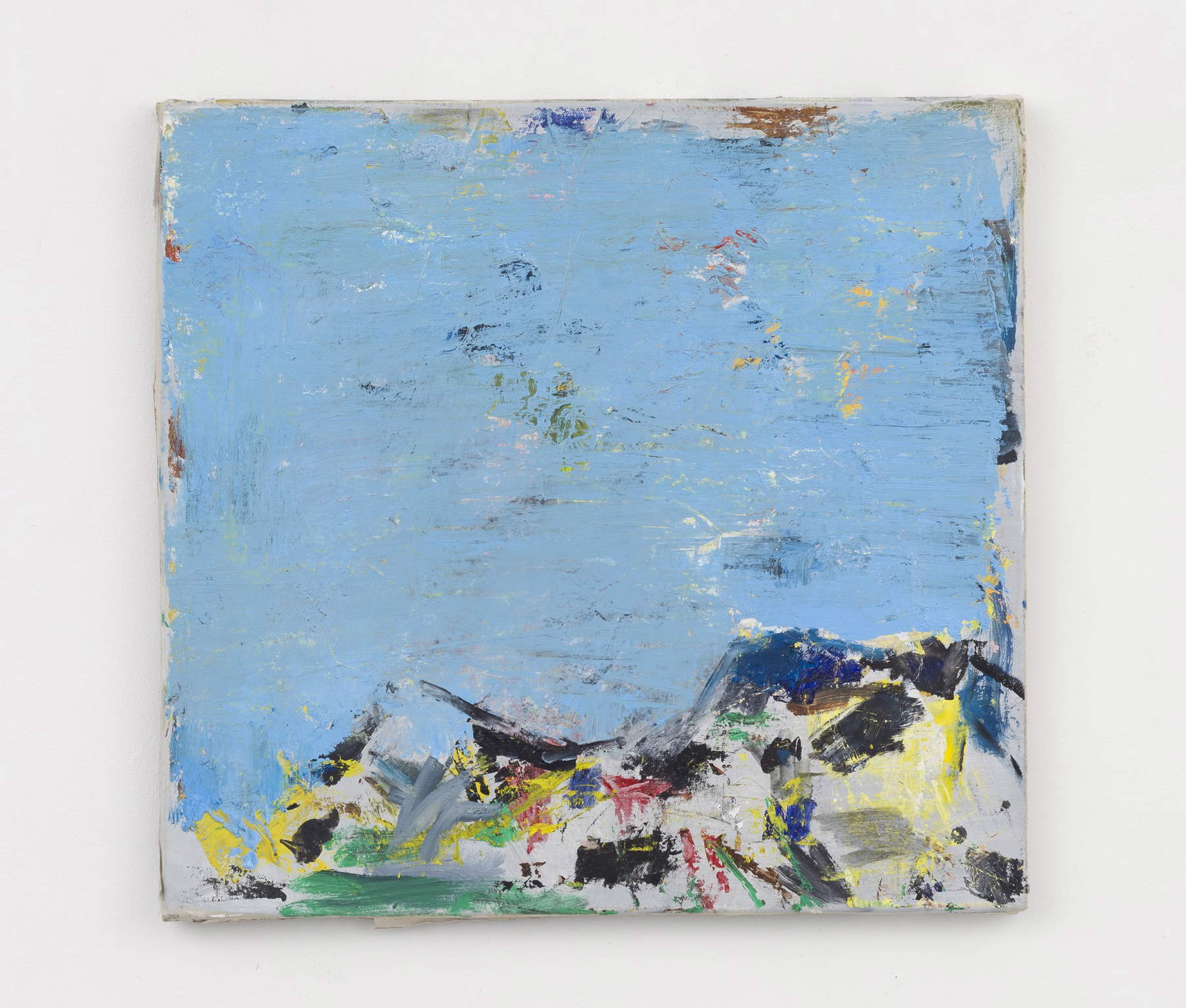
In this sense Ecce Homo Happy End is located within a broader reflection on the crisis of representation and the relationship between painting and contemporaneity. Salvetti’s works do not attempt to escape the visual saturation of the present, but rather traverse it and transform it into pictorial language. The painting then becomes a space in which fragments, collisions and stratifications coexist, with no possibility of definitive synthesis. The exhibition thus confirms the consistency of the research carried out by the artist in recent years, characterized by constant attention to the processes of image construction and the relationship between painting, perception and visual memory.
Born in Pietrasanta in 1983, Marco Salvetti lives and works in the province of Lucca and develops a painting practice that puts in dialogue theoretical dimension and material tension, continuously questioning the very role of painting in the contemporary context. In the spaces of the Sarzana gallery, the new cycle of works thus constructs a problematic environment, in which the visitor is called to confront images that seem to oscillate continuously between appearance and dissolution. The pictorial surfaces become unstable territories, traversed by tensions that prevent any possibility of definitive reading and that return the sense of precariousness and disorientation proper to the present. Ecce Homo Happy End thus presents itself as an intense reflection on the fate of the image and the possibility of painting to continue to interrogate the real even within a context dominated by speed, replicability and loss of depth. A project that confirms Marco Salvetti’s position among the contemporary Italian artists most attentive to the transformations of contemporary visual language and its existential, cultural and perceptual implications.
|
| Marco Salvetti at Cardelli & Fontana with "Ecce Homo Happy End," an exhibition on the image crisis |

Warning: the translation into English of the original Italian article was created using automatic tools. We undertake to review all articles, but we do not guarantee the total absence of inaccuracies in the translation due to the program. You can find the original by clicking on the ITA button. If you find any mistake,please contact us.













 IT
IT FR
FR DE
DE ES
ES CN
CN