







Nicknamed “Martin Schön,” or “the handsome Martin,” by Albrecht Dürer, Martin Schongauer (Colmar, c. 1445 - Vieux-Brisach, 1491), one of the greatest German painters of the 15th century, returns to center stage with a major exhibition scheduled at the Louvre from April 8 to July 20, 2026, entitled Martin Schongauer. Le bel immortel dedicated to one of the most influential and at the same time least known protagonists of the end of the European Middle Ages. The exhibition, curated by Pantxika Béguerie de Paepe and Hélène Grollemund, and built around a corpus of about one hundred works, aims to restore the complexity of the figure of Schongauer, a painter, draughtsman and, above all, engraver of extraordinary skill. Through an articulated itinerary, the project not only reconstructs his artistic production, but also investigates his reception and impact on European visual culture in the following centuries, offering a broad and layered reading of his legacy.
Born in Colmar around 1445 and dying in Vieux-Brisach in 1491, Schongauer belonged to a family of goldsmiths, a context that probably helped shape his exceptional sensitivity for detail and technical precision. His work developed in a transitional period, marked by the transition between the medieval world and the new Renaissance instances, and is distinguished by a unique ability to combine formal refinement and narrative intensity.
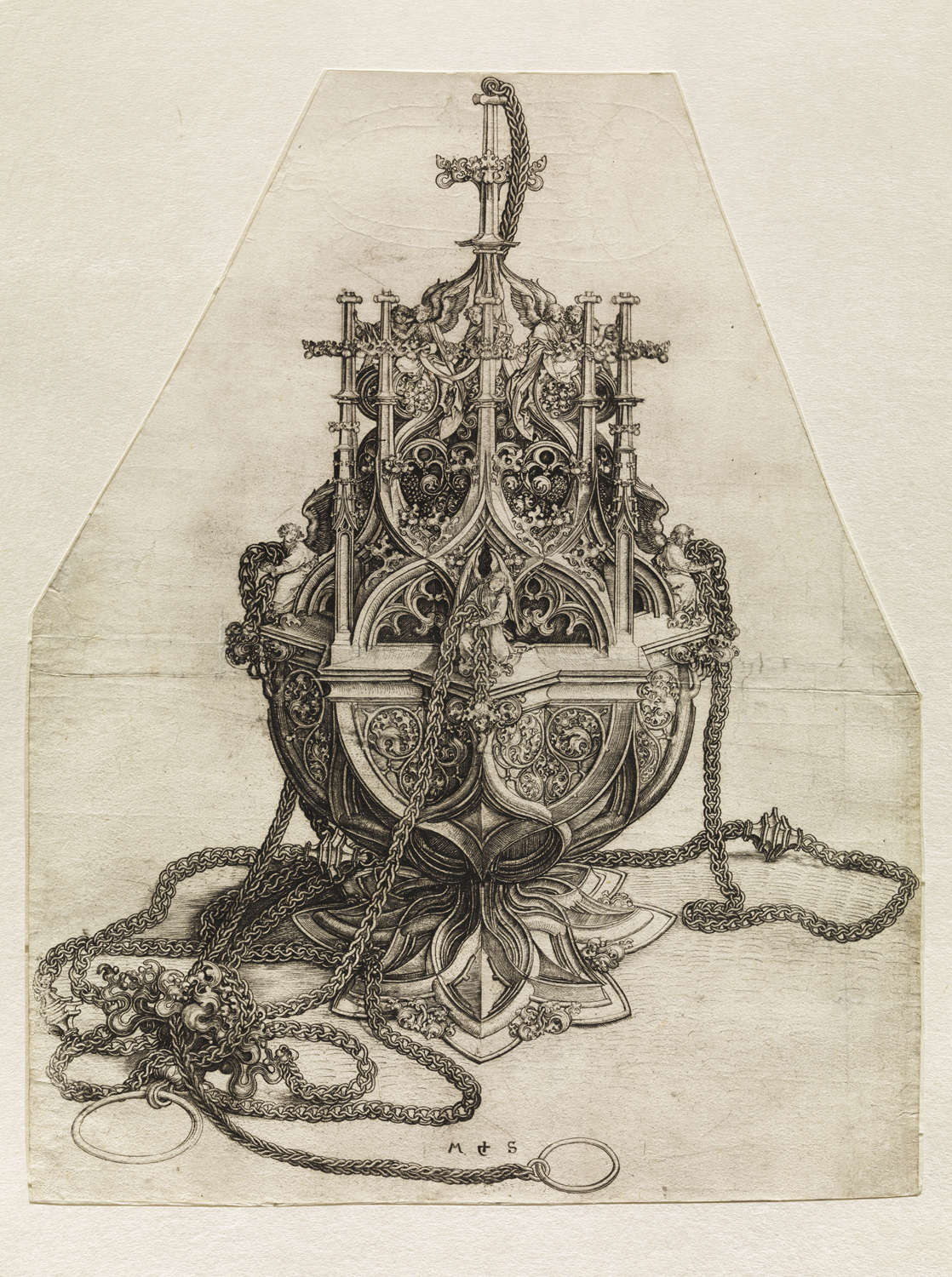
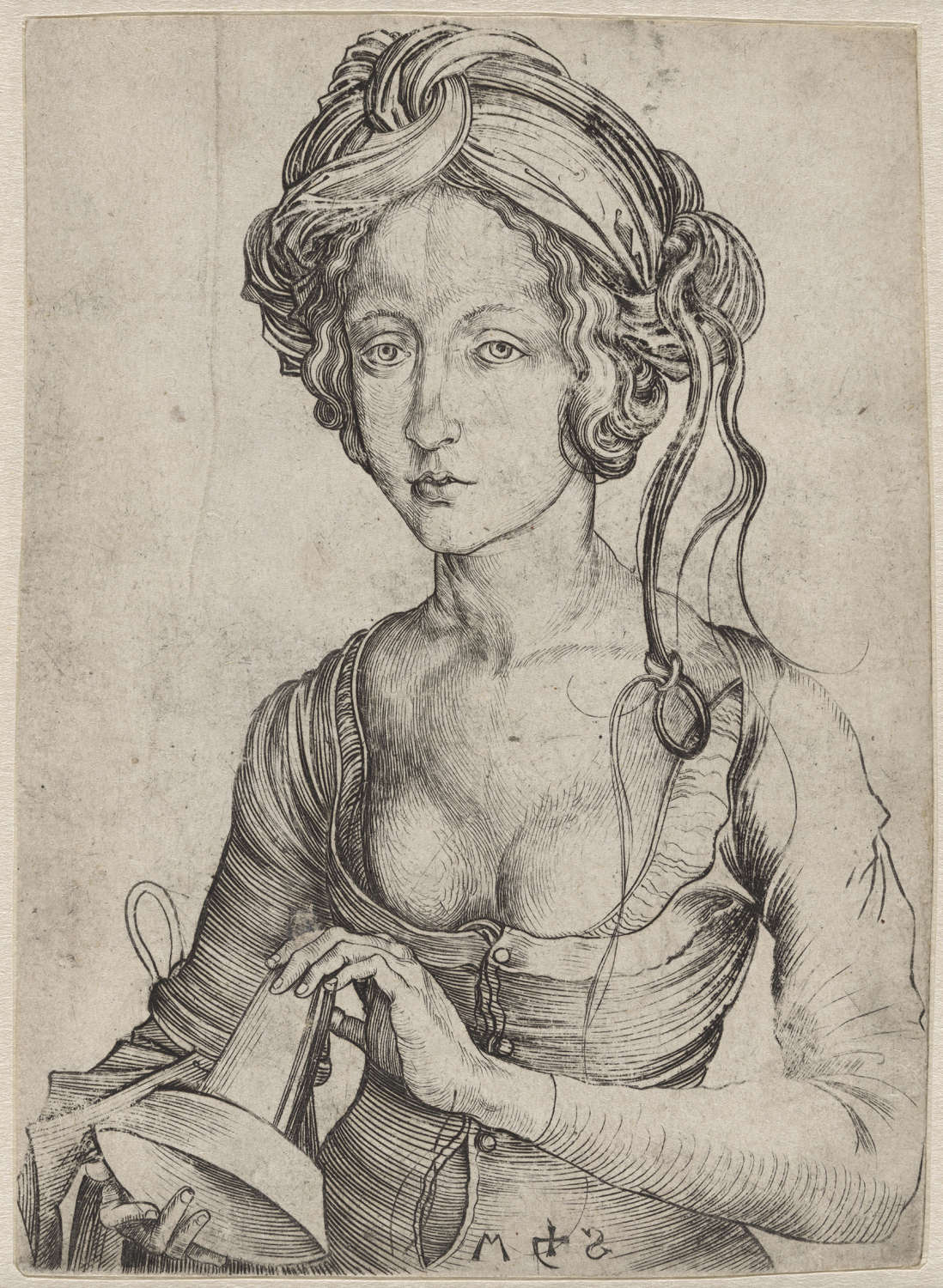
The exhibition is divided into two major sections. The first is devoted to the life and work of the artist, of whom few documentary sources remain but a significant body of work testifying to an extraordinary maturity of expression. His engravings, made with the burin technique, reveal an impeccable control of the sign and a profound understanding of space and depth, elements that enable him to surpass earlier models such as the ES Master, taking the art of engraving to hitherto unprecedented levels of excellence.
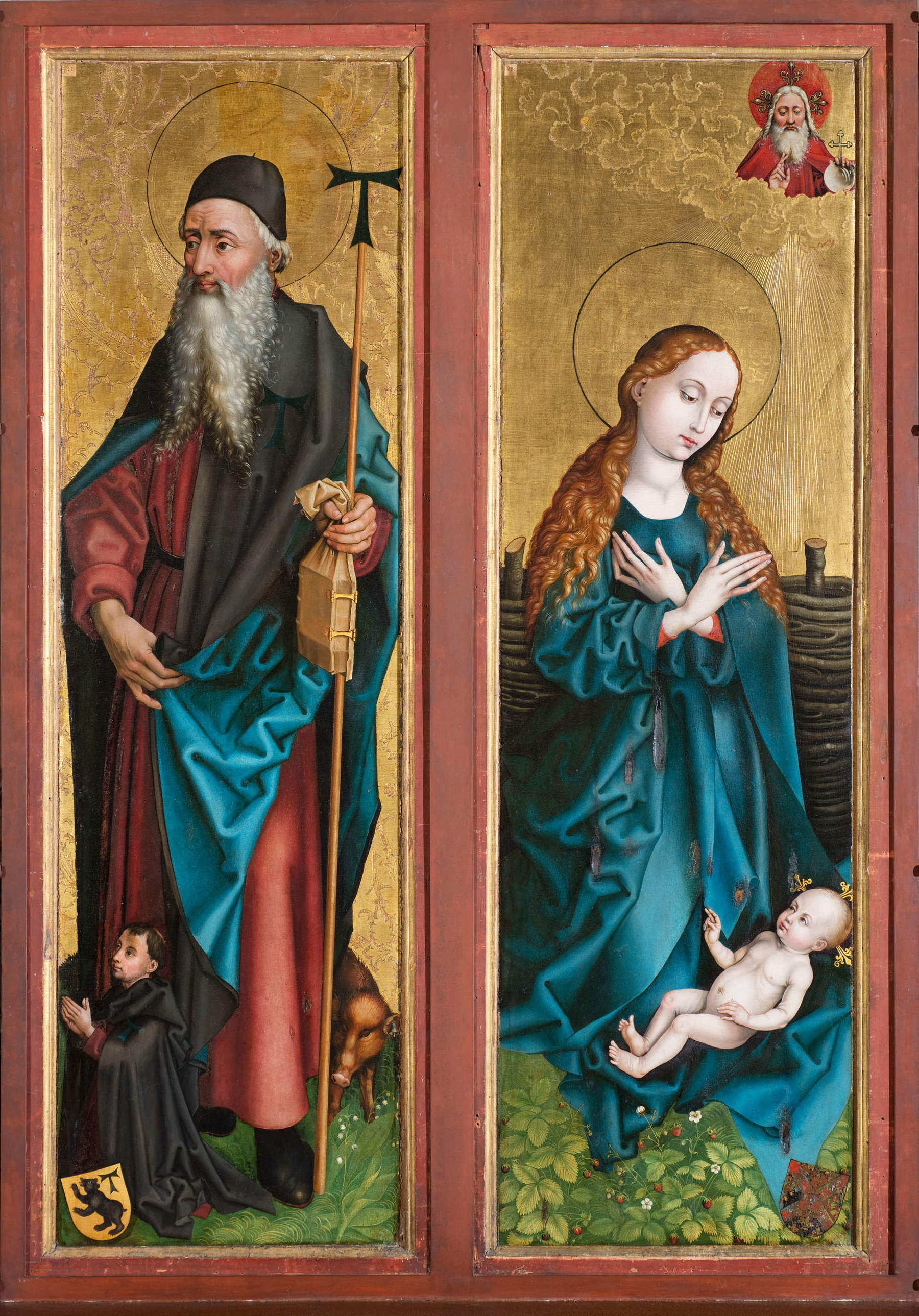
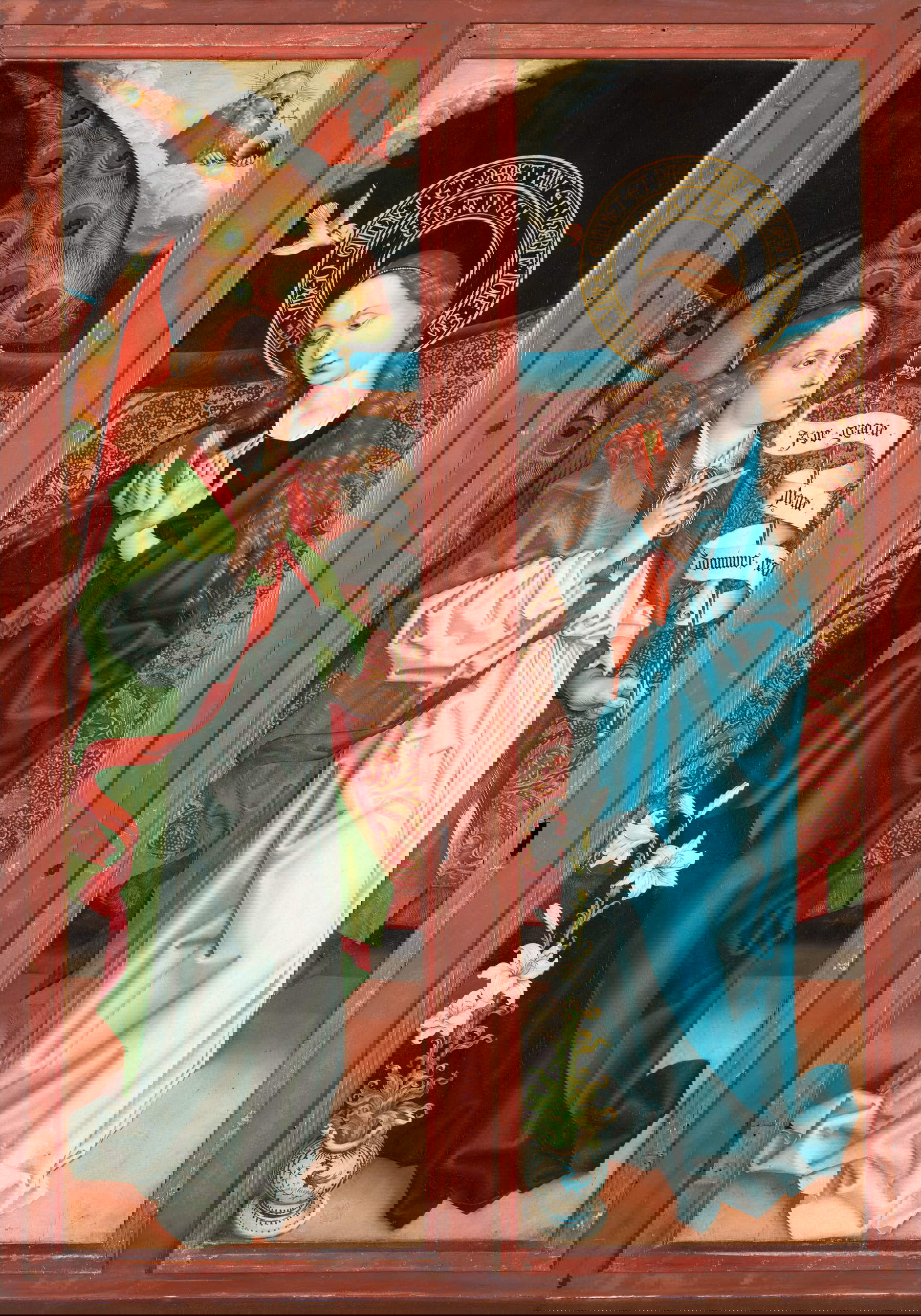
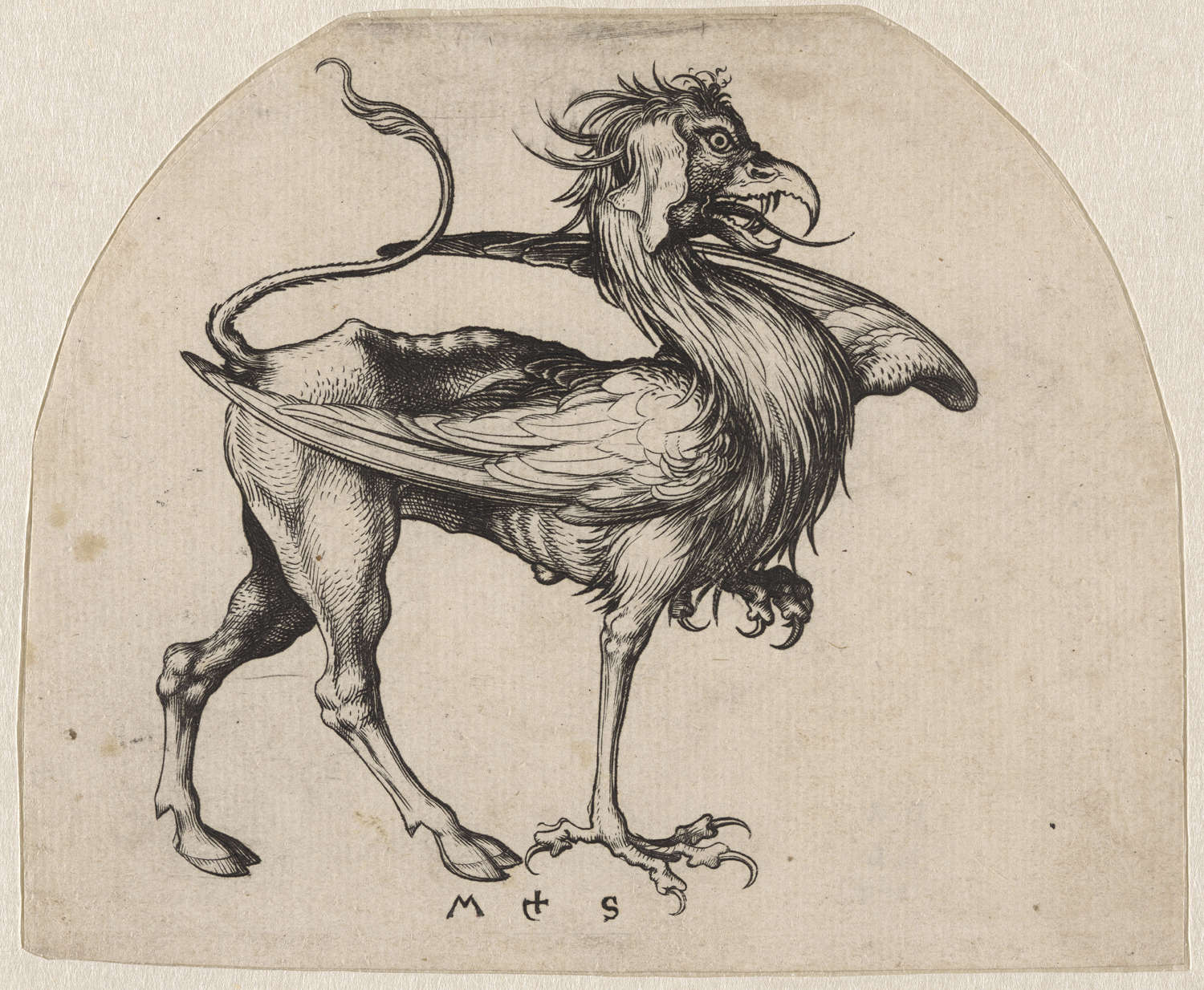
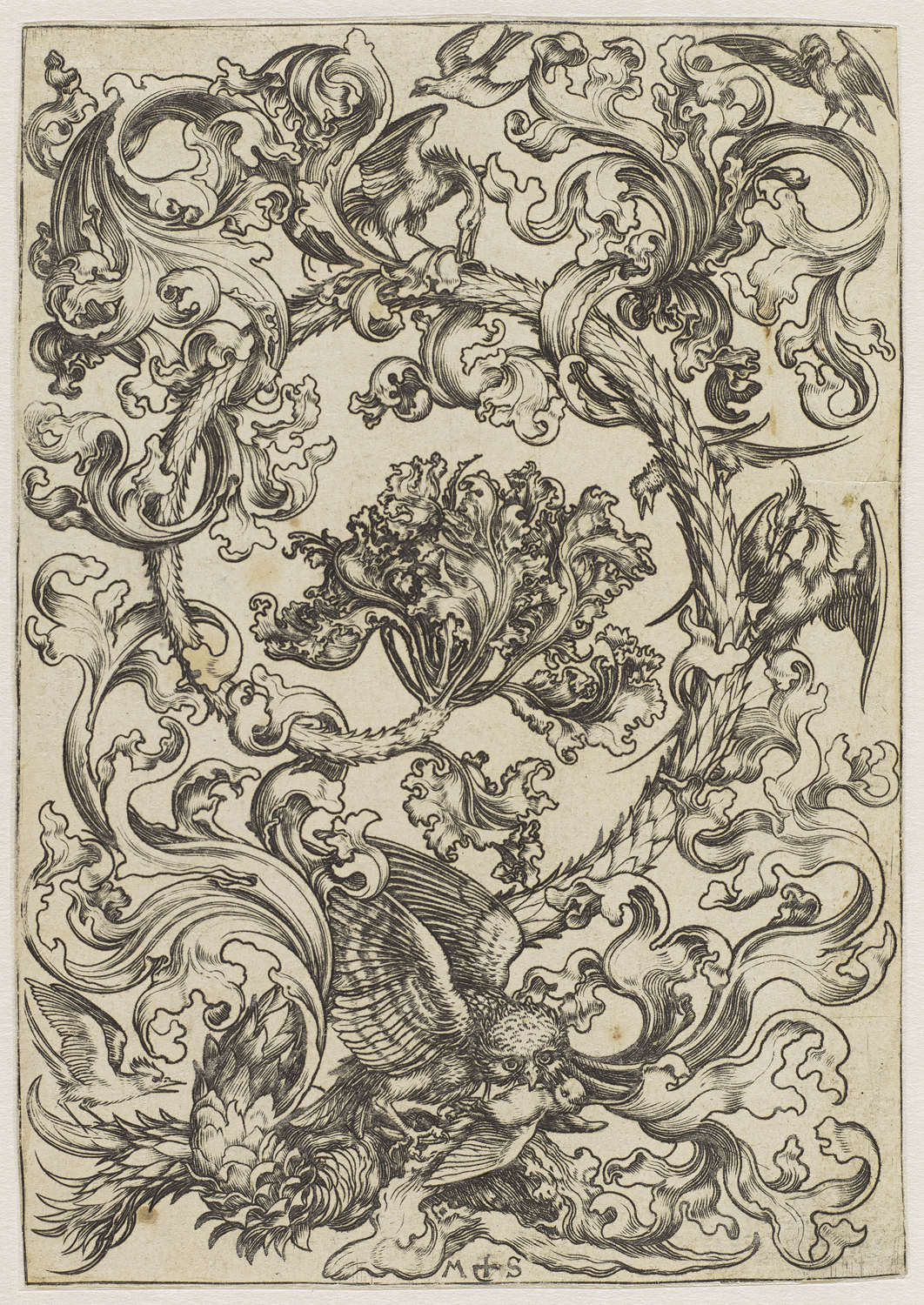
From the earliest works there emerges a dialogue with the great painting of the southern Netherlands, particularly with figures such as Rogier van der Weyden, but also with the artistic milieu of Nuremberg, a city Schongauer is said to have frequented during a trip he made between about 1465 and 1470. This international openness helps to define a visual language capable of crossing geographic and cultural boundaries.
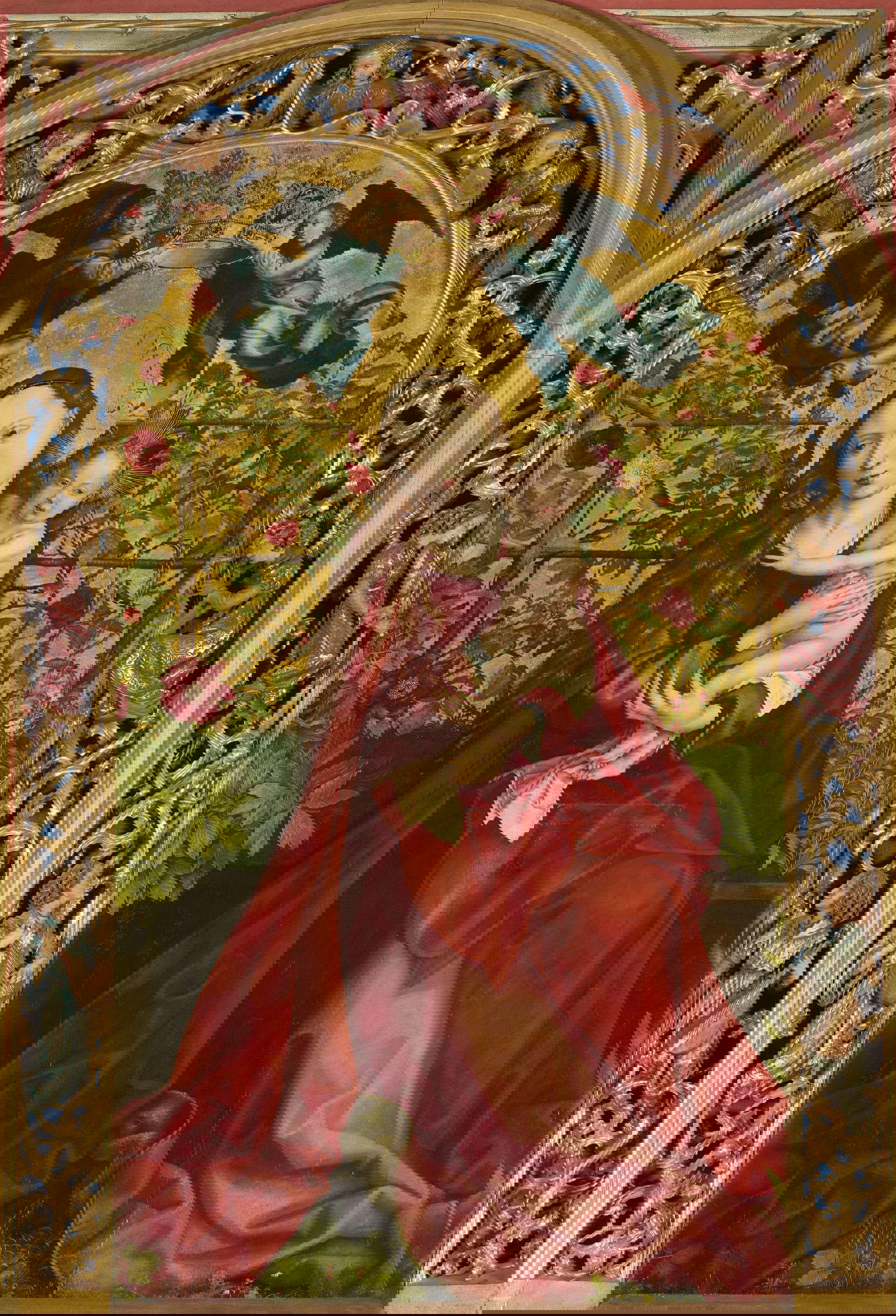
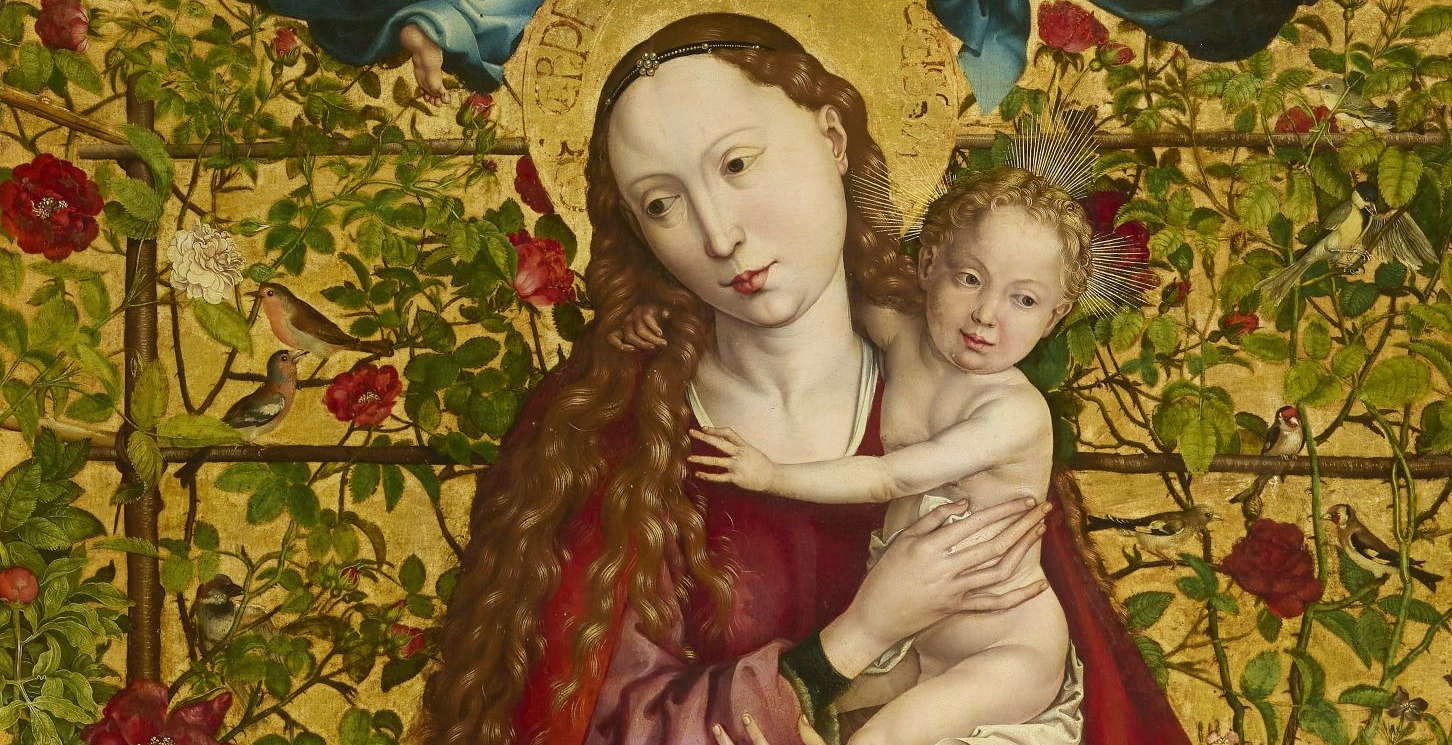
Alongside the engravings, the exhibition presents a rare and valuable nucleus of paintings, including altarpieces and panels intended for private devotion. Prominent among these is the famous Virgin in the Rose Garden of 1473, the artist’s only dated painting and considered one of the pinnacles of his production. In these works emerges a particular attention to the representation of the human figure and the surrounding environment, characterized by a meticulous rendering of ornamental and naturalistic details.
The small panels intended for domestic devotion introduce a new intimate dimension to the relationship between the Virgin and Child, emphasizing the serenity of the scenes and the central role of the Marian figure. In contrast, the large pictorial ensembles commissioned by religious institutions, originally placed in churches in Colmar or Issenheim, testify to a production intended for public spaces and collective enjoyment, and are rarely seen today outside the Alsatian context.
It is in the field ofengraving, however, that Schongauer reaches the pinnacle of his art. His extraordinary technical mastery is combined with a profound knowledge of religious sources, including apocryphal texts and commentaries on the lives of saints, resulting in images of great narrative power and symbolic suggestion. His works range from sacred subjects to fantastical, animal and decorative themes, revealing a versatility that enables him to appeal to a wide and diverse audience.
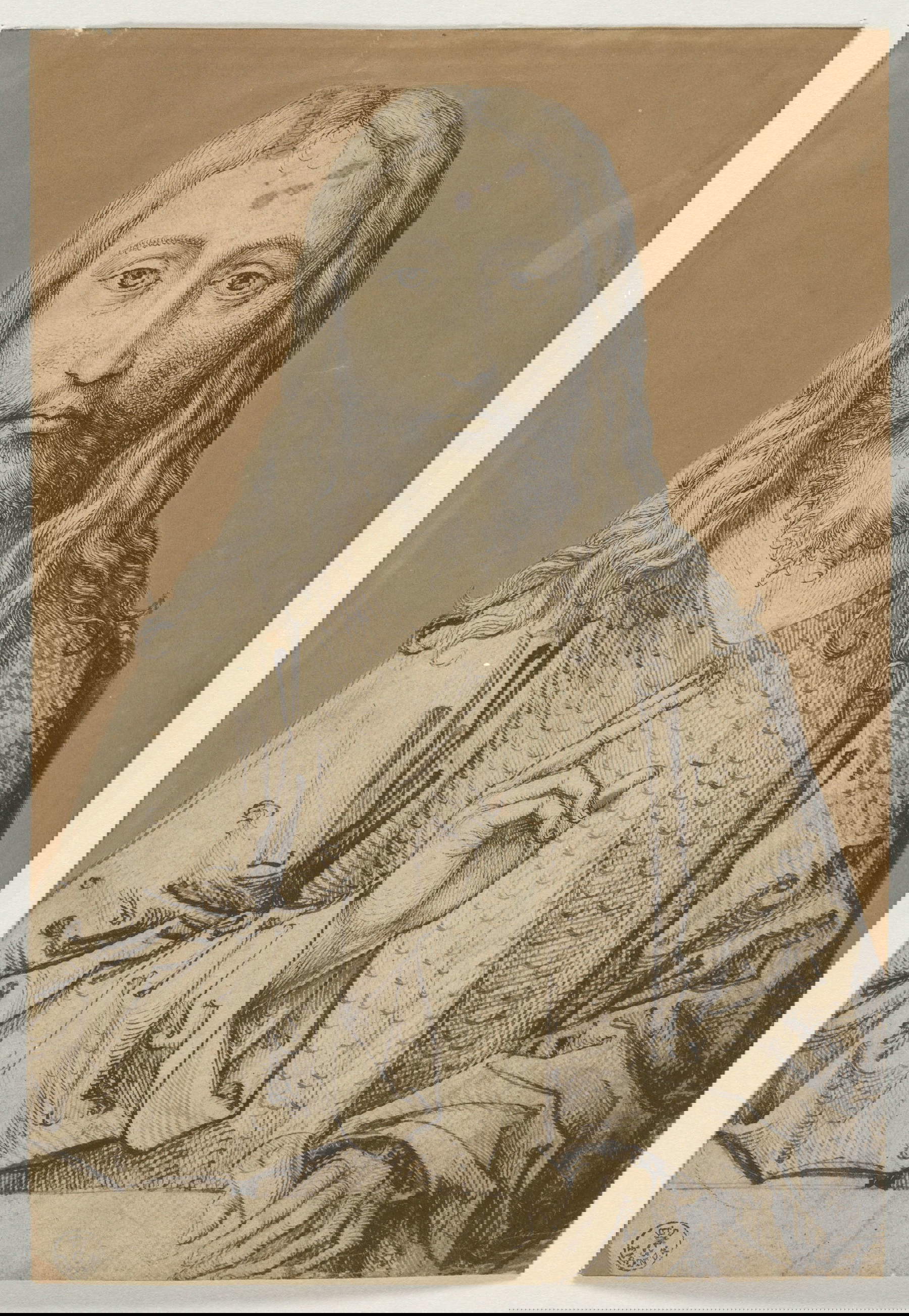
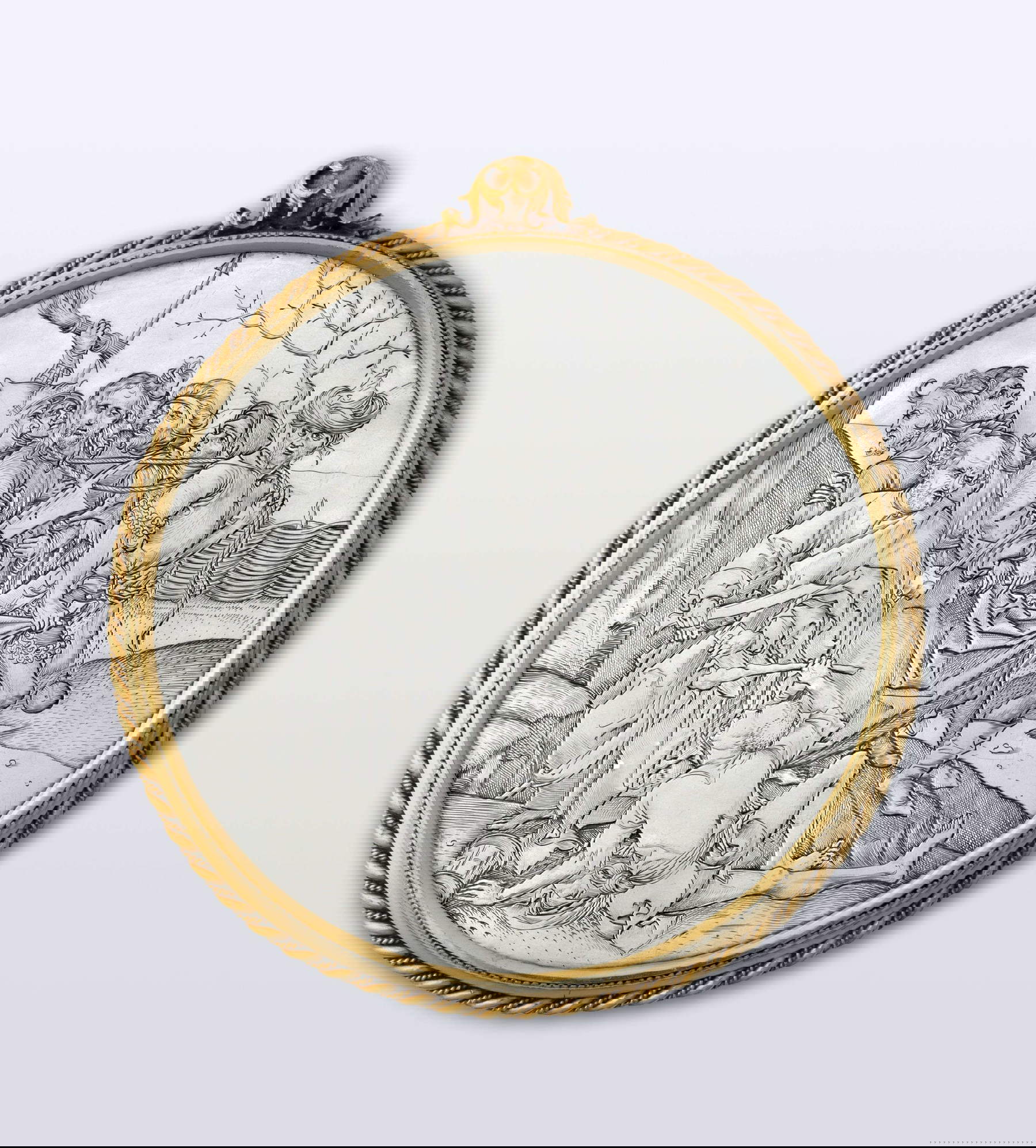
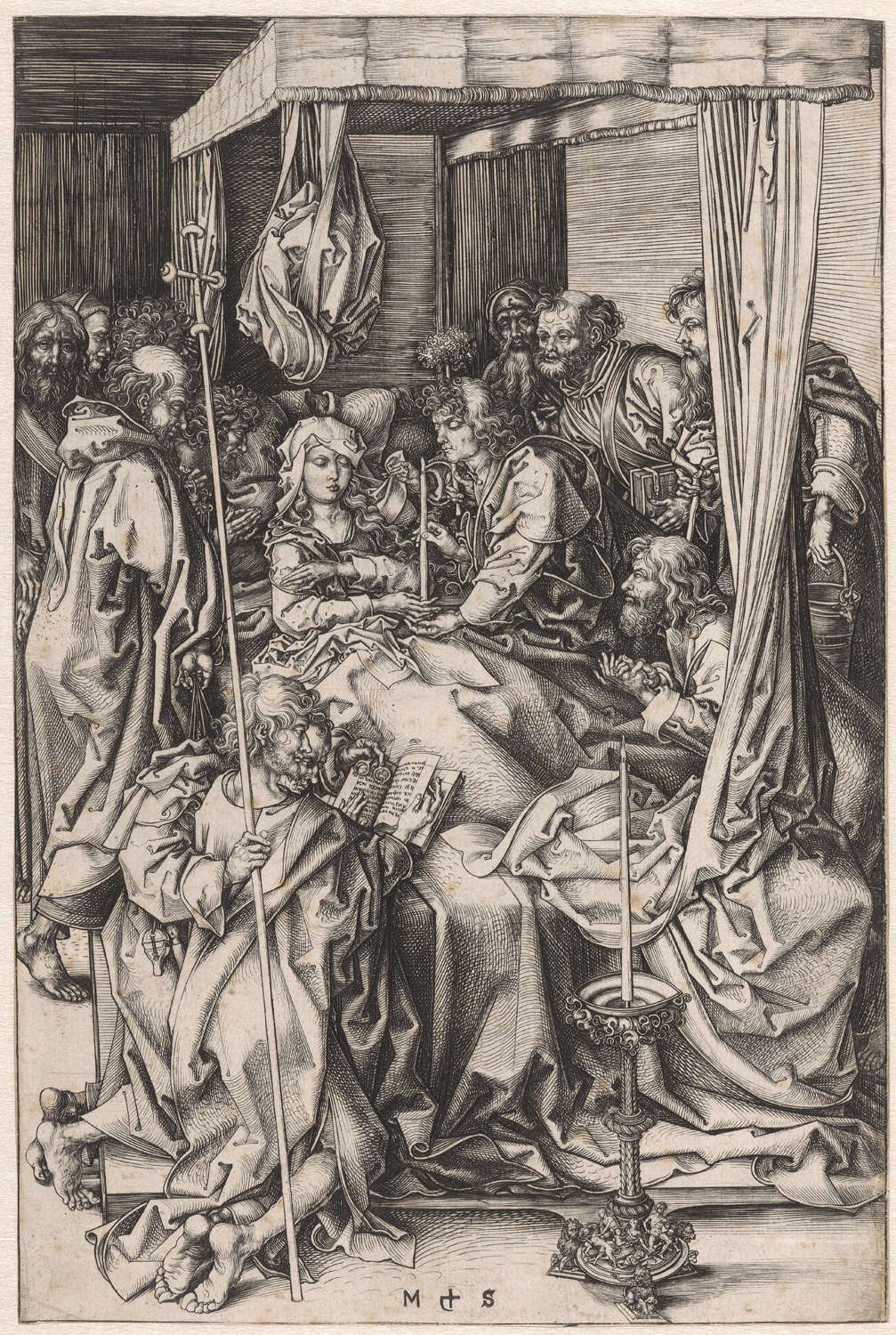
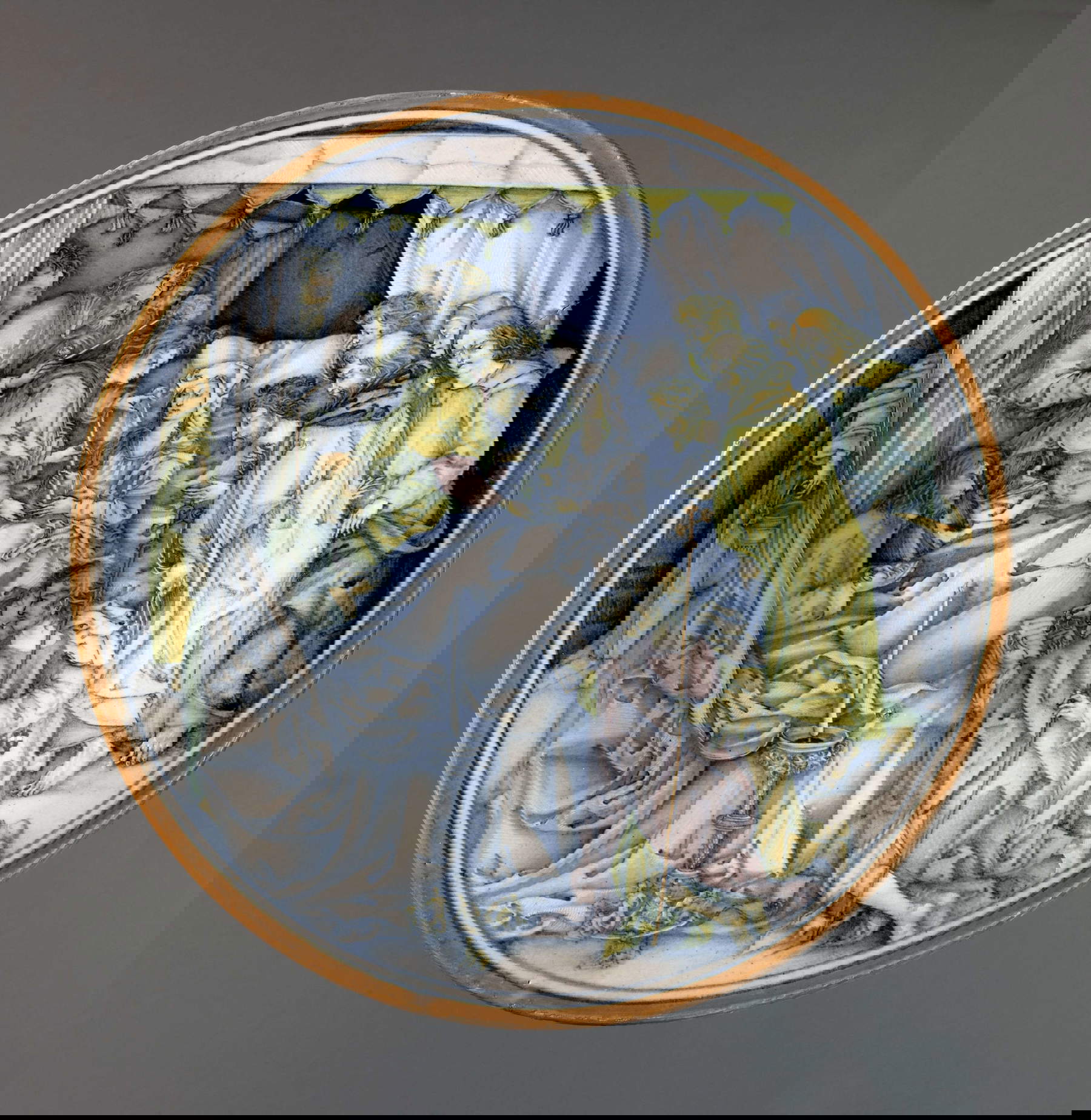
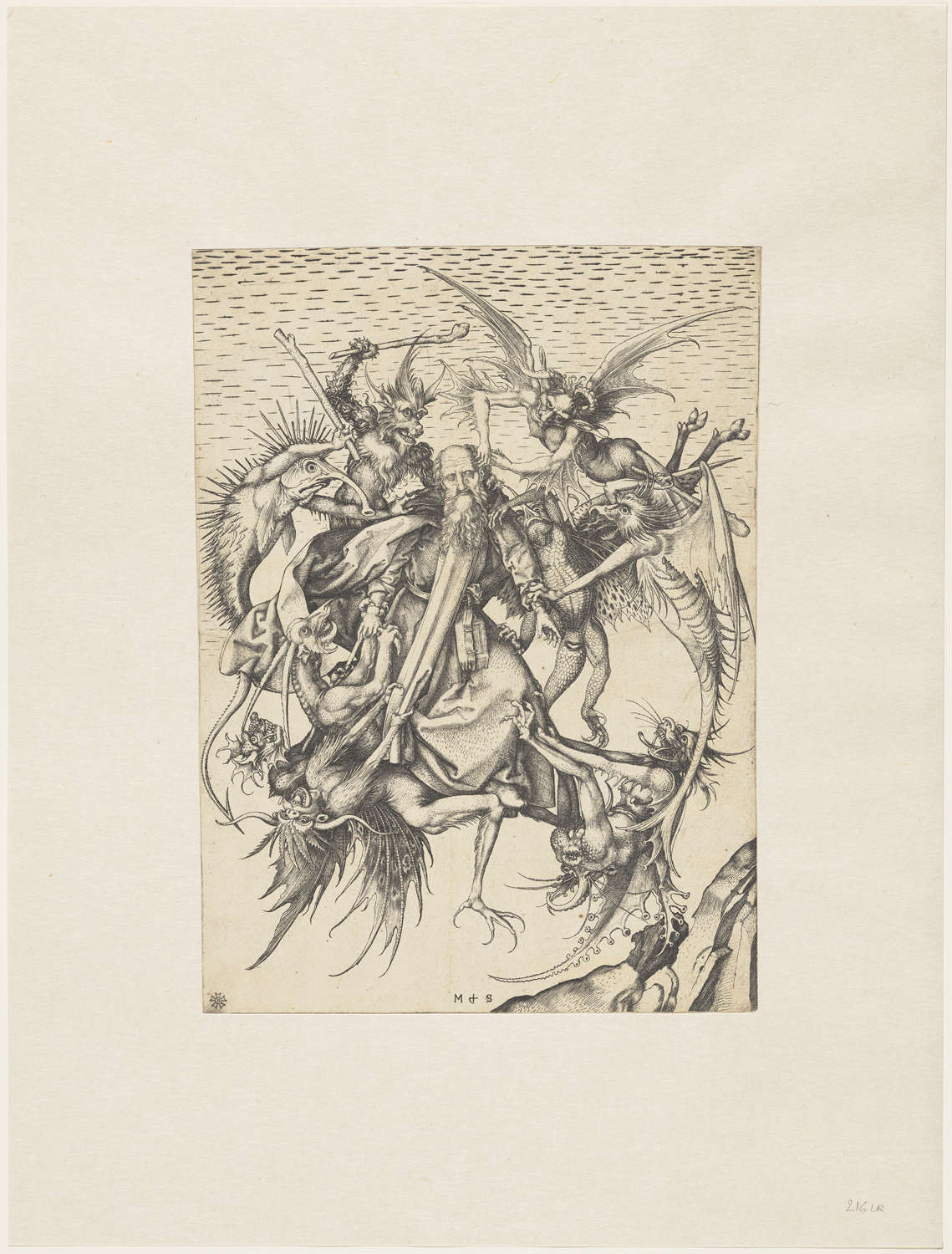
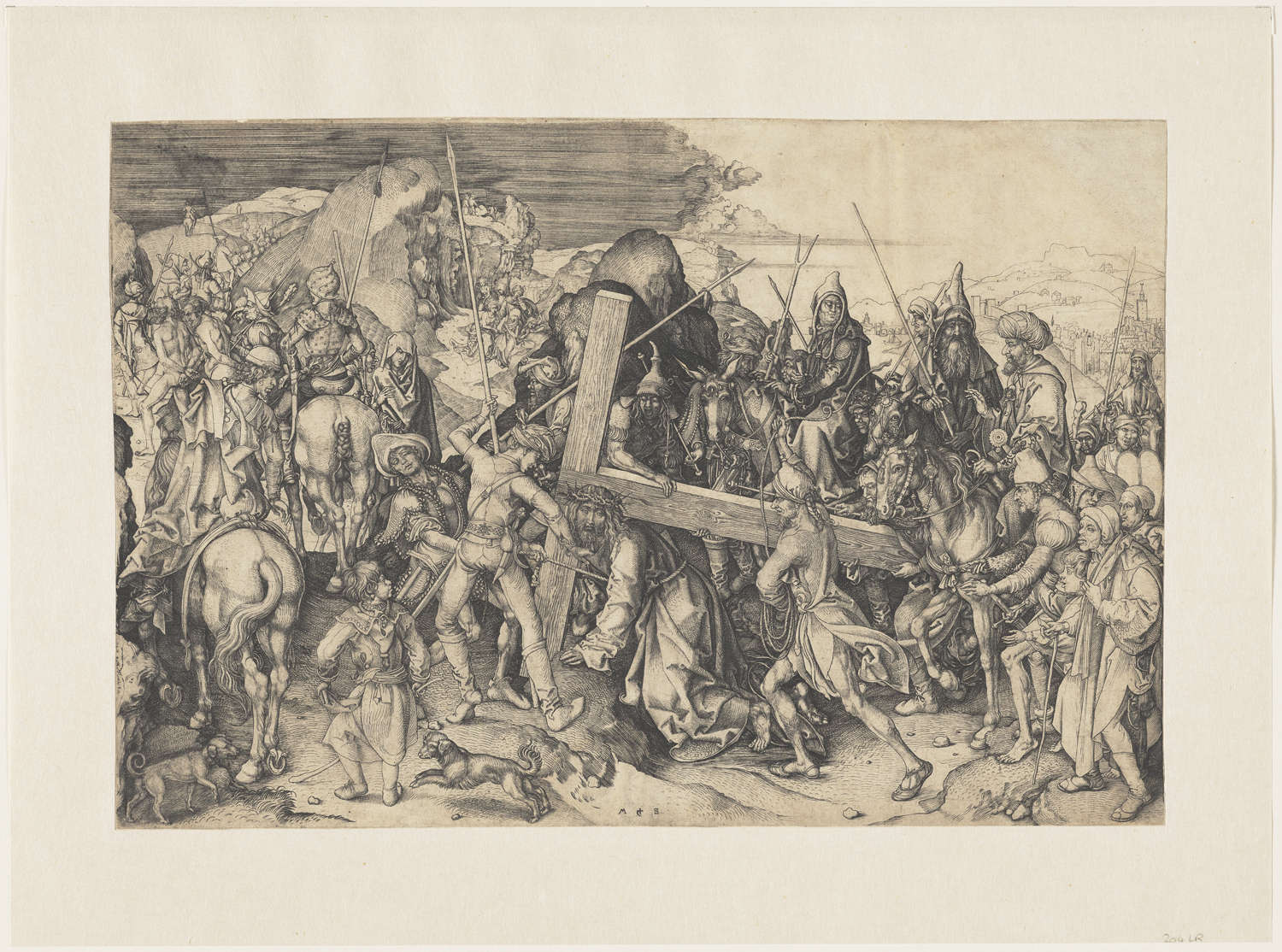
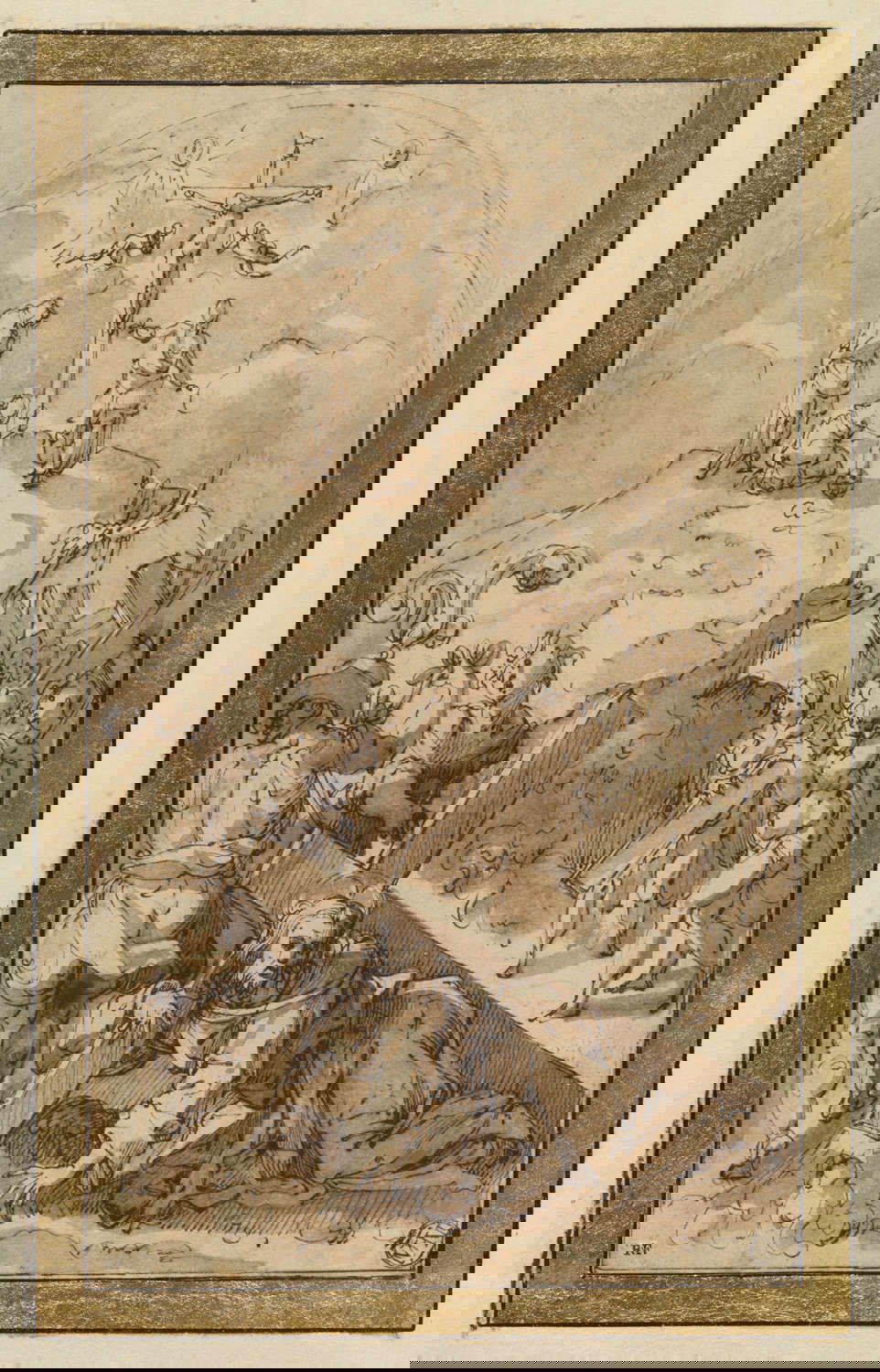
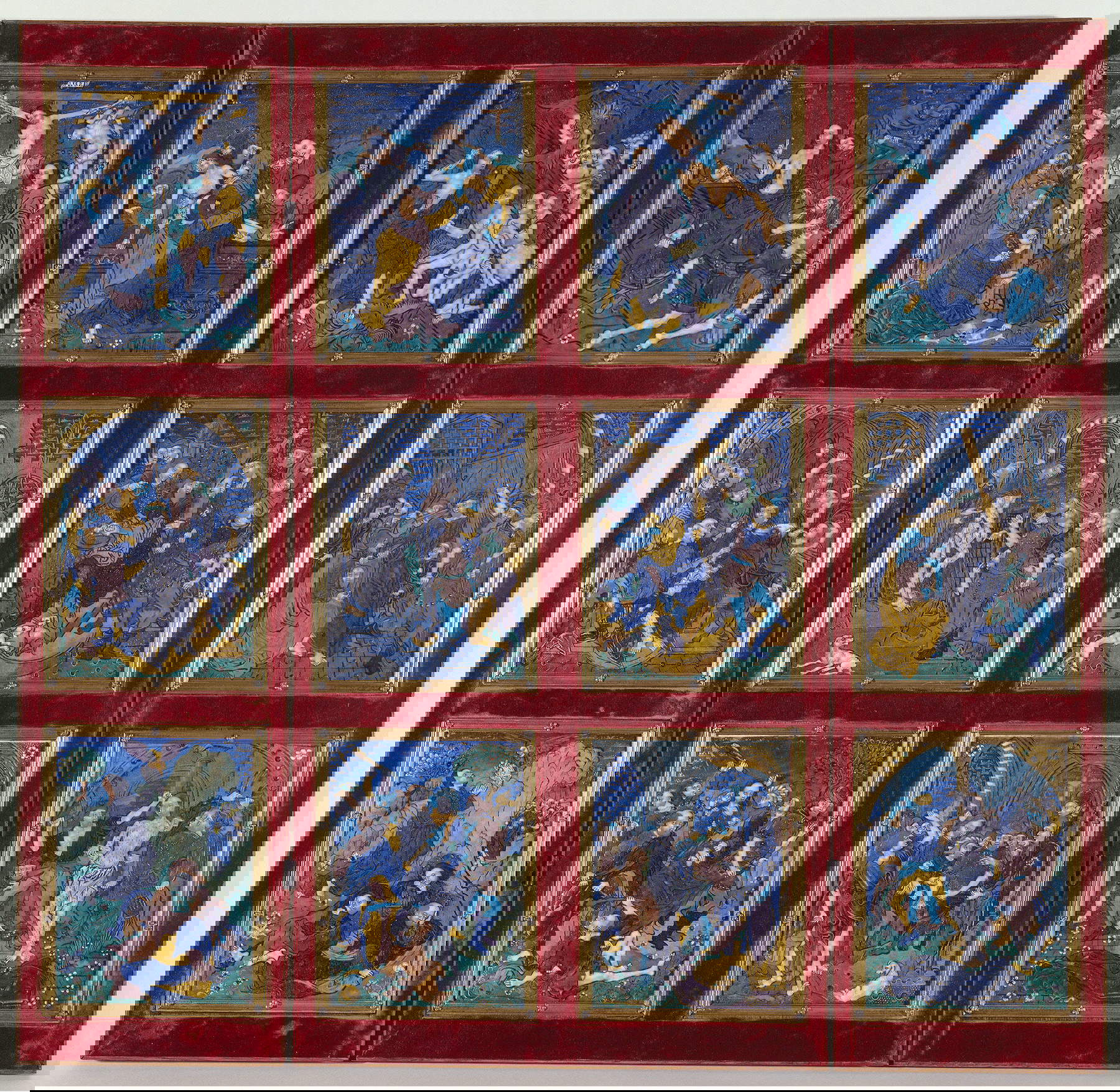
The second part of the exhibition focuses on the artist’s legacy, highlighting the spread and influence of his engravings in the European landscape between the late 15th and 17th centuries. After his death, in fact, Schongauer’s works continued to exert a strong attraction on artists from different geographical areas, from Italy to Spain, from France to Bohemia. Drawings, paintings, prints, books and art objects testify to a widespread circulation of his iconographic models, often reinterpreted with greater or lesser freedom.
The selection presented in the exhibition, chosen from more than a thousand works related to his influence, restores the breadth of this phenomenon, highlighting how Schongauer’s visual language helped shape European imagery far beyond the borders of the Holy Roman Empire. A persistence that fully justifies the appellation of “immortal” attributed to him and that today finds new confirmation in this exhibition.
In a historical context in which the art of printing was transforming the way images were disseminated, Schongauer emerged as a central figure, capable of anticipating dynamics that would become fundamental in later centuries. The exhibition thus offers not only an opportunity to rediscover a great master, but also to reflect on the origins of modern visual culture and the role of the image in the construction of artistic experience.
 |
| Martin Schongauer, at the Louvre the exhibition on the master of the late Middle Ages |

Warning: the translation into English of the original Italian article was created using automatic tools. We undertake to review all articles, but we do not guarantee the total absence of inaccuracies in the translation due to the program. You can find the original by clicking on the ITA button. If you find any mistake,please contact us.
















 IT
IT FR
FR DE
DE ES
ES CN
CN