




by Redazione 29/01/2026



Categories: Exhibitions / Disclaimer
From January 31 to May 3, MUST in Vimercate is hosting an exhibition dedicated to Moses Bianchi with forty paintings from public and private collections, in dialogue with Villa Sottocasa and the Musei Civici di Monza.


From January 31 to May 3, MUST - Museum of the Territory of Vimercate (Monza and Brianza) dedicates the main exhibition of the winter and spring cultural season to Mosè Bianchi, a Monza painter active in the second half of the 19th century, with an exhibition project that brings together forty works from public and private collections. The exhibition, entitled Mosè Bianchi - the Nineteenth Century in Color, is set in the context of Villa Sottocasa, home of the museum, and offers an itinerary aimed at restoring the complexity of the artist’s research. The core of the exhibition, curated by Simona Bartolena, starts with two paintings belonging to the collection of the Vimercate museum, depicting the Sottocasa-Ponti couple, owners of the villa and central figures in the city’s cultural life of the time. The works constitute the starting point of an itinerary that unfolds through selected loans, allowing visitors to traverse the main areas of Bianchi’s production, from urban views to genre scenes and portraiture.
“With Moses Bianchi,” says Councillor for City Promotion Elena Lah, “the enhancement of MUST’s permanent collection - begun with Usellini - continues, dedicating an in-depth study to important works already present, making them more deeply protagonists of the narrative. Thanks to the museum’s guest works, it is possible to have a broader view of how Moses Bianchi narrated the 19th century, stopping colorful instants of it as in a photograph made with brushes.”


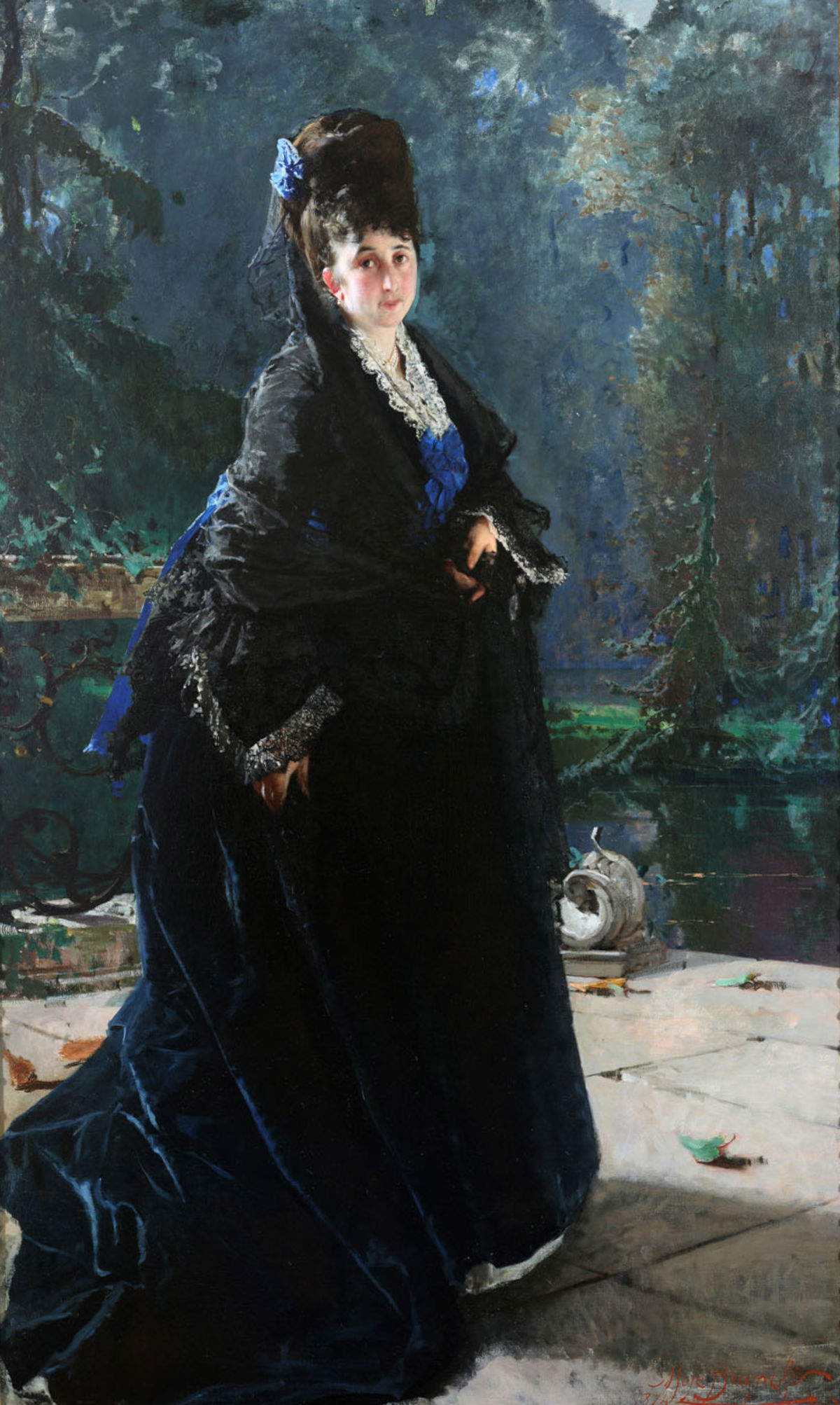
“The presence of seven works from the civic collections of the Municipality of Monza within the exhibition dedicated to Moses Bianchi at MUST,” states the Councillor for Culture of the City of Monza Arianna Bettin, “represents an unforeseen demonstration of cultural and institutional collaboration between entities, for which we are very grateful to the Municipal Administration of Vimercate. Alongside the artistic value of the initiative, it is important to emphasize the value of prolific cooperation between public bodies and museum institutions in Brianza. The shared construction of quality cultural projects is one of the most effective tools to strengthen the territorial museum system, enhance public collections and promote a vision of culture as a collective heritage. The dialogue between Monza and Vimercate is part of a virtuous perspective of cooperation that crosses administrative boundaries and focuses on culture, research and dissemination.”
The exhibition aims to place the work of Moses Bianchi within the panorama of theItalian 19th century, highlighting his thematic choices and the variety of pictorial languages. The installation curated by Ponte 43, Spazio Aperto soc.coop,dialogues with the spaces of Villa Sottocasa, a neoclassical building surrounded by a historic garden, which from a private residence of a family attentive to culture is now confirmed as a place dedicated to artistic fruition. An additional element of the project is the collaboration agreement between MUST in Vimercate and the Civic Museums of Monza, institutions that preserve a significant number of works by the Monza painter. Thanks to this synergy, visitors to the exhibition can access the Monza collections with a special reduced ticket, thus extending the exhibition experience beyond the Vimercate venue. As is the case with the main events in the MUST program, this exhibition is also accompanied by a calendar of collateral initiatives. There are guided tours, workshops dedicated to children and young girls and a lecture by the curator, hosted at the conference room of the Civic Museums of Monza. The exhibition will remain open to the public until Sunday, May 3, offering an opportunity to learn more about the figure of Moses Bianchi and the artistic context of 19th-century Lombardy.
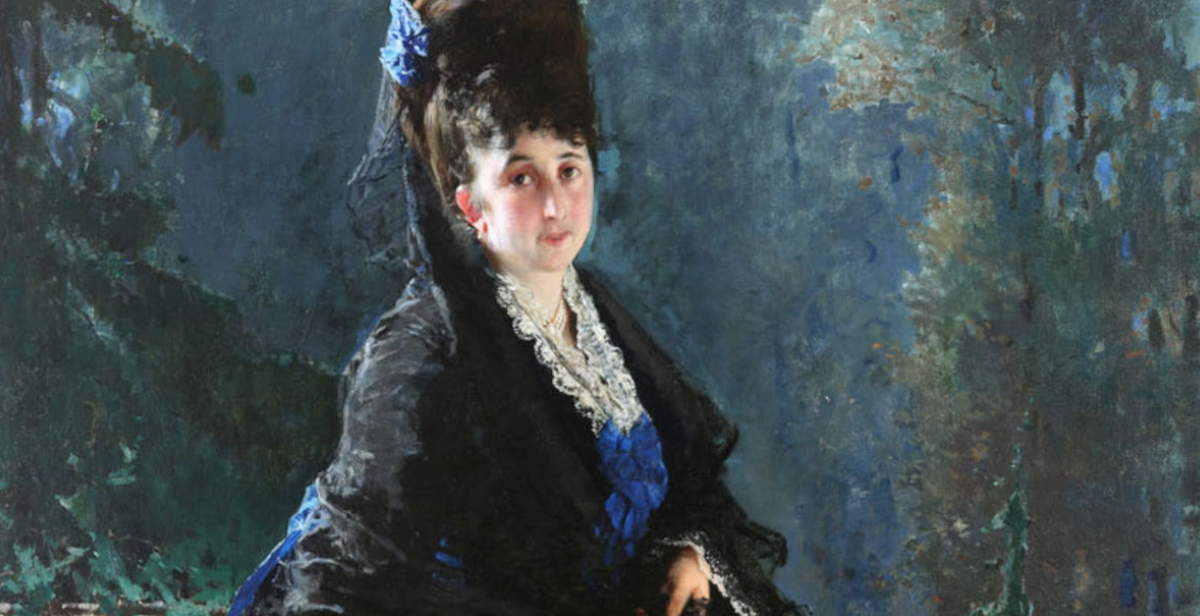 |
| Moses Bianchi at MUST: 40 works tell the story of the 19th century between Monza and Vimercate |
Warning: the translation into English of the original Italian article was created using automatic tools. We undertake to review all articles, but we do not guarantee the total absence of inaccuracies in the translation due to the program. You can find the original by clicking on the ITA button. If you find any mistake,please contact us.