



by Redazione 15/07/2026



Categories: Exhibitions / Disclaimer
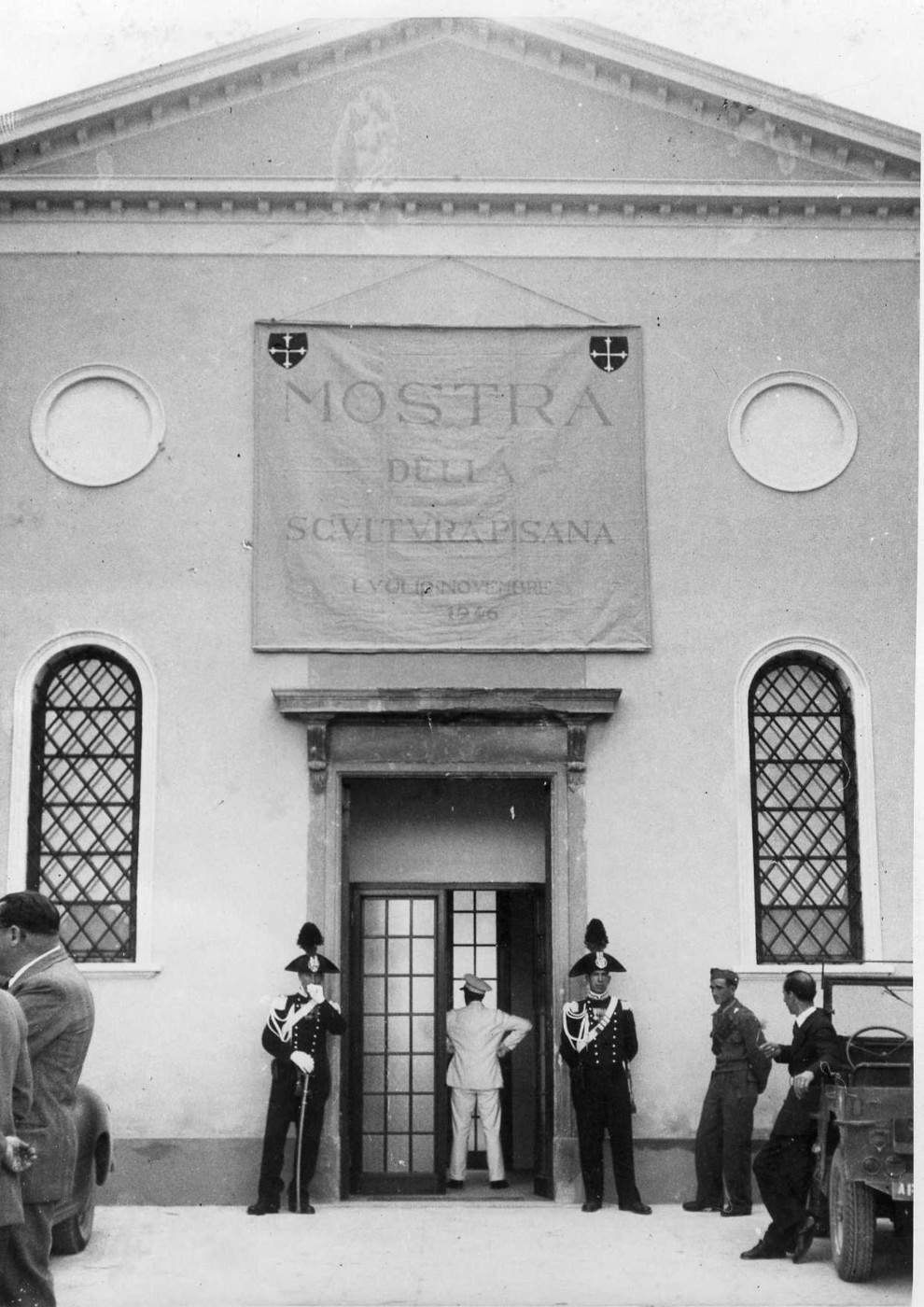
Starting in October, the San Matteo National Museum in Pisa will celebrate the 80th anniversary of the historic 1946 exhibition with a photography exhibition, previously unseen materials, and a series of events.

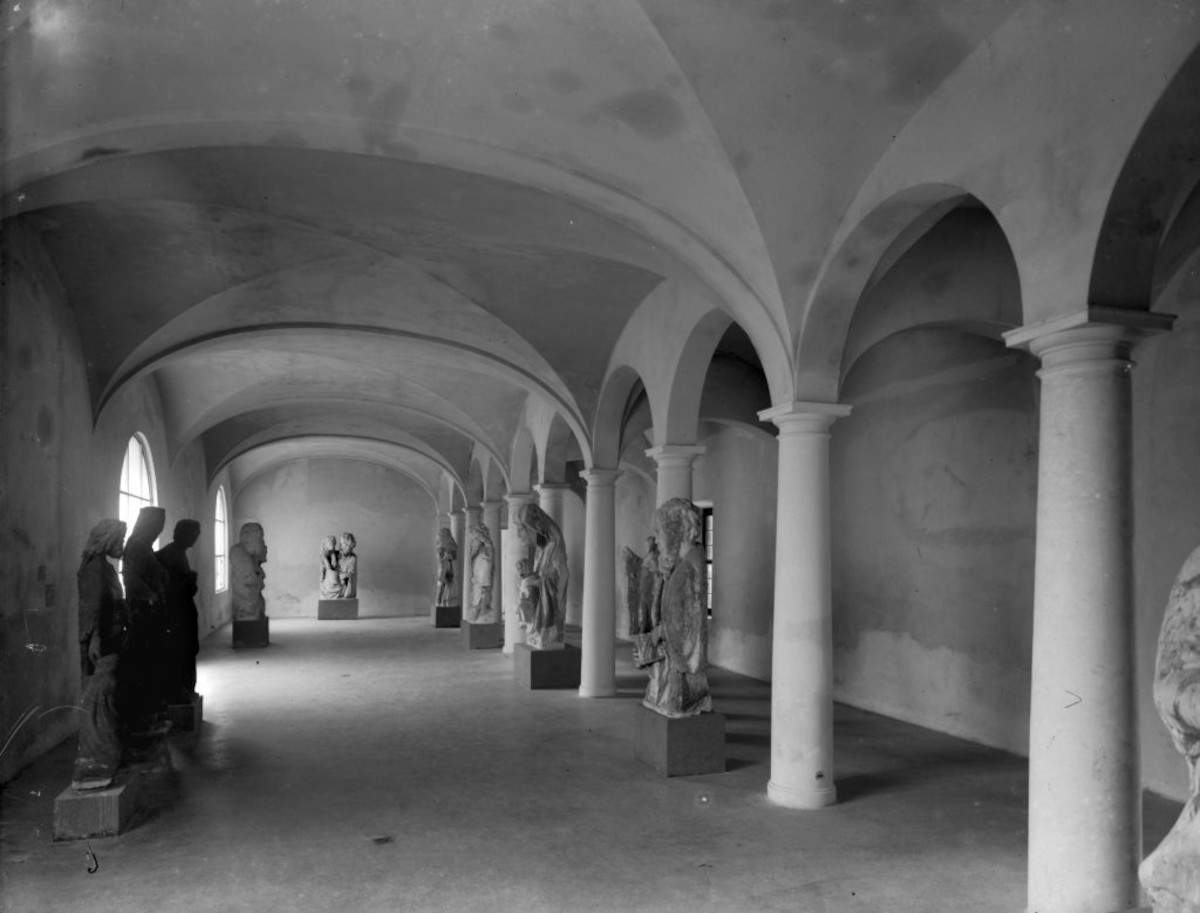
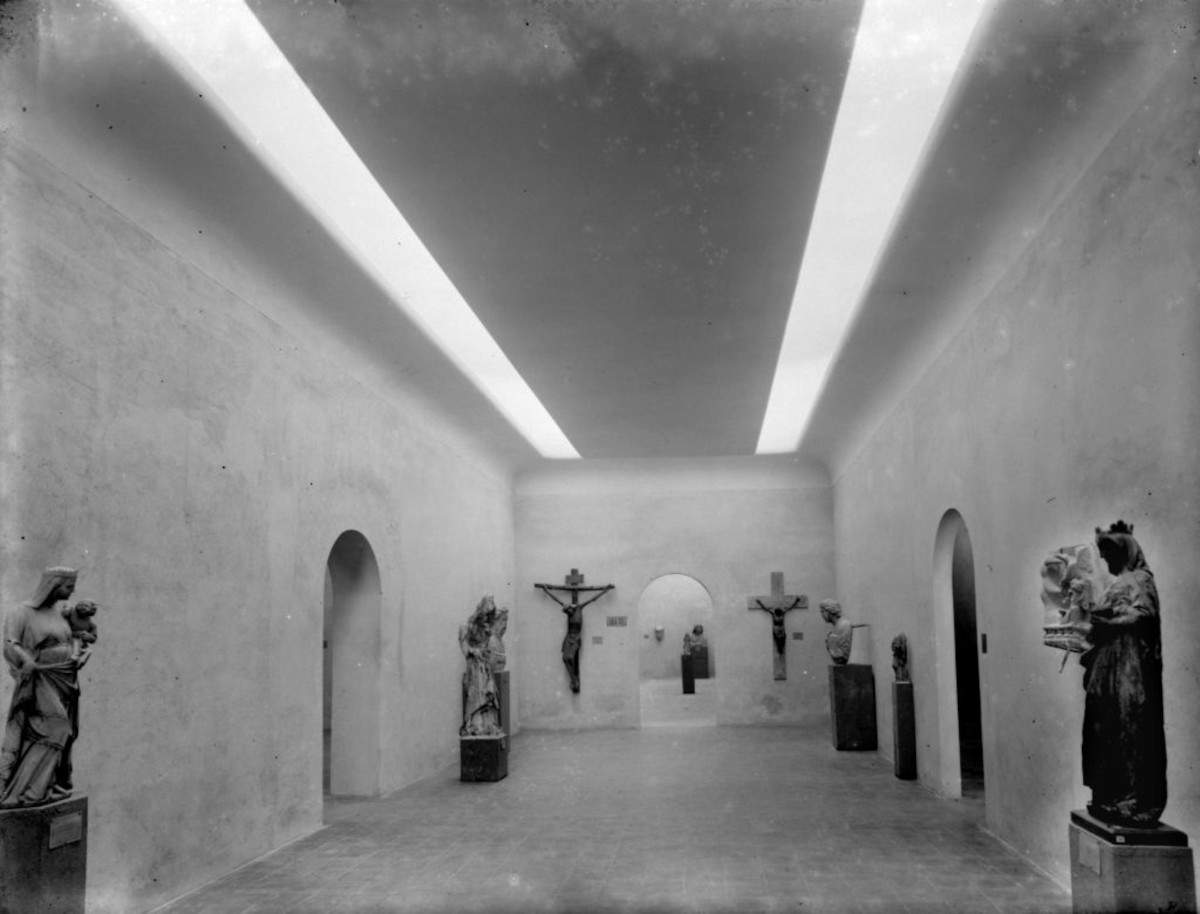
In 1946, when Pisa still bore the deep scars of World War II—with destroyed neighborhoods, collapsed bridges, and an artistic heritage that had been severely tested—a group of intellectuals launched a project destined to become a symbol of the city’s rebirth. Thus was born the Exhibition of 14th-Century Pisan Sculpture, a show that brought together works that had been removed from their original locations and placed in safe storage during the war to protect them from bombing. The exhibition was housedin the former convent of San Matteo, a building that until then had been used as a prison for political prisoners. Thanks to that exhibition, the complex began a new life, transforming in 1949 into the current National Museum of San Matteo.

The 1946 exhibition was considered one of the most significant cultural events in newly liberated Europe. In addition to serving as a model for numerous similar initiatives organized in subsequent years, it contributed decisively to the rediscovery of Italian medieval sculpture and to the recognition of the leading role played by Pisan artists in this field. Its significance extended far beyond the artistic realm. In fact, the exhibition opened at the very same time that Alcide De Gasperi was forming the first government of the Italian Republic, thus also taking on strong civic and symbolic significance.


To commemorate that exhibition, starting in October, the National Museum of San Matteo will host a photography exhibition made possible thanks to the support of the Pisa Foundation and in collaboration with the City of Pisa. The exhibition will feature previously unpublished images and documents dedicated to the 1946 exhibition and the process of transforming the former prison into the future museum. Accompanying this photographic journey will be an audio-visual narrative produced by Acquario della Memoria, designed to help visitors relive the atmosphere of those days through testimonies, images, and narration. The initiative will be complemented by lectures, discussions, and in-depth activities that will explore the various dimensions of that historic undertaking, highlighting its artistic, cultural, and civic value—a milestone that continues to represent a pivotal moment in Pisa’s history to this day.


“Eighty years after those days, we wish to bring to the public’s attention an emblematic chapter in Italian cultural history, one that serves as an authentic model of civic cohesion, rebirth, and heritage preservation. An experience that played a decisive role in establishing Pisa on the international art scene and that we can consider an extraordinary foreshadowing of the principles enshrined in Article 9 of the Constitution, which took effect on January 1, 1948,” states Massimo Dadà, director of the National Museums of Pisa. “Through a comprehensive program of initiatives, which will begin after the summer, we intend to restore to this story the visibility and value it deserves, involving the public, the scientific community, and, in particular, the citizens of Pisa. The goal is to transform this memory into a truly shared heritage, capable of fostering collective reflection on the value of culture, its preservation, and the role it can play during the most difficult moments in history.”
“The exhibition of 14th-Century Pisan Sculpture, which in 1946 showcased works saved from the threat of destruction in what would later become the Museum of San Matteo, represented a sign of rebirth for Pisa as it sought a fresh start after the war years. That event still carries, even today, the message that art can become a driving force for reconstruction and also a vehicle for confidence in the future. It is in this context that the Pisa Foundation is supporting the project being presented today by the National Museums of Pisa, aimed at reviving the memory of that event and sharing it with the city through a series of initiatives that will take shape in the coming months,” stated Stefano Del Corso, President of the Pisa Foundation.
“The City Council,” added the Deputy Mayor of Pisa in charge of culture, Filippo Bedini, “recently approved a motion dedicated to promoting the 1946 Exhibition of 14th-Century Pisan Sculpture, recognizing its fundamental role in the rebirth of Pisa and Italy in the post-World War II era. The initiative by the National Museums of Pisa is fully in line with the motion and represents an important opportunity to restore to the city an extraordinary chapter of its cultural and civic history. Already on the occasion of the 60th anniversary, with the publication of the book *L’arte delle rovine* (The Art of Ruins), edited by Emilio Tolaini, the historical and cultural value of that experience had been reconstructed. Today, eighty years later, we are taking a further step, transforming that memory into a living and accessible heritage. The 1946 exhibition demonstrated that culture can be the primary driving force behind reconstruction. It is a message of extraordinary relevance today, one that continues to point the way forward for Pisa as well.”
|
| The San Matteo Museum commemorates the historic 1946 exhibition that marked the rebirth of Pisa |
Warning: the translation into English of the original Italian article was created using automatic tools. We undertake to review all articles, but we do not guarantee the total absence of inaccuracies in the translation due to the program. You can find the original by clicking on the ITA button. If you find any mistake,please contact us.