





The connection between humanity and the sky is one of the deepest and most enduring themes in cultural history. Since the earliest times, the firmament has served as a map not only for physical orientation but also for the creation of myths, rituals, and systems of meaning capable of regulating time and social customs. This indissoluble intertwining of scientific observation and creative impulse is at the heart of *Under the Starry Sky*. A constellation of art, science, and culture, this widespread exhibition project—running from July 18 to October 18, 2026—transforms the Aosta Valley into a laboratory for contemporary reflection. Curated by Fortunato D’Amico, the exhibition, spanning multiple venues, does not merely celebrate the beauty of the stars but radically questions the changes brought about by new technologies,artificial intelligence, and the growing human impact on space, inviting the public to rediscover the many facets of a cosmos increasingly mediated by sensors and mathematical models.
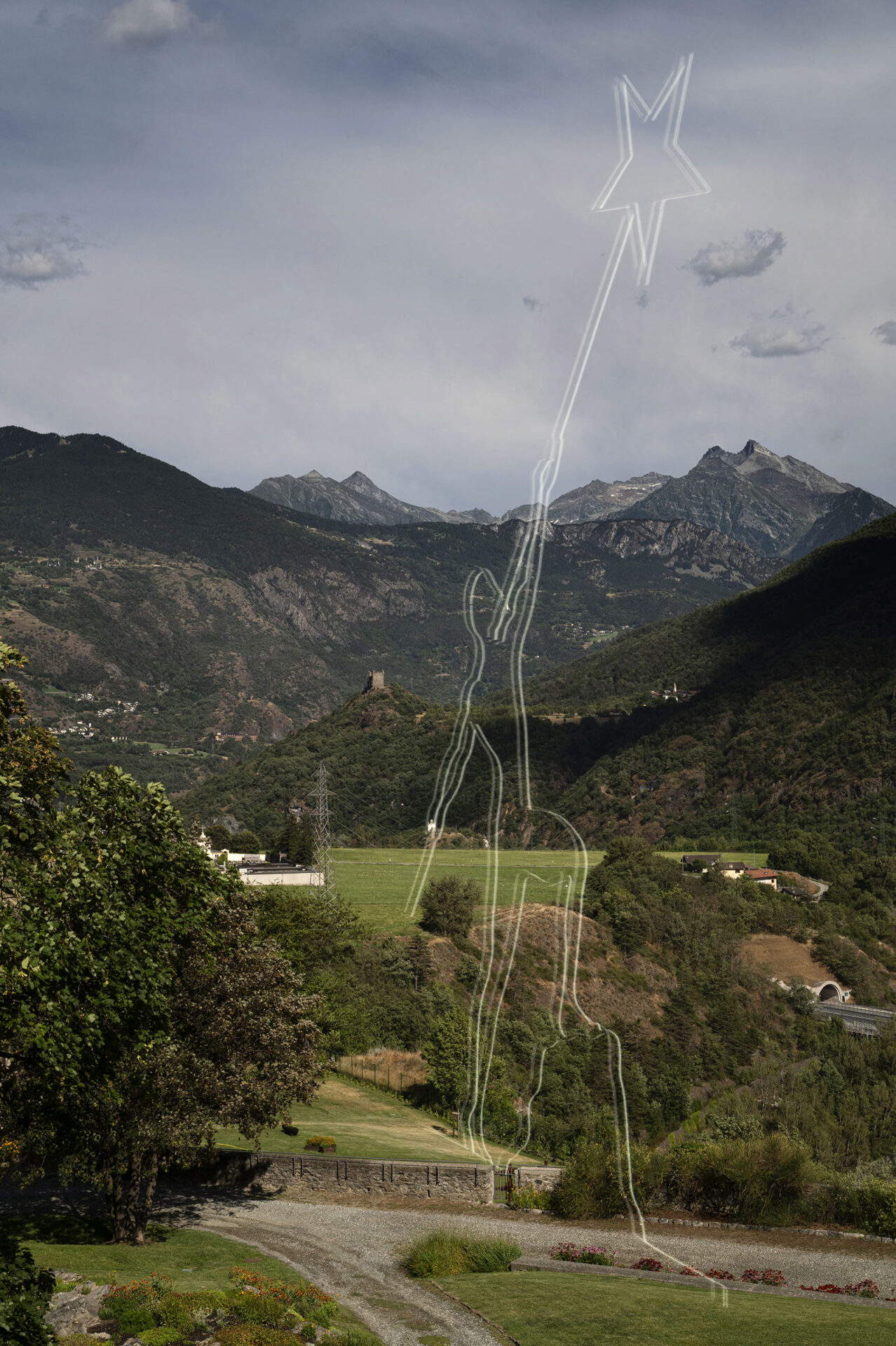
The central hub of this exhibition network is located in Châtillon, where Gamba Castle hosts the “Orbiting Station” section . Expressive Trajectories of the Contemporary. Here, the guiding principle is Massimo Uberti’s permanent installation titled *Orbita*, an elliptical ring of light that, since 2022, has encircled the top of the structure, establishing it as a prime venue for artistic exploration. In this context, the museum appears as a body suspended in time, a sort of ideal spaceship that accompanies visitors on a journey through a sky that has evolved from being the abode of the gods to becoming a realm of interstellar exploration. Inside the galleries, Angelo Bonello ’s light sculpture reinterprets the myth of Orion, transforming the legendary hunter into a star fisherman who casts his rod toward infinity, symbolizing humanity’s eternal desire to tame that which transcends the earthly realm.
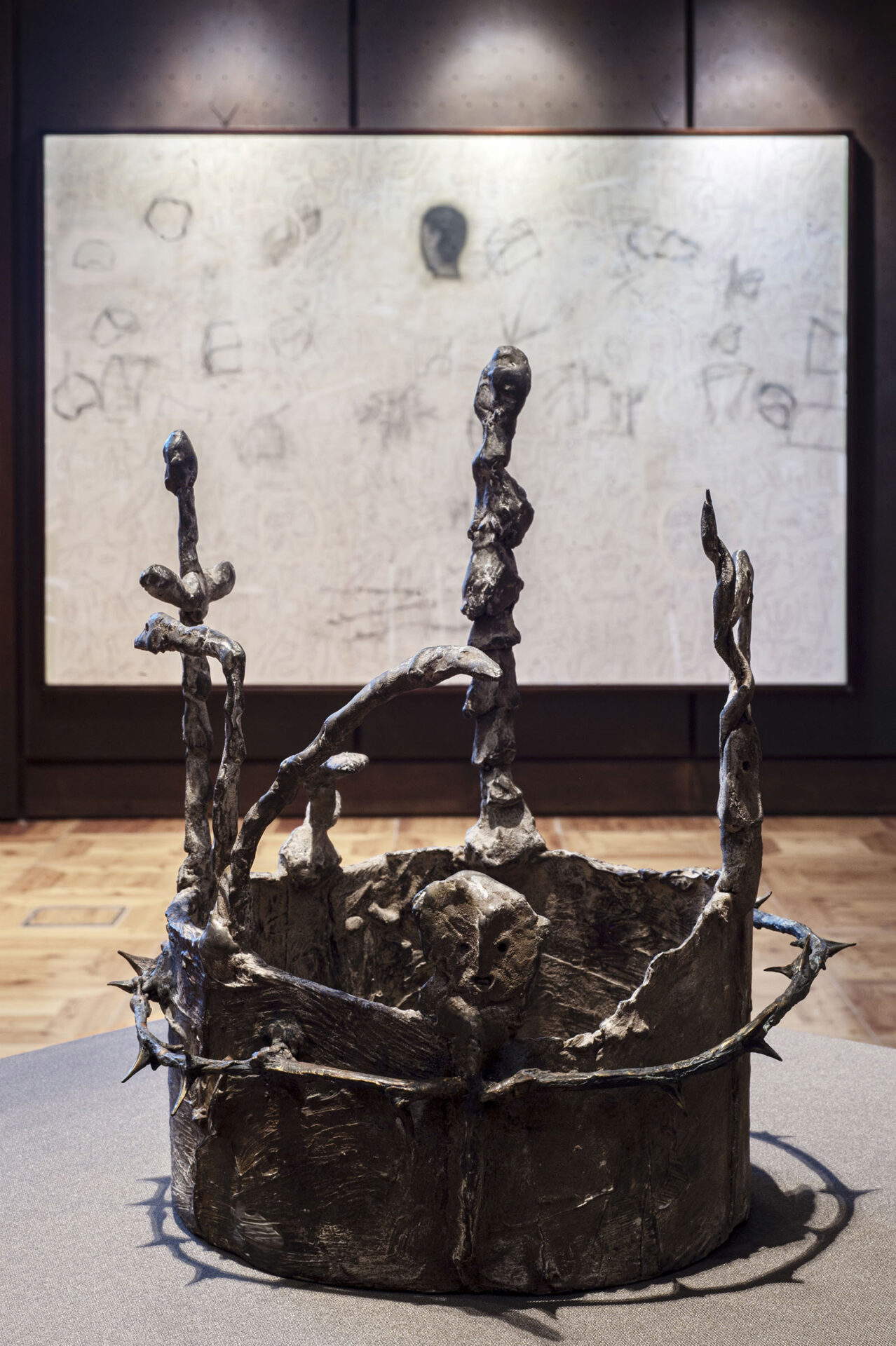
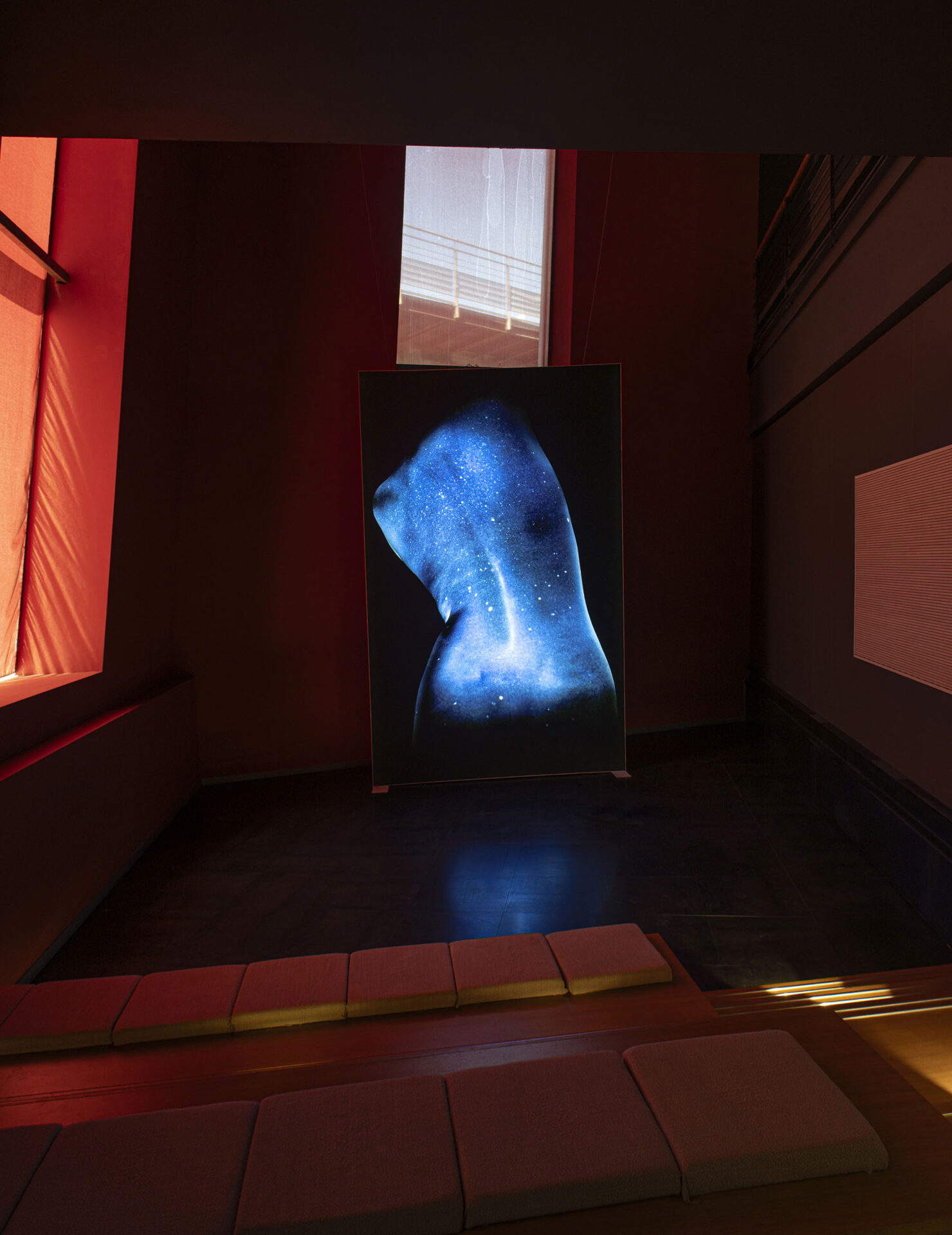
The dialogue between artistic languages continues in the juxtaposition of Mimmo Paladino and Franco Perrotti. While Paladino entrusts the narration of mythological skies to archaic memory, symbols, and the signs of poetic writing, Perrotti introduces a note of unsettling relevance with his ceramic works. His pigeons and doves take on technological and armed forms, explicitly evoking the drones that today surveil and control borders. In this juxtaposition, flight loses its original innocence as it comes face-to-face with systems of deterrence and urban discipline. In the rooms of the upper gallery, however, Marco Nereo Rotelli and Daniela Pellegrini bring the infinite into the realm of the body and language. Rotelli liberates the word from the two-dimensionality of the page to trace luminous mental paths, while Pellegrini transforms the skin into a celestial map, where moles become coordinates of an intimate and universal belonging to the body of the stars.
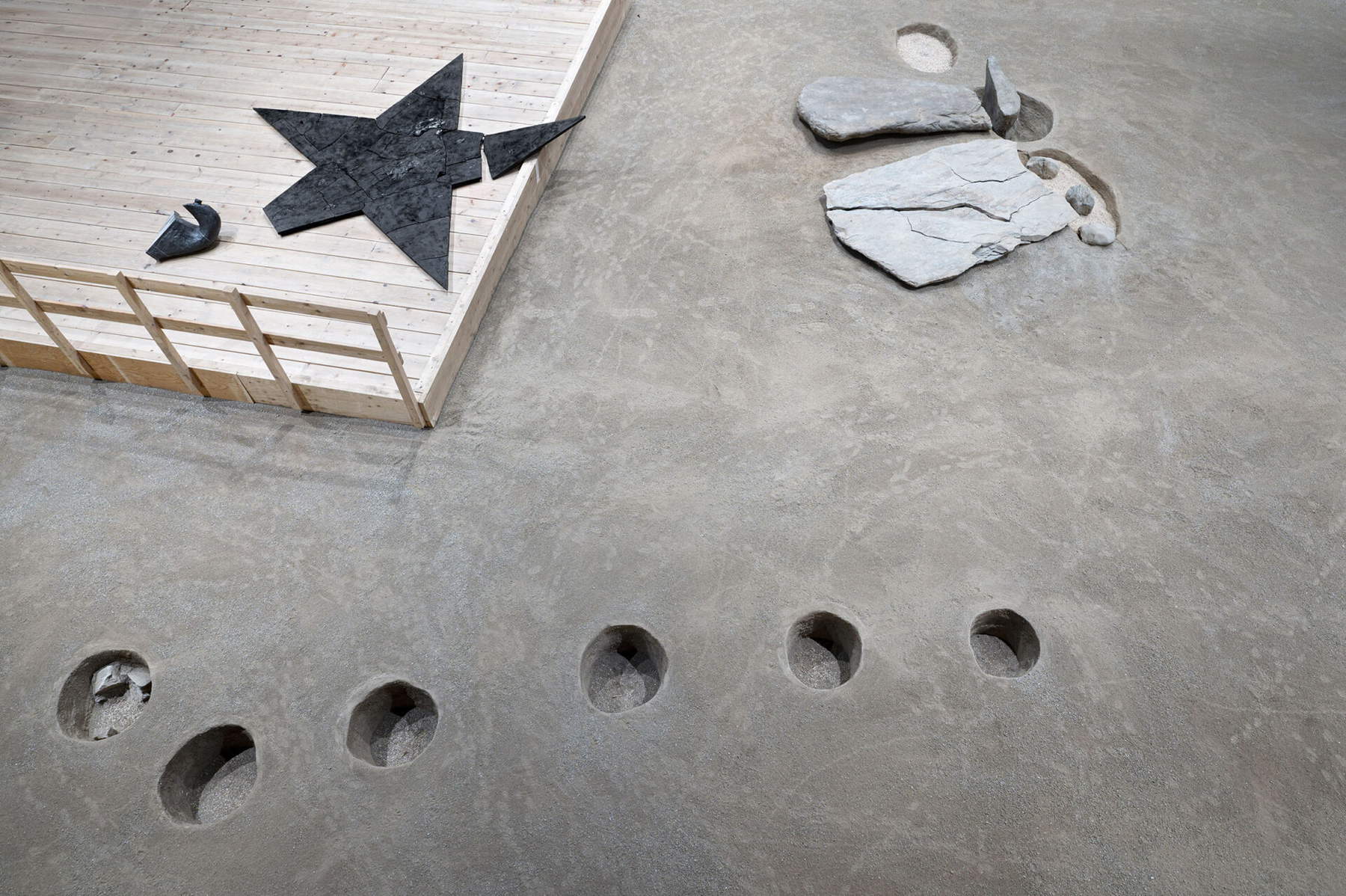
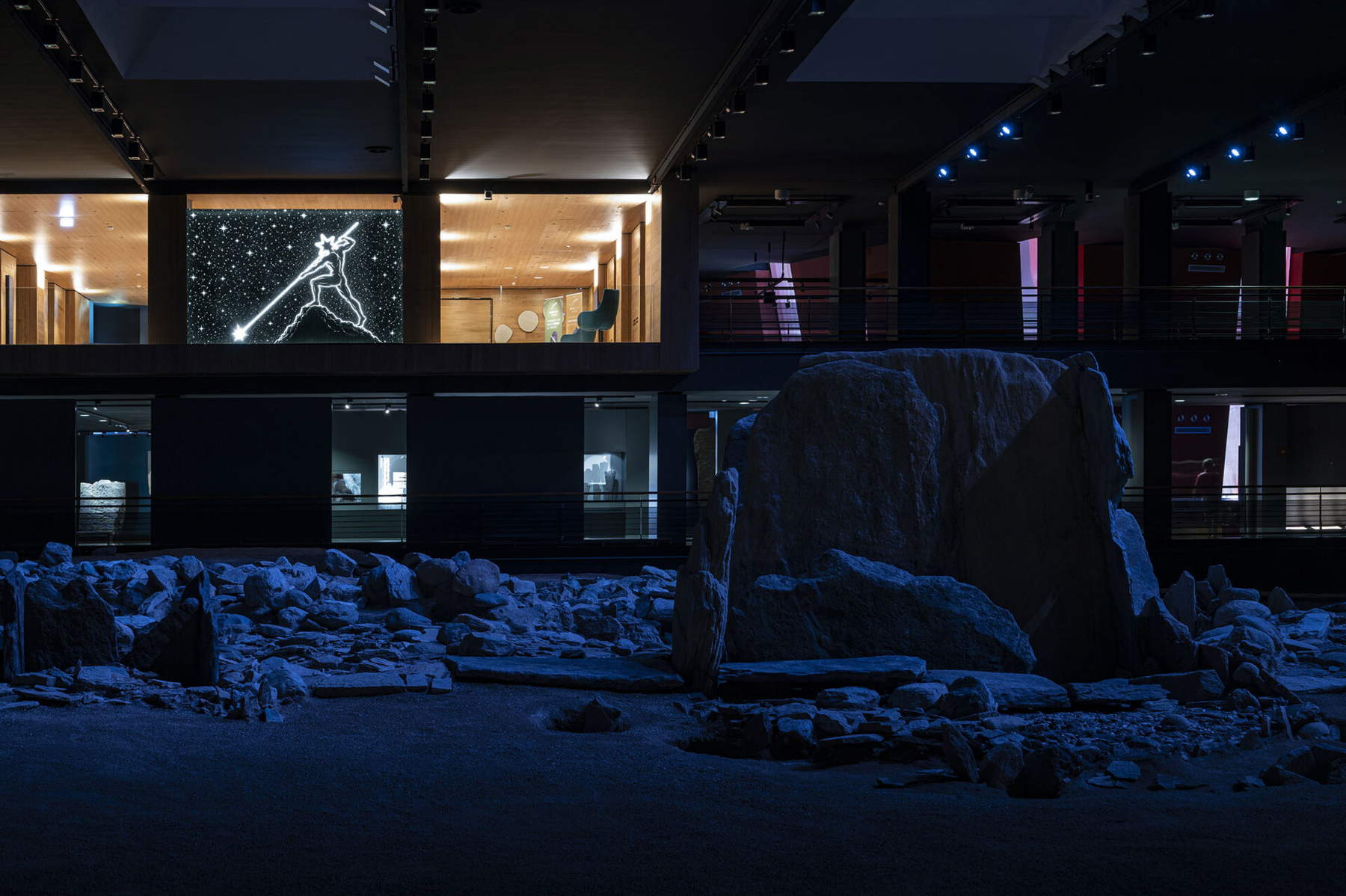
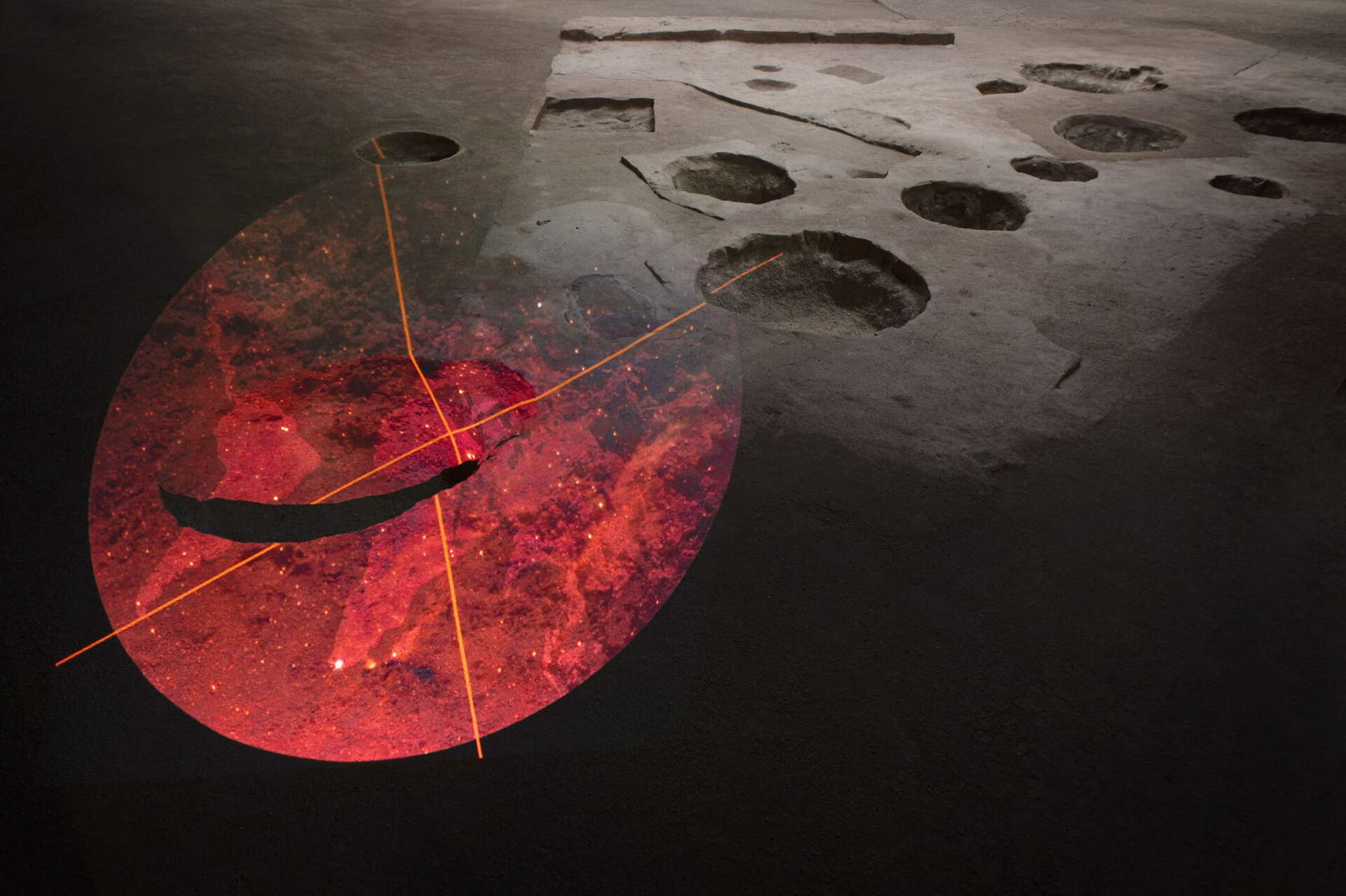
Moving toward Aosta, the project reaches the MegaMuseo in the megalithic site of Saint-Martin-de-Corléans, featuring the section “Archeologies of the Future Sky.” Temporal landscapes between microcosm and macrocosm. At this archaeological site of European significance, history emerges directly from the ground in the form of stone stelae and alignments that bear witness to how prehistoric communities observed the sky to measure seasonal cycles. Contemporary art seeks to reawaken these ancient traces through interventions that challenge the linearity of time. Gilberto Zorio, a historic exponent of Arte Povera, places a monumental black terracotta star—impregnated with phosphorus and alcohol—on the ground: the work shifts as the light changes, evoking a sense of time linked to visual persistence and ritual purification. And Angelo Bonello, in turn, reverses the gesture he performed at Castello Gamba: his mythological figure now points the spear downward, as if seeking to fish out celestial secrets hidden in the excavation site.
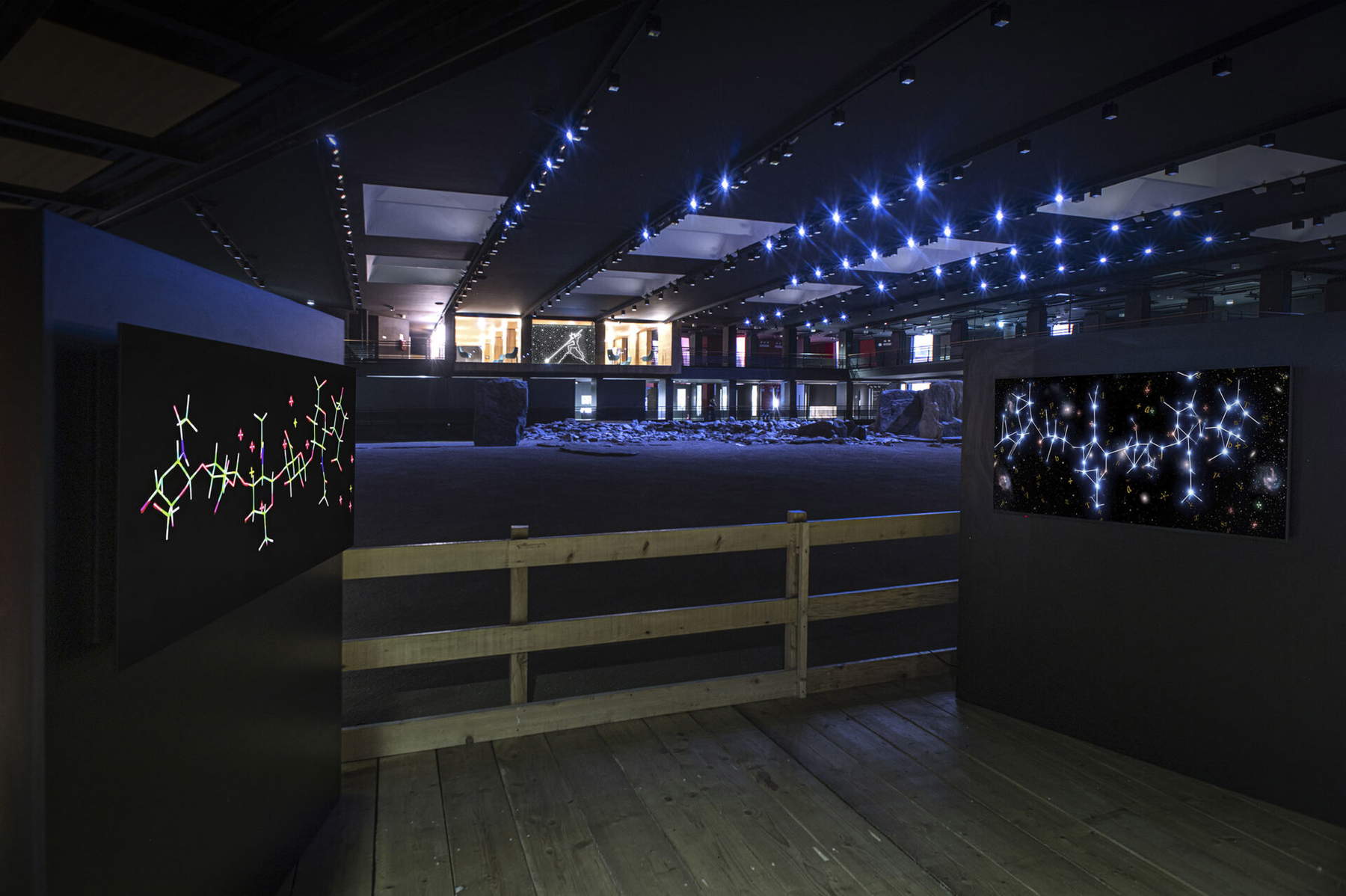
The interplay between the ancient and the modern at the MegaMuseo is enriched by Daniela Pellegrini’s *Cielografie*, which rise here as contemporary totems over four meters tall, and by the works of Giuliana Cunéaz. The artist from the Aosta Valley uses methacrylate and optical fibers to create molecular chains arranged in enigmatic stellar configurations, exploring the concept of chance in reference to Mallarmé’s final verse. Michelangelo Pistoletto also contributes to this station with *Rotazione di corpi* (Rotation of Bodies), an installation that invites the public to alter the arrangement of constellations on Plexiglas panels with a simple touch. This gesture demonstrates how any point in the universe can become central, transferring the dynamics of cosmic change into the realm of individual social responsibility.
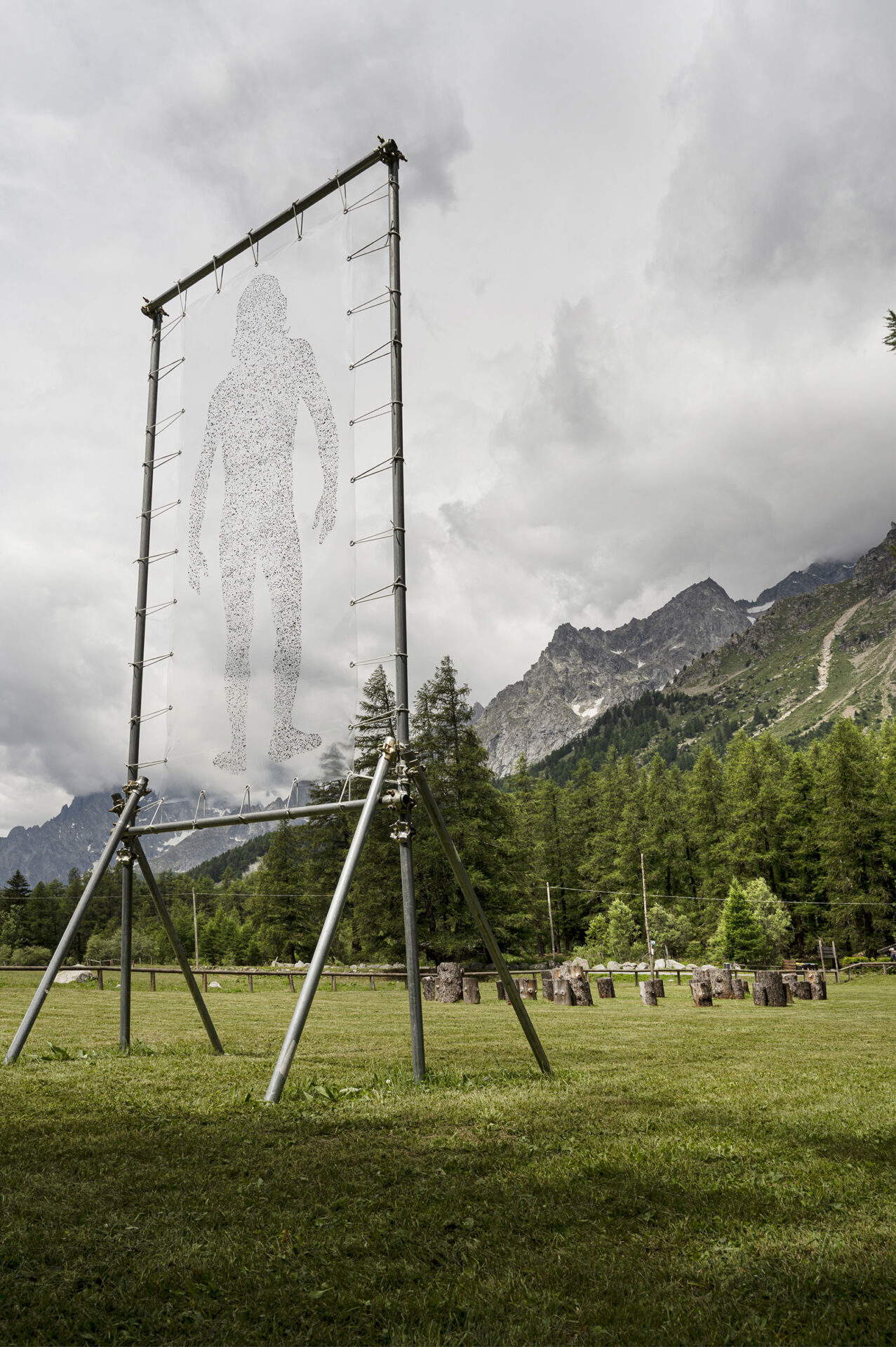
The route then extends to the foot of Mont Blanc, passing through Les Maisons de Judith in Val Ferret. In this Alpine setting, the section “Geographies of the Contemporary Cosmos: Art and Science to Imagine the Future ” focuses on space missions and planetary consciousness. In front of the mountain huts, Michelangelo Pistoletto’s permanent installation *The Third Paradise* , created using logs salvaged after an extreme weather event, serves as a symbol of regeneration. Here, art explores sustainability and the planet’s fate, integrating orbital technological visions with the biological dimension. The SPAC3 project, born from a collaboration between international space agencies and Cittadellarte, combines photographs of Earth taken by astronaut Paolo Nespoli while in orbit with contributions sent in by the planet’s inhabitants. This participatory map reflects on the United Nations’ Sustainable Development Goals, highlighting how space is now a region densely populated by human infrastructure—from satellites to communication systems—that influence our daily lives.
In Courmayeur, the Waldensian Church hosts the section *The Flight of the Dove: From Noah’s Ark to Anthropized Skies*, entirely dedicated to Franco Perrotti’s research. The artist portrays the metamorphosis of the dove—an ancestral symbol of peace—into an entity technically modified to adapt to skies governed by radar, frequencies, and military equipment. A monumental sculpture over four meters tall occupies the churchyard, altering the public perception of urban space and inviting reflection on “preventive peace” in an era of technological conflicts. The interior of the church becomes the place where the spiritual meaning of flight encounters the invisible barriers of the present, highlighting the loss of innocence in an atmosphere once perceived as a free space and now fragmented into regulated corridors and surveillance zones.
The purely scientific and technological dimension of the project finds its culmination atthe Astronomical Observatory of the Autonomous Region ofValle d’Aosta and at the Lignan Planetarium in Saint-Barthélemy. The “Cosmic Vision Technologies” section illustrates how modern astrophysics is now deeply embedded in the Big Data paradigm. Next-generation telescopes produce enormous amounts of data, making the use of artificial intelligence indispensable for classifying galaxies, recognizing supernovae, and identifying gravitational lenses. Here, research extends beyond visible light to interpret the “messengers of the cosmos,” such as neutrinos and gravitational waves—fragments of events from vast distances that allow us to observe the universe from complementary perspectives. The observatory becomes a natural laboratory where the public is invited to step outside enclosed spaces, look up, and engage directly with the reality of the Milky Way, visible to the naked eye in the area’s unspoiled sky.
The scientific perspective is further explored through contributions from figures such as Roberto Battiston, who explores the fundamental physics of astroparticles, and Fabio Grimaldi, who introduces the concept of planetary logistics. Planning missions to the Moon or Mars is no longer just a matter of transportation; it requires the creation of complex, resilient, and autonomous systems capable of operating in extreme and unpredictable environments. This expansion of human presence in space raises crucial questions about ethical responsibility and the need to avoid replicating unsustainable models beyond Earth’s boundaries. Paolo Nespoli, drawing on his extensive experience in orbit, emphasizes how the introduction of artificial intelligence is transforming the role of the astronaut, who is shifting from a mere executor of instructions to a supervisor of intelligent systems, while retaining the exclusive capacity for critical judgment and risk management.
In this context of rapid transformation, theology and philosophy offer a necessary compass. Father Luca Peyron reflects on the crossroads humanity is facing in the age of intelligent machines, invoking the metaphor of Babel as opposed to the vision of harmony that builds protective walls rather than defensive bastions. Artificial intelligence must not replace humans, but rather allow each person to express their own talents, while safeguarding that fragility which is the very condition from which friendship, art, and social organization arise. Authentic desire must guide technology so that it becomes a tool for thinking more, not less, preserving our capacity for wonder in the face of the mystery that continues to unfold above our heads.
Under the Starry Sky thus takes shape as an experiential map that connects ancient stones, artificial orbits, and artistic visions into a single, grand human story. Through dialogue across different disciplines, the project reaffirms that every gaze directed toward distant galaxies inevitably leads to a renewed awareness of Earth. The conquest of outer space brings with it the consequences of the choices made in the present, and the sky—which has always served as a measure of our presence on the planet—remains the most urgent question directed toward the future. The exhibition, with its workshops, talks, and educational programs, is not merely an exhibition event but a collective invitation not to lose our capacity for direct observation and to interpret the cosmos as a complex system to be inhabited with responsibility and wonder. Each stop along this Aosta Valley constellation offers a different lens through which to decipher the world’s apparent disorder, tracing the rules of a higher order that illuminates the workings of the mind and reveals the deepest dimension of the human spirit.
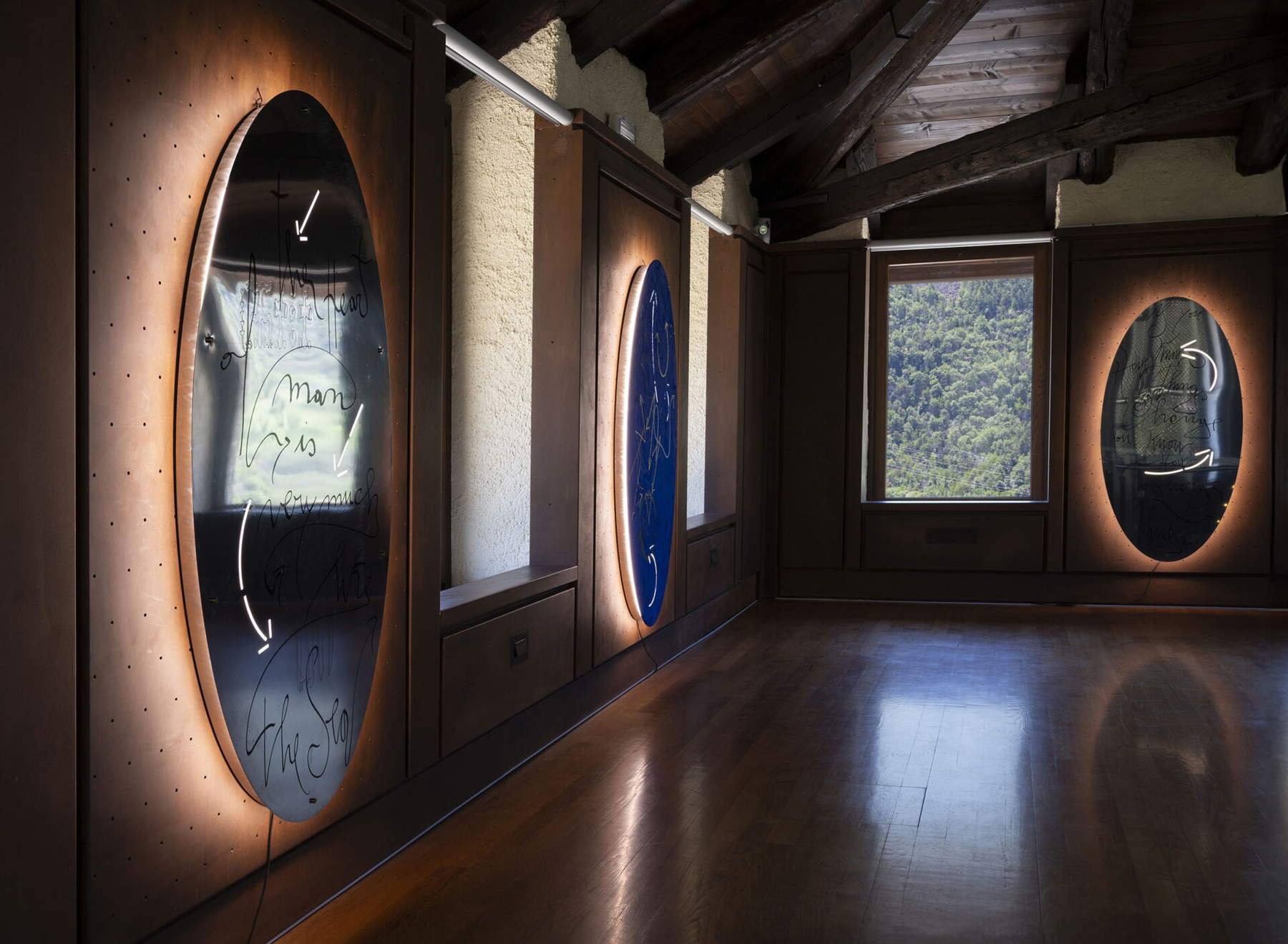
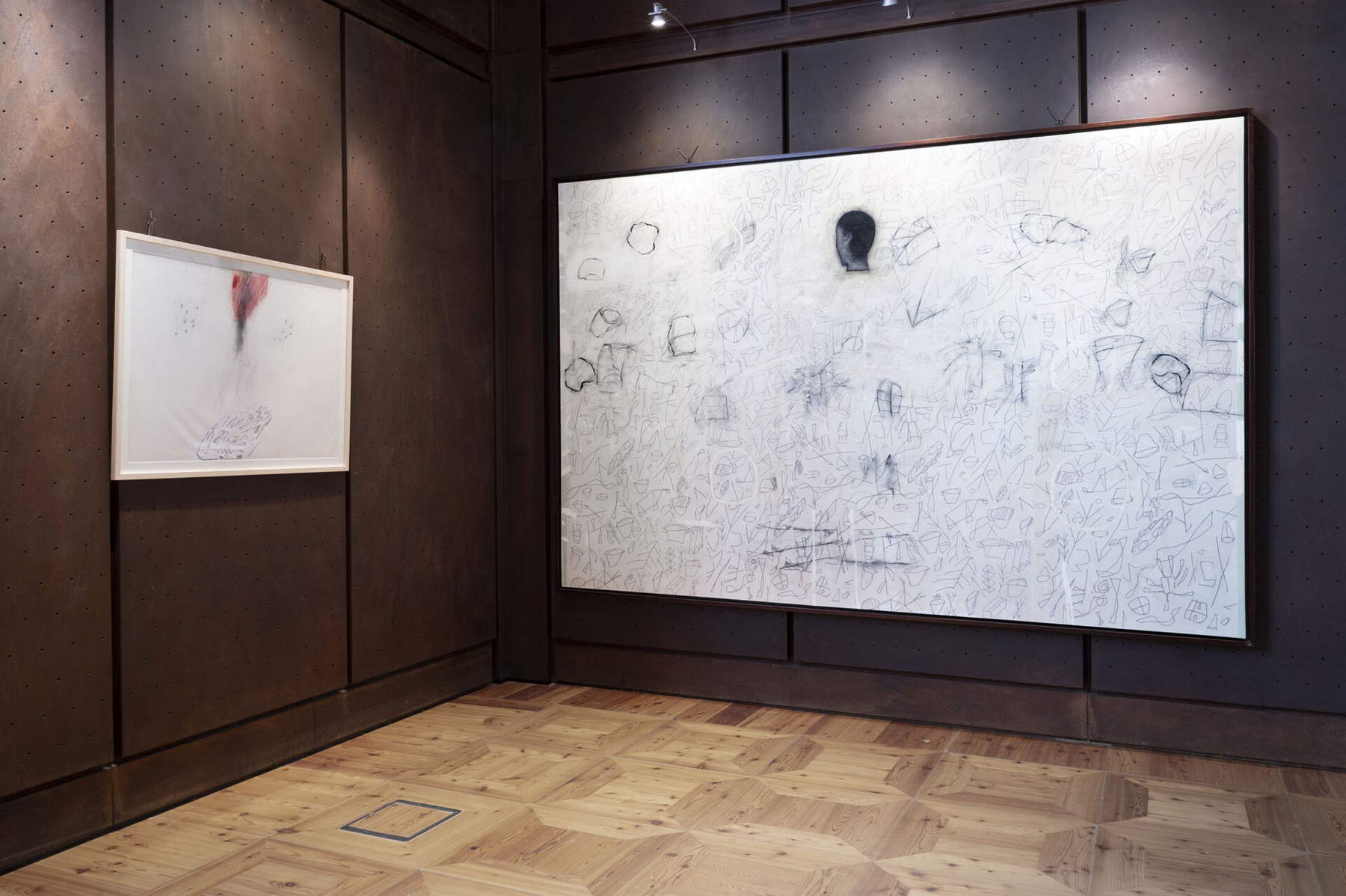
“The sky,” explains curator Fortunato D’Amico, “has been the guardian of human history since the earliest days of navigation and myth. The stars have charted the course for journeys, sowing, rituals, and prayers. For millennia, driven by an unquenchable thirst for understanding, we have lifted our gaze to scrutinize the infinite. We have done so to decipher creation, but also to see ourselves reflected in our human microcosm, as finite fragments of an immense, boundless system. We recognize ourselves as children of the stars, celestial bodies scattered across an immense sea of the universe; the cosmic void holds light and darkness, atoms and infinitely small particles, invisible forces that weave the fabric of the universe. And in all of this, we are here too. In that very same ocean of visible and invisible substances float the DNA molecules from which emerge the archetypes of myths, geometries, mathematics, the harmony of music, and the breath of the sacred scriptures of all religions and personal spiritual paths. Here, science and consciousness share a common root. The stellar realm has inspired the vocations of scientists, philosophers, poets, artists, and saints in their respective quests. Each draws from that immense sea of knowledge to trace the rules of a higher order and make sense of the world’s apparent disorder. The universe illuminates the workings of the mind, sparks creative intuition, and reveals the dimension of the spirit. Today, after millennia of observation, our relationship with the heavens is undergoing a new evolution. Satellites, telescopes, sensors, probes, digital networks, algorithms, and artificial intelligence are expanding and multiplying the horizons of human perception, extending our gaze from galaxies to the infrastructure of daily life. “Under the Starry Sky” was conceived with the aim of recounting, through the arts, sciences, and spirituality, a part of this complex interpretation—the new paradigmatic framework for approaching the phenomena of space.”
The Gamba Castle in Châtillon hosts the main section of the exhibition, which will be open daily from 9 a.m. to 7 p.m. during July and August. Starting in September, the museum will be closed on Mondays. Admission is 6 euros for full price and 4 euros for reduced price. By presenting your ticket from the Châtillon venue, you can receive a discount on admission to the MegaMuseo in Aosta. The project’s second venue is the MegaMuseo—Contemporary Archaeological Museum of Aosta, located at 258 Corso Saint-Martin-de-Corléans. Here, the exhibition will run from July 23 to October 18, 2026. The spaces of the contemporary archaeological museum will host a section of the exhibition dedicated to the relationship between history, innovation, and new forms of heritage interpretation. The MegaMuseo will be open Tuesday through Sunday from 10 a.m. to 7 p.m. Full-price tickets will cost 7 euros, while reduced-price tickets will be 5 euros. Here as well, the ticket will entitle visitors to a discount at the Castello Gamba venue. In Courmayeur, the project expands further with two additional exhibition venues. From July 18 to August 23, 2026, Les Maisons de Judith, in Val Ferret, will host a section of the exhibition set against the backdrop of the Alpine landscape. The venue will be open daily from 2:30 p.m. to 5:30 p.m., though it will be closed in case of rain. From July 25 to September 27, 2026, the Waldensian Church in Courmayeur, located in Piazza Petigax, will also be involved. The opening ceremony will take place on July 23 at 5:00 p.m. in the Sala dipinti dell’Ange. The exhibition will be open every weekend from 10 a.m. to 1 p.m. and from 2 p.m. to 7 p.m. The project is accompanied by a catalog published by Moebius Edizioni, which compiles and explores the initiative’s content and the dialogue between artistic works, scientific research, and new visions of the future.
|
| Under the Starry Sky: Art and Science Engage in a Dialogue About the Future in the Aosta Valley |

Warning: the translation into English of the original Italian article was created using automatic tools. We undertake to review all articles, but we do not guarantee the total absence of inaccuracies in the translation due to the program. You can find the original by clicking on the ITA button. If you find any mistake,please contact us.



















 IT
IT FR
FR DE
DE ES
ES CN
CN


