





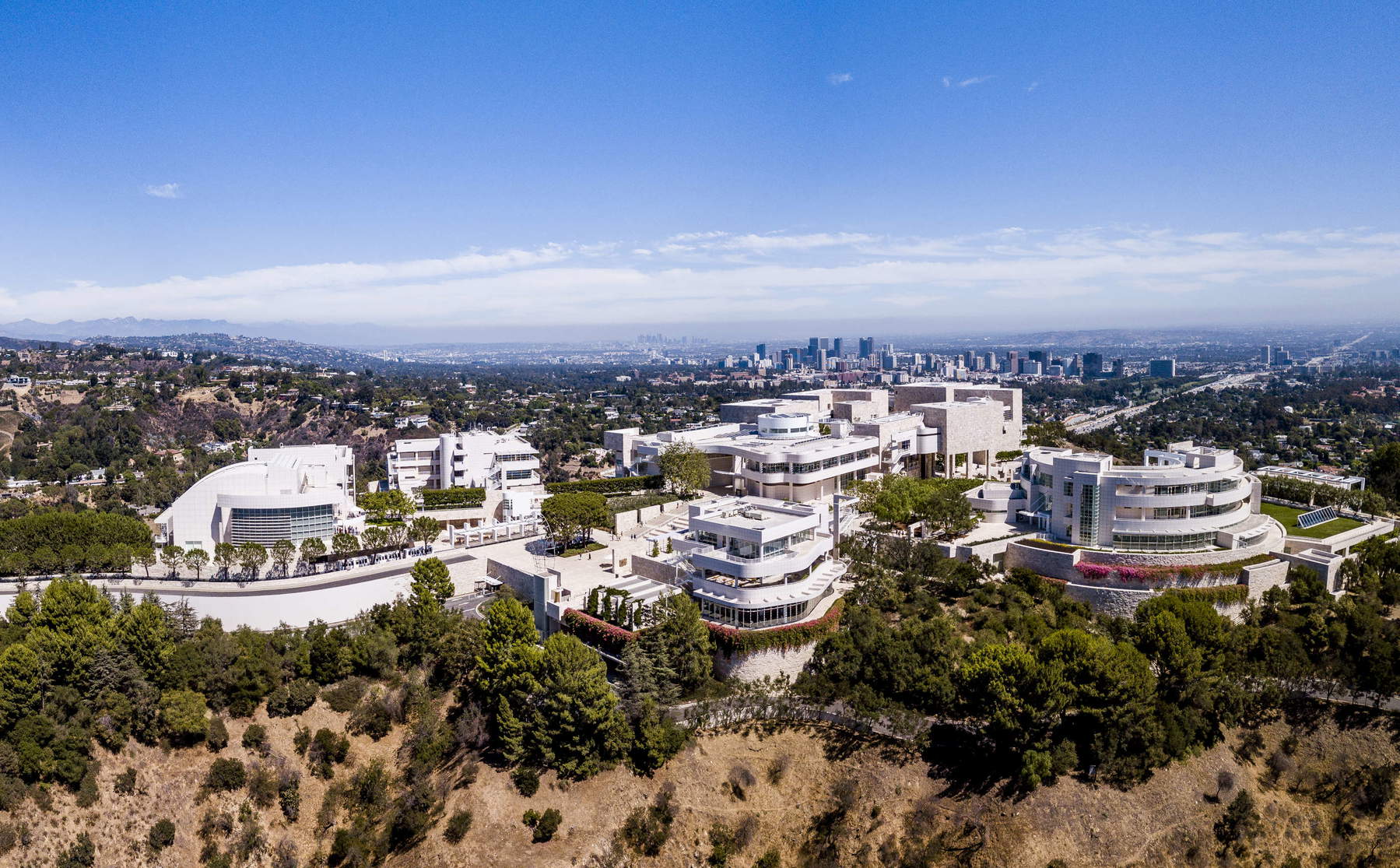
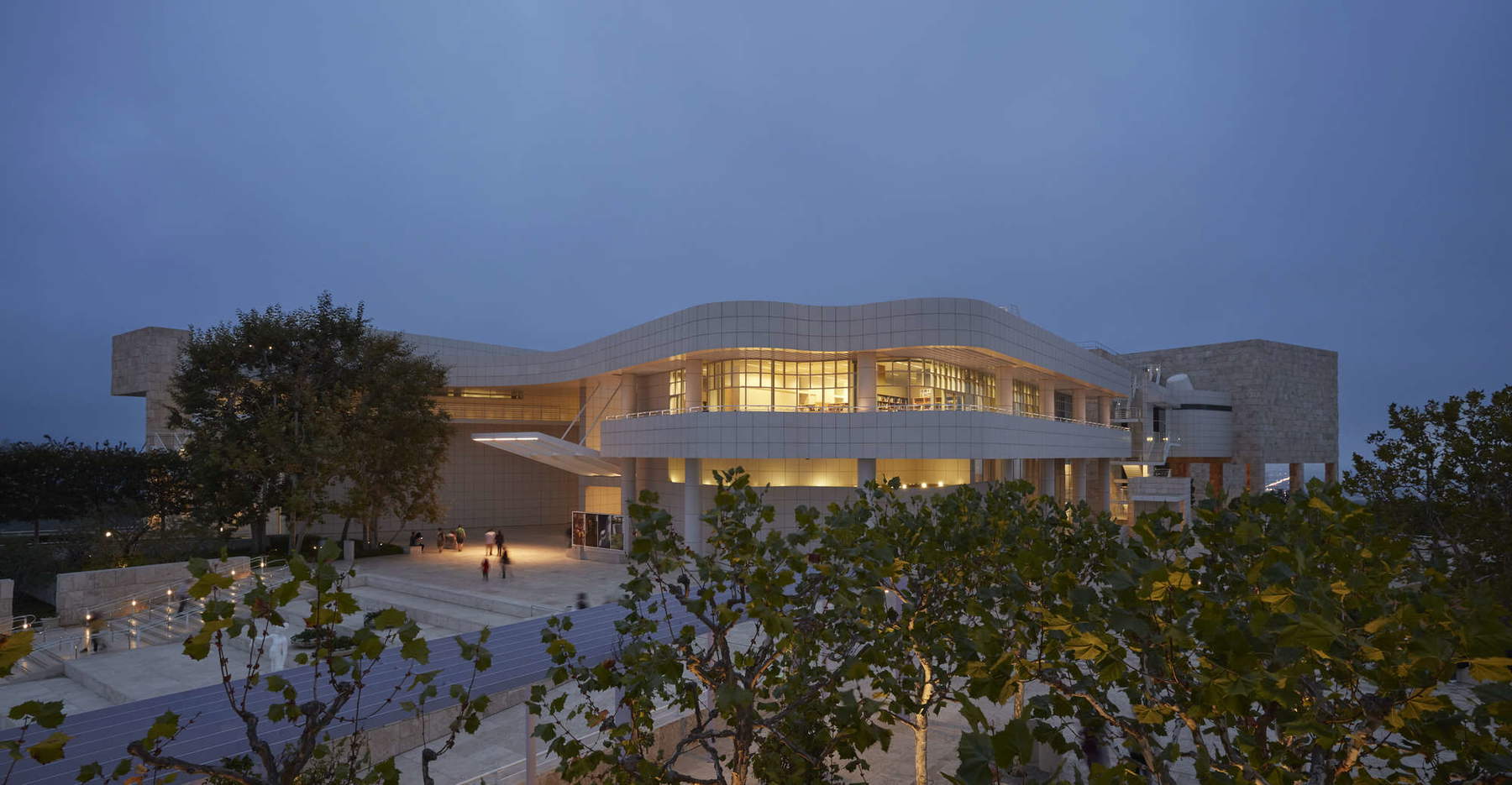
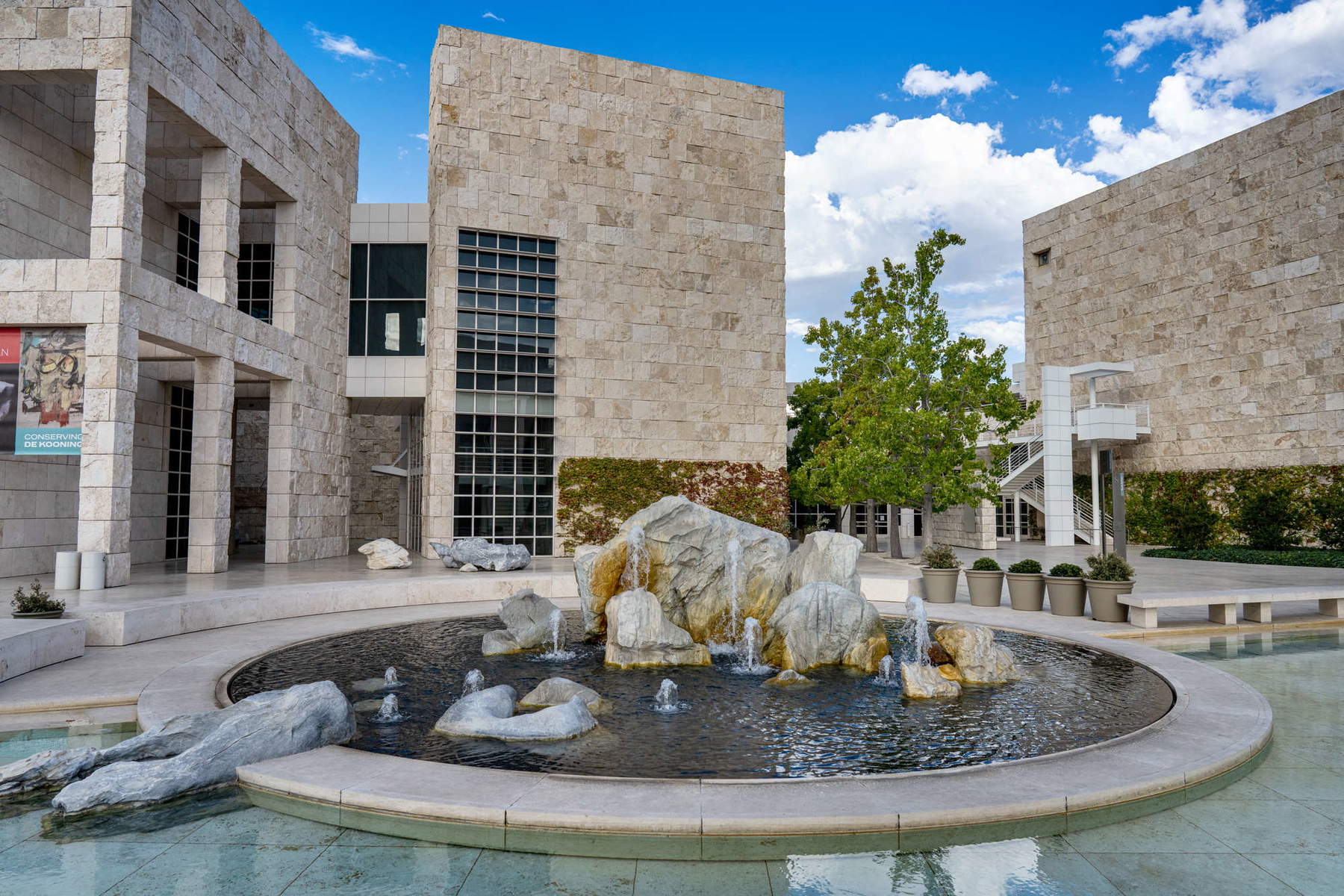
Since 2014, Davide Gasparotto has served as Senior Curator of Painting and Chair of Curatorial Affairs at the Getty Museum in Los Angeles. The institution, founded in 1954 by J. Paul Getty, has been governed since 1976 by a much more complex structure, the Getty Trust, which oversees four different institutions: the museum, the Getty Research Institute (which conducts research and houses the library and archives), the Getty Conservation Institute (which focuses on the conservation of artistic heritage not only for the museum but also collaborates internationally with various organizations), and the Getty Foundation, which serves as the financial arm that awards grants, fellowships, and funding for international projects in the field of cultural heritage. The art collection is displayed in part at the Getty Villa, the historic site commissioned by Mr. Getty and designed to resemble the Villa dei Papiri in Herculaneum, which houses Greek, Etruscan, and Roman antiquities, and partly at the Getty Center, built in 1997 by Richard Meier, where the post-antique collections are displayed across five departments: the department dedicated to paintings is headed by Gasparotto himself, followed by the departments of sculpture and decorative arts, drawings, and finally manuscripts and photography. With the exception of the photography section, in accordance with the founder’s wishes, the collection has always focused on European art from Classical Antiquity to the end of the 19th century, with a theoretical ante quem date set at the year 1900: “However, some exceptions are allowed,” explains Gasparotto, “because we know that, in reality, the 19th century ends with World War I, so the museum has also acquired works dated after 1900. For example, in 2018, an important 1912 painting by the Danish artist Vilhelm Hammershøi was added to the collections.” We interviewed him to hear firsthand about what it’s like to work at the Getty. The interview was conducted by Marta Santacatterina.
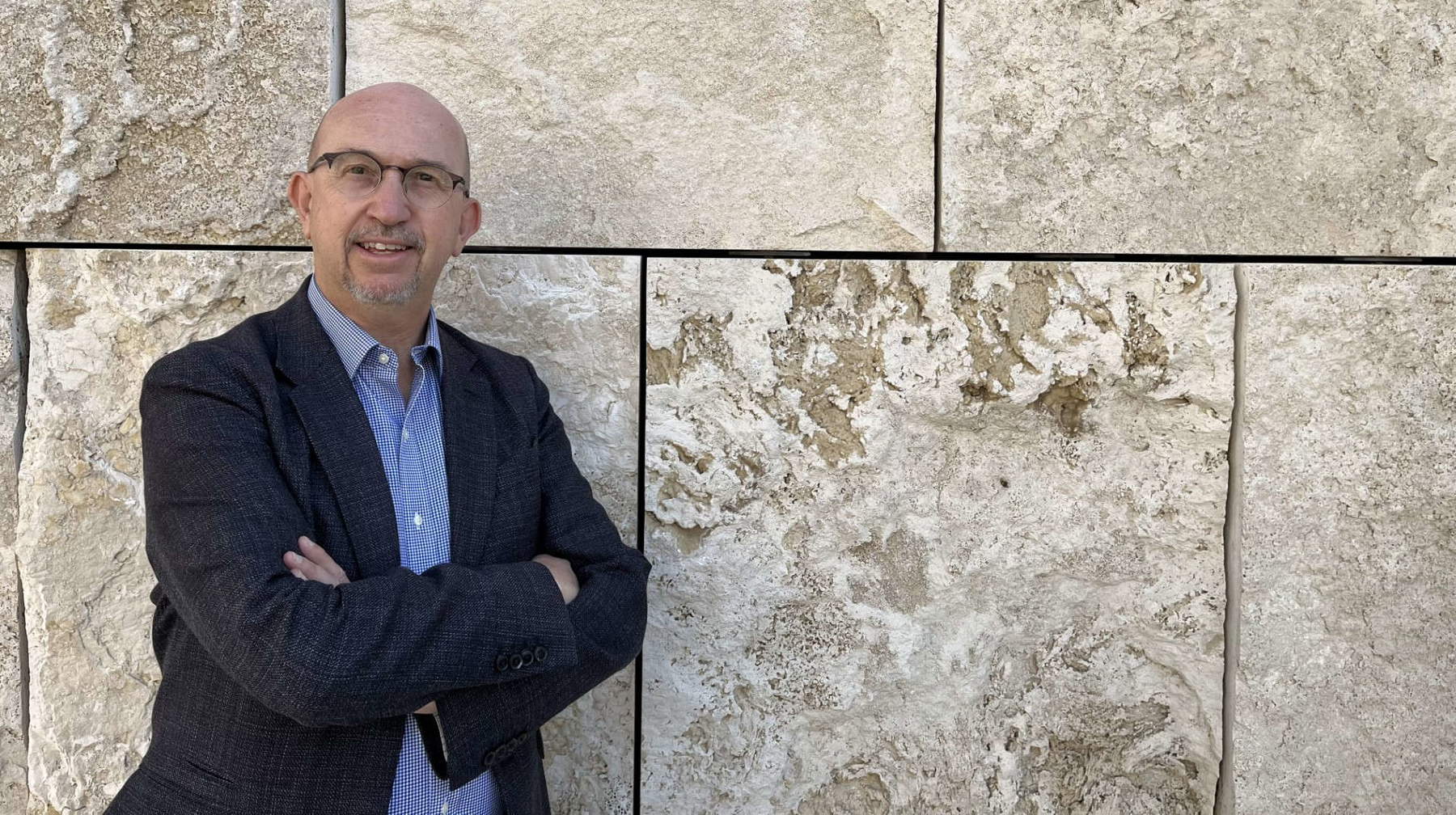
MS. What were the key milestones in your career before becoming Senior Curator of Painting at the Getty Museum?
DG. I graduated from the University of Pisa under Salvatore Settis and thus received my training in classical antiquities, but I later became a scholar of the Renaissance, specializing in Italian art from the late 15th century to the mid-16th century. My first professional experience was at the Piero della Francesca Foundation in Sansepolcro, while between 1999 and 2011 I served as an official with the former Superintendence for Historical, Artistic, and Ethno-anthropological Heritage of Parma and Piacenza, where my interests expanded to include painting; I also learned to work with institutions, to handle conservation, restoration, and promotion (aspects that are also very important for my role at the Getty), and essentially to act as a curator, overseeing exhibition design and exhibitions (I particularly recall the major monographic exhibitions on Parmigianino in 2003 and Correggio between 2008 and 2009). After a stint at the Metropolitan Museum of Art in New York for a fellowship, I returned to Italy to serve as director of the Galleria Estense in Modena: Those were two incredibly intense years because, together with the then-superintendent Stefano Casciu, we rebuilt the gallery after the earthquake, completely rethinking the exhibition design. My experience in the Italian museum system significantly broadened my horizons regarding artistic genres and chronologies, and it made me realize that I was better suited to a role that combines practical aspects—such as public engagement, education, and institutional responsibilities—rather than an exclusively academic career.
How did your move to Los Angeles come about ?
It was a coincidence. Between 2011 and 2012, during my fellowship in New York, I forged excellent relationships with many curators in the Anglo-American world. I also became increasingly dissatisfied with how things were going in Italy: a process of change was underway within the cultural heritage agencies, there was an endemic problem due to a lack of funding, and many other difficulties. At that time, the Getty was looking for a director of the Department of Paintings, and some American colleagues—in particular Keith Christiansen, who was then the curator of paintings at the Metropolitan—put my name forward to Director Timothy Potts. I then went through the various stages of the selection process and was ultimately chosen from a shortlist of candidates.
How does staff recruitment work in American museums?
Hiring is done on an ad personam basis; there are no public competitive exams as in Italy, partly because almost all museums in the United States are private institutions, with the exception of those in the Smithsonian Institution—which is affiliated with the federal government—and the National Gallery of Art in Washington. Typically, the museum posts job openings; applicants fill outthe application, and after a series of interviews—both remote and in person—a few finalists are selected to compete for the position.
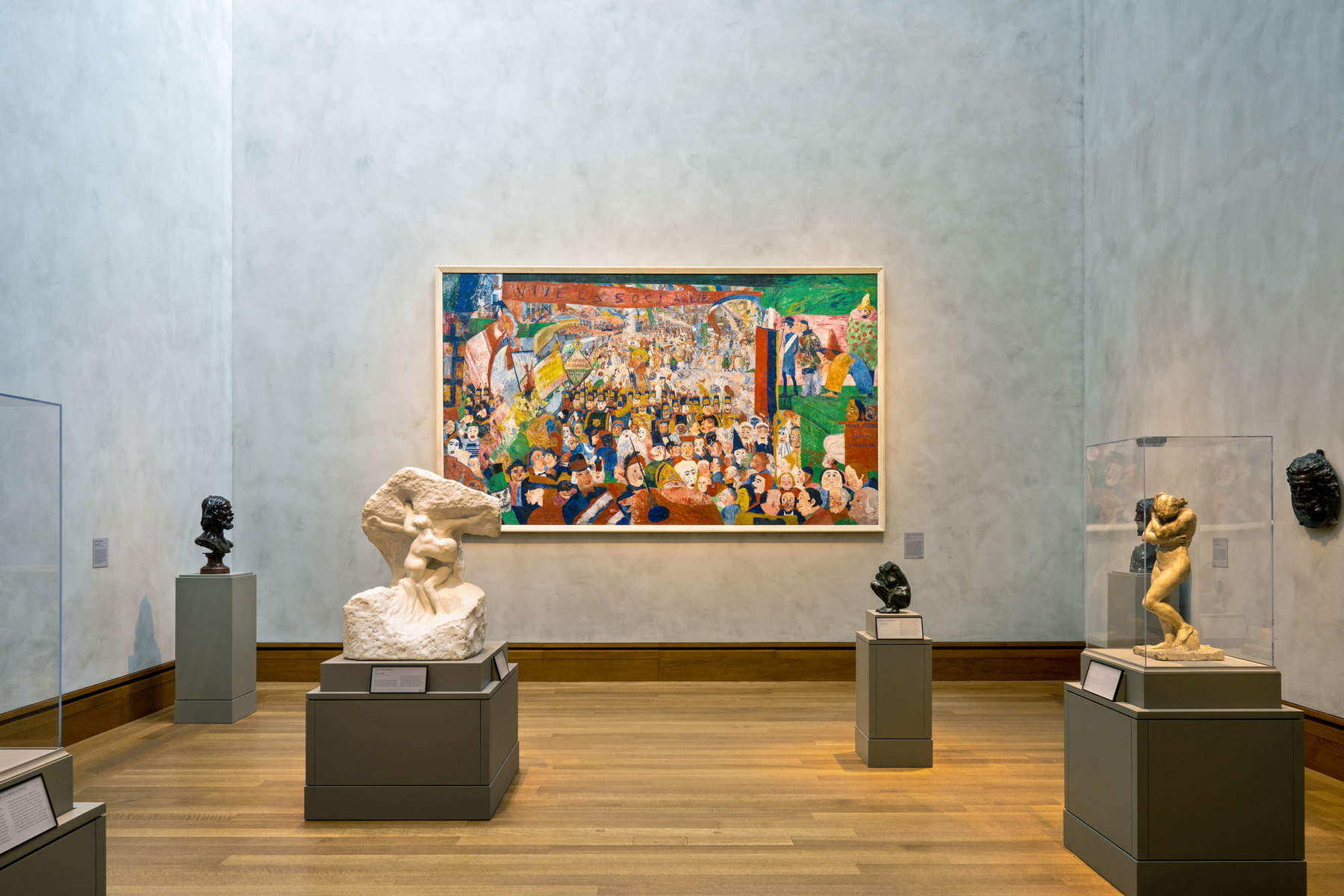
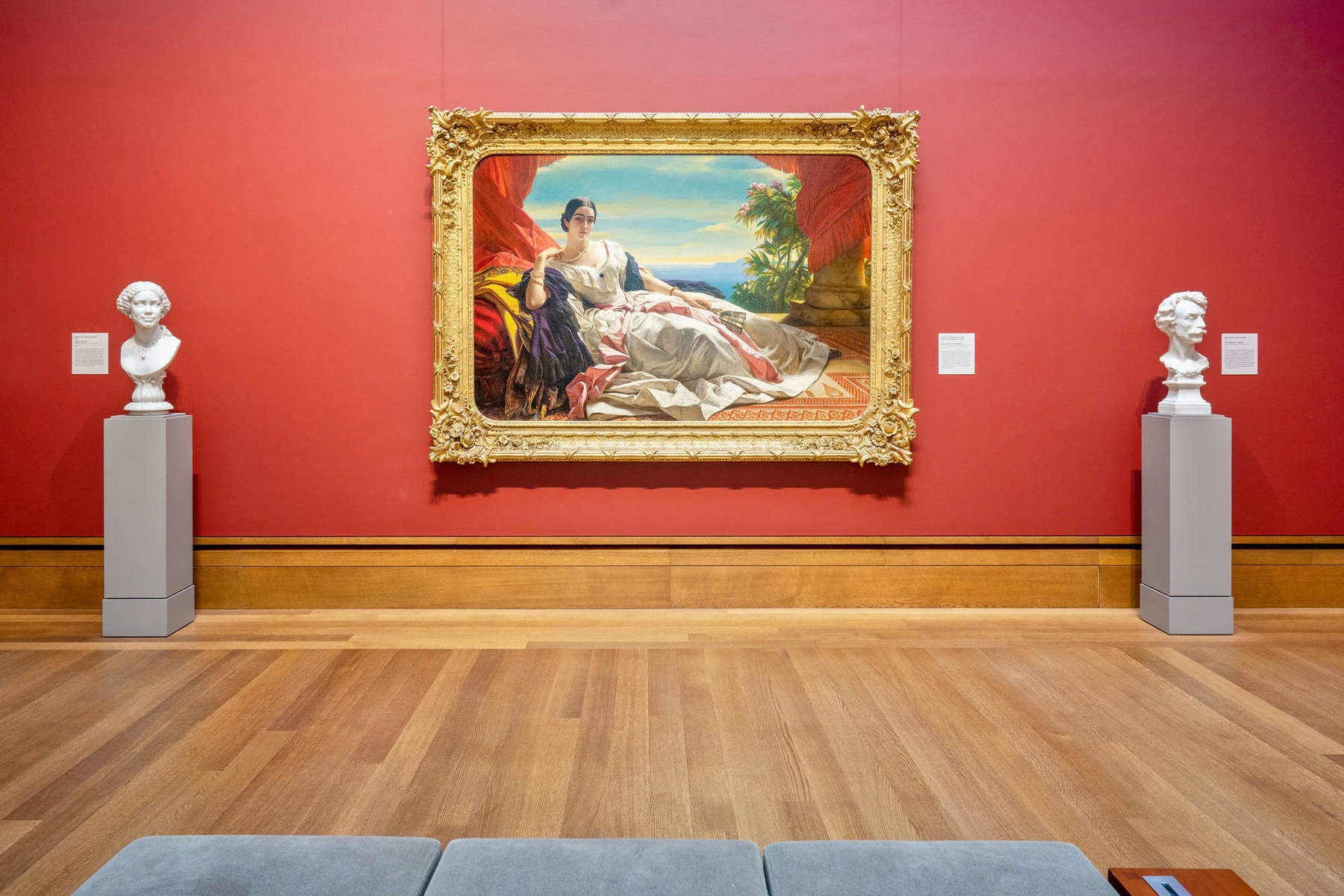
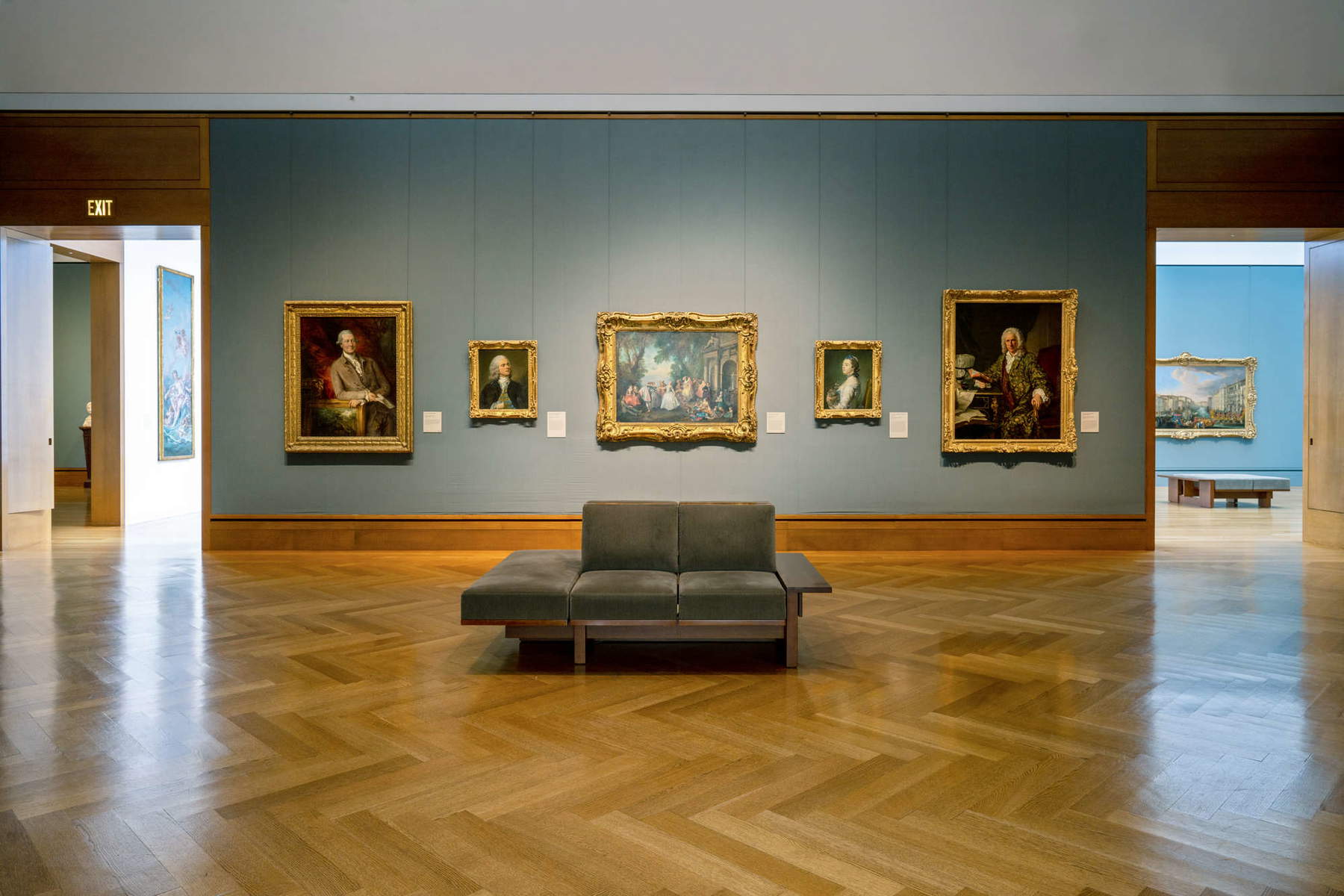
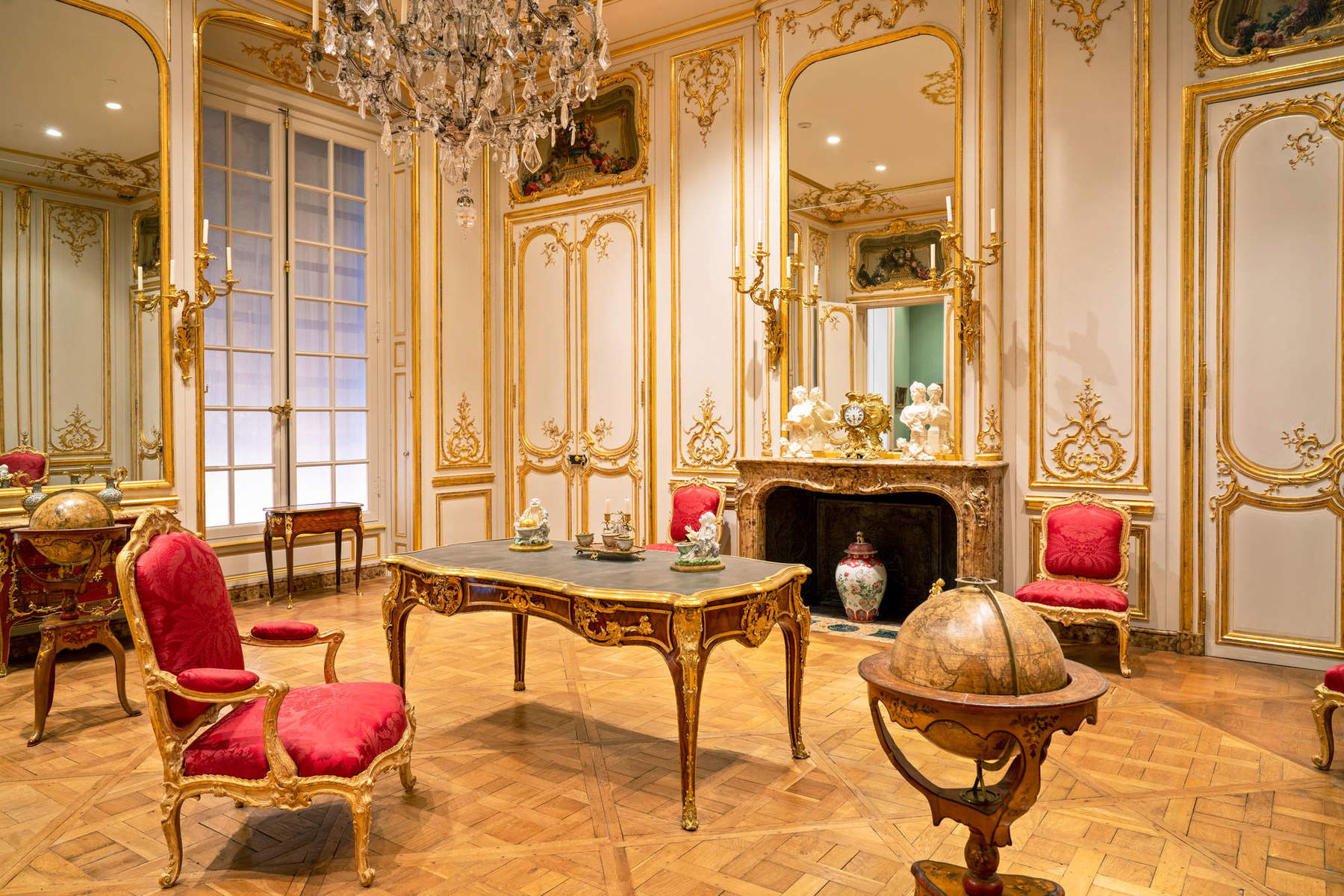
Could you also describe how museums are managed in the United States?
The governance structure is similar to that of a corporation, so there is a board of trustees—comparable to a board of directors—that manages the institution and its resources. The context is obviously very different from Italy, and here the greatest advantage is perhaps the independence of museums, even though in reality many institutions depend on fundraising and must therefore be accountable to their funders. Among these funders is often the federal government, which, through the National Endowment for the Arts, distributes resources for cultural initiatives, thereby creating a sort of dependence on the public.
Speaking of the federal government: has anything changed in the American cultural landscape under the Trump administration?
Yes, in fact. Trump has no interest in culture; on the contrary, he believes that cultural institutions are left-wing, and therefore too “Democratic” or “woke.” He has therefore slashed funding to the National Endowment for the Arts, the National Endowment for the Humanities, and universities—particularly in the humanities. This is causing serious problems because many small and medium-sized museums that used to rely on government funding for numerous projects are now struggling. For the Getty, however, nothing has changed because it has a very substantial endowment and is managed with complete autonomy.
I imagine that the Getty’s substantial resources come from the foundation’s endowment, perhaps augmented by sound financial management. Do you also have external donors, or do you conduct additional fundraising?
Most ofthe operating budget comes from internal resources: the endowment that Mr. Getty left to the foundation is quite substantial and has been, as you say, very well invested. Today, the endowment amounts to approximately $9.2 billion, and this fully covers the operating costs of all the institutions. That said, there are donors for specific initiatives: for example, my Paintings Department, together with the Paintings Conservation Department, has a small group of donors—the Paintings Council—composed of private individuals who make an annual contribution earmarked for specific initiatives, such as the restoration of paintings belonging to other international institutions. Museums with limited resources can, in fact, propose a work in critical condition to us; it is then brought to the Getty, subjected to scientific analysis by the Science Department, and subsequently restored, after which the painting is temporarily exhibited in our galleries. In addition, together with the Painting Council, we organize an annual study tour, and we will soon be visiting the Veneto region, specifically the inland areas from Verona to Vicenza, Padua, Bassano, and Possagno.
By the way, admission to the museum and the exhibitions is free, right?
Yes, but it’s worth noting that parking costs $25, and there isn’t much public transportation to the Getty Museum locations.
I’d like you to tell our readers now what your work at the Getty entails.
My work has many similarities to what curators do in Europe: I’m in charge of my department, so I coordinate several curators who specialize in specific areas that aren’t my own, such as Northern European painting, the 19th century, and the Baroque period. Together with my team, we manage the permanent collection, exhibition design, research, and interpretation. In particular, we write the exhibition labels, because in American museums, each work is always accompanied by a descriptive caption, and there is often an exhibition text as well. Currently, at the Getty, the exhibition texts are entirely bilingual (English and Spanish), and we’re updating them in all the galleries that house the works as well. Next year, by the way, we’ll be closing the museum for eleven months to complete a full redesign of the exhibition spaces, which will also include an overhaul of all the educational materials for the permanent collection. Captions are very important here, and great attention is paid to their writing, whereas in Italy curators sometimes view this as a somewhat demeaning task: consider that one of the selection tests for curatorial positions involves writing a 75-word caption in one hour. Then, of course, there’s the organization of exhibitions, which I sometimes curate myself and other times by collaborating with in-house and external curators. As head of the department, I have many other responsibilities, first and foremost the acquisition of new works: we consider this necessary because our collection is still relatively young and small—it comprises 460 paintings (not counting antiquities or sculptures). Over the past eleven years, since I’ve been here, we’ve acquired more than thirty paintings.
How does the process of acquiring a new work for the Getty work?
The process is quite complex and requires, first and foremost, that I maintain close relationships with auction houses, art dealers, and private collectors; consequently, I have to travel frequently. When I identify a work that I believe deserves to be included in the museum, I propose it to the director, who—depending on the estimated cost—may approve the purchase directly or submit the matter to the board.
Which acquisitions are you most proud of?
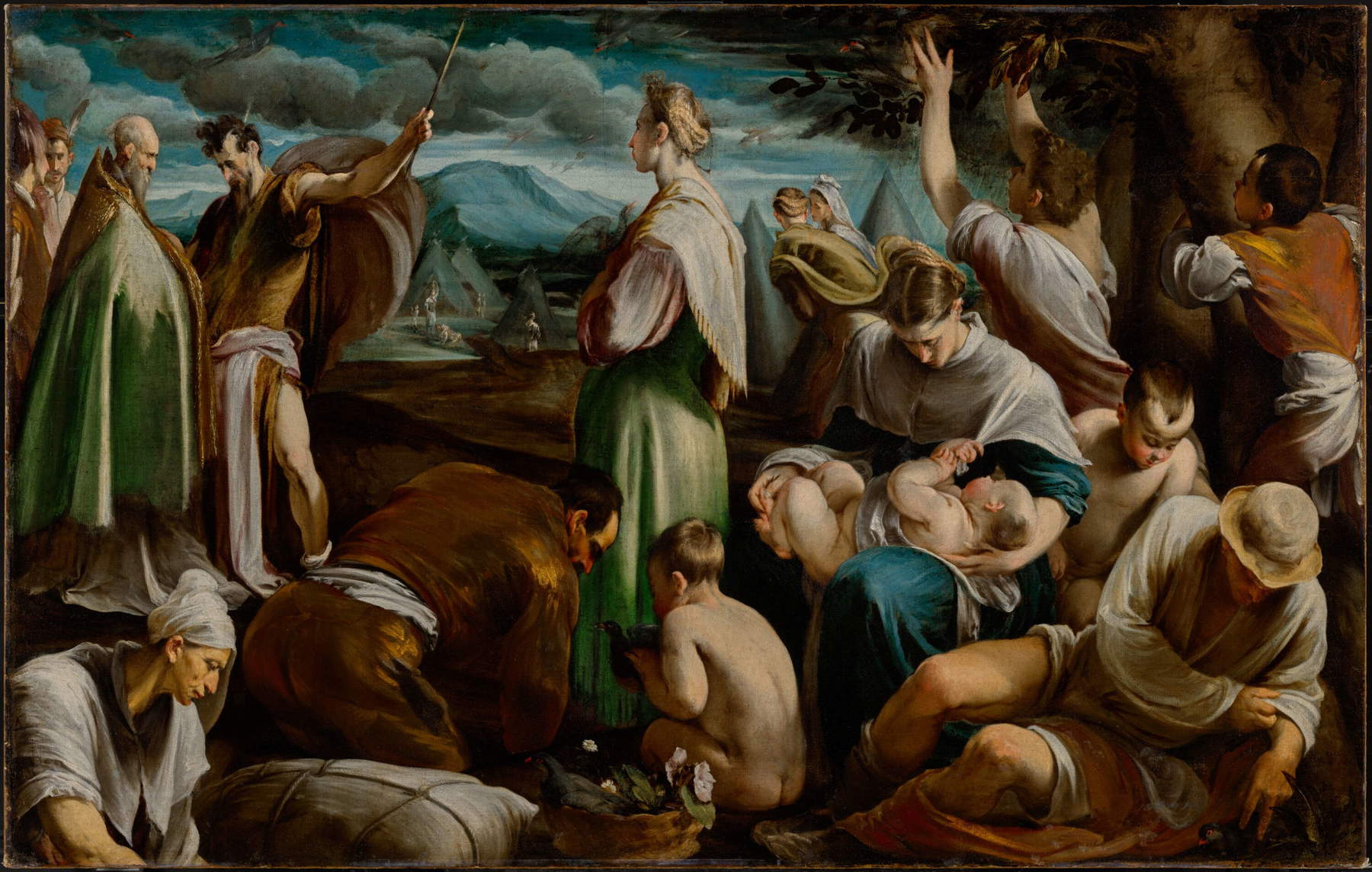
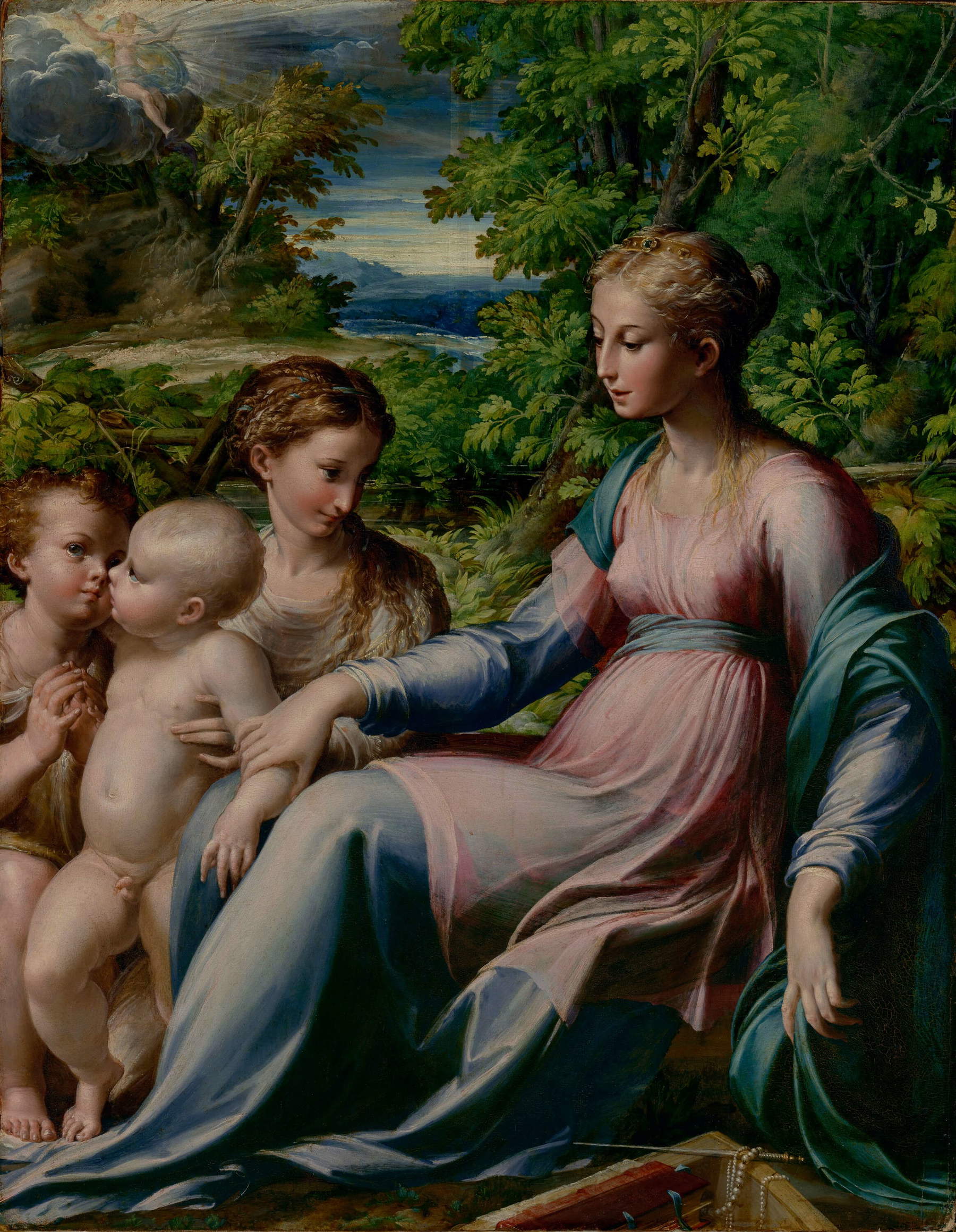
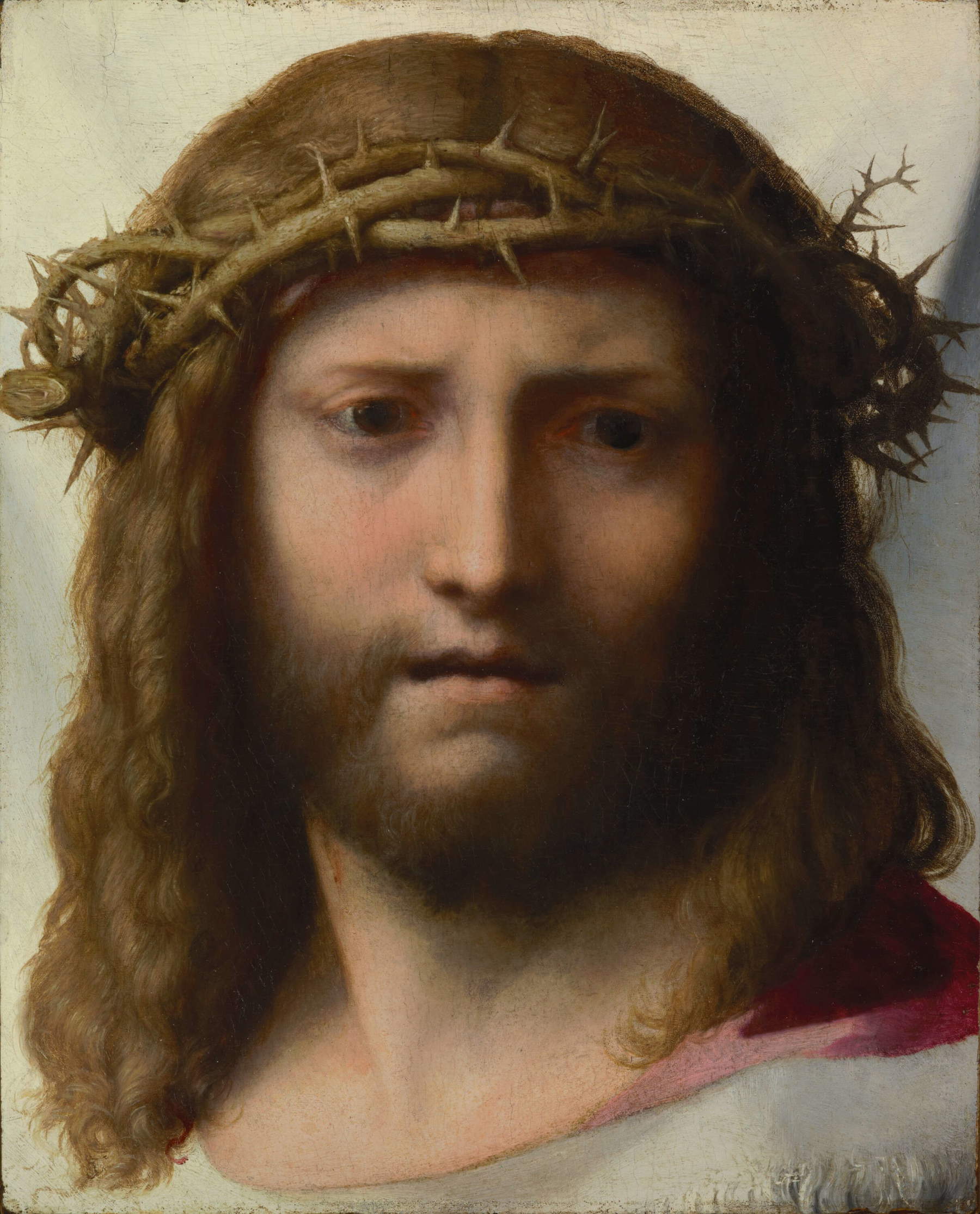
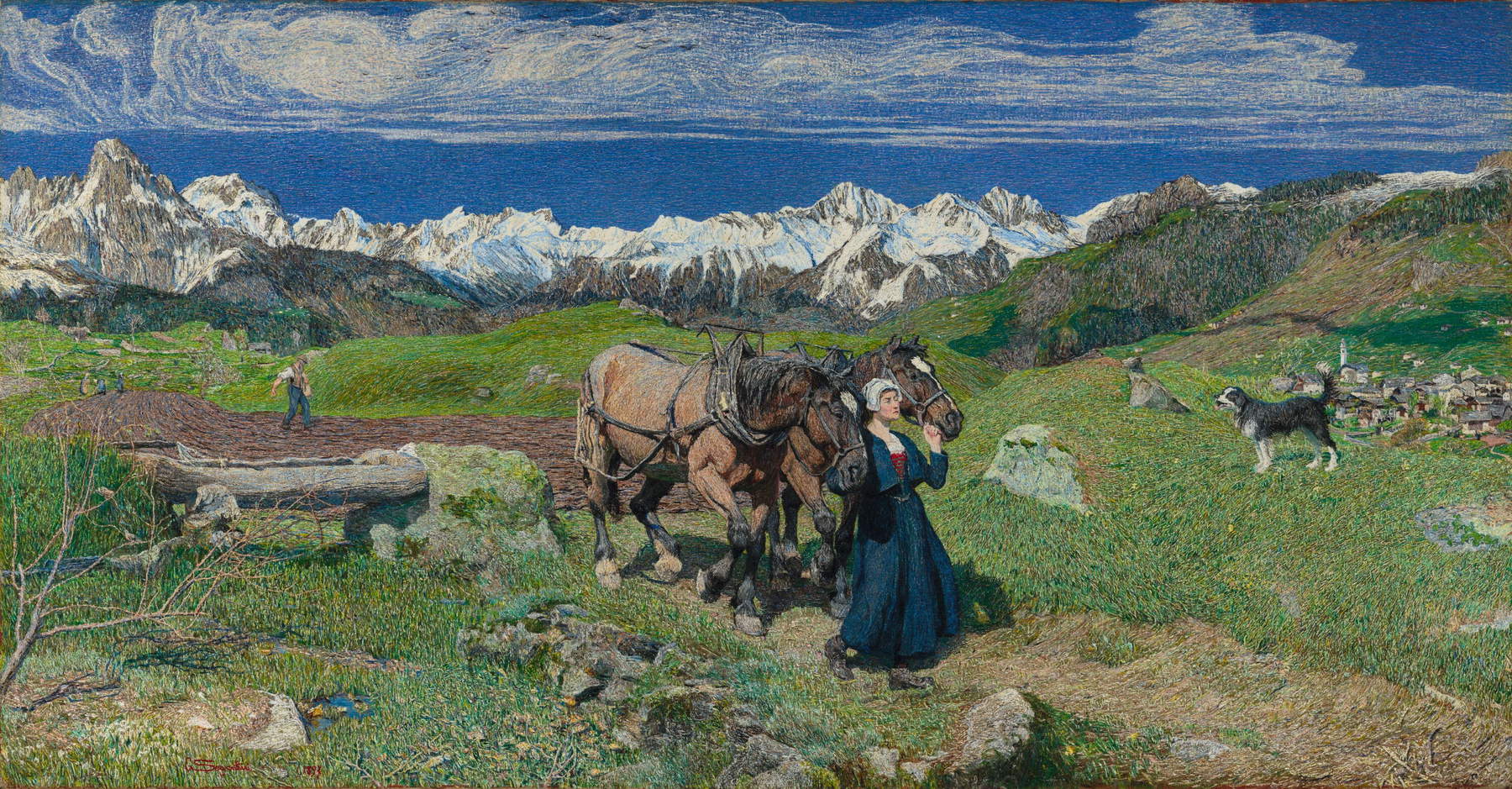
I’m thinking in particular of two paintings to which I’m very attached for sentimental reasons: first, *The Miracle of the Quails* by Jacopo Bassano, a painter with whom I share a birthplace—I’ve known his work since I was a child, and we already had a portrait by him; and second, *Madonna with Child and Saints John the Baptist and Mary Magdalene* by Parmigianino, the great artist from Parma whom I’m very fond of and whose work was not yet part of the Getty’s collection (we already had Correggio’s *Christ*, however). The other acquisition I’m very proud of is *Spring in the Alps* by Giovanni Segantini, a work with an “American past”: in fact, it was commissioned from the painter by Jacob Stern, a partner of Levi Strauss (the one who invented jeans!), after he visited an exhibition on Segantini in Munich. The painting survived the 1906 San Francisco earthquake and fire and remained in that city until the late 1990s, when it was put up for auction and purchased by New York art dealers, who held onto it for a long time due to its high price. I was very familiar with the painting because it had also been exhibited in Italy and several times at TEFAF in Maastricht, and I am proud to have added it to the Getty’s collections, not least because it contributes to our understanding of the Italian 19th century—a period that is not yet widely appreciated in the United States.
Let’s talk instead about exhibitions: in Italy, the most important ones—especially those featuring ancient and modern art—often have strong ties to their context, to specific regions, and to key collections, thus situating themselves within a coherent “surrounding environment.” In the United States, this simply cannot happen, by necessity. What, then, are the factors that guide the selection of themes and artists to be exhibited in America, and specifically at the Getty?
In the United States, as you say, there isn’t the historical and monumental context that we have in Italy, so an exhibition is always and exclusively situated within the museum that hosts it. Many of the Getty’s projects stem from works already in the permanent collection or from a new acquisition. For example, my department organized, in collaboration with the Art Institute of Chicago and the Musée d’Orsay in Paris, an exhibition on Caillebotte immediately after acquiring *The Man at the Window*. Other exhibitions arise from the opportunity to secure an exceptional loan, as was the case with the small exhibition on Pontormo that I organized a few years ago thanks to the loan of *The Visitation* from Carmignano, around which we displayed a series of drawings and paintings, including Pontormo’s own*The Halberdier*, which is one of the museum’s “icons.” Then there are exceptions: I wanted to bring here—albeit with some changes to the original plan—the exhibition on Giacomo Ceruti organized by the Santa Giulia Museums in Brescia because it seemed to me that this painter, so idiosyncratic and exceptional in his depiction of the humble and the destitute, was in tune with the atmosphere of post-COVID Los Angeles, when the homeless population had grown significantly and there was much debate about poverty and people living on the streets. In fact, the public was very impressed by these highly original paintings.
What new projects are you working on?
I’m currently working on an exhibition in collaboration with the National Gallery of Art in Washington: it will be called *Faces of Fame*. *Inventing Celebrity in Europe 1750–1800* and * * will be on view between late 2027 in Washington and early 2028 here at the Getty. This project explores the role of portraiture in shaping the modern concept of celebrity during the second half of the 18th century, a time of profound social change, when not only royalty and aristocrats but also figures such as writers, philosophers (for example, Rousseau and Voltaire), actors and actresses, as well as artists rose to fame, becoming objects of curiosity and thus, in effect, celebrities. Their portraits circulated through prints and newspapers and sparked a phenomenon of curiosity about private lives, gossip, and satire. Thus, the exhibition will have a very strong connection to Los Angeles, Hollywood, and the world of cinema; the framework will be strictly historical but will also explore the emergence of self-fashioning, inviting visitors to reflect on certain contemporary phenomena.
Do you still have professional activities in Italy?
Yes, I am a member of both the scientific committee of the Civic Museums of Bassano del Grappa and the board of Save Venice, the U.S.-based organization dedicated to the preservation of Venice’s artistic heritage; specifically, I head the Educational Resources committee, which produces publications, documentaries, and online content. For example, we have just published a book on the restoration of six major masterpieces by Titian, and at our last meeting we approved about 25 new restoration projects in Venice.

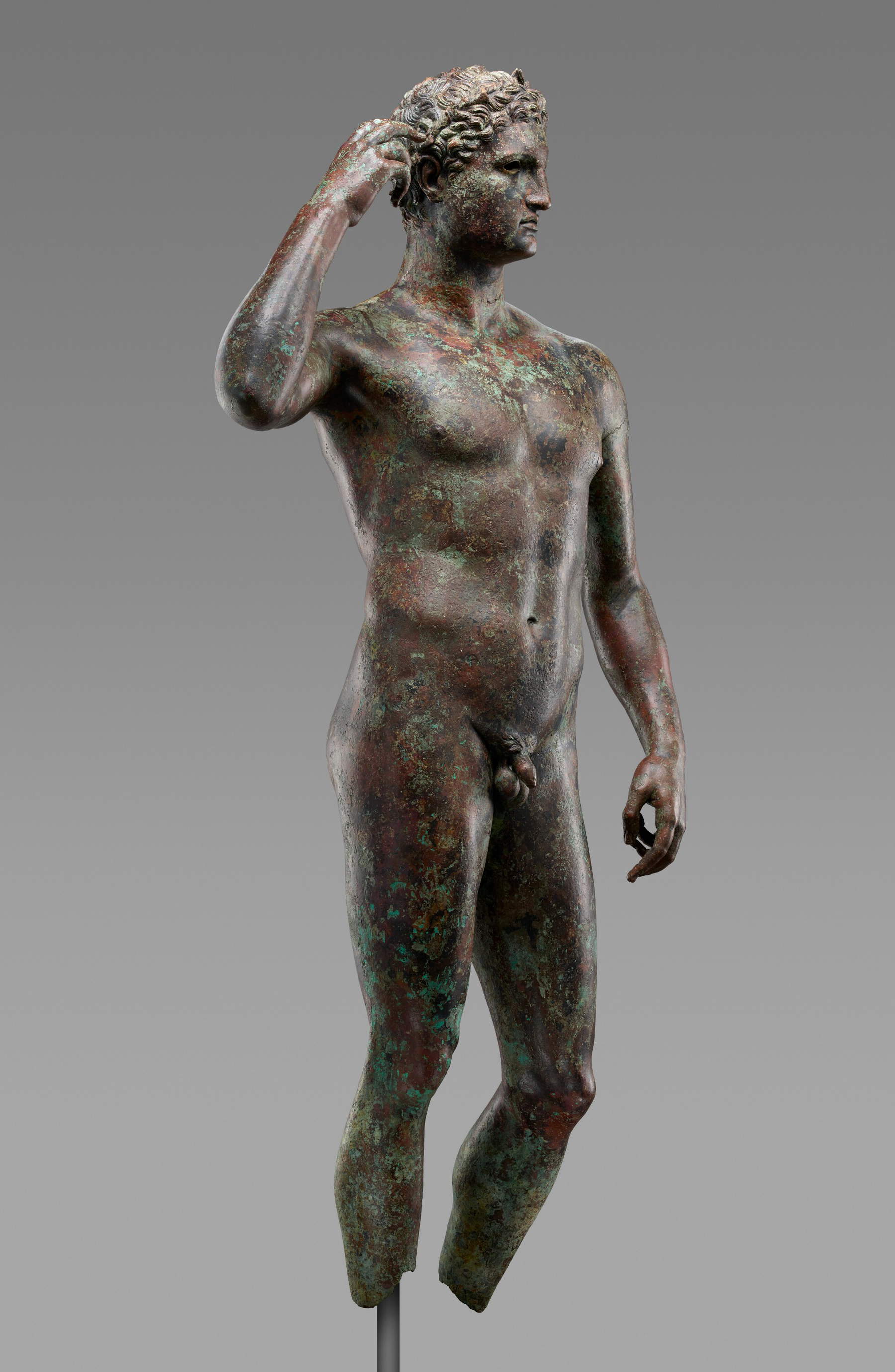
Let’s now turn to the issue of the restitution of works that arrived at the Getty “through indirect channels”: are there any new developments among the cases still pending with Italy? I am referring in particularto the Athlete of Fano, attributed to Lysippos, which has been the subject of a dispute since 2007 and of a ruling by the European Court of Human Rights ordering its restitution.
While this is not my area of expertise, I can say that a very close dialogue is underway with the Italian Ministry of Culture to find solutions that will satisfy both parties. Two years ago, the Getty Villa returned one of the masterpieces in its collection to Italy—the painted terracotta group depicting Orpheus and the Sirens—demonstrating that, when faced with irrefutable documentation, the museum is always open to dialogue and restitution. In fact, today’s approach is very different from that of the 1970s and 1980s, when mistakes were made, and the vetting of an artwork’s provenance is now much more thorough. Relations with Italy are therefore very good, and I recall that we are generous lenders of works for exhibitions: at this moment, our bust of Paul V by Bernini is on display at Palazzo Barberini, and at the end of the year, Pontormo’s*The Halberdier* will be the centerpiece of the exhibition at the Scuderie del Quirinale; Italy, for that matter, also continues to lend works to the Getty. In the specific case of the so-called “Athlete of Fano,” there is a difference of opinion, but also a willingness to reach a solution.

The author of this article: Marta Santacatterina
Marta Santacatterina (Schio, 1974, vive e lavora a Parma) ha conseguito nel 2007 il Dottorato di ricerca in Storia dell’Arte, con indirizzo medievale, all’Università di Parma. È iscritta all’Ordine dei giornalisti dal 2016 e attualmente collabora con diverse riviste specializzate in arte e cultura, privilegiando le epoche antica e moderna. Ha svolto e svolge ancora incarichi di coordinamento per diversi magazine e si occupa inoltre di approfondimenti e inchieste relativi alle tematiche del food e della sostenibilità.Warning: the translation into English of the original Italian article was created using automatic tools. We undertake to review all articles, but we do not guarantee the total absence of inaccuracies in the translation due to the program. You can find the original by clicking on the ITA button. If you find any mistake,please contact us.



























 IT
IT FR
FR DE
DE ES
ES CN
CN


