



by Redazione 21/05/2026



Categories: Modern Art / Disclaimer
From May 21, 2026, the heritage of the Piero Portaluppi Foundation enters Villa Necchi Campiglio in Milan. A new permanent exhibit and the exhibition "Piero Portaluppi: the art of drawing," dedicated to the architect's projects and drawings, are born.
A new home for the cultural and design legacy of Piero Portaluppi (Milan, 1888 - 1967) takes shape in Milan in the spaces of Villa Necchi Campiglio. As of May 21, 2026, the entire patrimony of the Piero Portaluppi Foundation will in fact find a permanent home inside the historic villa designed by the same architect between 1930 and 1932 for the Necchi Campiglio family, now an asset managed by FAI - Fondo per l’Ambiente Italiano. The operation comes following the transfer to FAI of the entire estate of the Portaluppi Foundation and marks a new chapter in the enhancement of the work of the Milanese architect, a fundamental figure in the definition of Milan’s modern image and still a point of reference for architects and designers internationally.
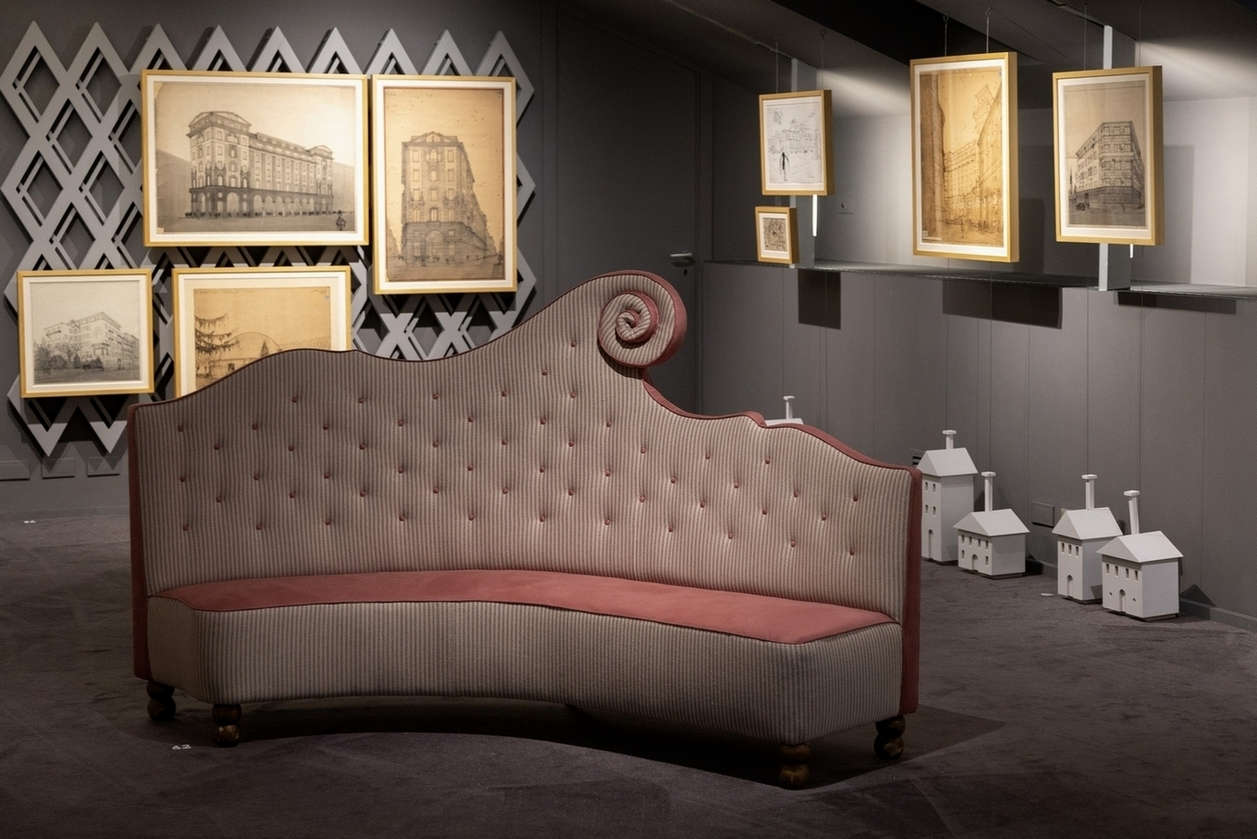
The new exhibition itinerary set up on thetop floor of the villa includes three rooms dedicated to the permanent display of furnishings, documents and drawings from the Piero Portaluppi Archive, to which is added a temporary exhibition destined to be renewed annually with thematic insights and comparisons related to the vast archival fund now housed at Villa Necchi.
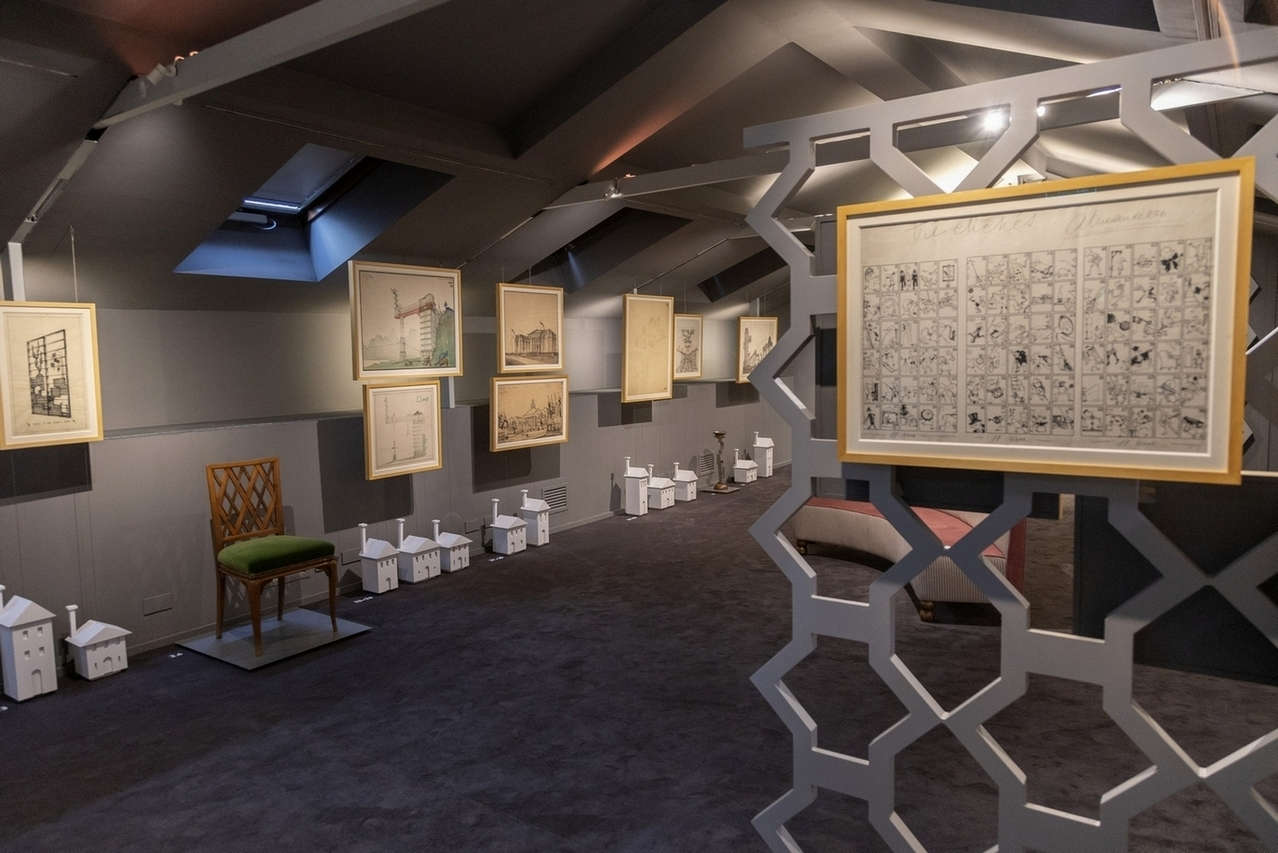
The first temporary exhibition, entitled Piero Portaluppi: the art of drawing, is curated by Roberto Dulio and will be open from May 21 to October 18, 2026. The exhibition presents 44 of the architect’s most famous and significant drawings, retracing different phases of his creative activity: from caricatures made in his youth to designs for private and institutional buildings, from sketches related to interventions on Milan’s historic buildings to the 1927 Regulatory Plan boards, up to the visionary and futuristic projects and decorative details that characterize the rooms of Villa Necchi itself.


With this new project, FAI ideally picks up the baton of the Piero Portaluppi Foundation, continuing its work of protection and dissemination. A path that fits in continuity with the public rediscovery of the architect initiated in recent decades and consolidated by the great exhibition organized at the Milan Triennale in 2003 and especially by the opening of Villa Necchi in 2008, which has become over time one of the most recognizable icons of Portaluppi’s style.
The archive housed as of today in the villa includes thousands of original documents that testify to the complexity of Portaluppi’s figure, his design versatility and the cultural relationships built throughout the 20th century. The collection includes more than a thousand drawings datable between 1909 and 1967, about a thousand vintage photographic prints, carnets of sketches and autograph notes, pencil and ink caricatures, more than 15 thousand postcards, and a hundred 16-millimeter film reels, equivalent to about eight hours of footage shot between 1931 and 1965 in Italy and abroad. These materials also document the architect’s relationships with protagonists of twentieth-century Italian culture, including Filippo Tommaso Marinetti, Fortunato Depero, Marcello Piacentini, Gio Ponti and the BBPR group.
Added to these materials are some volumes that belonged to the architect’s personal library and nearly three thousand books and magazines on the history of architecture collected over time by the Portaluppi Foundation. The entire archival holdings will be accessible not only to the public but also to scholars, thanks to the collaboration with the Soprintendenza Archivistica e Bibliografica della Lombardia and the Politecnico di Milano.
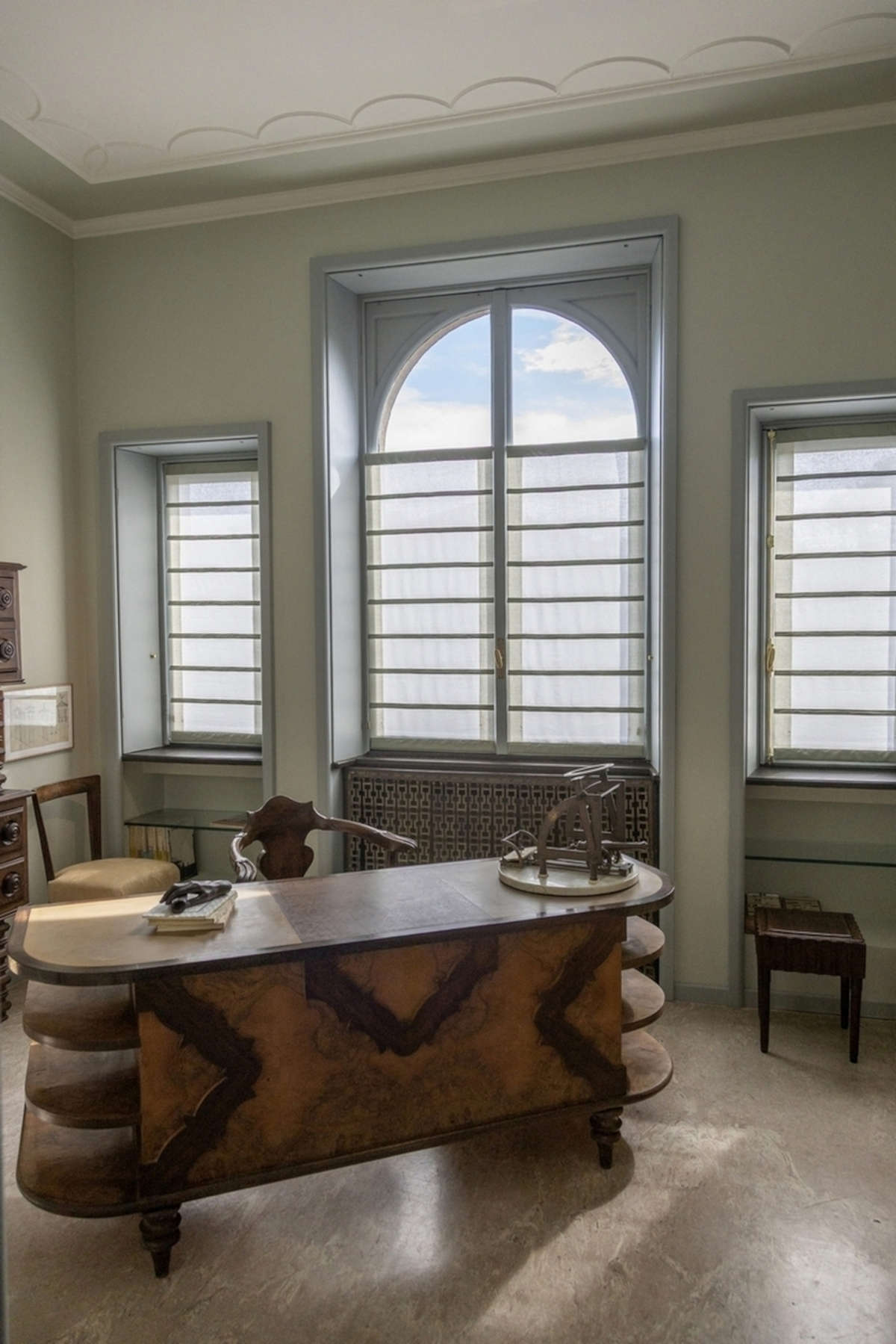
Also an integral part of the new arrangement are nineteen pieces of furniture and various objects designed and used by Portaluppi, which have been transferred from the Foundation’s historic headquarters in Via Morozzo della Rocca to spaces in the attic of Villa Necchi, originally intended for service personnel.
The re-functionalization and arrangement project was entrusted to architect Piero Castellini Baldissera, Piero Portaluppi’s grandson, who had already authored the restoration of the villa and other interventions within the complex between 2005 and 2015. With the collaboration of architect Gianmario Rovida, Castellini Baldissera worked to recreate the atmosphere of the historic studio on Via Morozzo della Rocca, through the inclusion of materials, details and furnishings inspired by the architect’s original design language. Interventions on the rooms were deliberately limited and respectful of the existing historical structures. Original elements such as linoleum floors, geometrically decorated suspended ceilings, and quadrotto wooden doors were preserved and restored. The wooden frames were enhanced with green marble inserts, a material already present in Portaluppi’s original studio. The new air conditioning systems necessary for the conservation of the archive were also integrated with minimally invasive solutions, placing the equipment in the attic without altering the historic ceilings. The new lighting system, with ceiling and floor light sources, was designed to enhance both the rooms and the materials on display.
Elements directly recalling the original studio include a door decorated with a historical map of Milan and photographic reproductions of the most famous buildings designed by Portaluppi, installed along the access stairs. Alongside the historic furnishings, new custom-made furniture also finds space, including large glazed bookcases intended for the archive volumes and a wooden partition placed behind the famous Omnibus desk.
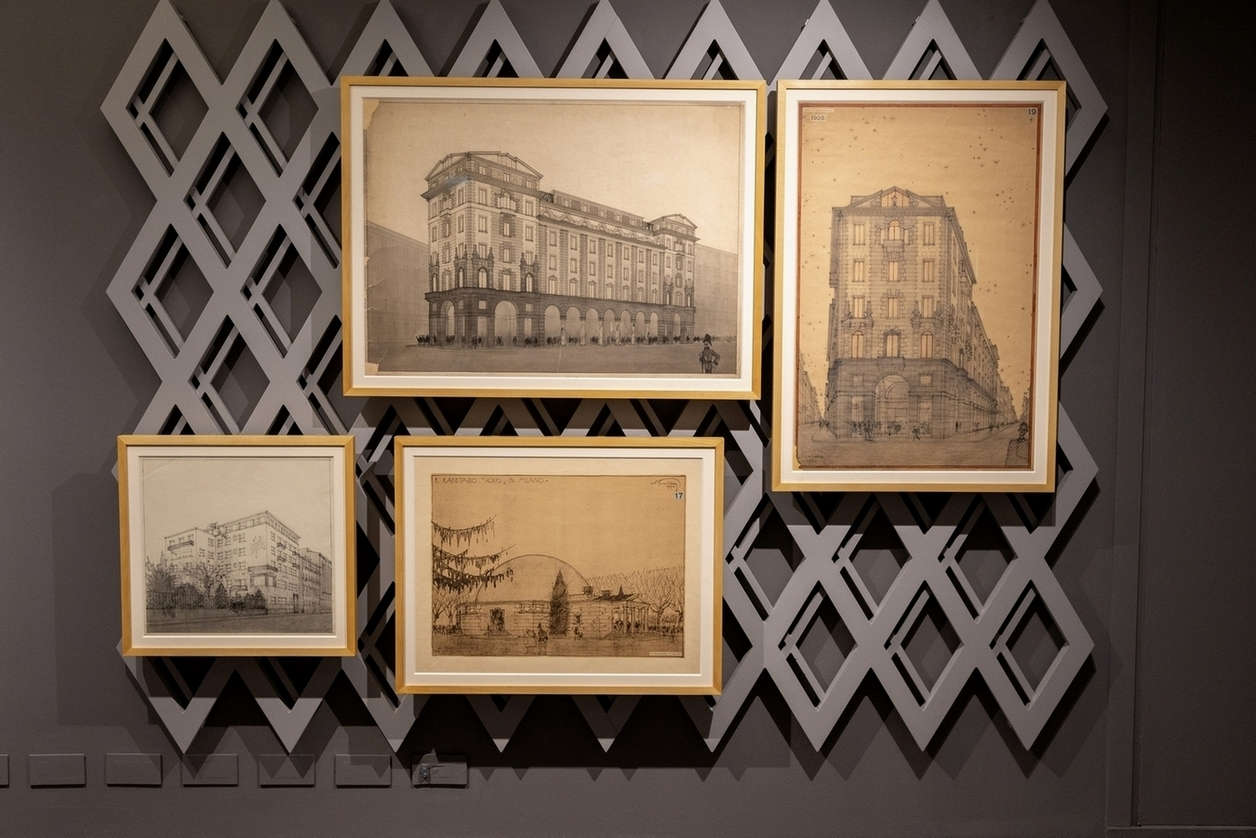
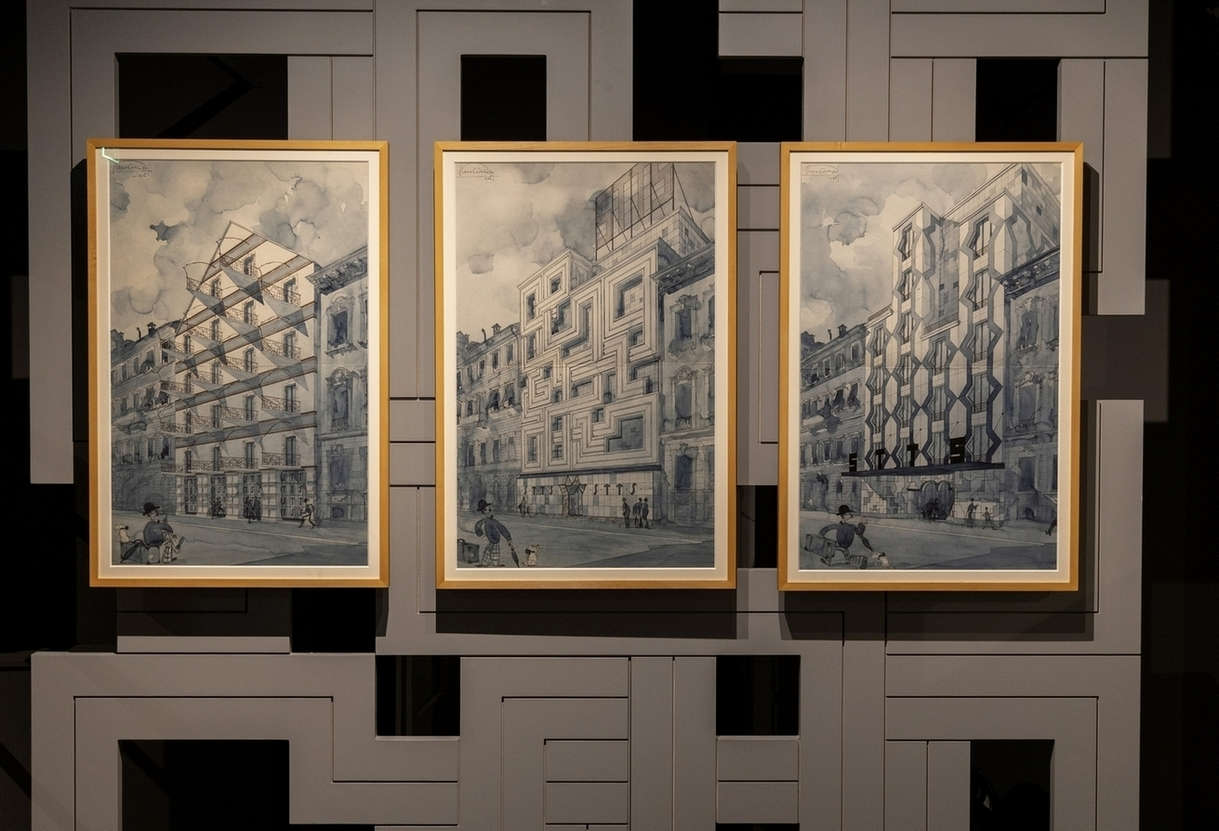
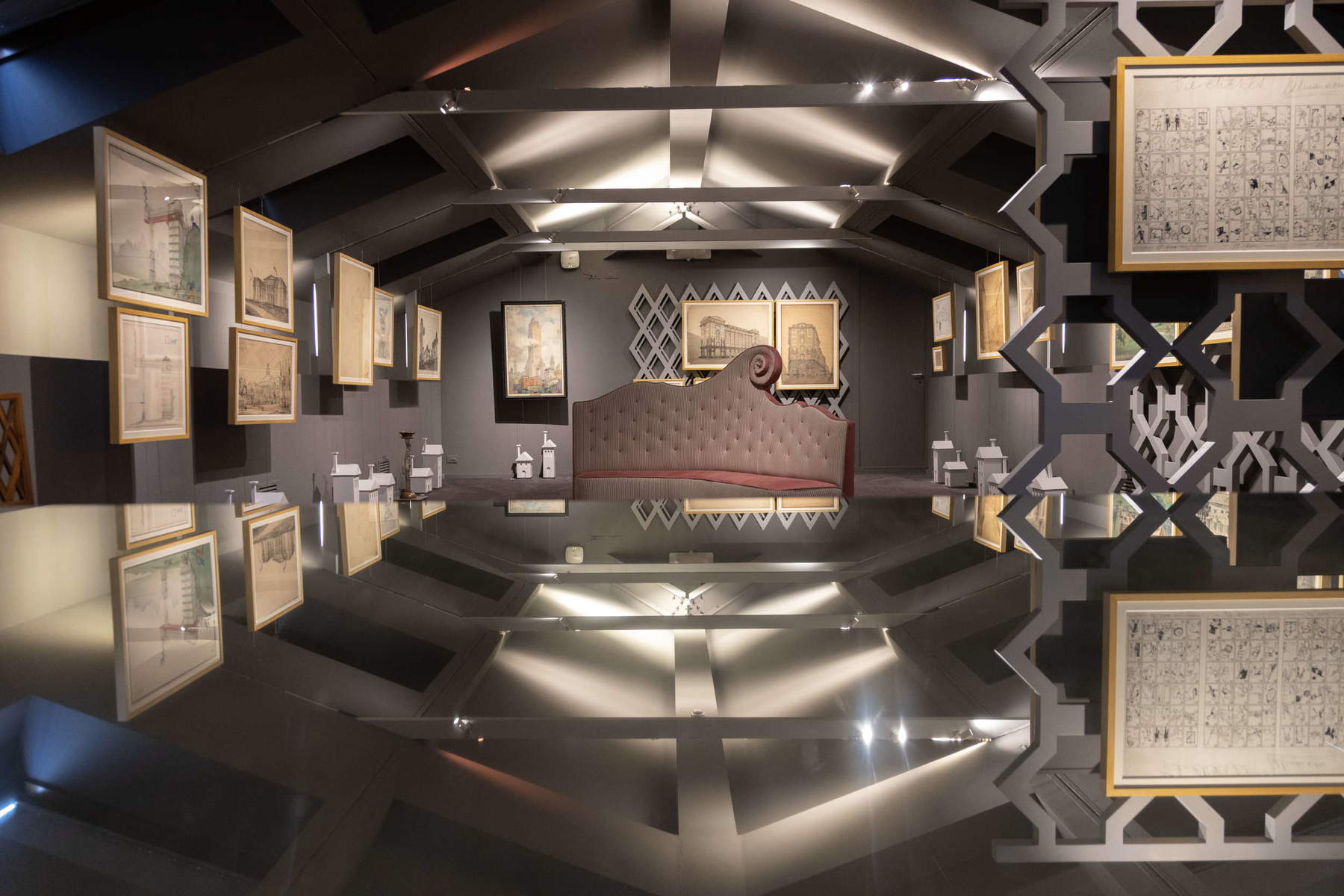
Particular attention has also been paid to the conservation aspects of the archive. In fact, the project is based on criteria of preventive protection, planned conservation and specialized museum management for the paper materials. The exhibited drawings were mounted on acid-proof mounts and protected by “Museum Glass” glass with anti-UV filter and anti-reflective properties, integrated with additional protection systems in the windows and doors.
All handling, mounting and storage were carried out by trained restorers. Non-exhibited materials are kept in a custom-made metal chest of drawers and stored in special barrier paper shirts suitable for long preservation. At the same time, work has begun on inventory and conservation verification aimed at creating a comprehensive digital catalog of the archives and establishing a permanent monitoring and restoration program. To avoid deformation and mechanical stress due to prolonged exposure, periodic rotation of the exhibits is also planned.
The original furniture designed by Portaluppi has also undergone an initial conservation review that will allow future maintenance and restoration work to be planned.
The new home of the Portaluppi Archives was officially presented at Villa Necchi Campiglio in the presence of Marco Magnifico, Milan City Councilor Emmanuel Conte, Letizia Castellini Baldissera, Superintendent Francesca Furst, Alberto Maggi, Pierfranco Riva, and Regional Councillor for Culture Francesca Caruso. The speeches were moderated by Daniela Bruno. The project enjoys the patronage of the Lombardy Region, the City of Milan and the Milan Polytechnic, with the support of the Lombardy Archival and Bibliographic Superintendence and the contribution of Legance - Avvocati Associati, Fondazione Araldi Guinetti and Pirelli.
|
| Milan, Villa Necchi welcomes the Portaluppi Archives and a new permanent exhibition |
Warning: the translation into English of the original Italian article was created using automatic tools. We undertake to review all articles, but we do not guarantee the total absence of inaccuracies in the translation due to the program. You can find the original by clicking on the ITA button. If you find any mistake,please contact us.