



by Redazione 04/02/2026



Categories: Museums / Disclaimer
The Peggy Guggenheim Collection is dedicating a special exhibition to the centenary of Cahiers d'Art, a magazine founded by Christian Zervos in 1926, displaying ten historical issues in dialogue with works from the permanent collection and as part of the international program of celebrations.

On the occasion of the centenary of Cahiers d’Art, the historic magazine founded in Paris in 1926 by art historian Christian Zervos, the Peggy Guggenheim Collection is participating in the international celebrations with a special installation within the rooms of Palazzo Venier dei Leoni. The project, inaugurated in Venice on February 4, 2026, features a selection of ten issues of the magazine, published between the 1920s and the 1950s, placed in relation to some of the most important works in the museum’s permanent collection.

"Cahiers d’Art made the avant-garde visible as it was taking shape,“ says Karole P. B. Vail, Director of the museum. ”This ability to anticipate the new is something we have in common. Peggy Guggenheim was among the great protagonists of that same cultural landscape, and we want to think of the Collection as a place where that spirit of experimentation continues to be nurtured and shared."
The initiative aims to restore the central role that Cahiers d’Art played in the construction of modernist visual culture and in 20th-century European critical debate. Founded as a magazine, publishing house and gallery, the publication directed by Zervos took shape from its beginnings as an experimental laboratory in which artists, writers and intellectuals contributed to the definition of a new aesthetic and theoretical language. Its pages included such seminal figures of the avant-garde as Alexander Calder, Claude Cahun, Marcel Duchamp, Vasily Kandinsky, Henri Matisse, Joan Miró, Meret Oppenheim and Pablo Picasso, alongside thinkers and poets such as Georges Bataille, Samuel Beckett, Jacques Lacan and Tristan Tzara.




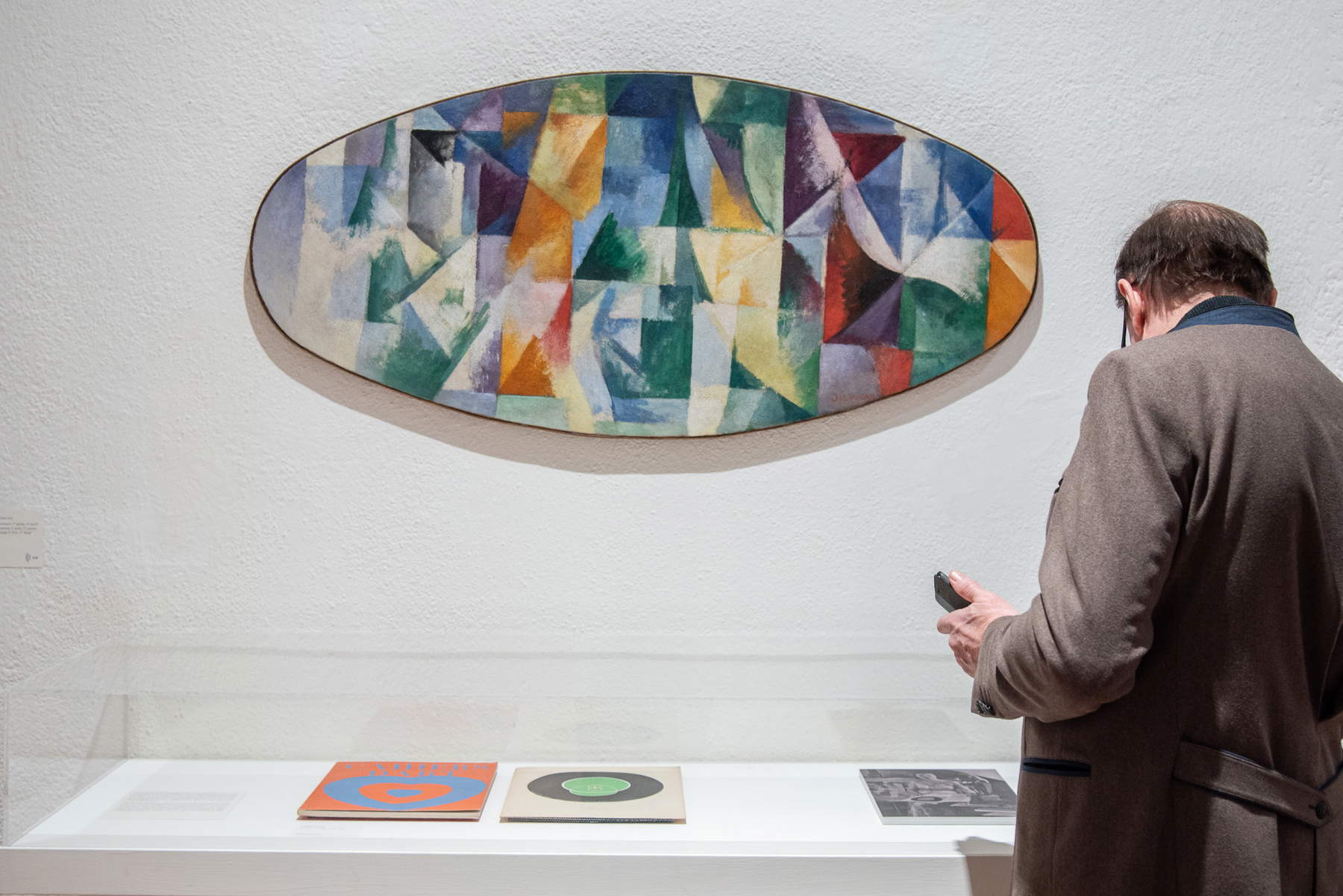
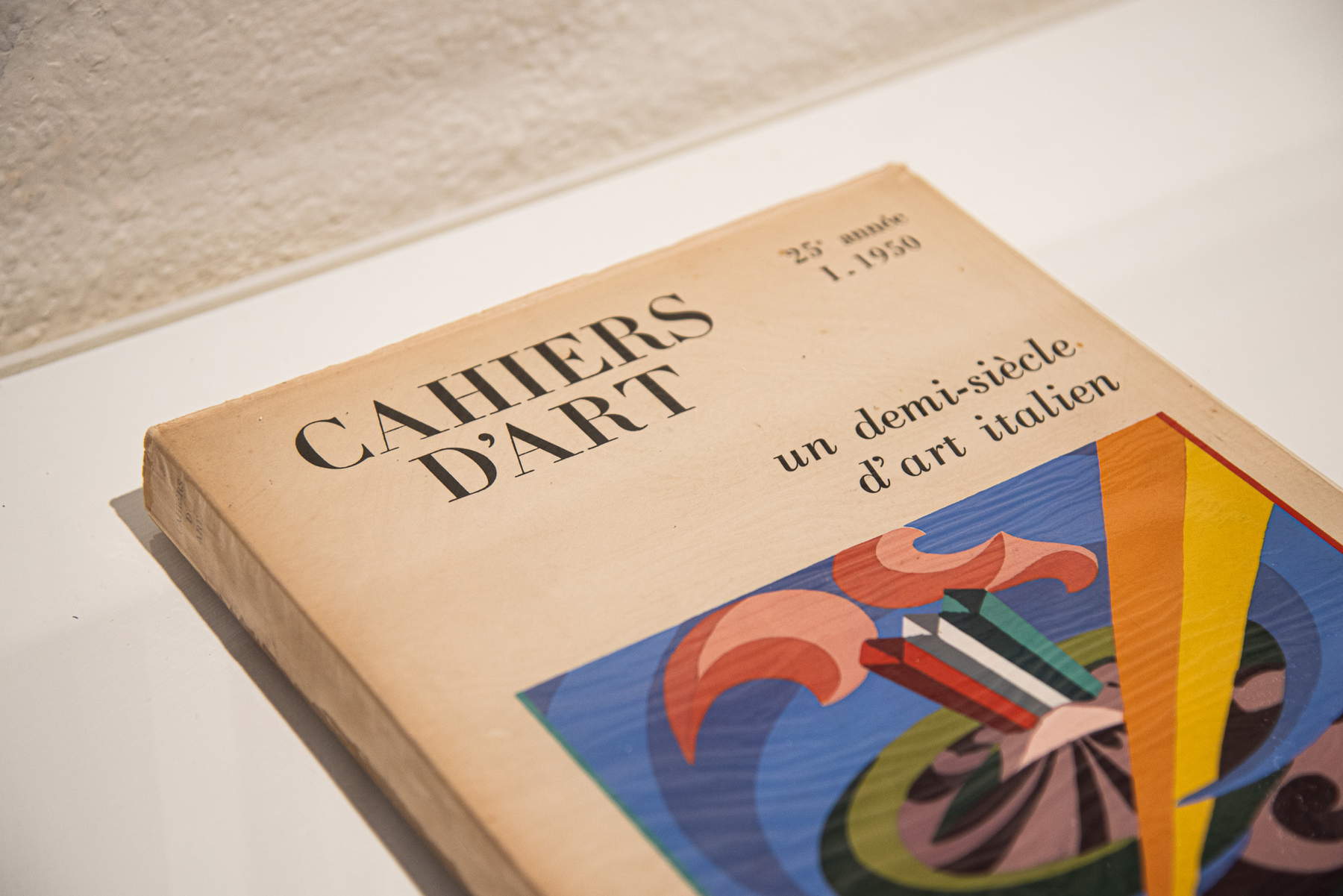
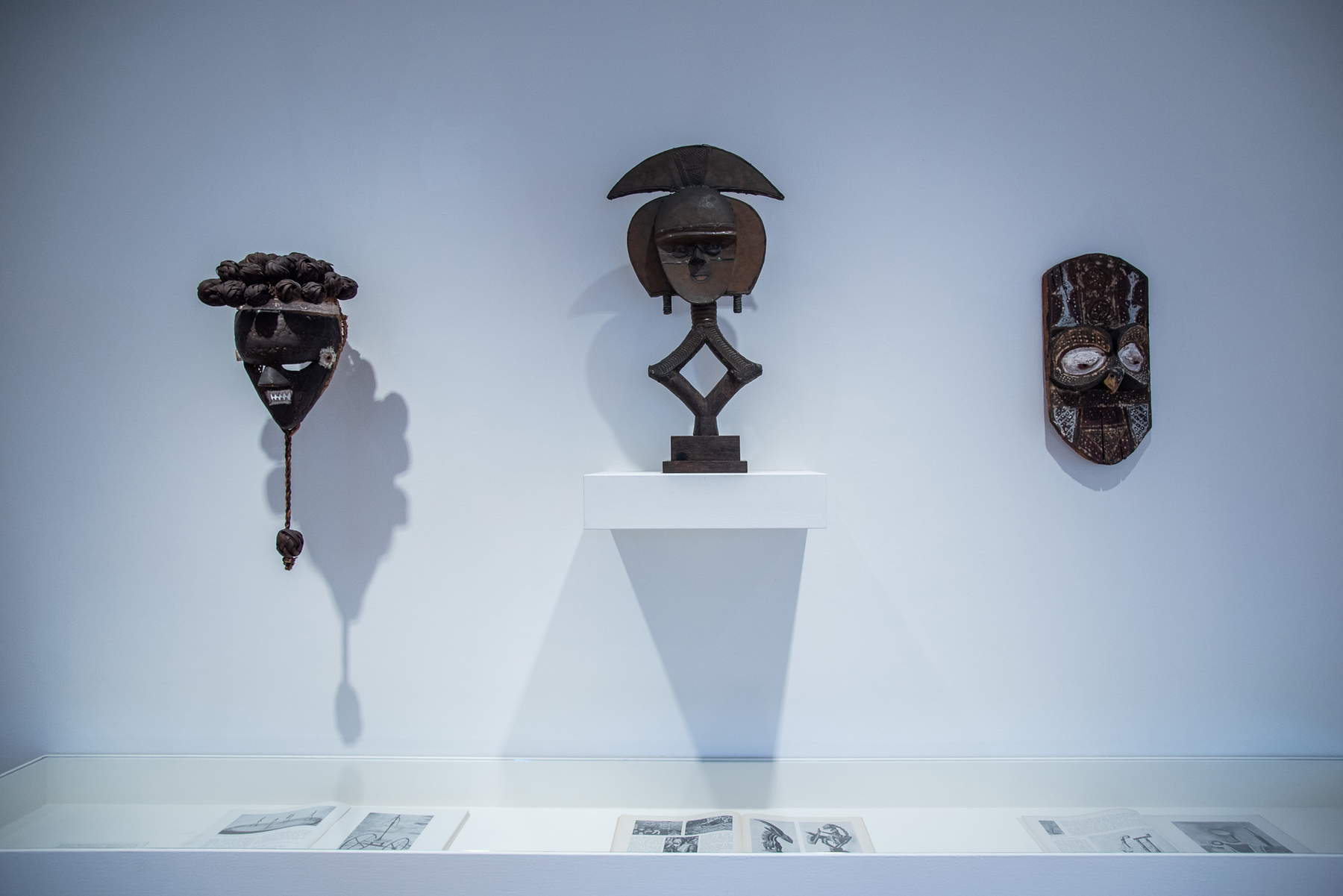
One of the distinctive elements of Cahiers d’Art was the attention paid to the quality of the photographic reproductions, also entrusted to Dora Maar and Man Ray, who helped transform the magazine into a true “portable museum.” Through high-quality images and critical texts, the publication managed to make the avant-garde visible while it was still being defined, actively participating in the processes of canonization of modern art.
The selection presented in Venice, acquired by the Peggy Guggenheim Collection through a fundraising campaign and now part of the museum’s archival holdings, documents a close historical entanglement between the magazine and the collection itself. Indeed, the ten issues on display reproduce works now held in Peggy Guggenheim’s collection, underscoring a convergence of interests and visions. In 1955 the American patron herself contributed to Cahiers d’Art with a text dedicated to Constantin Brancusi, confirming her direct involvement in the international art scene of the time.
The Peggy Guggenheim Collection is the first institution to initiate a cycle of exhibitions related to the magazine’s centennial, which over the course of 2026 will involve a wide network of international museums, including MDAM - Collection Zervos in Vézelay, LUMA Arles, the Musée national Picasso-Paris, the Benaki Museum in Athens, the Museum of Modern Art in New York, and the Reina Sofía Museum in Madrid. The global program, which features the curatorial participation of Daniel Birnbaum, also includes the publication Cahiers d’Art. A Century of Modernism, a series of conversations, and a series of exhibition projects at the magazine’s Paris headquarters.
Since its founding, Cahiers d’Art has published 97 issues and more than fifty volumes, including Picasso’s Catalogue Raisonné. Relaunched in 2012 by Swedish collector Staffan Ahrenberg, the magazine continues today as a platform for dialogue between artistic generations, juxtaposing historical protagonists such as Calder and Picasso with contemporary artists such as Arthur Jafa, Hiroshi Sugimoto, Gabriel Orozco and Rosemarie Trockel. The special exhibition at the Peggy Guggenheim Collection will be on view until the fall of 2026.
 |
| At the Peggy Guggenheim the hundred years of Cahiers d'Art between magazines and masterpieces |
Warning: the translation into English of the original Italian article was created using automatic tools. We undertake to review all articles, but we do not guarantee the total absence of inaccuracies in the translation due to the program. You can find the original by clicking on the ITA button. If you find any mistake,please contact us.