





A new light to rediscover one of the symbolic places of Genoa’s history and art. On the occasion of Republic Day on June 2, 2026, the Royal Palace will fully reopen to the public all the rooms of the Second Main Floor after the completion of the major intervention carried out under the National Recovery and Resilience Plan (NRP) funding. The day will be accompanied by free admission to the museum, a concert by the Children’s Voices Choir of the Carlo Felice Theater, and the presentation of important works that return to dialogue with the palace’s historic rooms, including the busts of Giovan Luca and Eugenio Durazzo and the portrait of Annamaria Balbi.
The appointment represents a significant moment for the National Museums of Genoa, celebrating the completion of one of the major infrastructural interventions in recent years within the historic residence. The project involved the creation of a new lighting system designed to improve the enjoyment of the rooms and collections, introducing advanced technological solutions capable of enhancing the artistic and architectural heritage of the complex.
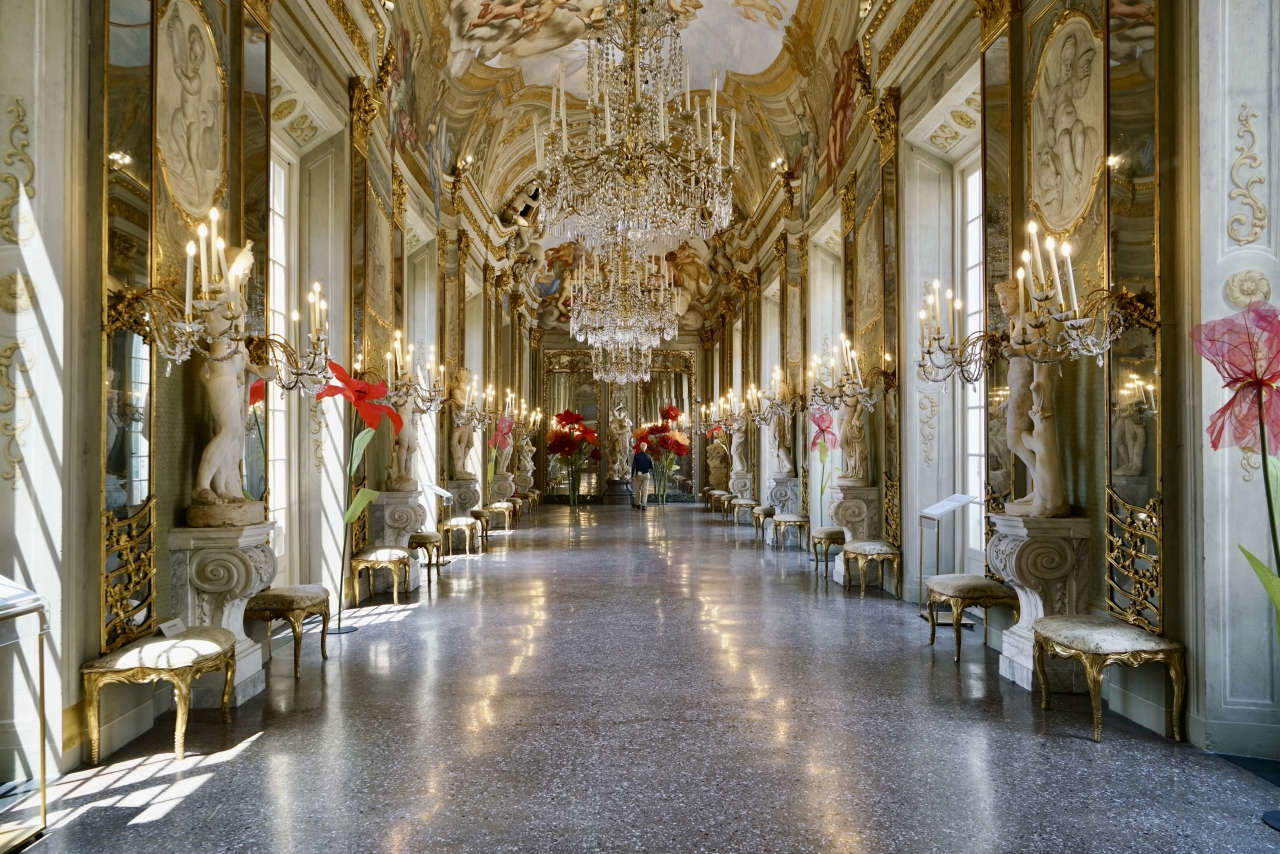
The intervention, which was completed on schedule, involved the entire museum itinerary and made it possible to fully restore all the rooms on the Second piano nobile to visitors. The new lighting system was designed to recreate a light as close as possible to natural daylight, allowing a more accurate reading of the works of art and decorative apparatus that characterize the rooms of the palace. In addition to improving visual quality, the new system provides significant energy efficiency and introduces the ability to modulate lighting through different programmable scenarios. The system can also be remotely controlled, offering more flexible and sustainable management of museum spaces.
“It is with great satisfaction that we reopen to the public all the rooms of the Royal Palace Museum after the completion of the new lighting system made with PNRR funds,” says director Alessandra Guerrini. “The intervention was completed on schedule and was designed to improve the legibility of the works of art and the historic rooms. It was a delicate construction site, for which I thank the technical staff of the National Museums, the designers, the construction management and the contractors who worked with great care. We invite all Genoese, Italian citizens and all tourists to come and rediscover their palace, which from today shines in a new light.”
The complete reopening of the halls is part of the program of Republic Day celebrations, during which the museum will be accessible free of charge for the entire day of June 2. The initiative aims to encourage public participation and provide an opportunity to visit the museum itinerary again in light of the new features introduced by the recently completed intervention. Among the scheduled events is the concert “Over the Rainbow,” scheduled at 5 p.m. The protagonist will be the Children’s Voice Choir of the Teatro Carlo Felice, which will bring to the palace’s rooms a repertoire dedicated to some of the most celebrated pages of international music. The program includes compositions by Jacques Offenbach, Leonard Bernstein, Richard Rodgers, Harold Arlen, Carl Orff and other composers who marked the history of music between the 19th and 20th centuries. The performance will be accompanied on piano by Enrico Grillotti. Reservations are required to attend the concert through the museum’s e-mail address, as seats are limited.
Alongside the novelties related to lighting and musical programming, the Royal Palace enriches its exhibition itinerary with the return of works deeply linked to the history of the building and the family that determined its transformation into one of the city’s most prestigious aristocratic residences. Thus, the marble busts of Giovan Luca Durazzo and Eugenio Durazzo, two of the most influential members of the family that acquired the palace in 1679, arrive at the Palazzo Reale. Their return to the original rooms represents an event of particular historical and symbolic importance, as it allows for the reconstruction of an important part of the memory of the residence. It was under the leadership of the Durazzo family that the palace experienced one of its most ambitious seasons. In fact, they were responsible for the great enlargement of the building, which involved the construction of a new monumental atrium, scenic staircases, a large courtyard, the garden and the famous Falcone Theater. Carlo Fontana, a pupil and heir to the Bernini tradition and a central figure in European Baroque architecture between the 17th and 18th centuries, was called in for the project. The busts depicting Giovan Luca and Eugenio Durazzo constitute concrete evidence of that season of renewal. The works were created by some of the leading interpreters of Genoese Baroque sculpture, Filippo Parodi and Bernardo and Francesco Maria Schiaffino, and fully reflect the artistic language that had transformed Rome in the preceding decades.

The figures emerge from the marble with a vitality and richness of expression that testify to the patrons’ willingness to adhere to the most up-to-date artistic trends of the time. Their return to the Royal Palace thus takes on the value of a historical recomposition, restoring to the rooms a presence that dialogues directly with the dynastic and cultural project elaborated by the Durazzo family at the height of its social rise. The National Museums of Genoa expressed particular gratitude to the current owner of the works, the heir of Marquis Stefano Durazzo, who made possible the creation of the exhibition and the temporary return of the two busts to their historic home.
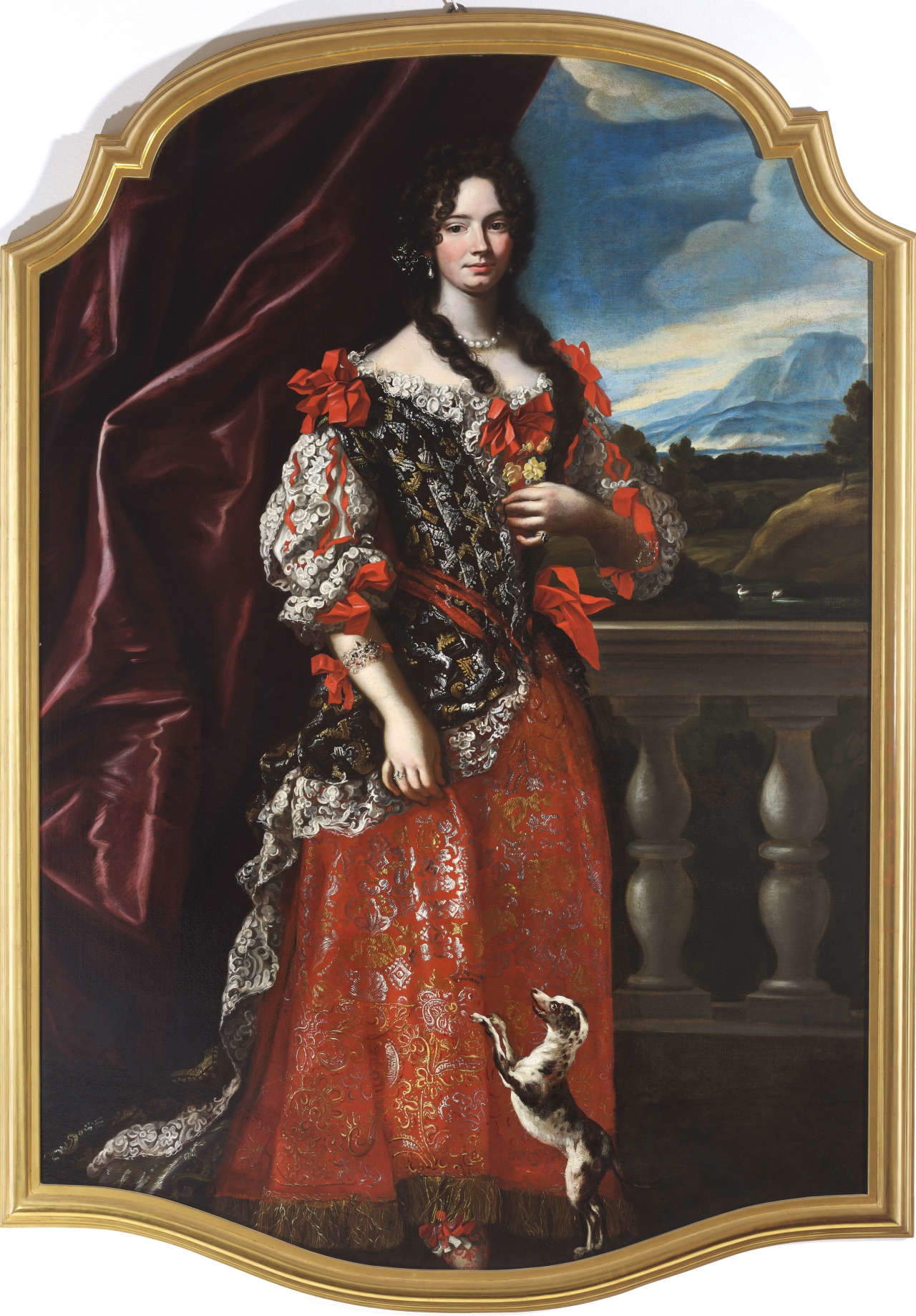
Another important recovery concerns the portrait of Annamaria Balbi, wife of Eugenio Durazzo, which returns to the halls of the palace after a long absence that lasted almost two centuries. The work is of particular interest from both a historical and artistic point of view. The noblewoman is depicted in a precious dress inspired by Parisian fashion of the mid-17th century. The elegant gown features fine silver embroidery, floral decorations, red bows and rich white lace that testify to the aristocratic taste of the time. Contributing to the image are the precious jewels that adorn not only the woman’s neck and body, but also her dark hair. The canvas is attributed with certainty to Giovanni Maria Delle Piane, known as il Mulinaretto, one of the most celebrated portrait painters active in Genoa between the 17th and 18th centuries. The work left the Royal Palace in 1824, when the Durazzo family ceded the residence to the Savoy dynasty. Its return today allows for a more complete reconstruction of the history of the patronage and family relationships that characterized the life of the palace.
The exhibition is also enriched by an additional sculptural portrait, the plaster bust depicting Carlo Goldoni. The work was originally in the Teatro del Falcone and is attributed to Domenico Carli, who probably made it in 1876 on commission from the Accademia Filodrammatica Italiana. The iconographic choice is particularly interesting. In fact, the sculptor does not depict the famous playwright in his maturity, but proposes a youthful image of him, recalling the period of his stay in Genoa in 1736. The bust thus contributes to strengthening the link between the Royal Palace and the city’s theatrical tradition, evoking one of the absolute protagonists of 18th-century Italian culture.
The set of innovations presented on the occasion of Republic Day testifies to the desire of the National Museums of Genoa to combine protection, technological innovation and historical enhancement. On the one hand, the new lighting system allows a more effective and sustainable enjoyment of the heritage; on the other, the return of works closely linked to the history of the Durazzo family makes it possible to recover significant fragments of the residence’s original identity.
|
| Genoa, Royal Palace reopens all rooms with new lighting |

Warning: the translation into English of the original Italian article was created using automatic tools. We undertake to review all articles, but we do not guarantee the total absence of inaccuracies in the translation due to the program. You can find the original by clicking on the ITA button. If you find any mistake,please contact us.





















 IT
IT FR
FR DE
DE ES
ES CN
CN


