




by Redazione 02/06/2026



Categories: Museums / Disclaimer
At the Antonio Canova Gypsotheca Museum in Possagno, work on the Scarpa Wing, which began in June 2025 thanks to an extraordinary grant from the Ministry of Culture, has been completed. Returned to the public one of the most significant spaces of 20th-century museum architecture, designed by Carlo Scarpa.
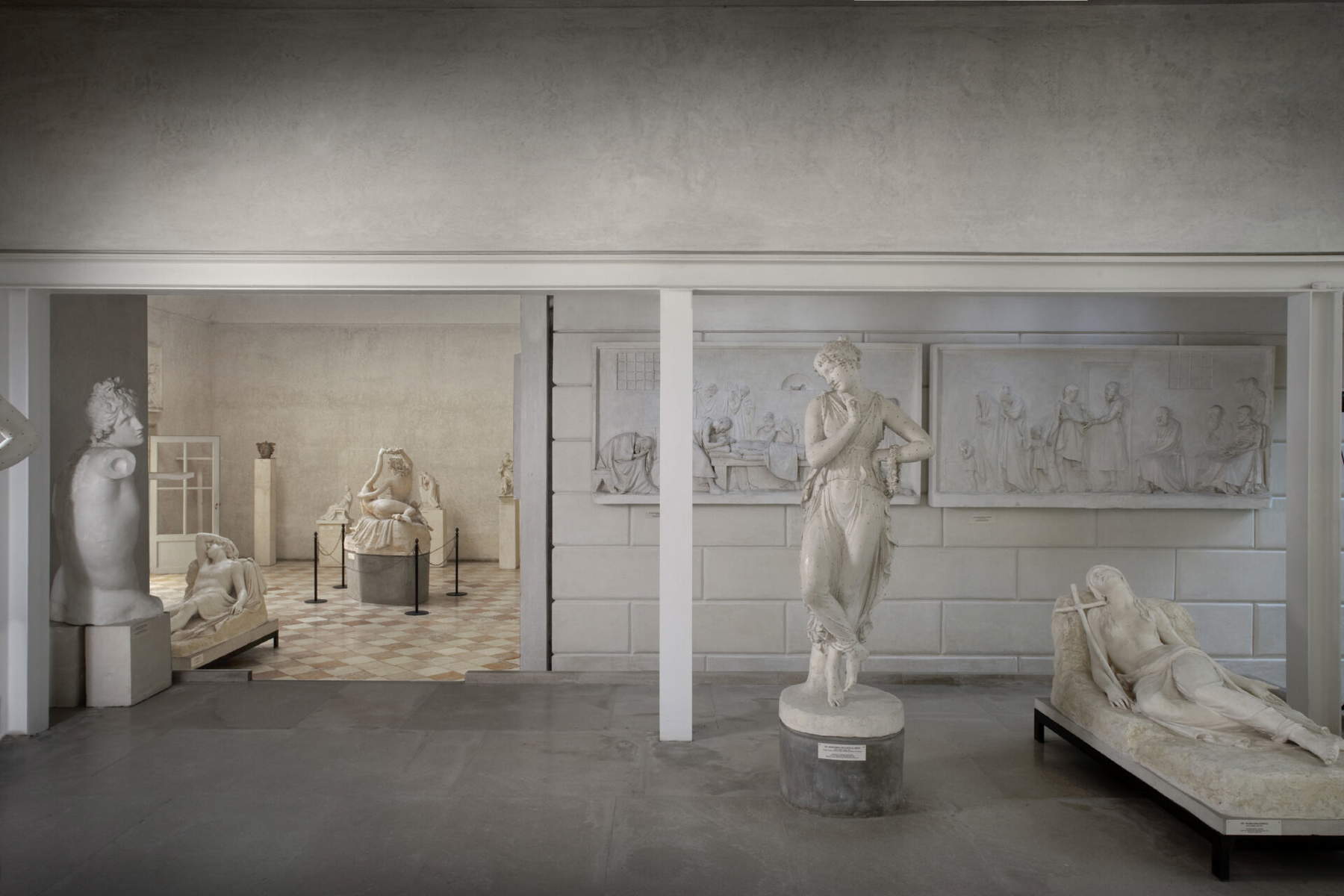
Last Friday, May 29, the Gypsotheca Antonio Canova Museum in Possagno reopened theScarpa Wing to the public, at the end of a complex restoration project that began in June 2025. This concludes an important construction site that involved one of the most celebrated museum spaces of the Italian 20th century, considered one of the most significant testimonies of the dialogue between contemporary architecture and artistic heritage. The reopening restores to visitors an environment that represents one of the pinnacles of the design research of Carlo Scarpa (Venice, 1906 - Sendai, 1978), a master of post-World War II Italian architecture, author of an intervention that was able to integrate the modernity of architectural language with the historical and artistic context of the Gypsotheca dedicated to Antonio Canova. The work was carried out by the Soprintendenza Archeologia, Belle Arti e Paesaggio for the Provinces of Padua, Treviso and Belluno, headed by Superintendent Marta Mazza, in close collaboration with the Canova Foundation, chaired by Massimo Zanetti, the Municipality of Possagno led by Mayor Valerio Favero and the IUAV University of Venice. The intervention was made possible thanks to an extraordinary grant of 460,000 euros from the Ministry of Culture, obtained following a request made by the then superintendent Fabrizio Magani.
The Scarpa Wing was built in 1957 as an extension of the historic neoclassical Gypsotheca that holds plaster models of Antonio Canova’s works. Since its inauguration, it has been considered one of the Venetian architect’s most important works and one of the most successful examples of the integration of architecture, light, and museum display. The building is distinguished by a series of particularly innovative technical and formal solutions that, precisely because of their complexity, have made constant monitoring and conservation activities necessary over time. In fact, many of the design choices were developed and refined during the executive phase, shaping an architecture of extraordinary quality but characterized by a remarkable constructive delicacy.


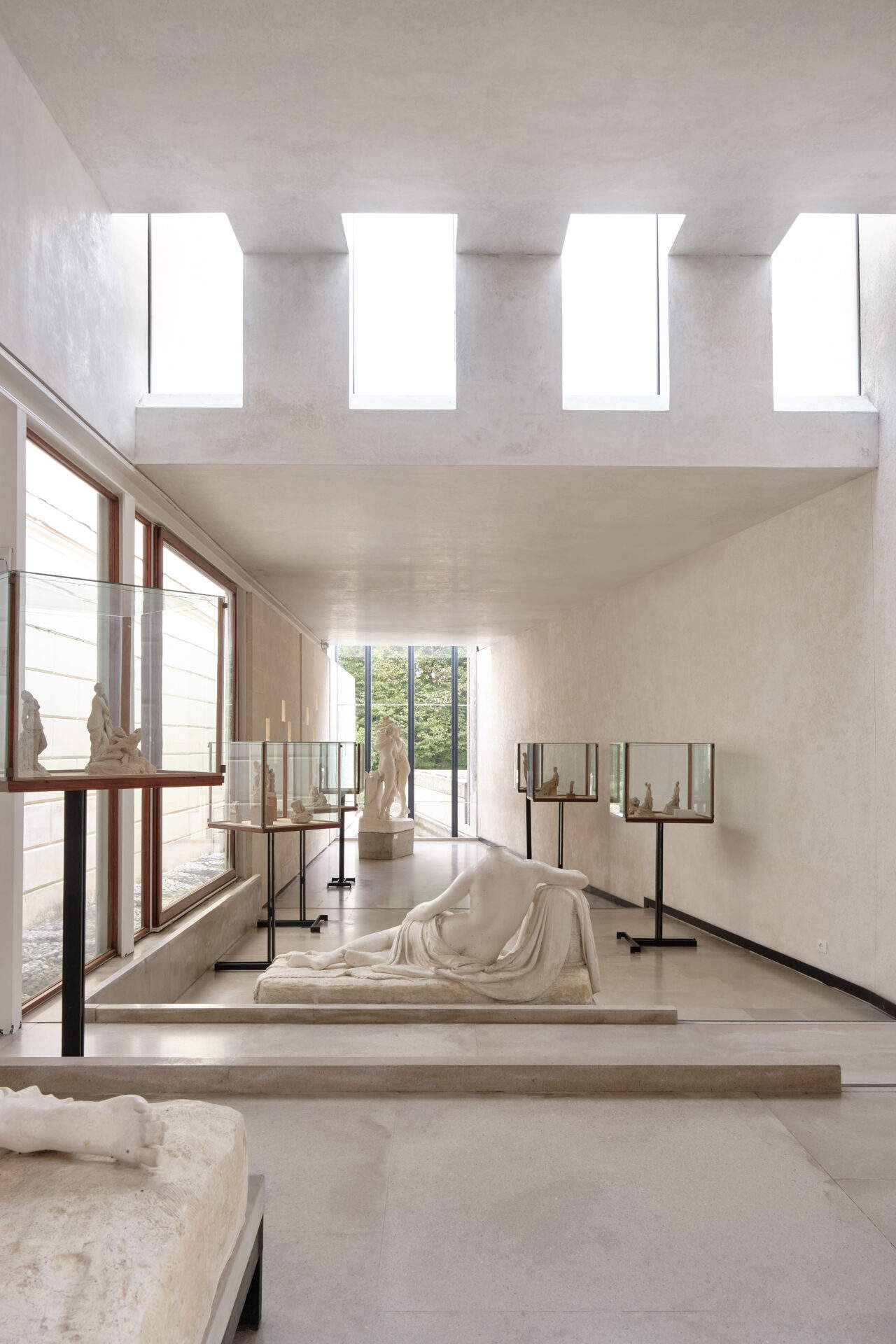
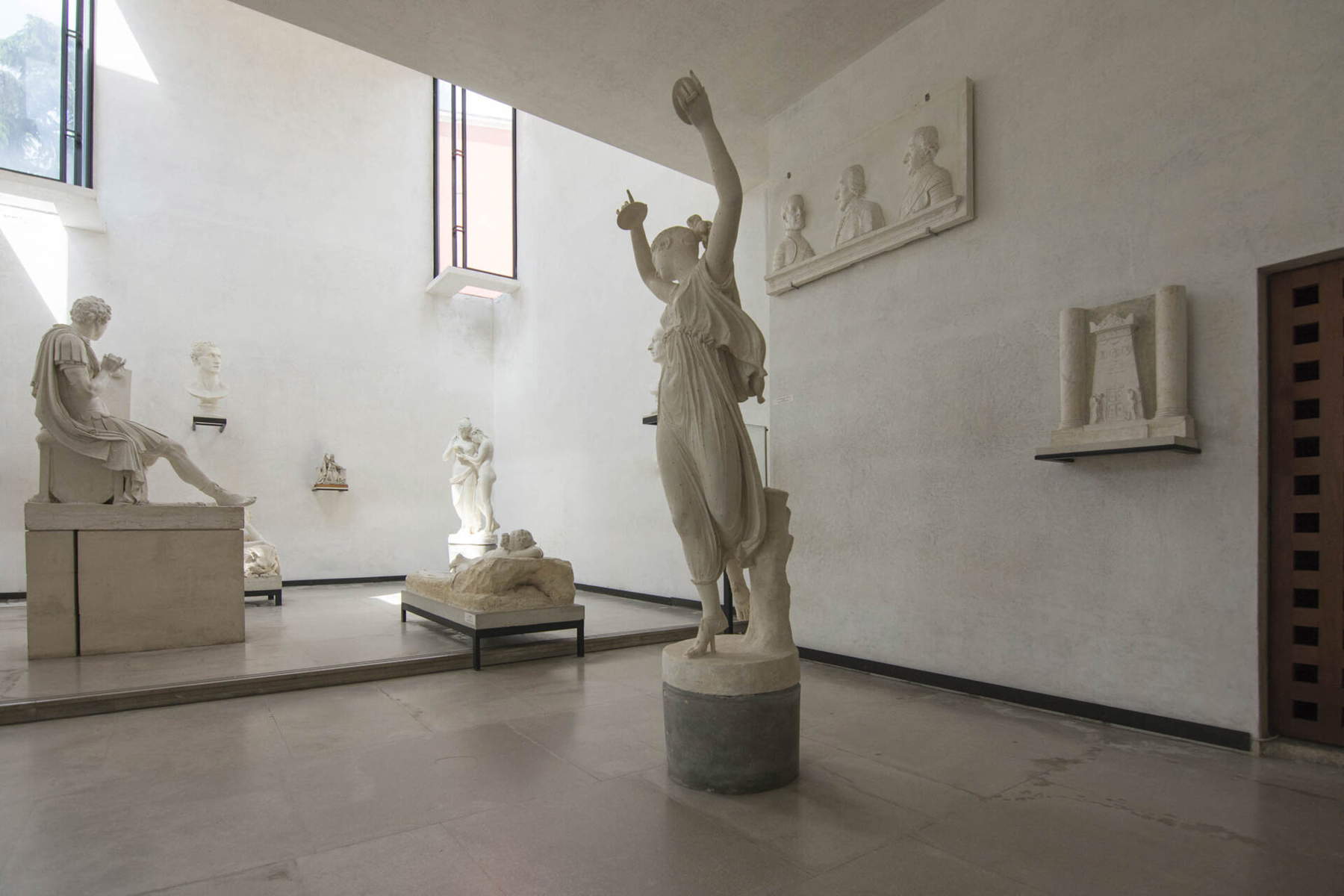
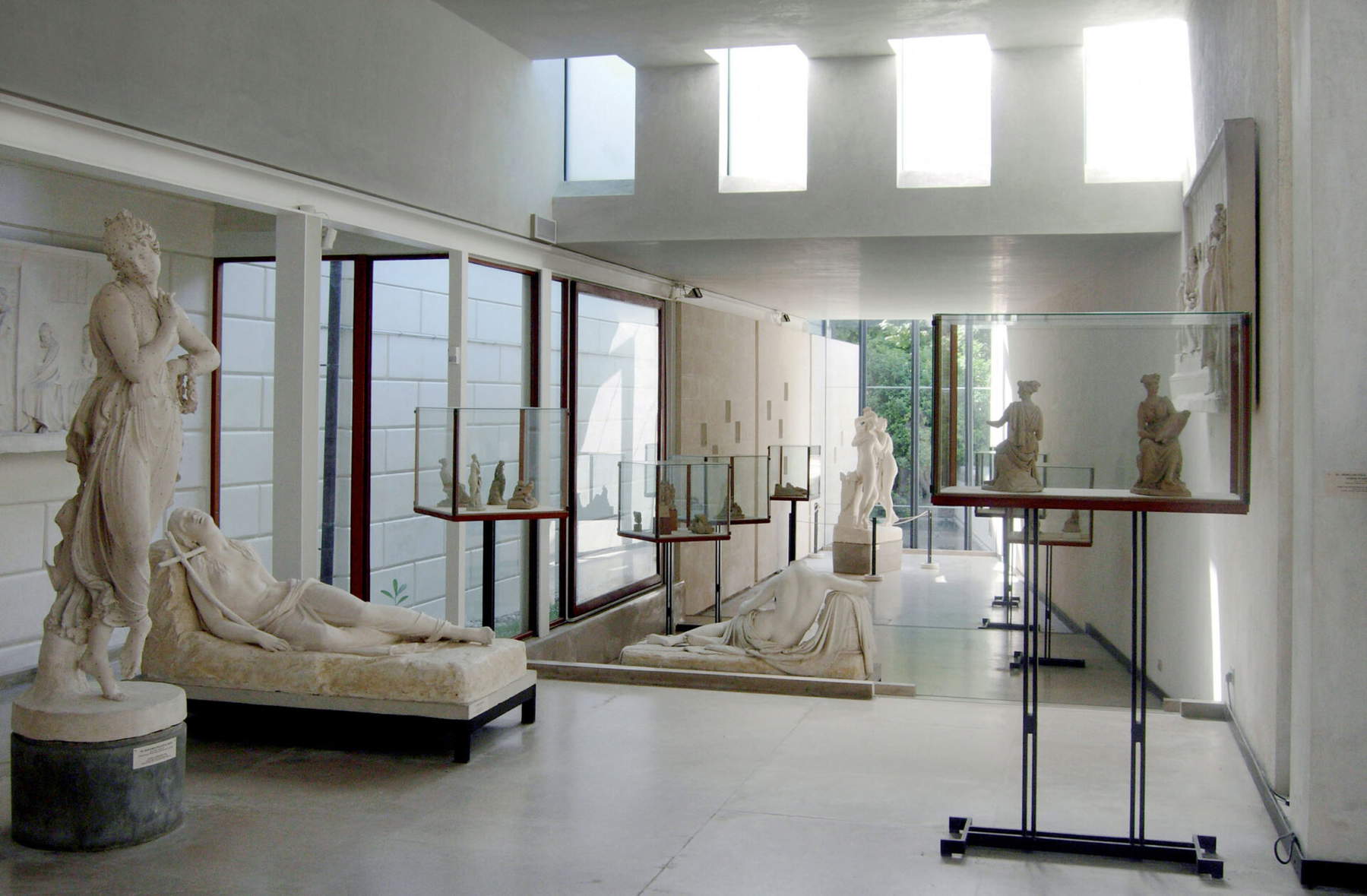
Precisely in order to deal adequately with this complexity, the restoration project was preceded by a long work of scientific study and investigation. In fact, before the start of the construction site, an extensive research activity was conducted aimed at understanding the transformations undergone by the building over the decades and identifying the most appropriate strategies for its conservation.
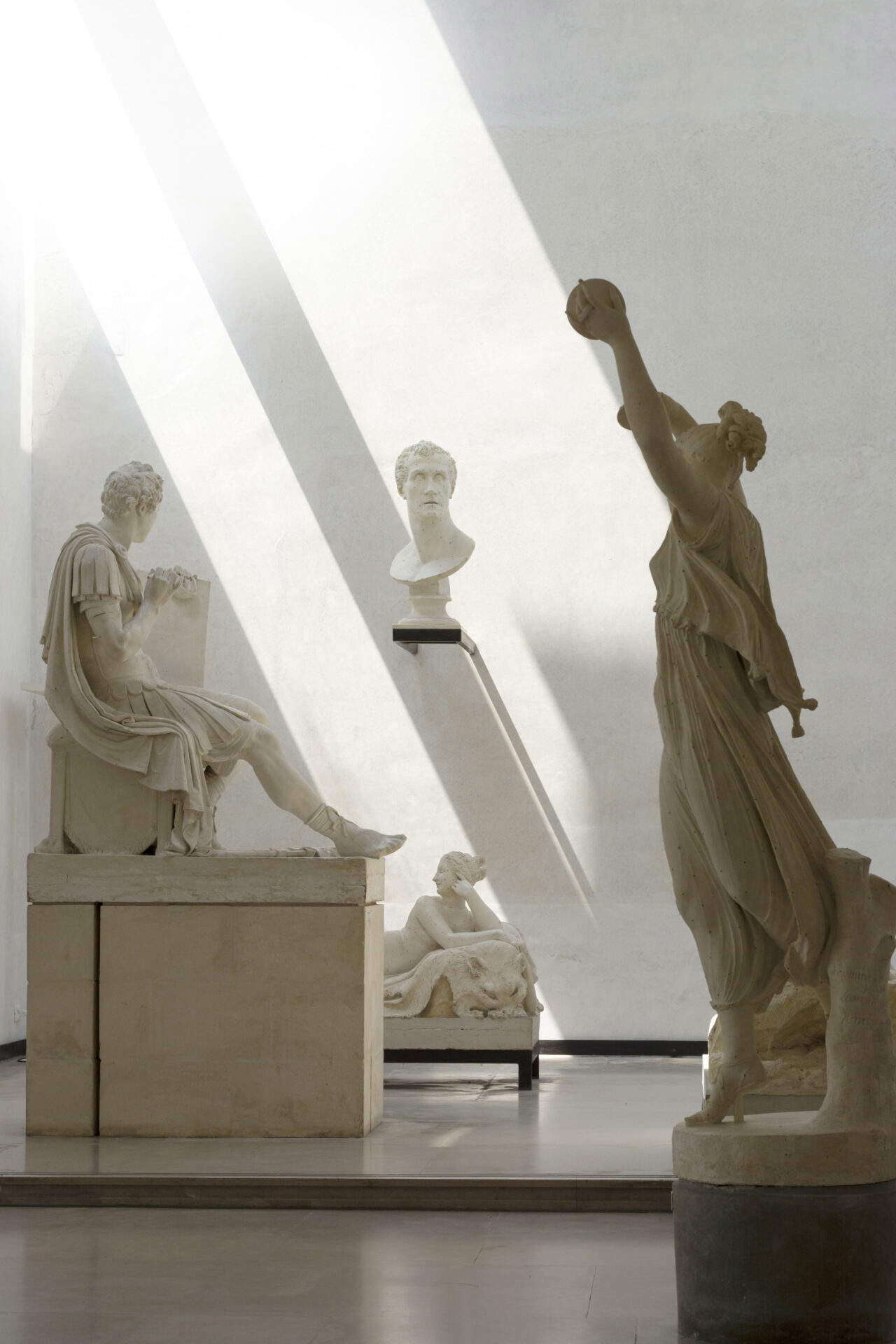
The course of analysis included a bibliographic and archival survey, survey and instrumental acquisition campaigns directly on the building, and a subsequent phase of critical interpretation of the data collected. All these activities were developed thanks to the collaboration with theIUAV University of Venice, which provided scientific expertise and specialized laboratories. The research group was coordinated by Emanuela Sorbo, with the collaboration of Gianluca Spironelli and Tommaso Moretto. A decisive contribution also came from the laboratories of the Venetian university, particularly the system consisting of CIRCE, LabSCo and FisTec, which played a strategic role in the analysis of materials, construction techniques and the building’s state of conservation.
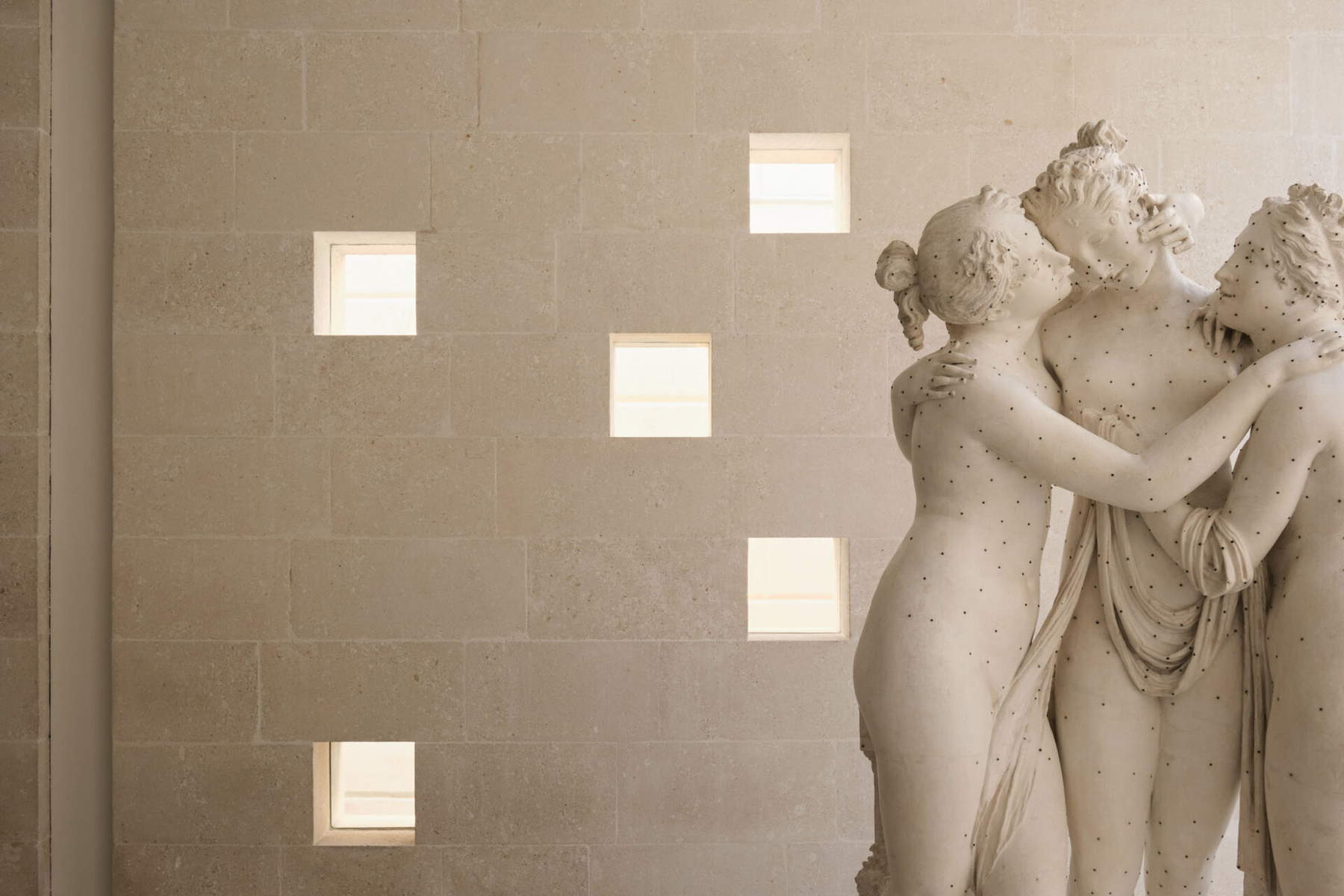
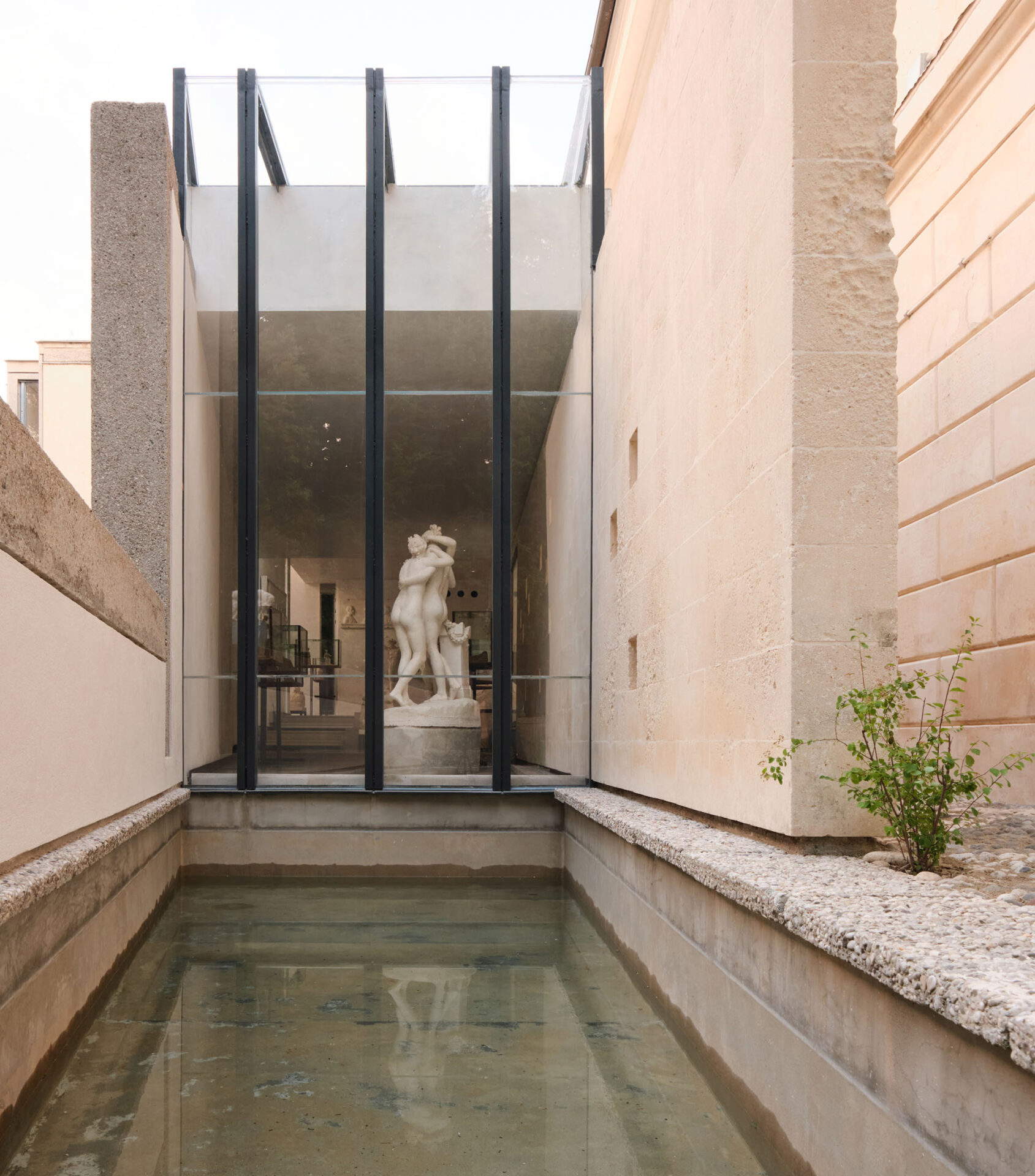
The heart of the intervention involved the so-called Cannocchiale, one of the most famous and representative rooms of the Scarpa Wing. In fact, this space constitutes the highlight of the museum itinerary designed by the architect and represents the main point of observation of Canova’s Three Graces , creating a visual dialogue of extraordinary intensity between architecture and sculpture. The restoration project was developed by the firm Muratori and Zanon of Padua and saw a constant process of verification and validation by the Single Project Manager, former Padua Superintendent Vincenzo Tiné. The work was carried out in continuous discussion with Canova Museum director Moira Mascotto, Emanuela Sorbo, director of operations Andrea Mantovani, and Maria Grazia Martin, restorer of the Soprintendenza Archeologia, Belle Arti e Paesaggio for the Provinces of Padua, Treviso, and Belluno.
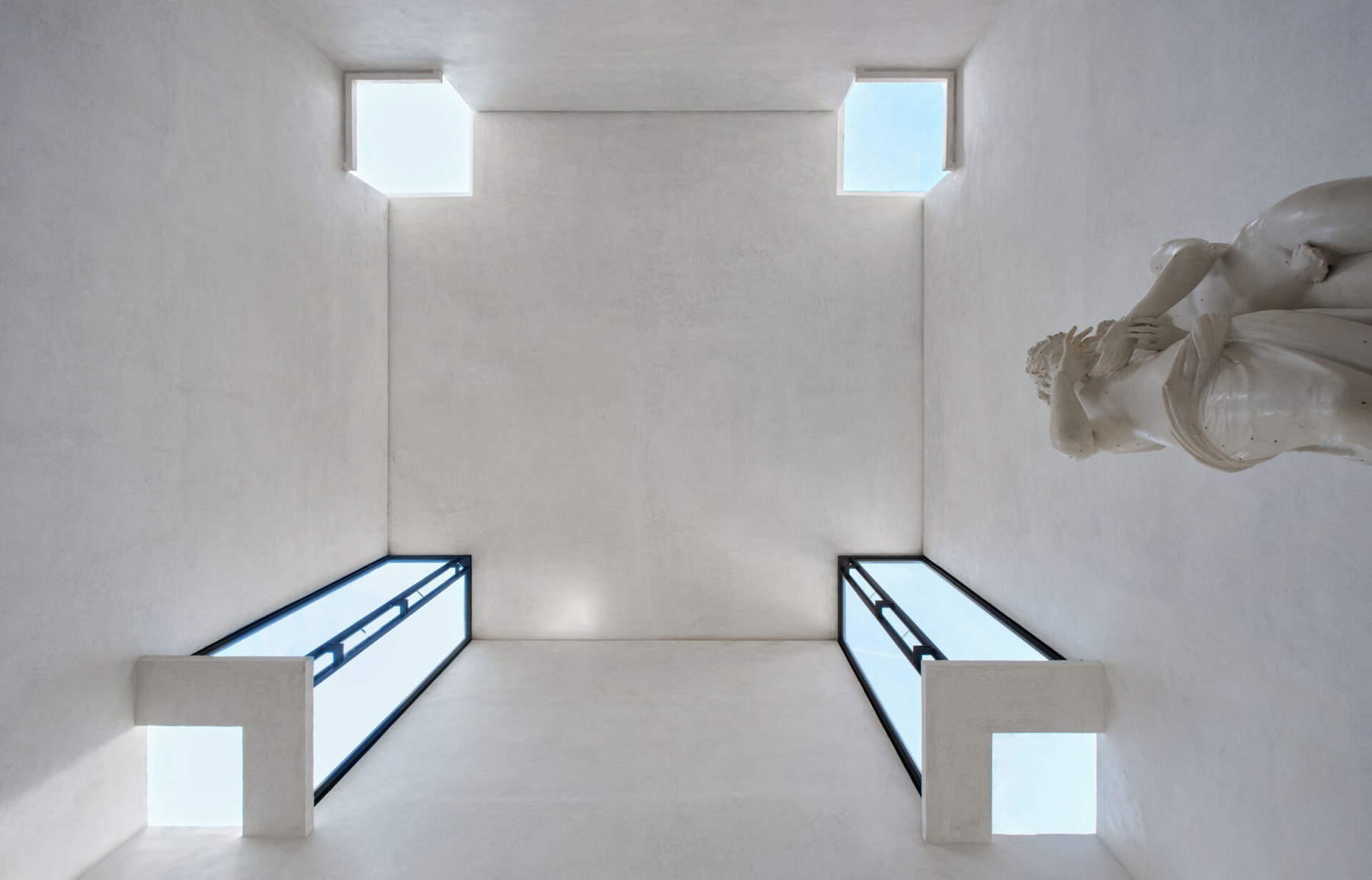
A first phase of the work was dedicated to securing the building and protecting the roof. Preliminary investigations had in fact identified the rainwater disposal system as one of the main causes of the deterioration phenomena affecting the structure. For this reason, priority action was taken on the rainwater collection and runoff system in order to eliminate the critical issues that had compromised some parts of the building over time.
Subsequently, the construction site entered the more properly conservative phase with the re-roofing. This operation was carried out by the Merotto Bau company in collaboration with Asolo Restauri. Particular attention was paid to the recovery of the original materials, which were preserved and reused whenever conservation conditions allowed, in accordance with the principles of conservative restoration.
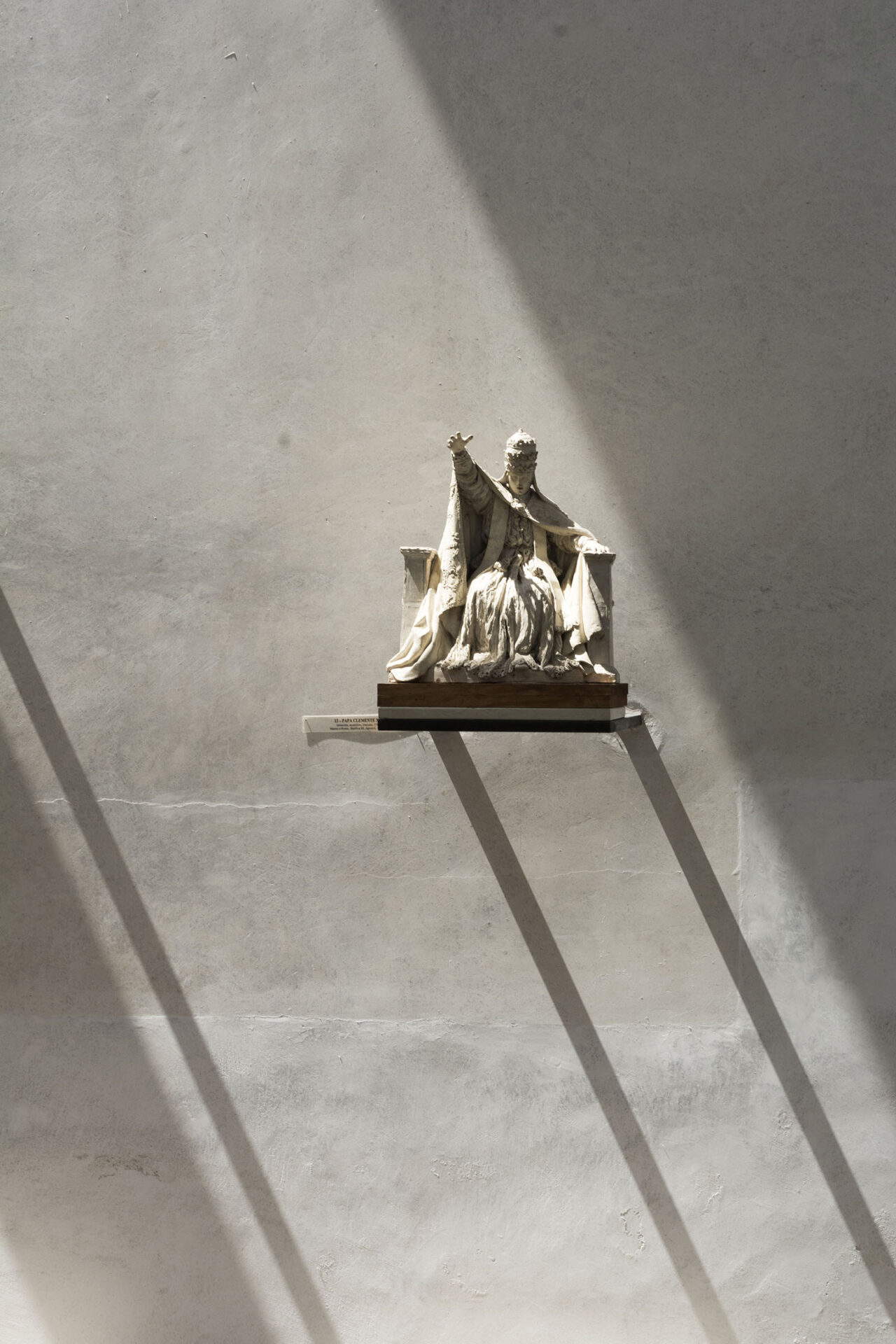
Inside the Cannocchiale, work was carried out on the architectural surfaces and the constituent elements of the layout. Plasters, stone surfaces, wooden and metal elements were restored through operations aimed at preserving the original appearance of the rooms and ensuring their stability over time. This phase was entrusted to the specialized company OG2 Garbuio, which operated following criteria marked by the maximum preservation of the historical material and formal characteristics conceived by Carlo Scarpa. The large windows that characterize the architecture of the Scarpa Wing were also affected by specific interventions. The operations involved both protecting and securing the glass structures, fundamental elements for the relationship between natural light and the museum space that constitutes one of the distinctive features of the entire architectural project.
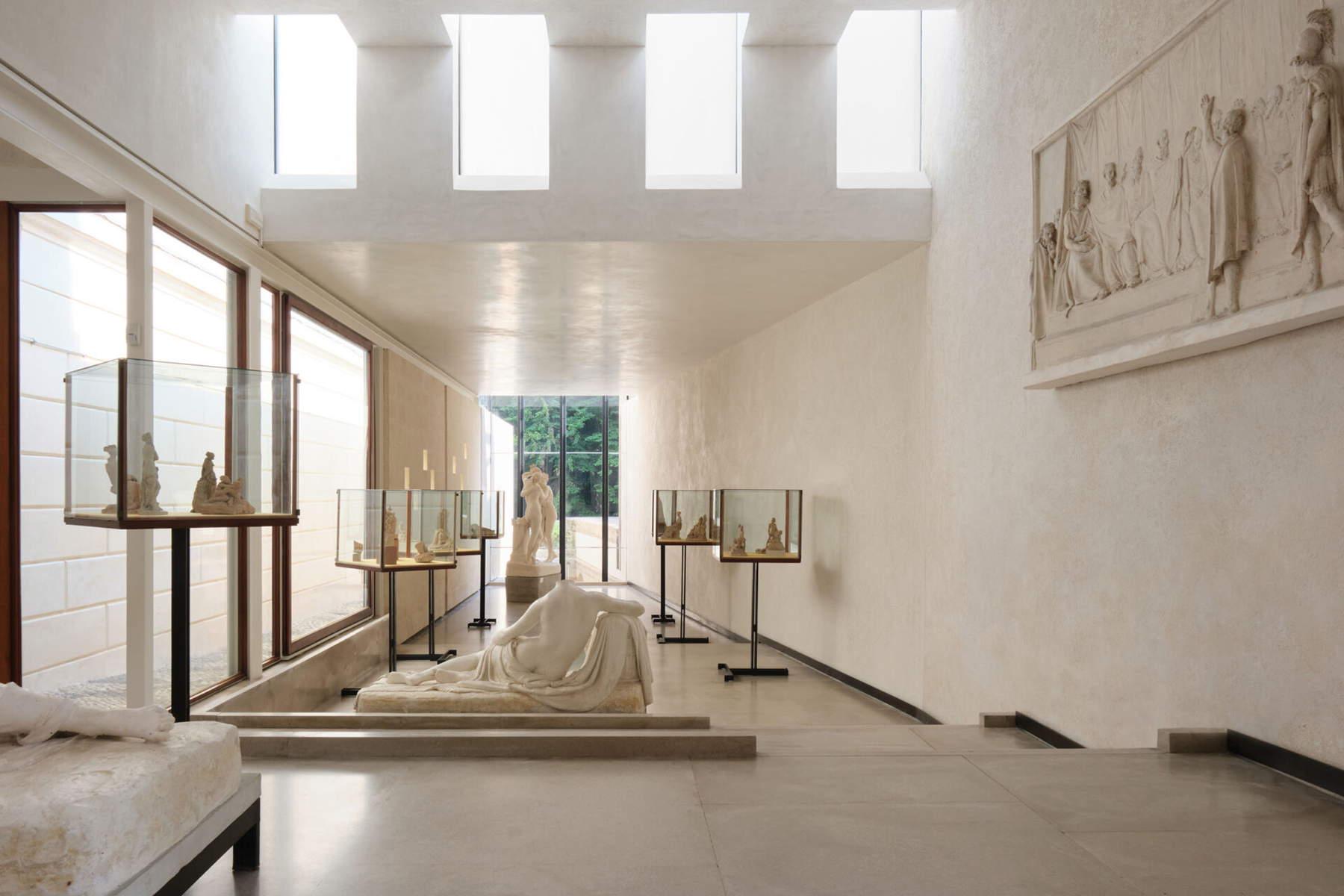
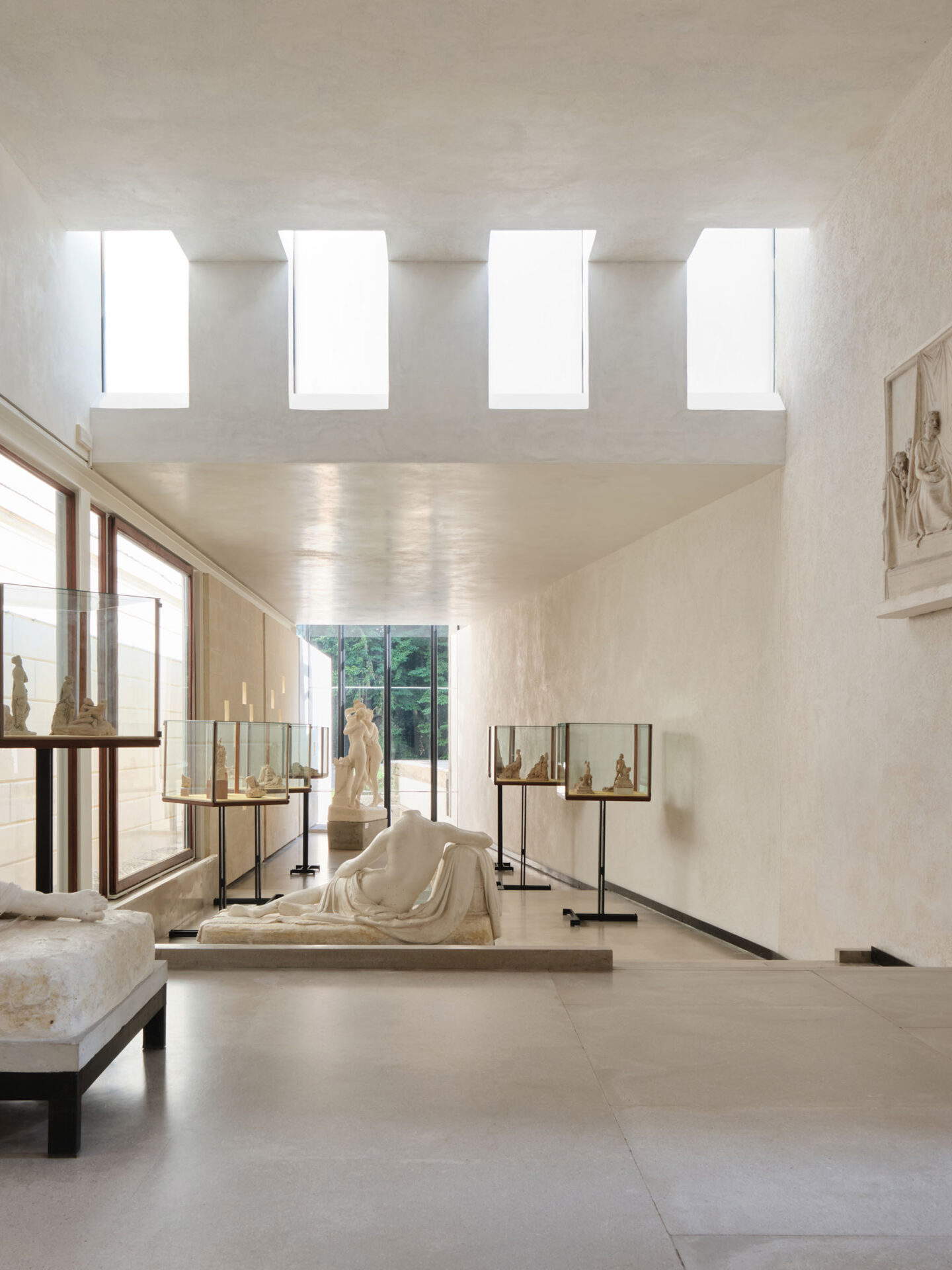
Parallel to the restoration activities, an additional research and experimentation project dedicated to the exhibition apparatuses designed by Carlo Scarpa was initiated. This was a pilot initiative coordinated by Andrea Mantovani in collaboration with Siro Andrich and the company Passarella Restauri, under the supervision of Superintendent Marta Mazza. The intervention involved one of the original display cases conceived by the Venetian architect. Through a careful process of analysis, controlled disassembly, study of materials and subsequent reassembly, it was possible to acquire new technical and methodological knowledge related to the conservation of these complex artifacts.
The objective was twofold. On the one hand, to define an operational model to be applied to future restorations of the entire exhibition system of the Scarpa Wing; on the other hand, to elaborate solutions capable of guaranteeing greater safety of the structures and works of art kept there, including from the point of view of earthquake protection. The results obtained represent an important advancement in the conservation strategies of the historical setting designed by Scarpa and provide a scientific basis for future interventions. In fact, the availability of new funding already secured by the Ministry of Culture will allow the continuation of the program of protection and enhancement of the Scarpa Wing. The knowledge acquired during this experimental phase will be able to be gradually extended to the entire system of exhibition facilities, ensuring increasingly effective conservation that respects the original characteristics of the project.
|
| Possagno, Scarpa Wing of Canova Gypsotheca Museum reopens after restoration |
Warning: the translation into English of the original Italian article was created using automatic tools. We undertake to review all articles, but we do not guarantee the total absence of inaccuracies in the translation due to the program. You can find the original by clicking on the ITA button. If you find any mistake,please contact us.