





The London Museum will open its new location on November 28, 2026, inside the General Market in Smithfield, marking the museum’s 50th anniversary and the start of a new chapter for what is described as the world’s largest city museum. The Victorian General Market, a building opened in 1883 and designed by Sir Horace Jones—who also designed Tower Bridge and Leadenhall Market—had in fact been closed to the public for over thirty years, since the 1990s, and now, following a restoration project that addressed structural elements and underground spaces, it has been converted into a museum and community space.
The museum project is divided into three main sections— Real Time, Our Time, and Past Time—which organize the exhibition itinerary along a chronological and thematic timeline. The new galleries, which are free to the public, house objects from a collection of approximately seven million items, featuring both well-known works and materials on display for the first time. The section dedicated to ancient history features artifacts from Roman London, including writing tablets that represent some of the city’s oldest written records. Also on display are a floor mosaic and a fragment of a painted stucco mural, both rare examples of Roman art.
The Goldsmiths’ Gallery houses the Cheapside Hoard, one of the most significant collections of Elizabethan and Jacobean jewelry. There is also a section dedicated to the Great Fire of London and a fragment of the so-called Whitechapel Fatberg, solidified organic material discovered in the city’s sewer system. One of the new museum’s structural features is a six-meter-long underground glass wall, which offers a direct view of passing trains on the Thameslink line. The passing trains become part of the museum experience, creating a direct connection between urban infrastructure and the exhibition space. The tour begins in the Real Time section, featuring animated screens that tell the stories of the city and its residents by analyzing city data. Banksy’s installation *Piranhas* is also on display in this area: a police box transformed into an aquarium.
The central “Our Time” section features installations related to the city’s recent history, including the mayor’s carriage and the famous Syd’s Coffee Stall, an iconic symbol of the East End. There is also a project to collect testimonies from younger generations, called “Gen Alpha,” which contributes to the creation of a contemporary narrative of the city.
Finally, the “Past Time” section is set in underground spaces located at the level of Roman London. The exhibition follows a chronological structure spanning different eras, from prehistory through the events of the 20th century to the most recent moments in the city’s history, such as the Great Fire, the bombings of World War II, and the 2012 Olympics and Paralympics.
This section features objects associated with specific figures and contexts in British history. These include Tom Daley’s Olympic diving suits, Queen Victoria’s mourning gown, Charles Dickens’s chair, and the waistcoat likely worn by King Charles I at the time of his execution. Also on display are musical instruments and objects related to contemporary culture, such as the smashed Fender bass used by Paul Simonon of The Clash, the tablas of British Bhangra pioneer Kuljit Bhamra, and Anna Pavlova’s “Dying Swan” costume. The exhibition also explores the history of protest movements and forms of political activism, with a particular focus on the collection dedicated to the suffrage movement and materials related to contemporary figures such as Lady Phyll, co-founder of UK Black Pride, and the group Transport for All.
The museum also serves as a social space. The central area of “Our Time,” located beneath the restored market dome, hosts public activities and cultural programs both day and night. The program includes regular gatherings, musical events, communal dinners, and activities for families and children featuring engaging storytelling experiences. Guest Editors will also be invited to explore the city through their own eyes, focusing on one of these four themes: flavors, sounds, performances, and fashion.
The restoration of the complex involved the entire structure of the Victorian market, which remained operational until the 1990s before closing and gradually falling into disuse. The project was led by the architectural firms Stanton Williams and Asif Khan, together with conservation architect Julian Harrap, and involved over seventy skilled craftsmen. The restoration work included the restoration of the ironwork, the rehabilitation of approximately 800 square meters of underground spaces, and the restoration of the historic facades. Stonemasons, blacksmiths, and artisans specializing in the conservation of original materials were involved. The 437-million-pound project is the result of a partnership with the City of London Corporation and London Mayor Sadiq Khan, as well as support from a number of philanthropic organizations, including Bloomberg Philanthropies, the Goldsmiths’ Foundation, the Linbury Trust, and the National Lottery Heritage Fund.
The project incorporates environmentally sustainable solutions, including rainwater harvesting systems for restrooms, geothermal systems, and low-emission materials such as an eco-concrete mix. The stated goal is to achieve BREEAM Outstanding certification, reserved for the highest tier of sustainable buildings internationally. The project also calls for an expansion in 2028 with the opening of the nearby poultry market, which will house additional spaces for temporary exhibitions, an education center, and storage facilities for the museum’s collections, thereby expanding the museum’s overall structure.
“The London Museum celebrates the past, creates opportunities in the present, and will be a source of inspiration for future generations,” says London Mayor Sadiq Khan.
“It has been a long journey, not without its challenges, but above all marked by immense satisfaction and extraordinary creativity,” says Director Sharon Ament. “We’re now counting down the days until we welcome our first visitors. At the beginning, we asked ourselves how to create the best possible museum for London. The answer was to become London itself, with all its grit and splendor.”
“The opening of the London Museum marks an important new chapter for the city’s cultural heritage,” says Eilish McGuinness, CEO of The National Lottery Heritage Fund. “Built on the relationship between places, people, and collaboration, the project is a concrete example of the impact that investments in heritage can have. We are delighted to have contributed, alongside many other partners, to turning this vision into reality.”
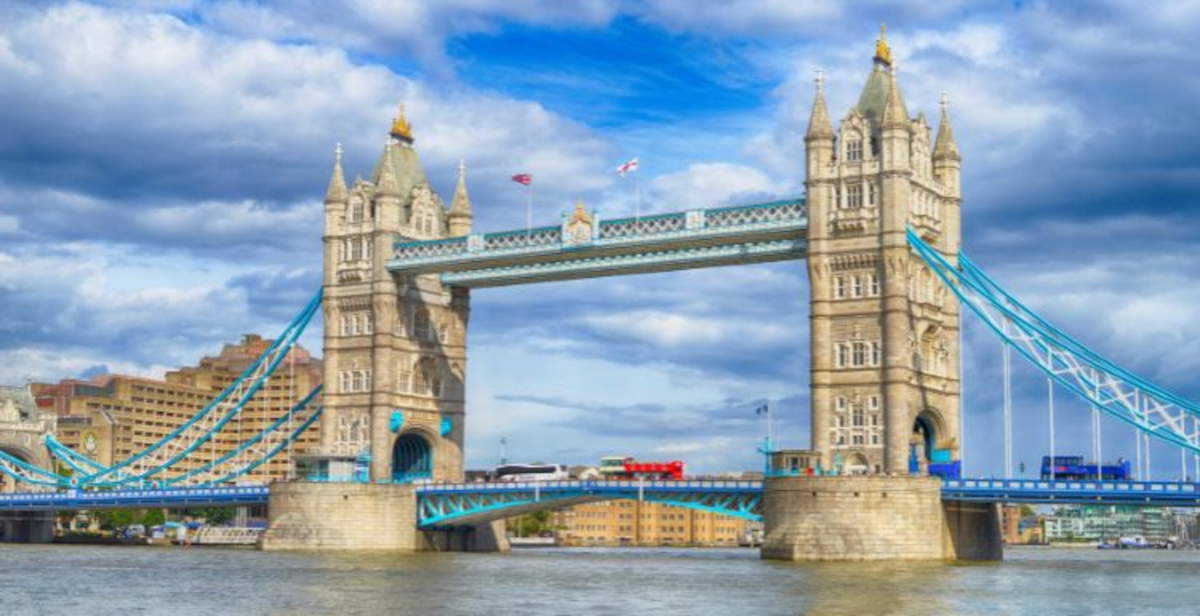 |
| The new London Museum will open in Smithfield on November 28 following the restoration of the General Market |

Warning: the translation into English of the original Italian article was created using automatic tools. We undertake to review all articles, but we do not guarantee the total absence of inaccuracies in the translation due to the program. You can find the original by clicking on the ITA button. If you find any mistake,please contact us.






















 IT
IT FR
FR DE
DE ES
ES CN
CN


