





The exhibition 1 to a Million Italian Design Stories opened on May 23, 2026 at theOman National Museum in Muscat, and can be visited until November 15, 2026. The exhibition is produced by ADI Design Museum and curated by Maria Cristina Didero, with illustrations by Steven Guarnaccia. The exhibition design is by ACPV Architects / Antonio Citterio Patricia Viel, while the graphic design is by Leftloft.
The initiative stems from a collaboration between the Italian museum and the Omani institution and is part of a strategy of cultural openness of the National Museum of the Sultanate of Oman. The stated goal is to host a reflection on Italian design as a cultural and design phenomenon of international significance. The collaboration was developed with the involvement of His Excellency Jamal bin Hassan Al-Mousawi, Secretary General of the National Museum, who supported the intent to promote dialogue between cultures and disciplines through museum experiences capable of relating different histories and design traditions.
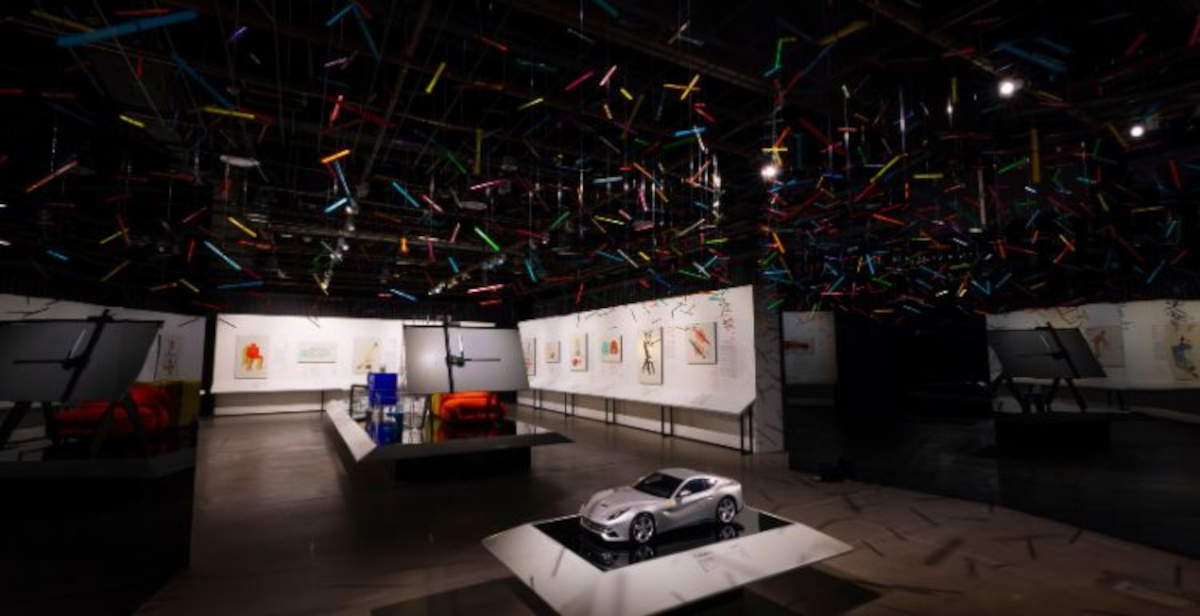
The exhibition brings together a selection of objects awarded the Compasso d’Oro Prize, an award established in 1954 by Gio Ponti and considered one of the main international prizes dedicated to design. The exhibition proposes an interpretation of Italian design from the post-World War II period to the present, with a focus on the cultural and not exclusively functional dimension of the object. 1 to a Million Italian Design Stories is constructed as a nonlinear path, in which design is interpreted as a cultural device capable of generating new design directions. The exhibition integrates critical apparatus, documentary materials and visual interventions, constructing a narrative that relates experimentation, design rigor and impact on everyday experience.
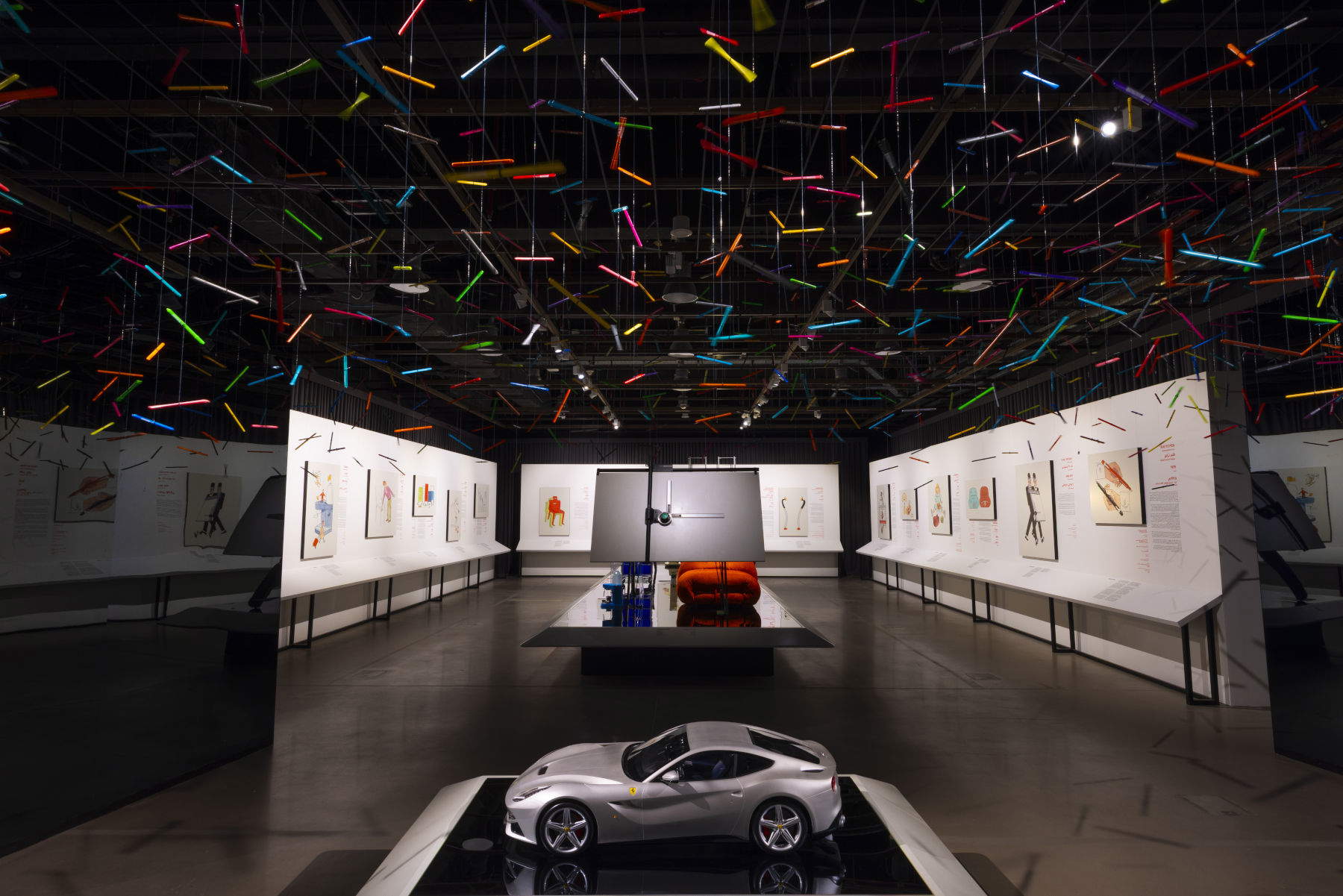
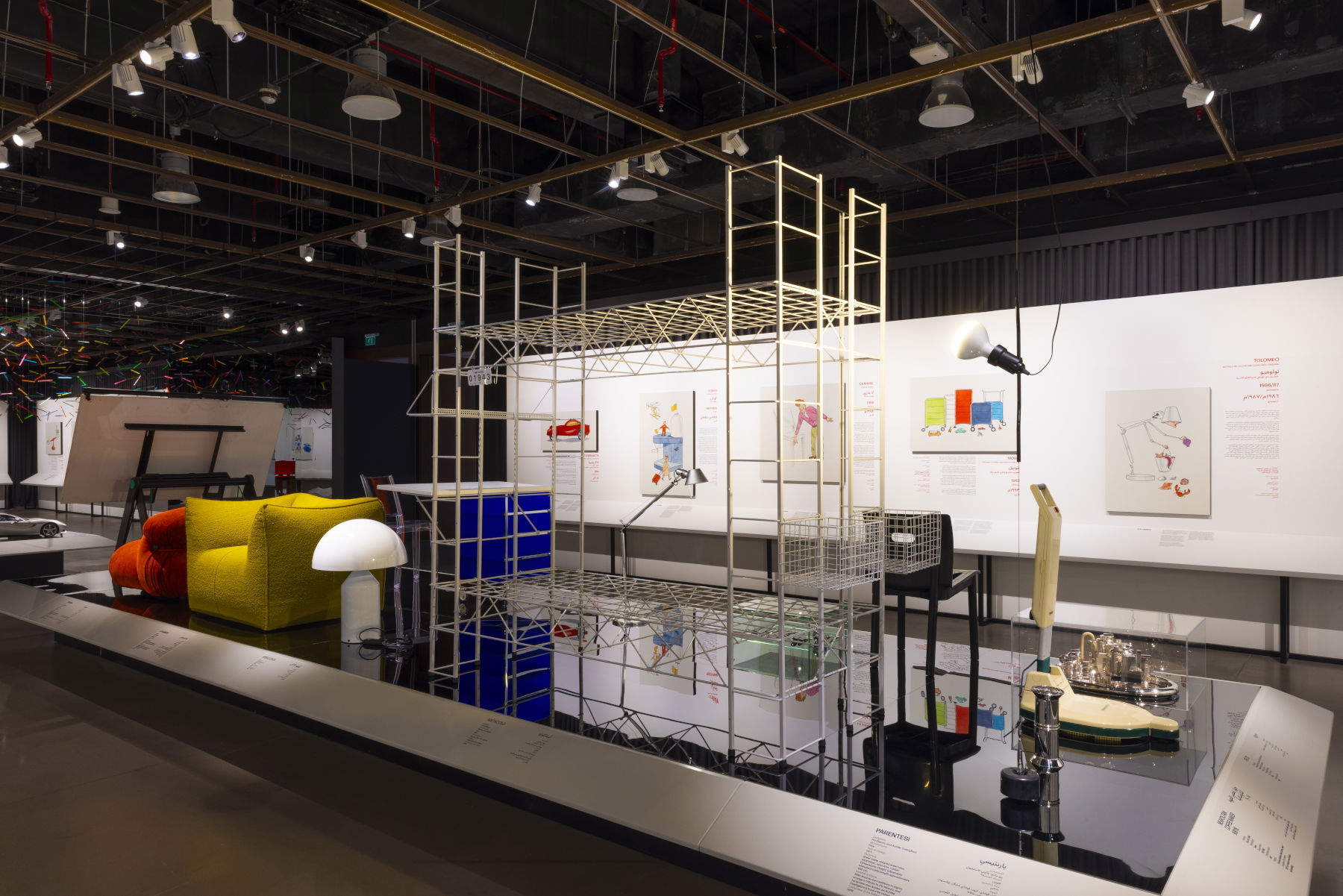
The objects on display include Gio Ponti’s Superleggera, Gaetano Pesce’s UP series, Bruno Munari’sAbitacolo, Marco Zanuso and Richard Sapper’s Doney television set, and Marcello Nizzoli’s Lettera 22 typewriter and Mirella sewing machine. Each work is accompanied by a text with an unconventional interpretive slant, which becomes a starting point for Steven Guarnaccia’s illustrations. His images introduce cross-readings, building visual associations that expand the functional dimension of the objects and highlight their narrative and symbolic component.
“The result is a body of work that moves between past and present, bringing into dialogue ingenuity and discipline, intuition and expertise, success and failure, and affirming imagination as an enduring and constant force in the field of design,” Didero explains. “This exhibition looks at the human and evocative qualities of the object, a figure that I have always recognized as the highest value attributable to a product.”
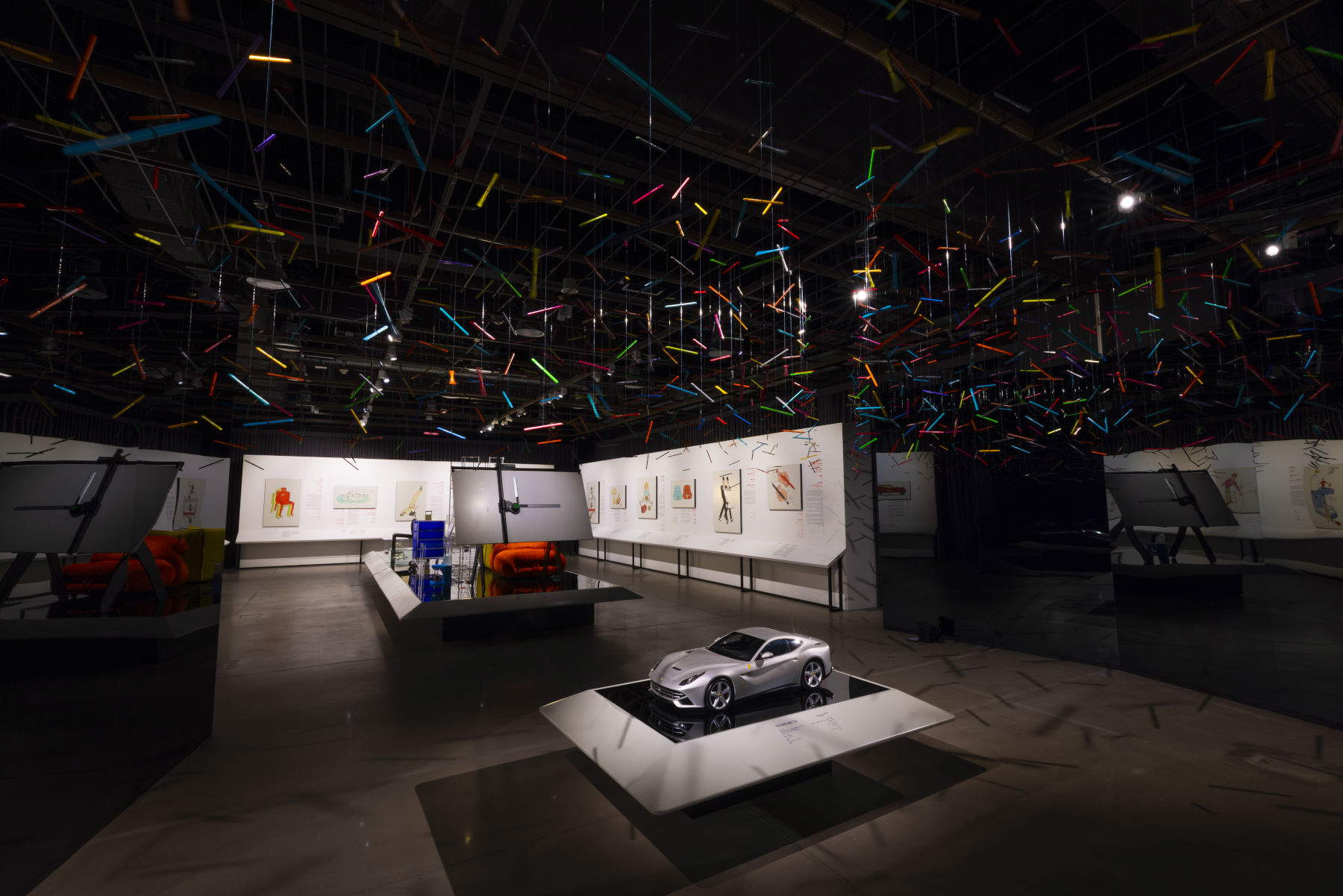
A central element of the exhibition itinerary is the comparison between two extremes of the production and symbolic system of Italian design: on the one hand, the Tratto Pen pen-pen, an object of widespread and everyday use, and on the other hand, Ferrari, an icon of luxury and limited production. Through this comparison, the exhibition proposes a broad reading of Italian design, including both the democratic dimension of the serial object and the aspirational dimension of the exclusive product. In this perspective, the value of design is traced back to the quality of the design idea and its ability to take on a recognizable and relevant form.
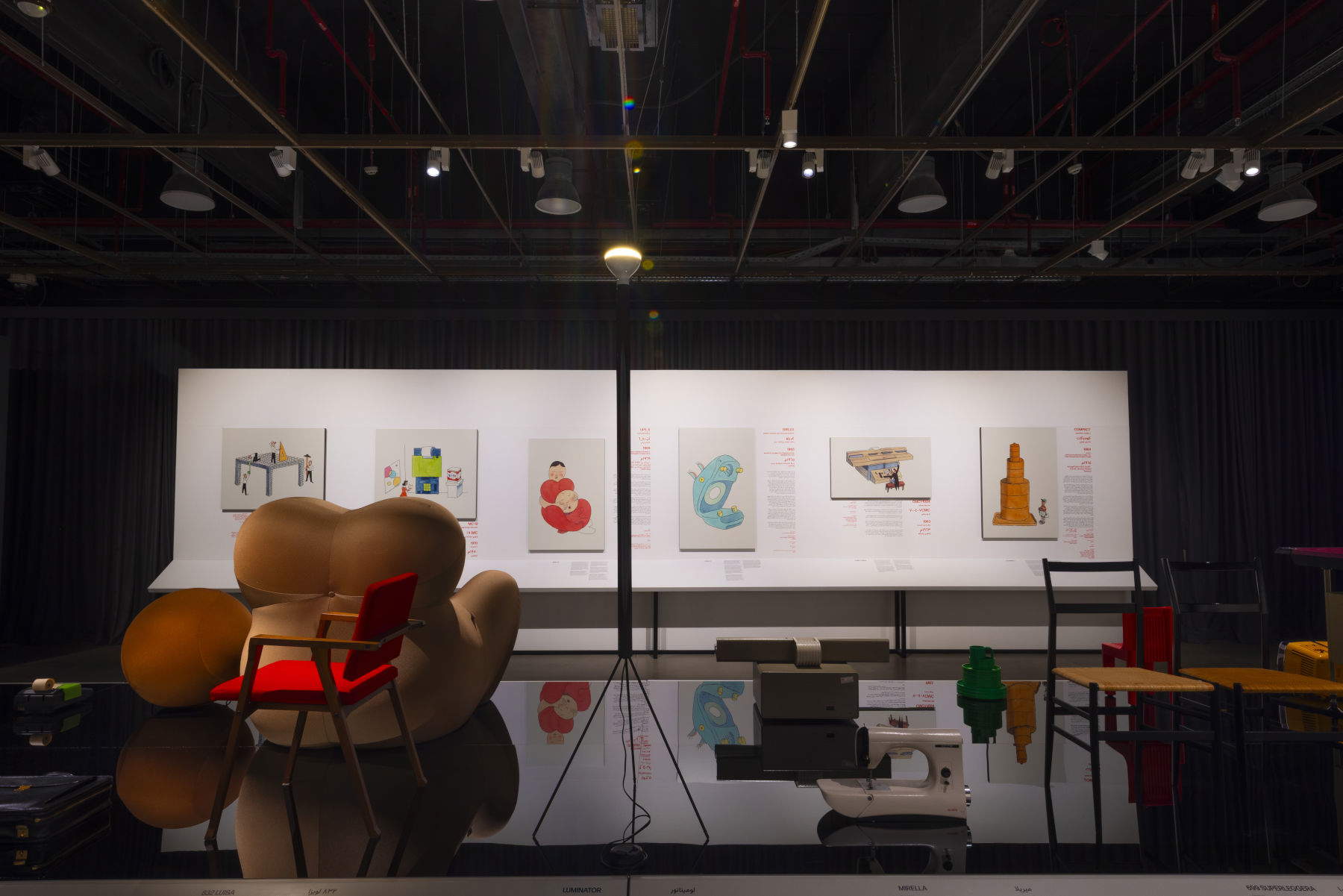
The layout designed by ACPV Architects is conceived as a spatial device capable of supporting the narrative dimension of the exhibition, while Leftloft’s graphic design builds a coherent visual system that accompanies and structures the reading of the content. The exhibition experience is developed through a combination of objects, texts, illustrations and a site-specific installation, all of which contribute to restoring the material, imaginative and narrative dimensions of the project.
Alongside the exhibition is the publication of a catalog edited by the Oman National Museum, conceived as a critical extension of the exhibition. The volume collects and delves into the contents of the project, offering additional tools for reading and contextualization in the contemporary design scene.
The project offers a critical and at the same time imaginative look at more than seventy years of Italian design, presenting it as an open and continuous conversation between different forms of production, languages and design approaches. The exhibition highlights how design develops along an axis in which serial production and uniqueness, experimentation and discipline coexist, reaffirming the role of imagination as the generative force of design.
On the sidelines of the opening, a memorandum of understanding was signed between the Omani Design Society (Design Oman) and ADI Design Museum, aimed at initiating structured cooperation between the two institutions. The agreement includes mentoring programs and international workshops for young designers, as well as joint participation in international design exhibitions and initiatives. The protocol was signed by His Highness Sayyida Mayyan bint Shihab Al Said, Chairman of the Board of Directors of the Omani Design Society (Design Oman), and Andrea Cancellato, Director of ADI Design Museum.
The project also involves numerous archives, museums and companies that have contributed to the exhibition and catalog, including Alessi, © Archivio Domus - Editoriale Domus, Artemide, Museo Alessi Archive, B&B Italia, Cassina, Fondazione Achille Castiglioni, CSAC - Centro Studi e Archivio della Comunicazione, University of Parma, Riccardo Dalisi Archive, Michele De Lucchi Archives, Design Group Italia, F.I.L.A. Fabbrica Italiana Lapis ed Affini, © Ferrari, Flos, Heron Parigi, Kartell, Kartell Archive Museum, Pio Manzù Foundation, Oluce, Carlo Poggi, Rexite, Valextra, Vorwerk Italia Folletto Archives, ZanottaValextra and other subjects from the Italian production and cultural scene.
 |
| At the Oman National Museum in Muscat, a reflection on Italian design from the postwar period to the present day |

Warning: the translation into English of the original Italian article was created using automatic tools. We undertake to review all articles, but we do not guarantee the total absence of inaccuracies in the translation due to the program. You can find the original by clicking on the ITA button. If you find any mistake,please contact us.



















 IT
IT FR
FR DE
DE ES
ES CN
CN


