




by Redazione 18/07/2026



Categories: News / Disclaimer
The Region of Tuscany is in discussions with Enel Green Power to evaluate draining Lake Vagli in 2028, according to a statement by the president of the Region of Tuscany, Eugenio Giani. This could bring the submerged village of Fabbriche di Careggine back to the surface; it last reemerged in 1994.


2028 could be the year when Fabbriche di Careggine—the medieval village submerged by the waters of Lake Vagli in Garfagnana, Tuscany—reemerges. The president of the Tuscany Region, Eugenio Giani, has finally indicated a possible date, revealing that the regional government is currently in talks with Enel Green Power to schedule the draining of the reservoir to coincide with the expiration of the hydroelectric plant’s concession. The announcement came during a public meeting held last night at the Festa dell’Unità in Ca’ Michele, Carrara. Giani clarified that no final agreement has been reached yet and that discussions are still in the preliminary stages, but he explained that he believes there is a real possibility the project can be carried out.

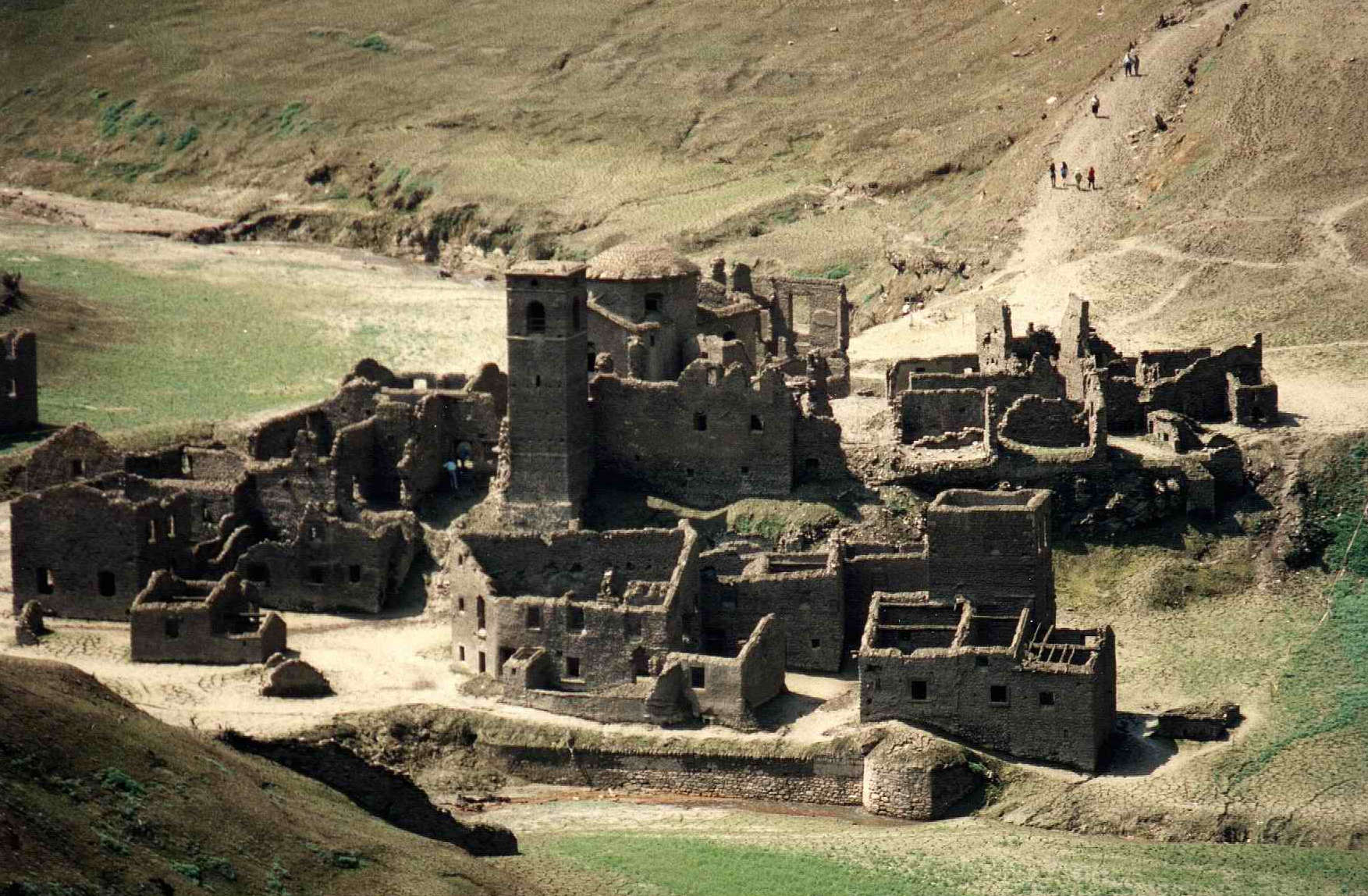
“Of course, we are in the very early stages of the negotiations,” Giani told Finestre sull’Arte. “However, I believe the conditions are in place for this initiative to move forward—one that I would welcome—because the last time Lake Vagli was drained was in 1994, and it attracted a great deal of attention. In my opinion, it would also be wonderful to revisit what actually led to the creation of these reservoirs—albeit in a very different context, namely that of the postwar period.” For the president of the Tuscany Region, the significance of the project is not only historical or technical but also cultural and tourist-related. “There is also, after all, the curiosity to see the village of Fabbriche di Careggine reemerge.”


The president went on to explain that the opportunity to plan the draining stems from ongoing discussions with Enel Green Power regarding the management of the hydroelectric plant. “We are currently in discussions with Enel Green Power regarding the portion of the hydroelectric plant’s contract that expires in 2028–2029, and in light of this expiration—as well as our existing relationship and what the regional administration is entitled to request—I felt it appropriate to make this request,”. At the moment, however, no operational plan has been established. “We haven’t defined anything specific yet, but it’s presumably a viable proposal that could be carried out,” Giani concluded.


If the project were to come to fruition, it would have been 34 years since the village last reemerged, inthe summer of 1994. On that occasion, the event drew just under one million visitors from Italy and abroad: for several weeks, the small medieval town in the Garfagnana region, temporarily reemerging from the lake’s waters, became one of Tuscany’s main tourist attractions.
Fabbriche di Careggine was founded in the 13th century by blacksmiths originally from the Brescia area: for centuries, the village prospered thanks to ironworking, until the construction of the Vagli Dam after World War II made it necessary to abandon the settlement. Lake Vagli is an artificial reservoir located in the municipality of Vagli Sotto, in the province of Lucca, in the heart of the Apuan Alps, and is the largest reservoir in Tuscany used for hydroelectric power generation. The dam was designed by engineer Ignazio Prinetti Castelletti: construction began in 1941 but was delayed due to World War II, eventually concluding in 1947 under the supervision of SELT Valdarno, a company that has since merged with Enel. Subsequently, between 1951 and 1953, the dam was raised by an additional thirty meters, reaching a total height of between 88 and 92 meters.
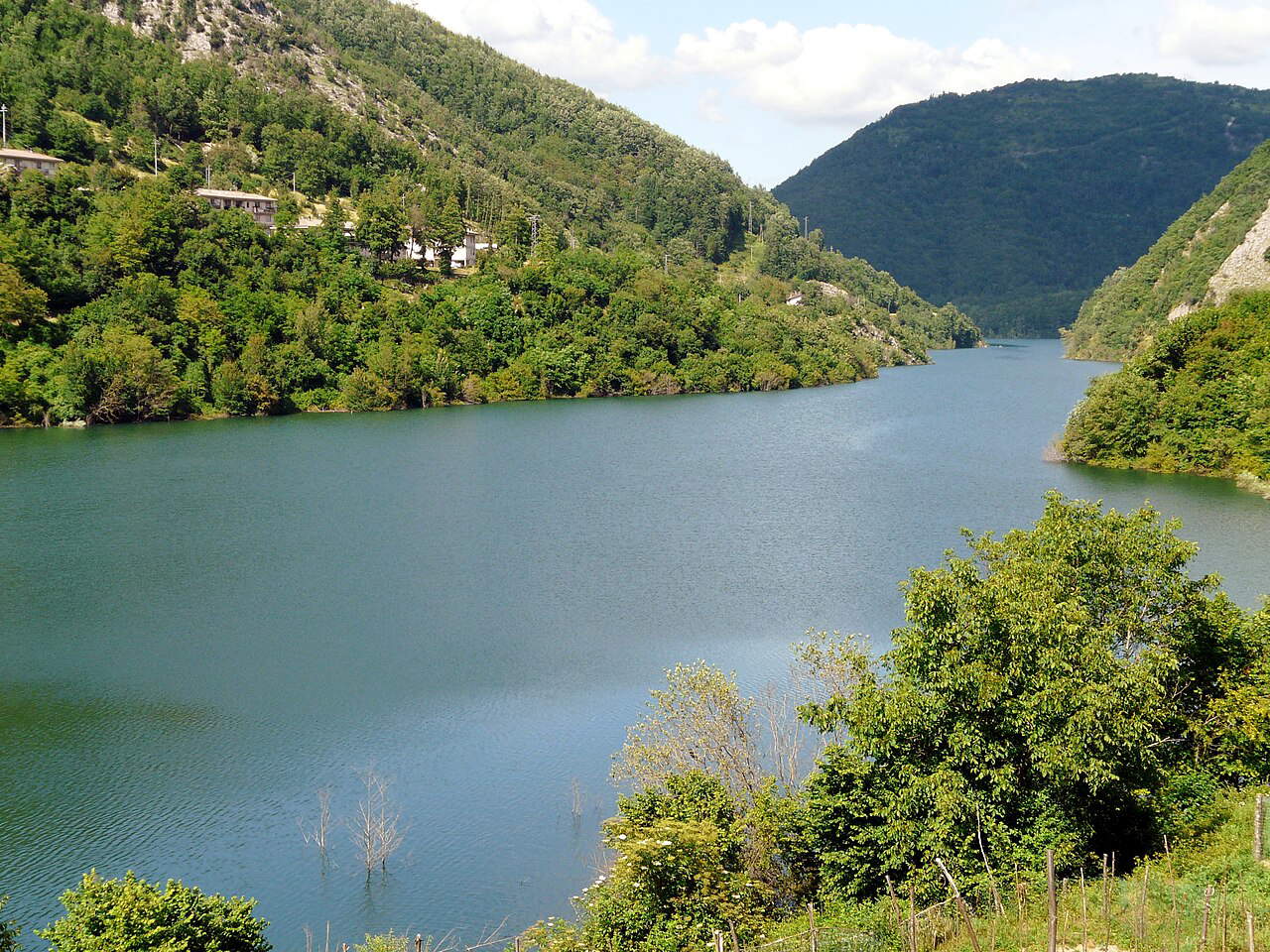
The reservoir was formed by damming the Edron stream and holds approximately 35 million cubic meters of water. In addition to Fabbriche di Careggine, the waters submerge other small settlements in the valley. The complete draining of the reservoir is an exceptional operation, carried out exclusively when maintenance work is required on the dam and related structures. Throughout its history, the lake has been completely drained only four times: in 1958, 1974, 1983, and finally in 1994. Consequently, for many years, the village’s reemergence from the water has been awaited with growing interest. In fact, based on historical precedents, the draining used to occur on average every ten to fifteen years, whereas more than three decades have passed since 1994 without any further interventions.
In recent years, several attempts had been made to plan a new operation. On November 25, 2020, Enel Green Power Italia submitted the operational plan for draining the Vagli reservoir to the Region of Tuscany. The request was approved by the Region on June 8, 2021, and called for the draining to take place in the spring of 2023. However, the schedule was subsequently modified due to the severe water emergency that affected much of Italy. On December 28, 2022, the Council of Ministers approved a twelve-month extension of the water emergency status, due to the persistent shortage of water resources and low rainfall—conditions that threatened to compromise water supply to the Lucca plain during the summer. For this reason, the Region of Tuscany, by a decree dated May 30, 2023, ordered the postponement of the draining to the spring of 2024.
However, this deadline was not met either, and the project was postponed yet again; the proposed 2027 drainage date can therefore be considered definitively shelved. The new proposal outlined by Eugenio Giani now identifies 2028 as another possible timeframe, linking it not only to the technical requirements of the hydroelectric plant but also to the expiration of the concessions and institutional relations with Enel Green Power.
For now, this remains a prospect that will need to be finalized through negotiations between the Region and Enel. If an agreement is reached, Fabbriche di Careggine could resurface after more than thirty years, and one of Italy’s most famous submerged villages could once again be seen—a testament to the transformation of the region that took place after World War II with the construction of large hydroelectric reservoirs.
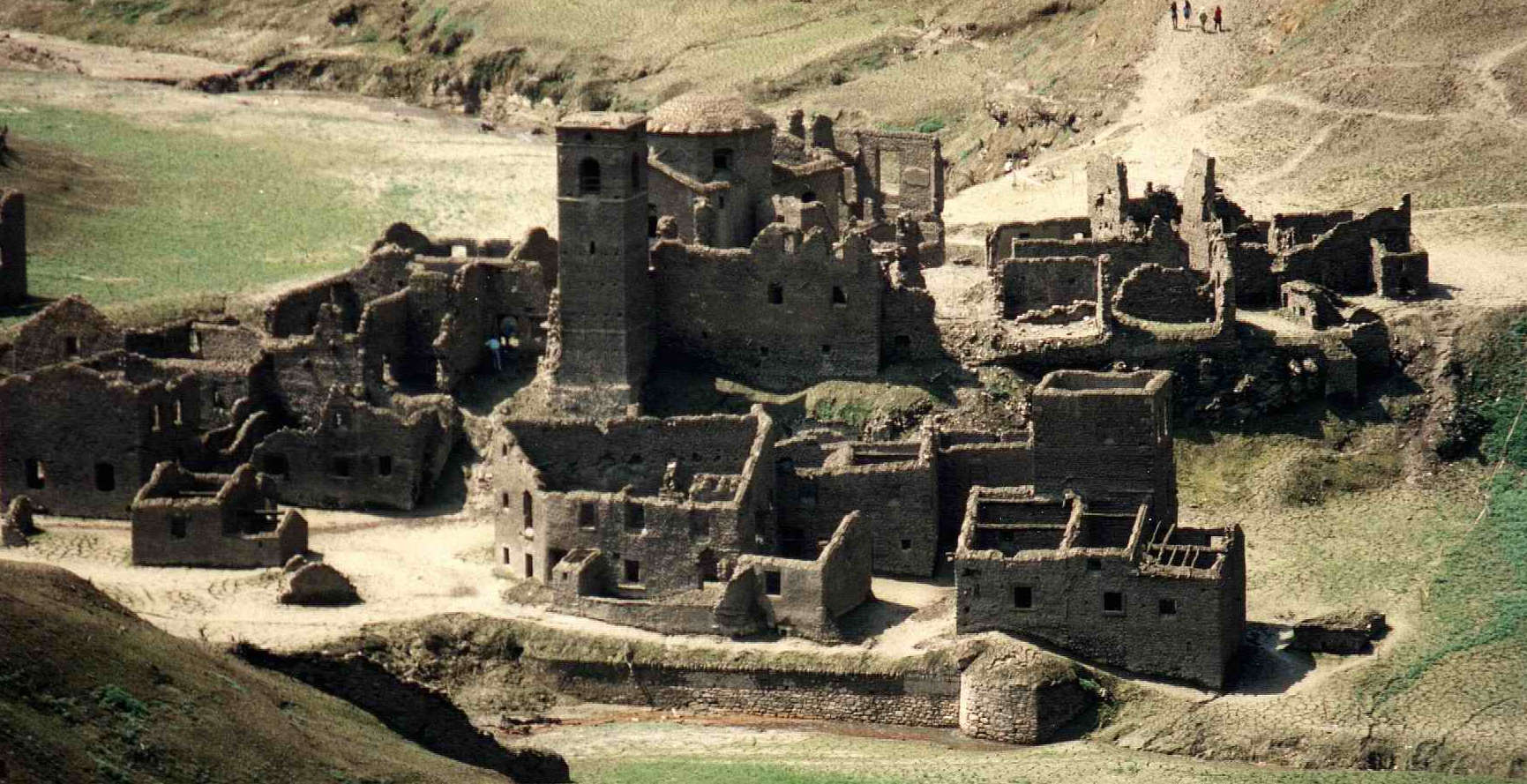 |
| The submerged village of Lake Vagli could resurface in 2028: President Giani's hypothesis |
Warning: the translation into English of the original Italian article was created using automatic tools. We undertake to review all articles, but we do not guarantee the total absence of inaccuracies in the translation due to the program. You can find the original by clicking on the ITA button. If you find any mistake,please contact us.