





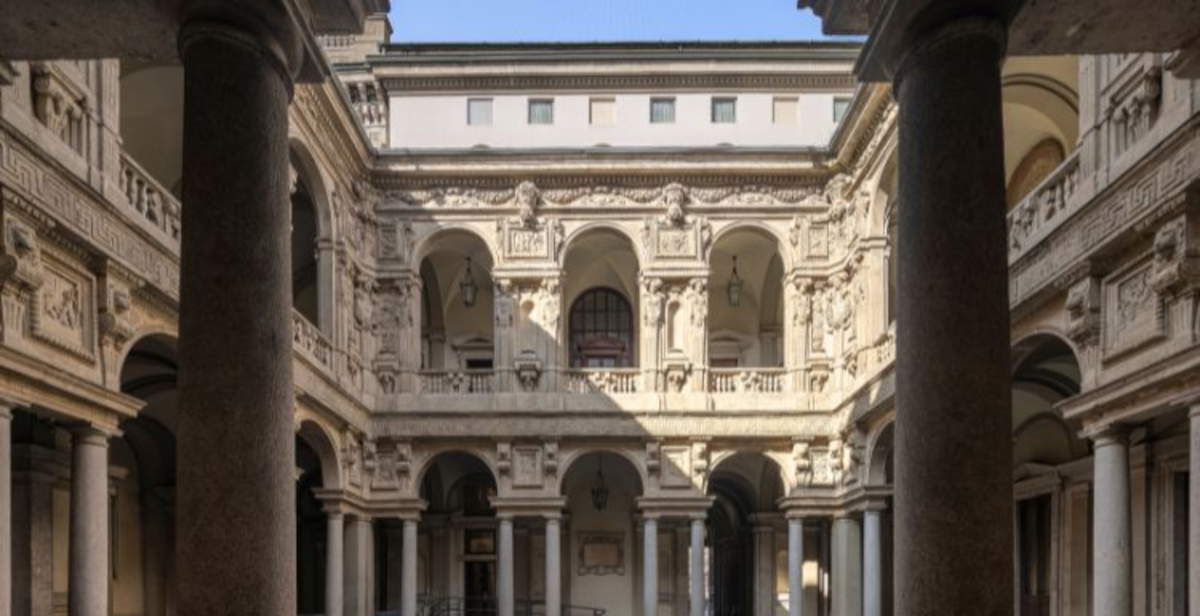
The conservative restoration of Palazzo Marino, seat of the city administration since 1861 and a symbolic building of the city’s architectural heritage, has been completed in Milan. The intervention, fully financed by the Tod’s Group, was presented on April 15, 2026 at a press conference attended by Mayor Giuseppe Sala and group chairman Diego Della Valle.
The project involved a total of about 7,500 square meters of surface area, including the exterior facades on Piazza della Scala, Piazza San Fedele, Via Case Rotte and Via Marino, as well as the interior spaces of the Cortile d’Onore with its 16th-century portico and loggia. The building, designed in the 16th century by Galeazzo Alessi, had widespread conditions of deterioration, related in particular to atmospheric pollution, climatic agents and layered maintenance interventions over time.
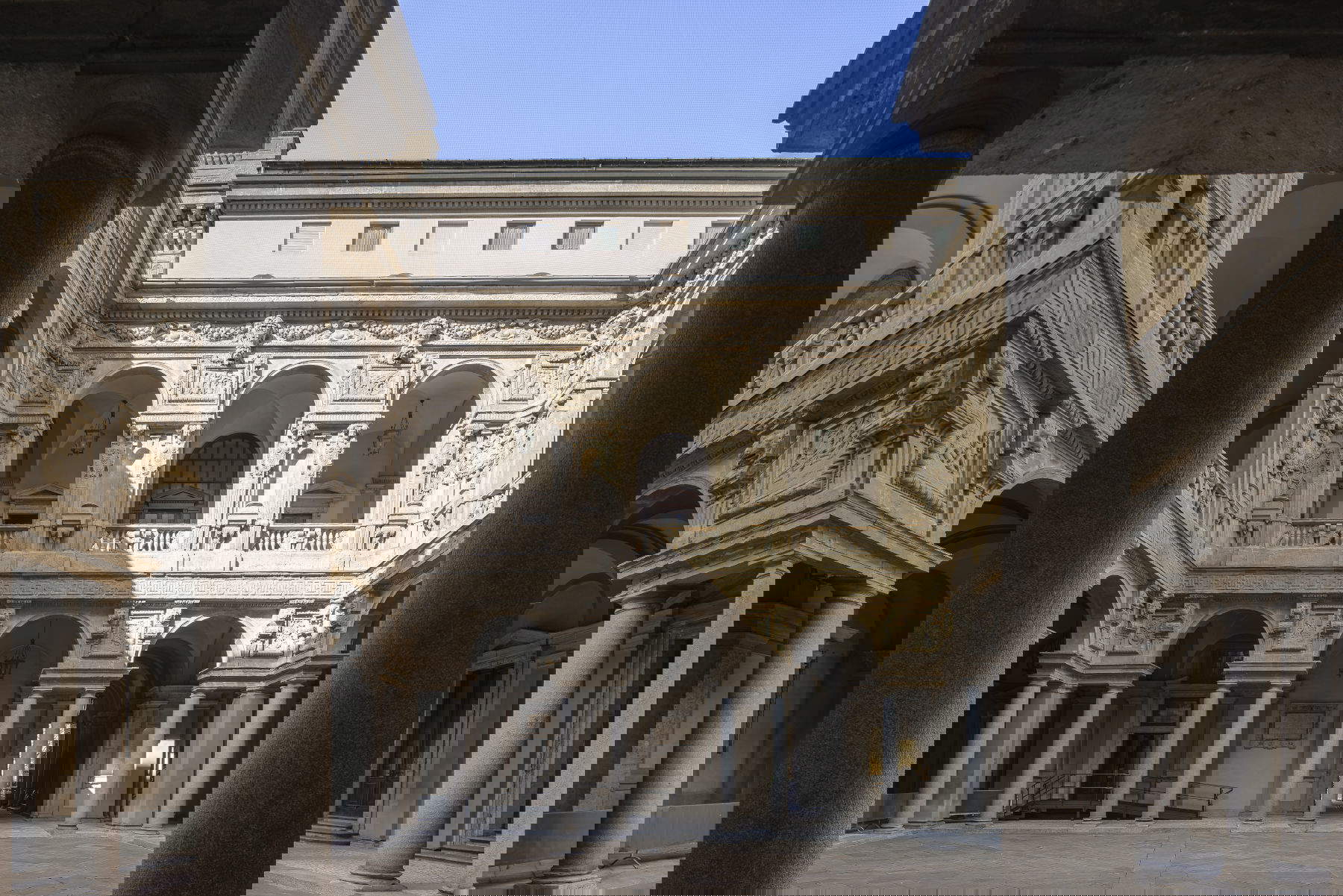
The work, which started in April 2024 and was completed in September 2025, developed over sixteen months, without interrupting the palace’s institutional activities. The organization of the construction site involved a division into successive phases, with interventions concentrated on one facade at a time, starting with the front on Piazza della Scala, used as a pilot site, and then continuing along Via Case Rotte, Piazza San Fedele, and Via Marino. At a later stage, interventions were made in the Cortile d’Onore.
From a material point of view, the restoration mainly involved the surfaces in Brembo gentile strain, a characteristic stone of the building, known for its porous and heterogeneous nature, which makes it particularly vulnerable to erosion phenomena, loss of cohesion and accumulation of deposits. Before the intervention, the facades were compromised by black crusts, opaque patinas and smog deposits that altered the legibility of the decorative apparatus. Microcracks, detachments, water infiltration, and the presence of grout made with incompatible materials, such as cements and resins, were also noted.
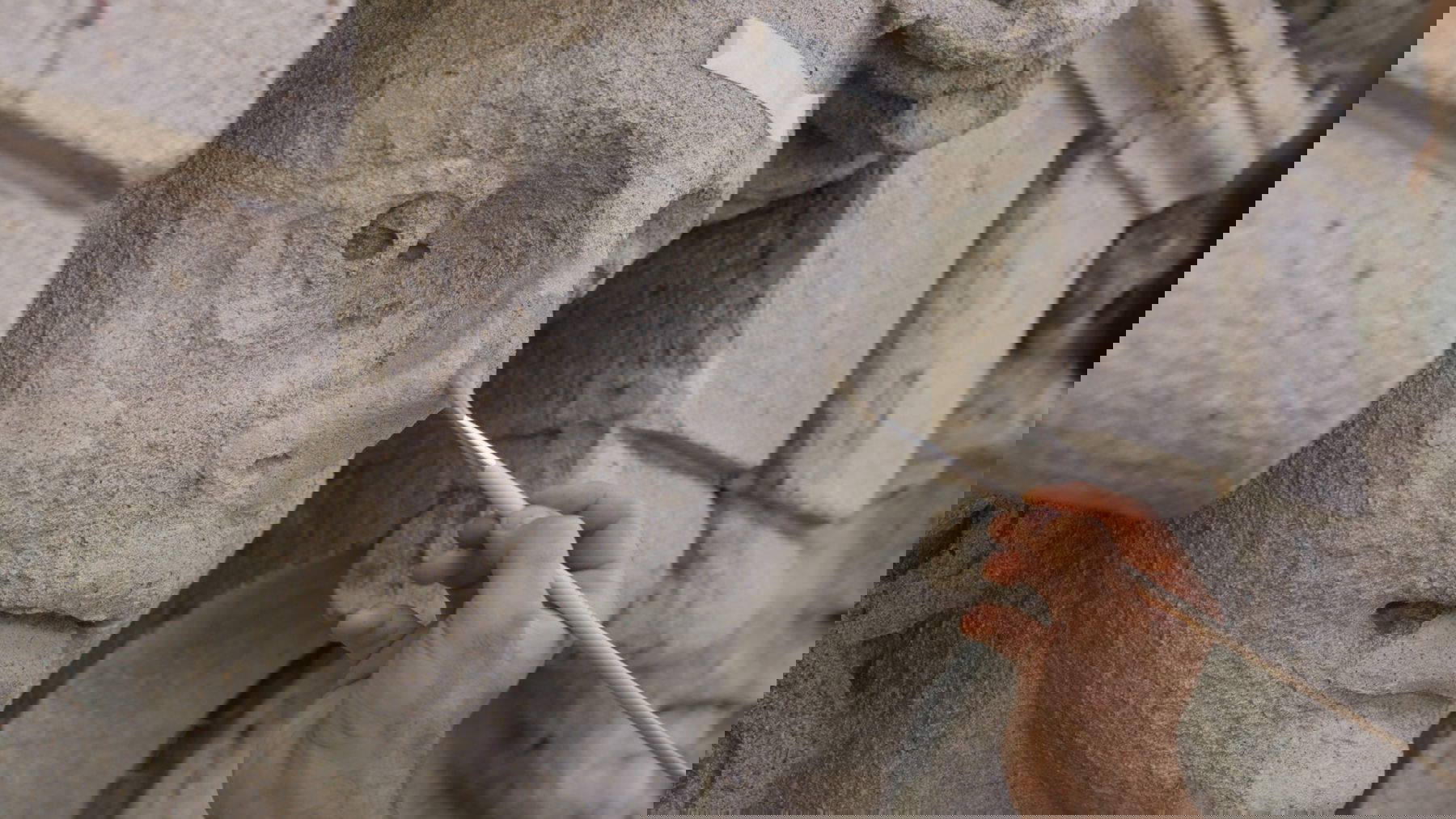
A preliminary diagnostic campaign allowed the state of conservation to be mapped through surveys, photographic documentation, videoendoscopic and thermographic investigations, as well as magnetometer verifications. Chemical analyses confirmed the carbonate component of the stone, directing the choice of compatible and low-impact treatments.
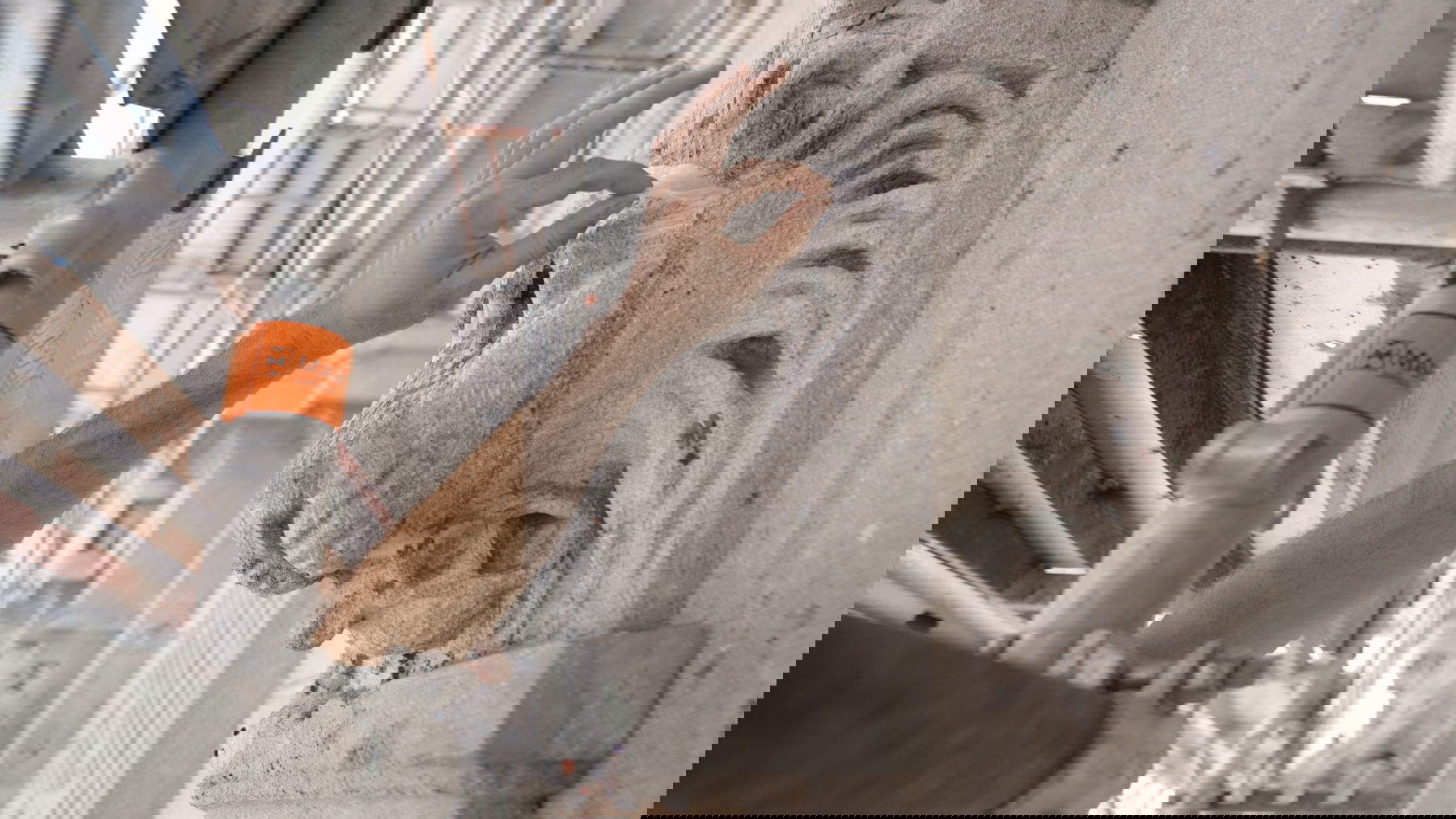
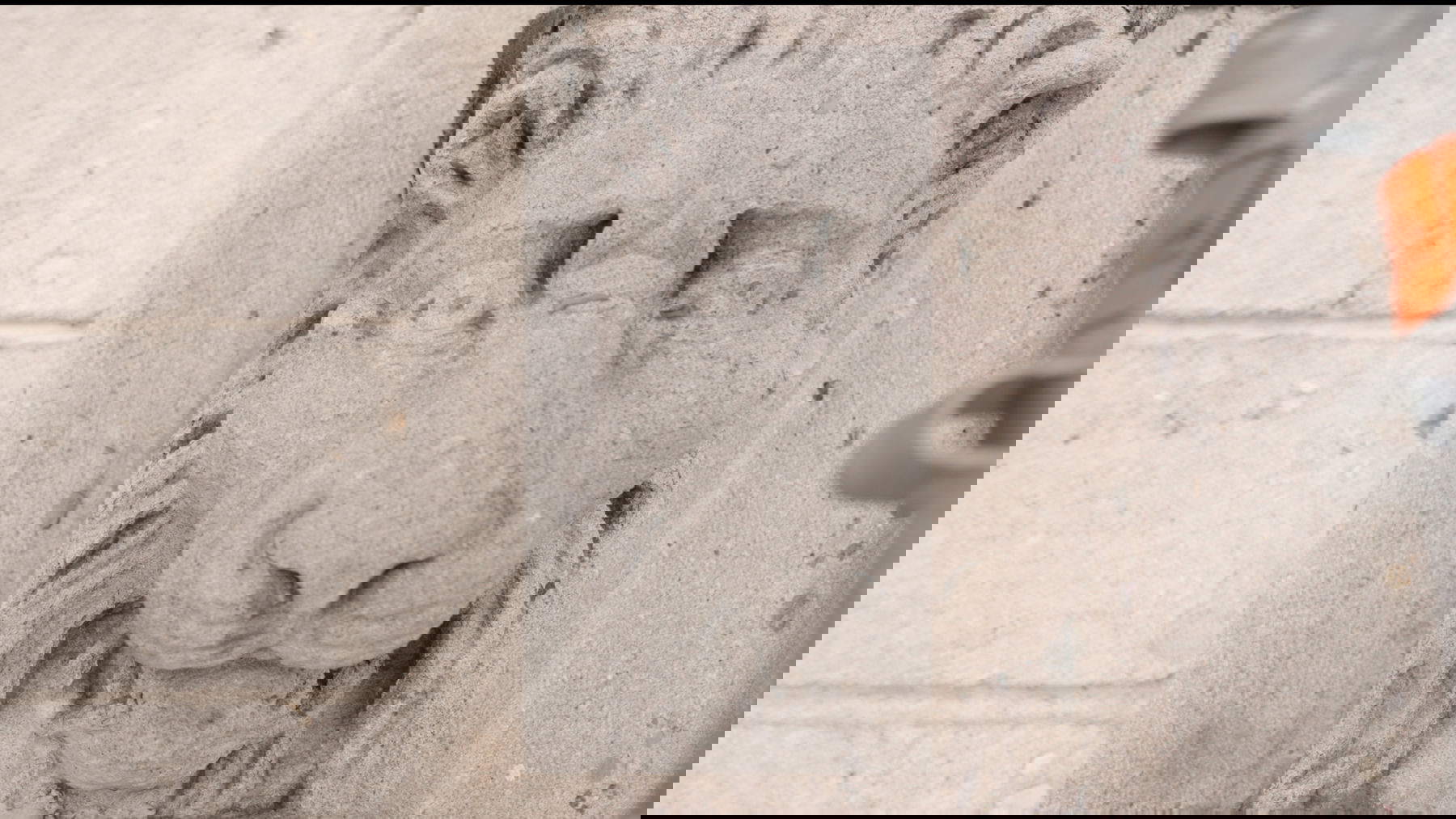
Restoration operations were divided into several phases. Cleaning involved the removal of surface deposits by dry and wet techniques, the removal of biological patinas, and the use of chemical compresses for the most resistant crusts. Special attention was paid to the decorative elements, which were treated manually with non-invasive tools. Consolidation was a central phase of the intervention, with the application of a system based on nano-lime and ammonium phosphate, capable of restoring the internal cohesion of the material.
Degraded fillings were selectively removed and replaced with lime-based mortars calibrated for grain size and color, while gaps were filled without resorting to invasive formal reconstructions. Finally, the surfaces were subjected to silicate glazes for color balance and ammonium oxalate-based protective treatments aimed at improving durability and limiting water absorption.
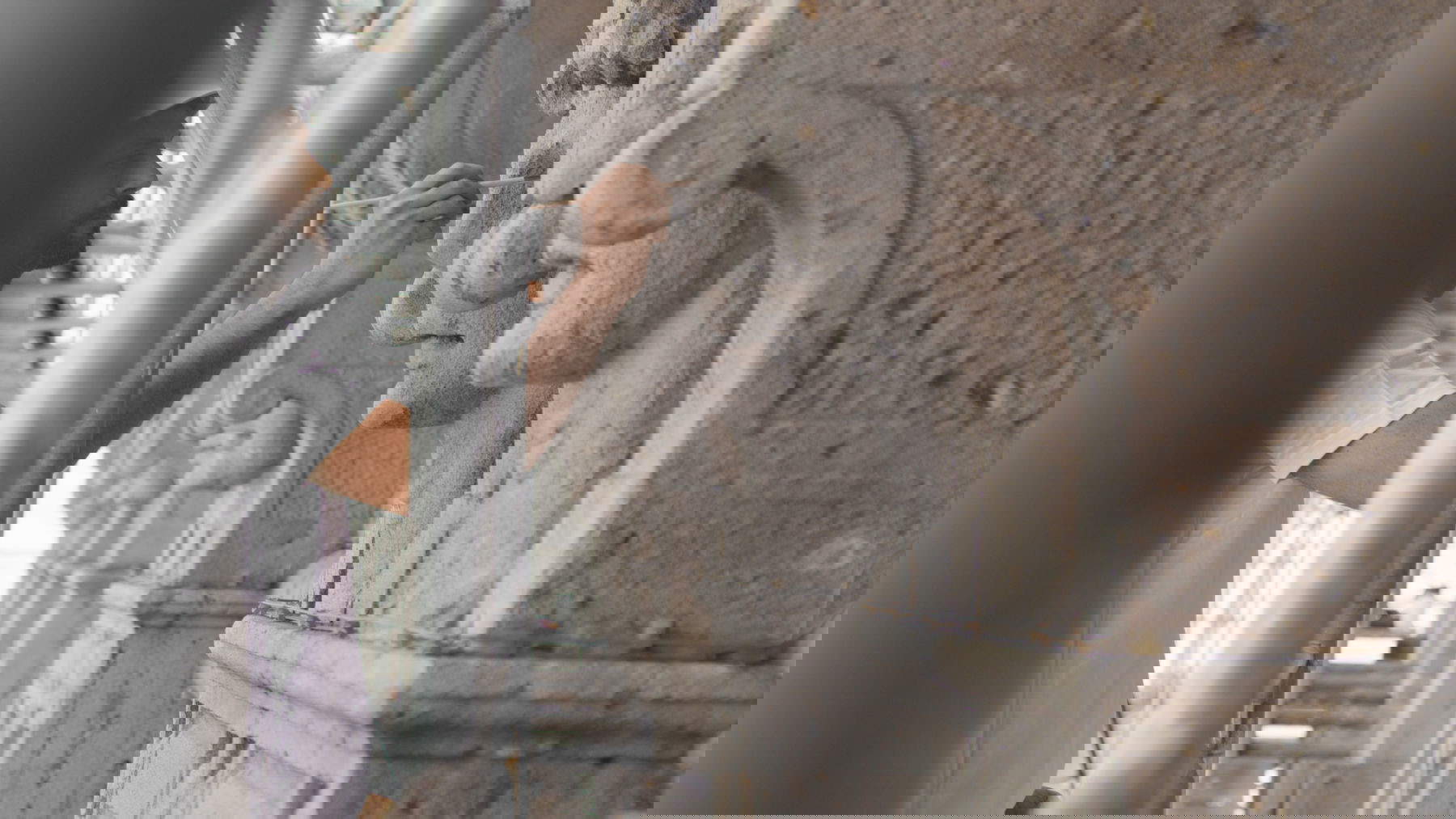
In addition to the stone surfaces, the intervention also involved wooden and metal elements, with the restoration of fixtures, removal of rust and application of anti-corrosive protection. Video surveillance and anti-pigeon systems were also overhauled, with a rationalization of wiring, and tinsmithing work was carried out to improve stormwater runoff. During the work, attention was also paid to the protection of the fauna present, particularly the colonies of swifts that inhabit the facades. In the Cortile d’Onore, the operations were mainly conservative in nature and involved cleaning the surfaces, localized consolidations, color reintegrations and restoration of the flooring, restoring uniformity to the architectural whole.
The project was carried out in coordination with the Soprintendenza Archeologica, Belle Arti e Paesaggio of Milan, under the supervision of Superintendent Emanuela Carpani. From an operational point of view, the construction site involved several parties, including the agency Jesurum-Leoni Comunicazione Srl, which acted as technical sponsor and coordinator, and a team composed of Dontstop Architettura for the design, Andrea Borri Architetti for the construction management, restorer Paolo Pecorelli, the contractor Estia and the company Progetto CMR for safety coordination. Parallel to the construction site activities, dissemination and enhancement initiatives were promoted, including openings to the public as part of Open Sites, the production of information materials, and the creation of an illustrated cesata with historical content and augmented reality supports.
“We have achieved our goal and we are very proud to be able to announce that we have completed, on schedule, the restoration that gives back to Milan, and to the Milanese people, a symbol of the city’s history,” said Diego Della Valle, Chairman of Tod’s Group. “With this project, our Group continues to support and promote Italian art and culture, irreplaceable resources recognized worldwide. It is a concrete form of civic participation, based on collaboration between the public and private sectors to support initiatives that improve the quality of life of citizens and the reputation of our country. Businesses must be increasingly involved in useful and supportive projects that support our country. It is important to set a good example.”
“I thank Diego Della Valle and Tod’s Group for the restoration of Palazzo Marino,” said Mayor Giuseppe Sala. “The care and attention shown by the conservators and restorers during the work was commendable. Palazzo Marino is the home of and for the people of Milan: thanks to what has been accomplished, we are happy to be able to give them and the many visitors to our city the chance to know and appreciate this building in all its history and beauty once again. The collaboration between public and private, this time, has resulted in a patronage initiative that enhances Milan and its identity.”
 |
| Tod's concludes restoration of Palazzo Marino: 7,500 square meters of surfaces recovered |

Warning: the translation into English of the original Italian article was created using automatic tools. We undertake to review all articles, but we do not guarantee the total absence of inaccuracies in the translation due to the program. You can find the original by clicking on the ITA button. If you find any mistake,please contact us.





















 IT
IT FR
FR DE
DE ES
ES CN
CN