





A divided Supreme Court ruled on August 31 thatthe Trump administration may proceed with construction of the $400 million ballroom at the White House, while legal proceedings related to the project remain pending. This is a victory for President Donald Trump. The decision, adopted by a 5-4 majority, supersedes a temporary order issued earlier this month, just before a construction halt ordered by the appeals court was set to take effect. That temporary order had been signed by Chief Justice John G. Roberts, who is responsible for handling appeals from the capital; however, he publicly dissented from the latest decision, firmly arguing that the project is likely unlawful because it has not received congressional approval. According to Roberts, today’s decision is by no means a victory for the principle of separation of powers—a view shared by the Court’s three progressive justices.
The majority, for its part, held that the National Trust for Historic Preservation likely lacked the legal standing to challenge the project. The unsigned order referred to the arguments presented by the government, according to which the ballroom would also serve national security needs by protecting an underground military facility currently in the planning stages and providing a safer structure than the tents currently used for large-scale events. The vote thus allowed the White House to proceed with the construction of the ballroom, as reported by the Associated Press.
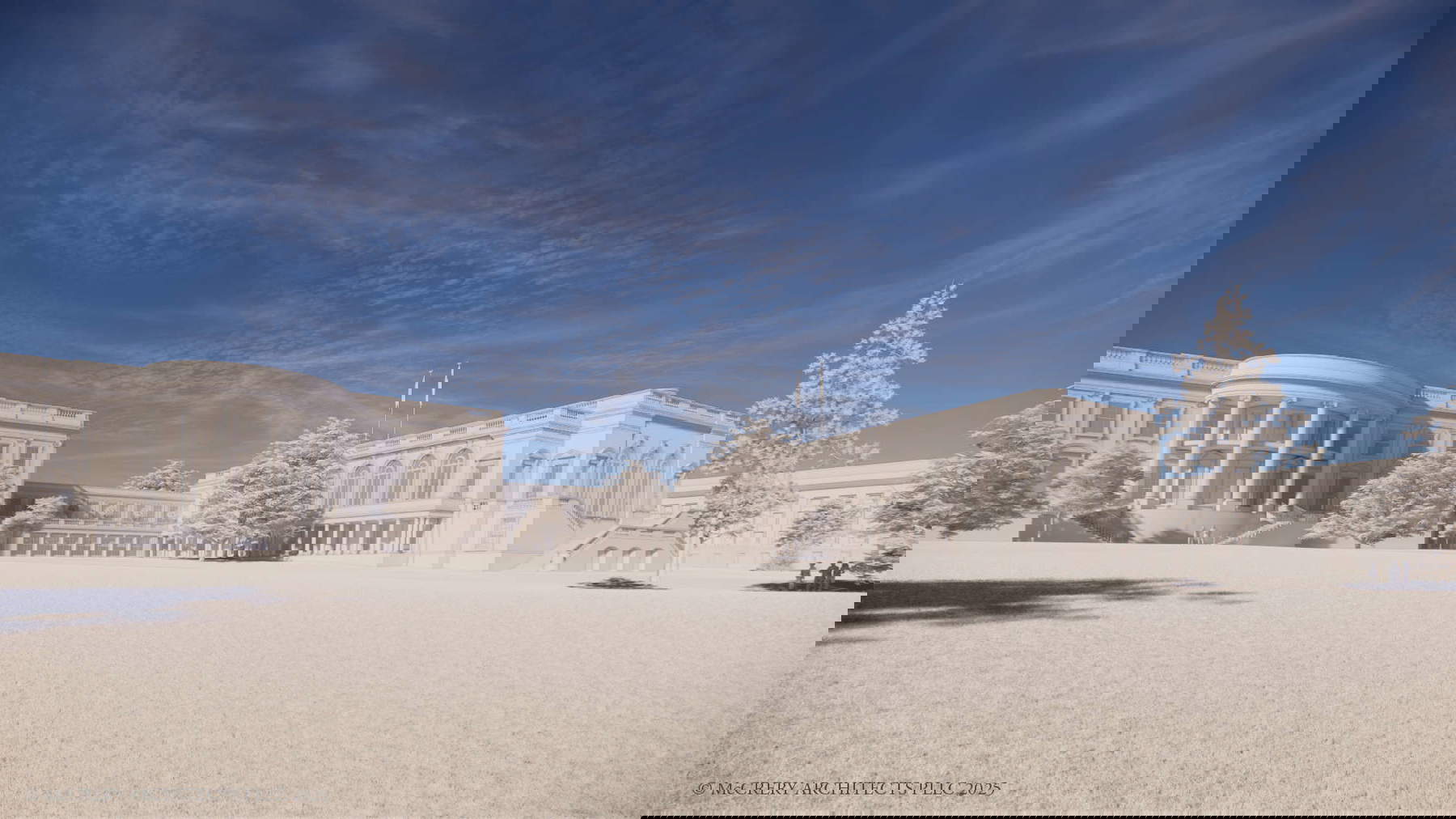
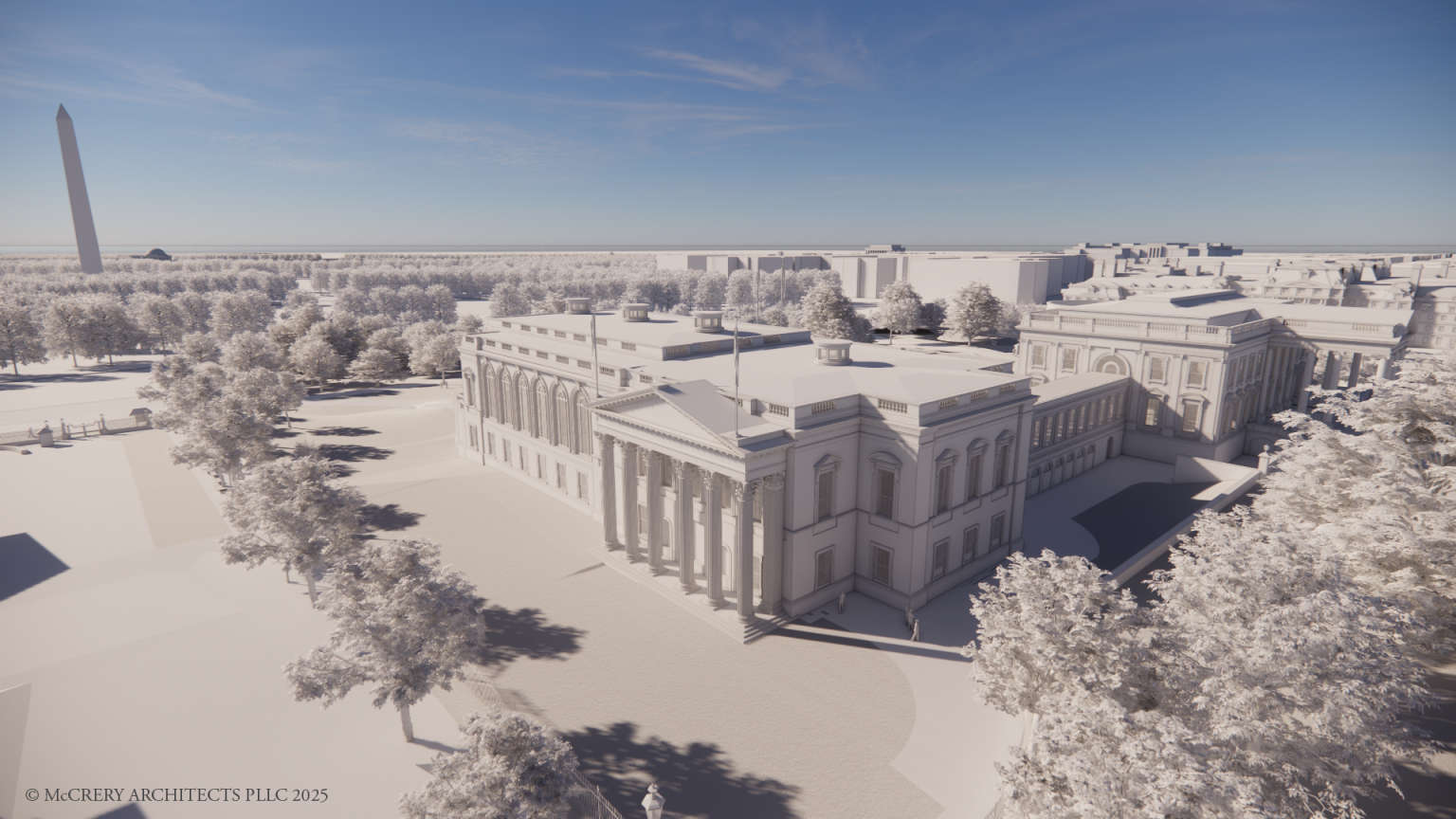
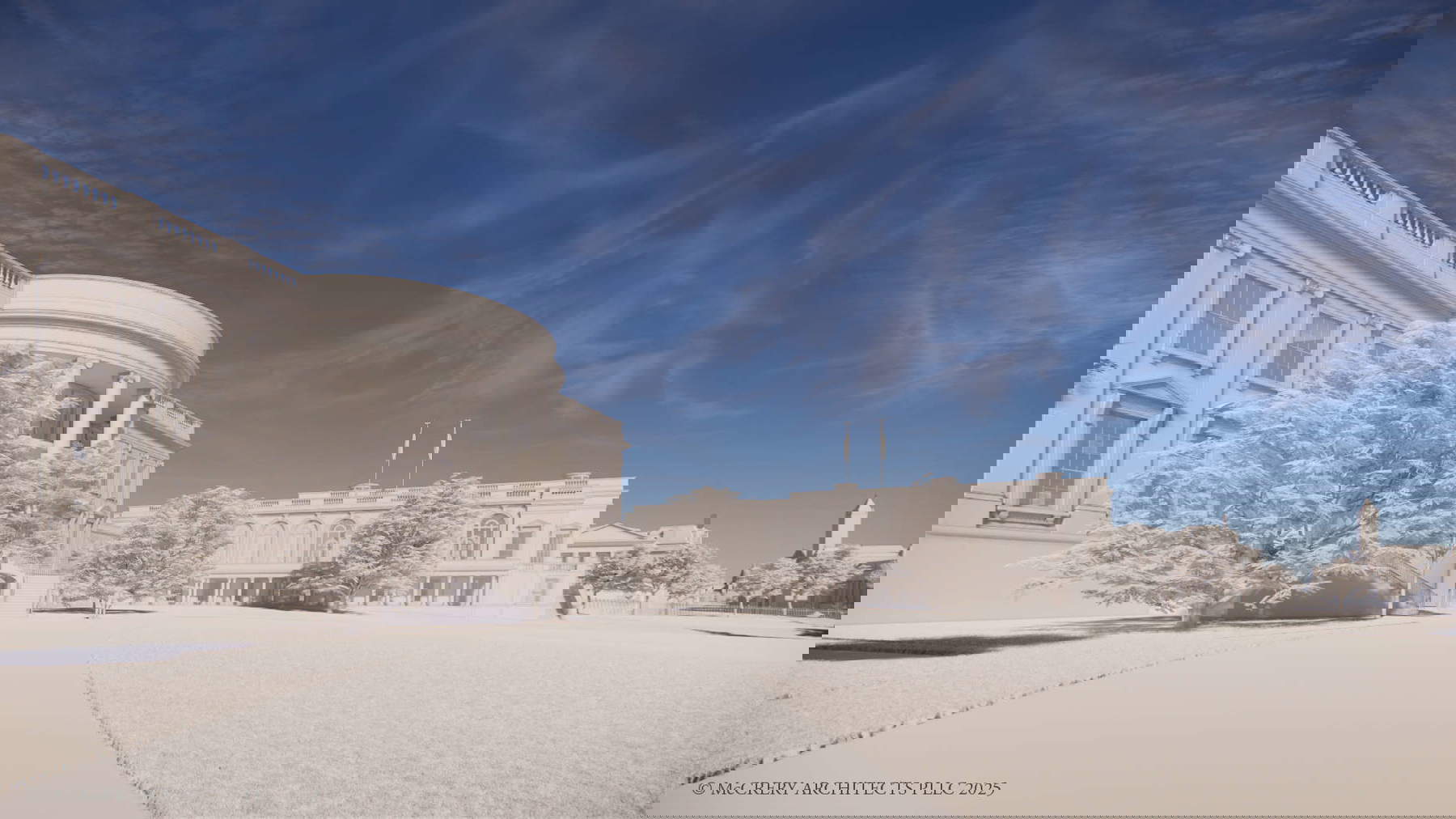
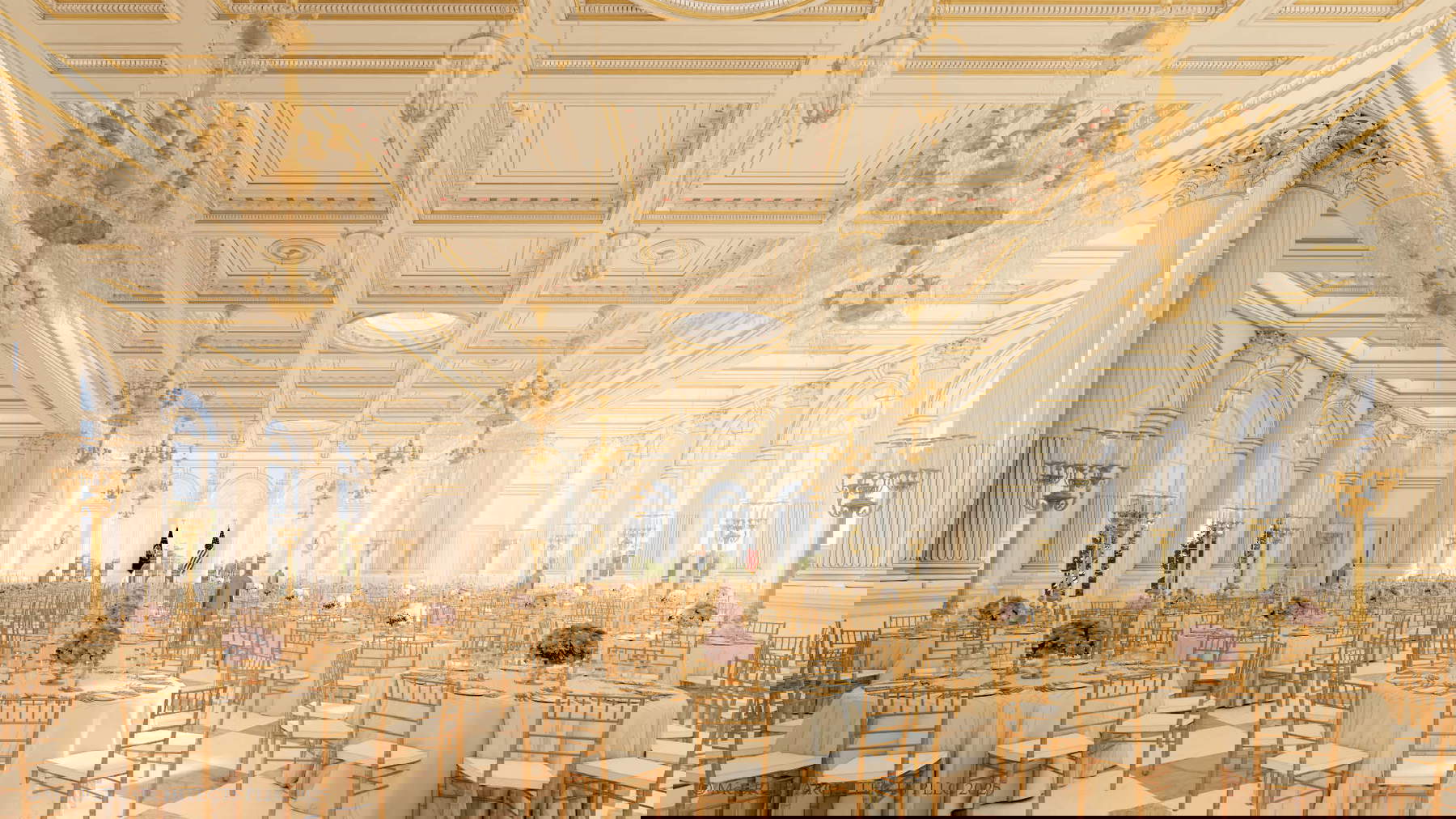
The judges who voted in favor of continuing the work emphasized, in their unsigned order, the Trump administration’s recent argument that the ballroom is necessary for national security reasons, as it would protect an underground military facility that has not yet been built and would presumably be less vulnerable than the tents typically used for large-scale events held at the White House. The same judges also suggested that the National Trust lacked standing to bring the case, which will now be reviewed by lower courts; however, the majority did not rule on the overall legality of the ballroom project.
The decision should give Trump the time needed to complete the structure, which covers an area of approximately 8,000 square meters and on which work crews are currently working twenty hours a day. Completion of the project is scheduled for August 2028, and it is likely that, by the time the case brought by the National Trust returns to the Supreme Court, construction will already be well underway.
In his dissenting opinion, joined by Justices Sotomayor, Kagan, and Jackson, Chief Justice Roberts recounted the facts of the case, noting that the president ordered the demolition of the East Wing of the White House to make way for a new, privately funded state room, on which construction has been underway for nearly a year. According to Roberts, this construction is likely unlawful, since Congress, by virtue of its constitutional authority over the District of Columbia and federal property, has explicitly prohibited the construction of any building or structure on federal reservations, parks, or public lands owned by the federal government in the District of Columbia without express authorization from Congress itself—authorization that, in this case, appears never to have been granted.
In support of the project, the government has cited two statutory provisions: the first authorizes Congress to appropriate funds for the care, maintenance, repair, alteration, refurnishing, improvement, air conditioning, heating, and lighting of the White House executive residence—an area for which, in the current fiscal year, just over $2.4 million has been appropriated for routine maintenance and to address safety and health issues. According to Roberts, an appropriation of this magnitude, intended for routine maintenance, can hardly authorize the president to use hundreds of millions of dollars from private donations to demolish the East Wing and build a ballroom in its place. The second provision entrusts the National Park Service with the management of national park lands, including President’s Park, with the obligation to preserve their historic features: again, according to the chief judge, it is difficult to see this as an explicit authorization to demolish the East Wing and replace it with a ballroom.
Precisely because of this apparent lack of a legal basis, the U.S. District Court for the District of Columbia had issued an injunction to halt the continuation of the work, granting the motion filed by the National Trust for Historic Preservation; the Court of Appeals had subsequently upheld that decision. In today’s ruling, however, the Supreme Court granted the government’s request to suspend that injunction, thereby allowing construction to resume—not on the basis of the project’s legality, but on the premise that the National Trust likely lacked standing to sue under Article III of the Constitution.
|
| U.S.: Supreme Court Gives Green Light to the White House's $400 Million Ballroom |

Warning: the translation into English of the original Italian article was created using automatic tools. We undertake to review all articles, but we do not guarantee the total absence of inaccuracies in the translation due to the program. You can find the original by clicking on the ITA button. If you find any mistake,please contact us.





























 IT
IT FR
FR DE
DE ES
ES CN
CN


