





Viterbo and the Tuscia region have begun their journey toward securing the title of European Capital of Culture in 2033: the candidacy of the city and its surrounding area is intended to be a collaborative effort that transcends municipal boundaries to encompass the entire province. This ambitious challenge does not concern the city administration alone, but actively involves fifty-one municipalities that have chosen to form a network to promote the historical and economic strengths of this region of Lazio. According to the City of Viterbo, the initiative is based on the belief that culture can serve as a strategic driver for innovation and development, stimulating growth processes that are sustainable and consistent with the principles of the European Union. The primary goal is to build a shared vision of the future, capable of transcending individual local particularities to present to the world a cohesive region that is aware of its own potential.
“The candidacy of Viterbo and Tuscia for the 2033 European Capital of Culture represents an extraordinary opportunity to showcase our region,” says Mayor Chiara Frontini. “A united region that shares a common path. A shared bid that involves all local stakeholders—from public institutions to cultural organizations, from businesses to associations—because only by working together as a unified system can we truly aim to become a European model of cultural excellence and regional collaboration.” The deputy mayor and councilor in charge of the European Capital of Culture, Alfonso Antoniozzi, shares this view, adding: “We have chosen to present the Viterbo ECOC 2033 brand through the organizations that—in partnership with the City and through cultural missions directly promoted by the municipality—bring the city to life, not to place the focus on a graphic symbol, but to show what that symbol is meant to represent.”
“This bid for the 2033 European Capital of Culture represents a challenge that transcends administrative boundaries and calls on the entire region to work together as a unified system,” declares the president of the Province of Viterbo, Alessandro Romoli. “The response from the 51 municipalities demonstrates that there is a shared awareness: culture can be a central element of growth, development, and cohesion for the entire province. Tuscia is a region rich in history, culture, and traditions, made up of unique villages, extraordinary landscapes, archaeological sites, spiritual journeys, and artistic treasures that tell the story of centuries of identity and belonging. This widespread heritage represents not only our memory but also a great opportunity for development and promotion in the future. This initiative offers us the chance to bring together the region’s finest assets, building a shared vision capable of looking toward Europe without losing sight of our roots. “As the Province, we will continue to support this project with conviction, encouraging the involvement of local governments, associations, cultural organizations, and local communities, because a strong candidacy stems from participation and the ability to work together.”
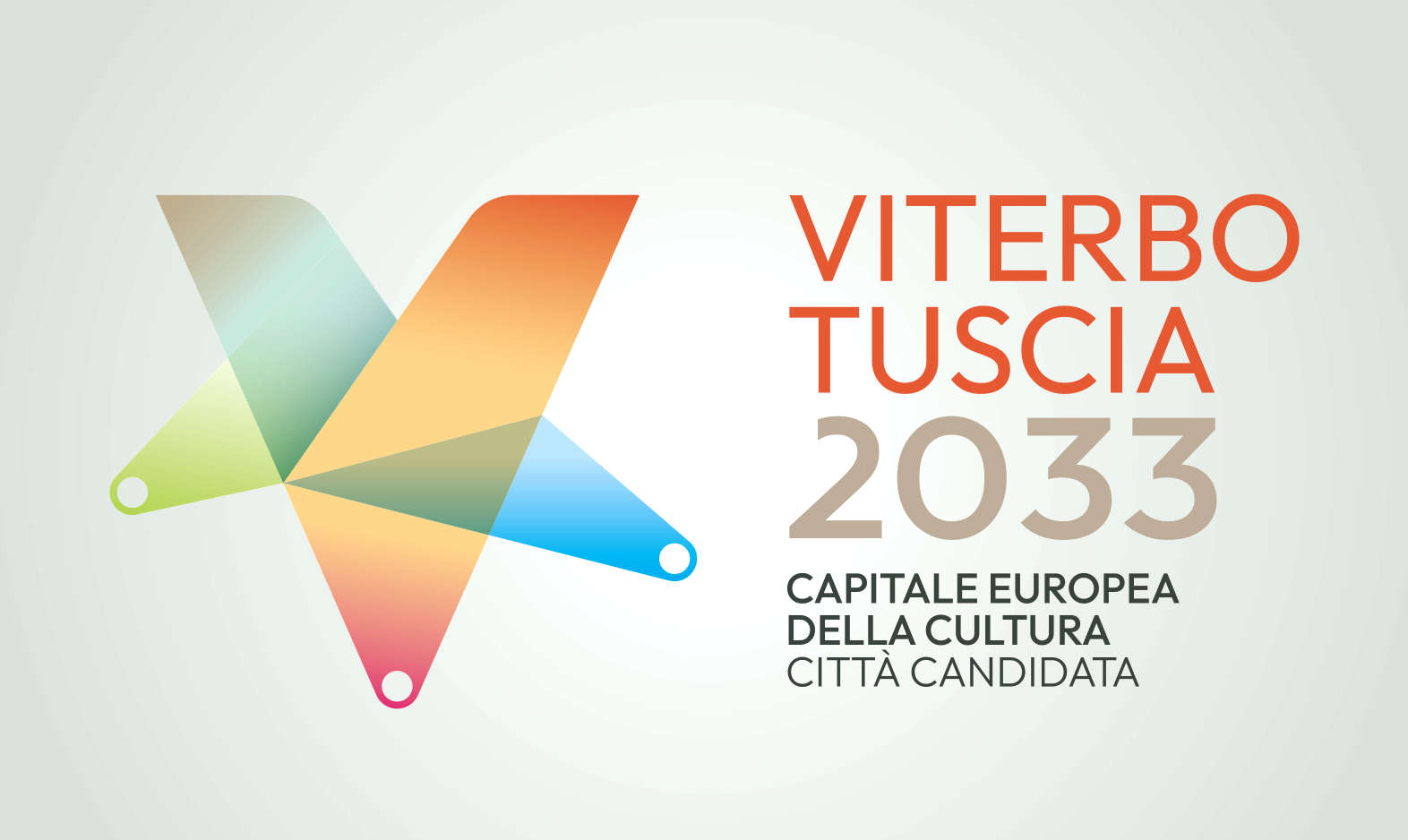
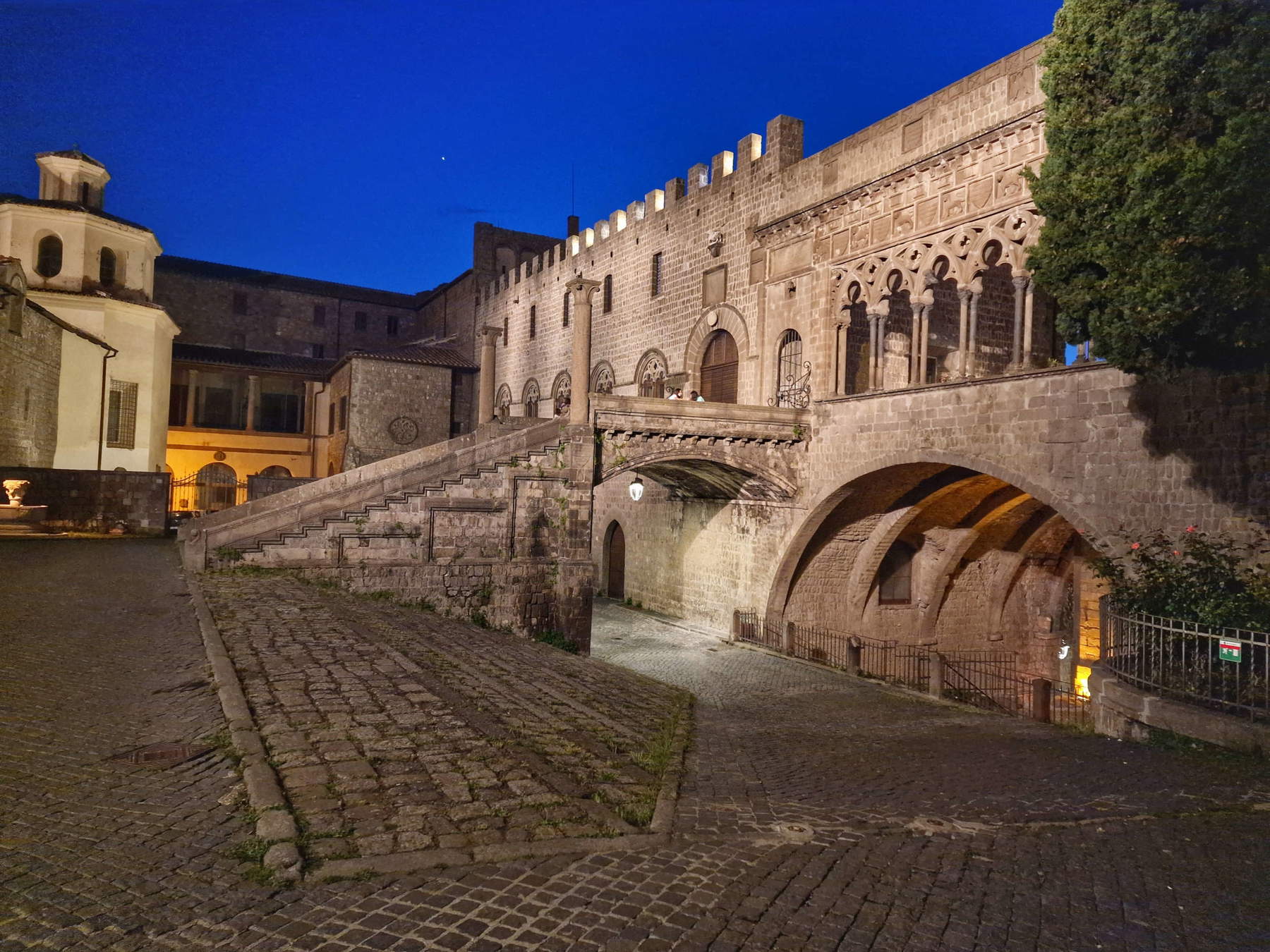
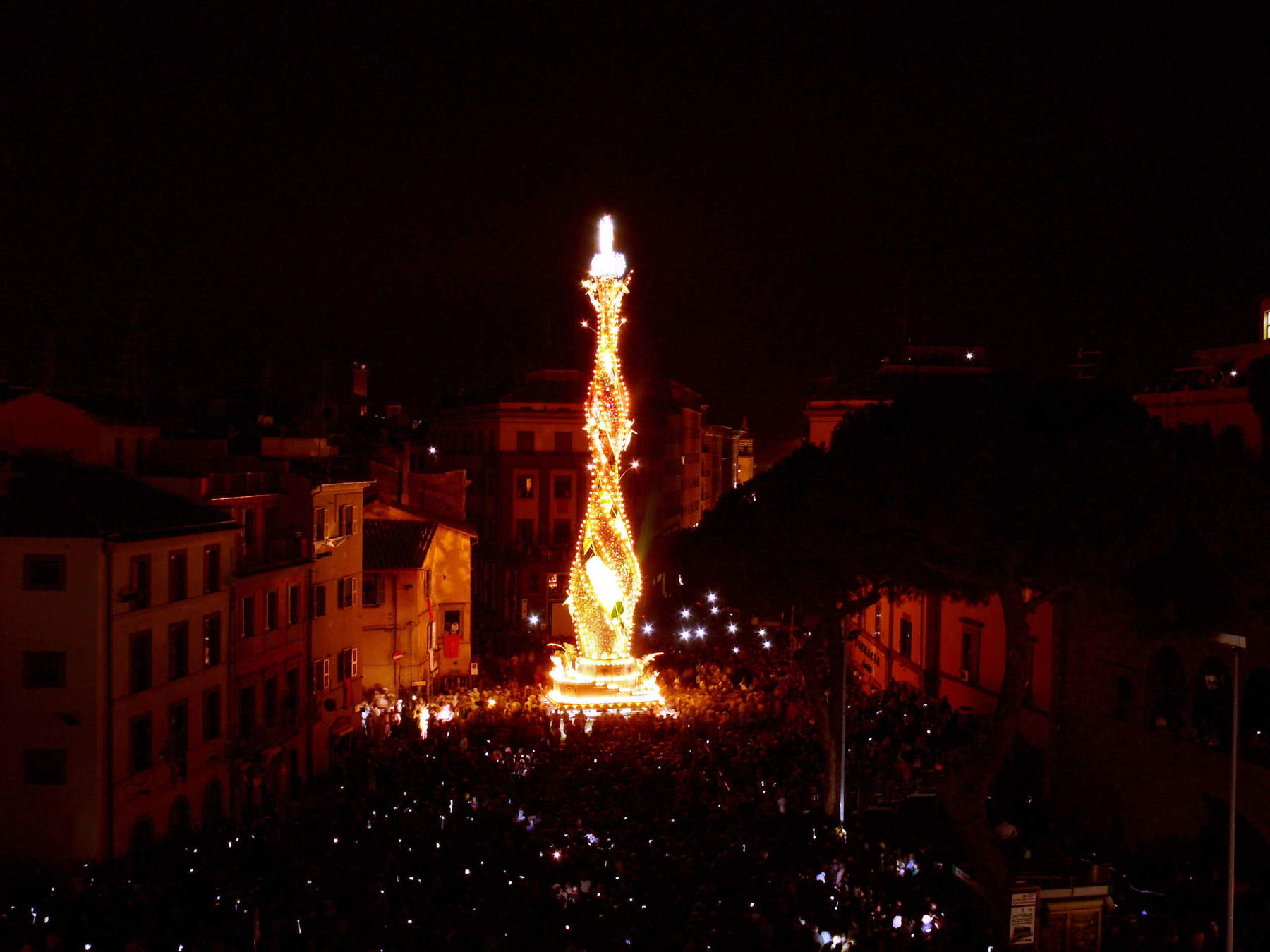
The core of this bid’svisual identity was unveiled on May 11 at the Province’s headquarters: a brand that graphically encapsulates the spirit of the project, featuring a logo composed of three intertwining beams of light that form the initial letter of the provincial capital, interpreting the distinctive features of the local heritage from a contemporary perspective. Within the graphic design, references to iconic monuments such as the Palazzo dei Papi and the San Pellegrino District can be seen, along with the centuries-old tradition of the Macchina di Santa Rosa. The color scheme is no accident, as the palette ranges from the gray of the stone in historic buildings to the blue of the fountains, passing through the green of the Cimini Mountains and the orange that evokes the vibrancy of cultural events. The slogan “Living History, Present Future” encapsulates this desire not to remain anchored to the past, but to use the historical legacy as a dynamic resource to guide future development.
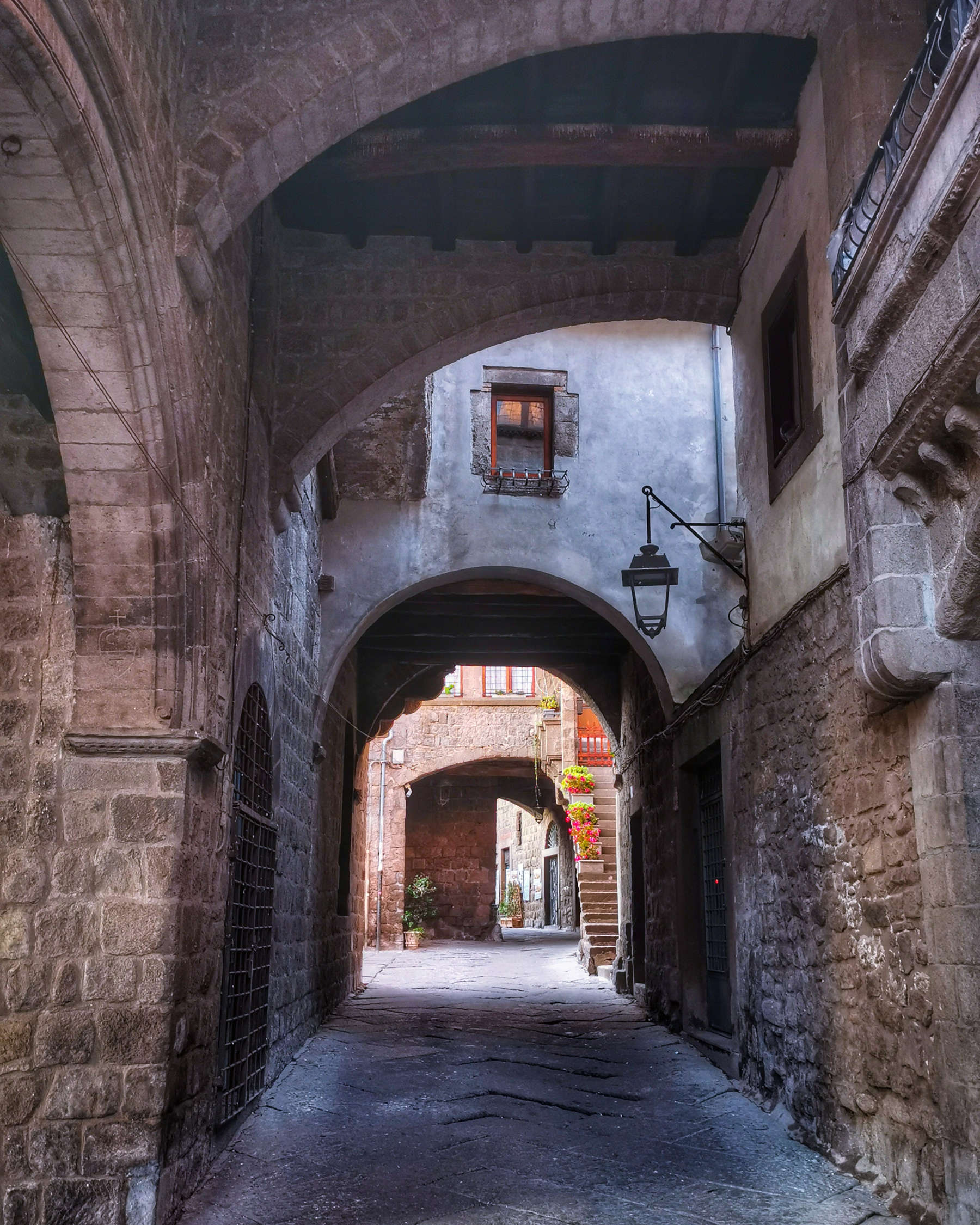
From the perspective of European positioning, Viterbo presents itself as a medium-sized city with a perfectly preserved medieval center, and aims to offer a model of non-metropolitan centrality of great interest to continental policies. The continuity between urban spaces and daily social life makes the area, according to the local administration, an ideal laboratory for experimenting with new models of sustainability and participation. In this context, the presence of the Via Francigena serves as a natural connection to European cultural networks, reinforcing the city’s historical role as a place of transit and institutional encounter. The candidacy therefore aims to activate this heritage not merely as an archive of memories, but as an infrastructure capable of generating new cultural vitality.
The communication strategy accompanying the project has been divided into four phases aimed at building solid consensus and widespread awareness. In the first phase, defined as “emergence, ” the focus is on raising the project’s profile and making the nomination a topic of public discussion. Subsequently, the plan calls for a community engagement phase, in which citizens and local organizations become co-protagonists in the creative processes through workshops and co-design labs. The consolidation of this process should then demonstrate the region’s capacity to carry out concrete projects, ultimately leading to a European profile that places Viterbo at the center of major international cultural debates. This approach aims to generate a social and economic impact that extends beyond the year 2033, leaving future generations with a sustainable model of local collaboration.
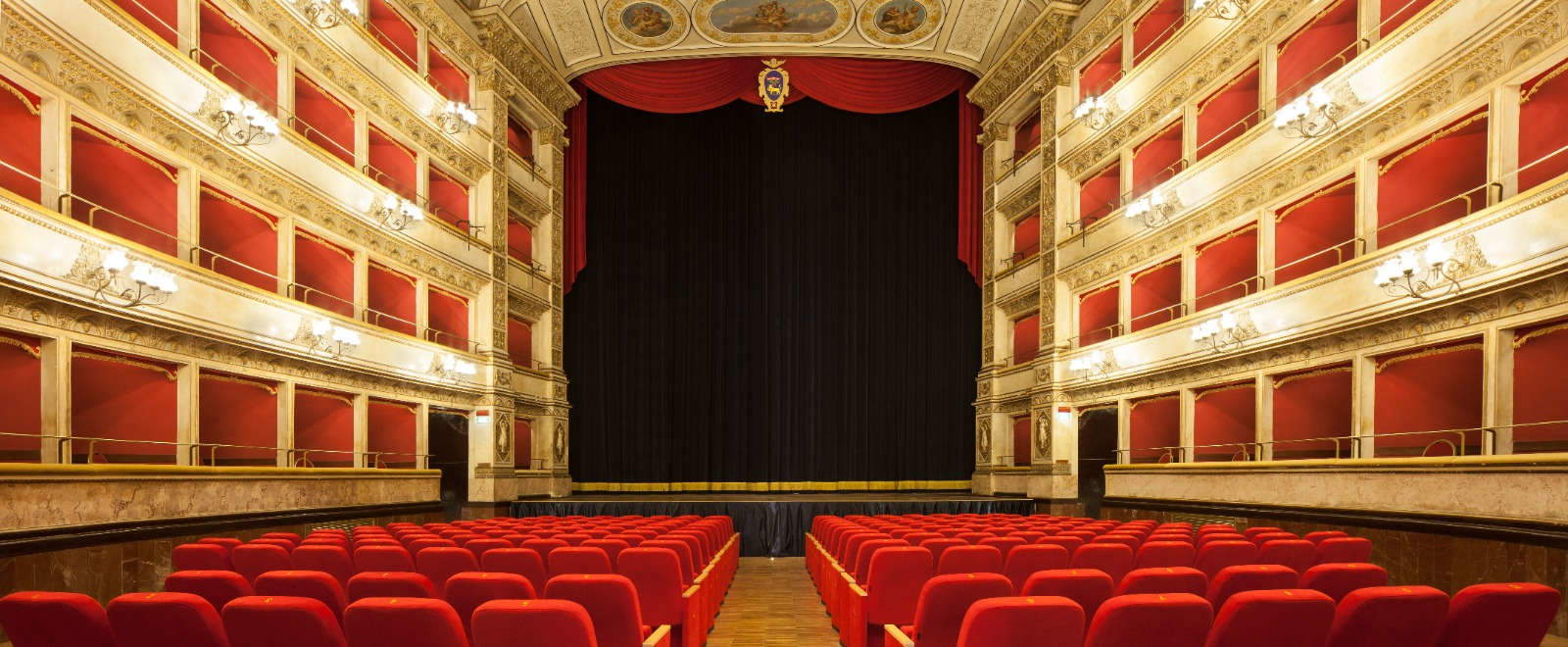
One of the most significant moments of this journey was the grand festival held on July 12 in the heart of Viterbo, which transformed the Teatro dell’Unione into a creative hub open to everyone. During the event, numerous cultural organizations presented performances ranging from Baroque music to Manouche jazz, from contemporary dance to documentary screenings. Artists and cultural professionals engaged with the public, seeking to demonstrate how the journey toward the European title has already begun through the daily practice of cultural production. The large and diverse turnout confirmed that the bid belongs to the entire regional system, strengthening the local population’s sense of belonging to this shared project.
An analysis of the strengths and weaknesses of the Tuscia region highlighted the need to bridge certain gaps by creating new narrative symbols that make the city instantly recognizable. At the same time, the union of the 51 municipalities makes it possible to offer a systemic narrative that includes villages, natural landscapes, and archaeological sites, transforming geographical dispersion into a wealth of content. The working group tasked with managing this complexity is led by experts in strategic planning and design, with experience gained at major international events such as the Olympics and the Expo. The project’s governance structure is designed to be multilevel and adaptive, capable of evolving over time and integrating private-sector support through fundraising.
On the economic front, the bid has already garnered some support, as evidenced by the official partnership signed with Confcommercio Lazio Nord. This partnership recognizes culture as a key driver for the growth of the business sector and for enhancing the province’s appeal to tourists. The experience of other cities that have previously served as European Capitals of Culture demonstrates that the economic returns far exceed the initial investment, creating benefits for the retail and hospitality sectors. The partnership between institutions, businesses, and the cultural sector is considered essential for translating the strategic vision into actions that have tangible impacts on residents’ lives.
The institutional timeline calls for a series of key milestones in the coming years. In 2027, the Ministry of Culture will formally invite Italian cities (since the European Capital of Culture in 2033 will be an Italian city) to submit their dossiers, known as bid books—strategic documents that must outline the cultural program and expected impacts. This will be followed by the preselection phase and the final evaluation by an international jury of experts between 2028 and 2029. The winning city will receive the title approximately four years before the celebrations take place, also gaining access to the Melina Mercouri Prize, a financial award contingent upon fulfilling the commitments made. With this in mind, Viterbo has already established a steering committee and launched thematic working groups to refine the proposal’s content.
Digital communication plays a central role in this process, with the launch of a web platform designed as an ever-evolving laboratory. The website is not merely a repository of information, but a space to document the project’s development and foster interaction with stakeholders. At the same time, social media channels are used to tailor messaging: Facebook serves as an informational and institutional platform, while Instagram is dedicated to the visual and emotional storytelling of local heritage. More direct tools, such as WhatsApp channels, have also been implemented to maintain a close relationship with citizens, transforming the bid into a daily experience.
Offline, the brand’s presence in the local area is reinforced through printed materials and billboards that dot the urban landscape. Brochures, leaflets, and posters detail the project’s development, while items such as pins and stickers encourage young people and visitors to spontaneously embrace the project. Every communication initiative is monitored using quality indicators that measure not only media visibility but also the actual participation rate and the emotional engagement of citizens. Transparency in reporting the progress of the bid book is considered a fundamental requirement for building the trust needed to sustain such a long and complex process.
Finally, the bid by Viterbo and Tuscia aims to serve as an original contribution to the European cultural debate, addressing issues such as the ecological transition and the balance between humanity and nature. The landscape is understood not merely as a backdrop, but as a genuine cultural infrastructure managed collaboratively. Through the involvement of universities and creative professionals, the region aspires to become a hub for social innovation, demonstrating that even provincial communities can generate the energy needed to engage with the continent’s major capitals. The determination with which the local community is responding to this challenge indicates that, regardless of the final outcome, the process that has been set in motion has already begun to transform the way this part of Lazio perceives itself and its future.
|
| Viterbo and Tuscia are running for the title of European Capital of Culture 2033 |

Warning: the translation into English of the original Italian article was created using automatic tools. We undertake to review all articles, but we do not guarantee the total absence of inaccuracies in the translation due to the program. You can find the original by clicking on the ITA button. If you find any mistake,please contact us.

























 IT
IT FR
FR DE
DE ES
ES CN
CN


