








The artistic landscape of the 20th century is dotted with figures who tried to frame reality in rigid manifestos, but among them stands out Anselmo Bucci (Fossombrone, 1887 - Monza, 1955), a personality who made independence, eclecticism and intellectual curiosity his stylistic hallmark. A talented painter, engraver, draftsman and writer, Bucci represents one of the most luminous examples of a European intellectual, capable of moving with ease between the tradition of the great masters and the turbulence of urban modernity. His career, now celebrated at the Mart in Rovereto with the largest exhibition ever held on him(Anselmo Bucci 1887 - 1955. The Time of the Twentieth Century between Italy and Europe, from March 28 to September 27, 2026, curated by Beatrice Avanzi and Luca Baroni), which comes just a few years after the already rather rich one at the Vittoriale in 2022(our review here), reveals an artist who never let himself be trapped by labels, maintaining an internal coherence based on a vast figurative culture and an uncommon literary sensibility.
Born in Fossombrone but a citizen of the world, Bucci lived intensely through the transformations of his time, observing society with a keen eye and translating its dynamics into vibrant images. Although he is often remembered for his central role in the birth of the Novecento Italiano group, his eccentric and multifaceted figure has long remained in a defiladed position compared to the most lofty names in Italian art, precisely because of his heterogeneity and unwillingness to bend to party logics or political currents.
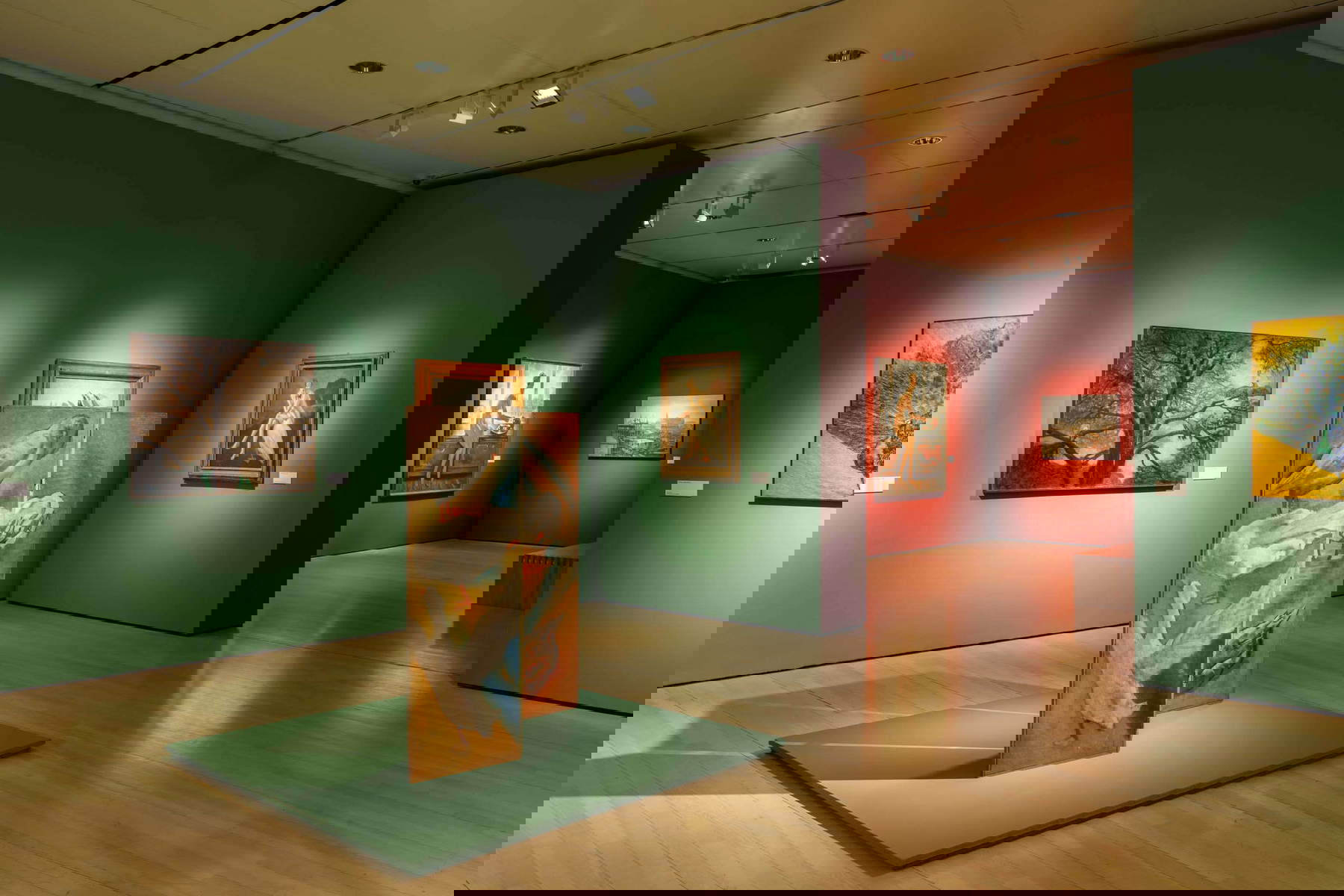
The exhibition at the Mart, through more than 150 works including paintings, graphics and unpublished documents, aims to place Bucci back in his proper international context, highlighting how his research was nurtured by a network of contacts that ranged from Paris to Milan, receiving praise from the likes of Guillaume Apollinaire and publications such as the New York Times. To rediscover Bucci today is to immerse oneself in a journey that traverses the Parisian adventure in Montparnasse, the dramatic experience of the front line as a war painter and the return to a modern classicism, always imbued with subtle irony and extraordinary technical mastery. Below are ten key aspects for understanding the universe of this extraordinary artist.

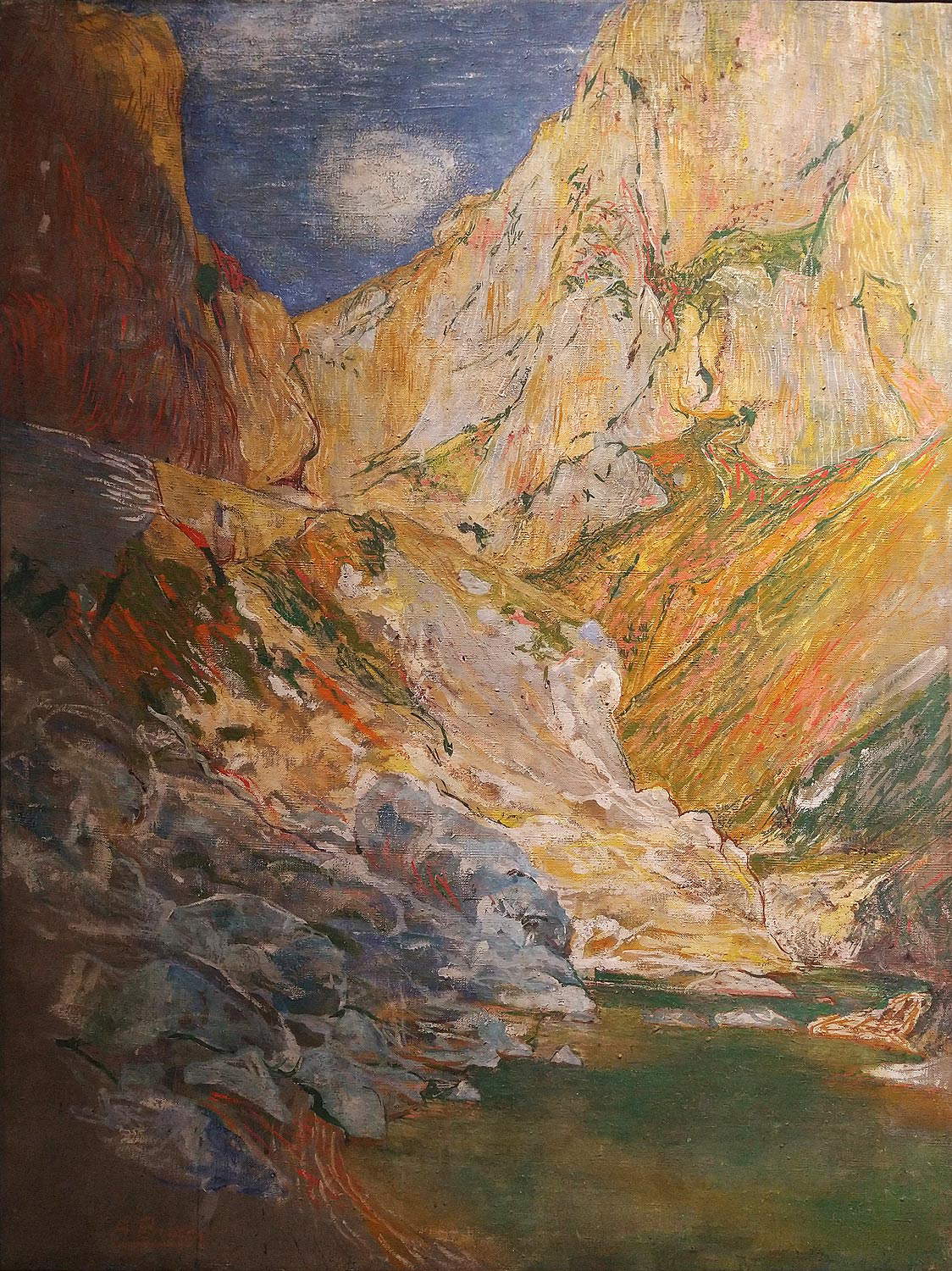
Despite his cosmopolitan dimension, Bucci never forgot his origins in Fossombrone, sometimes going so far as to sign himself “Bucci da Fossombrone” to emphasize his belonging to that land. The Marche region represented for him the place of childhood and memory, a reservoir of affections and chromatic suggestions that would influence his youthful works. It was precisely in Fossombrone, during summer stays with his grandparents, that the artist took his first steps, experimenting with Divisionist technique in works such as The Furlo Gorge.
The family environment was decisive: his maternal grandfather Giovanni was an artist-erudite who taught drawing in the village, and his paternal grandfather Anselmo’s cabinetmaker’s studio passed on to him the sense of manual dexterity and craftsmanship that Bucci would claim throughout his life. It is no coincidence that one of his most critically acclaimed canvases in Paris, The Autumn, was set in the Metauro hills, enriched by characteristic details such as the Marche biroccio. This deep bond also translated into an act of generosity: in the 1940s and 1950s, Bucci devoted much of his artistic estate to the collection of the notary Giuseppe Cesarini in Fossombrone, creating the nucleus of what is now the most important collection dedicated to him.
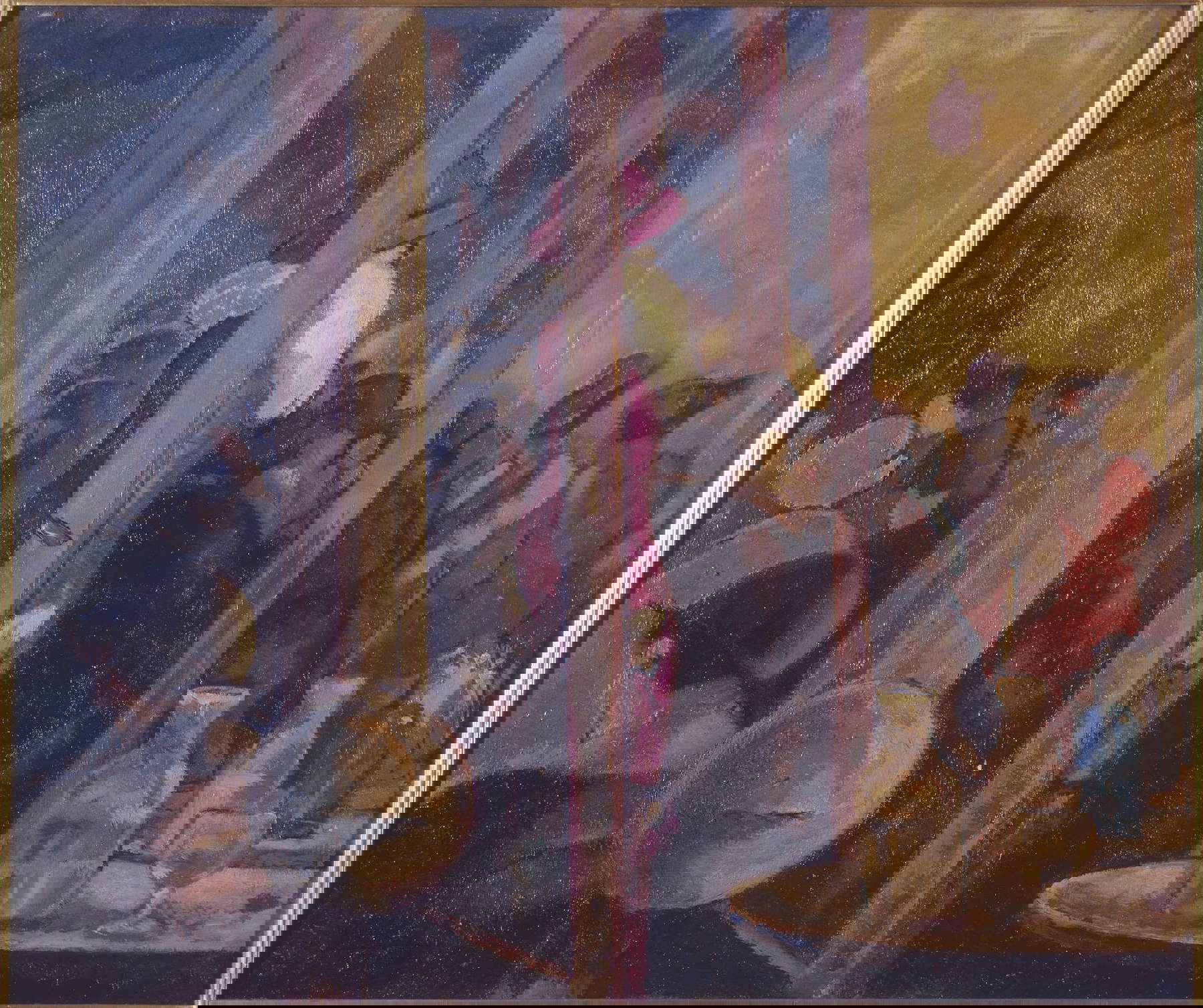
In 1906, Bucci landed in Paris with his friends Buggelli and Dudreville with very little money in his pocket but an unwavering determination. The French capital became the hub of his artistic and personal maturation; here he frequented the legendary milieu of La Ruche in Montparnasse, coming into contact with giants such as Picasso, Modigliani and Severini. Initially he supported himself by doing menial jobs, such as photographic retouching, but soon his skill in engraving and portraiture opened the door to success.
During these years, Bucci immortalized the vibrancy of Parisian life through his series of puntesecche Paris qui bouge, where he managed to capture the movement and light vibrations dear to the Impressionists. Paris was not only a place of work, but also of deep affection, such as his relationship with muse Juliette Maré, who posed for him in intense works such as Winter on the Riviera. Even after his final return to Italy, the artist maintained a studio in the French capital until 1935, testifying to an unbreakable bond with the culture that had forged his European spirit.
Although his figure is often read independently today, Bucci played a fundamental role in the birth of the Novecento Italiano group. It was he, in fact, who suggested the appellation for the movement promoted by Margherita Sarfatti, which aimed to rebuild an artistic tradition based on a “modern classicism” after the excesses of the avant-garde. Despite being one of the seven founders, Bucci never agreed to be caged by the group’s rigid directives.
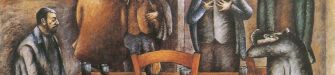
His independence led him to resign as early as 1923, on the eve of the first official exhibition, because of disagreements that he described as “non-artistic.” His painting remained free and eclectic, capable of mixing solid, synthetic volumes with vibrant postimpressionist atmospheres, after also experimenting briefly with futurism. Works such as I Pittori are considered manifestos of Novecentista poetics because of the call for a “return to craft,” but in reality they conceal a personal quest that Bucci had been pursuing for some time, well before any theoretical adherence to Sarfatti’s programs.
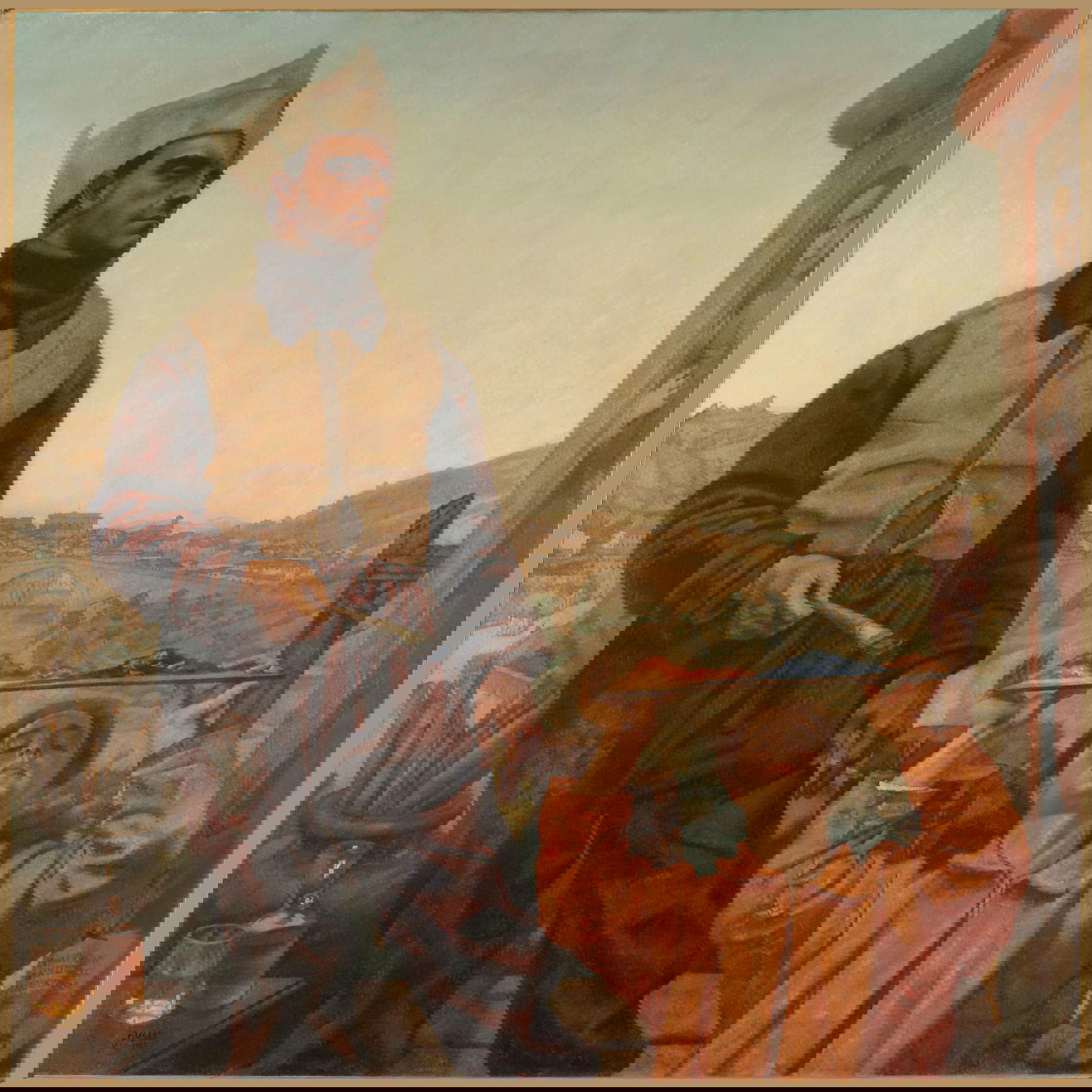
At the outbreak of World War I, Bucci did not just observe, but chose active engagement by enlisting in the Battaglione Lombardo Volontari Ciclisti Automobilisti (Lombardy Volunteer Motorcycle Battalion). In this context he found himself sharing life at the front with other future protagonists of Italian art, such as Marinetti, Boccioni and Sironi, in the famous “platoon of artists.” The war represented a hugely impactful existential and artistic experience for him, allowing him to reconnect with Italy after nearly a decade abroad.
Given the impossibility of painting directly at the front, Bucci produced an impressive amount of charcoal drawings that documented with stark realism the daily life of soldiers. These studies were then reworked in his Milan atelier into paintings and engravings that established him as one of the leading visual narrators of national wartime reality. Through these works, Bucci succeeded in transforming himself from a French-trained artist to a sensitive interpreter of his country’s dramas and heroism, consolidating decisive ties with patrons and gallery owners.
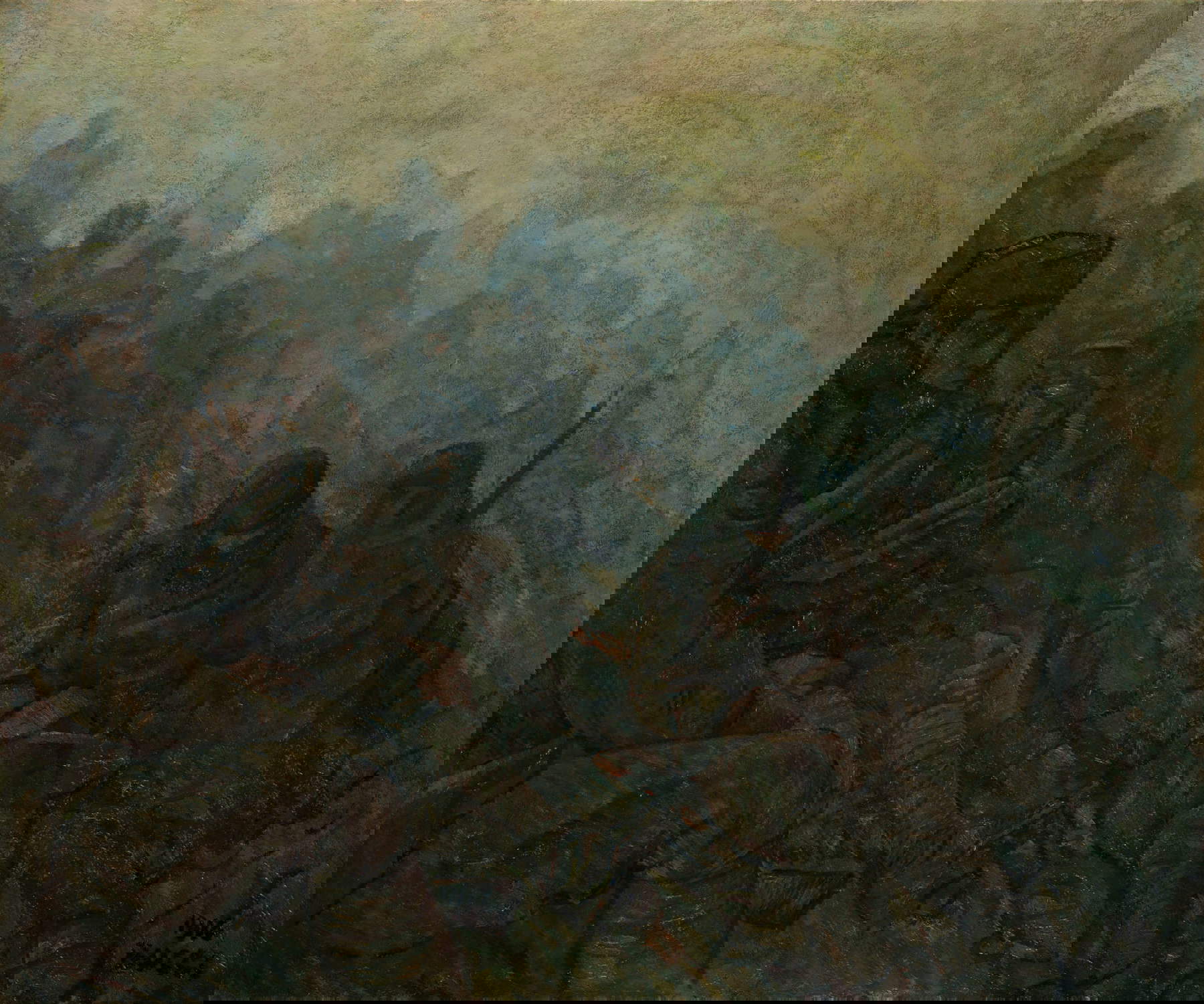
Anselmo Bucci’s graphic production is monumental in quantity and quality, making him one of the most talented draughtsmen of the early 20th century. A 1936 inventory counted nearly seven thousand drawings and hundreds of engraved plates, an immense corpus that testifies to his tireless technical research. In Paris he distinguished himself for his mastery of drypoint, a technique he used to translate onto the plate the urban atmospheres and monumental monuments commissioned by leading French publishers.
Bucci also successfully explored color engraving, attempting to emulate the vibrancy of Impressionist painting through complex typographic processes. Although the graphic design market in Italy was less flourishing than in Paris, the artist continued to devote himself to this activity with passion, producing illustrations for books and personal character sheets pulled in very few copies. Today, significant nuclei of this endless production are preserved in Milan and in his Fossombrone, remaining as evidence of his extraordinary freedom of expression.
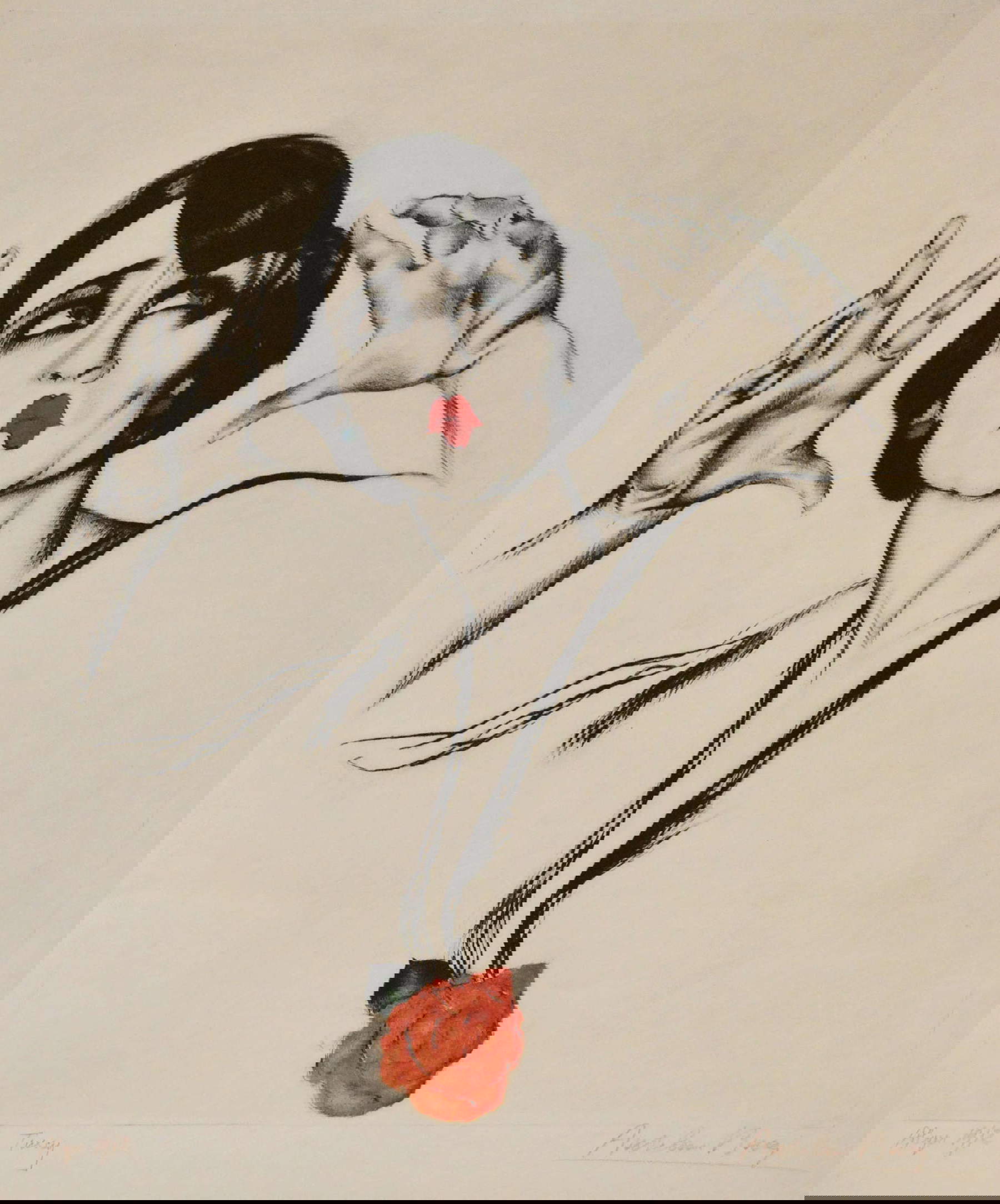
Anselmo Bucci expressed himself not only through colors, but possessed a razor-sharp pen that made him a well-rounded intellectual. His written output is vast and includes diaries, articles of art criticism and literary works that reflect his capacity for critical analysis of his own time. In 1930, his collection of aphorisms entitled The Flying Painter was a resounding success, winning the first edition of the prestigious Viareggio Prize.
In his writings, Bucci addressed the relationship between ancient and modern art with irony and depth, often arguing for the superiority of the “clear certainty” of the past over the “confused regrets” of contemporaries. His reflections, which also appeared in newspapers such as Domenica del Corriere, intertwined comments on current exhibitions with travel memories, offering a valuable key to understanding his painting. This dual soul of painter-writer allowed him to build a self-aware and cultured image of himself, aligned with that of the great masters of the Renaissance.
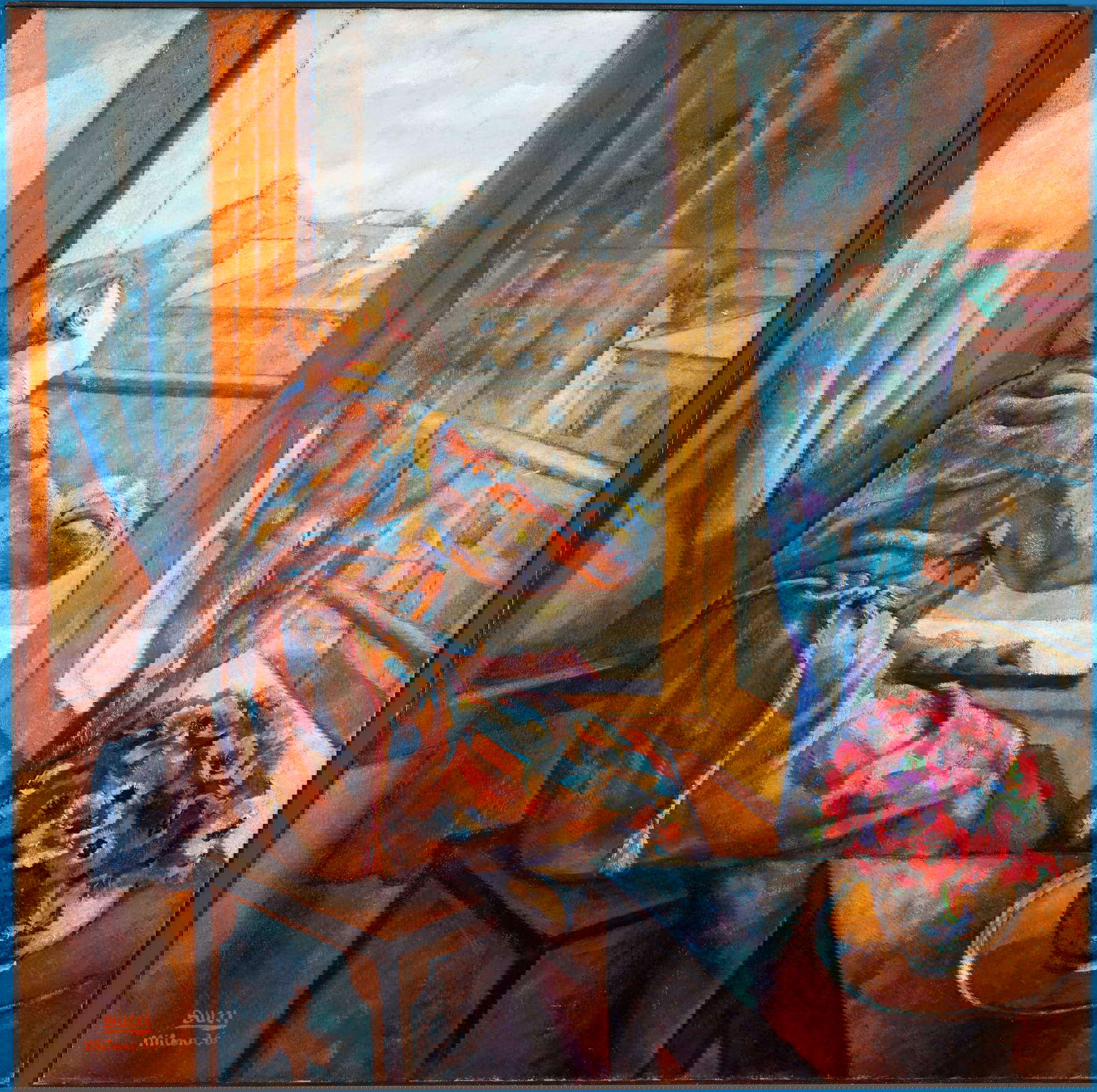
Like many great artists of the past, from Rembrandt to Van Gogh, Bucci had a constant relationship with his own image. With theself-portrait. His output is studded with self-portraits, from quick graphite sketches to more thoughtful pictorial works, revealing a need to define and control his public identity. A particularly emblematic gesture of his personality occurred in 1909, when he painted his own face over a seventeenth-century antique canvas attributed to Padovanino, as if to enshrine a direct and defiant link with the great Venetian tradition.
This desire to monitor his own effigy even extended to works made by others: it is said that Bucci personally intervened on the bronze bust cast by his friend Angelo Biancini, retouching the pupils with a brushstroke of white to give greater intensity to the gaze. These self-portraits were not just technical exercises, but stages in a psychological investigation that accompanied the artist throughout his life, enabling him to present himself to the world as a noble intellectual fully aware of his own worth.
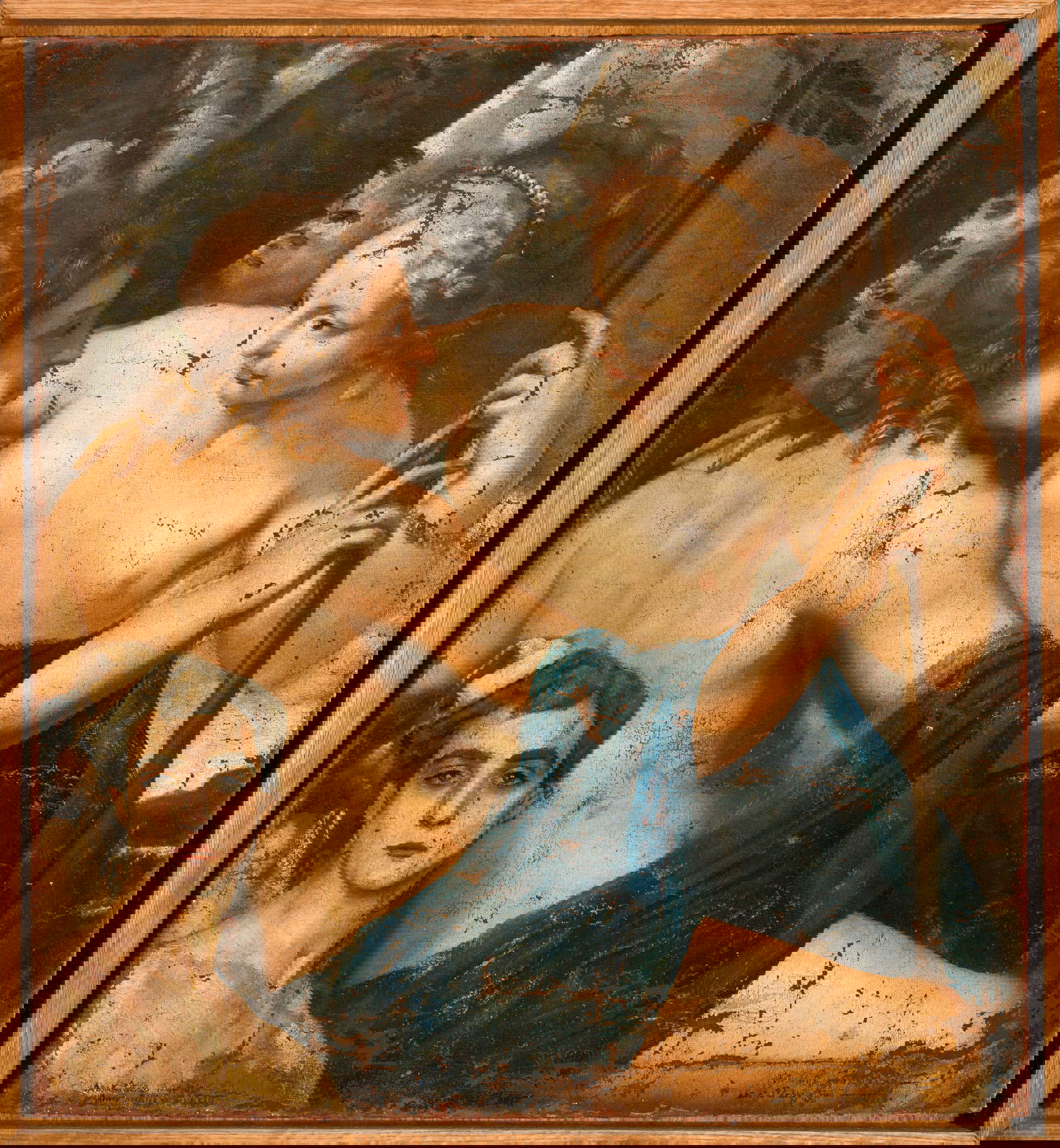
The animal world occupied a special place in Bucci’s heart and art, often with very personal affective overtones. During his Parisian years he adopted two wolfdogs, Baloo and Loute, which became the subjects of numerous drawings and engravings. In Milan, his apartment housed unusual creatures such as the tortoise Pupa and the goose Gertrude, the latter the protagonist of the ironic canvas Le oche del Campidoglio, with which the artist mocked the historical rhetoric dear to Fascism.
His interest in animals was also joined with great literature when, in the mid-1920s, Bucci illustrated Rudyard Kipling’s The Jungle Book. To be faithful to the real thing, the artist spent hours at the Jardin des Plantes in Paris studying monkeys and exotic species, producing a series of puntesques of such quality that they became part of Kipling’s own private collection. Works such as Exiting the Ark demonstrate how animal subjects were an opportunity for Bucci to move away from canonical twentieth-century themes and give free rein to his joyful, virtuosic painterliness.
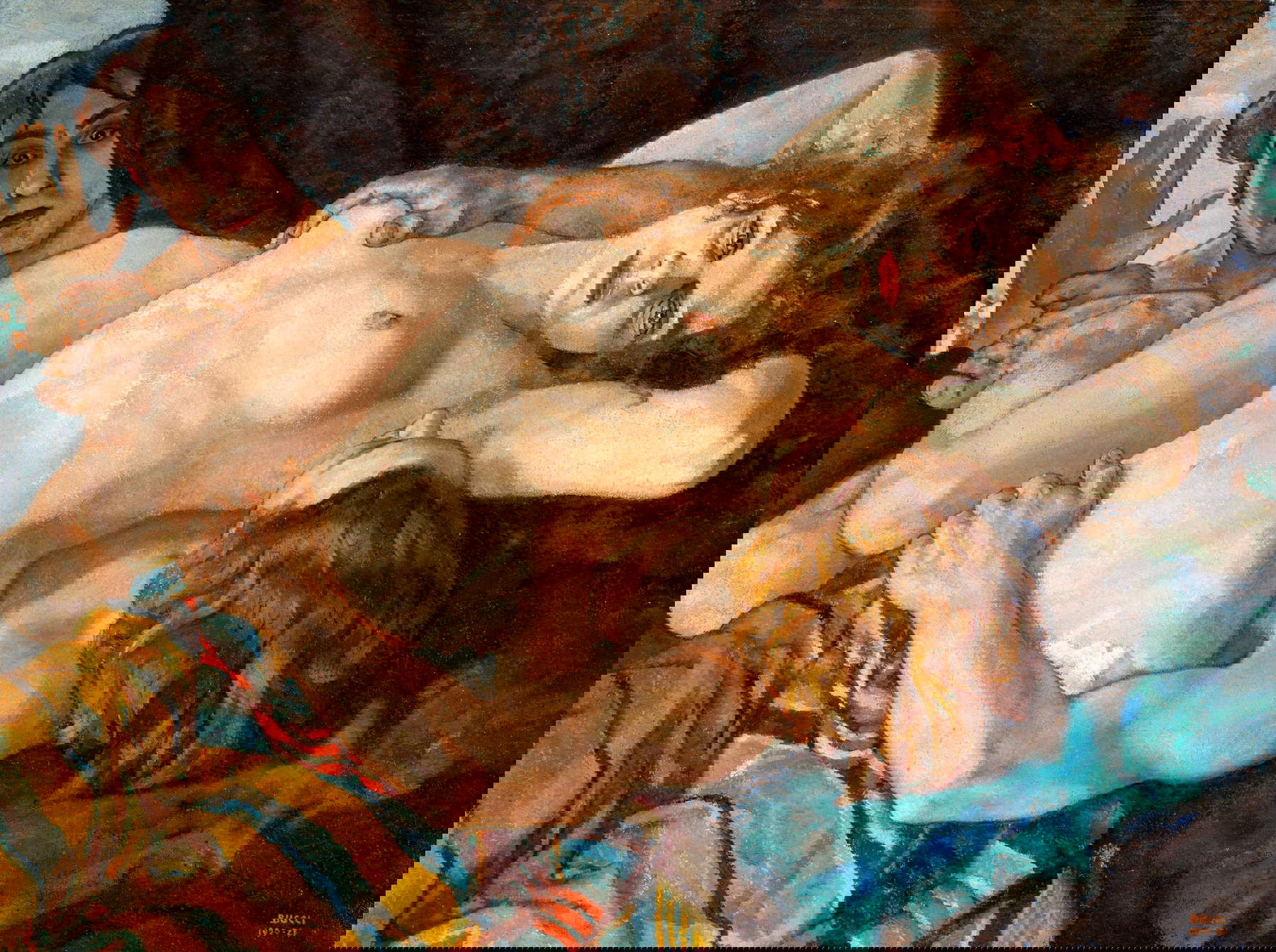
Following the advice of Goethe, who loved to observe cities from the highest towers, Bucci almost always chose homes and studios located in elevated positions in order to dominate the panorama. This privileged perspective profoundly influenced his production of cityscapes, transforming rooftops and railroad tracks into views of the soul. In Paris he painted snow-covered rooftops bathed in fog, while in Milan he focused on the postwar building fervor observed from his balcony on Via Jean Jaurès.
His urban views were not mere descriptions, but frames charged with symbolic and dramatic meanings. In L’addio, one of Bucci’s moreover infrequent futurist experiments , for example, the figure of a woman waving goodbye to a train leaving for the front is interpenetrated with the cityscape in a rare homage to futurist instances. In other works, such as The Lightning, Bucci captured moments of daily life suddenly disrupted by atmospheric or social events, recalling the fragility of bourgeois quiet in the face of what cannot be controlled.
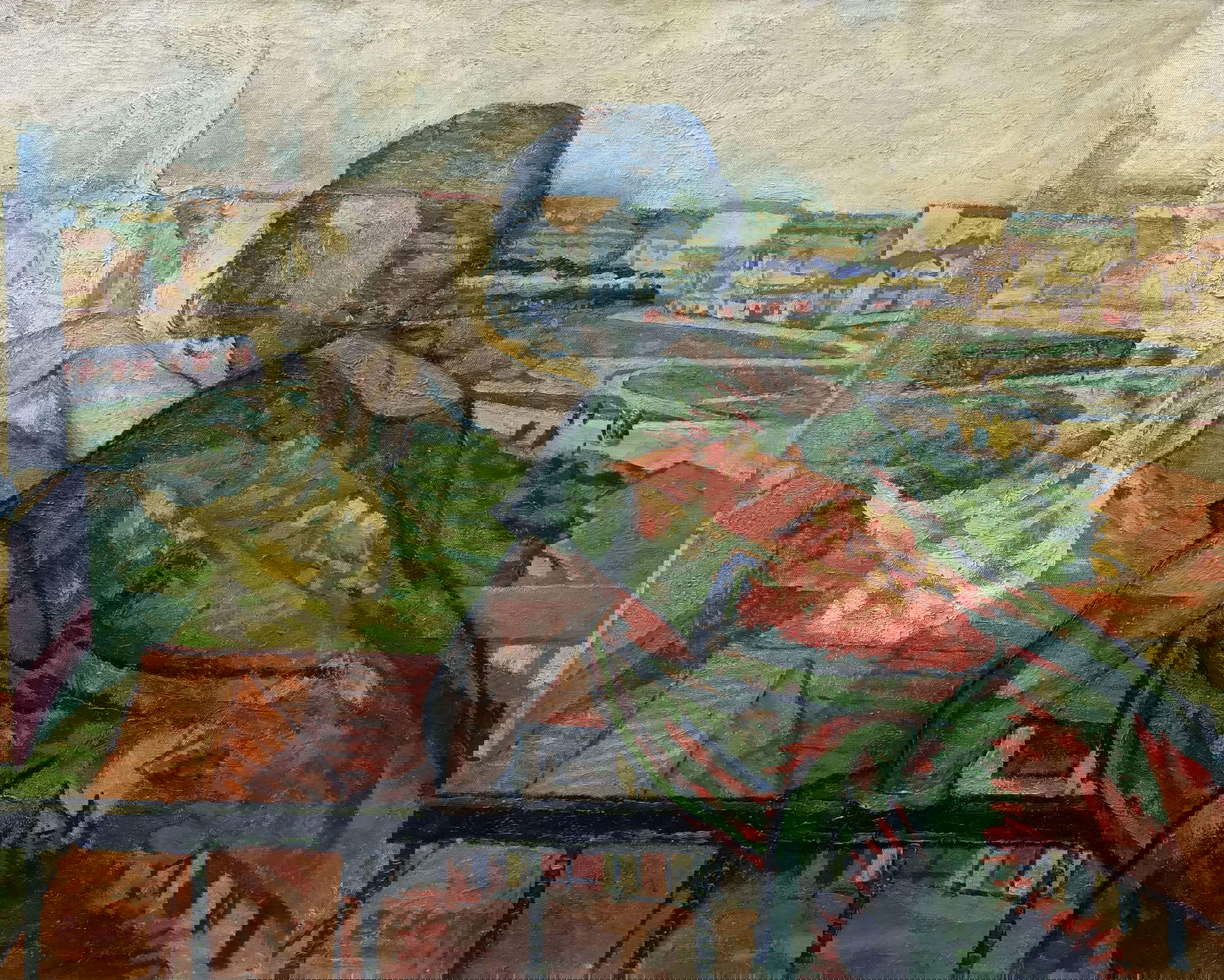
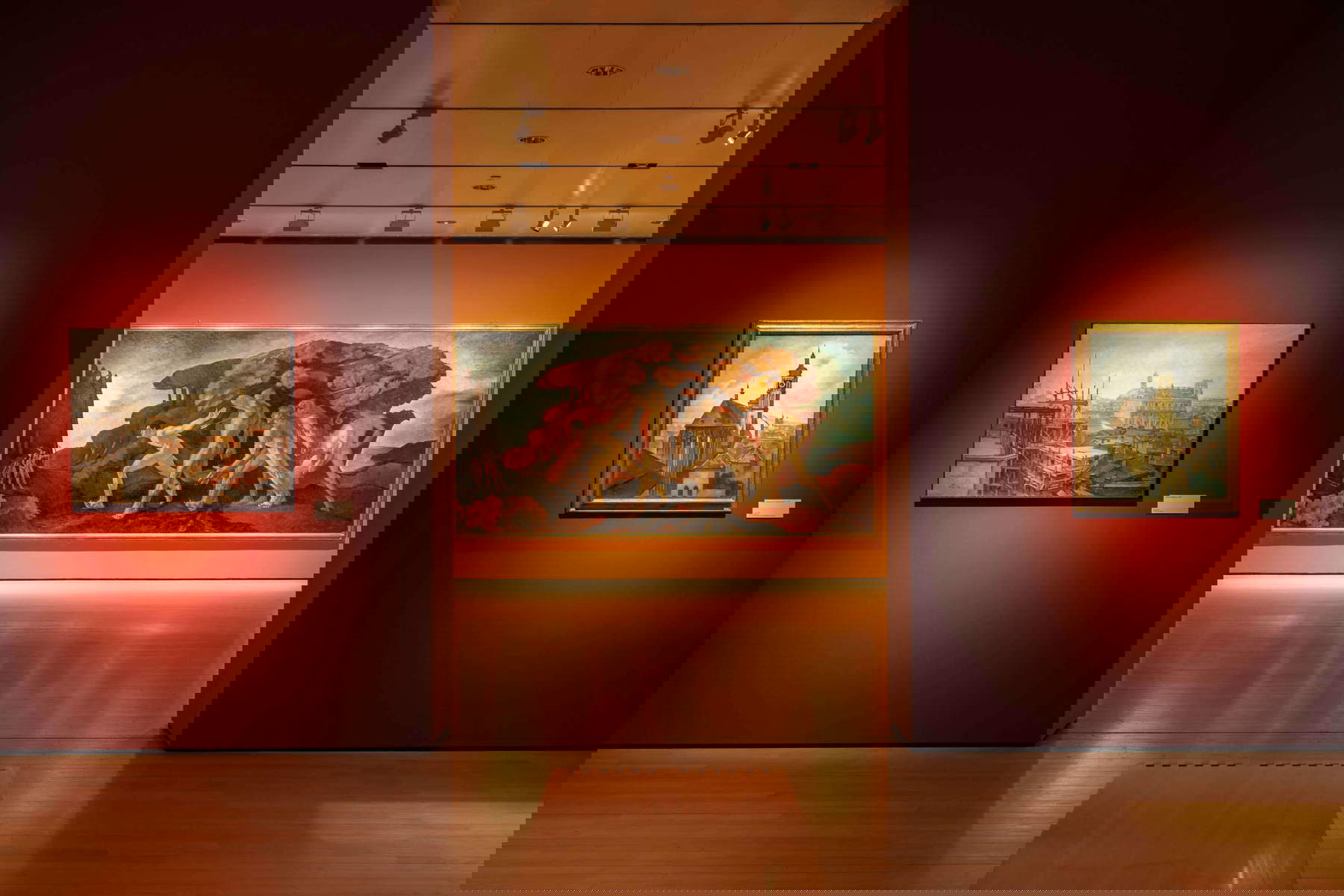
Ideally closing the career and exhibition at the Mart is I Maschi, an imposing and meaning-laden canvas that the artist kept hidden for decades. It is a mythologically inspired work depicting a violent battle between men and Amazons, a symbol of the perennial conflict between the sexes. Begun in Paris around 1910 as part of a decorative cycle, the canvas underwent continuous changes, moving from the bright tones of its youth to a darker, more synthetic, decidedly Novecentist language in its final version in 1922.
Curiously, Bucci excluded this masterpiece from his major 1945 monograph, despite having worked on the project for more than a decade. Perhaps the artist felt that the work, with its raw fascination with the male nude and its drama, was too intimate or too distant from the public commissions of the time. He miraculously managed to save it from the bombings that destroyed his Milan studio during World War II, and today its exhibition in Rovereto represents a unique opportunity to admire a fundamental and secret piece of his pictorial research.

Warning: the translation into English of the original Italian article was created using automatic tools. We undertake to review all articles, but we do not guarantee the total absence of inaccuracies in the translation due to the program. You can find the original by clicking on the ITA button. If you find any mistake,please contact us.















 IT
IT FR
FR DE
DE ES
ES CN
CN