





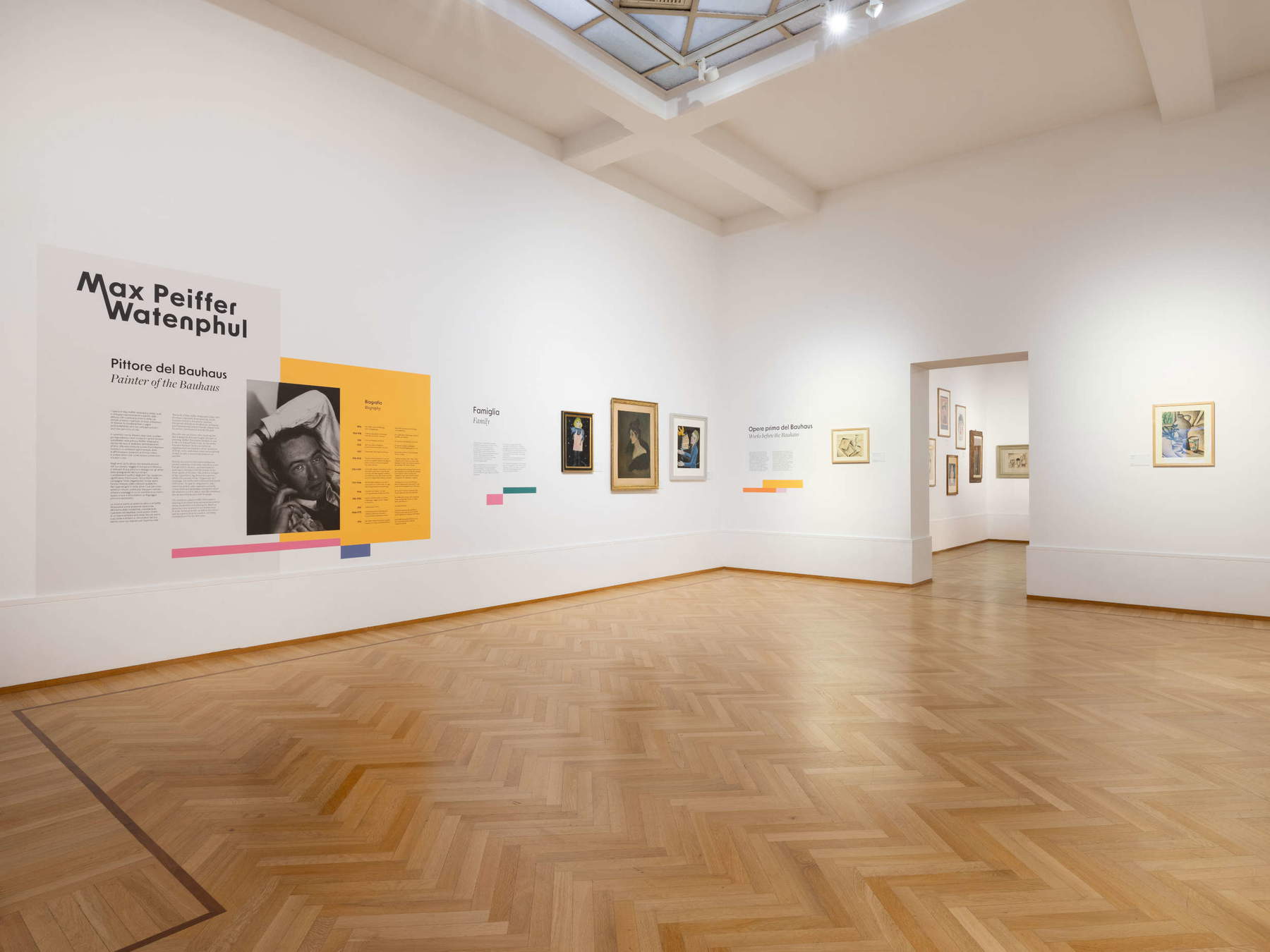
Rome rediscovers one of the most original and independent protagonists of 20th-century Europe, Max Peiffer Watenphul (Weferlingen, 1896 - Rome, 1976), on the 50th anniversary of his death. Until August 23, 2026, the National Gallery of Modern and Contemporary Art is in fact hosting the exhibition Max Peiffer Watenphul. Painter of the Bauhaus, an exhibition curated by Gregor H. Lersch that aims to shed new light on one of the most important figures of the Bauhaus and yet one who has often remained on the margins of major historiographical narratives. This exhibition is not just a posthumous tribute, but the first major public act of the Max Peiffer Watenphul ETS Foundation, established in 2025 at the behest of the artist’s great-grandson, Enrico Pasqualucci Sammartini, with the goal of transforming a family legacy into a cultural heritage accessible to all. The exhibition itinerary, enriched by 80 works and unpublished documents, unfolds through five rooms that trace the entire creative parabola of a man who crossed the short century with an expressive coherence rarely equaled.
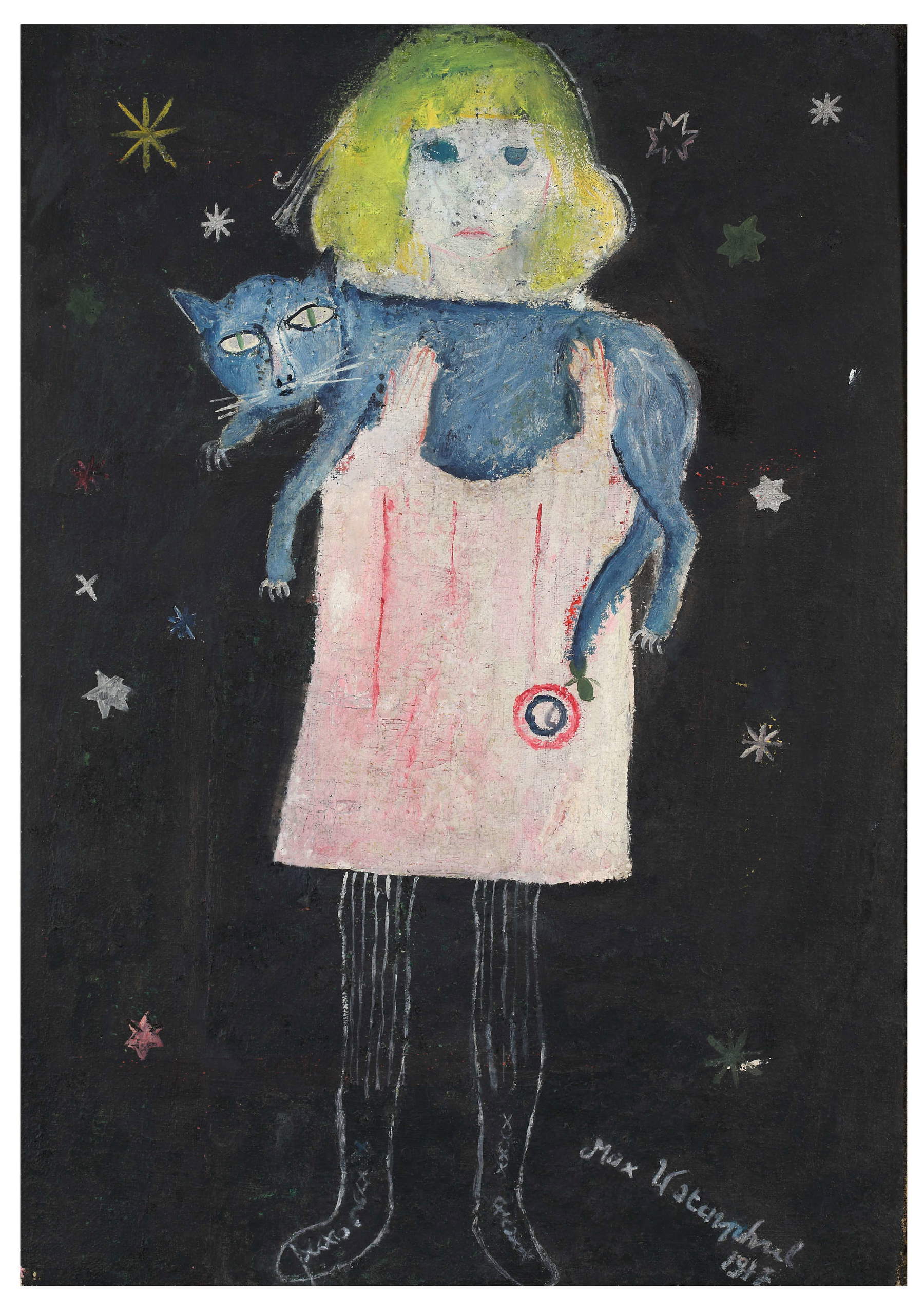
Watenphul was not simply a student of the famous Gropius school; he was an artist who was able to absorb the interdisciplinary approach of the Bauhaus and then decline it into a highly personal pictorial research. While his contemporaries sometimes lost themselves in functionalist rigor, he chose to remain faithful to figurative painting, while simplifying and reducing it to modern, structured visual orders. The exhibition at GNAMC offers a unique opportunity to see his works alongside those of his masters and friends, such as Paul Klee, Vasily Kandinsky and Josef Albers, already in the Gallery’s permanent collections, creating a visual dialogue that underscores the importance of the Weimar School in the renewal of global creativity. From his early youthful experiments to his celebrated Venetian landscapes and postwar still lifes, the exhibition reveals an artist who was able to resist fashion and political persecution, finding in Italy his elective second home and the source of inspiration for his most intense works. Here, we delve into the figure of Max Peiffer Watenphul with ten points to discover his art.
Max Peiffer Watenphul was not born an artist in the academic sense of the term, but became one through a choice of radical rupture. After completing regular studies in Medicine and earning a law degree in Würzburg in 1918, young Max seemed destined for a solid legal career. However, the lure of painting, cultivated as a self-taught artist since childhood with constant visits to Munich’s picture galleries, was stronger than any social convention. In 1919, having completed his legal apprenticeship, he made the final decision to devote himself entirely to art. It was at this time that he contacted Paul Klee for private lessons; although Klee was not available for regular teaching, his wife Lily’s suggestion prompted Watenphul to enroll in the newly established Bauhaus school in Weimar. This move marked the end of an “ordinary” life and the beginning of a creative adventure that would lead him to become one of the leading names in the German avant-garde, proving that talent and passion can deflect the course of an already plotted life.
Watenphul’s entrance to the Bauhaus in 1919 did not go unnoticed. Although he was obliged to attend Johannes Itten’s propaedeutic course, Walter Gropius himself granted him extraordinary freedom of movement, allowing him to attend all the school’s workshops at his leisure. But the real mark of the prestige he enjoyed was the allocation of a personal studio within the school, a privilege usually reserved exclusively for Masters. In that climate of fervor and poverty, where students lived in frosty studios and subsisted on little, Watenphul stood out for his artistic maturity. He participated in the institution’s bohemian life, from barefoot dancing parties to “lantern festivals,” wearing picturesque clothes made from rags. This privileged position allowed him to absorb the principles of the school without, however, allowing himself to be homologated, maintaining an autonomy of thought that would characterize all his later production.
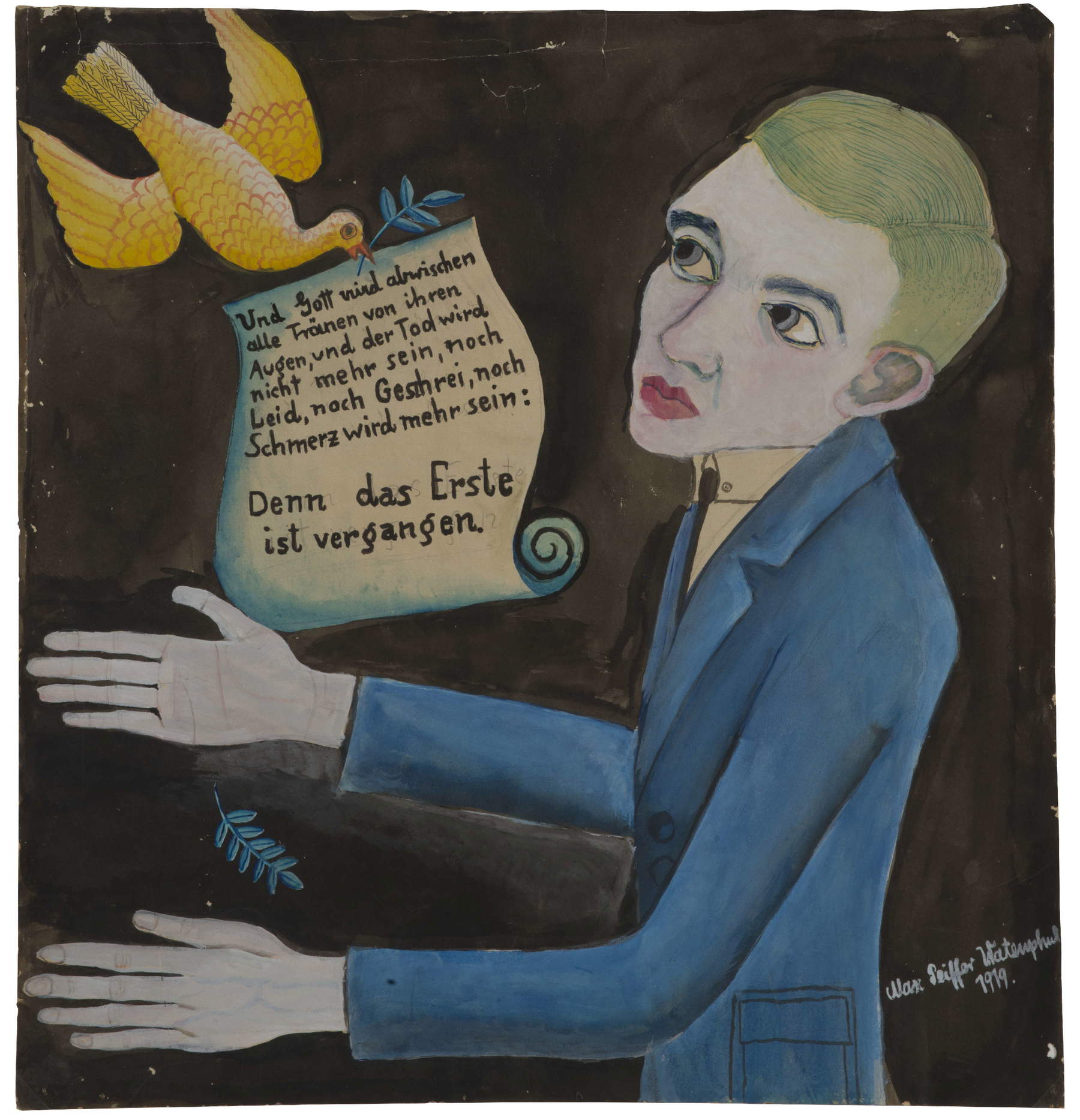
One of the pillars of Watenphul’s life was his friendship with Paul Klee, a relationship that went far beyond the simple esteem between pupil and master. Their bond, which began even before he enrolled at the Bauhaus, was consolidated in Weimar and lasted for decades, documented by a dense emotional and professional correspondence. Klee was deeply impressed by the quality of Max’s early works and actively supported him early in his career, putting him in contact with key figures in the art market such as the art dealer Thannhauser. Klee’s influence is evident in Watenphul’s pursuit of form and color, understood as living and dynamic forces, but his pupil was able to transform these teachings into a figurative language of his own, less abstract and more connected to the perception of the real world. This elective attunement is also evidenced by the Klee works that Watenphul kept in his private collection, a sign of an artistic dialogue that never ceased.
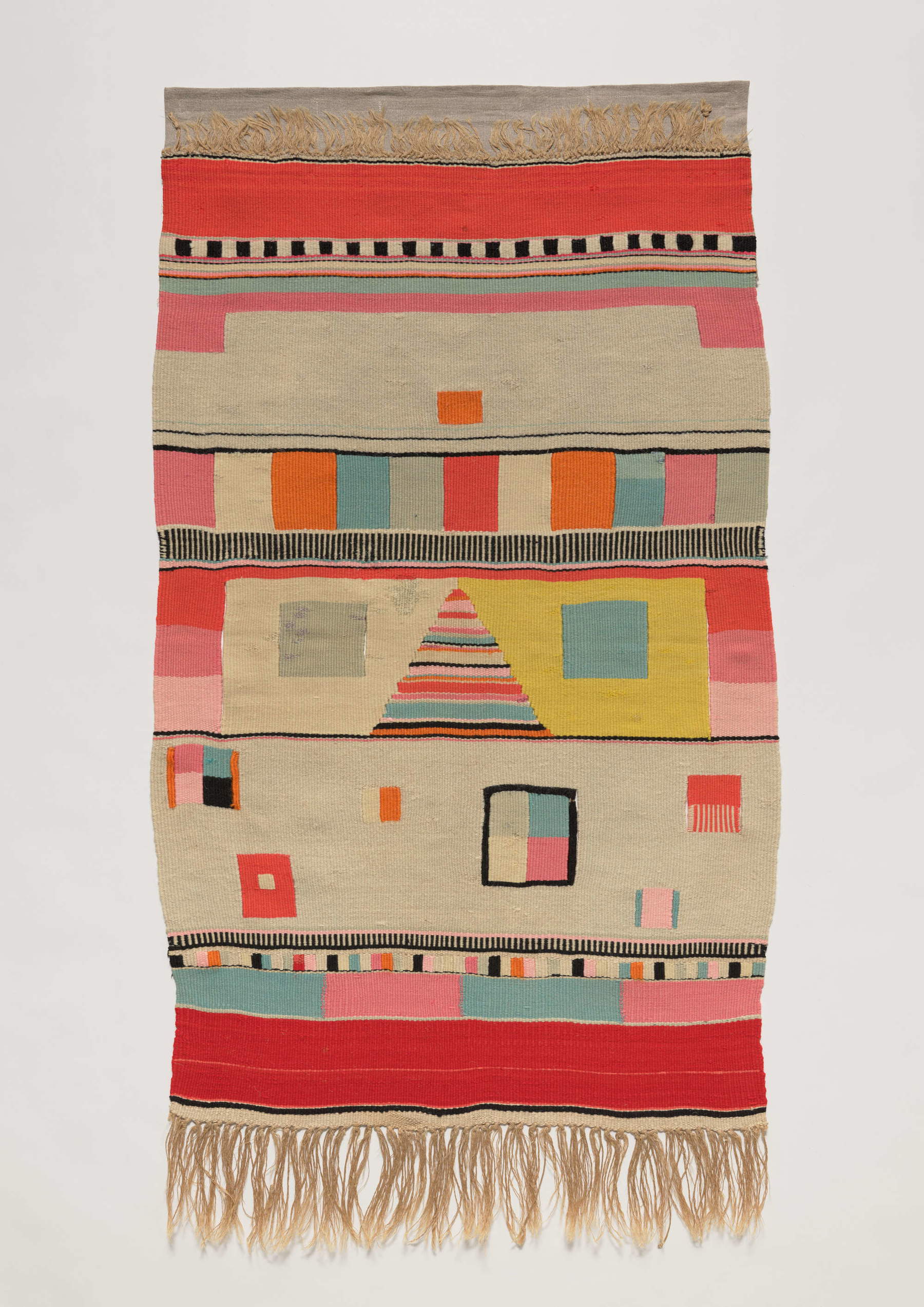
Although he considered himself first and foremost a painter, Watenphul created one of the most significant works from the early Bauhaus weaving workshop: a 1921 tapestry that is still considered an outstanding example of interdisciplinary design. The work, explains Gregor H. Lersch, “shows how closely his artistic practice was linked to the theories of form, rhythm and color taught at the Bauhaus and its interdisciplinary character marked by craftsmanship.” In this work, the artist indeed translated Johannes Itten’s theories of color and form into a rigorous geometric composition, where “unstable” triangles and “calm” squares alternate in a chromatic rhythm of blues, yellows, reds and neutral tones. Watenphul himself was fascinated by the possibilities of dyed wool, which allowed him to explore different rhythms and textures than oil painting. The importance of this work is such that the original is preserved at the Bauhaus-Archiv in Berlin, while a faithful handmade copy was made for the exhibition in Rome. This carpet demonstrates how the school’s craft experience permanently influenced its sense of surface and pictorial composition.
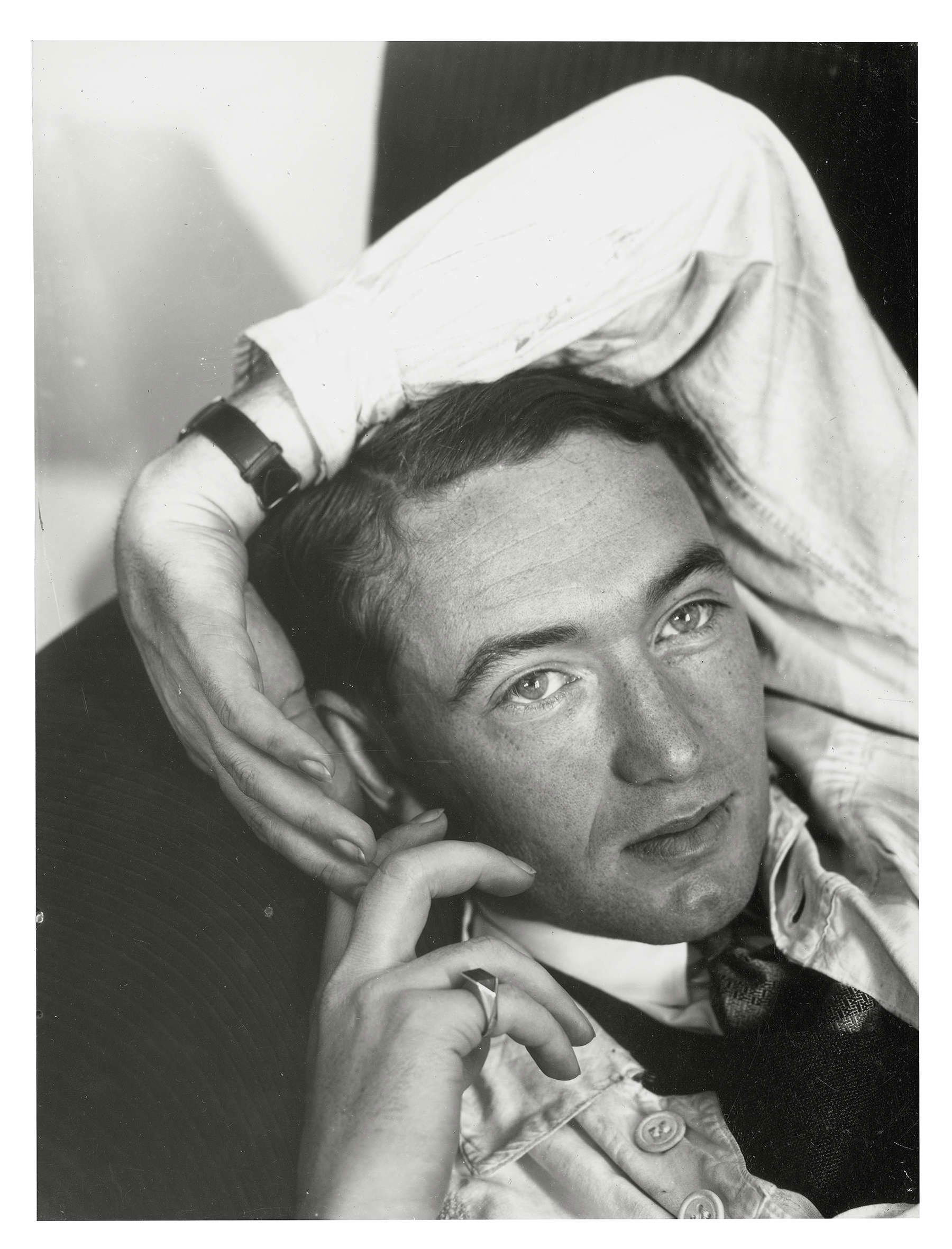
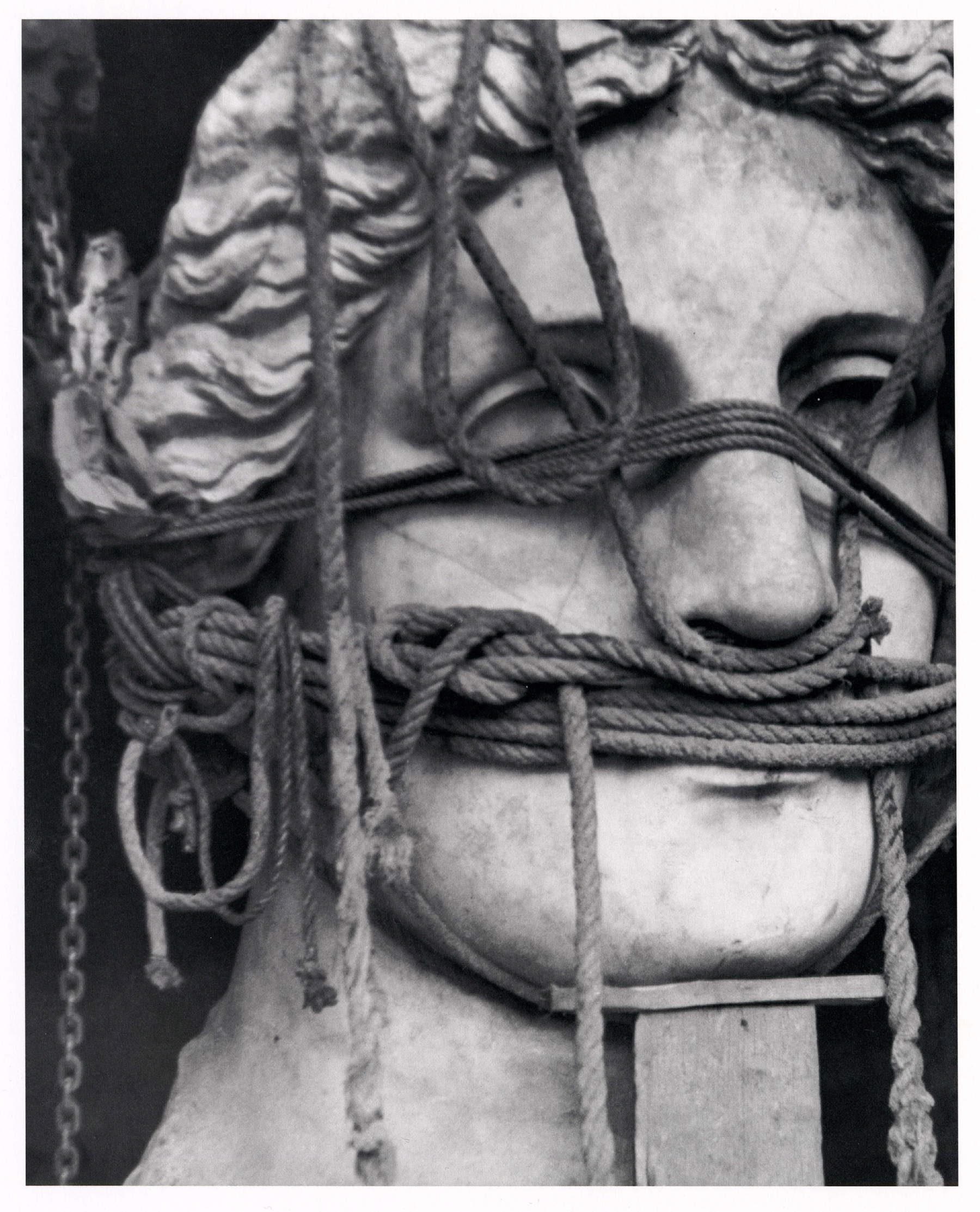
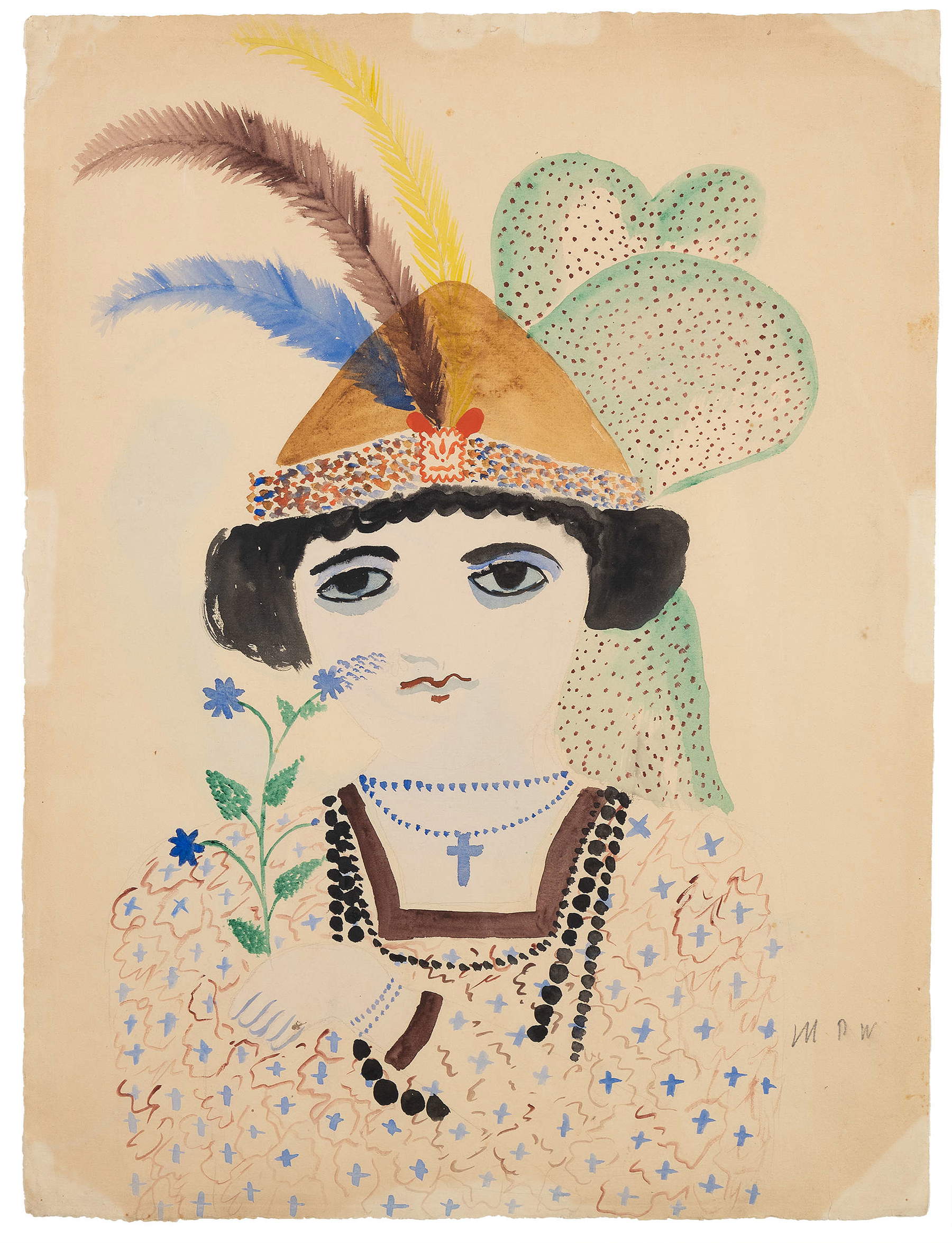
His experience at the Bauhaus and his subsequent stay at Villa Massimo in Rome in the early 1930s led Watenphul to explore photography with a painter’s eye. He developed what he called “pictorial photographs” or “photographic paintings.” In these works Peiffer Watenphul, writes Lersch, “experimented with compositional techniques that he would later take up in his paintings as well: shots are often greatly reduced, objects cropped and brought into the foreground resulting in increased dynamism and depth effect.” Contrary to the objective trend of the time, his photos of Roman architecture and portraits were dense with atmosphere and lyricism. These experiments did not remain confined to his personal archive: in 1933 the prestigious Berlin magazine “Uhu” published his Italian shots, recognizing in him an artist capable of using the photographic medium to create poetic visions. This research in turn influenced his painting, leading him to a mutual contamination between the two media that would anticipate modern techniques of compositional blurring. Moreover, they had some success: he managed to sell several photographic paintings to many publishing houses.
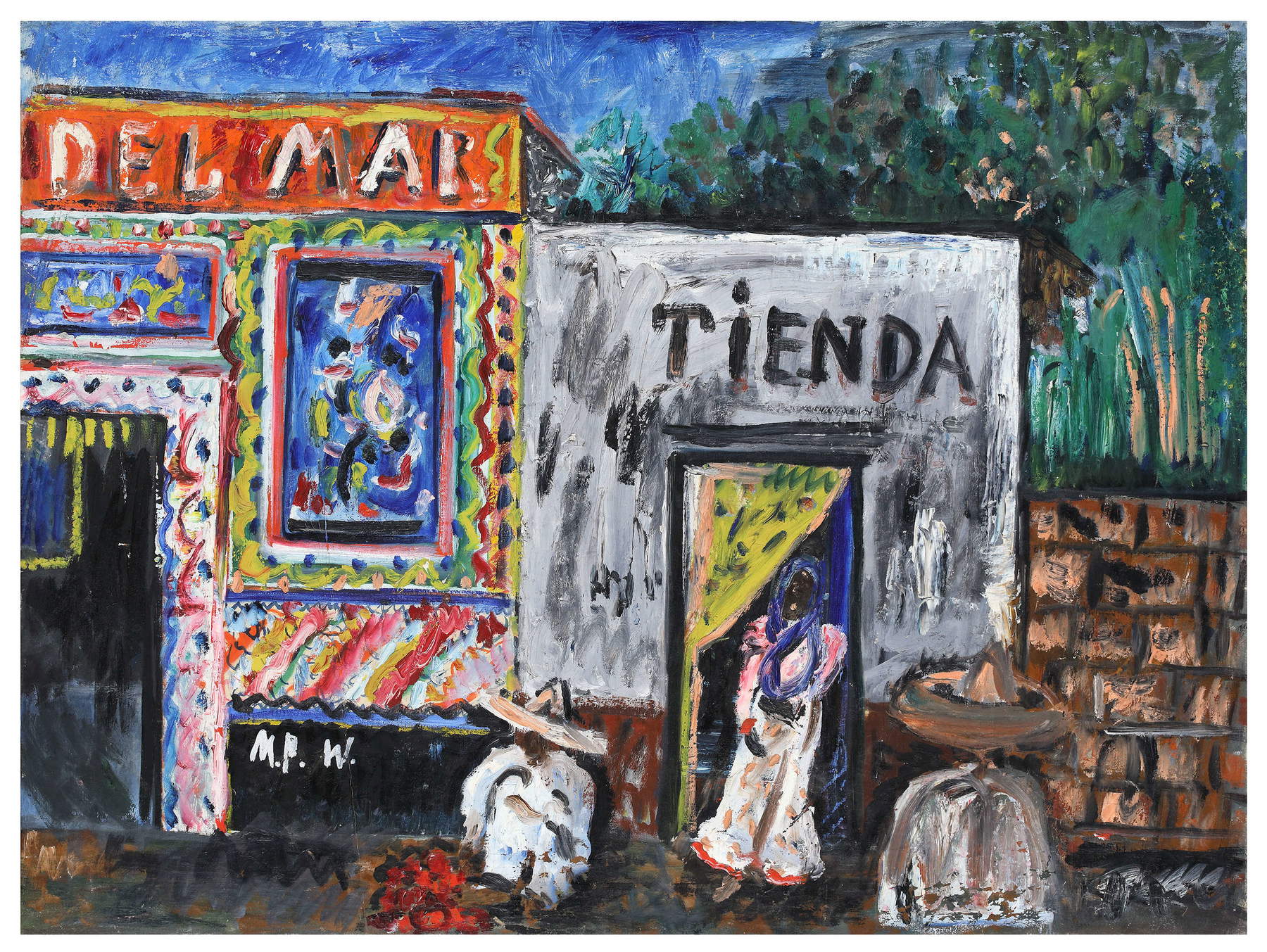
With the rise of the Nazi regime in Germany, Watenphul’s career suffered a severe blow. His art, so free and close to the international avant-garde, was branded “degenerate.” In 1937, one of his paintings was displayed in the infamous traveling exhibition “Degenerate Art” organized by the regime to denigrate modern art, and many of his works were confiscated from public museums. This political persecution forced him into isolation and eventually into exile. Despite the pressure and dangers, Watenphul did not give up his artistic integrity, but chose to take refuge in Italy, a place that offered temporary protection and new creative stimulation away from the ideological oppression of his homeland. This dark period profoundly marked his biography, but strengthened his bond with the Italian landscape, which became not only the physical but also the spiritual refuge of his art.
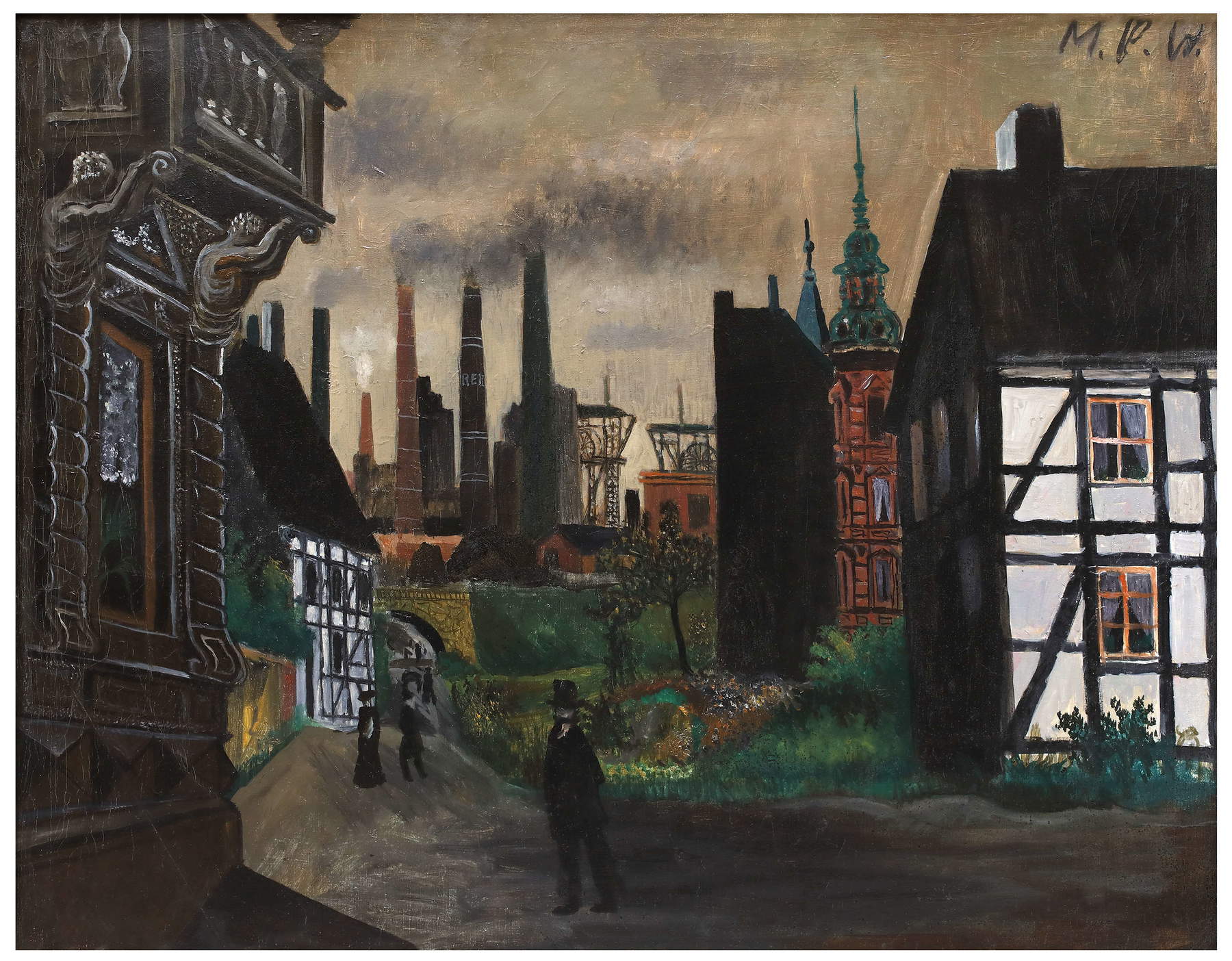
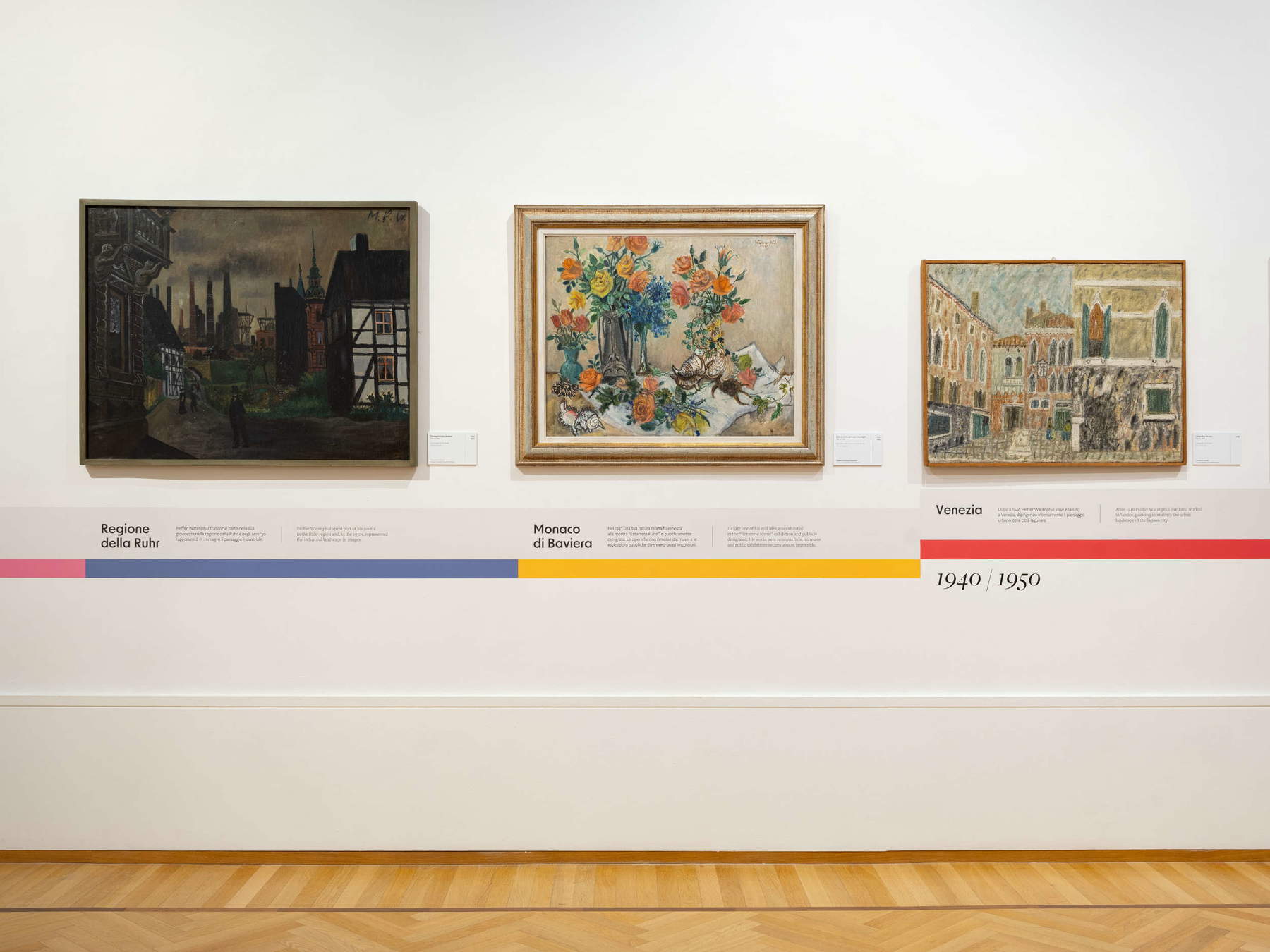
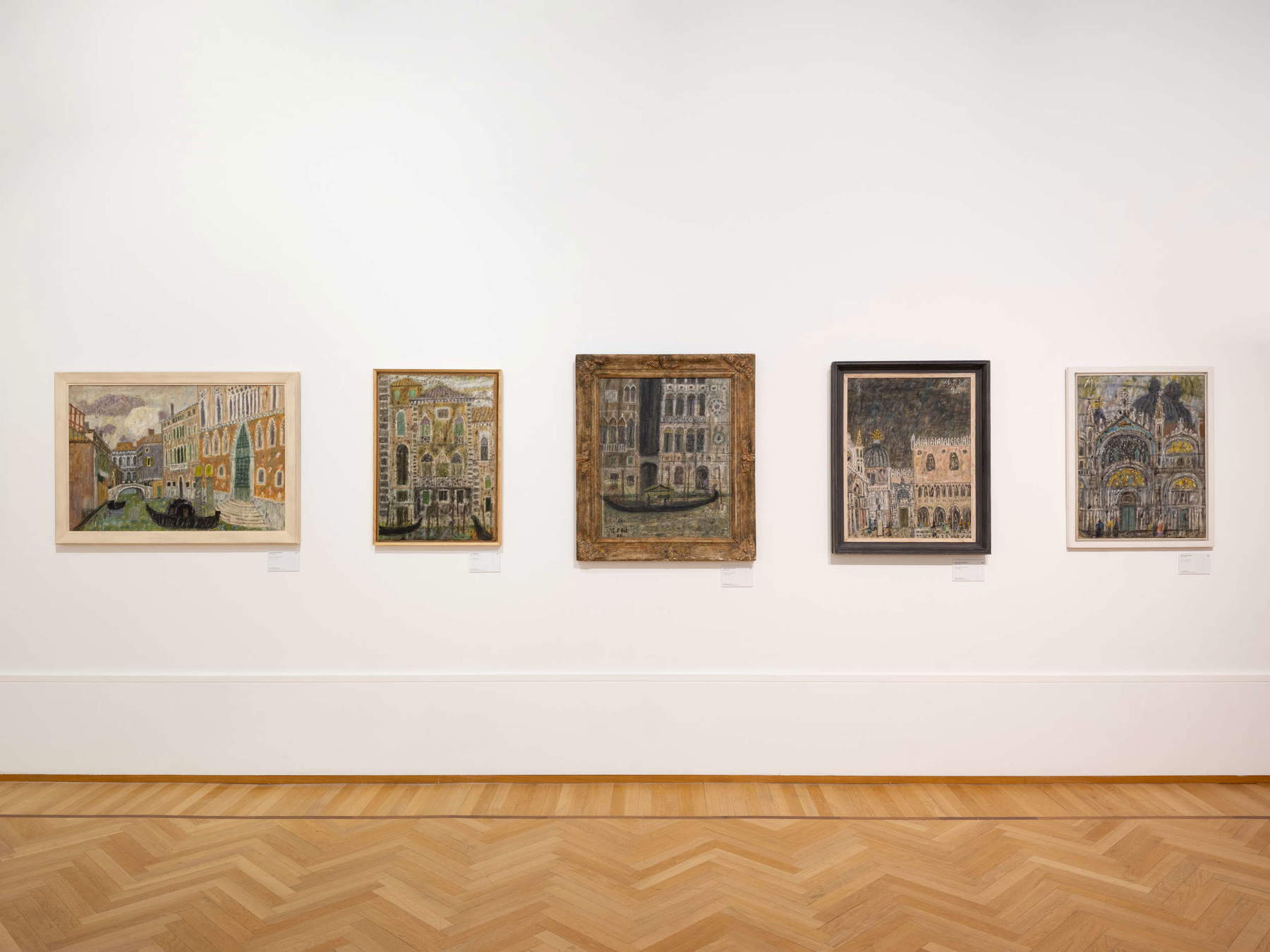
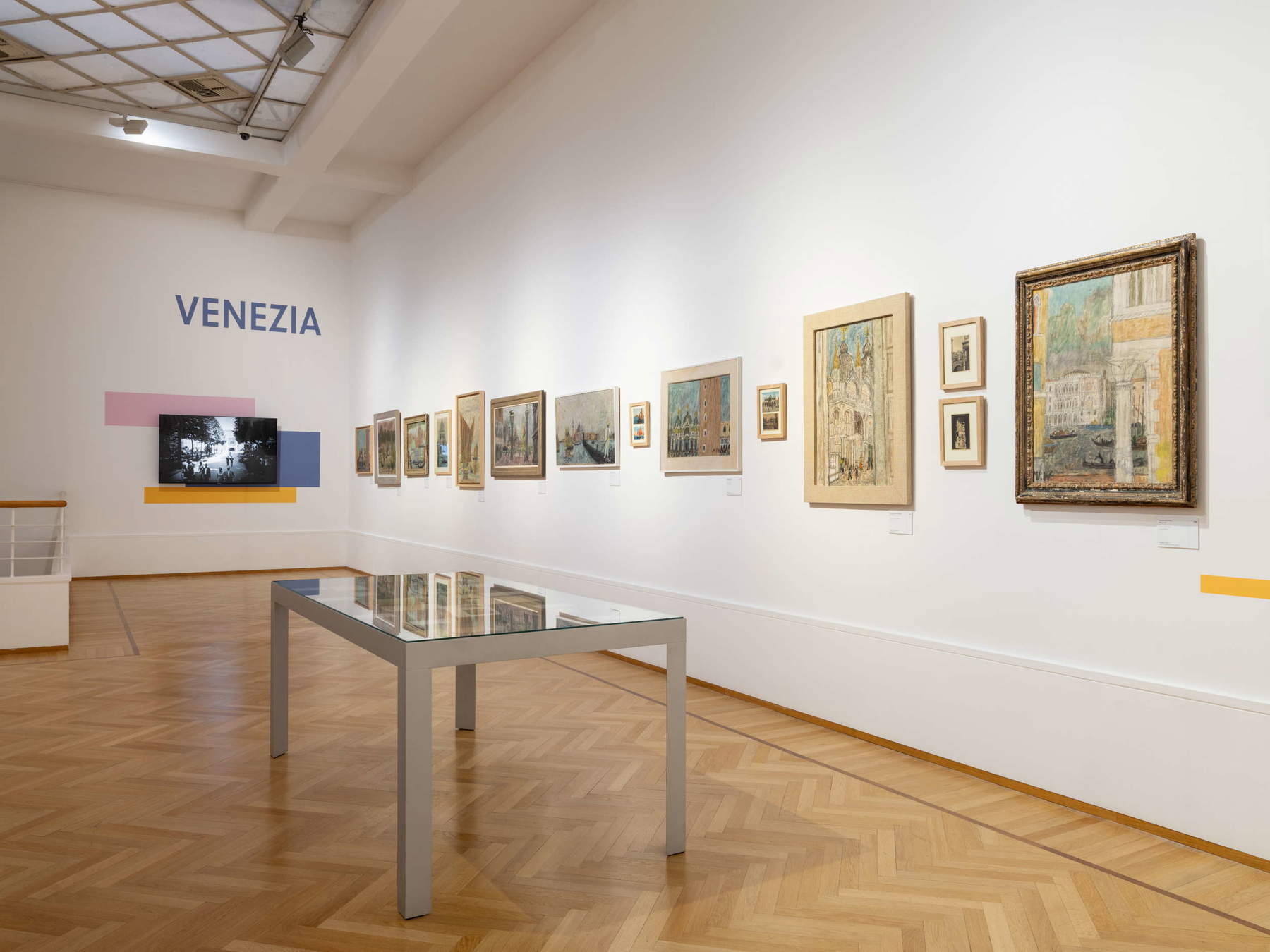
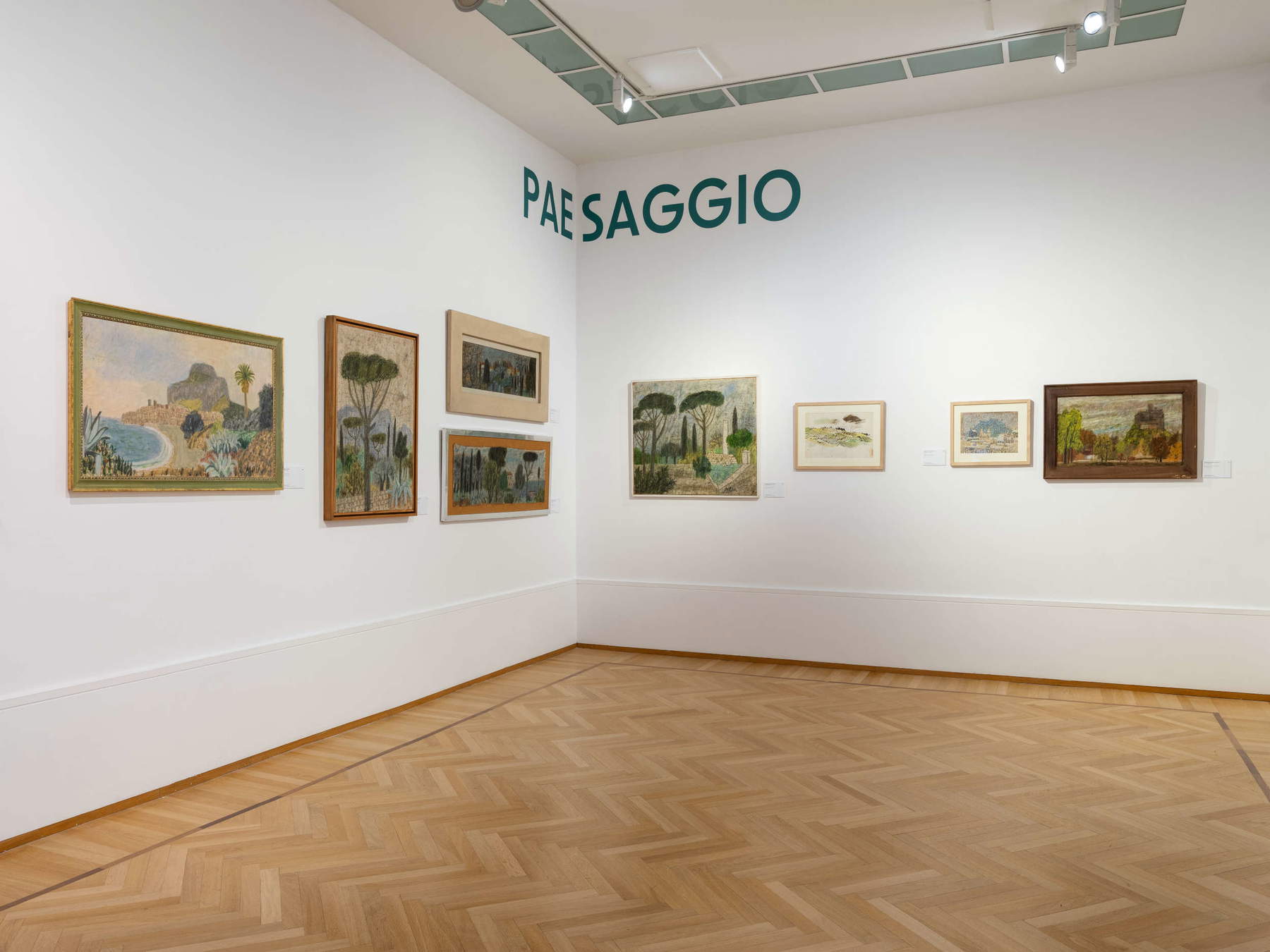
Italy was not only a travel destination for Watenphul, but an authentic home that shaped his mature pictorial language. After winning the Rome Prize in 1931, he stayed for a long time in Ischia and later in Venice, cities that became recurring and beloved subjects of his production. In the postwar years, Venice in particular offered him the inspiration to develop an autonomous and vibrant style for representing light and lagoon architecture. Here he forged relationships with the international cultural elite, frequenting the likes of Peggy Guggenheim and artists such as Filippo de Pisis and Zoran Mušič. His ties with Italy were so deep that the artist chose to spend the last years of his life in Rome, dying there in 1976. Today he rests in the capital’s evocative Non-Catholic Cemetery, the same cemetery where poets such as Keats and Shelley are buried, a testament to his undying love for the eternal city.
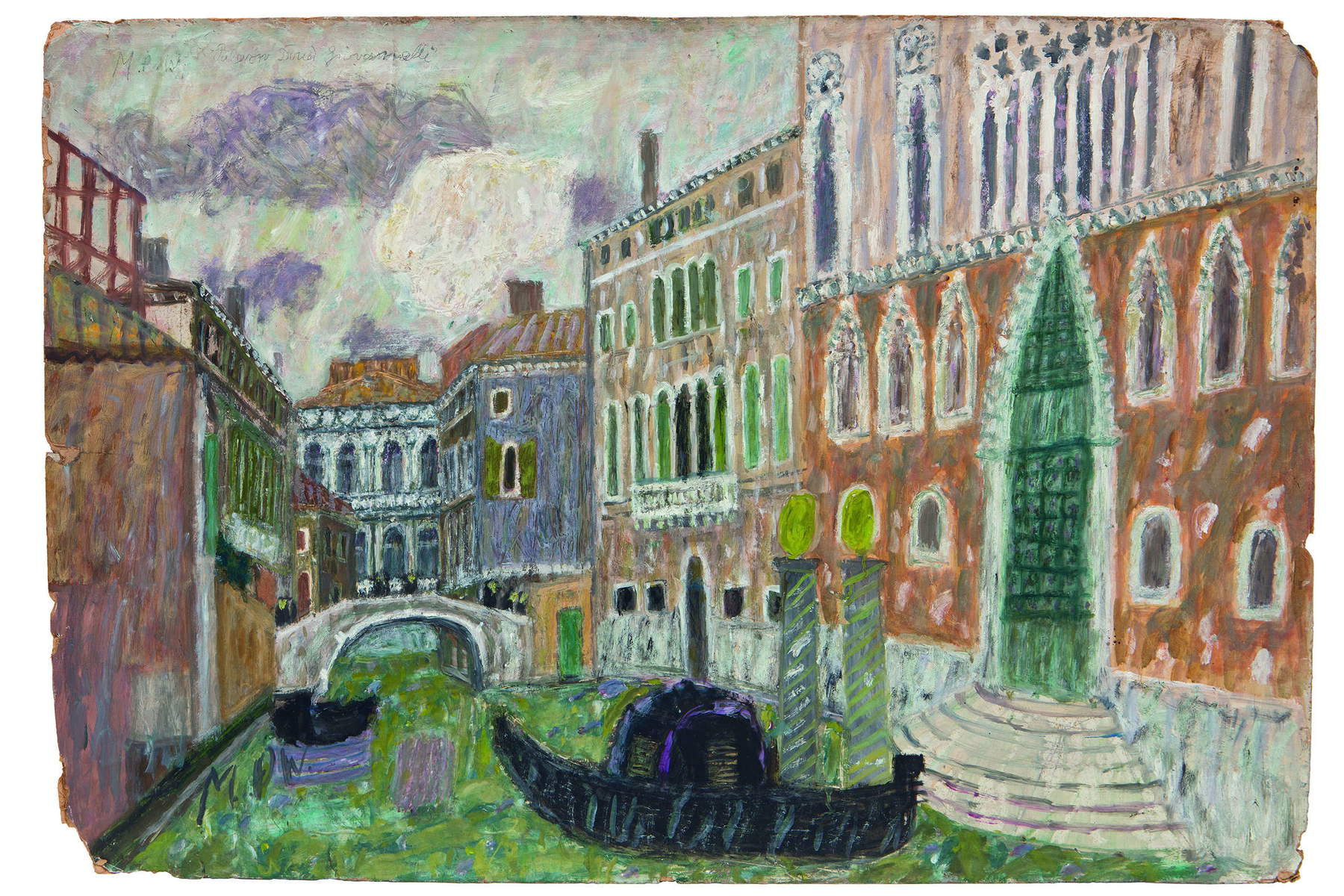
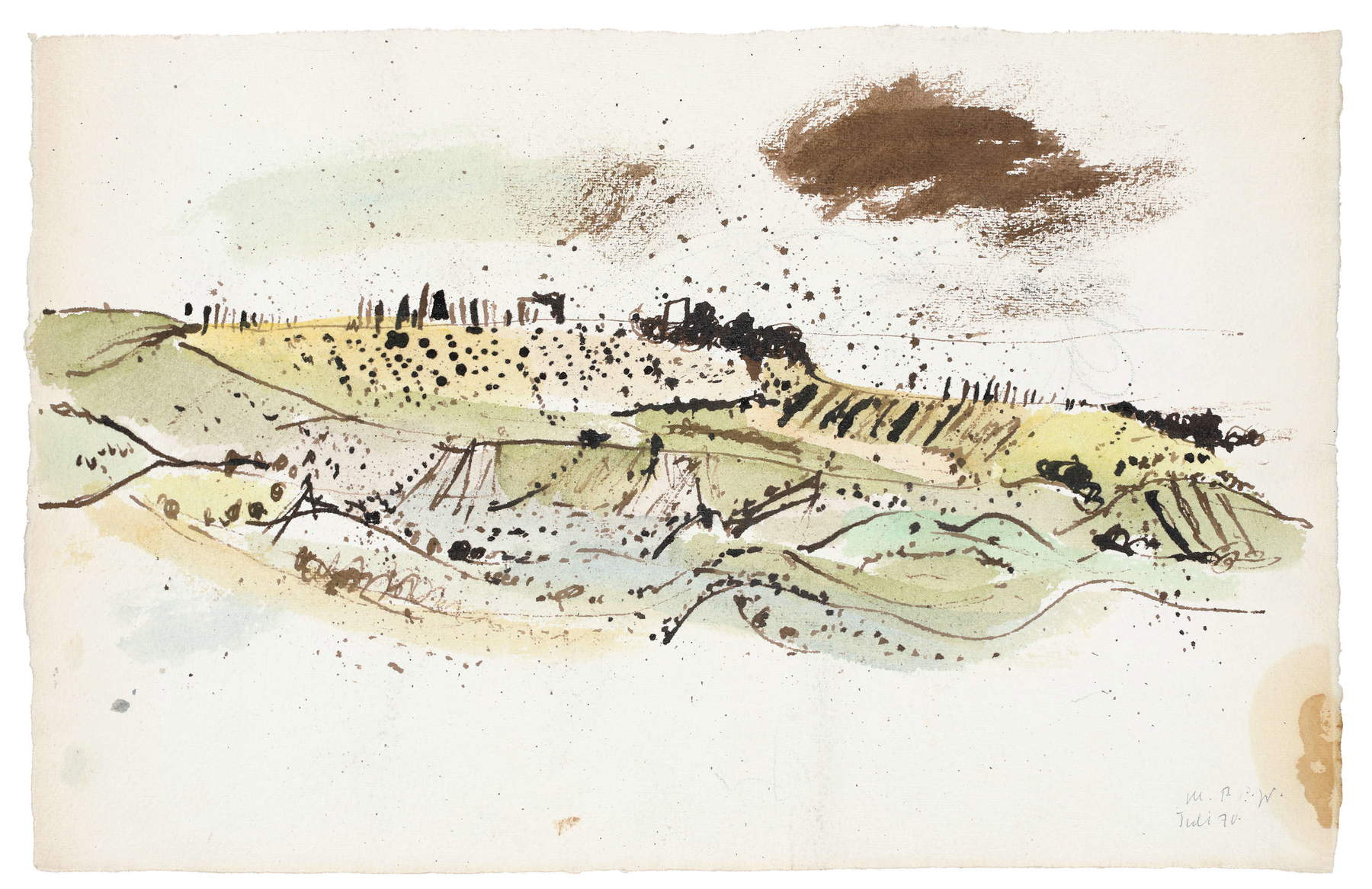
Watenphul’s international recognition came through the prestigious Venice Biennials, in which he participated in the crucial editions of 1948 and 1950. These events marked his definitive reintegration into the world art circuit after the years of Nazi censorship. In the lagoon, Watenphul was not just an exhibitor, but an active figure in the local art scene, capable of attracting the esteem of intellectuals such as Jean Cocteau and Giorgio de Chirico, whose letters are still preserved in the artist’s legacy. His participation in the Biennale documents his transition to a more lyrical and expressive painting, in which urban landscapes and views are charged with a new chromatic density, the result of a newfound freedom and a constant comparison with the most advanced currents of the time.
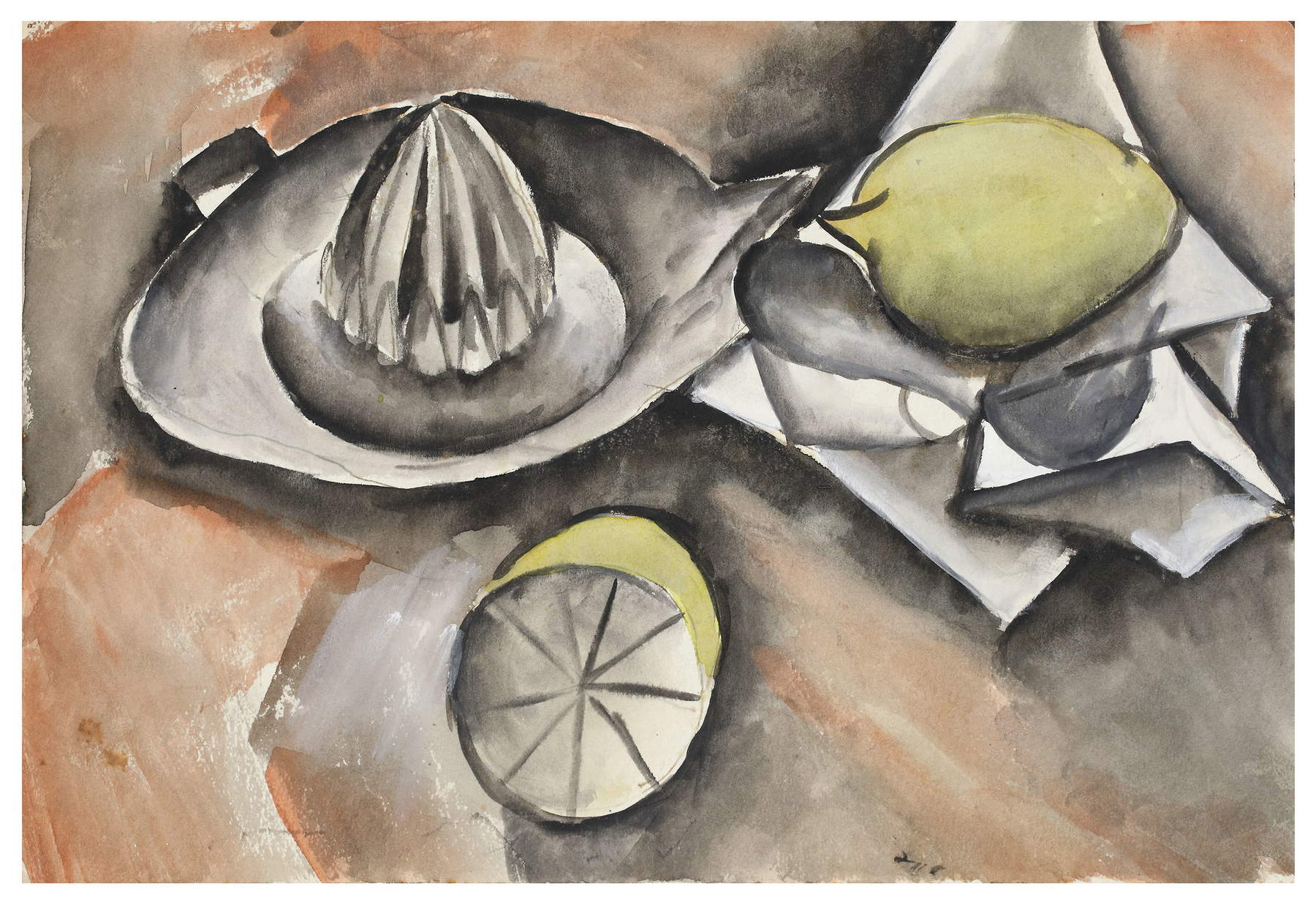
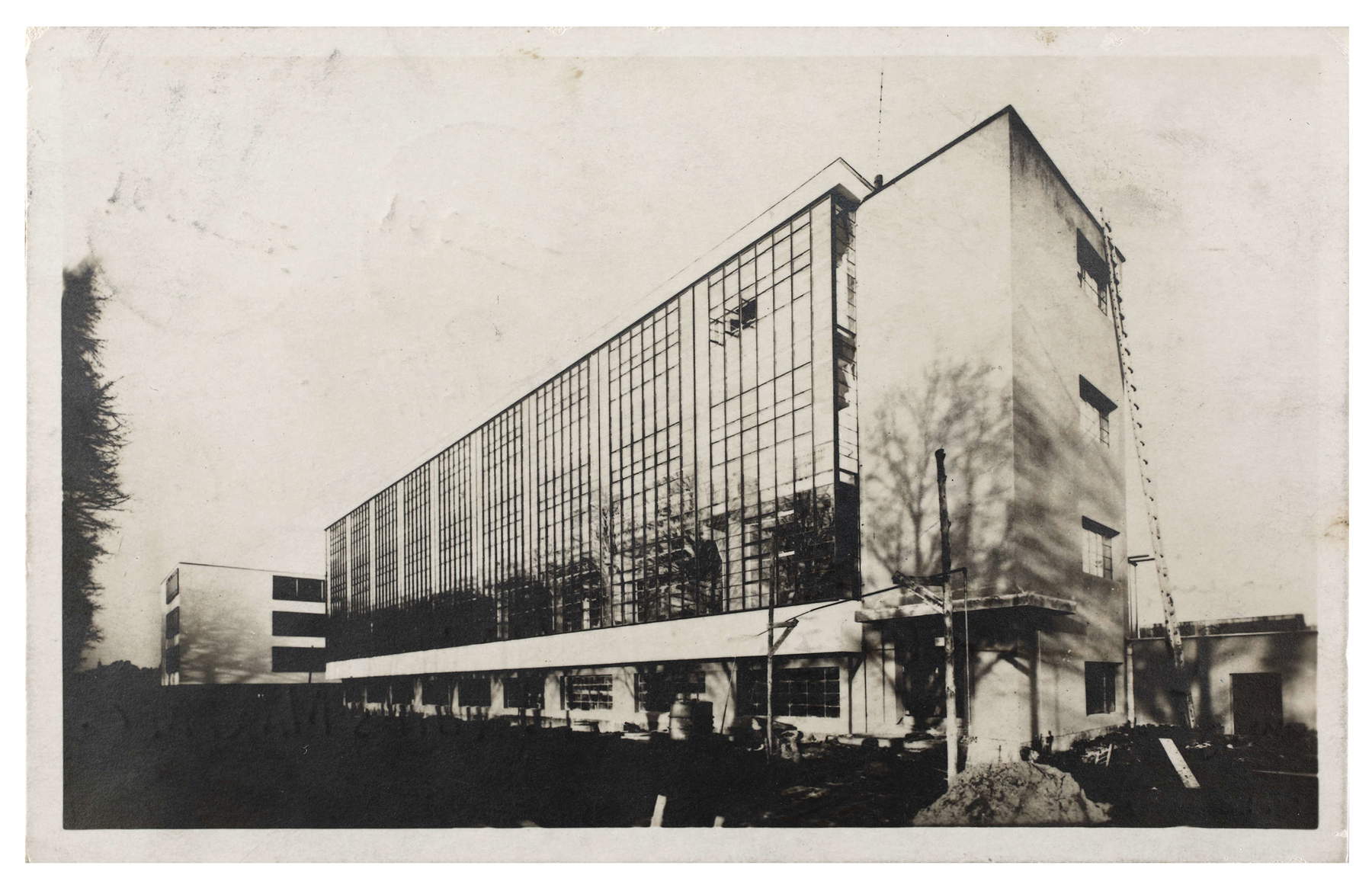
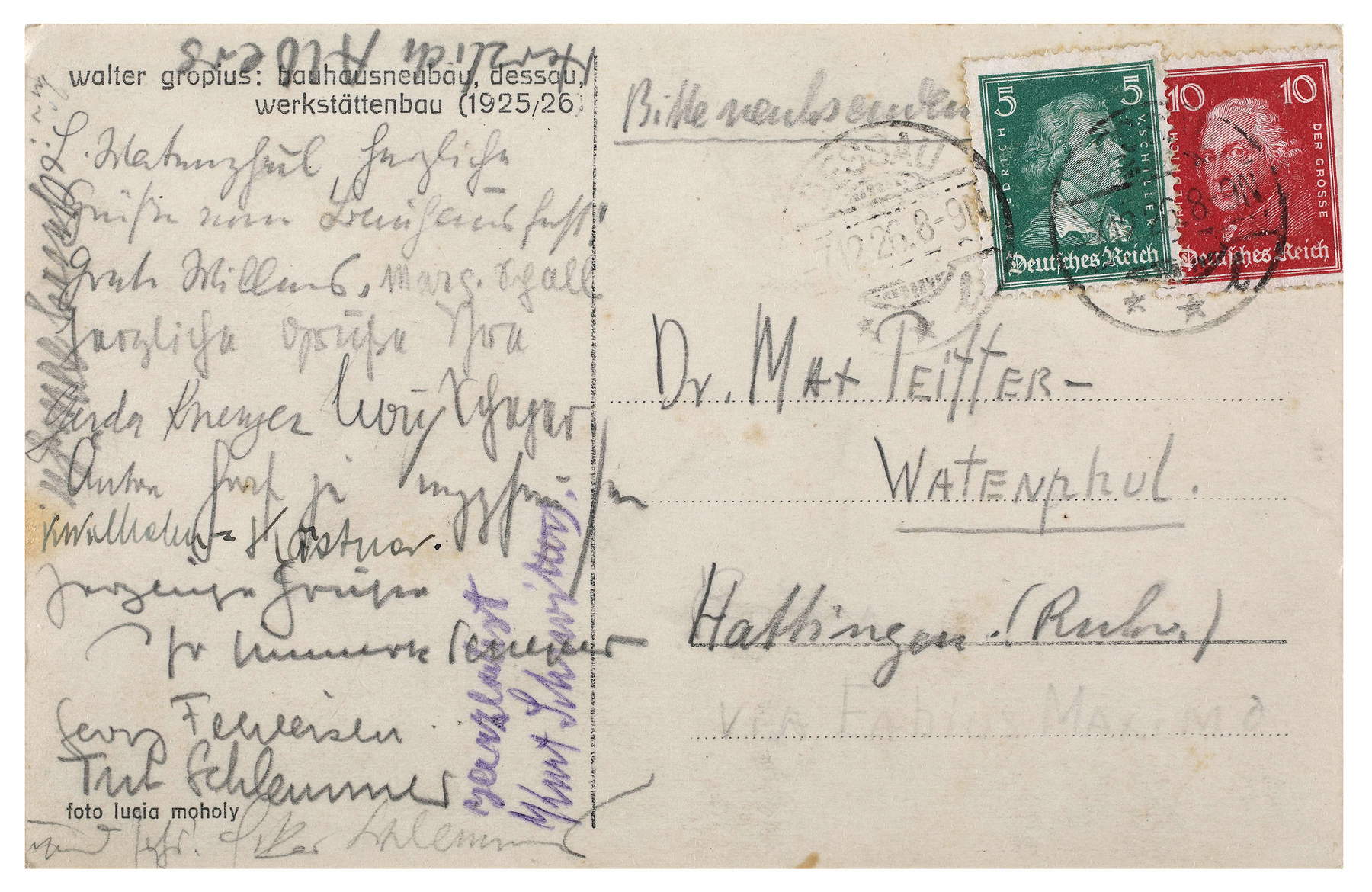
A fascinating curiosity that emerges from archival documents concerns Watenphul’s working method in his mature years. Especially for his famous Venetian landscapes, the artist often used postcards as reference models. Postcards have been found in his bequest that exactly reproduce the views in his paintings, complete with spots of color that testify to their use during the creation of the work. This practice was not creative laziness, but a conscious technique that allowed him to abstract and simplify reality, reducing topography and color to essential forms. In this sense, Watenphul can be considered a precursor of contemporary artists such as Gerhard Richter, who made the use of photography and the “blur phenomenon” a pillar of their pictorial research, demonstrating how modern his vision of the relationship between real image and representation was. “The element that emerges more than any other,” Lersch explains, “is a reciprocal relationship between painting and photography, which had a lasting impact on Peiffer Watenphul’s work.”
The fact that today we can admire Watenphul’s works in a venue as prestigious as the National Gallery of Modern Art is thanks to preservation work that has family roots. The 2026 exhibition is sponsored by the Max Peiffer Watenphul ETS Foundation, established just a year earlier to protect and disseminate the artist’s legacy. The project was the brainchild of his nephew, Enrico Pasqualucci Sammartini, who decided to make public the vast legacy of paintings, letters and photographs that “Uncle Max” left behind. Many of the documents on display, such as correspondence with the great masters of the 20th century and never-before-seen early works, come directly from the artist’s private bequest and are presented to the public for the first time. This exhibition is thus the culmination of a journey of rediscovery that began in 2023 at the Goethe House Museum, offering a comprehensive and detailed view of a man who was able to transform his life into a constant quest for beauty and modernity.

Warning: the translation into English of the original Italian article was created using automatic tools. We undertake to review all articles, but we do not guarantee the total absence of inaccuracies in the translation due to the program. You can find the original by clicking on the ITA button. If you find any mistake,please contact us.














 IT
IT FR
FR DE
DE ES
ES CN
CN


