





The Museum of the Collegiate Church of Castiglione Olona (Varese) adds a new piece to the path of protection and enhancement of its artistic heritage with the presentation of the restoration of the Magenta Madonna, a work that is a symbol of local popular devotion and a precious testimony of Lombard painting of the late 15th century. The appointment is set for Friday, May 22 at 6 p.m. with free admission and represents not only the public restitution of a painting recovered through a complex conservation intervention, but also an opportunity to reflect on the cultural and civic significance of caring for works of art kept in Italian ecclesiastical museums.
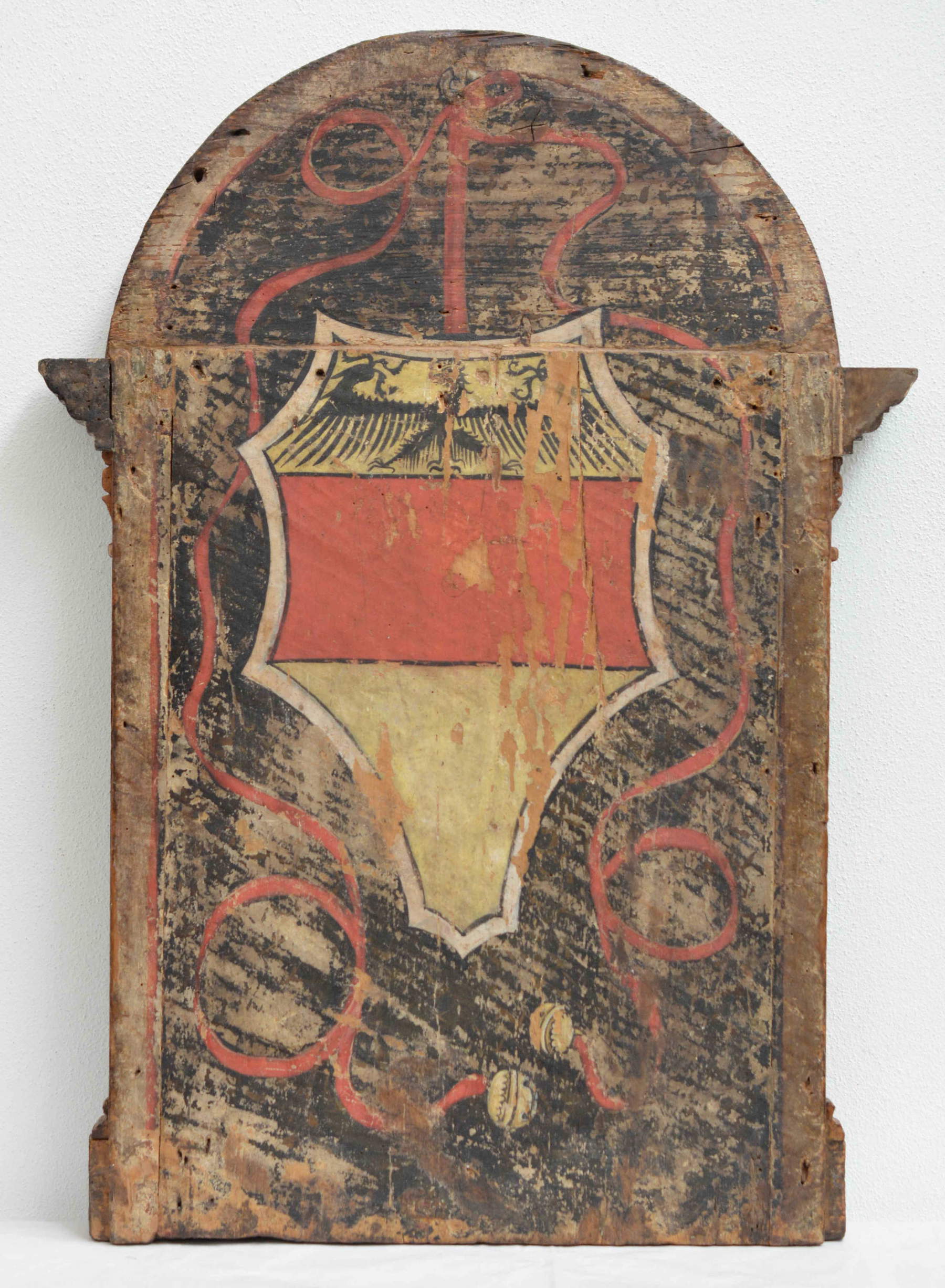
The Magenta Madonna, so named because of its historic location under the archway of Palazzo Magenta at the beginning of the slope to the Collegiate Church, was removed in 1980 and replaced by a copy to be preserved inside the museum. The decision was made to protect the painting from the weather and the risks associated with being on the public street, but it caused discontent at the time among many citizens of Castiglione Olona who were deeply attached to the Marian image that had accompanied the daily life of the community for generations. The work takes the form of a fine anconette depicting the Madonna and Child, surmounted by a lunette with three saints and set within a rare original frame that has come down to the present day. On the back appears instead the noble coat of arms of the Milanese Pecchi family, painted as if suspended by means of ribbons decorated with rattles, a detail that testifies to the iconographic and decorative refinement of the whole.
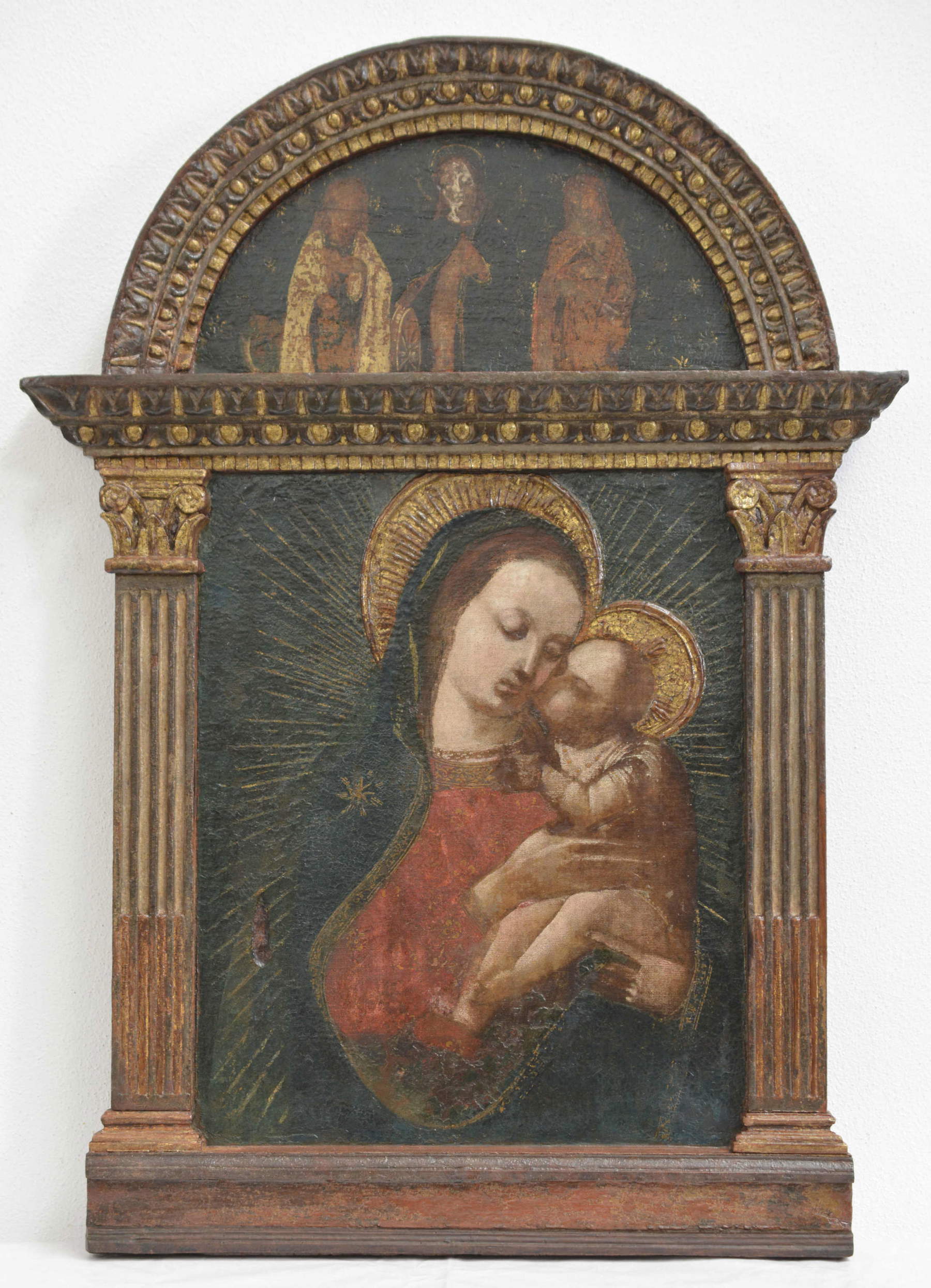
Despite the natural deterioration of the paint surface due to time and environmental conditions, the Magenta Madonna still retains a strong expressive intensity. Indeed, the tenderness of the Child emerges in the composition as he approaches his mother’s face in an affectionate and delicate gesture. Some details that have survived the wear and tear are considered to be of particular fascination by scholars and restorers, such as the fragments of the face of St. Catherine of Alexandria.
The restoration represents the culmination of a long process of art-historical study and investigation. In the past the painting had been improperly attributed to Masolino da Panicale, but subsequent studies have gradually brought the work back to thesphere of Lombard painting of the late 15th century. More recent research has identified stylistic references to Bergognone and the Foppesco milieu, even advancing the name of Ambrogio Bevilacqua. The most shared attribution, however, remains that to Bernardino Butinone, a leading artist of the Lombard Renaissance season and author, together with Zenale, of the famous Polyptych of San Martino in Treviglio made starting in 1485. The hypothesis of assignment to Butinone finds further confirmation in the artist’s relationship with the Varese area and the Sanctuary of Santa Maria del Monte, where his presence is documented in 1488 as part of the renewal promoted in the Sforza era. The Magenta Madonna would thus fit into that cultural context characterized by the spread of refined Lombard figurative models, capable of fusing spirituality and naturalistic research.
The conservative intervention was entrusted to restorer Isabella Pirola under the direction of Dr. Benedetta Chiesi of the Soprintendenza Archeologia, Belle Arti e Paesaggio of Como, Lecco, Sondrio and Varese. Before the restoration began, in-depth scientific analyses were conducted by Dr. Gianluca Poldi, a specialist known for his diagnostic investigations applied to art history. Through multispectral images, microscopy and spectrophotometry, it was possible to recognize the original pigments, distinguish authentic parts from later additions, and assess the state of conservation of the work. The analyses revealed the presence of heavily oxidized varnish that altered the chromatic reading of the painting and made it possible to map the numerous interventions carried out over the centuries. The investigations also returned important elements on the quality of the preparatory drawing, helping to strengthen the art-historical interest of the anconette.
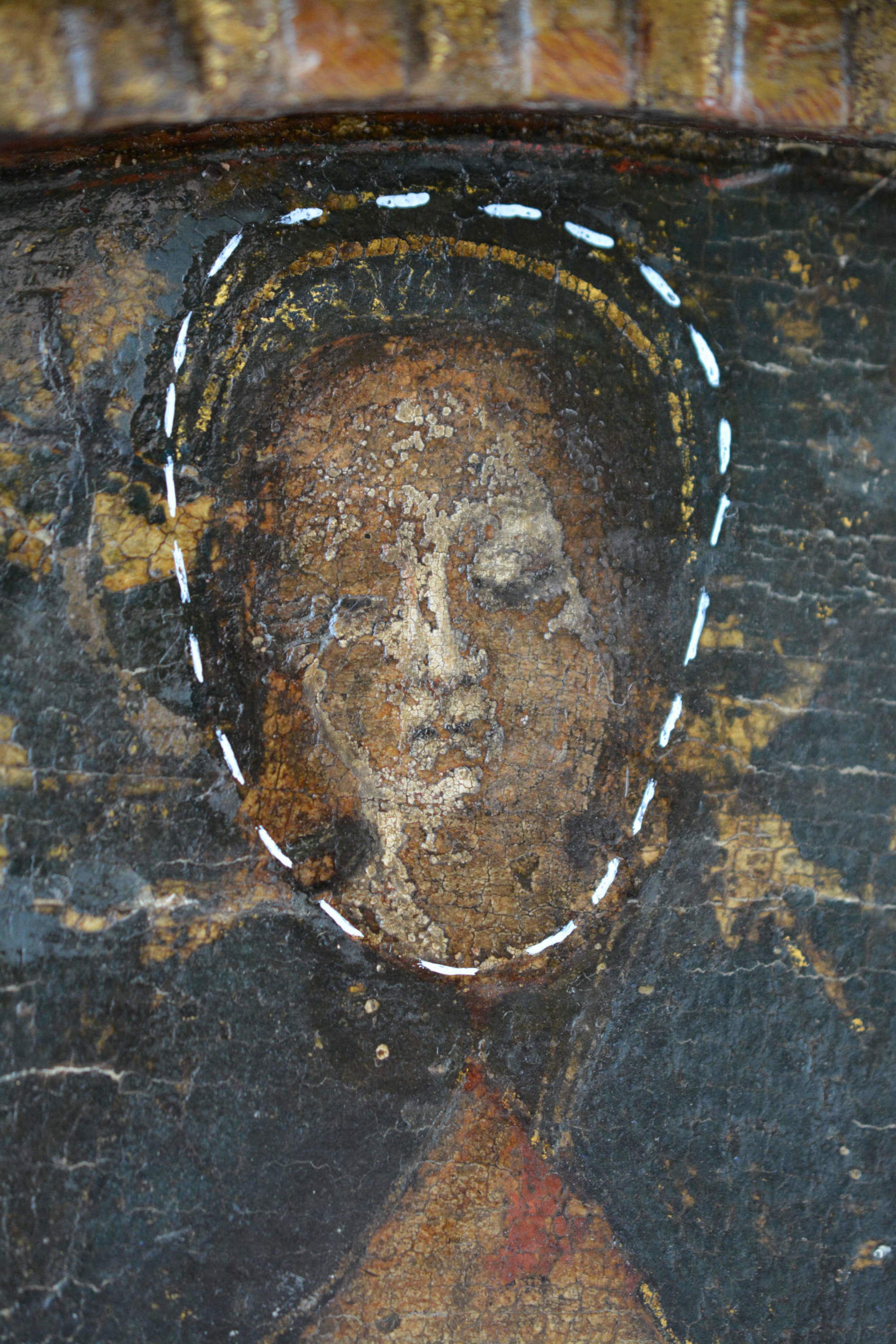
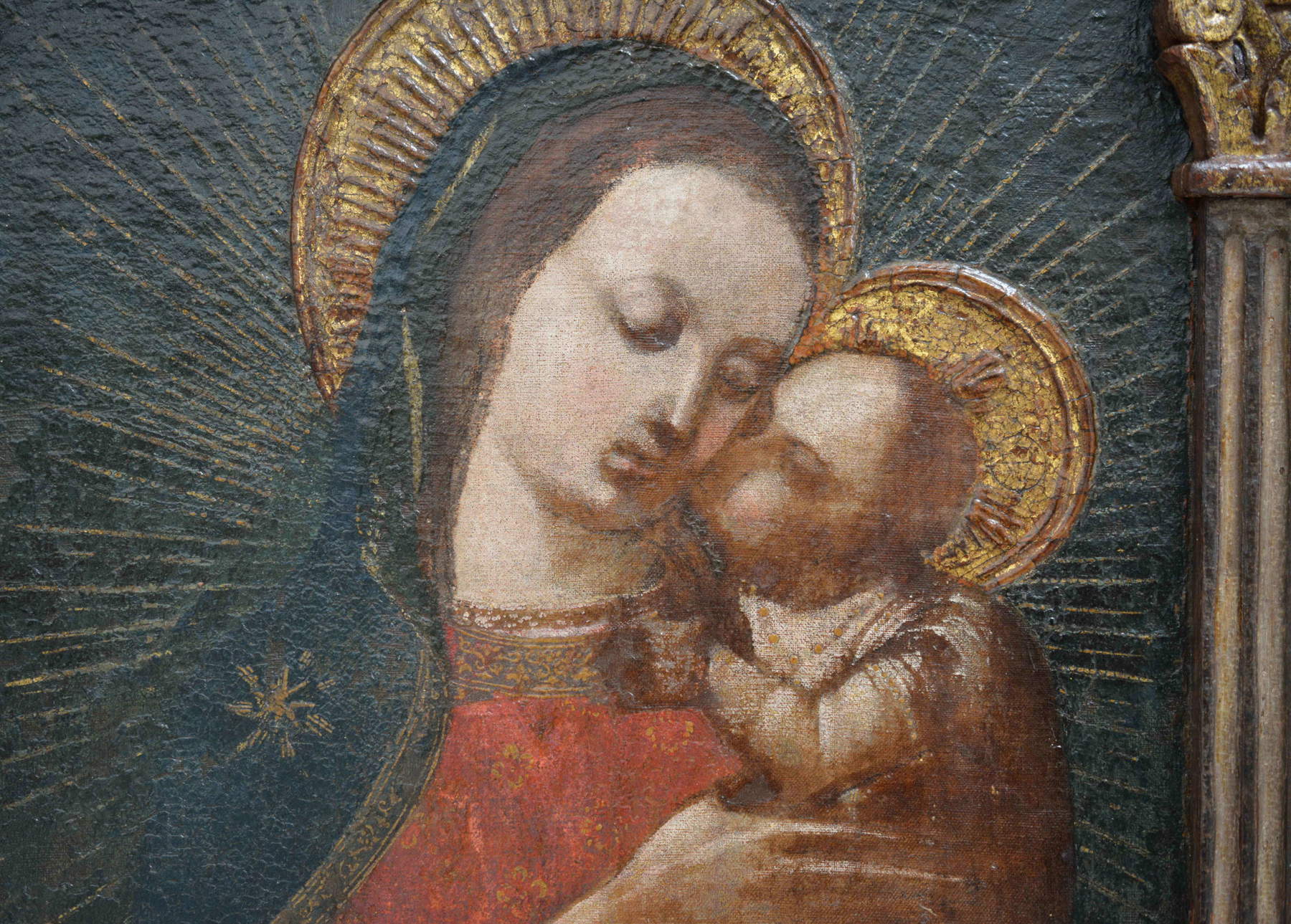
Isabella Pirola’s work focused on overcoming critical conservation issues without compromising the fragility of the pictorial layers. The restoration made it possible to achieve a visual rearrangement respectful of the original material, restoring legibility to the image while enhancing the coeval frame, a rare element of great importance for understanding the original configuration of the work.
Particularly significant is the role played by the promoters of the intervention. In fact, the restoration was supported by the Beata Vergine del Rosario Parish of Castiglione Olona with the contribution of the Gatti Spiazzati aps association, dedicated to the memory of founding members Marco Giangrandi and Onofrio Mastromarino, passionate connoisseurs and popularizers of art. The Gatti Spiazzati association was born in Milan in 2017 from the initiative of people who have lived through experiences of social marginality, including homelessness, unemployment and exclusion, without giving up the desire to actively participate in cultural and civic life. The group organizes urban walks, collective memory trails and itineraries among monuments, buildings and parks, interweaving historical narrative and personal testimonies.
Support for the recovery of the Magenta Madonna thus takes on a particularly strong symbolic value. The work, before entering the museum, had in fact lived for centuries on the street, exposed to the weather and the signs of time, yet maintaining intact its ability to tell pages of Lombard art and popular devotion. A condition that ideally recalls the human and social journey of the Milanese association.
The public presentation of the restoration will feature speeches by archpriest Don Ambrogio Cortesi, Soprintendenza official Benedetta Chiesi and Gatti Spiazzati president Aldo Scaiano. This will be followed by reports from Laura Marazzi, conservator of the Museo della Collegiata, Gianluca Poldi and restorer Isabella Pirola, who will illustrate the historical, diagnostic and conservation path of the work.
The history of the Magenta Madonna is also marked by episodes that have reinforced its symbolic value in the local collective memory. Several burn marks are still visible on the painting and the pilasters of the frame, one of which clearly resembles the shape of a candle flame. These are traces left by popular devotion over the centuries, material signs of a spontaneous and daily religious practice.
The relocation of the work inside the museum also aroused strong reactions among the Castiglionese faithful, many of whom considered that Madonna a familiar and protective presence along the path to the Collegiate Church. The need to preserve it from the weather and vandalism, however, prevailed over the protests, marking a new phase in the painting’s life.
Despite the precautions, the Magenta Madonna was the focus of a sensational theft in early September 1986, when two other paintings and several liturgical objects were also taken from the museum. The affair was widely reported in the national press. The newspaper La Stampa headlined “Two paintings stolen in Castiglione Olona museum, worth billions,” emphasizing the value attributed to the work, which at the time was still believed to be by Masolino da Panicale. The recovery took place only a week later in Varese, thanks to an operation that led to the arrest of four people. According to reports in the Corriere della Sera, the anconette had been hidden inside a stolen Fiat 500, covered by a blue waterproof jacket hanging from a stand and protected by a pink plastic bag used to store garments. It was an affair that further contributed to the work’s notoriety and the community’s emotional bond with the painting.
The return of the restored Magenta Madonna to the public thus represents much more than a simple conservation operation. The intervention brings back to the center of attention a work that spans centuries of devotion, attributive studies, risks of dispersion and lucky recoveries, reaffirming the role of the museum as a place of active protection of collective memory and cultural heritage.
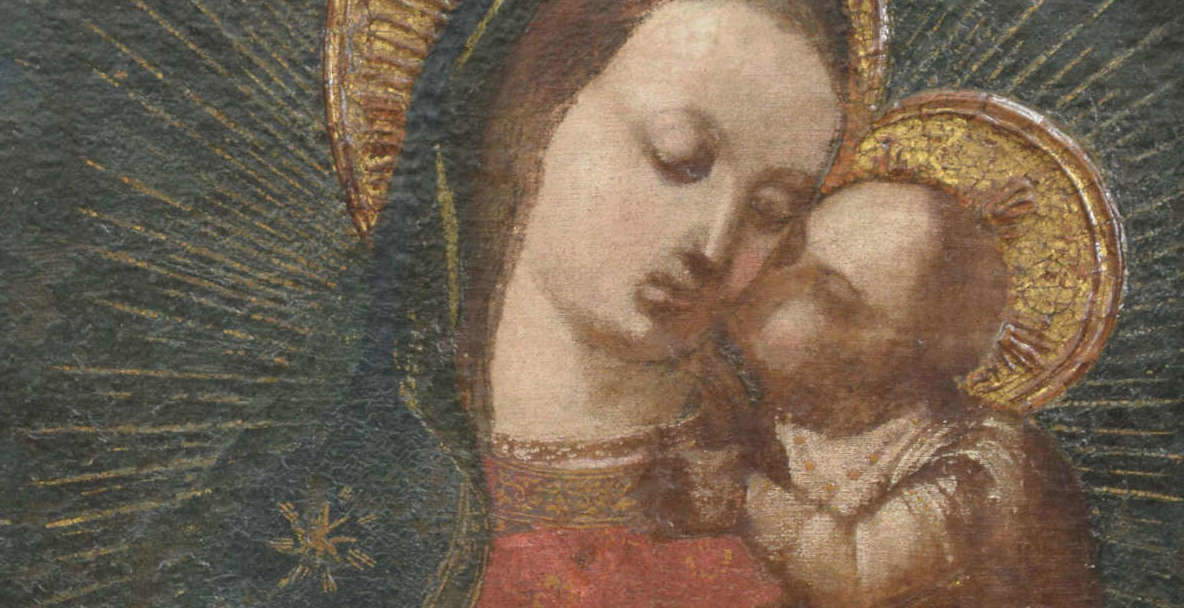 |
| Castiglione Olona, restored Magenta Madonna returns to Collegiate Museum |

Warning: the translation into English of the original Italian article was created using automatic tools. We undertake to review all articles, but we do not guarantee the total absence of inaccuracies in the translation due to the program. You can find the original by clicking on the ITA button. If you find any mistake,please contact us.




















 IT
IT FR
FR DE
DE ES
ES CN
CN


