





The famous cycle of frescoes in the François Tomb has officially become part of Italy’s national heritage. The inauguration of the new exhibition space at the National Etruscan Museum of Villa Giulia in Rome took place today in the presence of Minister of Culture Alessandro Giuli, markingthe addition of one of the most important pictorial complexes from ancient Etruriato the museum’s permanent collections. The opening is accompanied by the exhibition *The Return of the Heroes*, on view through December 31, 2026, which reconstructs the monument’s original context through artifacts from international museums.
Also in attendance at the ceremony were Alfonsina Russo, head of the Department for the Promotion of Cultural Heritage (DIVA); Massimo Osanna, Director General of Museums; and Luana Toniolo, Director of the National Etruscan Museum of Villa Giulia. Also present was Jean-Christophe Babin, president of the Bvlgari Foundation, who supported the exhibition project with a contribution aimed at enhancing the museum’s spaces.
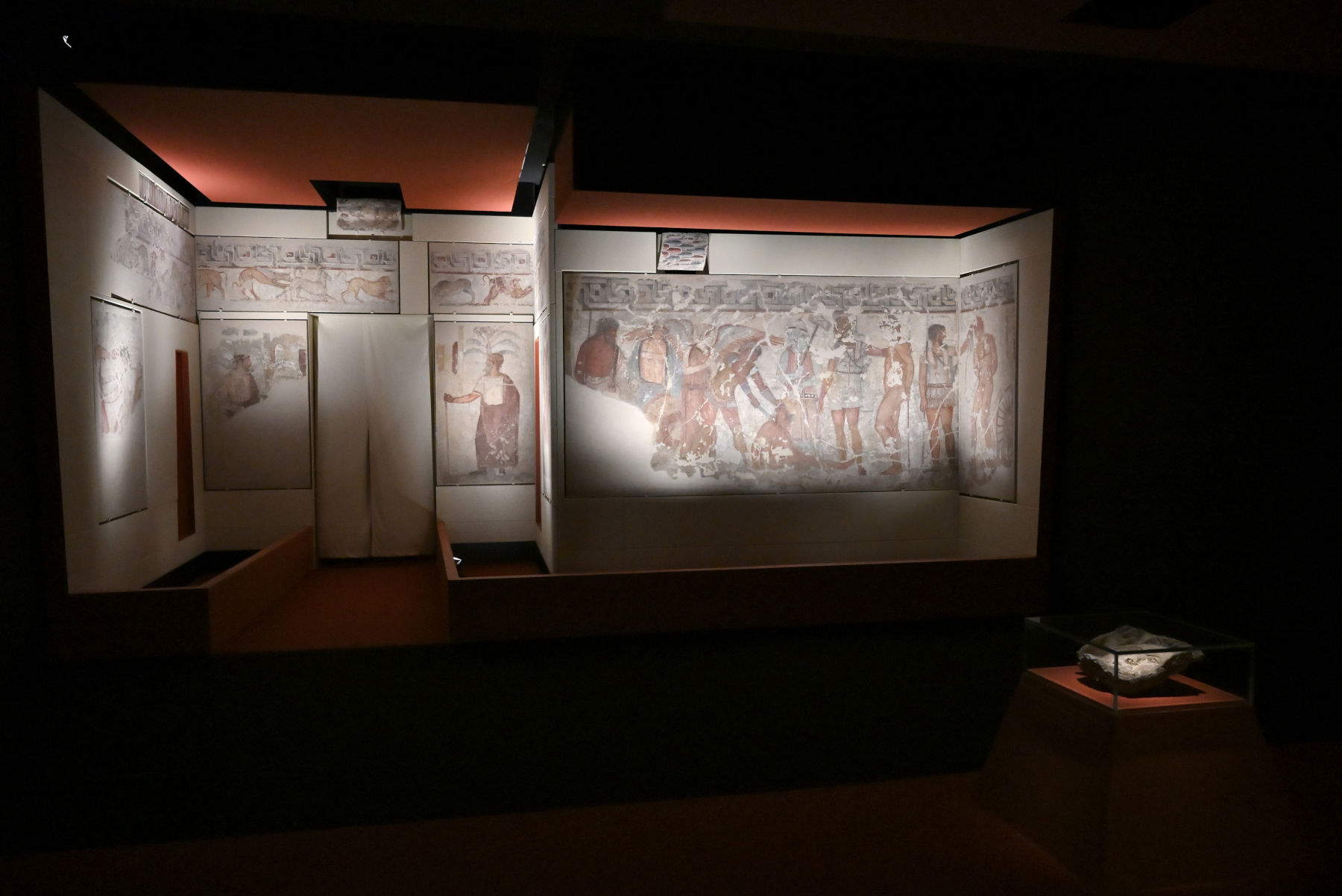
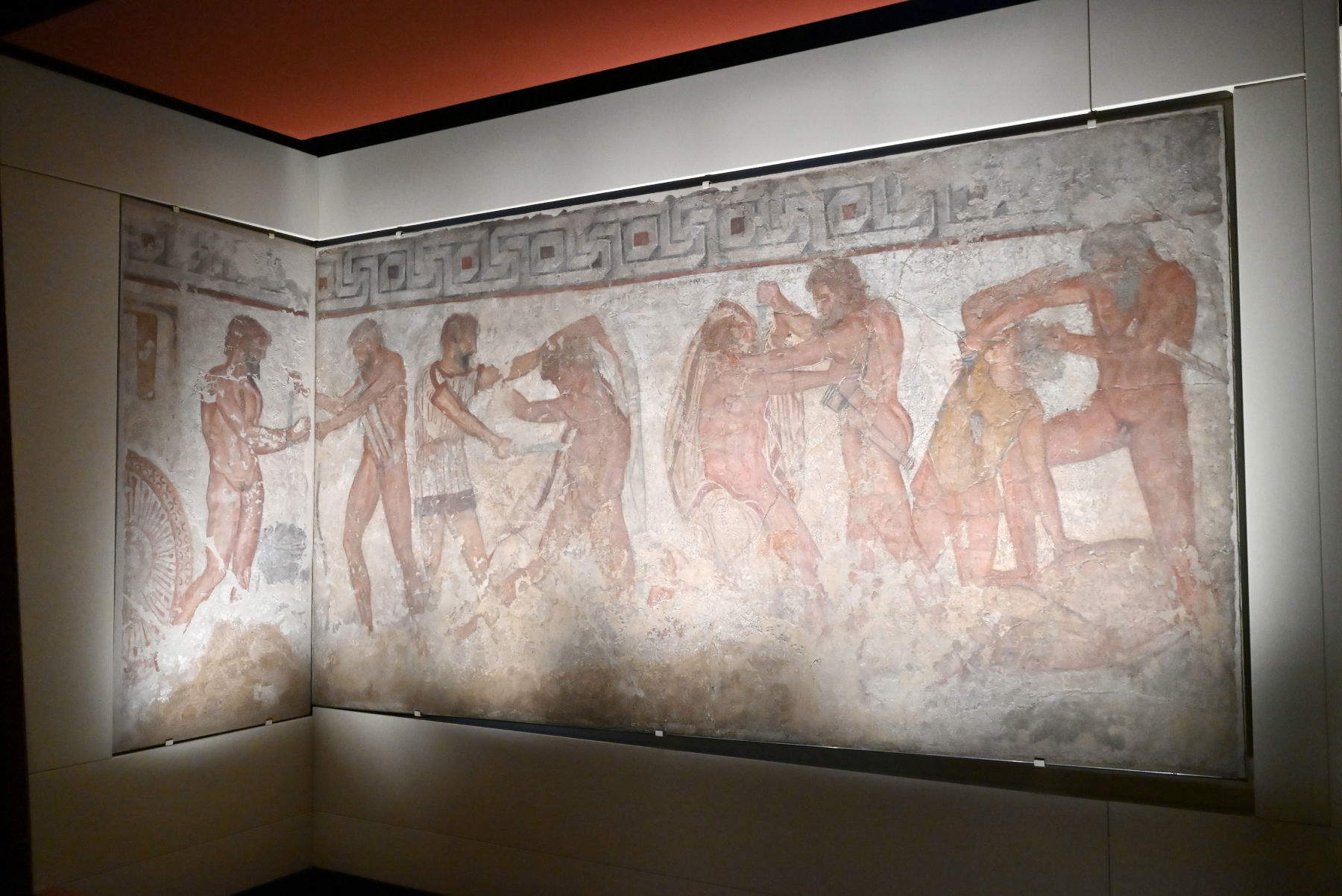
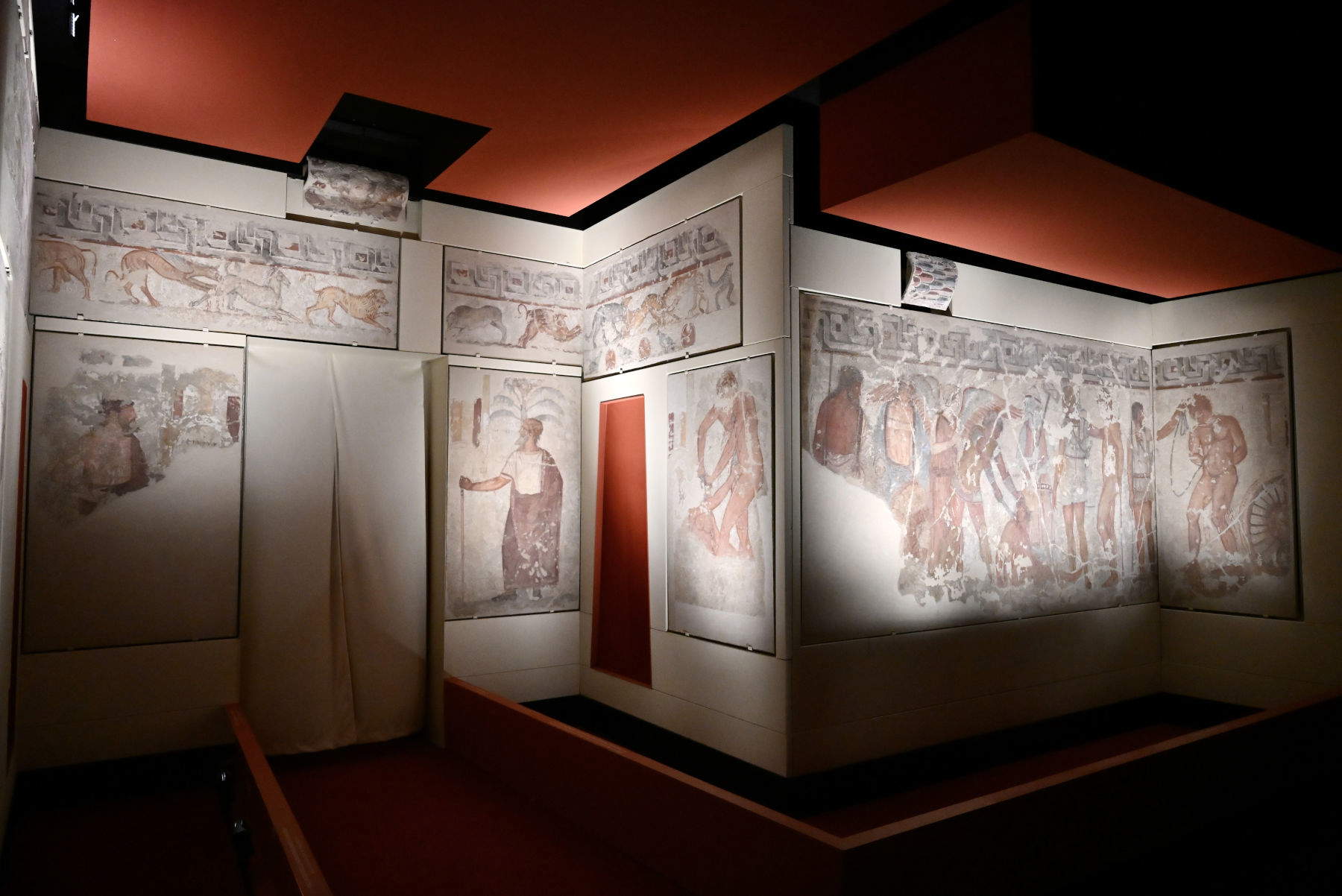
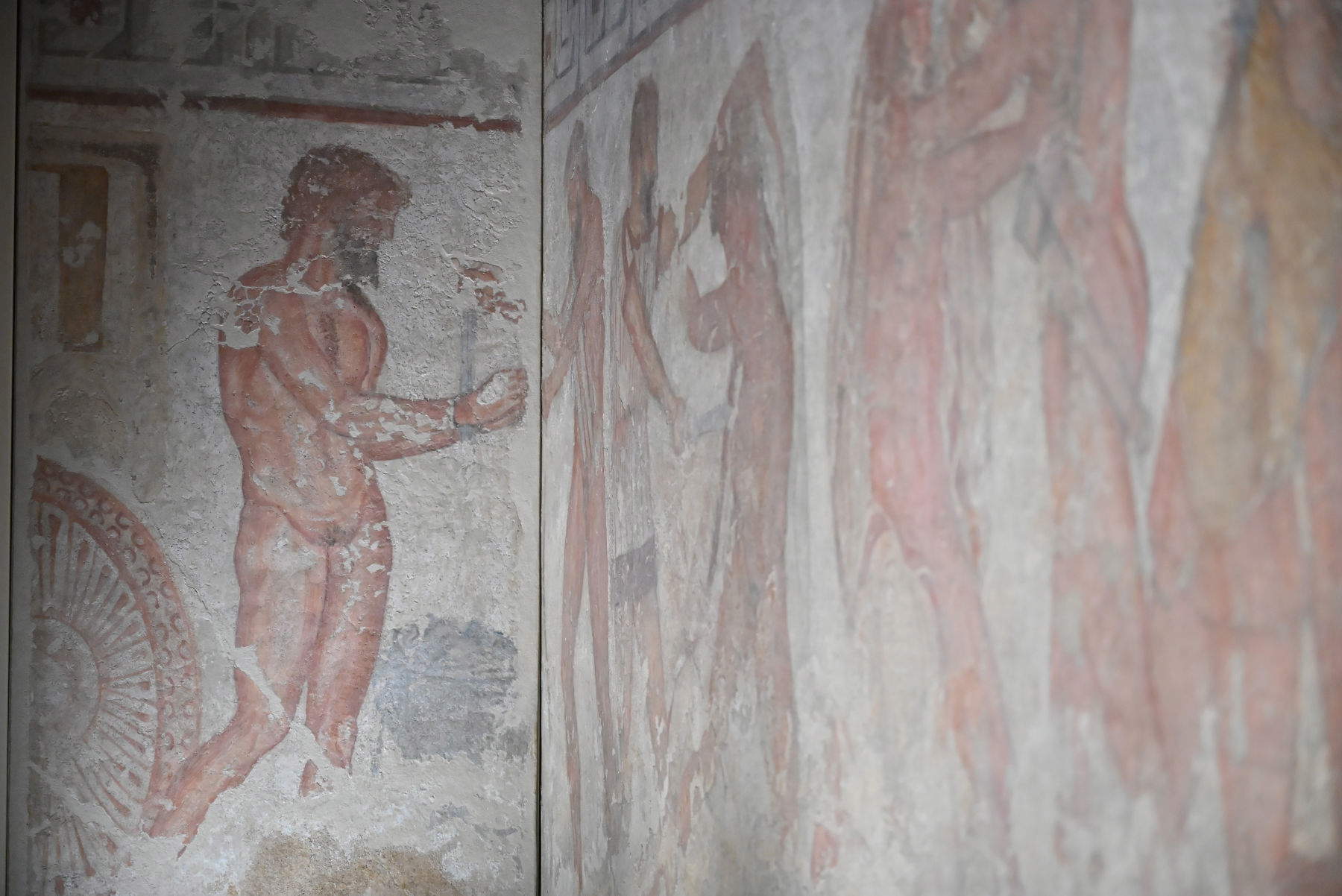
The acquisition of the frescoes into the state collections brings to a close a story that began over a century ago. The figurative cycle, considered one of the foremost examples of Etruscan painting and ancient art to have survived to the present day, is now permanently accessible to the public. The paintings provide essential insight into Etruscan figurative culture and the relationship between the Italic world and the Greek mythological tradition.
The François Tomb was discovered on May 1, 1857, by archaeologist Alessandro François on land belonging to Prince Alessandro Torlonia, in the Ponte Rotto necropolis on the island of Vulci. The tomb, carved into the tuff, consists of thirty-seven frescoed panels and two stone stelae found in the entrance corridor. Dated between 340 and 320 B.C., it represents one of the most significant examples of ancient painting preserved to this day.
The decorative program combines episodes from Greek mythology, Etruscan historical memory, and self-representation of the Vulci aristocracy. The inscriptions painted next to the figures still allow for the identification of protagonists and episodes, offering a rare insight into figurative culture and the exercise of power in the Etruscan world. The cycle includes scenes such as the sacrifice of Trojan prisoners during the funeral of Patroclus and the fratricidal duel between Eteocles and Polynices. Alongside the mythological subjects, the cycle also features episodes from Etruscan tradition, such as the portrait of Vel Saties, the tomb’s founder and patron, and the depiction of Macstarna—identified as the future king Servius Tullius—as he frees the Vulcian leader Celio Vibenna.
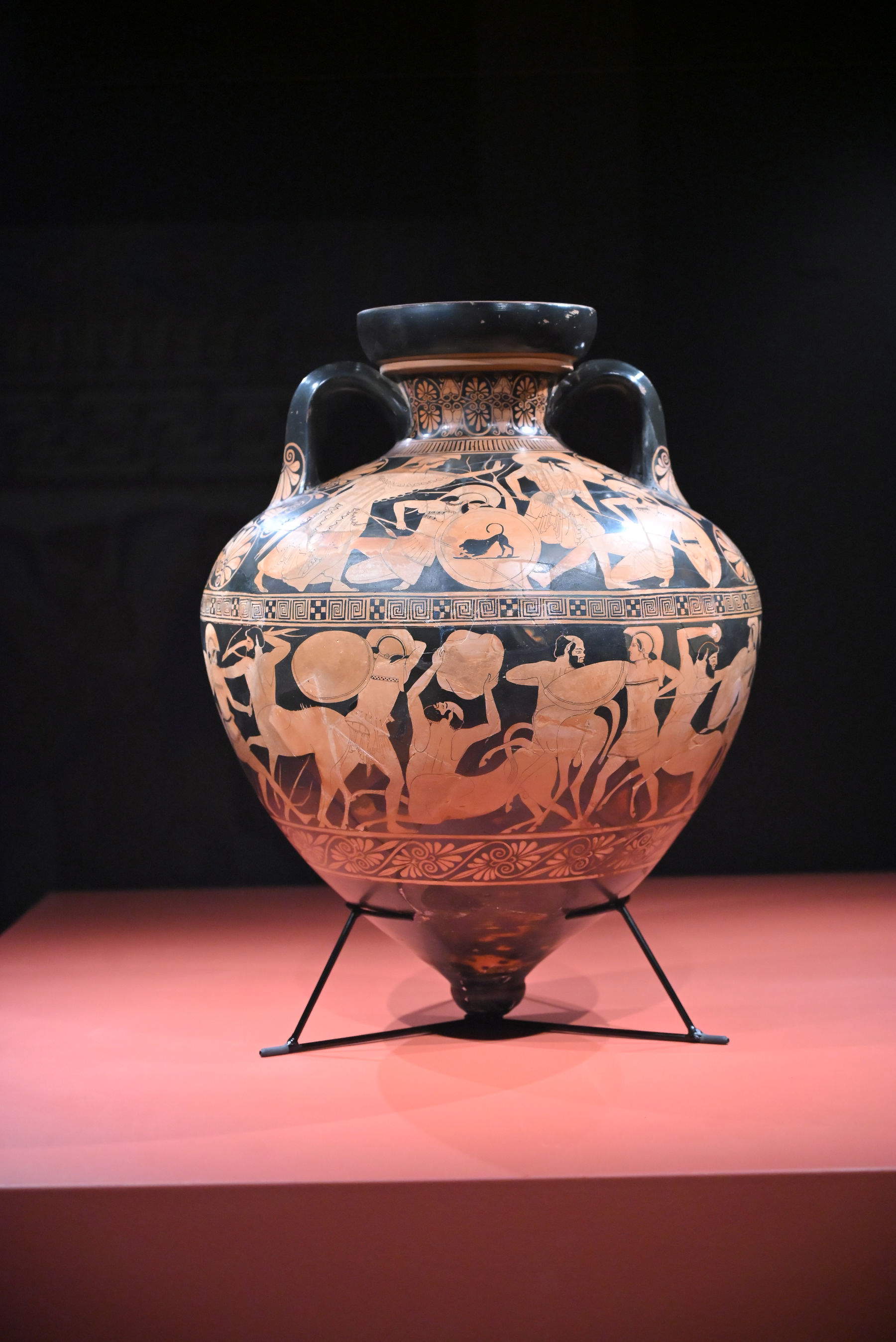
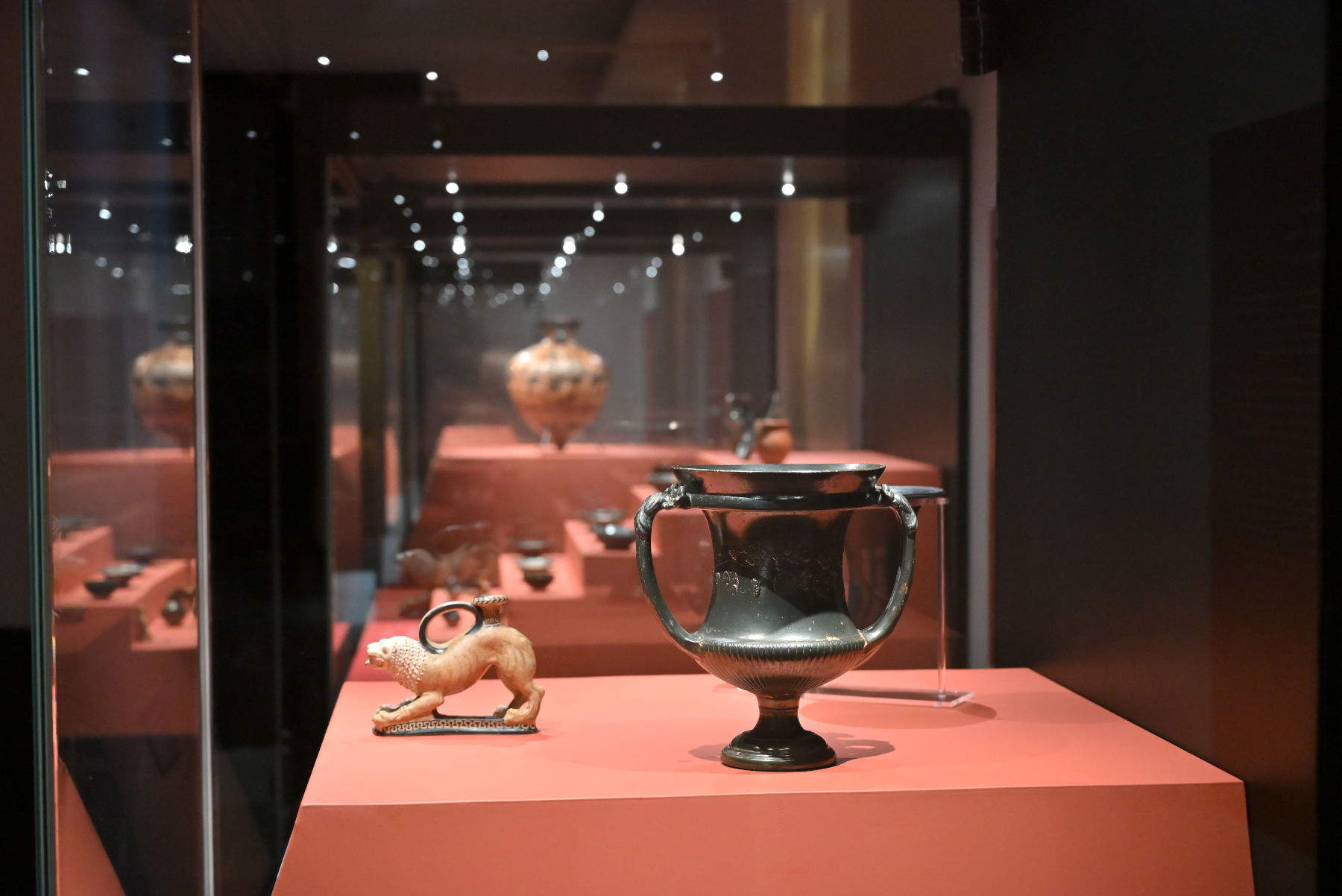
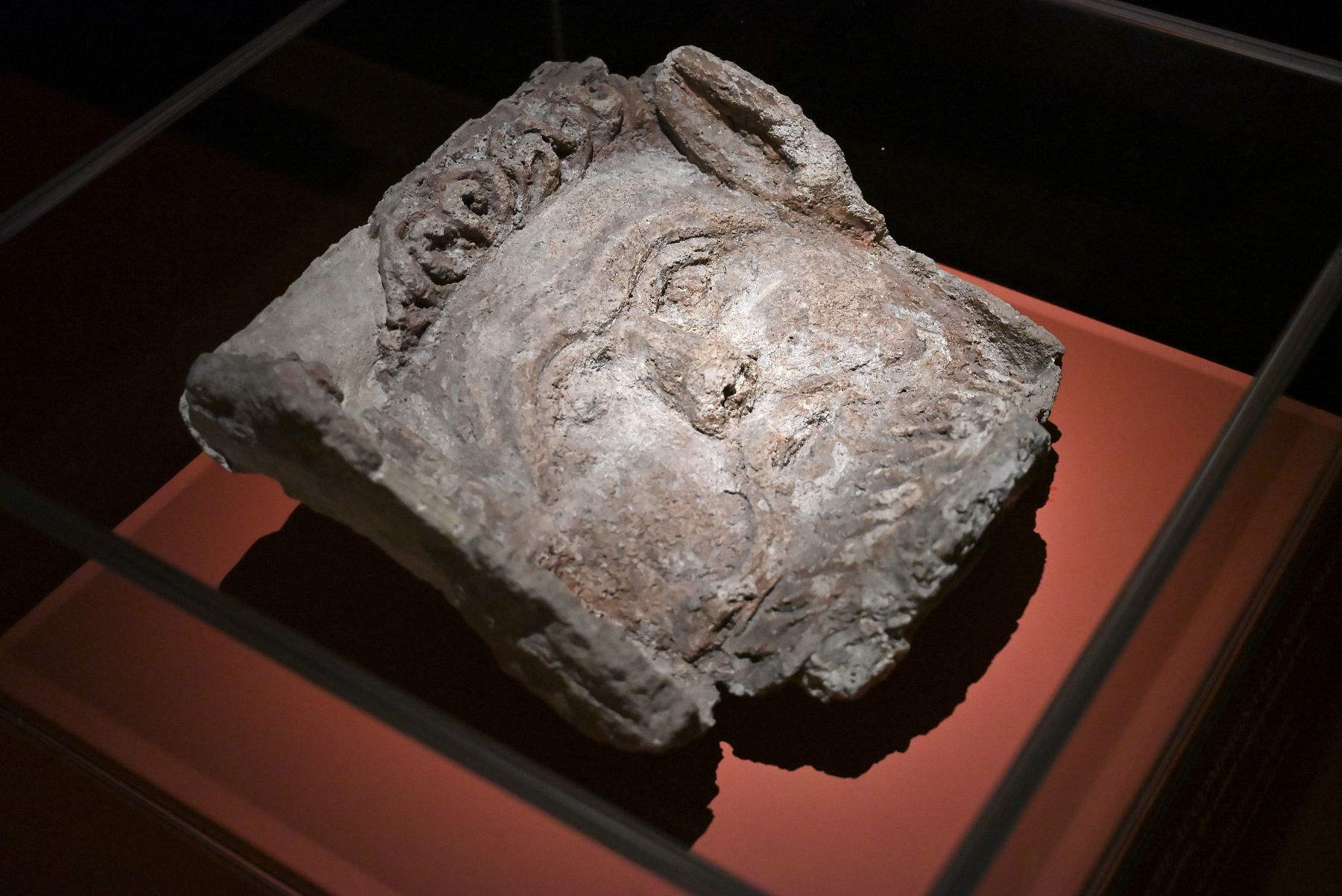
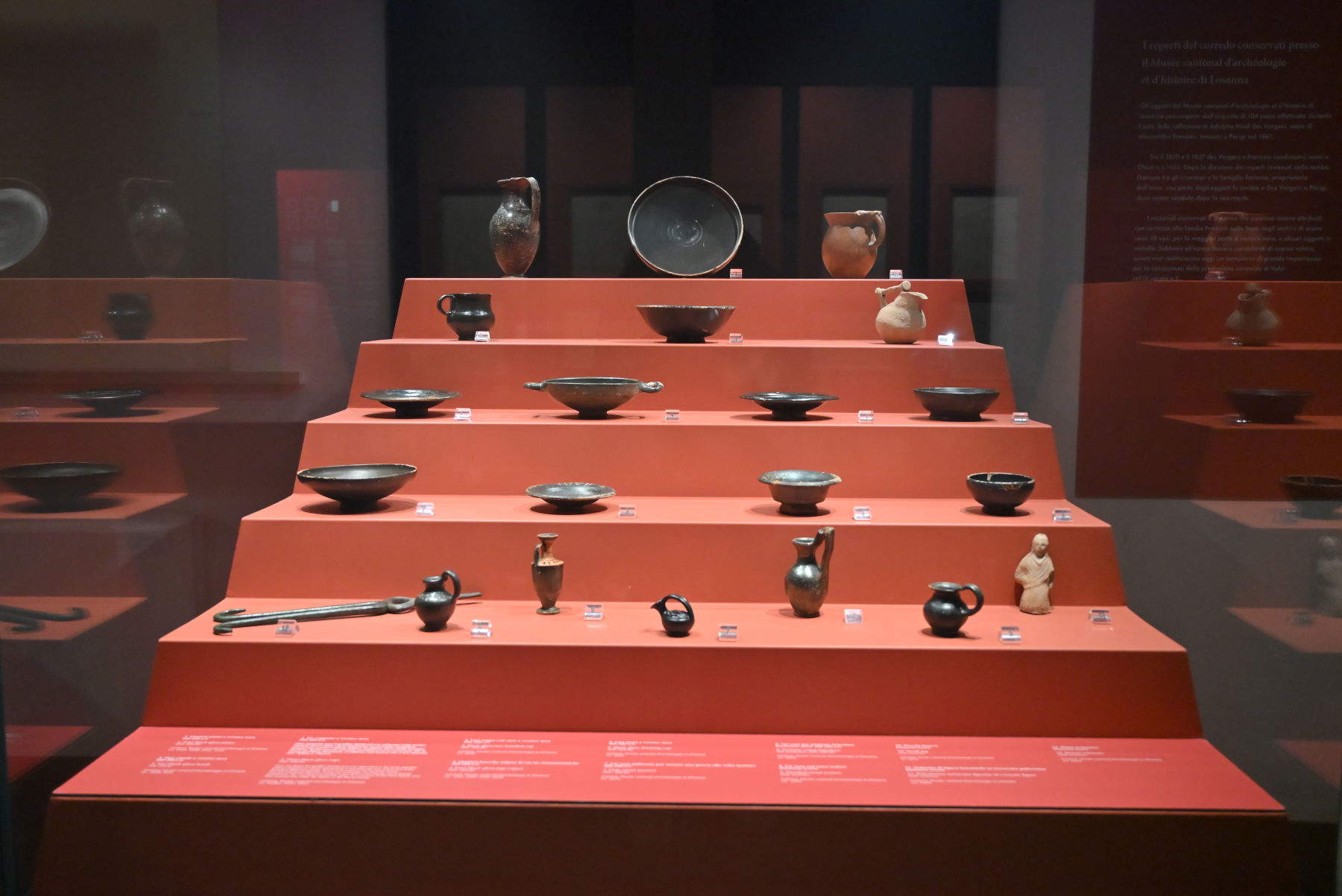
The exhibition “The Return of the Heroes” complements the frescoes with objects from the burial’s funerary goods, now preserved in various international museums. The exhibition brings together artifacts on loan from the Musée du Louvre, the British Museum, the Royal Museums of Art and History in Brussels, the Musée cantonal d’archéologie et d’histoire in Lausanne, the Vatican Museums, and the German Archaeological Institute in Rome.
From the Musée du Louvre come earrings that belonged to the women of the Saties family, gold-leaf necklaces, a gold ring depicting Cassandra, and two scarabs. The British Museum, on the other hand, has loaned a series of earrings decorated with garnets and glass paste animals, several vases—including a lion-shaped askos (a vase whose shape evokes animal figures)—and a necklace with butterfly pendants from the François Tomb itself.
The exhibition thus presents a cohesive narrative dedicated to one of Etruria’s major figurative complexes, bringing together frescoes, archaeological artifacts, and items related to the Saties family. The acquisition of the frescoes was made possible thanks to the collaboration of the heirs of the Torlonia, Sforza Cesarini, and Gaetani families—the owners of the works—along with the joint efforts of the General Directorate of Museums, led by Massimo Osanna, and the National Etruscan Museum of Villa Giulia, directed by Luana Toniolo.
“The return of the François Tomb to the public domain represents a historic milestone,” says Minister of Culture Alessandro Giuli. “The Italian government has been attempting to acquire it since 1914, and today, finally, we are bequeathing it to future generations. This extraordinary complex preserves a fundamental part of our history. It tells the story of the roots of Etruscan civilization, its relationship with Rome, and our shared Mediterranean heritage. It reminds us that Italian identity is the result of a millennia-long history shaped by encounters, transformations, and shared experiences. To reinforce this commitment, I have announced the Ministry of Culture’s intention to join the Vulci Foundation. We intend to contribute directly to the preservation and promotion of one of Europe’s most important archaeological sites, strengthening our collaboration with institutions and the local community.”
“With the addition of the François Tomb to the state’s collections, one of the most important monuments of Etruscan civilization has definitively become part of the heritage of all citizens,” emphasizes Massimo Osanna, Director General of Museums. “The value of this acquisition lies not only in its exceptional historical and artistic importance, but also in the opportunity to continue to examine, study, and interpret a monument of extraordinary complexity. Every work, in fact, continues to live on through research, the exhibitions we create, the narratives we construct, and the new questions that each generation asks of it. This is the mission of the National Museum System: to create the conditions for our heritage to continue generating knowledge, making its complexity and richness increasingly accessible to everyone. Preservation, research, and promotion are the various expressions of a single commitment: to pass on to future generations monuments that are ever better preserved and a knowledge of the past that is ever broader, more informed, and more widely shared.”
“The acquisition of the François Tomb into the state’s cultural heritage represents a milestone of extraordinary value for the preservation and promotion of the national cultural heritage,” states Alfonsina Russo, Head of the Department for Cultural Promotion. “This important monument of Etruscan civilization is now definitively entrusted to the public and marks the beginning of a new phase, in which it can be further enhanced through research, outreach, and new avenues of knowledge. This achievement holds particular significance because it concerns one of the most representative sites of southern Etruria, which has been the focus of decades of study and research and now finds its natural home at the National Etruscan Museum of Villa Giulia. The challenge before us now is to transform this acquisition into a new opportunity for cultural growth, expanding opportunities for access, participation, and understanding of our heritage. This is the task that the Department for the Promotion of Cultural Heritage is called upon to pursue: ensuring that every major acquisition strengthens the bond between heritage, research, and the community, making the value of our cultural legacy increasingly shared.”
“This day marks a moment of extraordinary importance not only for the National Etruscan Museum of Villa Giulia, but for Italy’s entire cultural heritage,” states Luana Toniolo, Director of the National Etruscan Museum of Villa Giulia. “After more than a century, a masterpiece of stone and color is being returned to the public, presented in all its exceptional beauty, enriching our understanding of Etruscan civilization and its deep connections with the ancient Mediterranean. The tomb is presented in a contemporary and evocative exhibition design that makes the frescoes accessible to everyone. This project is the result of a fruitful collaboration between the public and private sectors. For this reason, I would like to express my sincere thanks to the Bvlgari Foundation for the sensitivity, vision, and commitment with which it has supported this important project to showcase the tomb.”
“As a Roman Maison, Bvlgari has always viewed history not as something distant, but as an inexhaustible source of inspiration,” says Jean-Christophe Babin, President of the Bvlgari Foundation. “The François Tomb represents an extraordinary discovery and one of the most important testimonies to Etruscan civilization that have survived to this day. With this project, the Bvlgari Foundation reaffirms its love for Rome and for art, opening itself for the first time in such a significant way to the Etruscan world—a civilization closely tied to the roots of our history and our cultural identity. We are particularly proud that this initiative is part of the journey we have embarked upon together with the National Etruscan Museum of Villa Giulia and that it helps to return to the public a masterpiece destined to remain an integral part of the museum. Preserving and sharing heritage like this means ensuring that the great treasures of the past continue to be a source of knowledge, inspiration, and dialogue for present and future generations.”
A visit to the François Tomb and the exhibition *The Return of the Heroes* is included in the admission ticket to the National Etruscan Museum of Villa Giulia. Admission is limited, and reservations are required; they can be made through the Museitaliani app and the CoopCulture website.
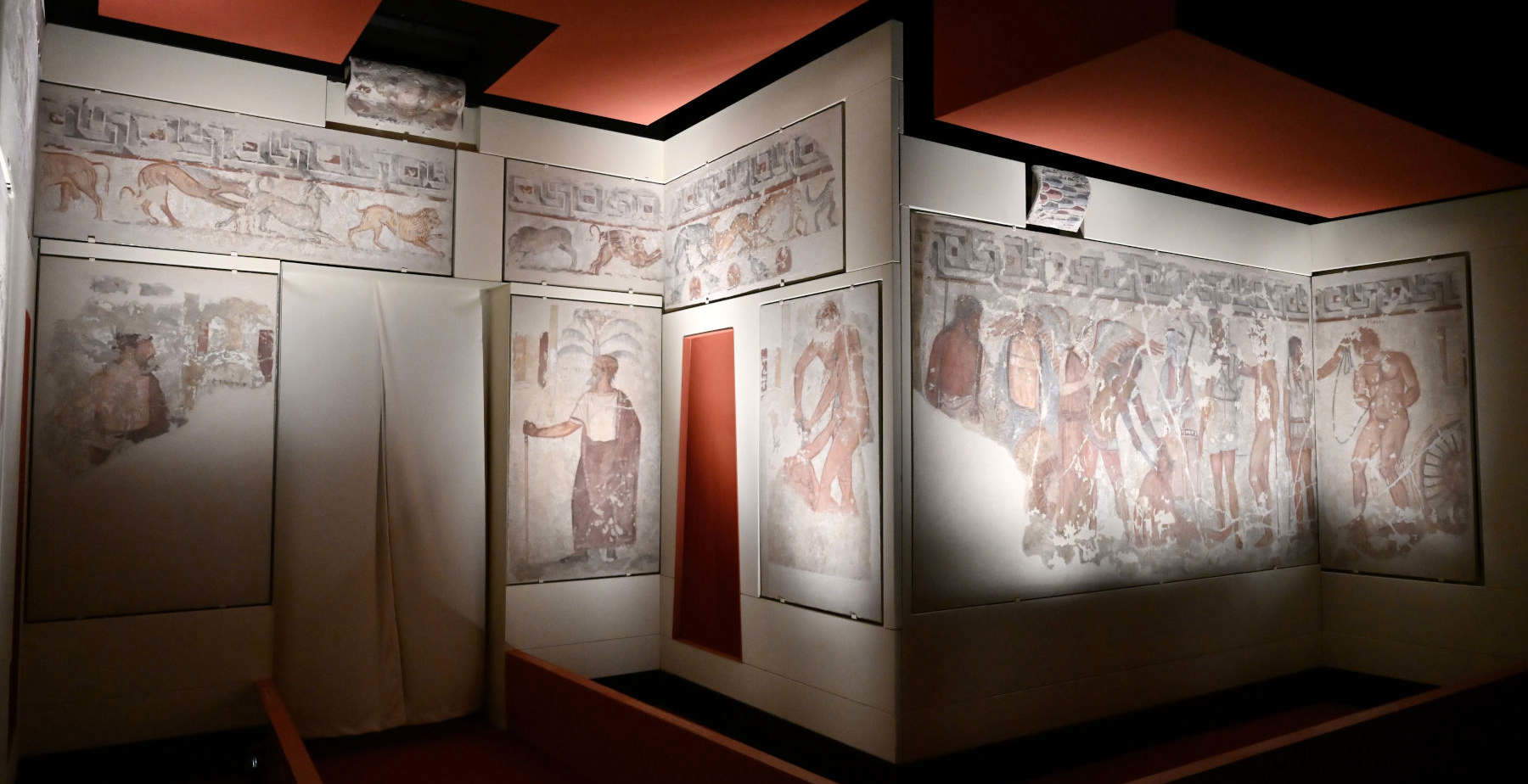 |
| Rome: The frescoes in the François Tomb are now part of Italy’s national heritage |

Warning: the translation into English of the original Italian article was created using automatic tools. We undertake to review all articles, but we do not guarantee the total absence of inaccuracies in the translation due to the program. You can find the original by clicking on the ITA button. If you find any mistake,please contact us.























 IT
IT FR
FR DE
DE ES
ES CN
CN


