




by Noemi Capoccia 16/04/2026



Categories: Archaeology / Disclaimer
In the area between Ahlum and Dettum, near Wolfenbüttel in Lower Saxony, Germany, during the construction of 19 wind turbines, archaeological surveillance identified 412 contexts and artifacts covering from the linear pottery culture to the Late Antique period and a Bronze Age deposit with amber and women's ornaments.


In the course of work on a wind farm near Wolfenbüttel in Lower Saxony, Germany, a large complex of archaeological evidence covering a chronological span extending from prehistoric to late antiquity has been identified, with one find of particular significance referable to theBronze Age. This was announced by the Niedersächsisches Landesamt für Denkmalpflege - Lower Saxony State Office for Monument Protection.
The intervention concerns areas in the localities of Ahlum and Dettum, where the company SAB WindTeam GmbH has installed 19 wind turbines. In preliminary assessment, the relevant authorities had pointed out a high probability of intercepting as yet unknown archaeological contexts, even though there are no registered sites in the immediate area of the construction site. For this reason, the Untere Denkmalschutzbehörde - Local Superintendency for the Protection of Cultural Property of the City of Wolfenbüttel, in agreement with the Lower Saxony State Office for the Protection of Monuments, arranged for continuous archaeological accompaniment of the excavation activities. The execution of the supervision has been entrusted to Arcontor Projekt GmbH in Braunschweig. Between August 2024 and September 2025, a total of 92,780 square meters of surface area was subjected to archaeological verification, which was progressively included in the site schedule.


In the course of the investigations, 412 archaeological contexts were documented, providing a layered picture of the prehistory and protohistory of the Braunschweiger Land region. The earliest findings include two building foundations attributable to the Linear Pottery Culture, the earliest agricultural culture attested in Lower Saxony. The associated materials and sampling of the deposits allow for a more in-depth study of the settlement dynamics of the area from the mid-6th millennium BCE.
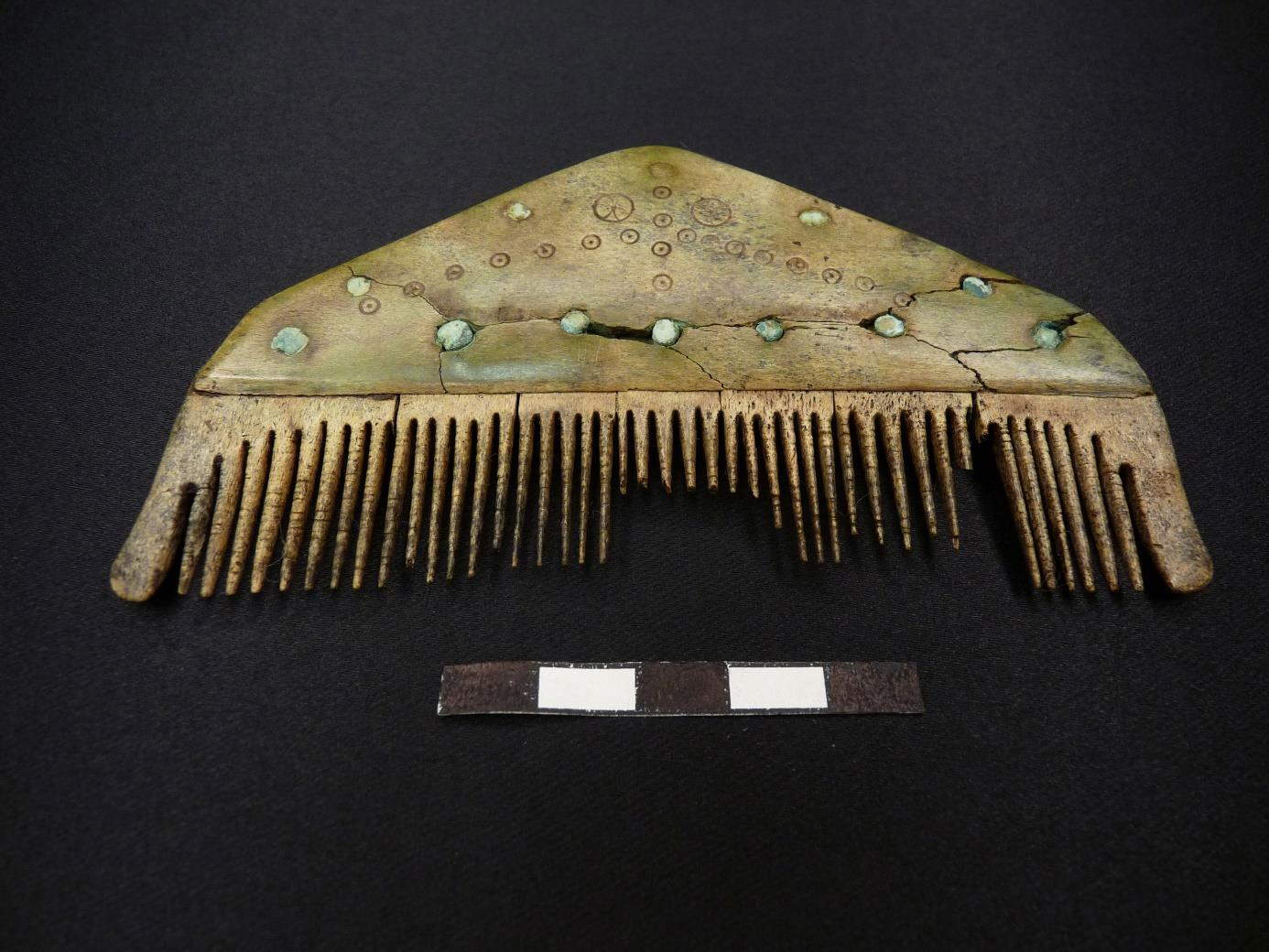
Several areas of frequentation referable to the centuries after the birth of Christ have also been identified. In some cases, these are structures containing complex deposits consisting of dog remains, Roman imitation pottery and metal objects. Prominent among the finds is a so-called three-layered comb datable between the fourth and fifth centuries CE, decorated with concentric circle eyes and bronze rivets, a type generally associated with personal accoutrements and known mainly from cremation burial contexts, where it generally survives only in minute fragments. During the excavation intended for one of the wind turbines, an isolated complex of particular note was intercepted. Already on the first mechanical pass, bronze and amber objects emerged, concentrated in a small area. The restoration team of the Lower Saxony State Office for Monument Protection was then called in and coordinated a bulk removal of the deposit, including the surrounding soil to allow subsequent laboratory study.
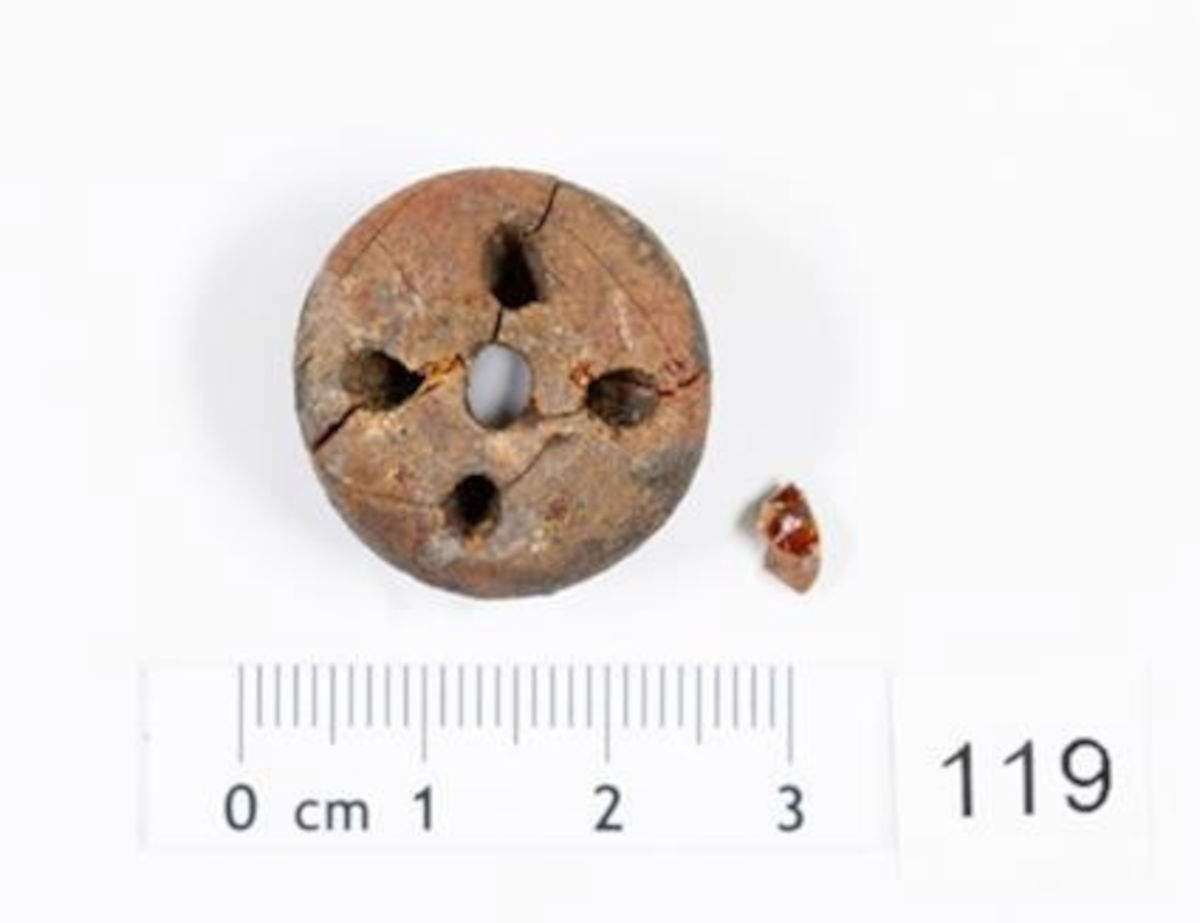
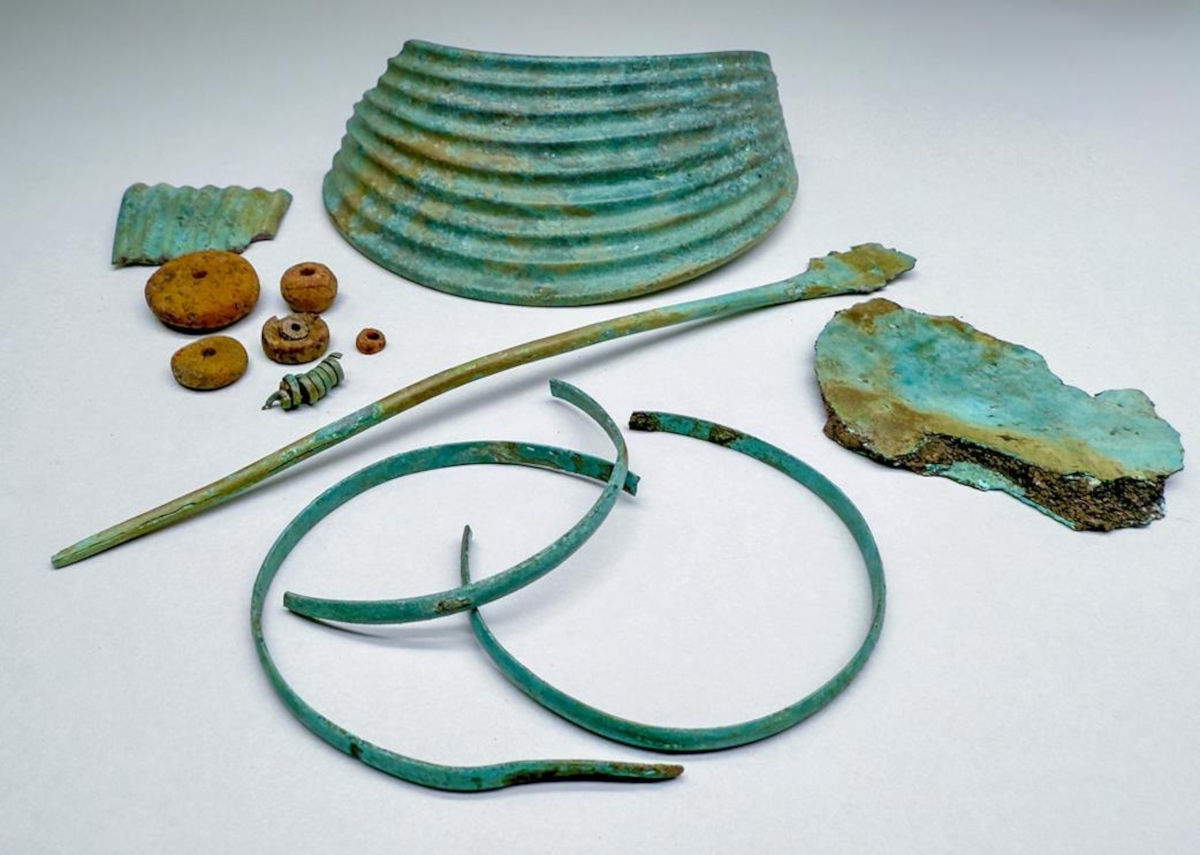
The assemblage turned out to consist of the ornamental elements belonging to at least three female individuals, including decorated collars, arm coils, metal foils, clothing elements, and at least two discoidal pins. Dating places the deposit between 1500 and 1300 BCE. Of particular importance is a row of more than 156 amber beads, an item that constitutes the most significant core of the complex.
According to a study published in 2025 by Aarhus University, amber played a central role in Middle and Recent Bronze Age long-distance exchange networks, with links extending from southern Scandinavia to the Assur area. Within this interpretive framework, the deposit is traced to a possible ritual deposition related to local elite groups. The find is referred to as the most substantial Bronze Age amber assemblage so far documented in Lower Saxony. For northern Nordharz it represents the first known Bronze Age deposit since 1967 and the only one excavated using modern archaeological methodologies. Activities to study and restore the materials are in the early stages. In cooperation with Technische Universität Clausthal, further archaeometric and material analyses are planned, aimed at defining the composition and processing techniques of the recovered objects.
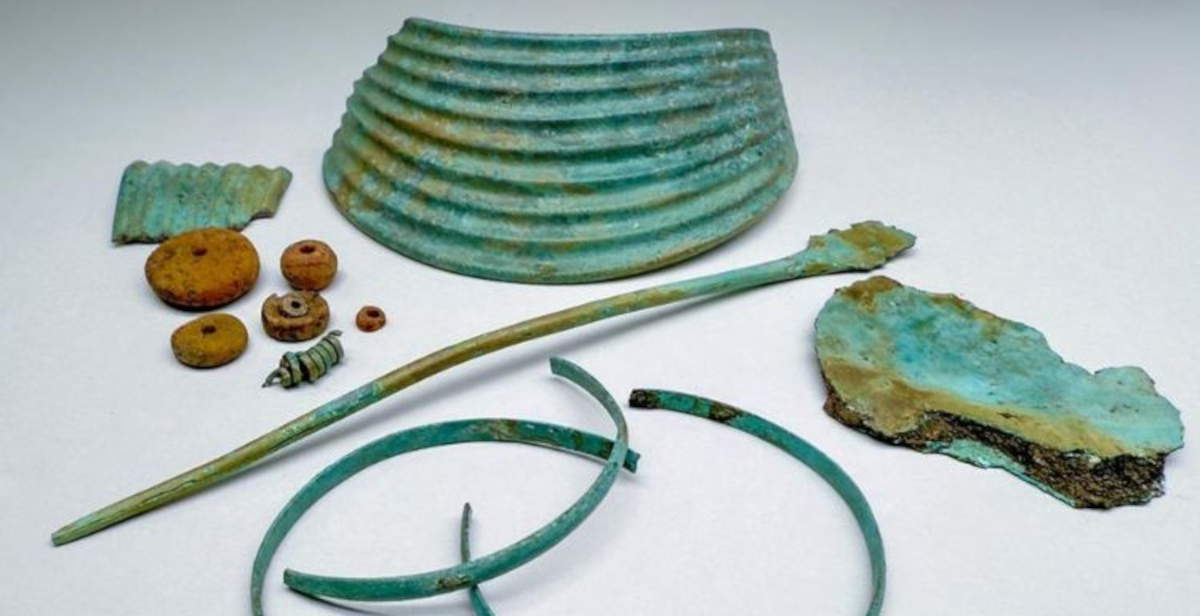 |
| Germany, a Bronze Age deposit discovered in a wind farm. |
Warning: the translation into English of the original Italian article was created using automatic tools. We undertake to review all articles, but we do not guarantee the total absence of inaccuracies in the translation due to the program. You can find the original by clicking on the ITA button. If you find any mistake,please contact us.