



by Redazione 21/05/2026



Categories: Archaeology / Disclaimer
Presented at the Casale San Fulgenzio Antiquarium are the results of the excavation campaign at the Ocriculum site. Investigations have returned monumental structures, including a section of paved road, a concrete basement, and an octagonal public fountain.
New data are emerging from the archaeological site of Ocriculum that help redefine the layout of the urban center in Roman times, with particular reference to the public area of the city. The results of the recent excavation campaign were presented at theAntiquarium of Casale San Fulgenzio during a press conference attended by Director General Museums Massimo Osanna, Director of the National Museums of Umbria Costantino D’Orazio, Superintendent of Archaeology, Fine Arts and Landscape of Umbria Francesca Valentini, the mayor of Otricoli Antonio Liberati and the archaeological officials of the Ministry of Culture Elena Roscini and Silvia Casciarri.
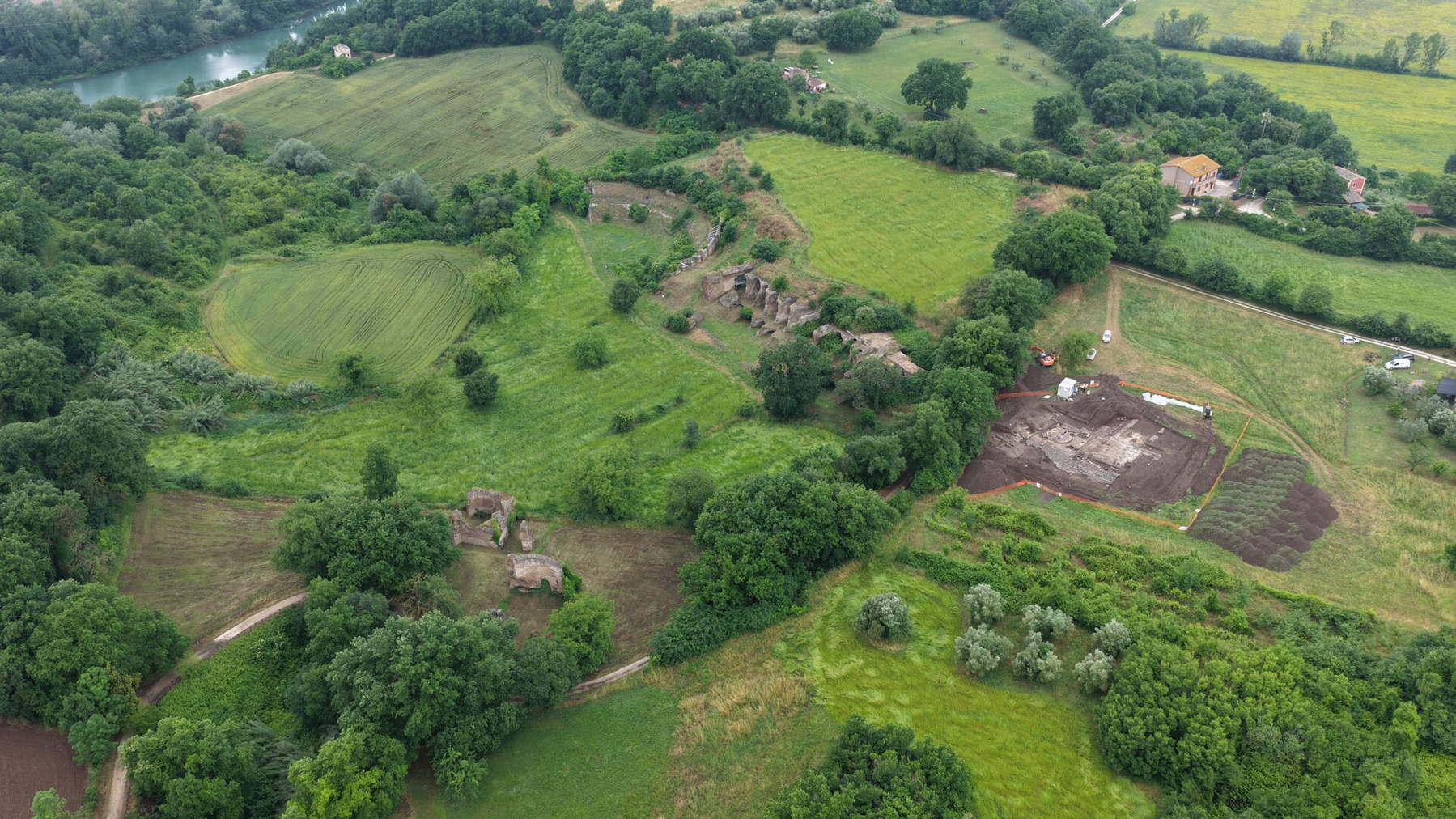
Ocriculum, an ancient Roman center located along the Via Flaminia and in a strategic position along the course of the Tiber, returns with the latest investigations a more defined picture of its urban articulation. The intervention is part of a research program funded by the Ministry of Culture through the General Directorate of Museums and carried out by the National Museums of Perugia - Regional Directorate National Museums Umbria, with the support of the Soprintendenza Archeologia, Belle Arti e Paesaggio for Umbria. The activities involved a central sector of the ancient city, traditionally assumed to be a forensic area, which has so far been only partially investigated.


The choice of the area of intervention stems from a series of scientific acquisitions gained in recent years during the course of protection activities, including preventive excavation essays and a geophysical prospecting campaign funded in 2024 by the General Directorate of Archaeology, Fine Arts and Landscape. The investigations, conducted between March and May by the Archaeology Cooperative under the scientific direction of Ministry officials, uncovered a complex of structures of significant archaeological interest, useful for reconstructing the urban layout of the city between the 1st and 2nd centuries AD.


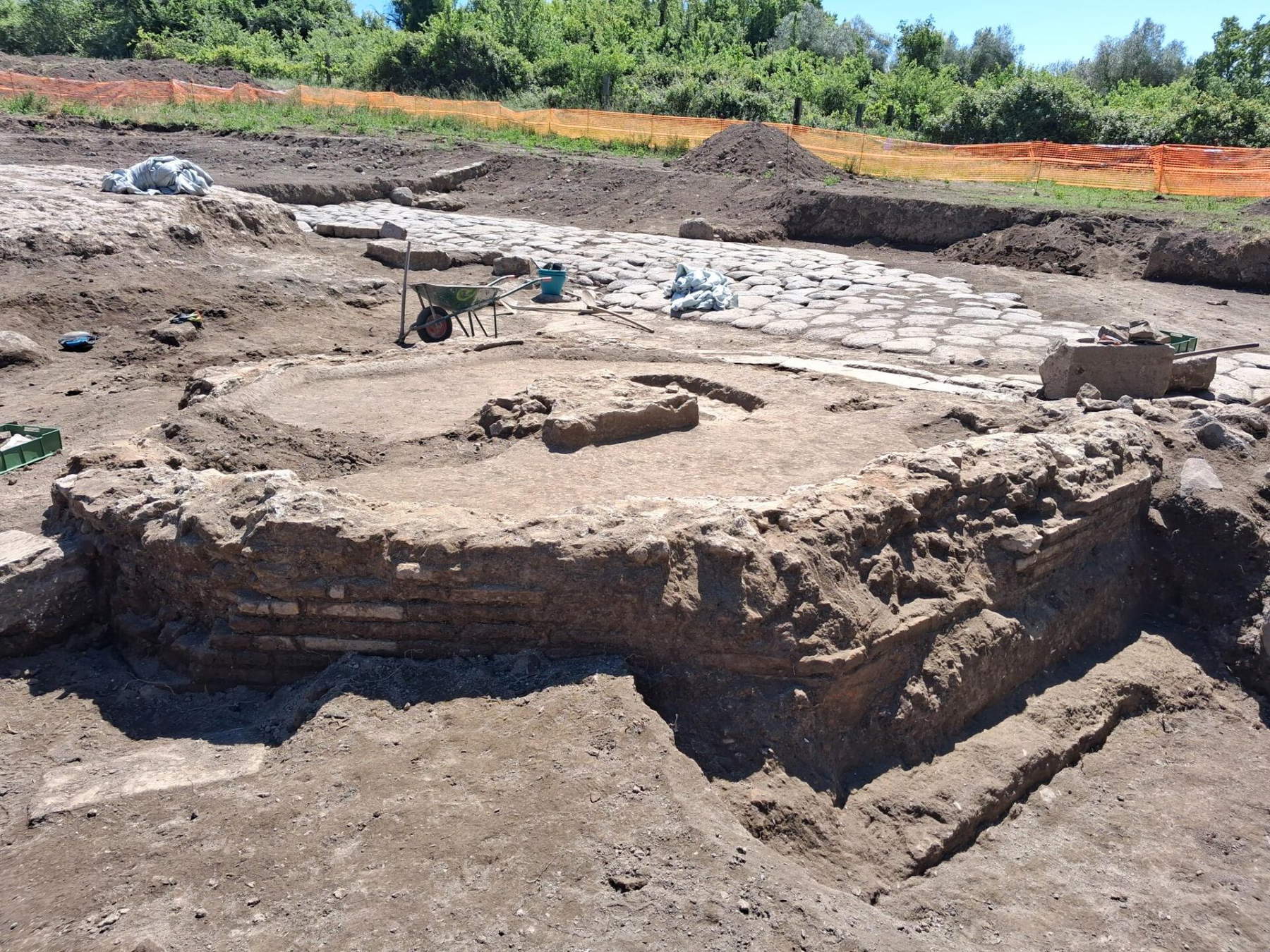
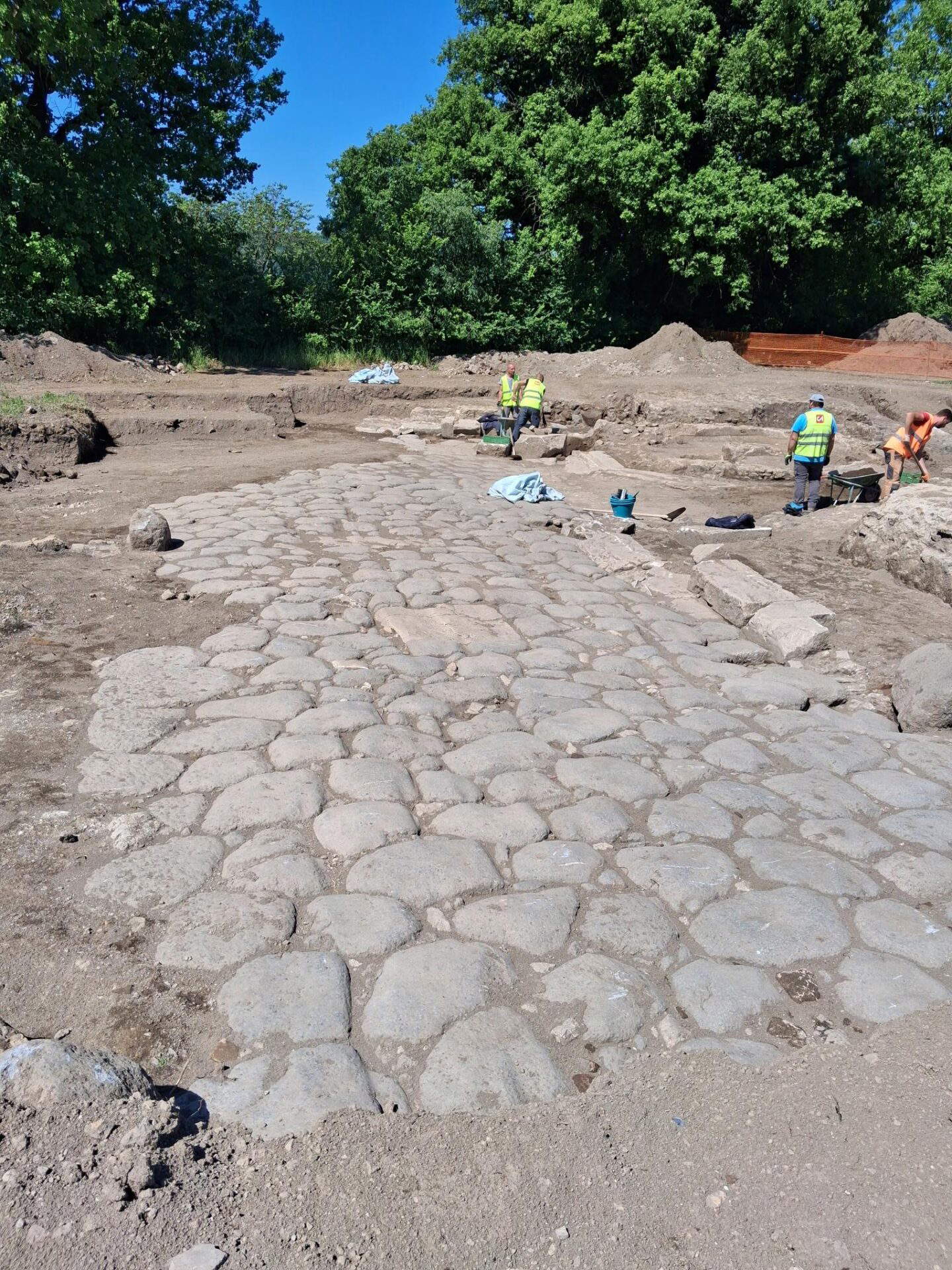
Among the main findings is a long stretch of paved road, significantly preserved and made of large paving stones made of local stone. An imposing concrete basement with inclusions of tuff fragments was identified near the road layout. The consistency of the masonry structures and their articulation suggest earthworks aimed at regularizing natural gradients and supporting buildings most likely intended for civic or cultic functions.
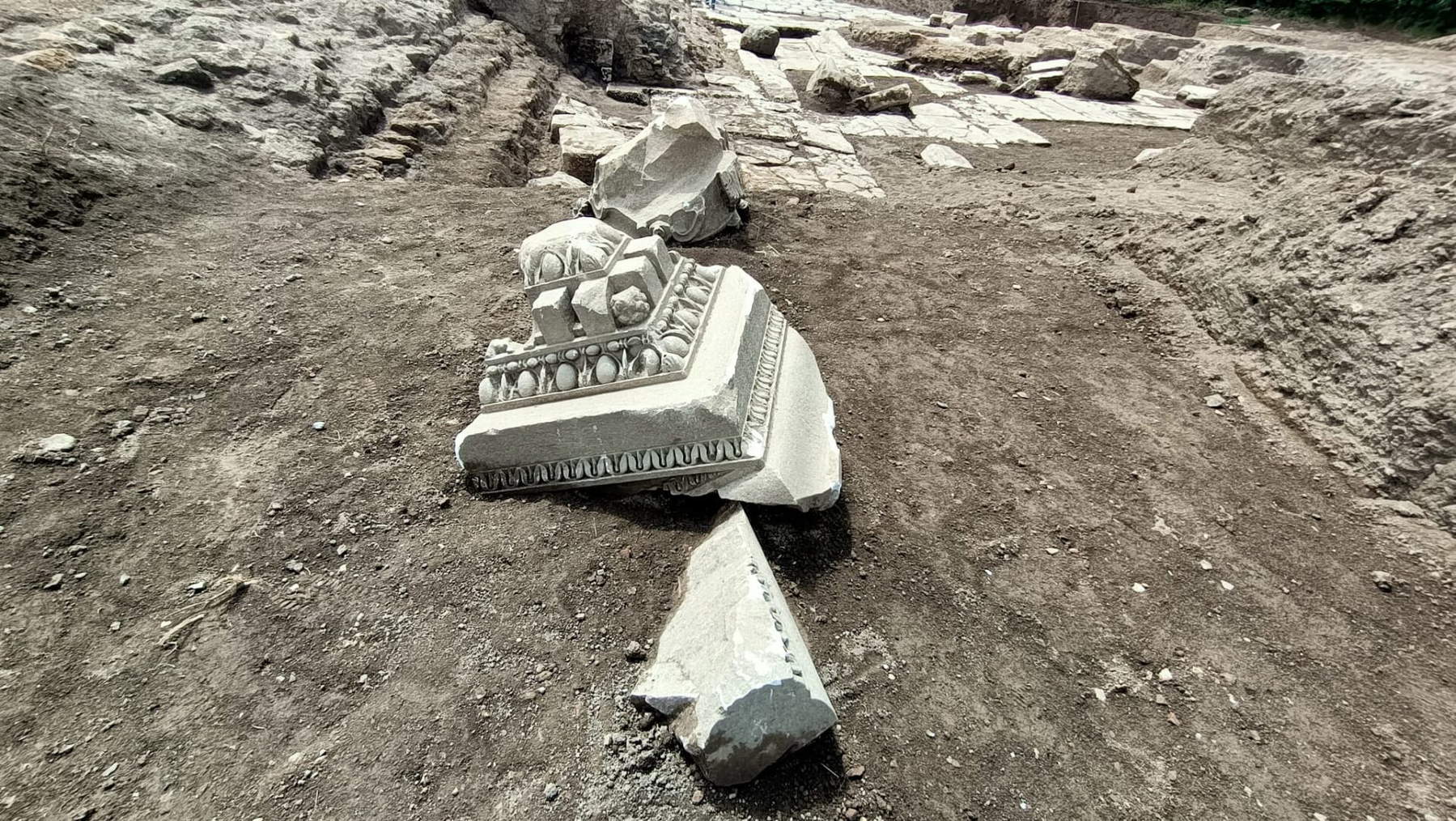
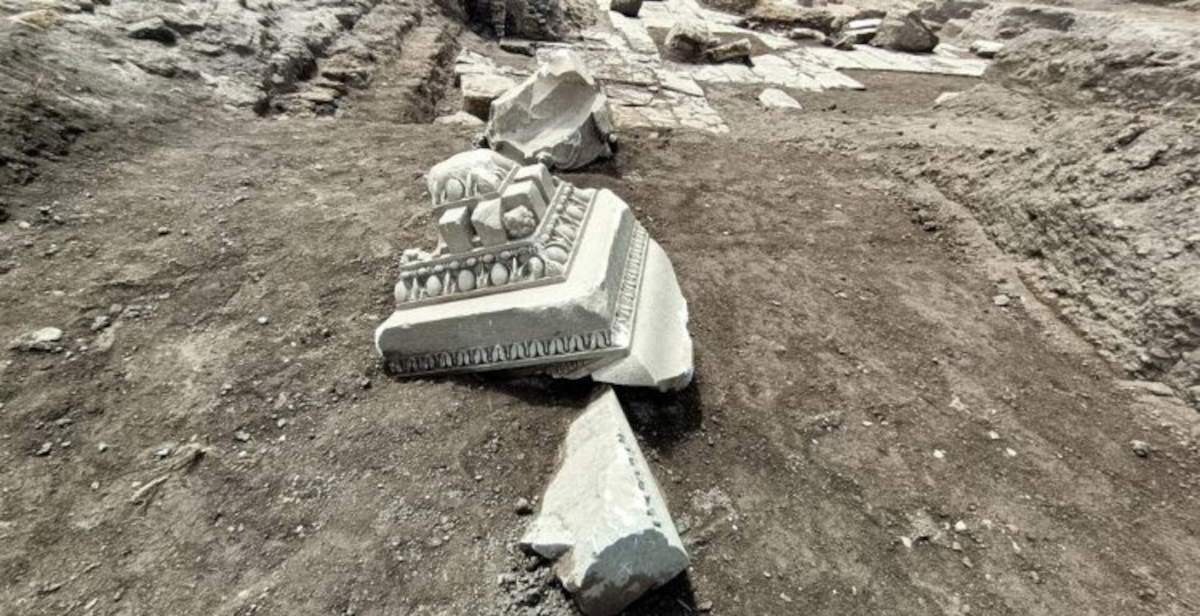
In support of this hypothesis, the excavation returned fragments of architectural terracotta, elements of column shafts, valuable marble decorations and portions of cornices. A commercial stone weight worth 30 pounds was also found. The variety and quality of the materials found indicate a high-level functional context and the presence of commissions traceable to a public or religious sphere, elements that help delineate the centrality of the area within the urban life of Ocriculum. A further important element concerns the identification of the remains of a large public fountain of octagonal shape, characterized by an inner lining of cocciopesto. The structure appears to be located in an open space and surrounded by a paved area, highlighting its function within the urban system and collective spaces of the Roman city.
The evidence uncovered allows for new hypotheses on the configuration of the city center and contributes to a more precise definition of its historical topography. The structural elements and materials found offer additional data for understanding the monumentality of the settlement in the imperial age and open new lines of research on the organization of public spaces. The relevant institute has already begun evaluations regarding possible forms of valorization of the area, with the aim of making the results of the investigations accessible to the public. The Archaeological Park of Ocriculum falls under the National Museums of Perugia - Regional Directorate National Museums of Umbria and is managed in collaboration with the Municipality of Otricoli.
 |
| Ocriculum, new finds unearth public heart of Roman city |
Warning: the translation into English of the original Italian article was created using automatic tools. We undertake to review all articles, but we do not guarantee the total absence of inaccuracies in the translation due to the program. You can find the original by clicking on the ITA button. If you find any mistake,please contact us.