




by Noemi Capoccia 07/04/2026



Categories: Archaeology / Disclaimer
A more than 2,000-year-old Roman maritime villa attributed to Publius Cornelius Dolabella, son-in-law of Cicero, has been unearthed in Bacoli, Naples. The complex, which emerged in the Villa Ferretti area on property confiscated from the Camorra, now enters the area's new archaeological sites.

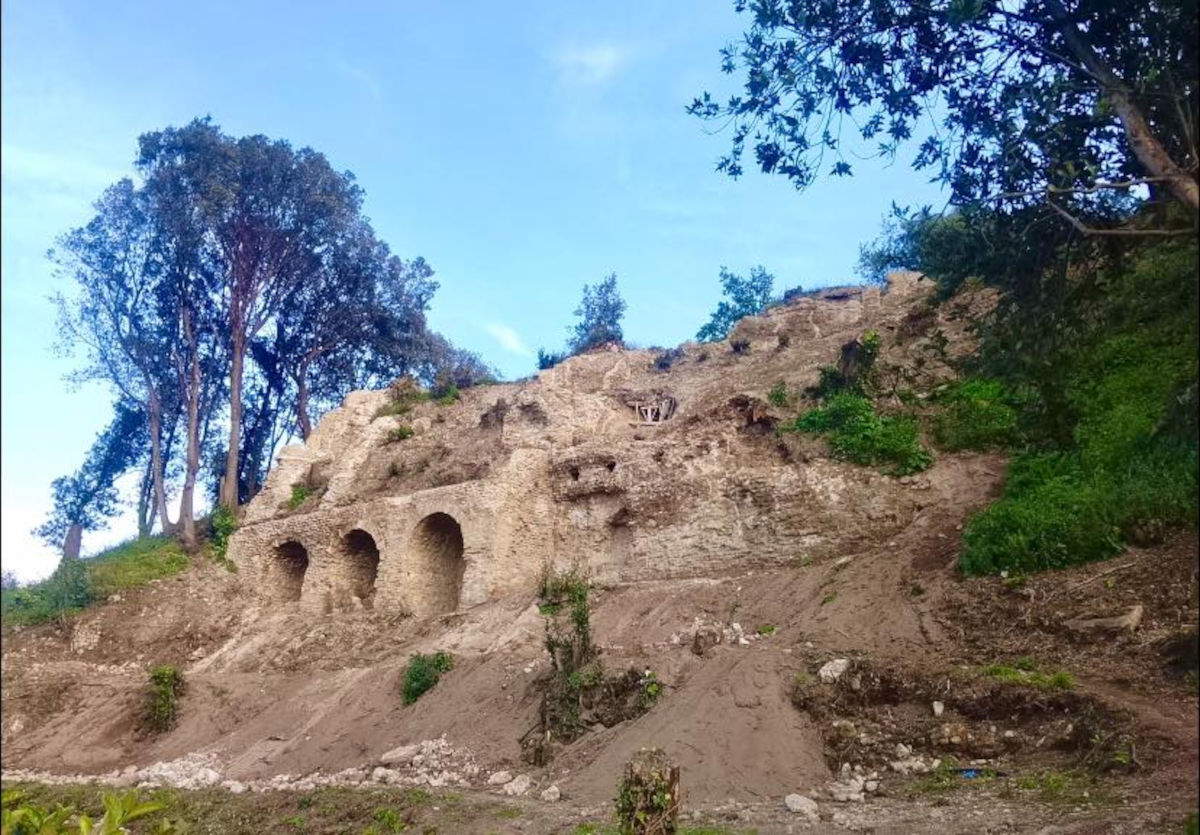
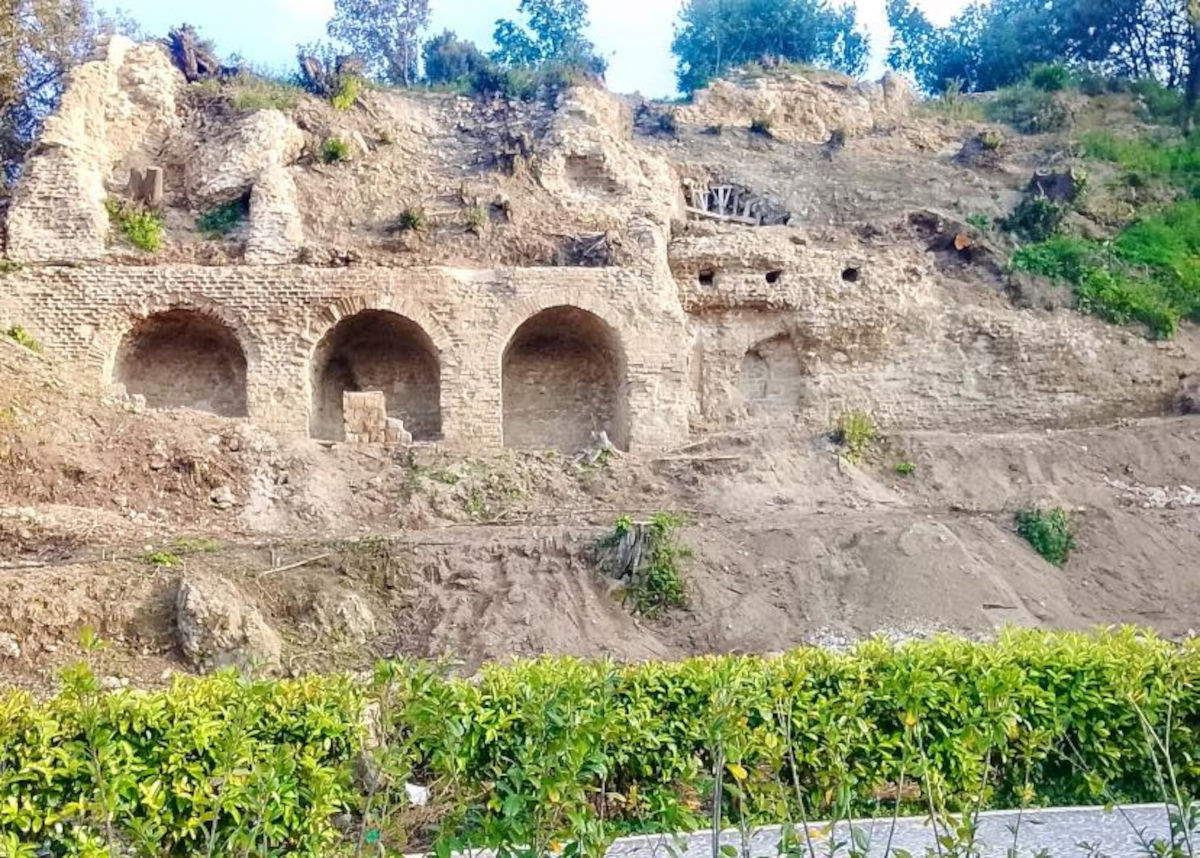
A Roman-era maritime villa with more than 2,000 years of history, which emerged in the area of Villa Ferretti, has been made visible to the public in Bacoli (Naples). The complex, attributed to the politician and military man Publius Cornelius Dolabella, son-in-law of Marcus Tullius Cicero and a prominent figure of the Caesarian age, is located in the archaeological context ofancient Baia, a locality known in Roman times as a resort for the Empire’s elite.
This was announced by the mayor of Bacoli, Josi Gerardo Della Ragione, who announced the conclusion of the first construction site and the removal of scaffolding through a post on his Facebook profile. The site presents an element of particular interest: it is the first Roman maritime villa identified within a property confiscated from the Camorra. The area, now returned to the community, hosts a vast structure overlooking the bay, still largely to be investigated.


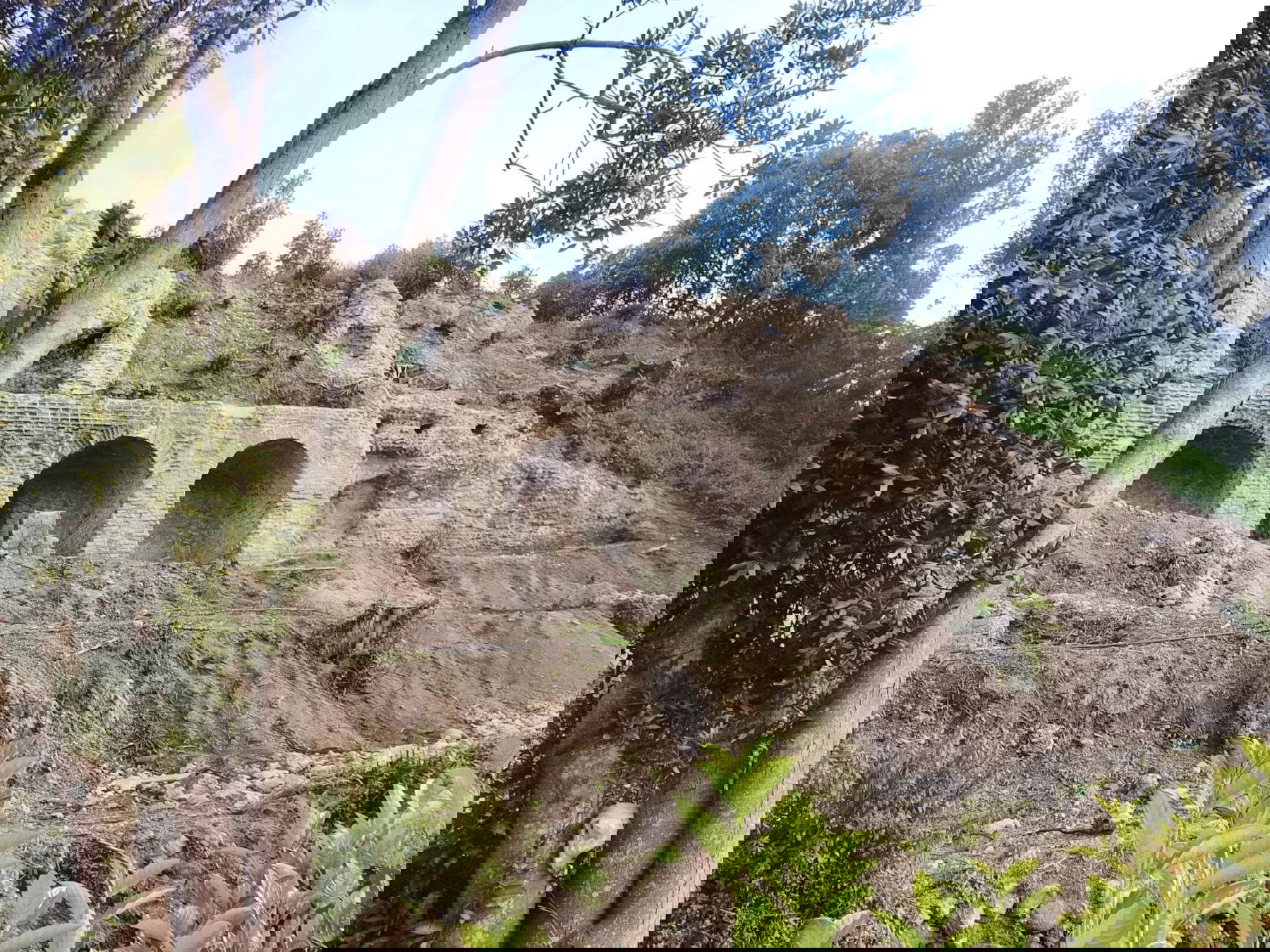
The complex is built on several terraces and is part of the monumental system of ancient Baia, a coastal city now partly submerged in the depths of the gulf. Archaeological investigations, including underwater research, have made it possible to identify additional levels of the complex that are currently submerged and to expand knowledge of the architectural organization of the villa.
The interventions carried out involved the securing and restoration of several rooms, as well as the identification of new hypogeal spaces. The operations also made it possible to enhance decorative elements and finds of special interest that emerged during the excavation activities. The reading path of the site reaches the top of the last terrace, offering an overall view that relates the archaeological heritage to the surrounding coastal landscape.
The project is part of a cultural and tourism enhancement strategy for the area. The municipal administration has also announced plans to turn the area into a municipal archaeological park, while archaeological investigations will continue with further excavation campaigns, considered necessary to fully understand the extent and characteristics of the complex.
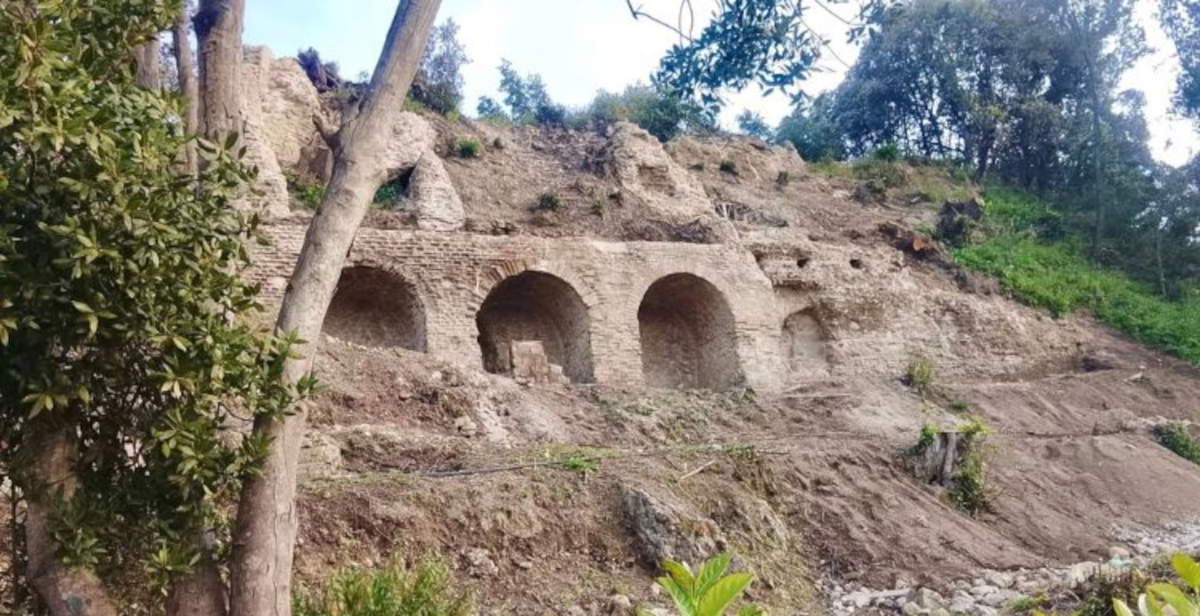 |
| Roman villa of Publius Cornelius Dolabella resurfaces in Bacoli: first site on property confiscated from the Camorra |
Warning: the translation into English of the original Italian article was created using automatic tools. We undertake to review all articles, but we do not guarantee the total absence of inaccuracies in the translation due to the program. You can find the original by clicking on the ITA button. If you find any mistake,please contact us.