



by Redazione 20/04/2026



Categories: Contemporary art / Disclaimer
From May 23-31, 2026, the fourth edition of Cremona Contemporanea, directed by Rossella Farinotti, transforms Cremona into a museum spread between the historic center and unseen spaces, with a section dedicated to Gio' Pomodoro.
The fourth edition of Cremona Contemporanea, a project dedicated to the visual arts that transforms the urban fabric into a widespread exhibition system, kicks off in Cremona from May 23 to 31, 2026. The initiative offers an articulated calendar of installations, exhibitions, performances, meetings and events, with the aim of building a direct relationship between contemporary artistic production and the city’s historical-artistic heritage.
The review, produced by NOT Titled YET and promoted by theCremona City Council’s Department of Tourism and Events, is held under the patronage of the Lombardy Region and the Chamber of Commerce of Cremona-Mantova-Pavia, as well as the collaboration of Confcommercio Provincia di Cremona. The project is placed within the cultural enhancement policies of the territory and is proposed as a device for observing the city through contemporary artistic languages.
The artistic direction is entrusted to Rossella Farinotti, joined for this edition by a curatorial team composed of Valeria Mancinelli, Gioele Melandri, Gianluca Ranzi and Saverio Verini. The curatorial structure expands the system of reading the works and introduces a plural system, which affects the construction of the exhibition itinerary and the relationship between artistic works and the hosting places.


The selection of artists involves twenty authors and collectives, different in generation, languages and approaches. Participants include Davide Allieri, Aubrit and Beillard, Miriam Cahn, Roberto de Pinto, Linda Fregni Nagler, Francesca Grilli, Jelena Jureša, Lina Lapelyte, Emma Masut, Jimmy Milani, Valerio Nicolai, Mattia Pajé, Albert Pinya, Gio’ Pomodoro, Giulia Poppi, Sara Ravelli, Martina Rota, Marinella Senatore, Lorenzo Scotto di Luzio, and Federico Tosi. The project builds a path through different media, from environmental installations and sculptures to videos, performances and participatory practices.
Some of the works are created in direct relation to the city’s places, with interventions designed specifically for the host spaces. The exhibition brings into dialogue heterogeneous materials and techniques, from resins to industrial components to unconventional elements employed as plastic and conceptual devices. It also includes works that actively engage the public, with interventions that go beyond the observational dimension and introduce participatory dynamics. For the first time an Italian art historical artist, Gio’ Pomodoro, enters the program. The selected works, made between the late 1950s and the 1960s, will be presented in three city venues: Palazzo del Comune, Palazzo Vescovile and the Politecnico di Milano - Cremona Territorial Pole. The sculptures, made of fiberglass and polyester, return an experimental phase of the artist’s research, centered on the relationship between space, movement and matter, with forms characterized by plastic tensions and structural dynamics.
“For the first year at Cremona Contemporanea there is a nucleus of work by an Italian master of art history. With sculptor Gio’ Pomodoro, in fact, we embark on a path where modern art dialogues with contemporary artists and places in the city,” says artistic director Rossella Farinotti. “During the second edition of Cremona Contemporanea, Jonas Mekas was included, anticipating the focus on the history of art of the past that, with the fourth edition, is implemented through a dissemination of sculptural works with a special history. In fact, sculptures made of fiberglass, an experimental material for the historical period in which Gio’ Pomodoro began to use it, will be set up. Works from 1957 to 1968 will be the protagonists of Cremona Contemporanea in three different locations in the city, two of which have never been seen before. Gio’ Pomodoro will dialogue with the inside and the outside, with medieval history and the living history of more recent construction through important works of different sizes and brighter colors (yellow, red, silver), which mix with the aesthetics of younger contemporaries.”
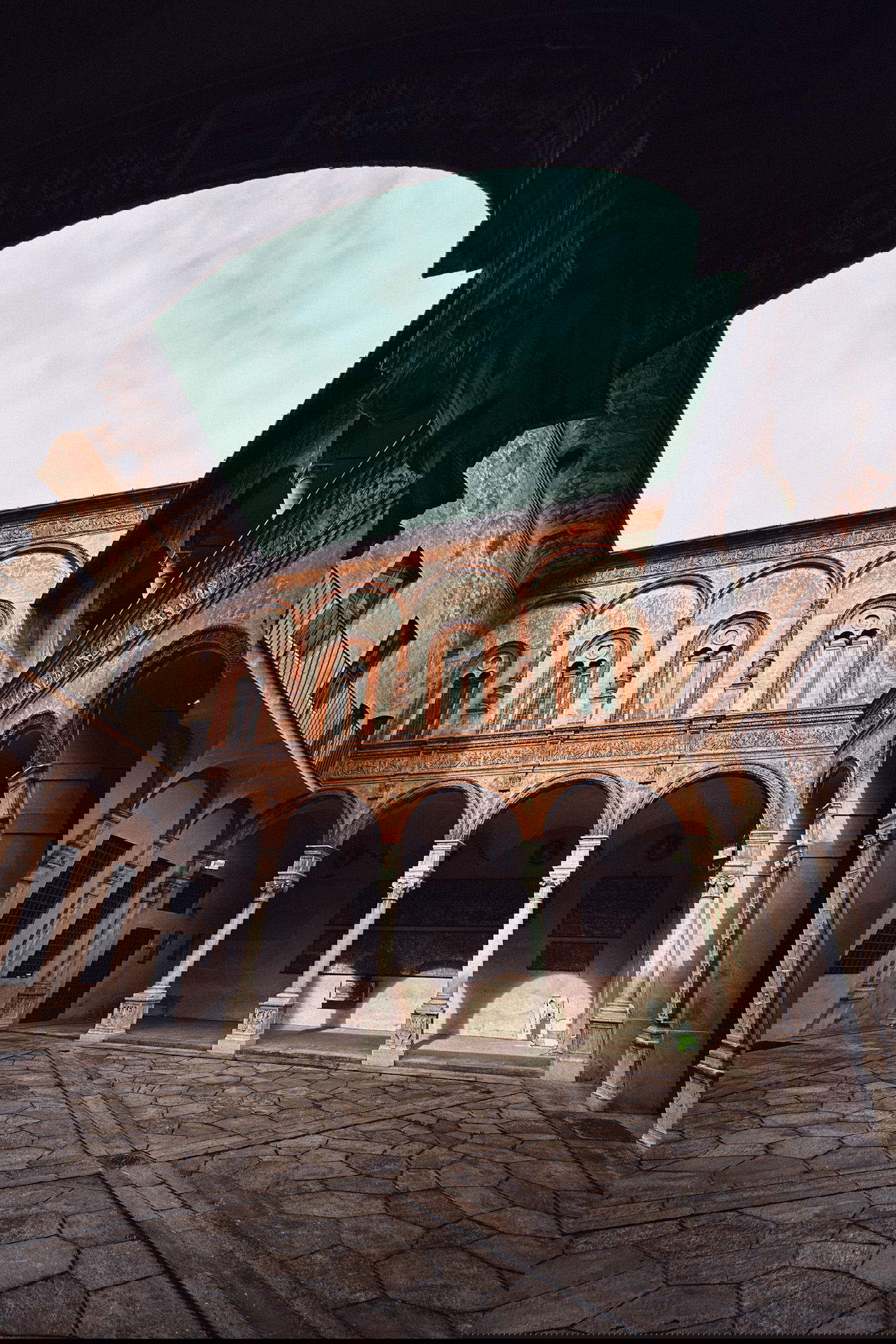
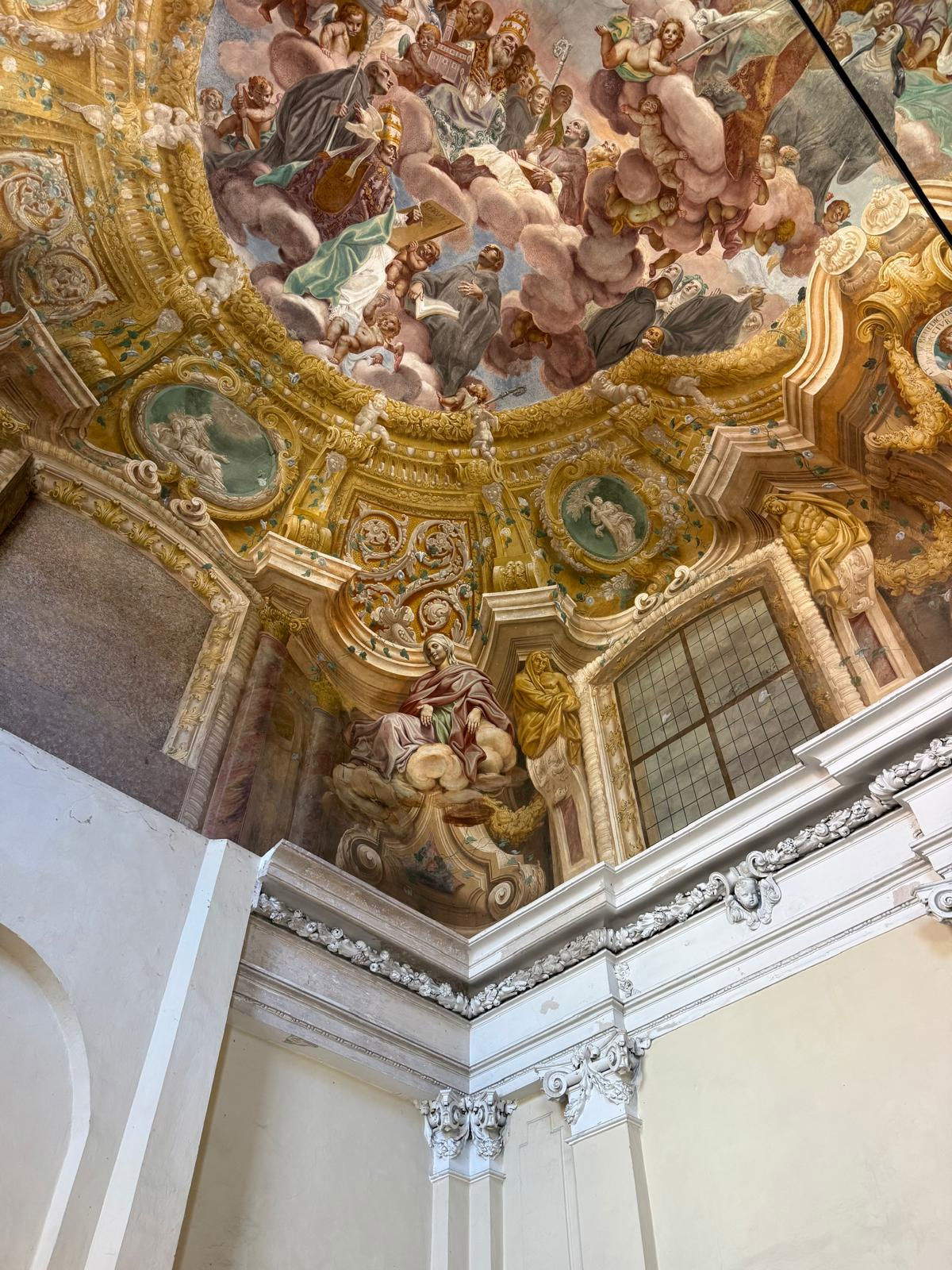
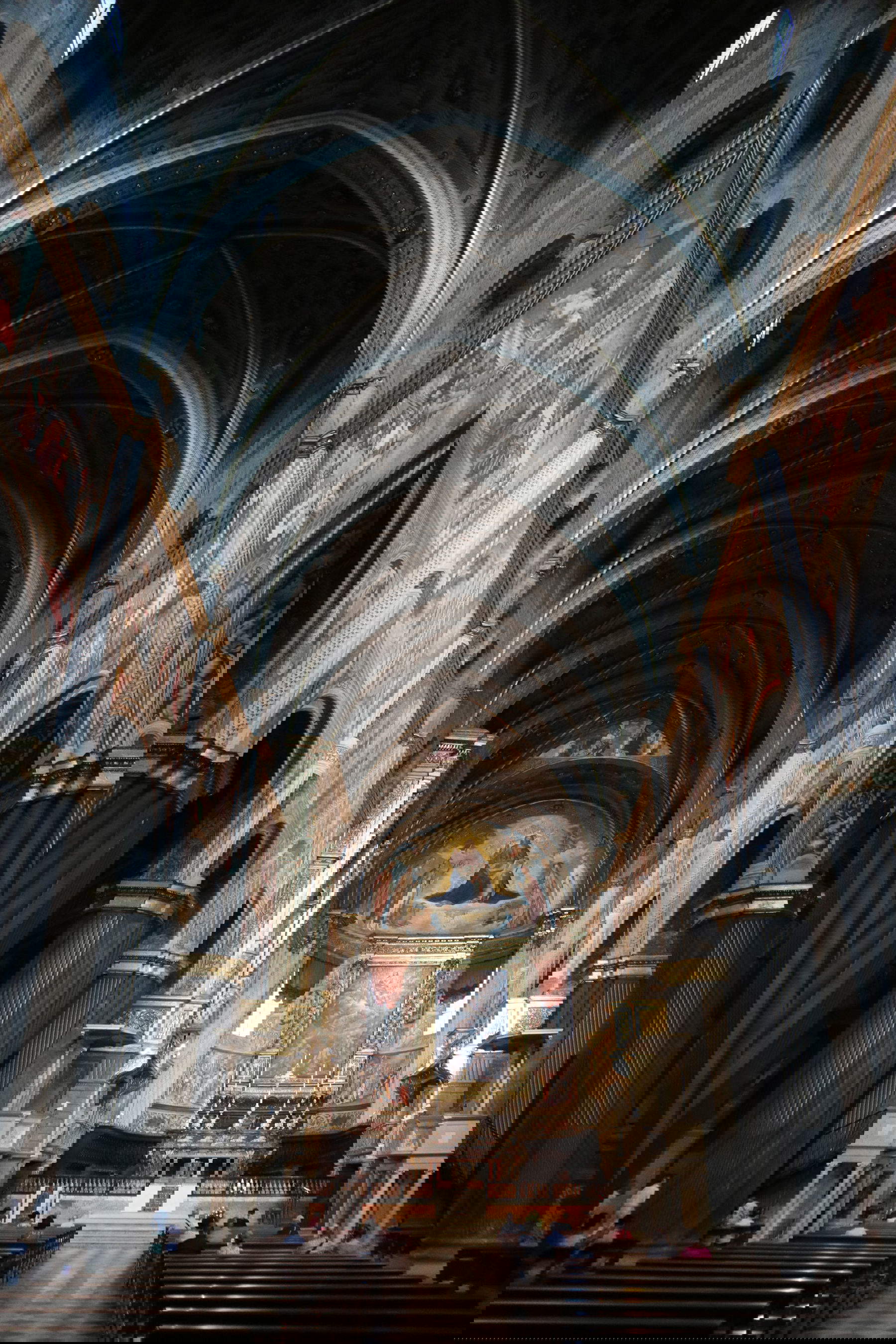
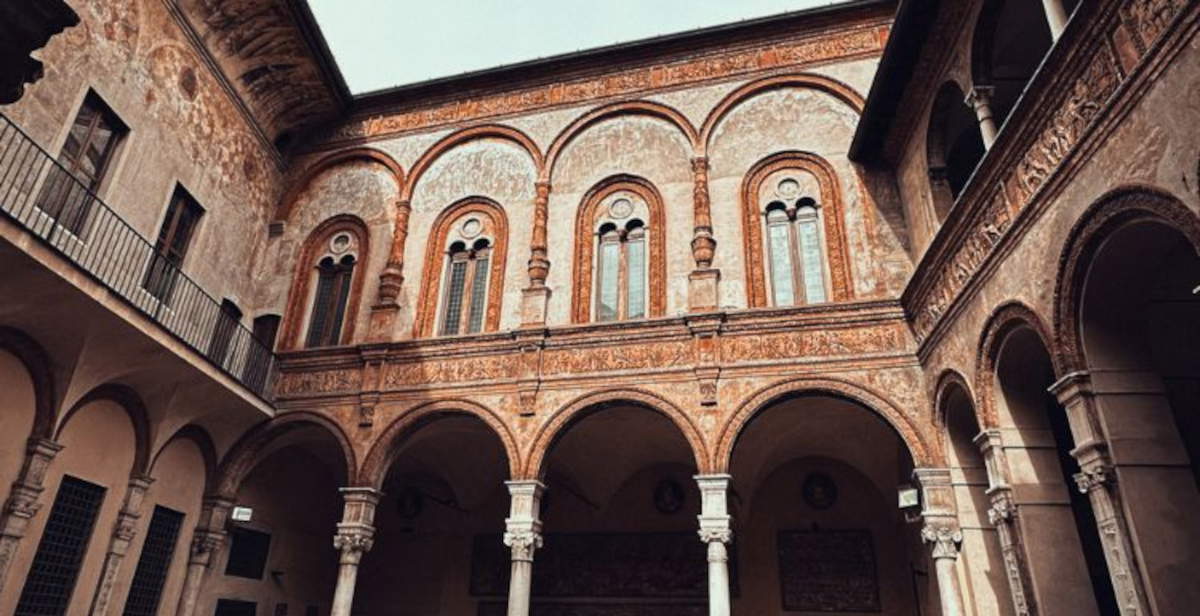
The exhibition project is developed through a diffuse system involving established venues and new spaces. Alongside places that are already part of the itinerary, such as Palazzo del Comune, RobolottiSei, Palazzo Fodri, FasArchitetti and Palazzo Raimondi, the exhibition expands its map to include environments that until now were not accessible or rarely open to the public. These include a bunker, the abandoned Corpus Domini monastery, a hidden theater, the Bishop’s Palace and several places of a religious nature, including the Cathedral of Santa Maria Assunta, the former Church of St. Benedict and the Church of Saints Marcellinus and Peter. The route also includes Palazzo Stanga Trecco and the Politecnico di Milano - Cremona Territorial Pole. The inclusion of these spaces introduces a layered reading of the urban fabric, which is built through a nonlinear geography. The city becomes a system of crossings, in which the relationship between works and historical architecture defines new ways of observing and interpreting the context.
Alongside the main program are the Faville projects, which articulate a series of events open to the public. The calendar includes exhibitions, talks, publishing initiatives, participatory installations and performances, with the aim of expanding the trajectories of the exhibition project and activating further levels of interaction. The initiatives include BAR Cremona, a project by Giorgio Galotti involving artists Diego Perrone and Daniele Milvio. The program also includes a collaboration between Flavio Favelli, Agata Ferrari Bravo and Thomas Michael Saccuman, who present work developed during a residency in Puglia. The exhibition also hosts a group show dedicated to Italian academies, with the involvement of the Bergamo Polytechnic of the Arts, curated by Nicola Ricciardi, in the venues of Palazzo Fodri and Galleria PQV. The presence of institutions, galleries and local realities contributes to an expansion of the project through the OFF Projects section, which has been active for two editions.
 |
| Cremona Contemporanea 2026: Gio' Pomodoro at the center of the fourth edition |
Warning: the translation into English of the original Italian article was created using automatic tools. We undertake to review all articles, but we do not guarantee the total absence of inaccuracies in the translation due to the program. You can find the original by clicking on the ITA button. If you find any mistake,please contact us.