




by Redazione 24/03/2026



Categories: Contemporary art / Disclaimer
From March 20 to July 17, 2026 Dahn Vo, one of the world's leading contemporary artists, is on view at the Nicola Del Roscio Foundation in a project that weaves together plants, memory and contemporary practices.
An exhibition dedicated to Danh Vo (Bà Rịa, 1975), among the most influential voices on the international contemporary art scene, opened in Rome in the spaces of the Nicola Del Roscio Foundation. The exhibition, which can be visited until July 17 with free admission, was the brainchild of Diego Cassina and developed as a dialogue between the artist and Nicola Del Roscio, president of the foundation, around a shared theme: the plant world.
The project takes shape from a convergence of interests that, although coming from different paths, find in plants a common ground for reflection. On the one hand, Danh Vo’s artistic research, which in recent years has increasingly deeply integrated natural elements into his work; on the other, Nicola Del Roscio’s personal and cultural connection with botany, an integral part of his worldview and his approach to art. The exhibition thus takes the form of an open conversation, in which plants are not simply decorative elements, but become conceptual devices capable of activating complex meanings.
Danh Vo’s practice is distinguished by the use of installations, sculptures and site-specific interventions through which the artist interweaves personal and collective history. Over time, his work has taken on an increasingly layered dimension, in which memory, identity and geopolitical dynamics are intertwined with materials and symbols. The relationship with the plant kingdom represents one of the most recent and significant developments in his research.


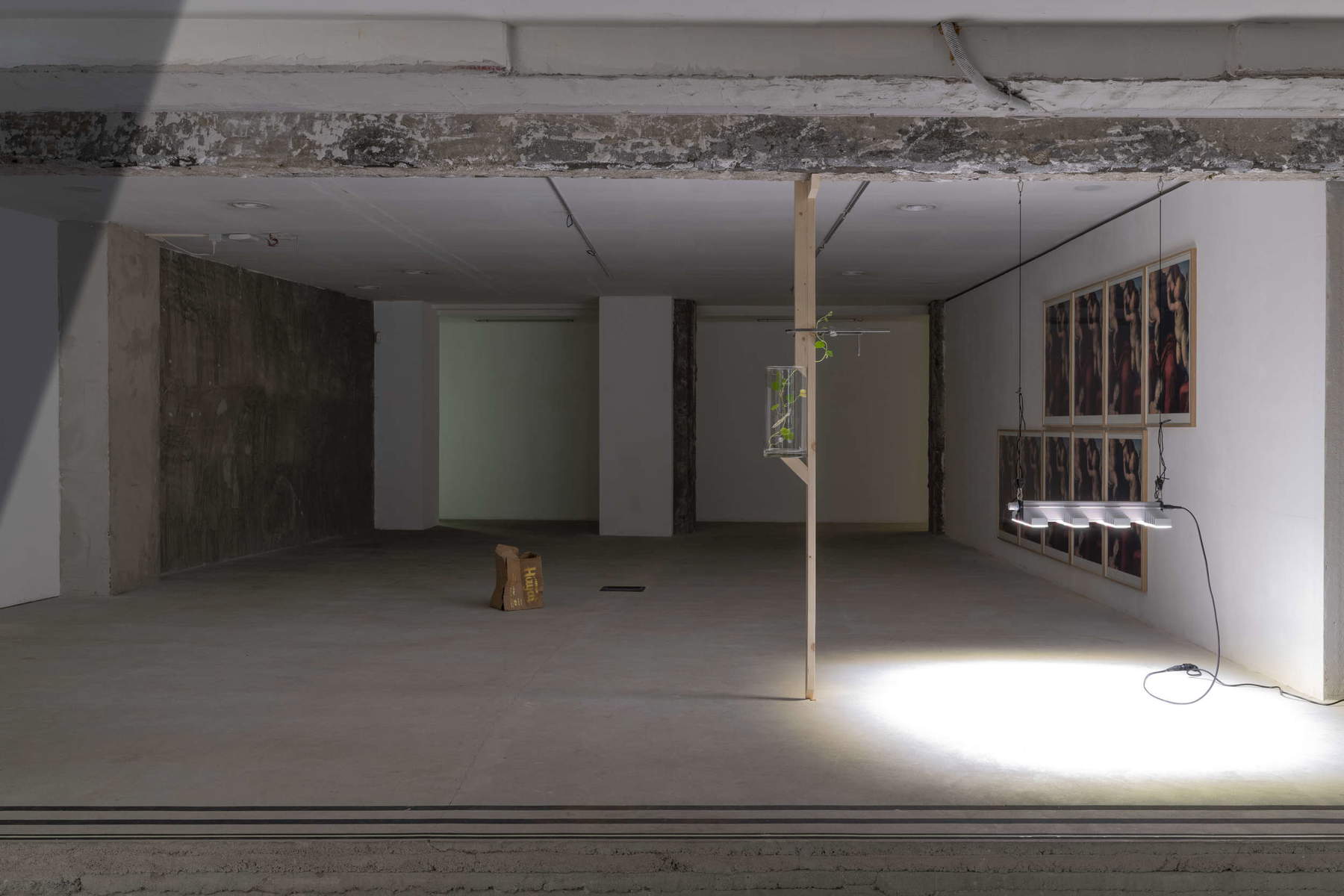
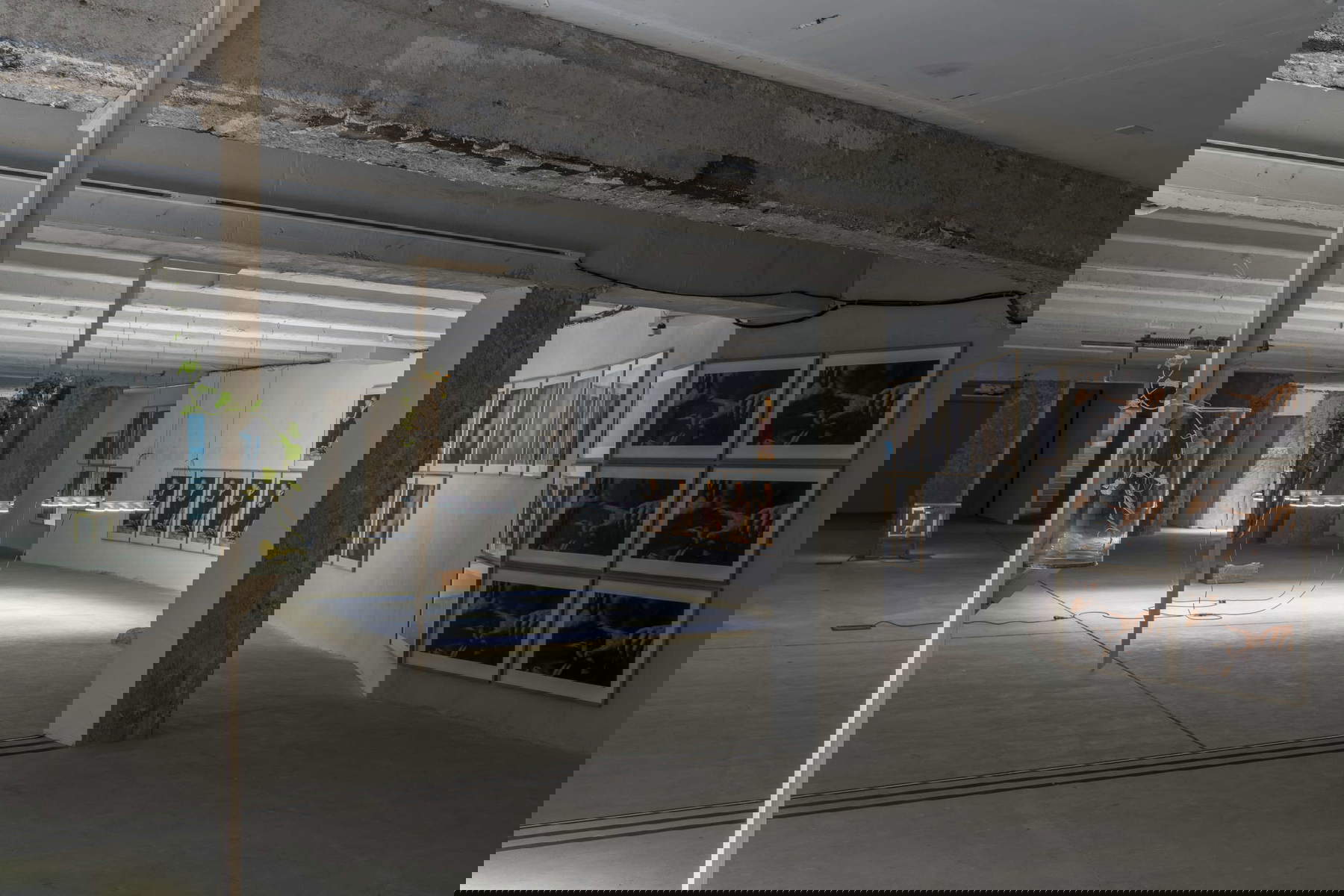
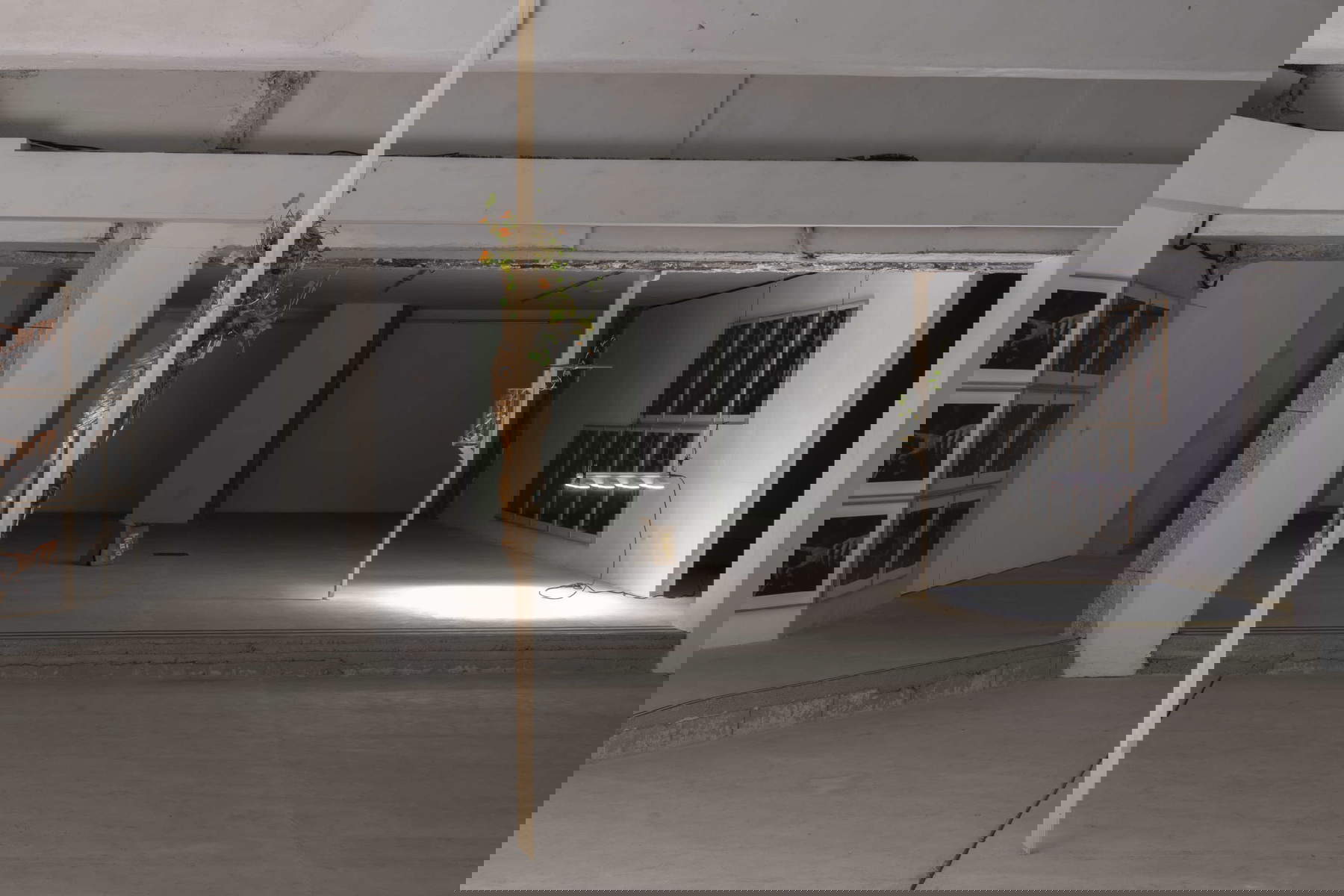
This interest also matured through direct experiences. On the one hand, the gardens of his Güldenhof farm, north of Berlin, characterized by spontaneous growth and an almost domestic dimension to the landscape; on the other hand, his relationship with a Vietnamese-German family that runs a flower store below his apartment in the city. Two different but complementary contexts offered the artist a broad perspective on the world of plants, from flowers grown for the commercial market to those that grow freely.
In this framework, flowers take a central role and are interpreted as living presences charged with meaning. For Vo, they are not limited to being ornamental elements, but become bearers of stories, memory and culture. They can evoke gestures of care, love and participation, but also refer to the economic dimension of production and distribution, to the point of reflecting the traces of a colonial past inscribed in agricultural practices and the global circulation of species.
Within the exhibition, plants are integrated into the exhibition designs as active elements, capable of establishing a direct relationship with the audience. This is not a simple scenic arrangement, but a presence that alters the perception of space and invites reflection on time, growth and responsibility towards the natural world.
In parallel, Nicola Del Roscio’s contribution is rooted in a long personal experience related to botany. In Gaeta, Del Roscio has in fact created a botanical park that houses a significant collection of palms, many of them rare. These plants, collected during his travels related to cultural projects, represent not only a natural heritage, but also an archive of stories and relationships.
Palms, with their strong symbolic value and geographical spread, become in the project an element of connection between different contexts. As in Vo’s work, the plants take on a biographical and social dimension, while opening up to a broader reflection. Nature thus appears implicated in cultural and historical dynamics, sometimes even compromised, but at the same time capable of tending toward a universal dimension.
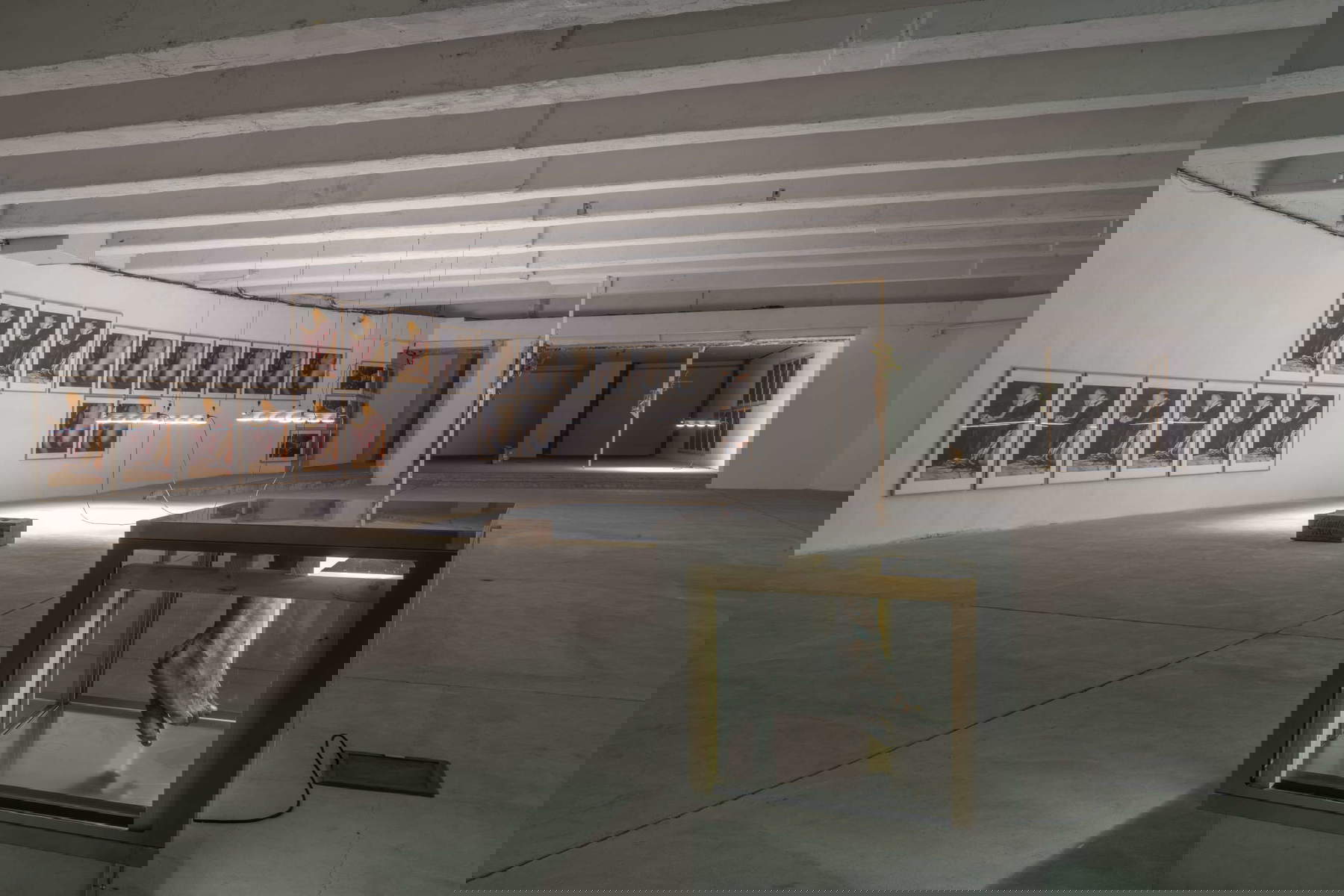
Gaeta’s botanical park is configured as a space of thought, where the slow time of plant growth is intertwined with a reflection on care, memory and the relationship between humans and the environment. This approach finds an echo in the Rome exhibition, where the natural dimension becomes an integral part of the curatorial vision.
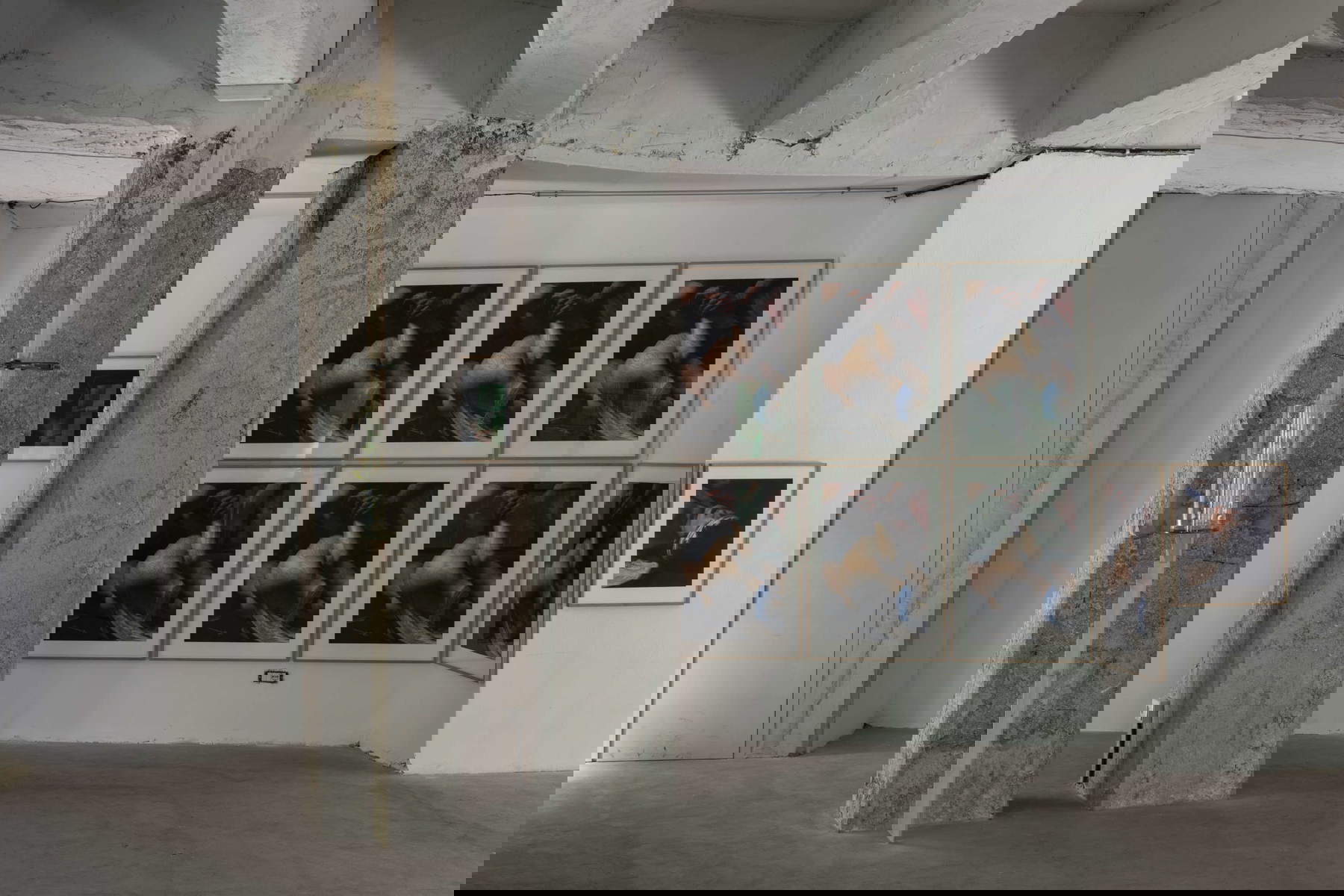
The exhibition at the Nicola Del Roscio Foundation is thus based on a series of elective affinities between artist and collector, between artistic practice and botanical sensibility. Nature runs through the works, the space and the overall project, offering the public a layered reading that holds together aesthetic dimension, critical reflection and sensory experience.
The exhibition is part of the international journey of Danh Vo, an artist born in 1975 in Bà Rịa, Vietnam, and raised in Denmark. After training at the Royal Danish Academy of Fine Arts in Copenhagen and the Städelschule in Frankfurt, Vo has built a career of international prominence, significantly influencing contemporary artistic debate.
His most recent exhibitions include a project at the Stedelijk Museum in Amsterdam in 2026, while an exhibition at the M+ Museum in Hong Kong, planned for 2024 to 2027, is underway. In 2022 he participated in an exhibition at the Fondazione Querini Stampalia in Venice with Isamu Noguchi and Park Seo-Bo, while in 2021 he exhibited at the Vienna Secession and Mudam in Luxembourg. In previous years, his work has been presented in institutions such as the Guggenheim Museum in New York, the National Gallery of Singapore, Museo Jumex in Mexico City, and Museum Ludwig in Cologne. His research has also been included in numerous group exhibitions in leading international museums and institutions, including the Centre Pompidou in Paris, the Walker Art Center in Minneapolis, the Hammer Museum in Los Angeles, and the Milan Triennale.
|
| Rome, Danh Vo on display at the Del Roscio Foundation |
Warning: the translation into English of the original Italian article was created using automatic tools. We undertake to review all articles, but we do not guarantee the total absence of inaccuracies in the translation due to the program. You can find the original by clicking on the ITA button. If you find any mistake,please contact us.