





Giuseppe De Vito gave substance to the most rigorously mathematical aspect of art collecting, and the foundation that bears his surname has, for several years now, been appropriately and devotedly carrying on his tireless, passionate project to revive 17th-century Neapolitan art, a project he launched more than fifty years ago. The exhibition this summer in Forte dei Marmi, which will continue to showcase the bulk of De Vito’s collection until the first twilight of autumn, is merely the latest chapter in a long series of initiatives, an open-ended program that the foundation, established in 2011, continues to follow and adapt to fulfill the founder’s express wish to present to the public the cultural heritage he had managed to gather and illuminate through his work. One can safely assume, however, that curator Nadia Bastogi has managed to assemble a curious two-faced machine: the public gathered at Forte Pietro Leopoldo is thus presented with an exhibition that visitors can choose to experience either as a historical sequence or as the unveiling of a scandalous fantasy. Two exhibitions, then, not just one, and one can come away from the visit with the impression that the two exhibitions are completely separate from one another—an impression so vivid that it inspires the desire to return at least once more. The arrangement of the works, in strict chronological order, certainly fosters a complacent, dutiful deference to a title (“Painting in Naples after Caravaggio”) that, on the one hand, seeks to entice the masses by capitalizing on the name of Merisi (who, as usual, serves as nothing more than a marketing ploy), and on the other hand promises a discerning journey through the history of early 17th-century Neapolitan painting—a subject, moreover, rarely explored in these parts. However, it must also be acknowledged that the shadow of a singular demiurge continually emerges from the painted surfaces—a man who, like all collectors, possessed a refined, amiable, and uninhibited spirit, as well as a love for the impossible: the second exhibition is hidden here.
De Vito would likely have appreciated the first exhibition—the one that follows the suggestions of the panels that set the pace of the visit, the exhibition that serves to bring order to his work as a cataloger of wonders— and to bring to light the most ambitious of goals for a collector of Giuseppe De Vito’s caliber—namely, to reconstruct, with consistency and the utmost rigor, a piece of art history by relying on the evidence provided by the works he managed to find on the market. On display in Forte dei Marmi are forty of the sixty-four works that form the Neapolitan core of the collection—a remarkable number considering that the collection had a specific purpose, namely to document early 17th-century Naples, and that the pieces are all of very high quality, as well as being highly representative of all the directions taken by Neapolitan painting during the period ranging, roughly, from the early Caravaggisti to Luca Giordano’s departure for Florence, with a greater focus on the central decades of the 18th century.
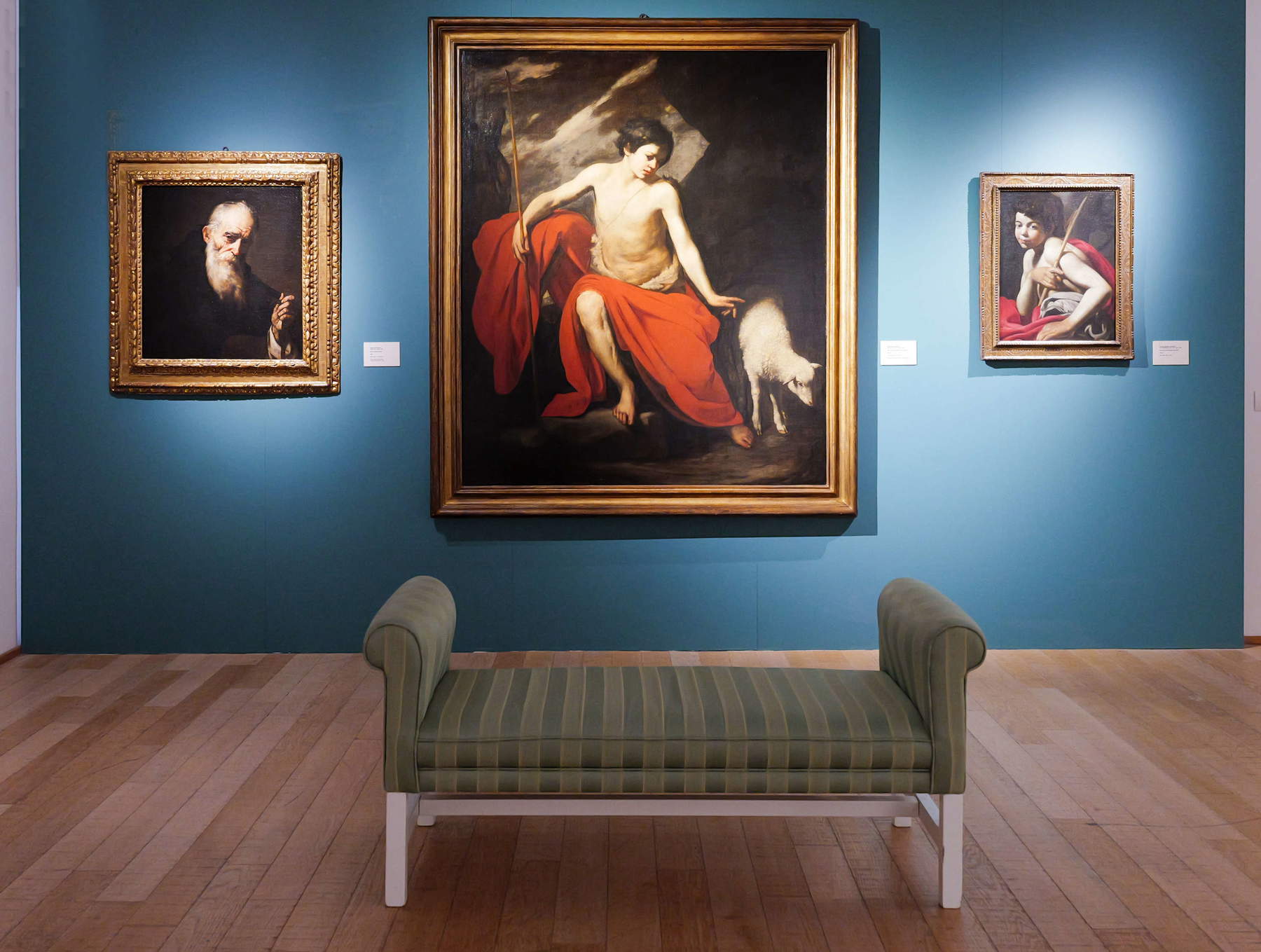
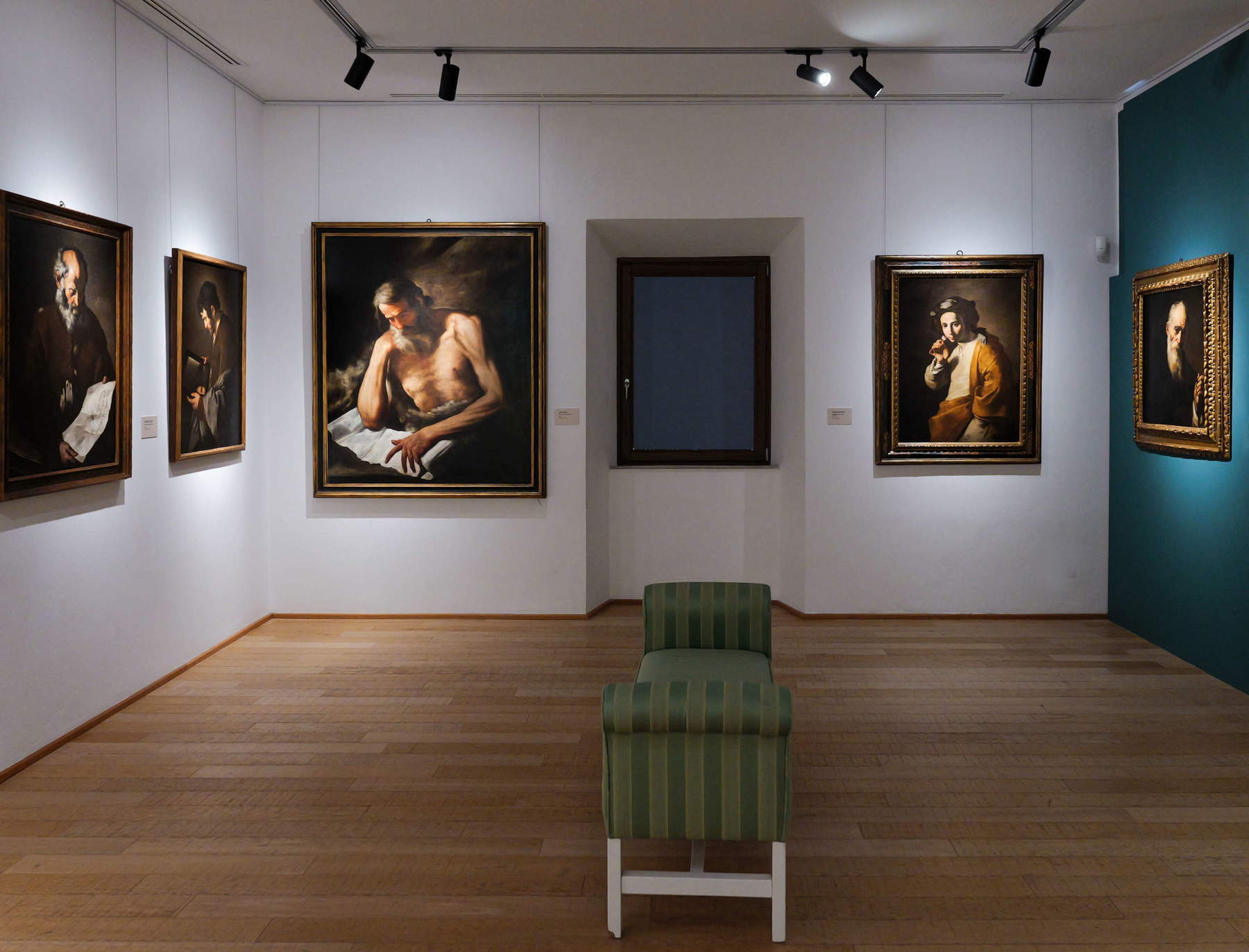
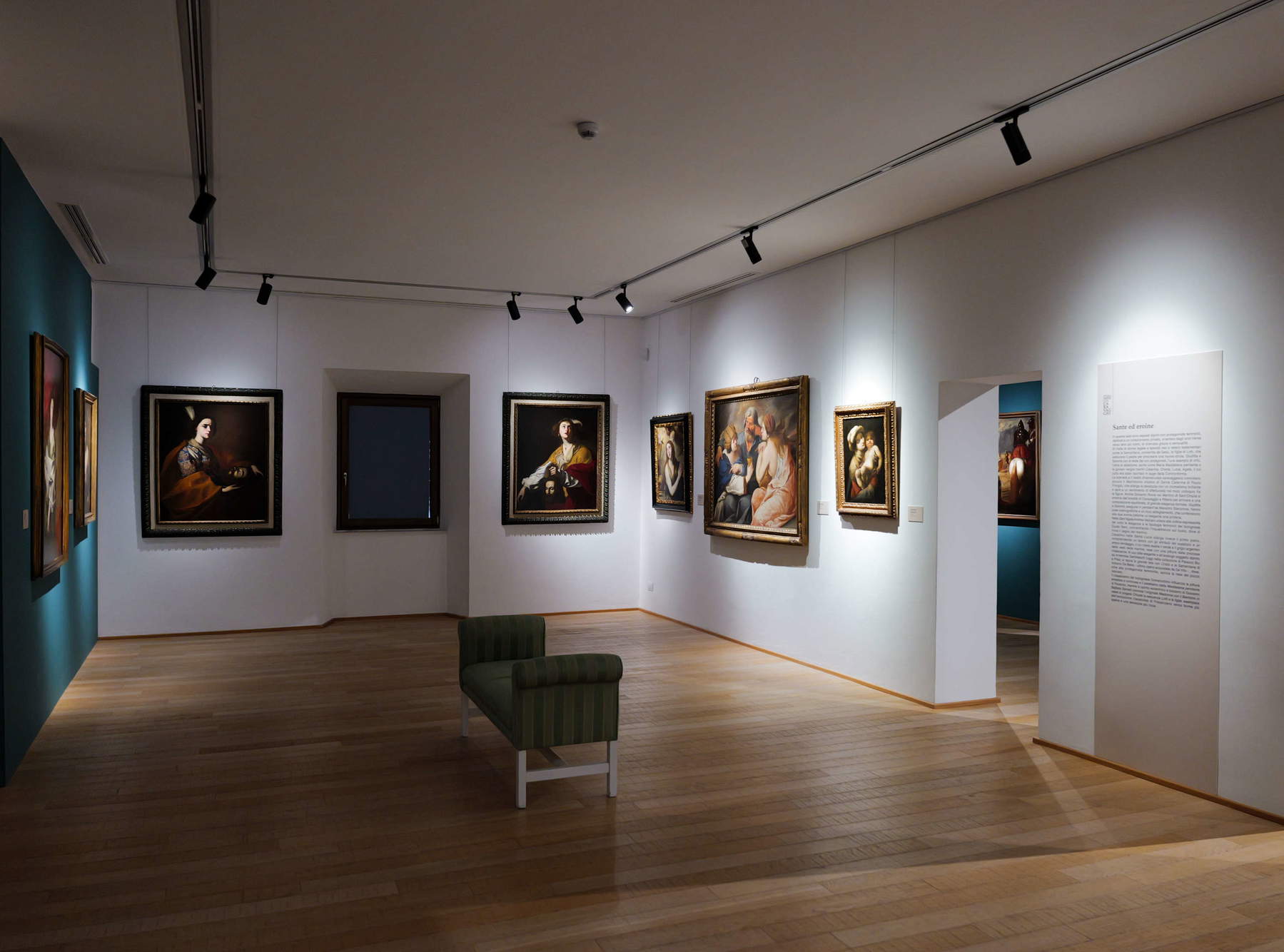
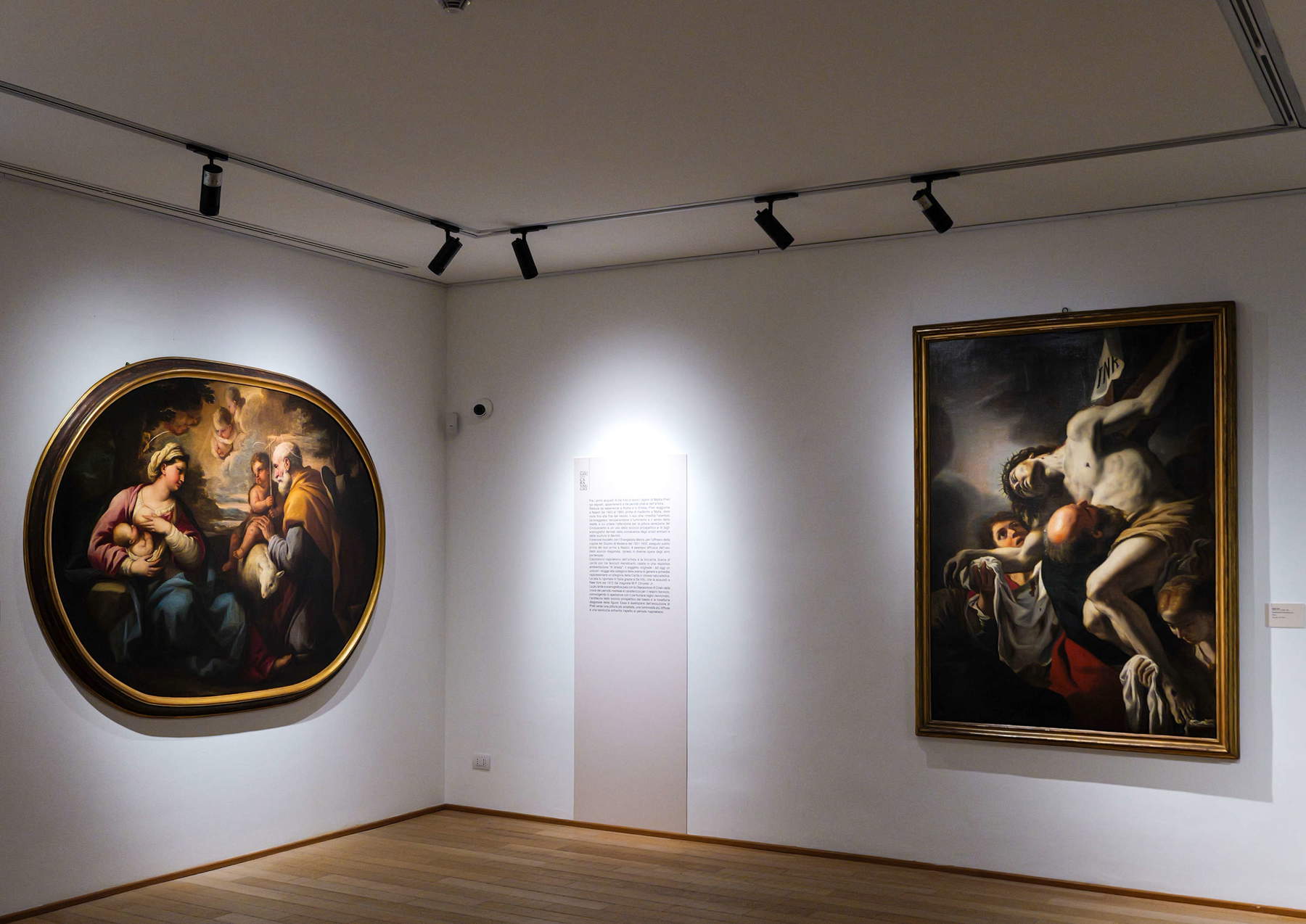
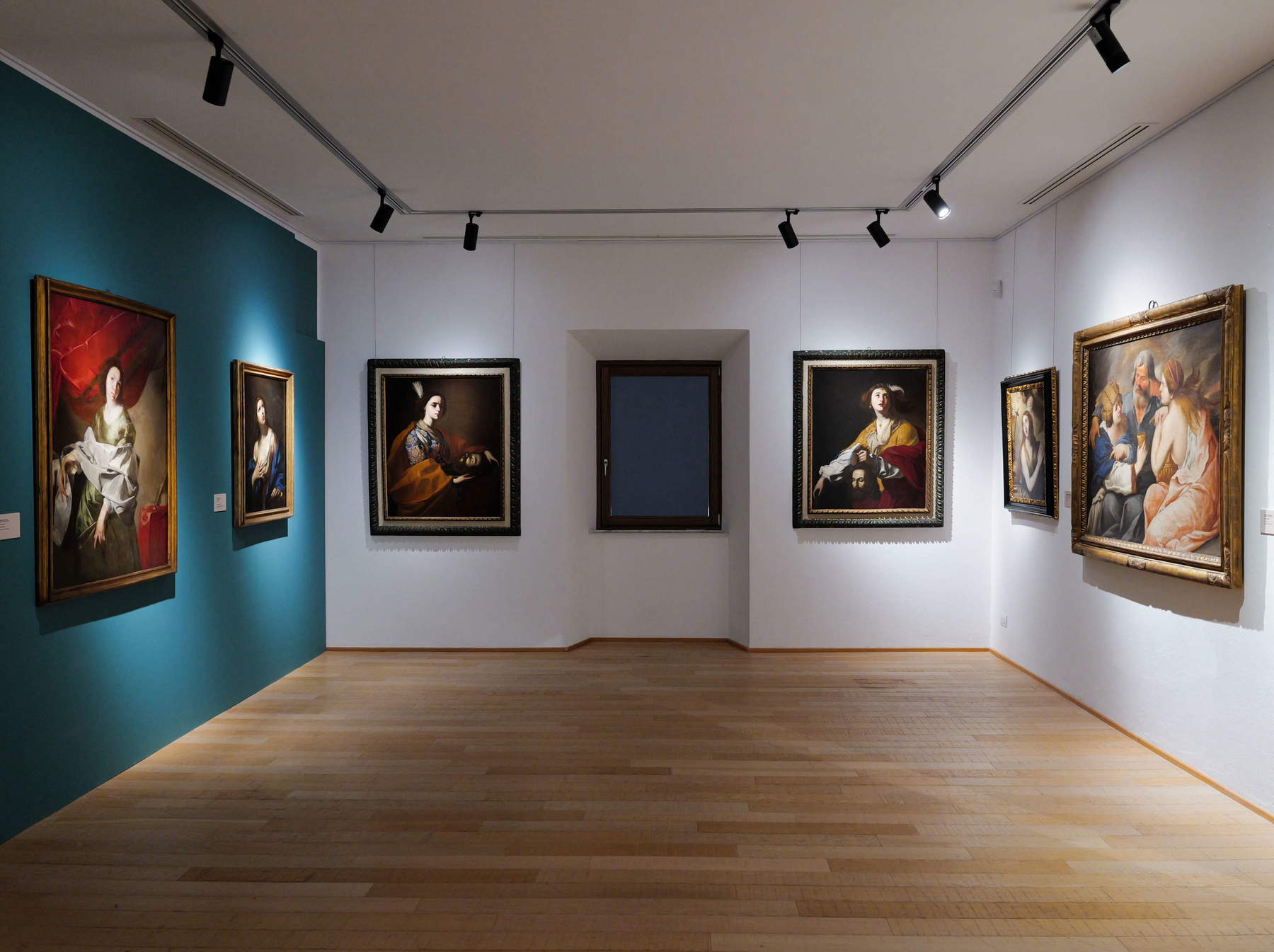
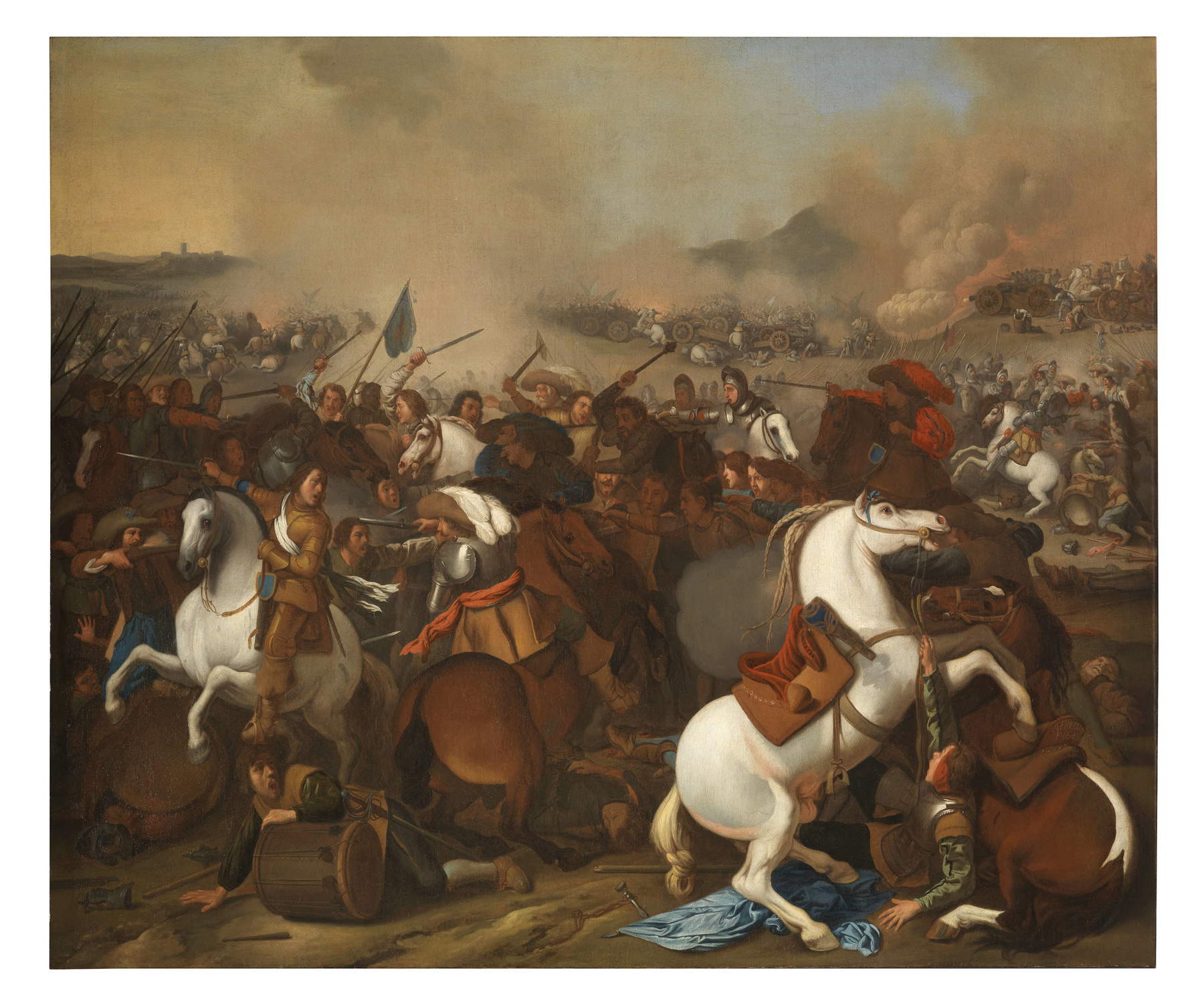
The exhibition thus proceeds in a straightforward, linear, and documentary manner, reconstructing with obsessive diligence the characteristics of a style of painting that had pursued Caravaggio, imitated him, assimilated him, and ultimately rejected him, and organizing the signs, traces, presences, and material of an artistic output that was rich and receptive, open and guarded, theatrical and raw. The section titles outline the stages of this journey: “Caravaggio’s Legacy,” “Naturalism in the First Half of the Seventeenth Century,” “The Battle Genre and ‘Small-Scale Figure’ Painting,” “Saints and Heroines,” “Naturalism and Classicism. Opening Up to New Influences,” “The Triumph of Still Life,” “Toward the Baroque: Mattia Preti and Luca Giordano.” It is a sort of small compendium, certainly skewed toward works of naturalist culture, as the curator herself acknowledges in her essay, yet also open to less somber artistic languages. The exhibition’s structure is, broadly speaking, what one would expect from a small exhibition on 17th-century Naples, and this is certainly the best compliment one can pay to someone who, for half her life, has pursued the dream of curating an art gallery on the walls of her own home with the intention, one day, to share with the public her personal encyclopedia brimming with Caravaggisti, still-life painters, proto-Baroque artists, masters, and anonymous artists. The curatorial approach is highly intelligent and ideally suited to establishing a sort of kinship with museums—those institutions whose mandate is to preserve, catalog, and classify: thus, the exhibition opens with a *San Giovannino* by Battistello Caracciolo, the most faithful of the Caravaggisti in the collection, complete with a subject borrowed from his mentor (and the same can be said of Massimo Stanzione, represented here by a *St. John the Baptist in the Desert* to illustrate how his Caravaggism combines—as Bastogi notes— “classical allusions, elegance of gesture, and an expressive softness borrowed from examples by Guido Reni seen in Rome”), continues with the indispensable José de Ribera (his somber Saint Anthony the Abbot evokes those gaunt, haggard, emaciated philosophers who are perhaps the most authentic product of the early seventeenth-century Neapolitan school), and closes the first section with the Master of the Annunciation to the Shepherds, an artist whom De Vito loved with a love that was reciprocated and of whom he was a distinguished scholar.
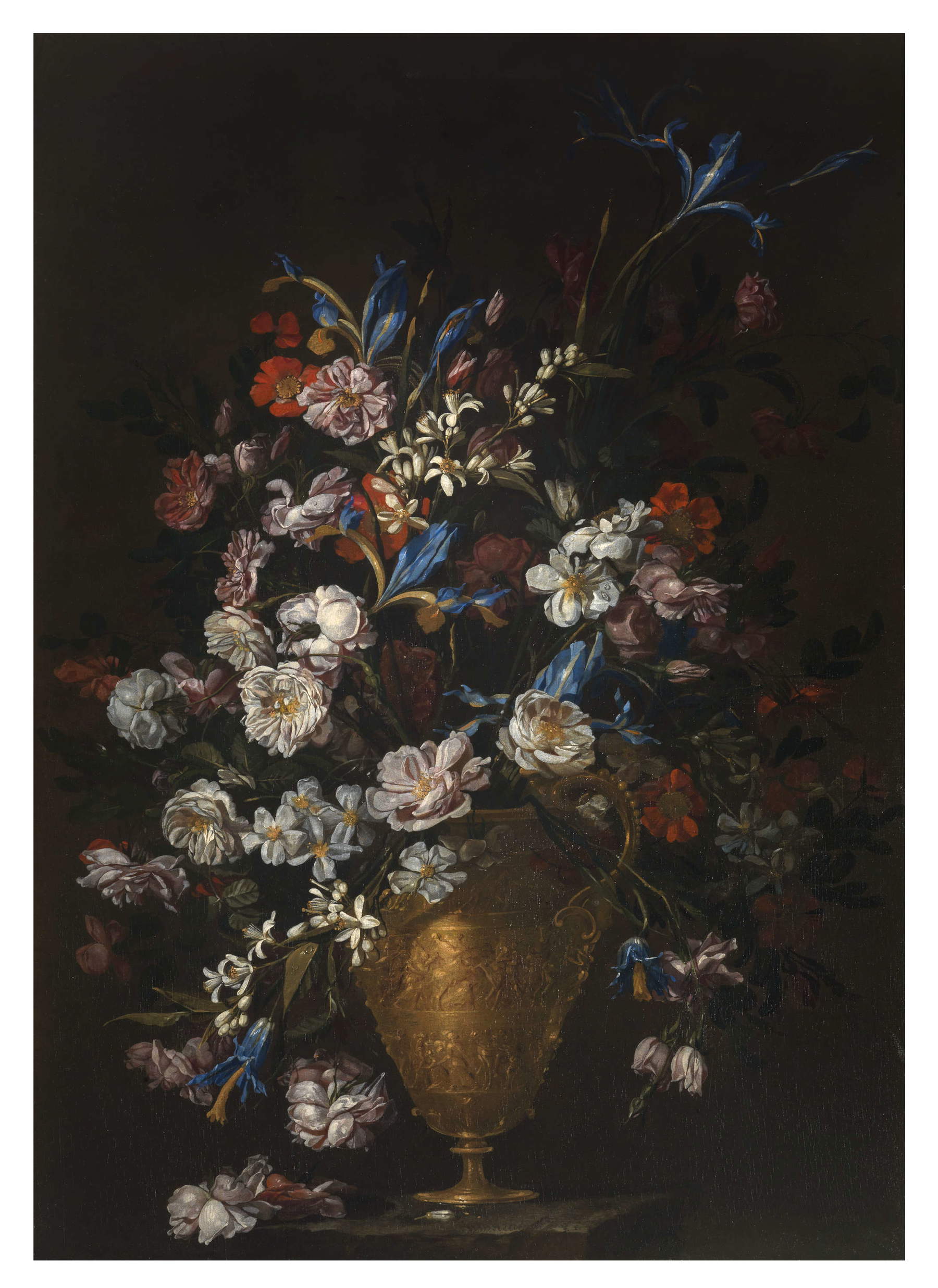
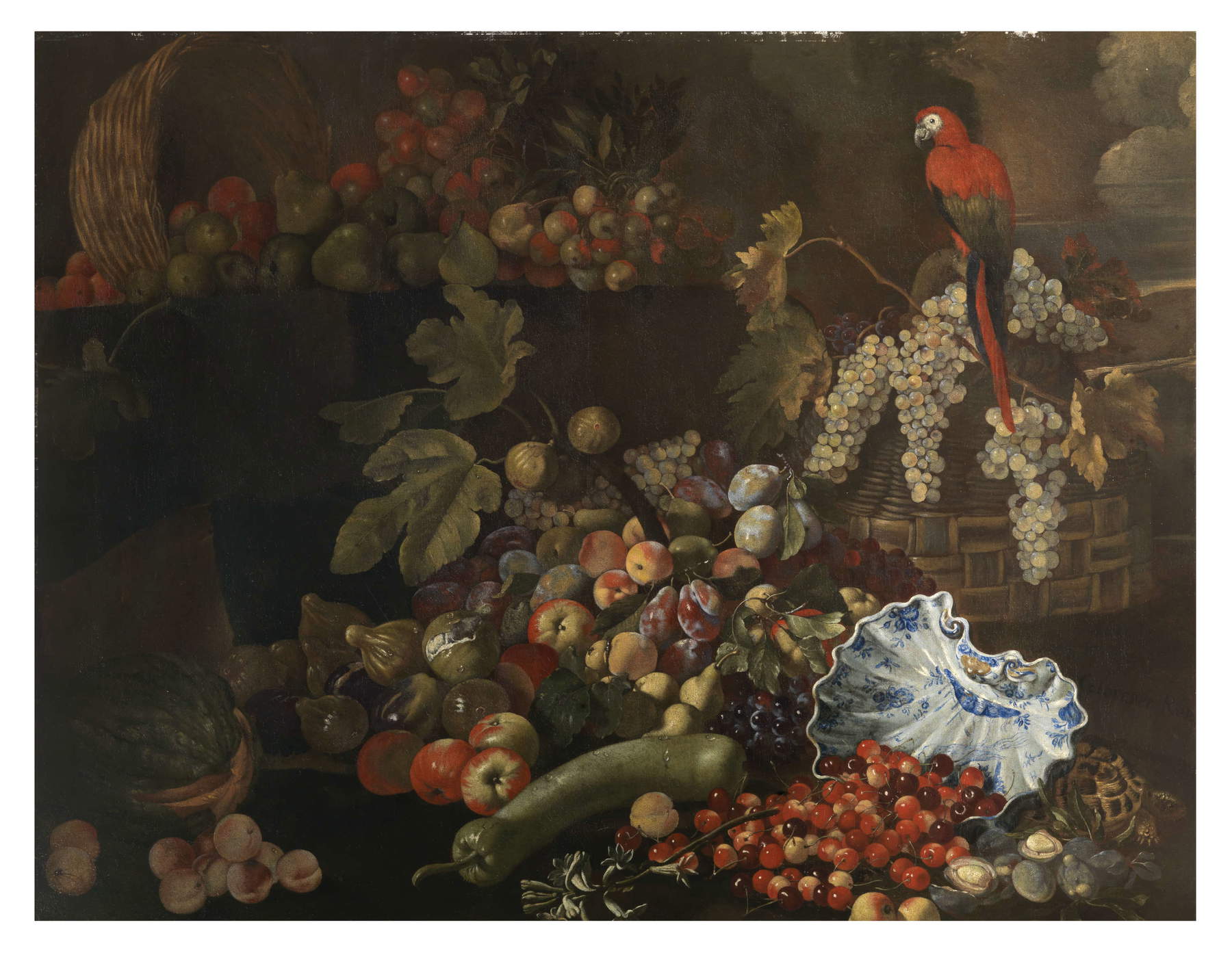
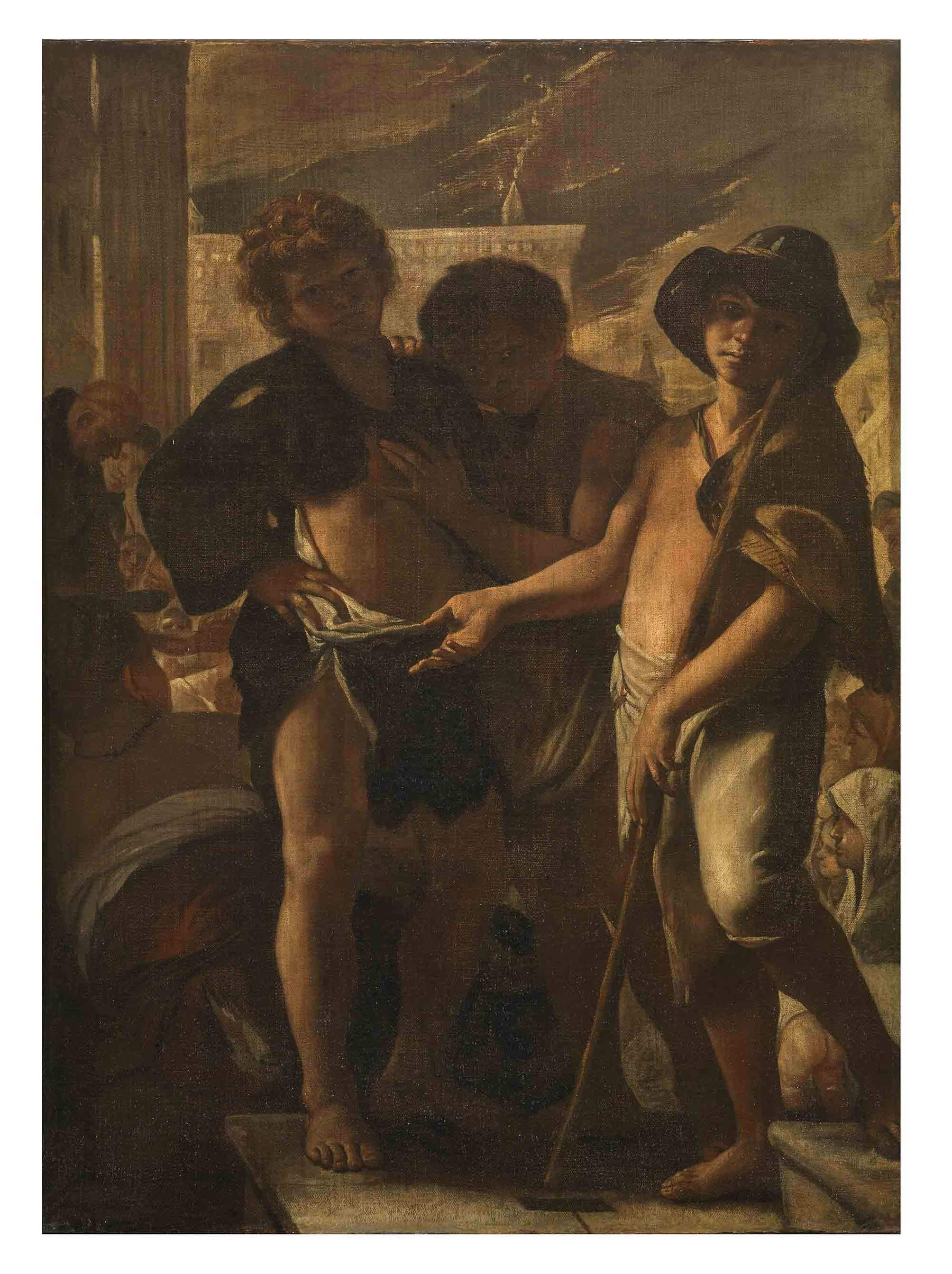
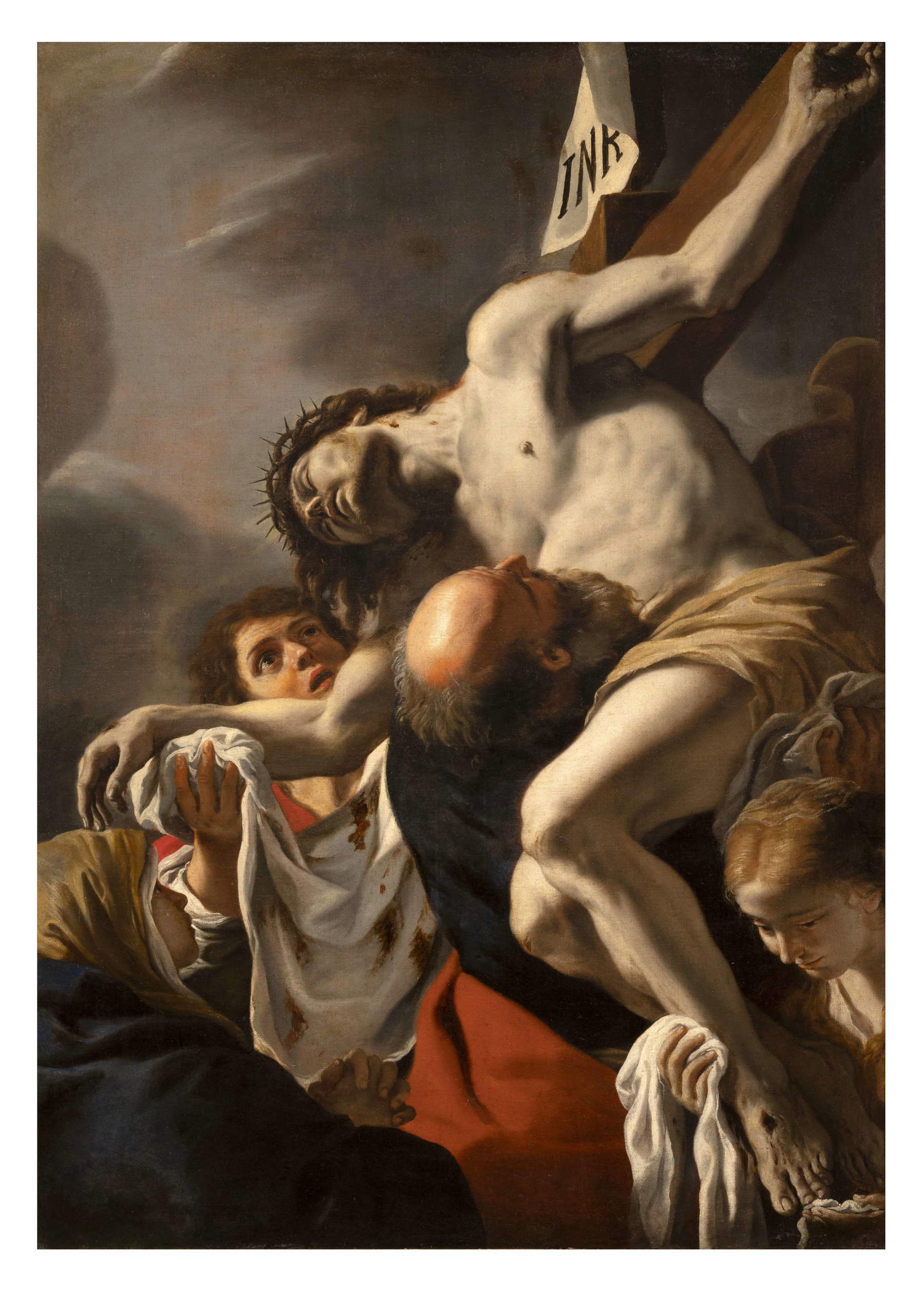
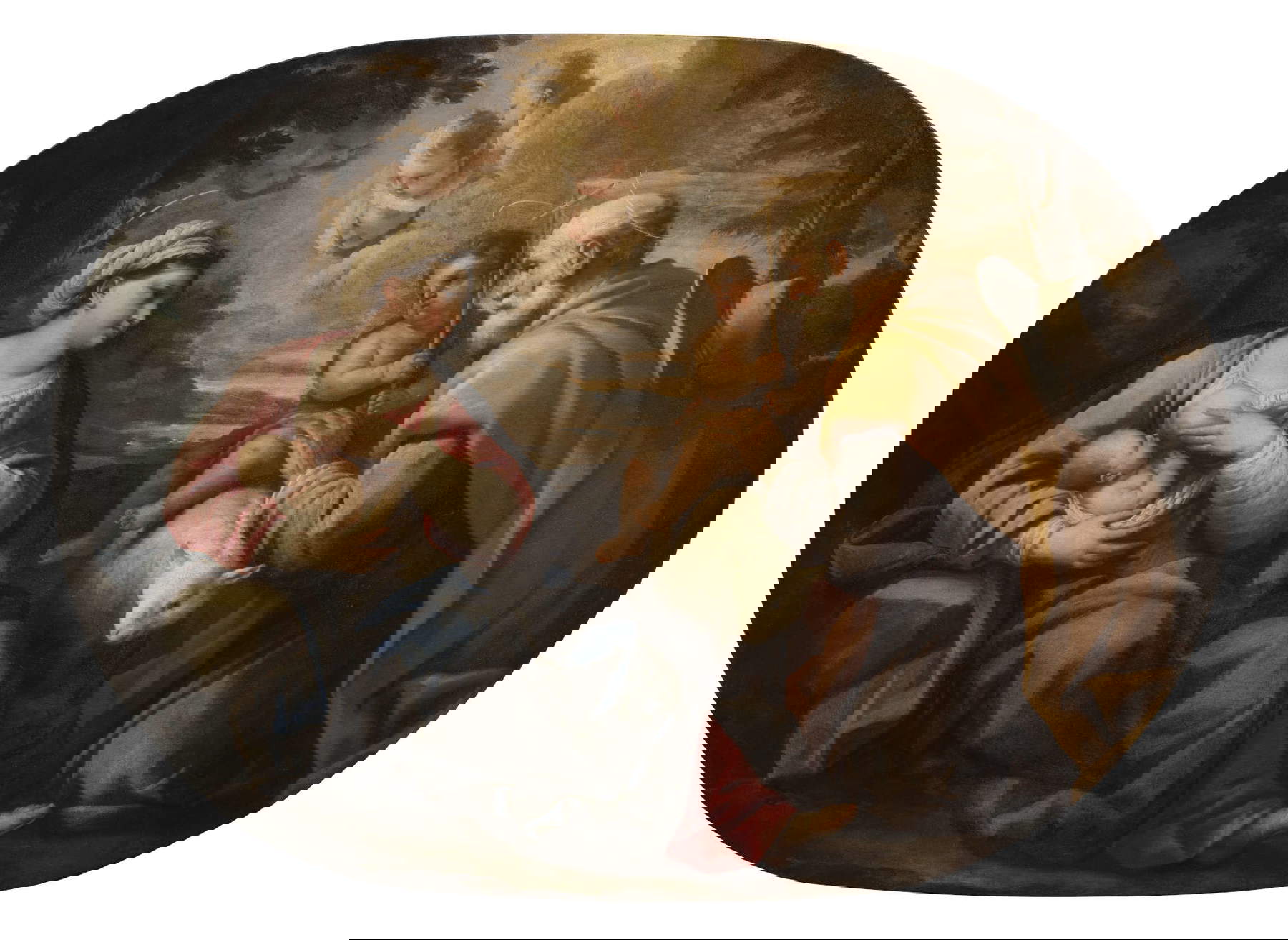
The core sections of the collection focus on those painters who tempered the naturalism of the early Caravaggisti by infusing it with the crystalline classicism of the Bolognese (Antonio De Bellis’s *Samaritan Woman* is almost a reference to Annibale Carracci’s painting of the same subject, now in the Pinacoteca di Brera, but the same could be said of Stanzione’s *Salome* and *Judith* , which almost echo Guido Reni’s *Davids*), at times the neo-Venetian elegance (Giovanni Ricca’s composed *Martyrdom of Saint Ursula* ), and at other times the sensual grace of Rubens and Van Dyck (Bernardo Cavallino’s *Saint Lucy* ). Once past certain thematic sections—above all those dedicated to battle scenes and still lifes (Giuseppe De Vito’s collection is particularly well-documented when it comes to still lifes)—one reaches the apotheosis with the masterpieces of Mattia Preti and Luca Giordano:from Mattia Preti’s unique *Scene of Charity with Three Begging Children* to his *Deposition from the Cross*, which demonstrates the Calabrian painter’s full embrace of the Baroque style, and on to the early works of Luca Giordano, above all the great *Rest on the Flight into Egypt*, a work from his mature period, painted shortly before his move to Florence, which stands out “for the calm and harmonious originality of its conception,” writes Bastogi, and for its “composition, of measured classicist inspiration,” which “offers a more restrained interpretation of the evident Cortonesque references that characterize Giordano’s mature style,” already imbued with Roman classicism and neo-Venetian accents.
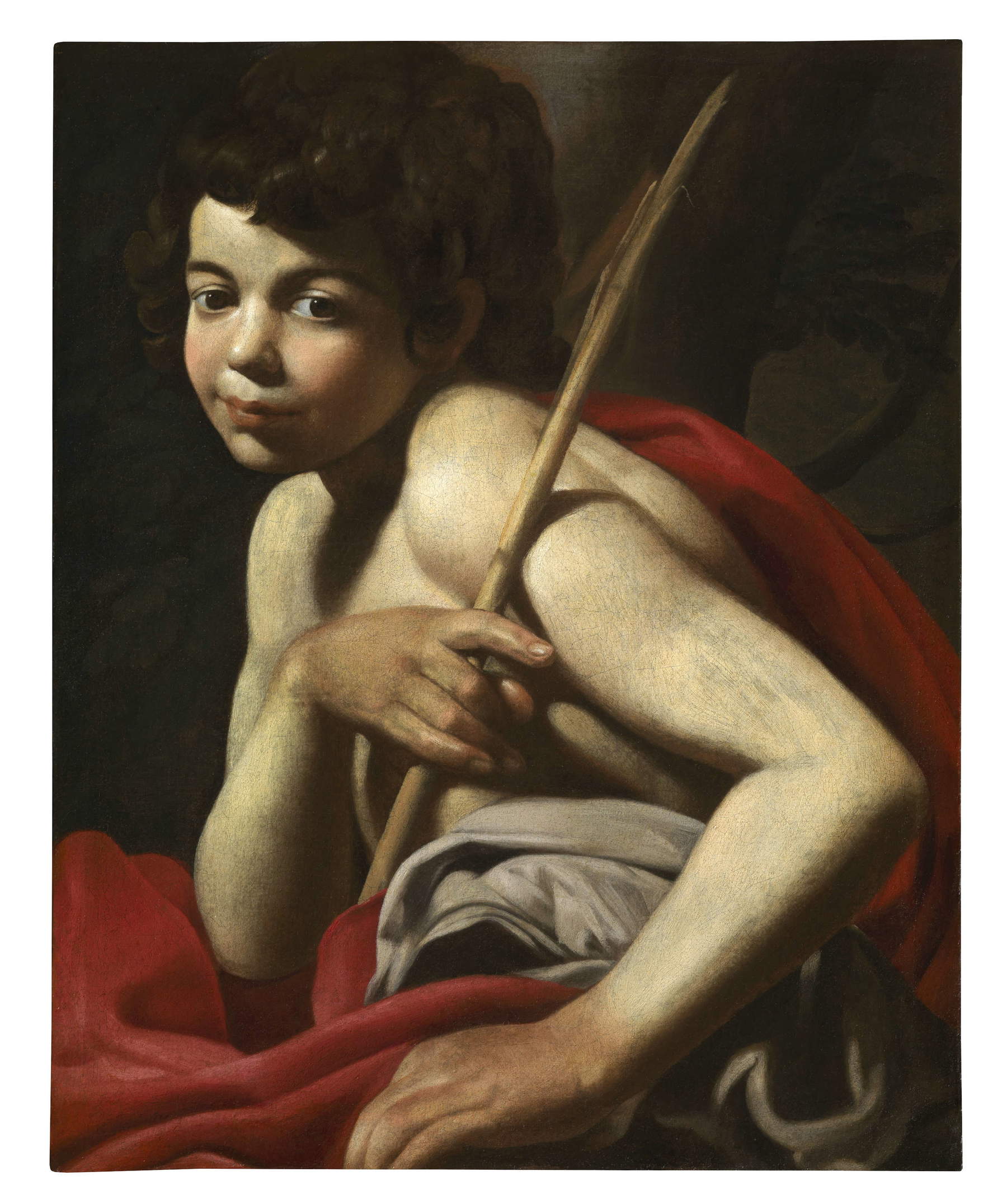
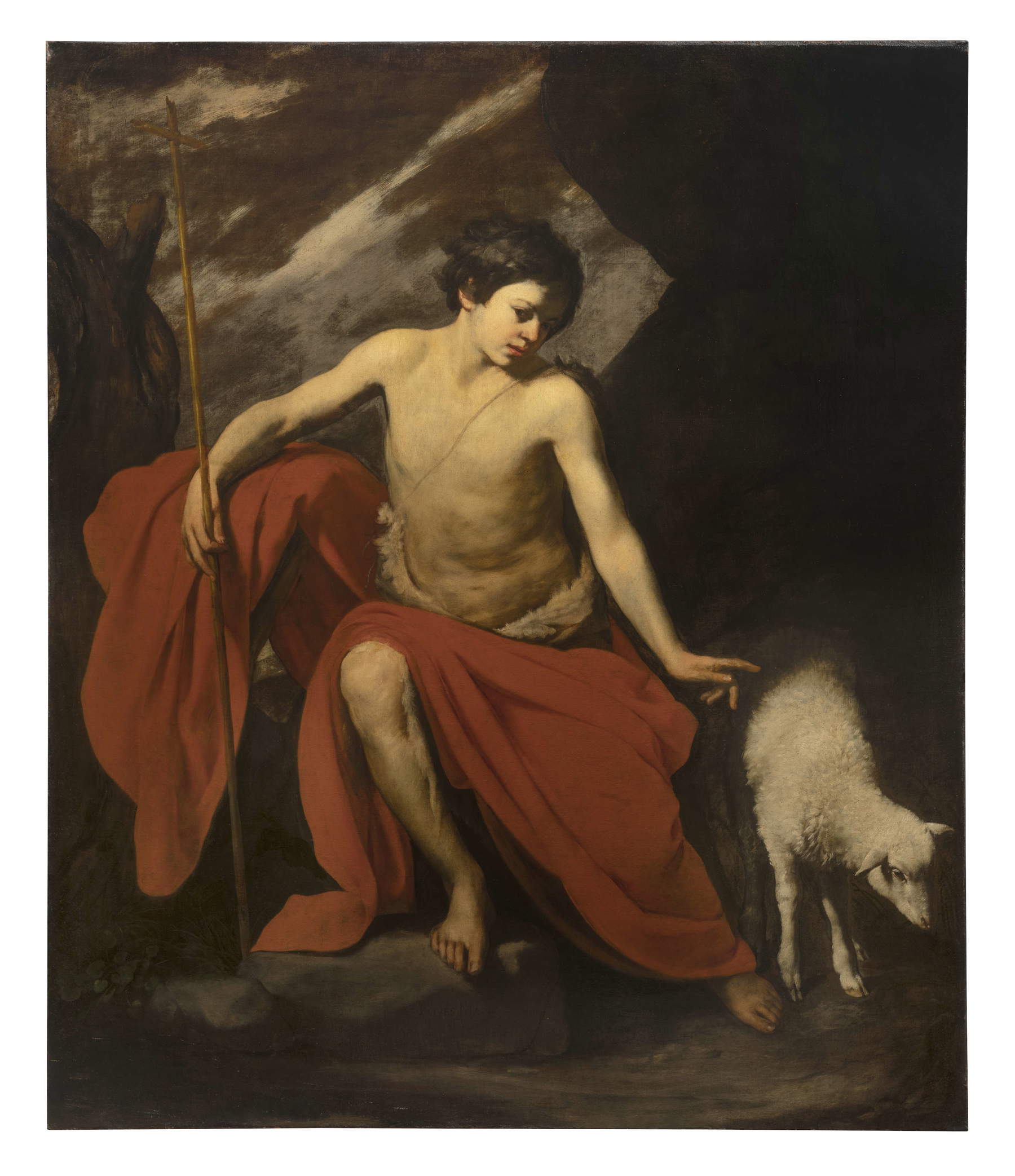
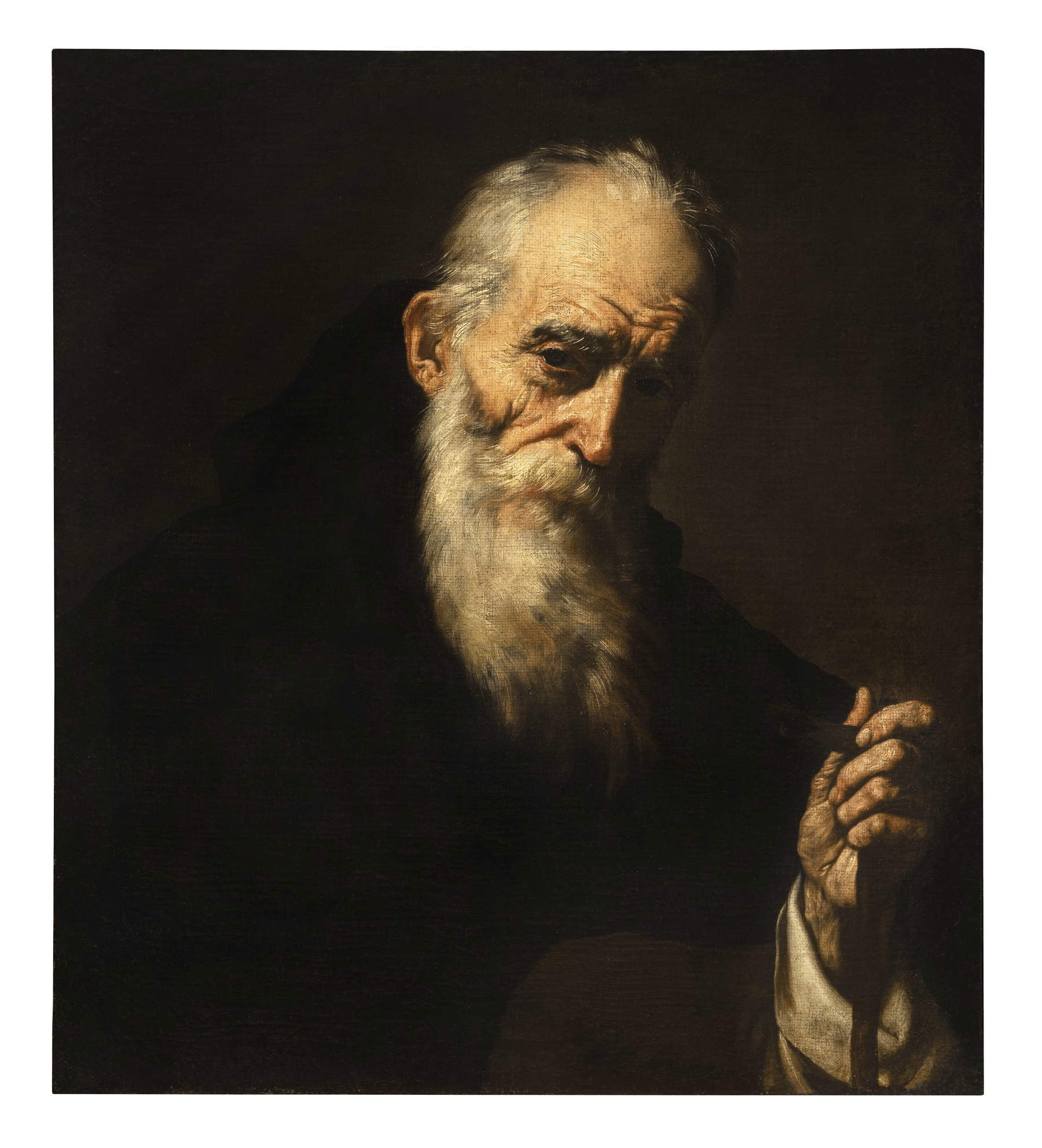
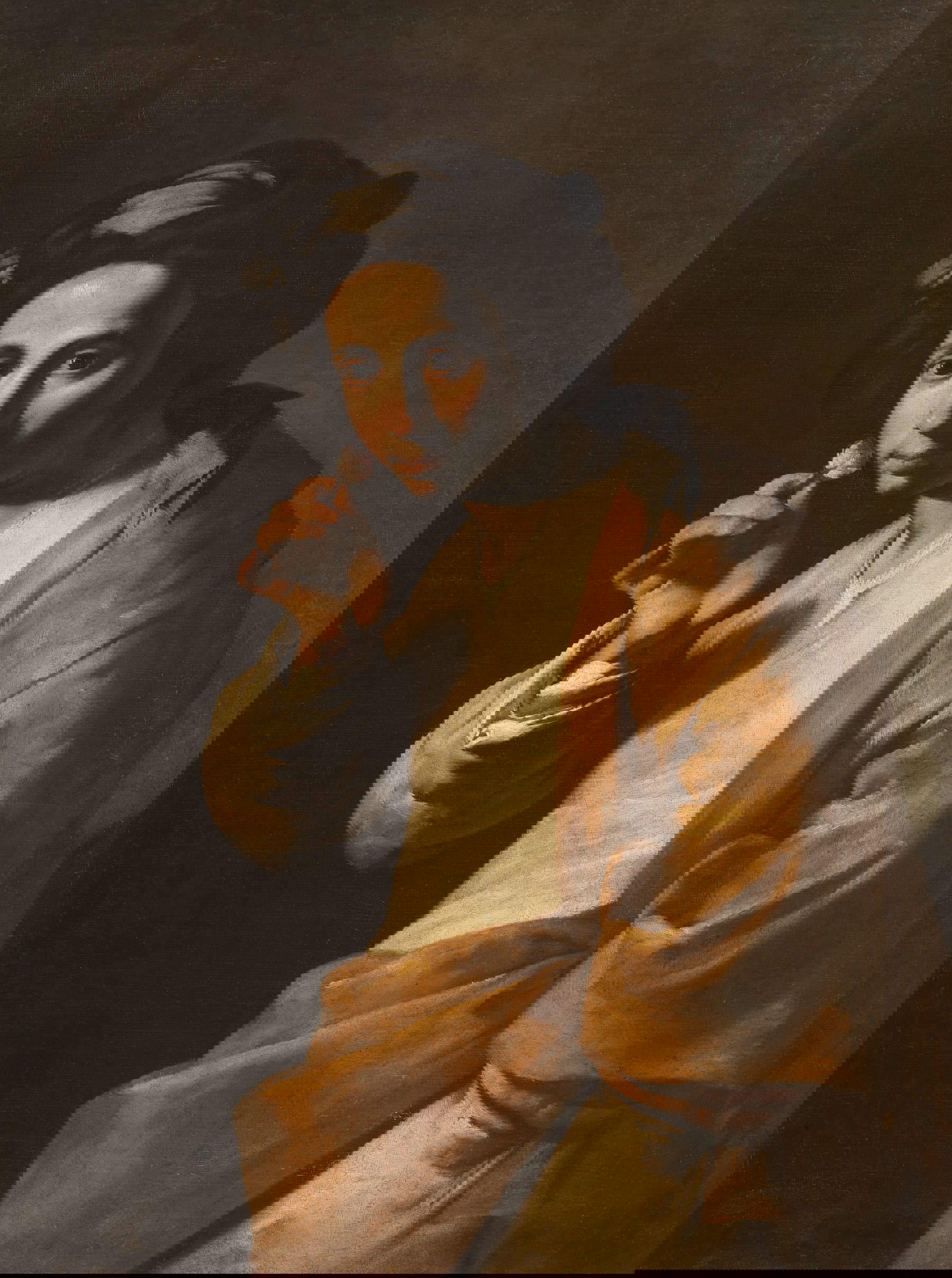
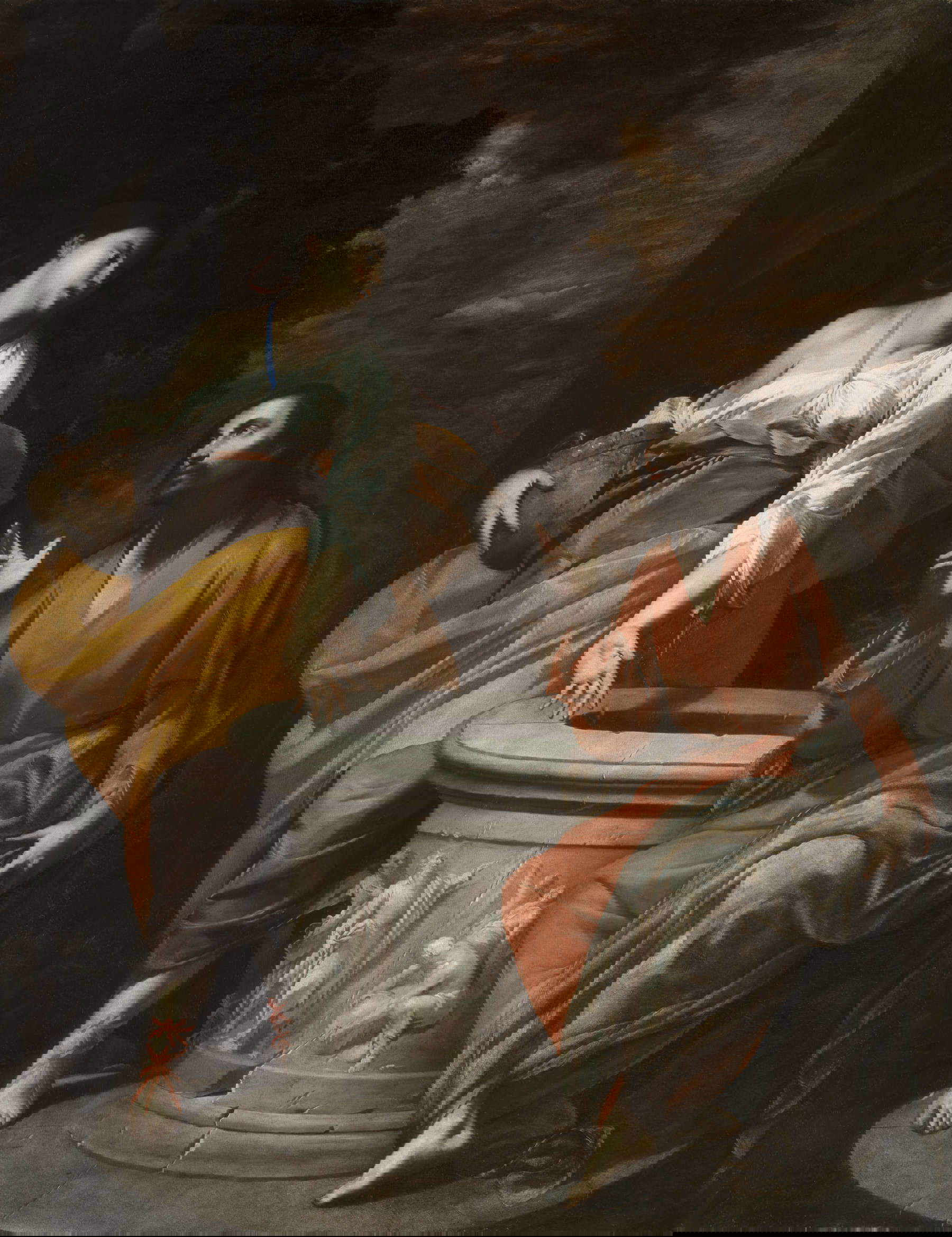
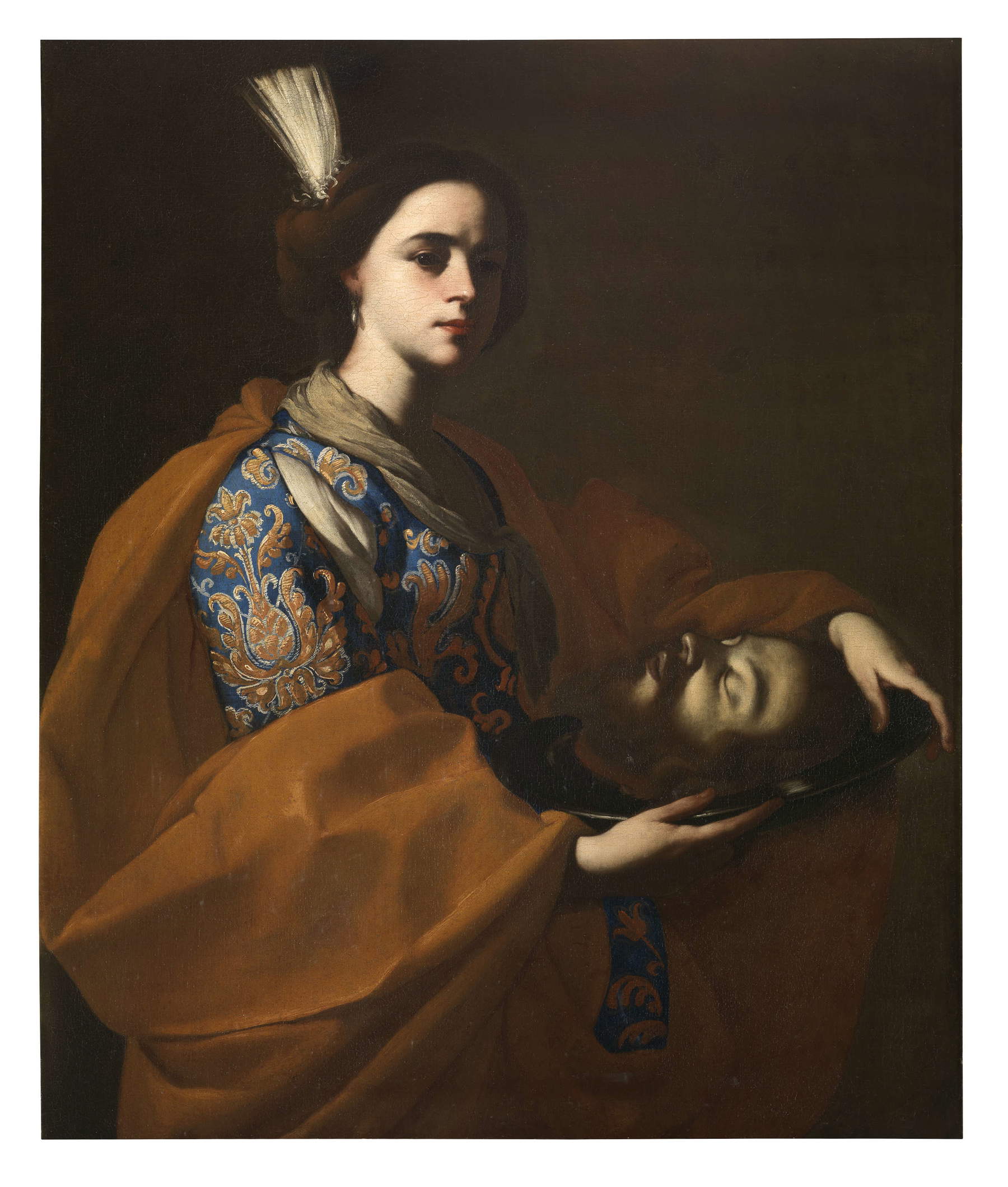
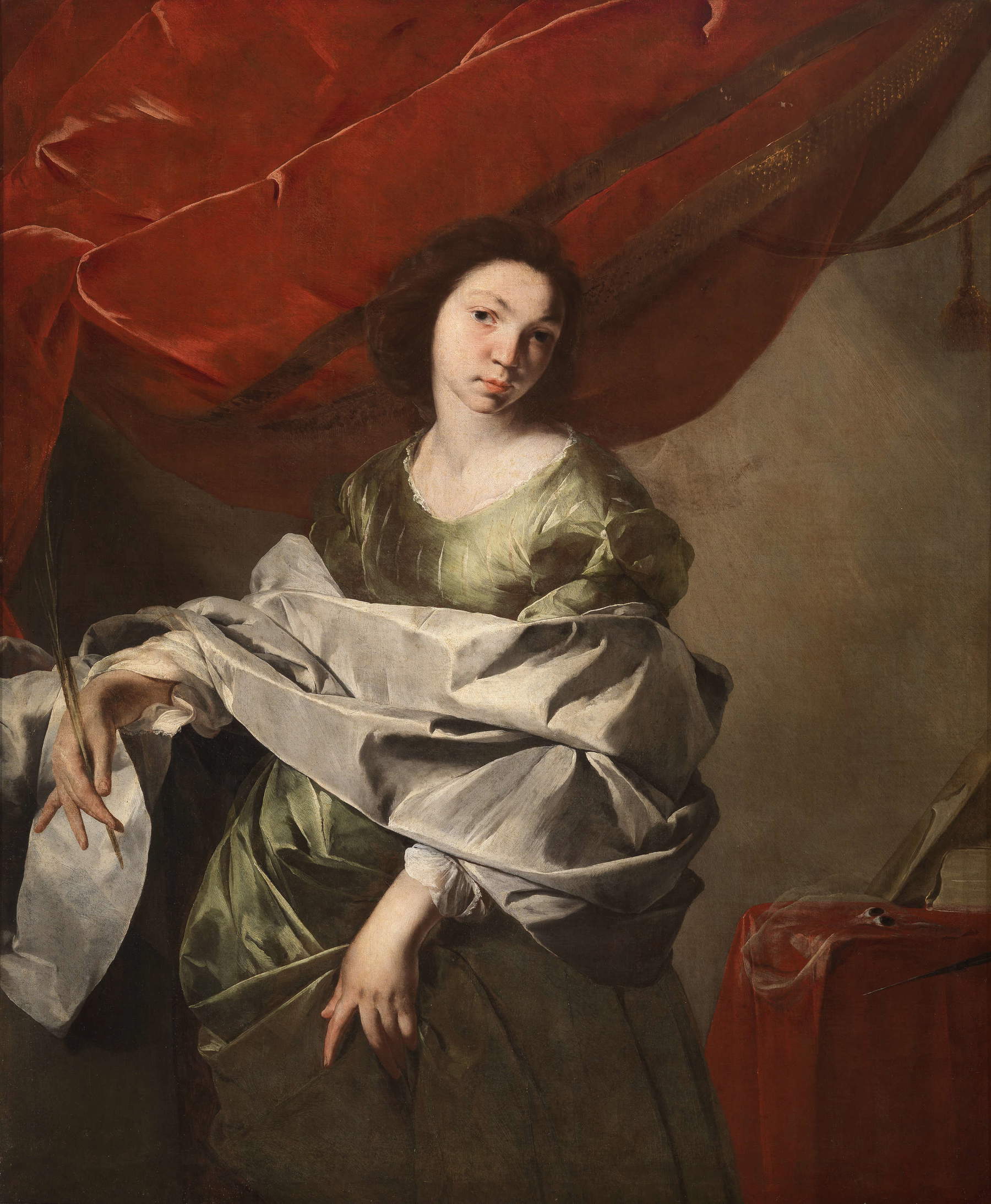
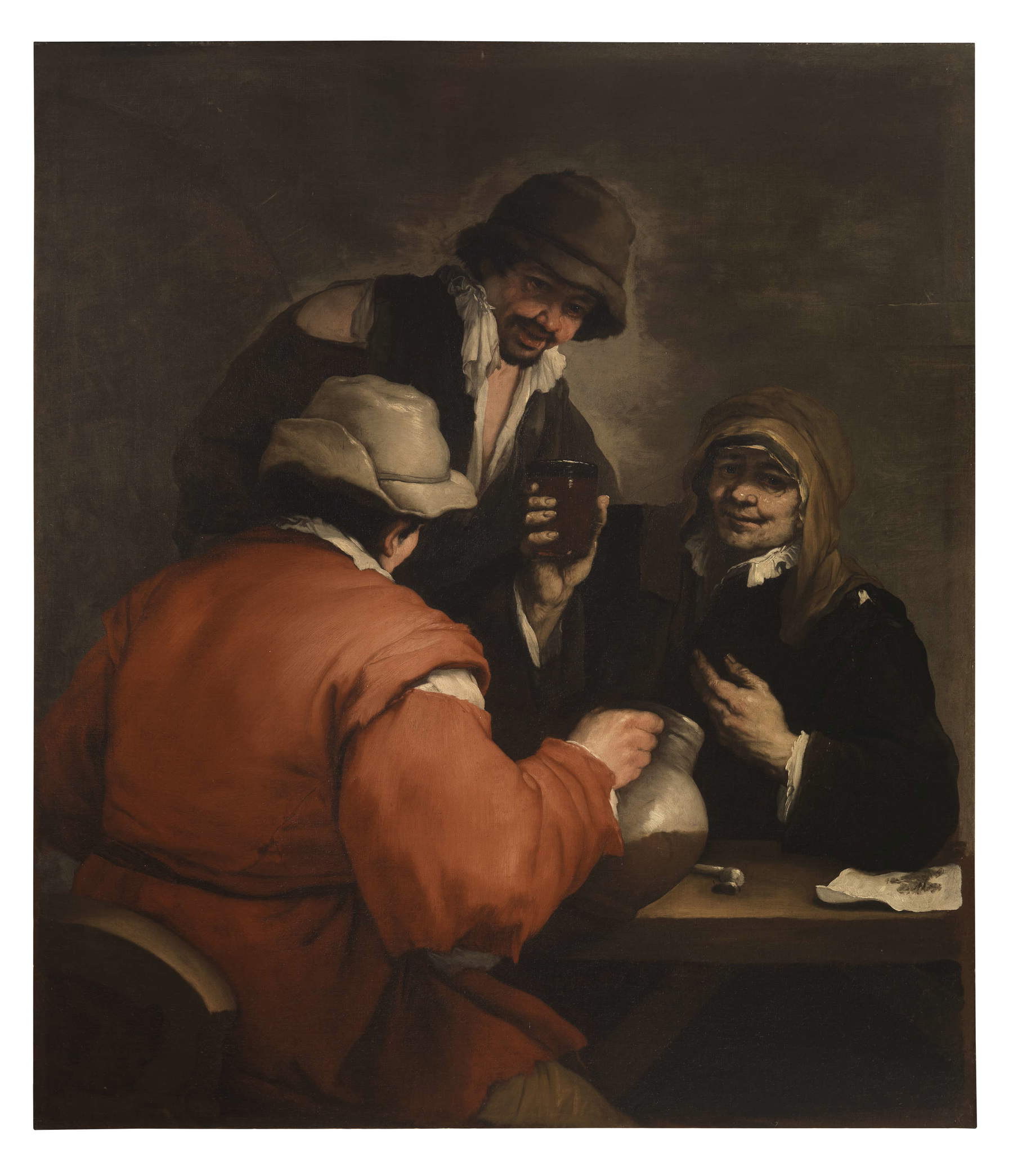
So far, then, this is the story of a clear, flawless exhibition, with optimal lighting and all the elements a good exhibition should have. An exhibition worth visiting, one might suggest to the reader who skims through reviews to determine, first and foremost, whether an exhibition is worth their time—and who might even decide to stop here. A reassuring exhibition, one might add, at least upon a somewhat superficial visit. It would, however, be an unforgivable mistake to follow the official exhibition captions with notarial diligence and, as a result, miss the darkest and most shadowy corners of this exhibition—which is far more somber than it might seem—since viewing an exhibition that showcases a collection, especially one that is the result of such a careful and meticulous project, also means gleaning an image of the collector in passing. What, then, do these painted canvases reveal about the collector Giuseppe De Vito? We know that he began buying 17th-century Neapolitan art around the age of fifty, at a time when—as today’s collectors would say— buying art was an infinitely more unpredictable adventure than it is today—now that the internet has vastly expanded knowledge and research opportunities but has also leveled every aspect of human knowledge, and even the most uninformed owner of the most worthless piece of trash might be inclined to do some research on specialized websites to get even a vague idea of market values before putting the paintings he inherited—and wishes to part with—on the market (and on search engines). It is well known that De Vito was a collector, of course, but also a refined scholar, a voracious autodidact whose mentor of choice was Raffaello Causa, who served as superintendent of Capodimonte; It is well known that De Vito was a connoisseur who maintained relationships with people such as Clovis Whitfield, John Pope-Hennessy, Francis Haskell, Alvar González-Palacios, Giuliano Briganti, Mina Gregori, and Bertina Suida and Robert Manning. It is known that he wrote regularly for the *Burlington Magazine* and that he also founded his own scholarly journal, *Ricerche*, which is still published today. It is known that he had a particular interest in certain artistic trends, starting with Caravaggesque naturalism; it is known that when choosing a work by an artist of the time, he favored periods in which the influence of Merisi was most evident; it is known that he did not buy to resell; for him, works of art were not speculative assets but essential fragments for the realization of a vision, and they would not have left the collection even if their value had skyrocketed. It is known that some of his acquisitions were nothing short of daring: one of the highlights of the collection, the *Scene of Charity with Three Children*, which is among the finest paintings from Mattia Preti’s Neapolitan period, entered De Vito’s collection after Suida and Manning had brought it to his attention in the storage facilities of Walter Percy Chrysler Jr.’s collection, and De Vito acquired it before the market took notice of it (a good collector must have excellent contacts and must know how to act before others do). However, these are all aspects pertaining to the public figure De Vito. What, on the other hand, do these works reveal beyond what we know, beyond what is written in the catalogs?
They might suggest, for one thing, that De Vito was more than just a collector: one could imagine him, rather, as an inexhaustible architect of visions. An architect, for one thing, because a collector who decides to devote himself so vigorously to a collection built around a specific classificatory criterion is someone who chooses to invent a parallel profession for himself and to dedicate himself to this improvised craft. And like any collection that adheres to a precise criterion, Giuseppe De Vito’s collection is also based on a model that pursues a vision—or perhaps, even better, a dream—one of those dreams that are vivid while you sleep but slip from the grasp of memory the moment you wake up, vanishing into a fog that can never fully lift. And since the dream—which is, in and of itself, something unstable—was wonderful and complete, one tries to bring it back to mind, to remember it. De Vito has thus spent half his life trying to piece together the fragments of that dream; he has spent nearly fifty years pursuing the idea of reconstructing a piece of the world, reshaping it in his own image, and doing so with the most unlikely tool of all: an art gallery. Giuseppe De Vito’s art gallery is at once a catalog of his scholarly interests, a family album, a page from a textbook, a diary, a jumble of eccentricities, a hodgepodge of luminous obsessions, an involuntary self-portrait, a frozen photograph, an inventory of others’ portraits, an act of love, an act of overreach, a testament. De Vito kept the works in the rooms of his home, but the collection, as mentioned above, bears more resemblance to a museum than to a private collection, and he was likely aware of this himself, just as he was aware that his was a work in progress, and that this work would never be finished: “The collection,” writes Bastogi, “appears to be a sort of ‘laboratory,’ a work in progress, whose daily engagement not only brought aesthetic pleasure to the collector but also stimulated his reflections: each work is a precise tile in the mosaic of his reconstruction of the Neapolitan art scene.” This idea of the collection as a laboratory demonstrates its essentially subversive nature, one might say, and is also a demonstration of its hubris and its fertile abstractness.
Now, removed from time and history, Giuseppe De Vito’s collection stands on its own. Viewing the pieces in the collection—viewing this exhibition in Forte dei Marmi, a measured, appropriate, and impeccable exhibition in its precision and comprehensiveness—brings to mind the stranger from Borges’s “Circular Ruins.” Perhaps Giuseppe De Vito, too, was that stranger who had understood that the task of shaping the substance of dreams is the most difficult one a human being can undertake. Nevertheless, De Vito continued to dream, and then perhaps, in the end, he discovered that someone else was dreaming of him; he discovered that he himself had become the creature of his own dream.

The author of this article: Federico Giannini
Nato a Massa nel 1986, si è laureato nel 2010 in Informatica Umanistica all’Università di Pisa. Nel 2009 ha iniziato a lavorare nel settore della comunicazione su web, con particolare riferimento alla comunicazione per i beni culturali. Nel 2017 ha fondato con Ilaria Baratta la rivista Finestre sull’Arte. Dalla fondazione è direttore responsabile della rivista. Nel 2025 ha scritto il libro Vero, Falso, Fake. Credenze, errori e falsità nel mondo dell'arte (Giunti editore). Collabora e ha collaborato con diverse riviste, tra cui Art e Dossier e Left, e per la televisione è stato autore del documentario Le mani dell’arte (Rai 5) ed è stato tra i presentatori del programma Dorian – L’arte non invecchia (Rai 5). Al suo attivo anche docenze in materia di giornalismo culturale all'Università di Genova e all'Ordine dei Giornalisti, inoltre partecipa regolarmente come relatore e moderatore su temi di arte e cultura a numerosi convegni (tra gli altri: Lu.Bec. Lucca Beni Culturali, Ro.Me Exhibition, Con-Vivere Festival, TTG Travel Experience).
Warning: the translation into English of the original Italian article was created using automatic tools. We undertake to review all articles, but we do not guarantee the total absence of inaccuracies in the translation due to the program. You can find the original by clicking on the ITA button. If you find any mistake,please contact us.




















 IT
IT FR
FR DE
DE ES
ES CN
CN


