




by Redazione 09/04/2026



Categories: Exhibitions / Disclaimer
The Boschi Di Stefano House Museum in Milan is hosting an exhibition dedicated to Faenza sculptor Carlo Zauli in the rooms of the School of Ceramics to mark the centenary of his birth.
The Casa Museo Boschi Di Stefano in Milan is hosting, until June 7, 2026, in the rooms of the School of Ceramics, an exhibition dedicated to Faenza sculptor Carlo Zauli (Faenza, 1926 - 2002), on the occasion of the centenary of his birth. The School represents the ideal context for narrating the relationship between Zauli’s artistic research and the Milanese reality, starting in the 1950s.
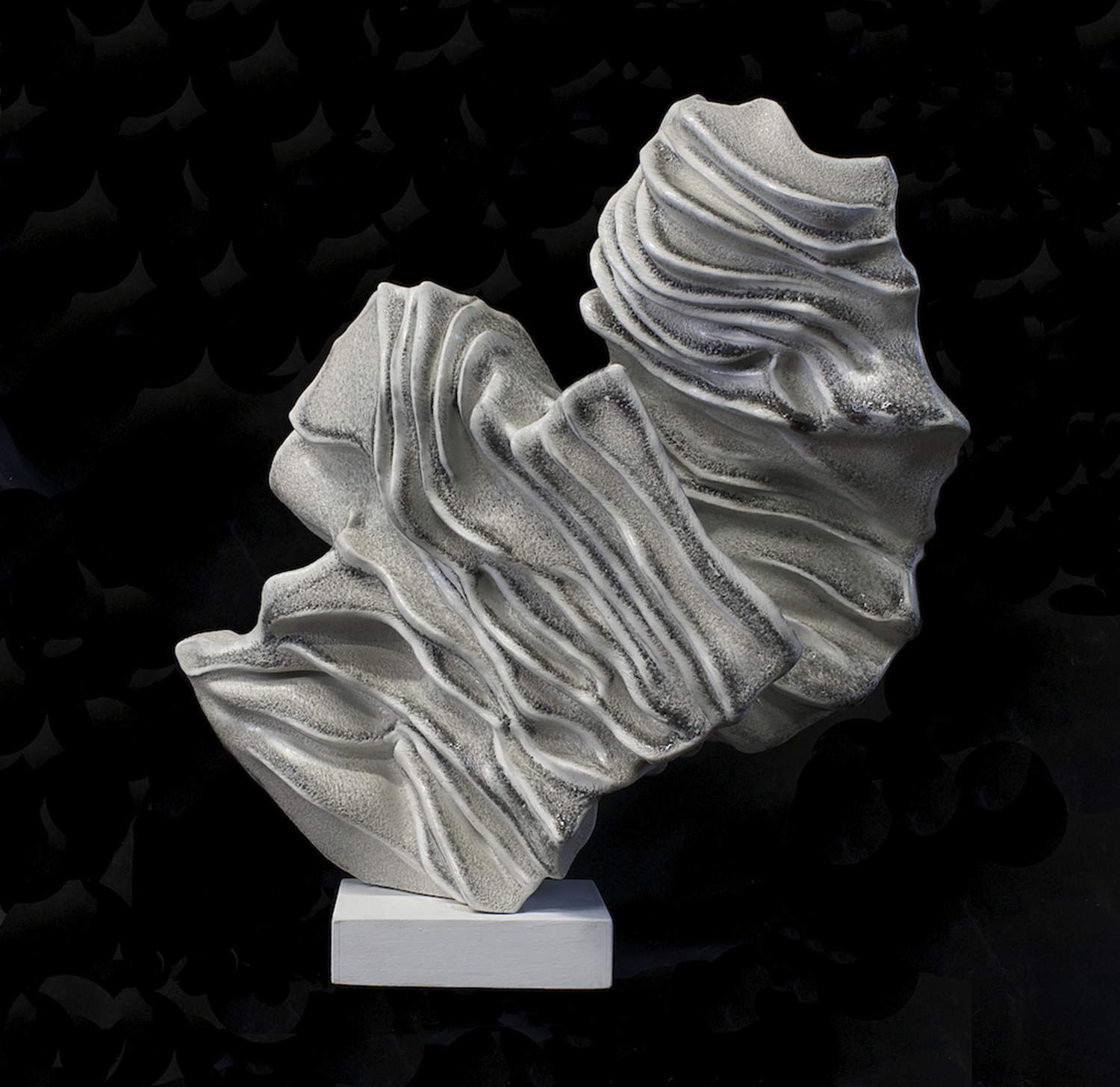
The exhibition project Carlo Zauli 1926 - 2026. Between Faenza and Milan, curated by Gaspare Luigi Marcone in collaboration with the Carlo Zauli Museum in Faenza, aims to explore the main stages of the creative evolution of the multifaceted artist, sculptor, ceramist and designer, from the confrontation with the neo-avant-gardes to the achievement of full maturity. At the center of the reflection emerges the so-called “white Zauli,” a distinctive element of his poetics. The exhibition is presented as a cozy and intimate path, in tune with the almost domestic and workshop character of the School’s spaces.
A key moment from which the narrative begins is 1957, the year in which Zauli came into direct contact with the Milanese artistic milieu. On that occasion he participated in the 11th Milan Triennale and held a significant solo exhibition at Serena Perfetti’s Galleria Montenapoleone, exhibiting ceramic works representative of his maturing phase and transition to new technical and formal solutions. In the 1950s, Galleria Montenapoleone was a point of reference for contemporary art: it hosted important exhibitions, including the group shows of the Pomodoro brothers (1954), L’avanguardia. Picabia Sant’Elia Fontana Baj Manzoni (1958) and solo shows by Mirko Basaldella (1957) and Bruno Munari (1958).


At the end of the decade, Milan experienced a particularly dynamic season from a cultural point of view, characterized by the spread of new artistic trends. Among the most notable events were Yves Klein’s solo exhibition, Monochrome Proposals - Blue Epoch, at the Apollinaire Gallery, and Alberto Burri’s at the Naviglio Gallery, both in 1957. In the same years, Marieda Di Stefano founded her own School of Ceramics. Trained under the guidance of sculptor Luigi Amigoni, Marieda developed a strong interest in the Italian Renaissance ceramic tradition, particularly the works of Luca and Andrea Della Robbia, to whom she paid homage by adopting the pseudonym “Andrea Da Robbio.” His production focuses mainly on polychrome ceramic sculptures, in which a remarkable sensitivity in the use of glazes emerges. Under his direction, the School was configured from the beginning as a place of encounter, experimentation and exhibition, and the exhibition dedicated to Zauli fits in continuity with this vision.
Zauli reworks in a personal key the tradition of the Faenza school of ceramics, which he knows profoundly thanks to his experience among the city’s workshops and museums, particularly at the MIC - Museo Internazionale delle Ceramiche, still an international point of reference. The artist takes up the white monochrome typical of Renaissance “faenze” and the blue monochrome of glazes, updating them through comparison with the innovations of the Milanese environment. In the 1970s he also opened an atelier in Milan, near the Arco della Pace, but without abandoning his large studio in Faenza.
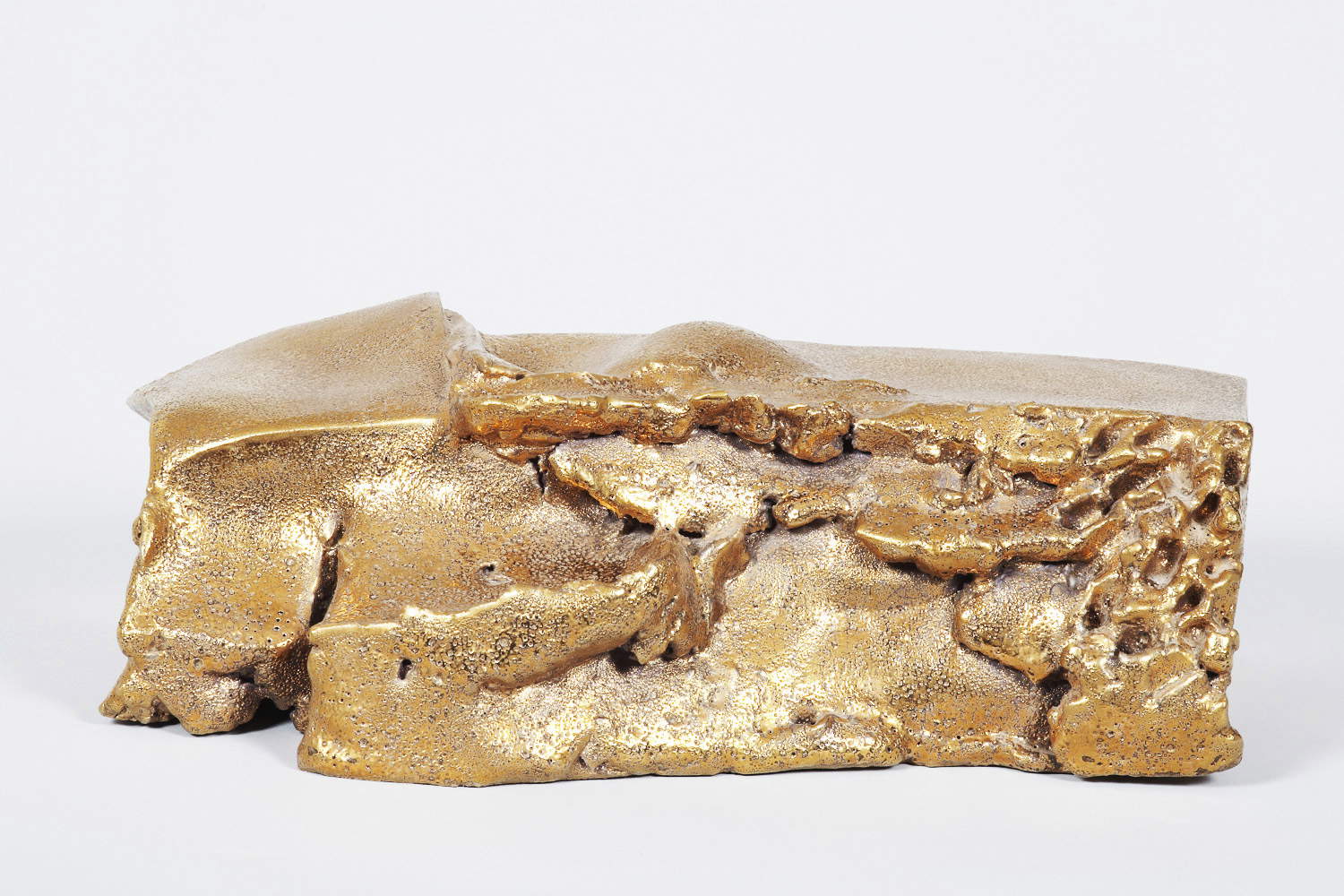
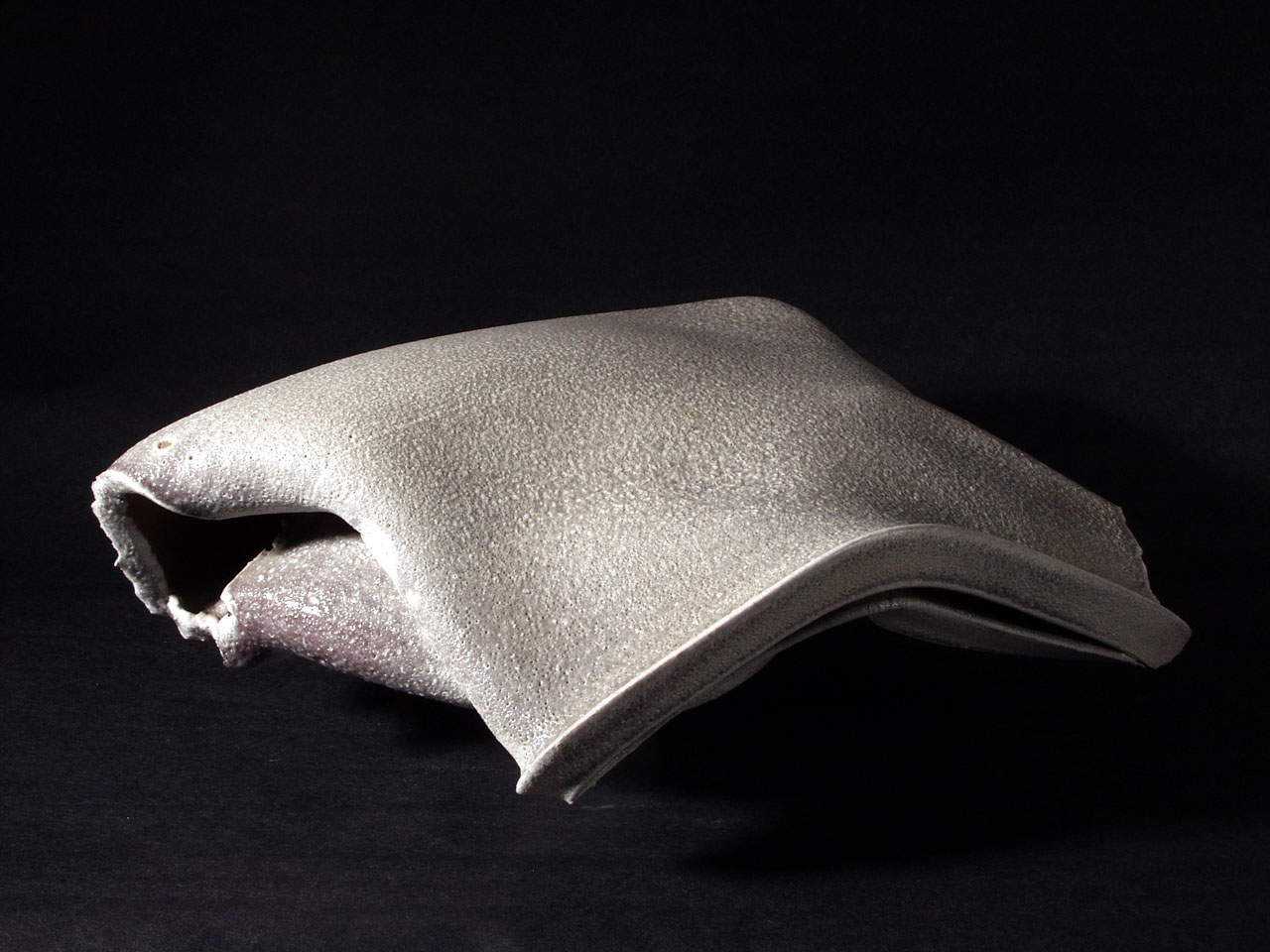
The exhibition itinerary follows some key stages in Zauli’s creative development: from the first vases of a more traditional setting to the later ones, characterized by “upset” forms, up to the “stele” and “zolle” series. In the spaces of the House Museum, on the second floor, the work Vaso sconvolto (Upset Vase) is placed in dialogue with sculptures by Lucio Fontana, an artist whom Zauli got to know both in Faenza and Milan.
Hours:
Tuesday through Sunday from 10 a.m. to 5:30 p.m. Free admission.
|
| An exhibition in Milan on the creative evolution of Faenza sculptor Carlo Zauli, 100 years after his birth |
Warning: the translation into English of the original Italian article was created using automatic tools. We undertake to review all articles, but we do not guarantee the total absence of inaccuracies in the translation due to the program. You can find the original by clicking on the ITA button. If you find any mistake,please contact us.