



by Redazione 24/05/2026



Categories: Exhibitions / Disclaimer
From May 21 to Nov. 1, 2026, GAM in Turin opens the Fourth Resonance with new exhibitions devoted to drawing, sign and stroke. On the program are an extensive survey of twentieth-century works on paper, monographic projects and contemporary interventions in the collections.
From May 21 to Nov. 1, 2026, GAM - Turin ’s Galleria Civica d’Arte Moderna e Contemporanea launches its new exhibition season with Fourth Resonance, a program dedicated to the languages of drawing, sign and stroke. The initiative continues the museum’s investigation into the foundational processes of artistic practice, focusing on paper as a privileged medium for experimentation.
Fourth Resonance is articulated in a set of exhibitions that share a focus on the graphic dimension and the immediate gesture of the artist, understood as a primary form of processing visual thought. This is the context for the entire layout of the season, built around an idea of paper as an operating space, capable of accommodating both planning and the definition of the completed work. The museum identifies sign and stroke as an essential mode through which artistic research develops in the long time of the twentieth century and beyond.


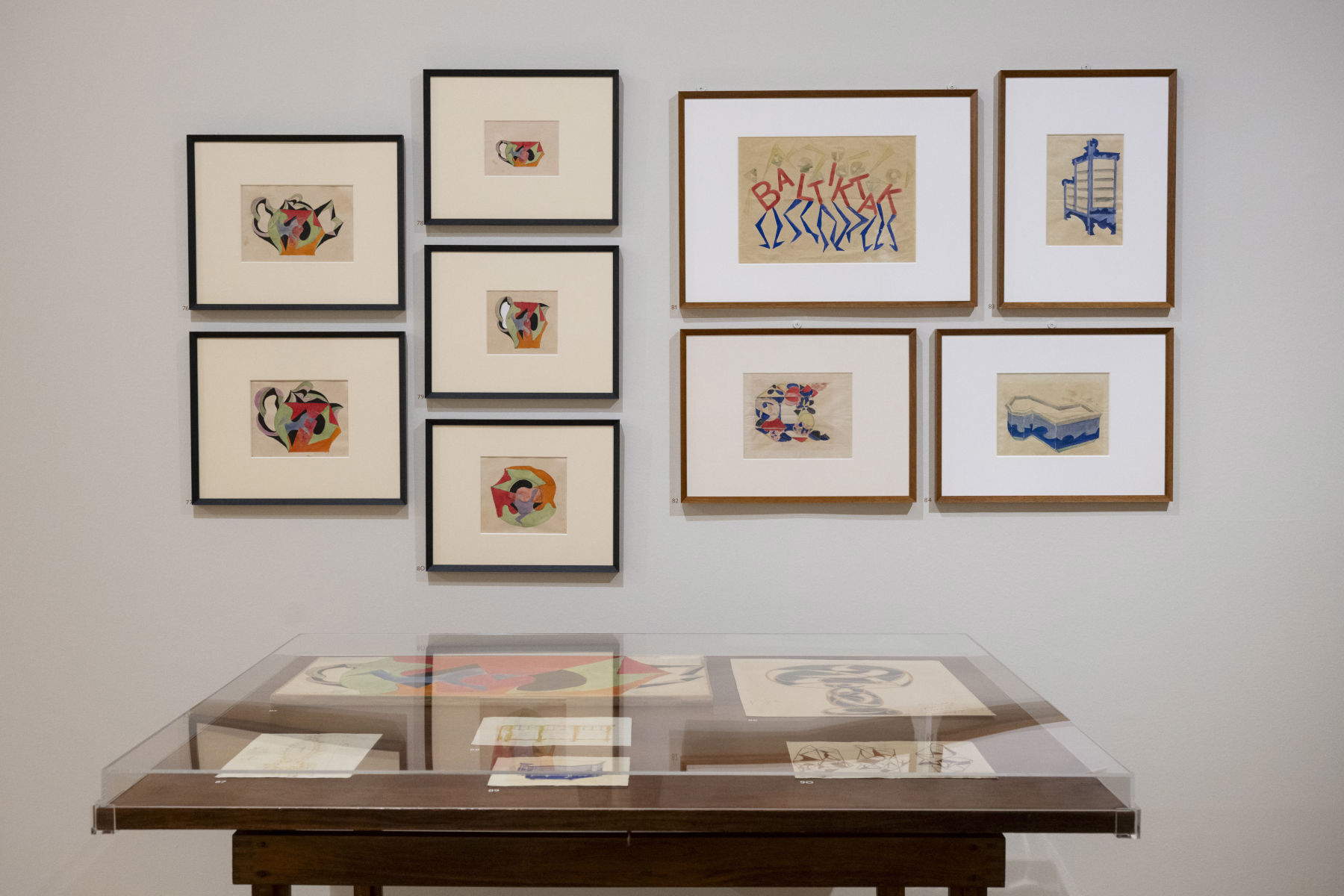
Within the program finds its place the exhibition Un altro Novecento. Works on Paper from the GAM Collections, curated by Fabio Cafagna and Elena Volpato, which represents one of the central nuclei of the entire project. The exhibition brings together for the first time in a single path a selection of works on paper from the museum’s collections, comprising more than 600 works including drawings, watercolors, etchings and paintings. The corpus allows one to traverse the entire span of the 20th century, from Symbolist and Secessionist experiences to the research of the 1990s.
The construction of the exhibition is based on an articulation in twenty-one sections that trace the main artistic seasons of the 20th century, with in-depth studies dedicated to authors who are prominently present in GAM’s collections. The itinerary includes substantial nuclei of works by Lucio Fontana, including a series of thirty sheets donated by Teresita Fontana in 1970, and works by Giorgio Morandi, from the etchings of the 1920s to later elaborations on still life and landscape. There is also a monographic room dedicated to Filippo de Pisis, with works created between the 1920s and 1950s.
The exhibition also traverses the Symbolist experiences of Leonardo Bistolfi and Medardo Rosso, Pierre Bonnard’s Post-Impressionist researches, Max Beckmann’s Expressionism, Henri Rousseau’s Primitivism, and Max Ernst’s Dadaist experiments. Ample space is reserved for the historical avant-garde, with Giacomo Balla and Umberto Boccioni, flanked by Natalija Goncharova and Paul Klee. The Italian twentieth century is developed through authors such as Felice Casorati and Luigi Spazzapan, as well as the visions of Lorenzo Viani and Mario Sironi, up to the research of Arturo Martini and Fausto Melotti.
The post-World War II period introduces a transformation of the language of drawing, which progressively approaches writing and informal gestures. The works of Osvaldo Licini, Tancredi Parmeggiani, Mino Maccari and Carol Rama are placed in this sphere. The section devoted to the later period also includes the research of Giacomo Manzù, Carlo Corsi and several artists from Turin, including Mario Sturani, Carlo Turina and Cino Bozzetti, all of whom share a clear and defined graphic sign.
The path continues with experiences related to Pop Art, represented by a triptych by Robert Rauschenberg restored for the occasion, along with works by Andy Warhol and Roy Lichtenstein, as well as Italian declinations by Mario Schifano and Piero Gilardi. Contemporaneity is present through the research of Mario Merz, Giuseppe Penone, Salvo, Ketty La Rocca, Giulio Paolini, Liliana Moro, Francesco Lo Savio and Simone Forti, up to the graphic and spatial experiments of Eliseo Mattiacci, who ideally closes the itinerary.
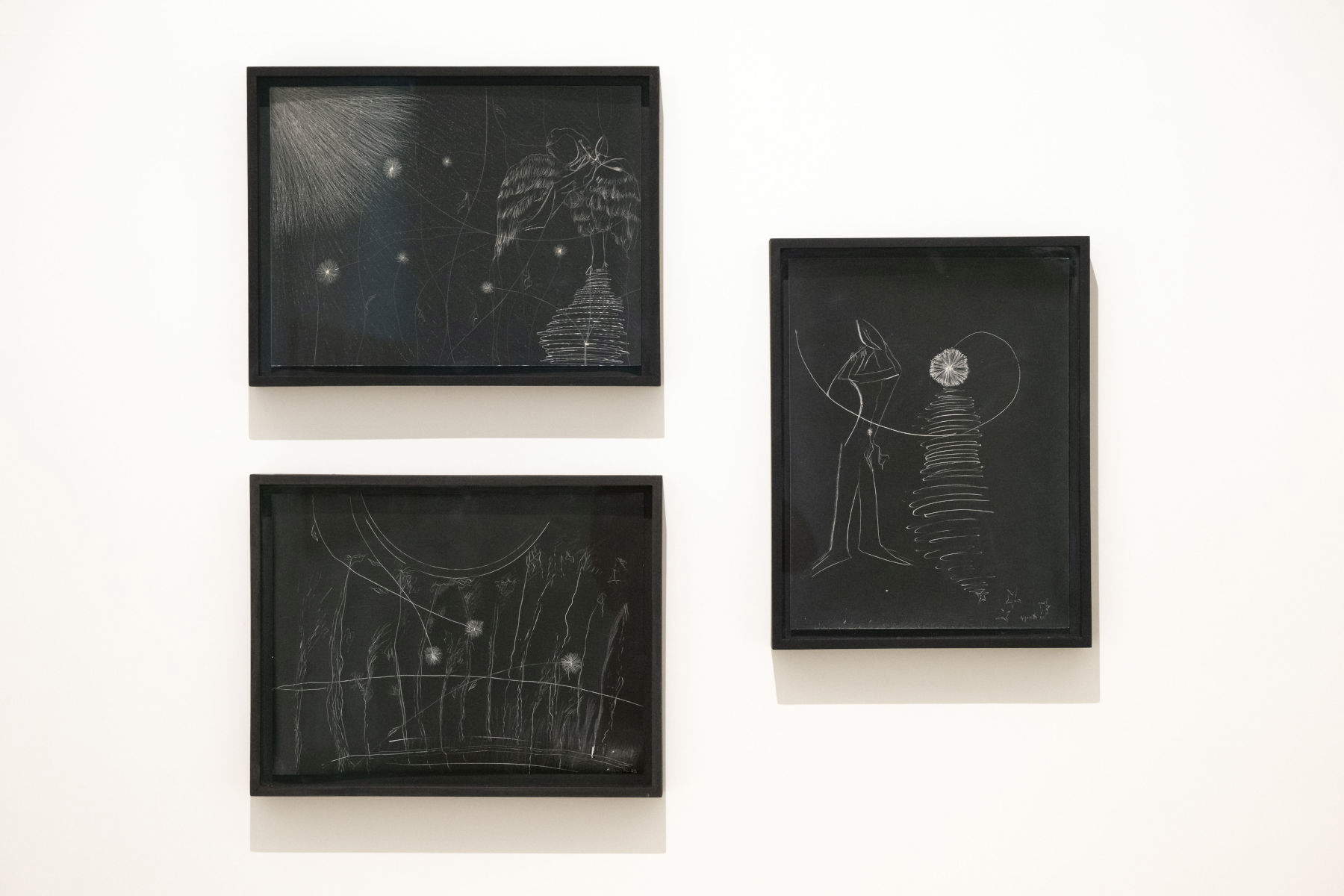
Alongside the main exhibition, the project also includes Vincenzo Agnetti. Today is a Century, curated by Chiara Bertola with Virginia Lupo, produced in collaboration with theVincenzo Agnetti Archive. The exhibition focuses on the artist’s experimentation with the photographic medium between the 1970s and 1980s, starting with the work Photo-graffia (1980), acquired by GAM in 2024 thanks to Fondazione Arte CRT. The project delves into Photo-graffias, made between 1979 and 1981, based on the blackening of photographic films and subsequent manual intervention through scratches and color, which transform the medium into a sign surface.
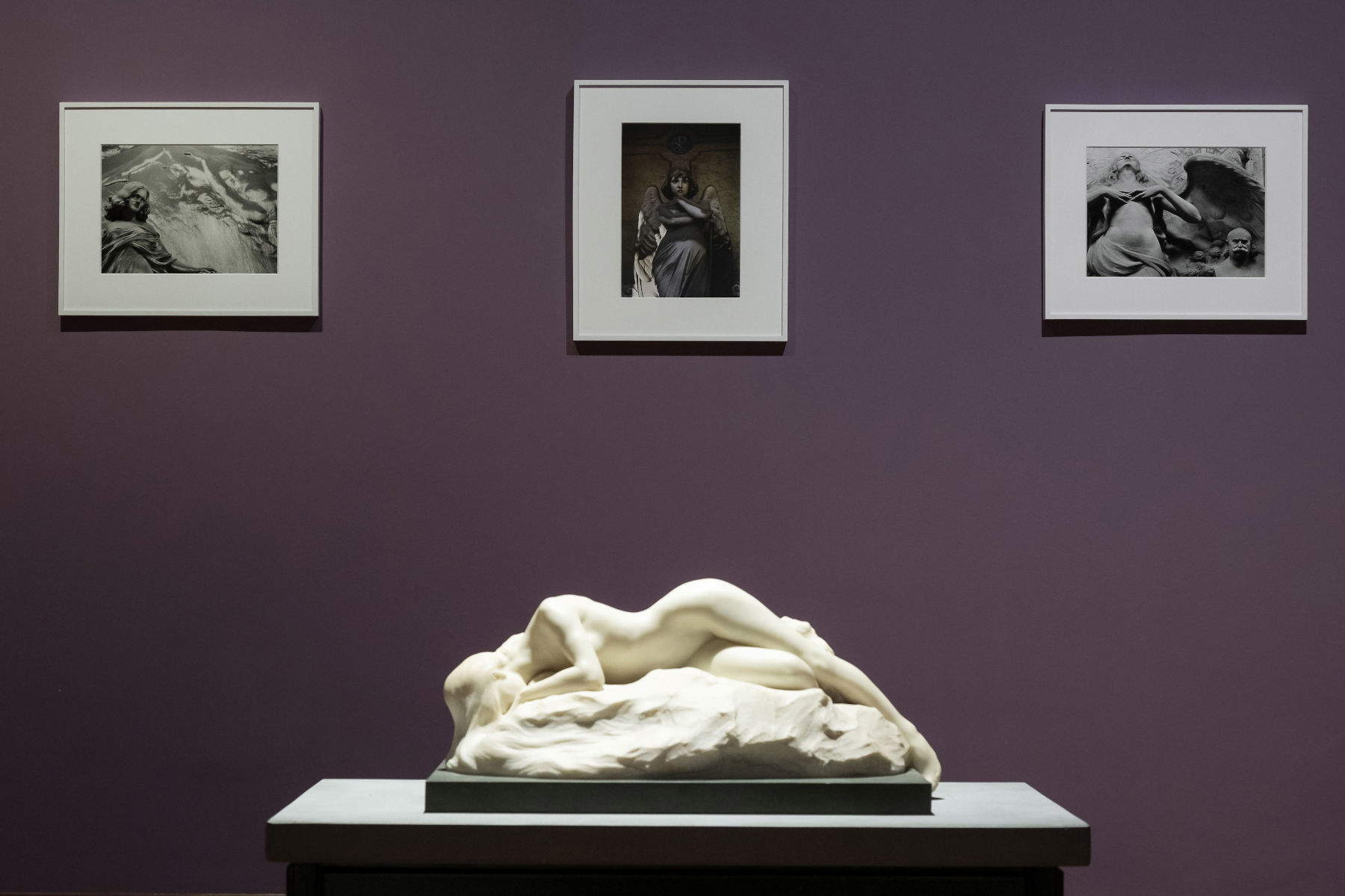
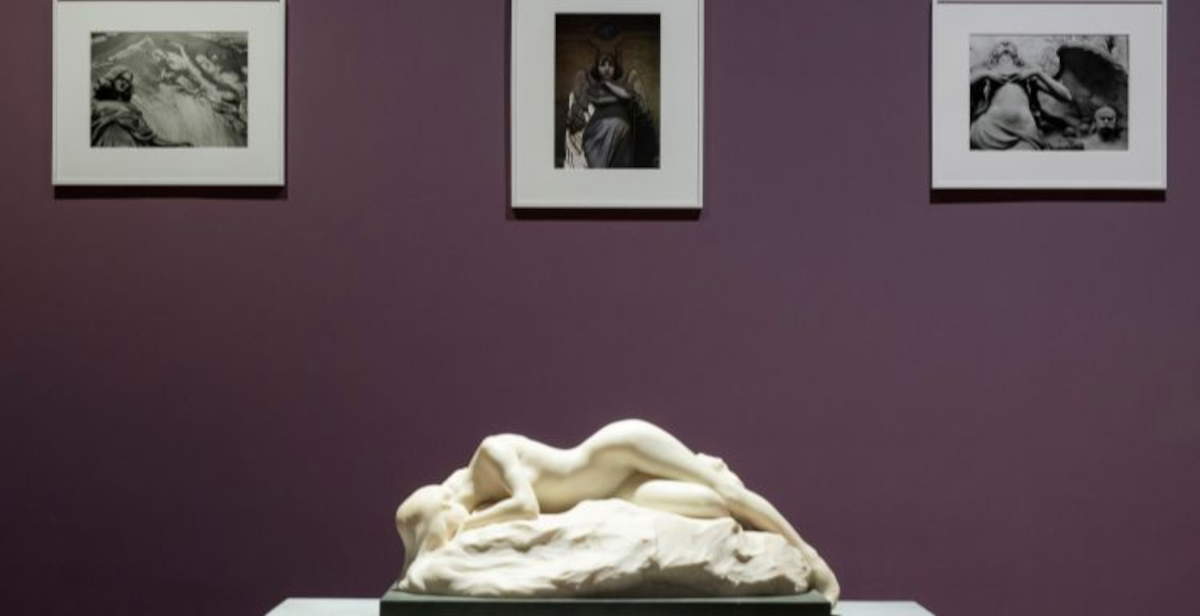
Also included in the program is Lisetta Carmi. Eroticism and Authoritarianism at Staglieno, curated by Elena Volpato, which presents the entry into GAM’s collection of 15 photographs made between 1966 and 1976. The works are exhibited in dialogue with sculptures from the permanent collection, with particular reference to the statuary between the 19th and early 20th centuries from the Monumental Cemetery of Staglieno, relating the photographic dimension to the sculptural one and to the themes of authority and representation of the body.
The Fourth Resonance project also includes the intervention of the artist Pesce Khete, designated as this edition’s “intruder.” His works on paper, created through techniques that combine drawing and painting, enter into direct dialogue with the museum’s graphic holdings, proposing a relationship with the existing heritage. The exhibition season is developed with the support of several institutions and foundations, including the Guido and Ettore De Fornaris Foundation, the Fondazione Arte CRT and the Turin Council for Restoration, as well as the support of private entities and the editorial collaboration of Allemandi for the catalog.
 |
| At the GAM in Turin, the Fourth Resonance between drawing, paper and twentieth-century collections |
Warning: the translation into English of the original Italian article was created using automatic tools. We undertake to review all articles, but we do not guarantee the total absence of inaccuracies in the translation due to the program. You can find the original by clicking on the ITA button. If you find any mistake,please contact us.