




by Redazione 25/06/2026


Categories: Exhibitions / Disclaimer
More than sixty masterpieces from the Department of Drawings trace five centuries of art history. From June 26 to September 27, 2026, the Castello Sforzesco will exhibit works by Leonardo da Vinci, Tiepolo, Appiani, Previati, Boccioni, and Keith Haring.
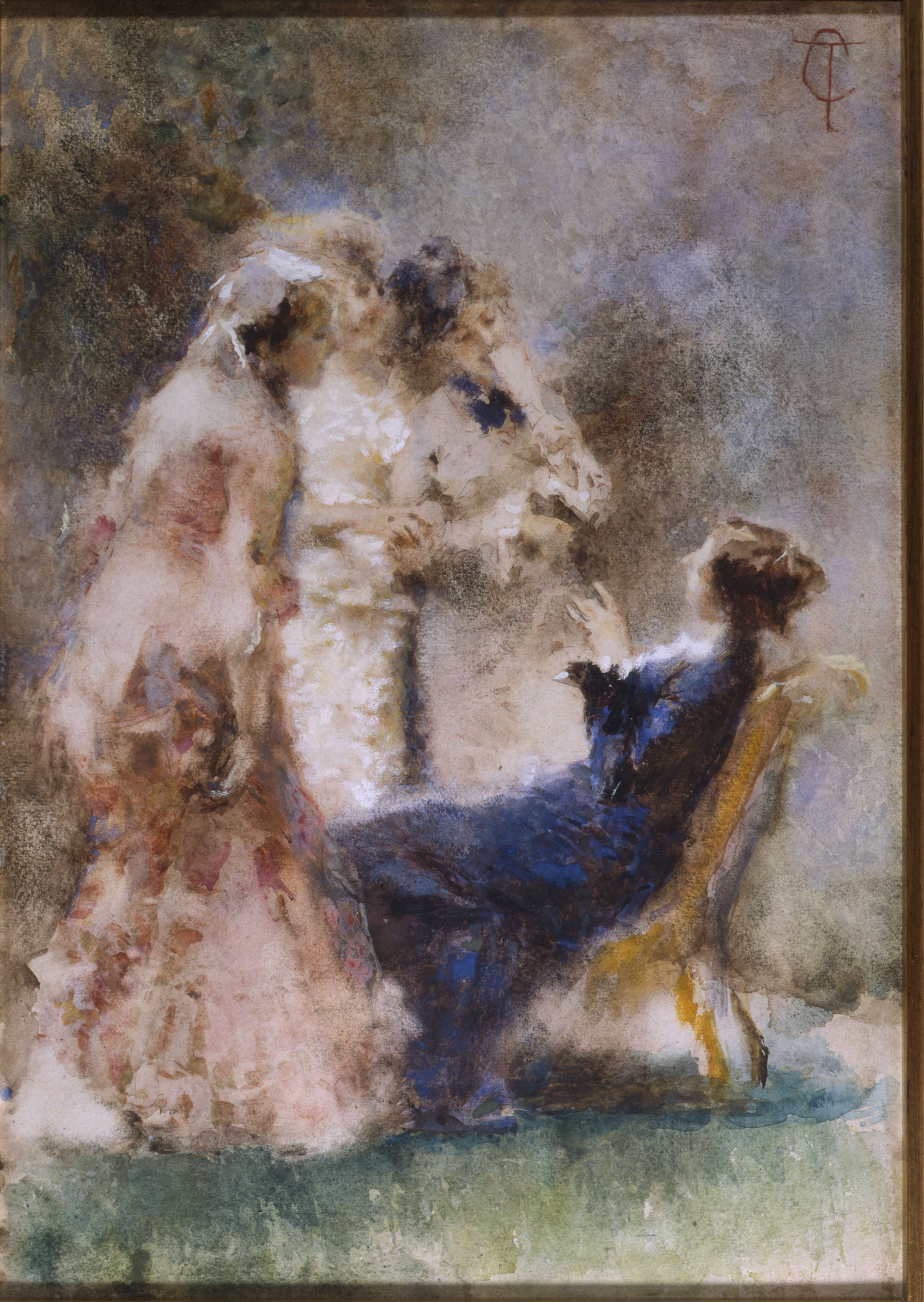
A journey through five centuries of art history, following the subtle yet decisive thread of drawing. This is the heart of *Passione Disegno*. From Leonardo da Vinci to Keith Haring, the exhibition presented by Milan’s Castello Sforzesco in the Salette della Grafica from June 26 to September 27, 2026. The exhibition, which is free to the public, brings together over sixty works from the collections of the Gabinetto dei Disegni and offers visitors the opportunity to explore one of Italy’s most important civic collections dedicated to art on paper. Curated by Alessia Alberti, Simona Maniello, and Francesca Mariano, the exhibition traces a journey spanning over five hundred years of artistic production, from the 15th to the 20th century, bringing together different artists, eras, and artistic languages. Through famous drawings and rarely exhibited works, the exhibition aims to highlight the central role that drawing has played in art history, not only as a preparatory tool but also as an independent form of expression.
The exhibition takes shape around the extraordinary collections of the Gabinetto dei Disegni at the Castello Sforzesco, a collection that today holds over thirty thousand works dating from the 15th to the 20th century. This heritage has been built up over more than a century and a half through donations, bequests, acquisitions, and campaigns to expand the city’s collections, bearing witness to the evolution of drawing in its many functions and applications. The exhibition offers visitors the chance to admire works by some of the most important figures in the history of Italian and international art. Among the artists featured are Leonardo da Vinci, Giovanni Battista Tiepolo, Andrea Appiani, Gaetano Previati, Umberto Boccioni, and Keith Haring. This lineup of artists—though belonging to profoundly different historical and cultural contexts—demonstrates the continuity and extraordinary vitality of drawing as an artistic language.


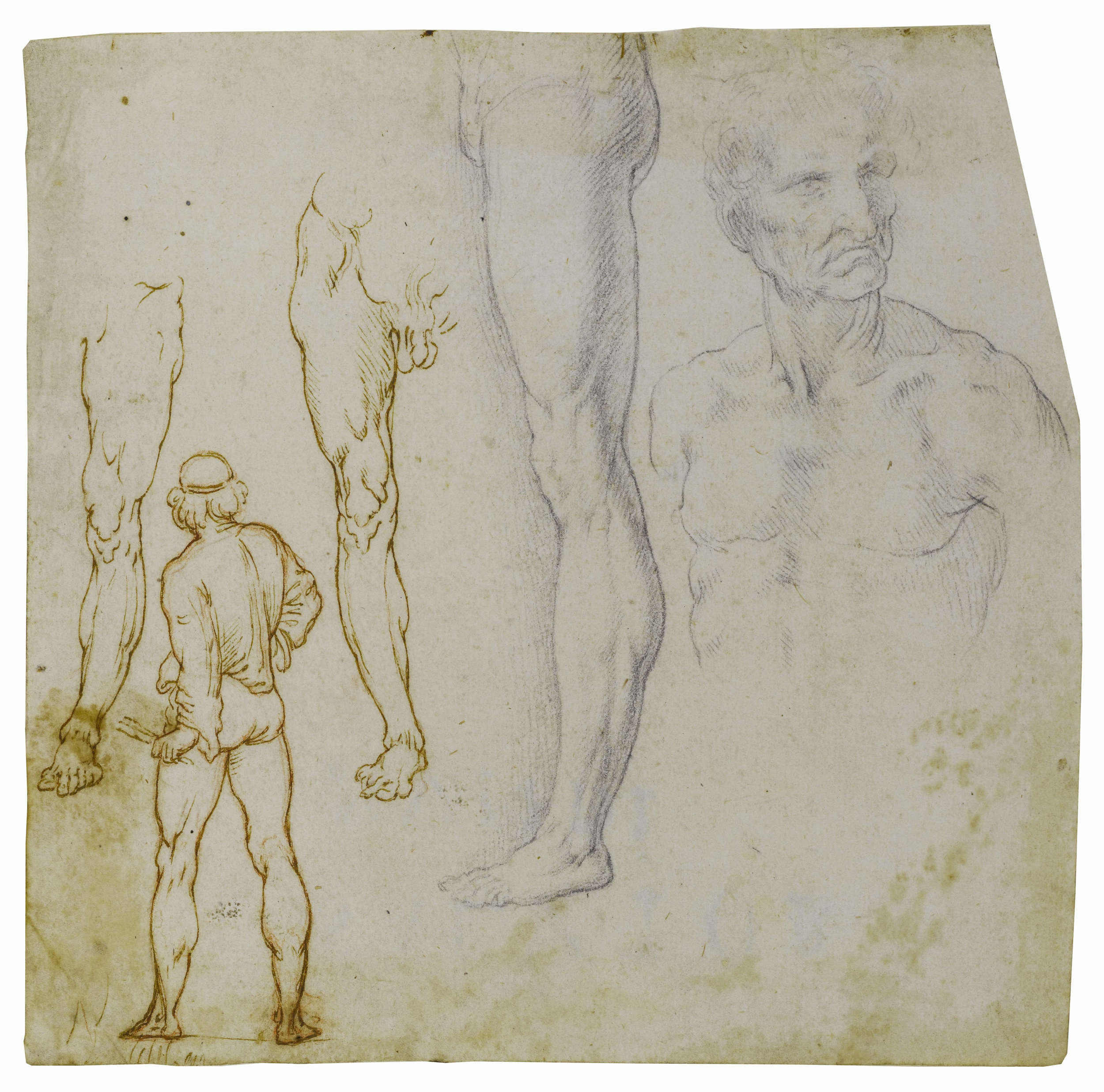
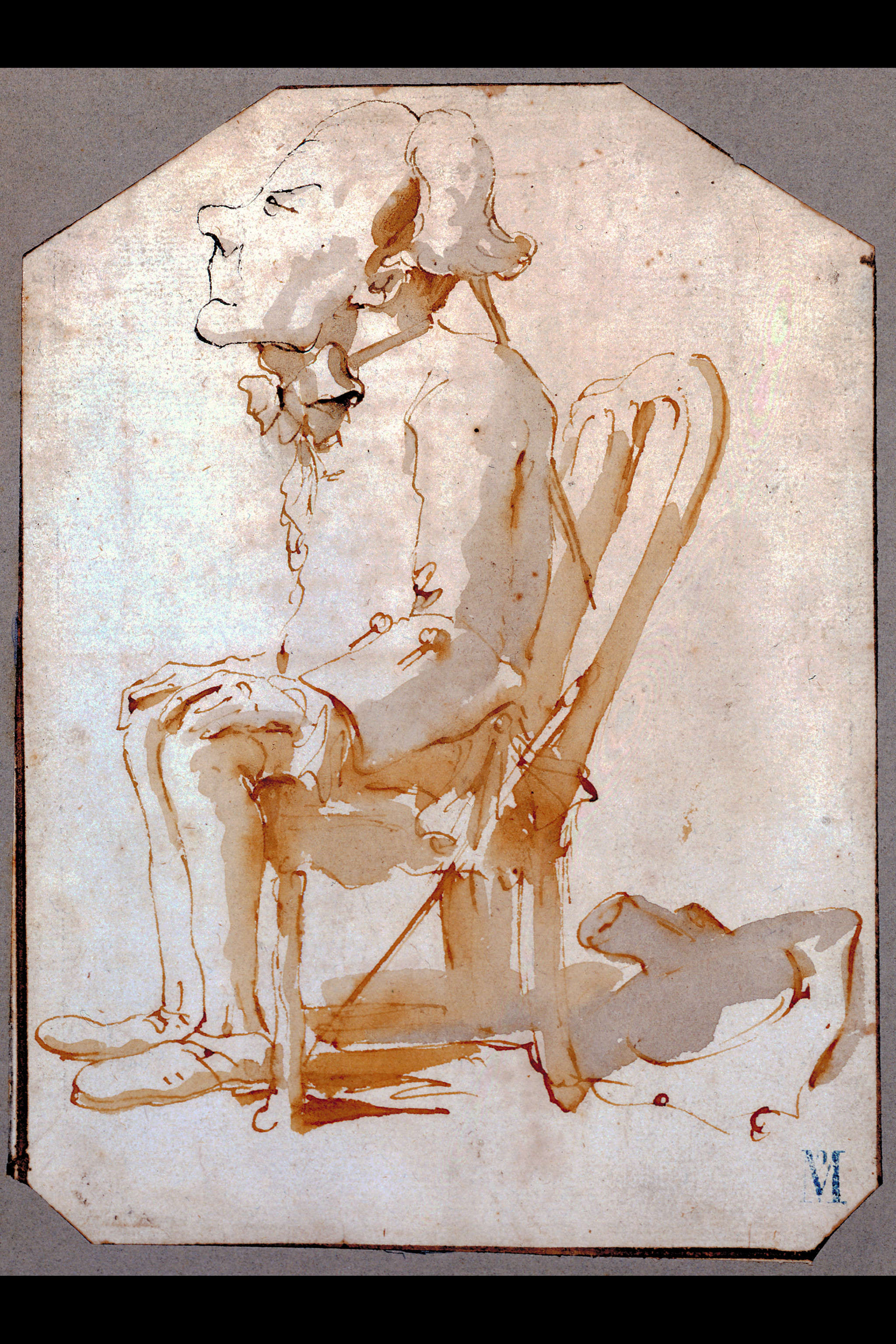
The exhibition also aims to be an opportunity to rediscover the value of the drawn sheet, often perceived by the general public as a preparatory phase leading up to the final work. In reality, drawing has always been a privileged tool for research, design, and experimentation. Through the line, the artist studies reality, constructs compositions, develops ideas, and tests formal solutions that in many cases achieve an expressive completeness in their own right. The exhibition itinerary in the Salette della Grafica guides visitors through precisely this diversity of functions. Alongside preparatory sketches, the exhibition features projects, studies, and works conceived from the outset as independent pieces. What emerges is a portrait of an artistic practice capable of adapting to the changes of the times, while maintaining its central role within the creative process.
The presence of Leonardo da Vinci is, of course, one of the main highlights of the entire exhibition. The Tuscan artist is universally recognized as one of the greatest draftsmen in Western history. In his drawings, the act of drawing simultaneously becomes a tool for scientific inquiry, a means of observing nature, and a vehicle for artistic invention. His presence in the exhibition allows the narrative to begin, in a sense, with one of the high points of Renaissance culture.
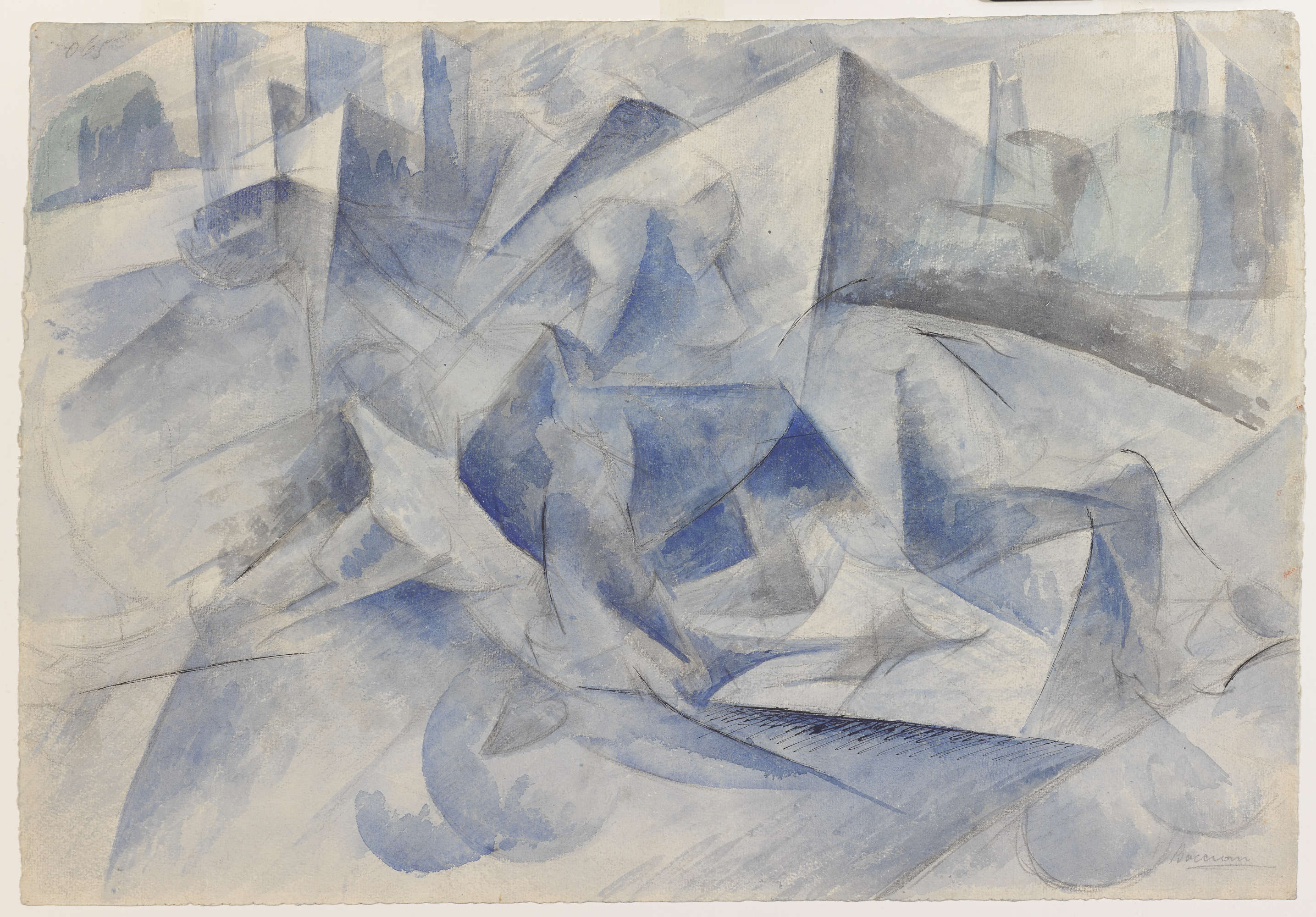
Alongside Leonardo, a narrative unfolds that spans centuries of experimentation and change. Giovanni Battista Tiepolo represents the great Venetian tradition of the 18th century, characterized by extraordinary graphic freedom and a unique ability to create luminous and dynamic atmospheres. Andrea Appiani, on the other hand, bears witness to the Neoclassical period and the relationship between art and institutional patronage during a crucial phase of Italian history. With Gaetano Previati, the journey delves into Symbolist explorations at the turn of the 20th century, while Umberto Boccioni documents the Futurist revolution and the desire to translate the speed and dynamism of modernity into graphic form. Finally, Keith Haring brings the narrative into the second half of the 20th century, demonstrating how drawing continues to be a fundamental tool even in contemporary artistic practices.
The exhibition, however, is not limited to presenting a selection of masterpieces. A significant part of the project is dedicated to the history of the Milanese civic collection itself, reconstructing the long journey that led to the formation of the Cabinet of Drawings. Through documents, works, and in-depth analyses, the story of a collection that developed in tandem with the city’s cultural growth comes to light. The collection’s origins date back to the second half of the 19th century, a particularly significant period for the construction of Italian cultural identity following national unification. Several major private donations formed the core of the municipal collections, launching a process of expansion that would continue in the decades that followed. Among the key figures in this initial phase were the sculptor Pompeo Marchesi, the civil servant Antonio Guasconi, and the nobleman Gian Giacomo Attendolo Bolognini. Thanks to their donations, the city’s collections began to grow to such an extent that it became possible to build a cultural heritage destined to expand over time.
A key milestone in this process was the transfer of the collections to the Castello Sforzesco in 1900. This move marked a decisive moment for the future establishment of the Gabinetto dei Disegni and laid the groundwork for a policy of conservation and promotion that would characterize the entire 20th century. Over the course of the last century, the collection continued to expand through new acquisitions and bequests, eventually reaching its current size of over thirty thousand works. The exhibition highlights how this heritage is not the result of a single, unified project developed over a short period, but rather the outcome of a long-term, forward-thinking cultural strategy built up over time.
The story of the collection thus also becomes a story of the city of Milan and its cultural institutions. The works housed at the Castello Sforzesco bear witness to the ongoing relationship between public administration, private collecting, and the preservation of artistic heritage—elements that have contributed to making the Lombard capital one of Italy’s leading cultural centers.
The exhibition also stems from research conducted in preparation for the publication of the guide *I grandi nuclei collezionistici del Gabinetto dei Disegni del Castello Sforzesco* (The Major Collections of the Sforza Castle Drawing Room), available in both Italian and English. The volume serves as an essential resource for deepening understanding of the collections and forms the scholarly foundation of the exhibition project.
Particular attention was also given tothe exhibition’s visual identity. The graphic design was created in collaboration with the Civica Scuola Arte & Messaggio, directly involving the students in an educational experience that connects historical heritage with contemporary creativity. Second-year students worked on designing the poster, the colophon, and the exhibition’s introductory panel, while first-year students were responsible for creating the captions and panels for the various sections of the exhibition itinerary. The result is an exhibition that combines the presentation of the artworks with the creative contributions of the younger generation. The selected works are an integral part of the exhibition and are presented alongside a video documenting the students’ work. In this way, the project also serves as an opportunity for dialogue between cultural institutions and art education, highlighting the importance of passing on skills and fostering young talent.
The initiative is further enriched by a program of accompanying activities. In parallel with the exhibition, SUPER—Scuola Superiore d’Arte Applicata del Castello Sforzesco—will organize a series of workshops dedicated to drawing, led by the school’s faculty. These sessions will offer participants the opportunity to explore techniques, artistic languages, and methodologies related to graphic arts, creating a direct link between the appreciation of the exhibited works and the hands-on experience of drawing.
“Passione Disegno is a special opportunity to discover one of the Sforza Castle’s lesser-known treasures,” says Tommaso Sacchi, Councilor for Culture. “Through the drawings of great masters, from Leonardo to Keith Haring, the exhibition explores drawing as a universal language, capable of spanning five centuries of artistic exploration, from study sketches to standalone works. I am delighted that the project also involves students from our civic schools: it is a concrete way to foster a dialogue between the city’s heritage and the perspective and creativity of the younger generations.”
|
| From Leonardo to Keith Haring: Drawings on Display at the Castello Sforzesco |
Warning: the translation into English of the original Italian article was created using automatic tools. We undertake to review all articles, but we do not guarantee the total absence of inaccuracies in the translation due to the program. You can find the original by clicking on the ITA button. If you find any mistake,please contact us.