



by Redazione 15/07/2026



Categories: Exhibitions / Disclaimer
From October 6, 2026, to April 11, 2027, the Museo di Roma at Palazzo Braschi will host a major exhibition dedicated to Keith Haring, tracing the artist’s career through more than 140 works from the world’s most important collection dedicated to him.
From October 6, 2026, to April 11, 2027, the Museo di Roma at Palazzo Braschi will host “Keith Haring,” a major exhibition dedicated to one of the most famous and beloved artists of the second half of the 20th century. Curated by Kaoru Yanase, Ilaria Miarelli Mariani, and Claudio Zambianchi, the exhibition is sponsored by Roma Capitale—Department of Culture and the Capitoline Superintendence for Cultural Heritage—in collaboration with MondoMostre and Zètema Progetto Cultura, and with the support of Fineco.
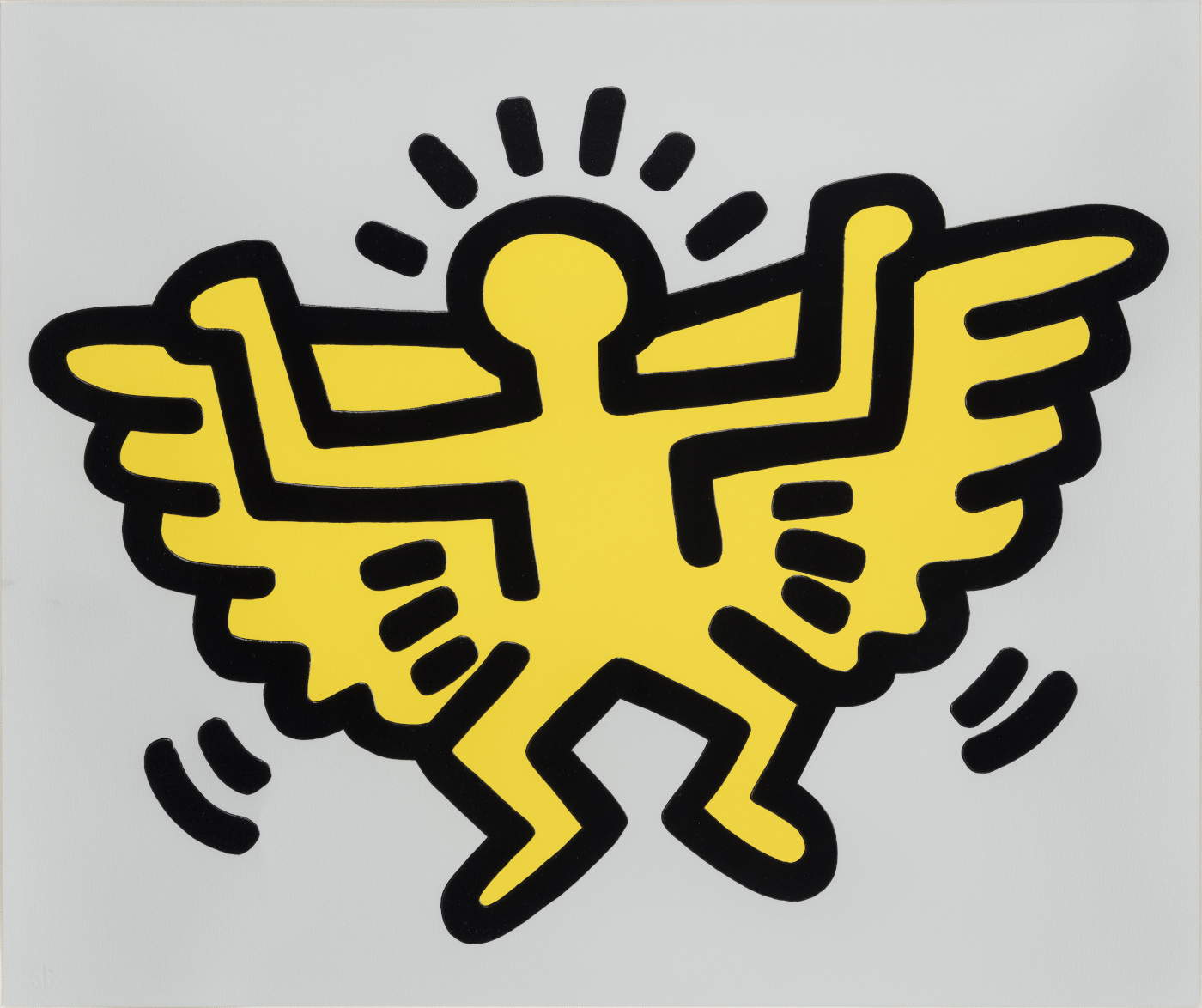
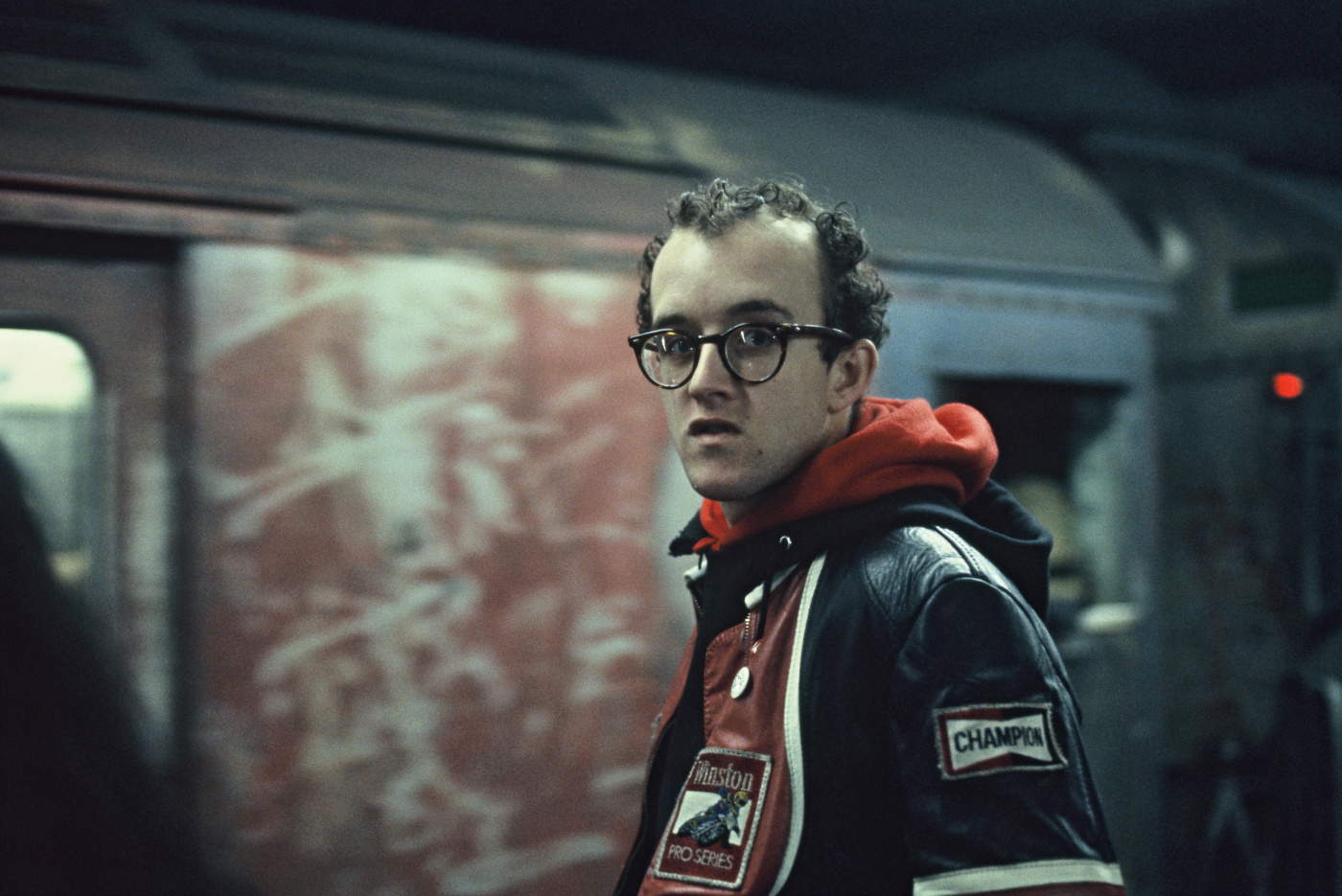
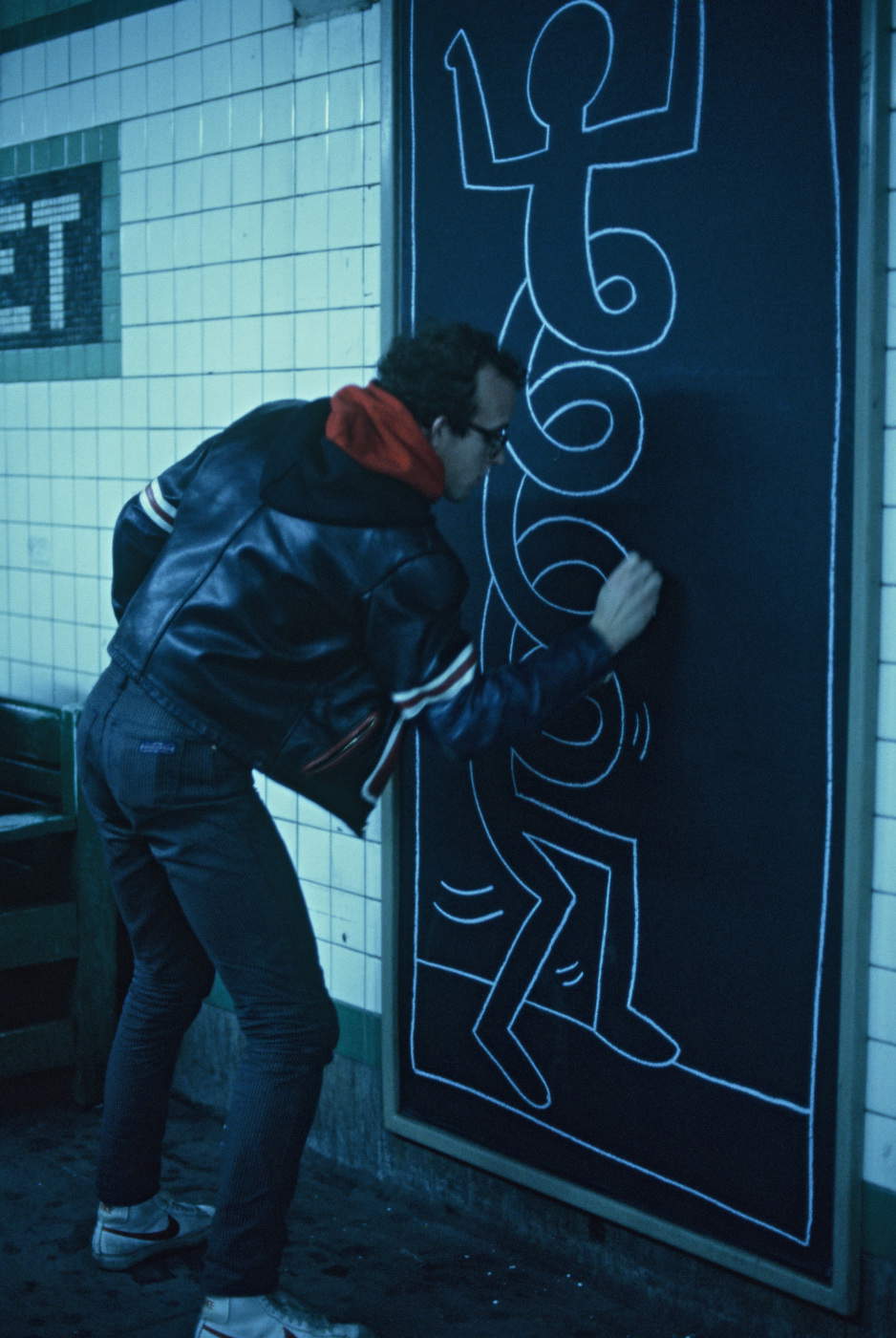
The exhibition brings together over 140 works, including paintings, drawings, sculptures, posters, and documents, drawn primarily from the Nakamura Keith Haring Collection—the world’s most significant collection dedicated to the artist—alongside notable public and private loans. The exhibition traces Haring’s entire creative journey, from his early works in the New York subway to the last pieces he created shortly before his death.
The exhibition aims to recreate the cultural context of 1980s New York, a city undergoing profound social transformations, where the emergence of hip-hop, street art, and new forms of activism gave rise to an artistic language capable of speaking directly to people. In this environment, Haring developed an immediate and recognizable artistic style, rooted in the belief that art should be accessible to everyone. His famous figures—such as beaming children, barking dogs, dancing men, angels, hearts, televisions, and pyramids—become a true visual alphabet, understandable beyond any linguistic or cultural barrier. A principle the artist summed up with a phrase that has become emblematic of his work: “Art is for everyone.”


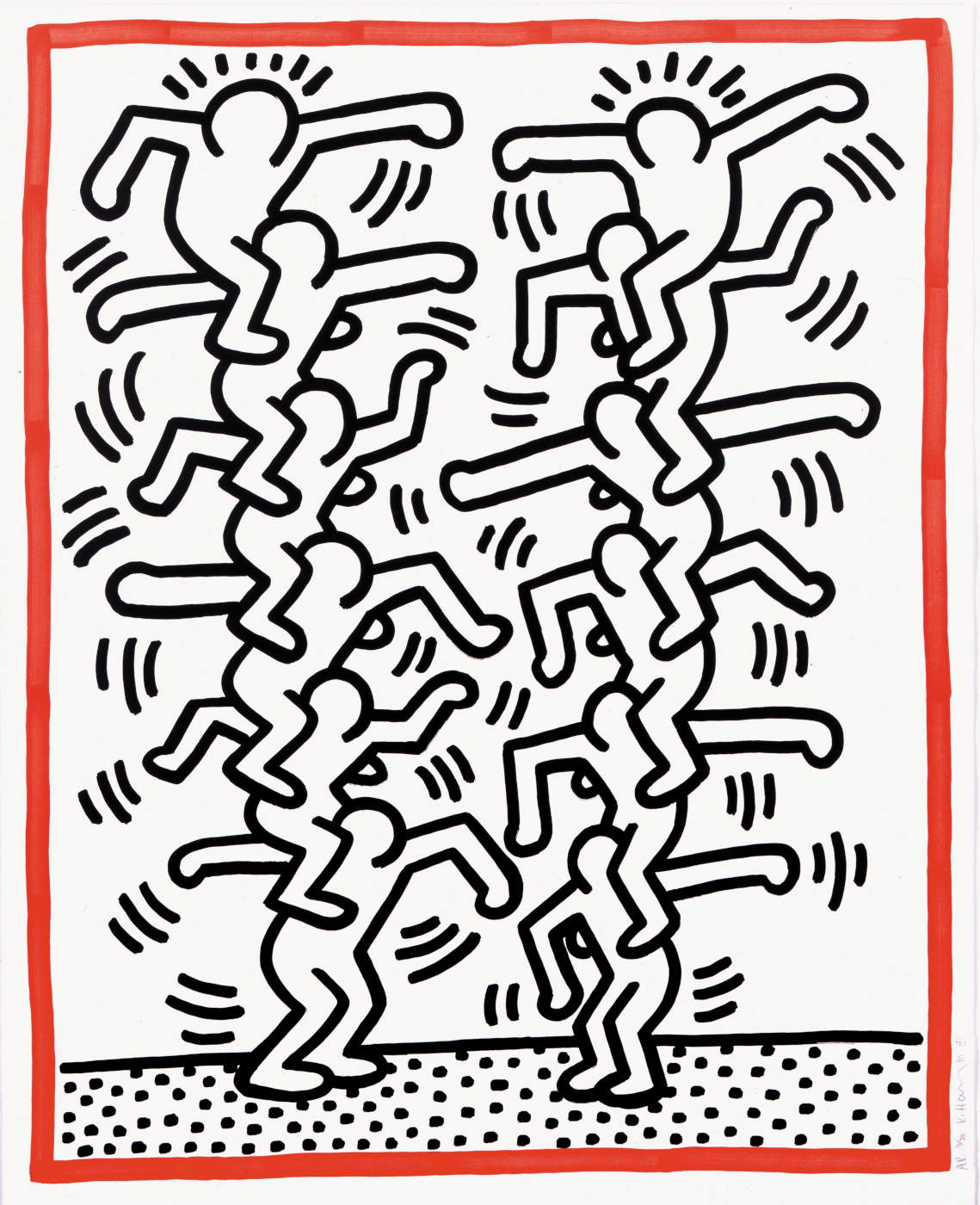
Designed specifically for the spaces of Palazzo Braschi, the exhibition unfolds through thematic sections dedicated to street art, political and social engagement, the body, vital energy, the accessibility of art, and the symbolic and spiritual dimensions of his work. A special focus is placed on Haring’s relationship with Italy. Works, posters, and documents recount his connections to Naples, Milan, Pisa, and Rome, highlighting collaborations with gallery owners such as Lucio Amelio and Salvatore Ala, the famous “Poster for Pisa”—linked to the creation of the “Tuttomondo” mural—and “Motorcycle,” painted in Rome in 1984.
The capital also takes center stage through a selection of photographs by Stefano Fontebasso De Martino, dedicated to the works Haring created in 1984 at the Palazzo delle Esposizioni for the exhibition *Arte di frontiera. New York Graffiti, and along the Pietro Nenni Bridge, where the artist temporarily transformed the transparent walls of the subway into a large-scale urban artwork.
The “Street Art & Art in Transit” section explores the origins of his artistic practice through the famous “Subway Drawings” and the panels from the “Untitled (FDR Drive #10–#16)” series, painted in 1984 on metal sheets at a construction site along Manhattan’s FDR Drive. These works are complemented by the car hood titled *Three Amigos*, further evidence of Haring’s desire to take art beyond traditional spaces. The artist’s social activism is evident in the “Political & Social Resonance” section, where posters and works address issues such as racism, apartheid, nuclear disarmament, AIDS prevention, LGBTQ+ rights, violence, and drug addiction. Among the works on display are *Free South Africa*, *Crack Down!*, *Safe Sex!*, posters created for ACT UP and the AIDS Hotline, as well as the series *The Blueprint Drawings*.
With “Radiant Eros – Celebrate Life,” the exhibition shifts its focus to the body, desire, and vitality through large-scale paintings and installations characterized by the fluorescent colors so dear to the artist. Some works will be illuminated with black light, recreating the visual effects envisioned by Haring.
The “Art Is for Everybody ” section reflects the desire to make art a shared and accessible tool. Sculptures, posters, objects, musical collaborations, and public projects bear witness to this vision, along with the “Mural for the Mount Sinai Hospital,” created for hospitalized children and a symbol of the artist’s faith in the power of art as a tool for inclusion and hope.
The exhibition concludes with “Symbolic Imagery & Religion,” a section dedicated to the more spiritual aspects of Haring’s work. Totems, pyramids, icons, apocalyptic images, and works such as *Apocalypse*, *Chocolate Buddha*, *Andy Mouse*, and *Altarpiece: The Life of Christ*—created in 1990 shortly before his death—reflect the artist’s growing interest in the themes of spirituality, transformation, and the relationship between life and death.
The exhibition will be accompanied by a rich program of educational activities aimed at schools and young people, as well as guided tours for adult visitors, with the goal of exploring the figure of Keith Haring and his artistic language.
Hours: Tuesday through Sunday from 10 a.m. to 7 p.m. Last admission one hour before closing. Closed on Mondays.
Advance ticket sales are now open for OPEN and fixed-date tickets: full price €17.00, reduced price €15.00
Advance booking fee: €1.00
Advance tickets are available at this link.
|
| Keith Haring Exhibition in Rome: Over 140 Works at Palazzo Braschi |
Warning: the translation into English of the original Italian article was created using automatic tools. We undertake to review all articles, but we do not guarantee the total absence of inaccuracies in the translation due to the program. You can find the original by clicking on the ITA button. If you find any mistake,please contact us.