





Following the retrospectives dedicated to Eve Arnold in 2024 and Letizia Battaglia in 2025, the Fondazione Cassa dei Risparmi di Forlì continues its fall photography exhibitions with Lee Miller. The exhibition *Lee Miller: Works 1930–1955*, curated by Walter Guadagnini, will be on view at the Museo Civico San Domenico from October 10, 2026, to January 10, 2027, and will feature over 160 photographs, all from the Lee Miller Archives. Many of the photographs in the exhibition are rarely shown or are being exhibited for the first time, offering a unique opportunity to explore both the public and the more intimate sides of the American photographer.
The exhibition focuses primarily on Lee Miller’s prolific body of work from the 1930s to the 1950s, tracing the travels and constant transformations of an artist capable of traversing different worlds, countries, and languages.
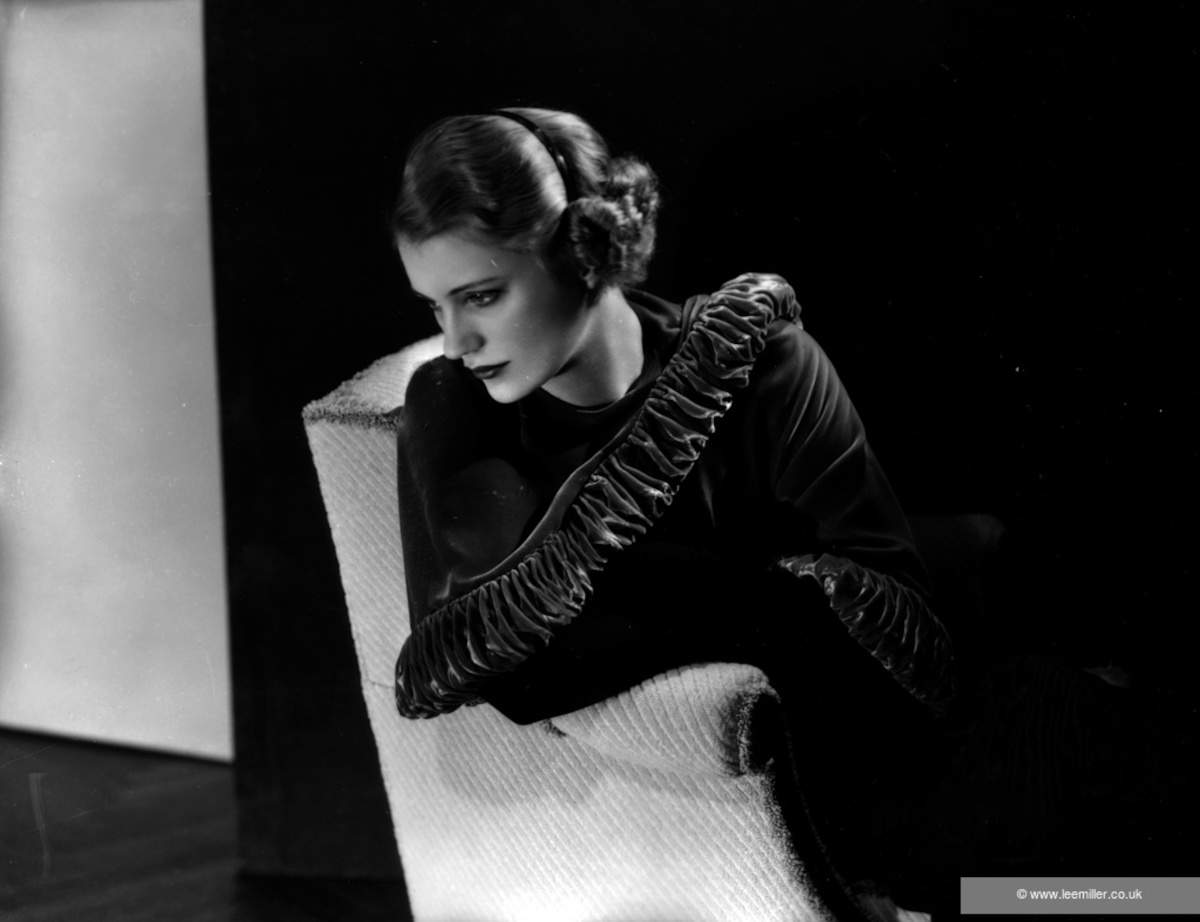
Born in Poughkeepsie, New York, in 1907, Miller moved to Paris in the late 1920s with the ambition of becoming a photographer. There, she managed to join Man Ray’s studio, becoming his assistant and collaborator. It was the beginning of a career destined to intertwine with some of the most important figures in 20th-century art. Miller came into contact with the Surrealist movement and became a friend and muse to artists such as Pablo Picasso, Max Ernst, and Paul Éluard, as well as associating with female artists like Eileen Agar, Leonora Carrington, and Dorothea Tanning. During this period, she created some of the most significant images in the history of Surrealist photography and collaborated with Man Ray on the development of solarization, one of the most recognizable photographic techniques of their work.
Lee Miller’s artistic career was marked by constant change. Her Surrealist photographs date primarily from the period between 1929 and 1932, when she rapidly transitioned from her role as Man Ray’s model and assistant to working independently. Among the works on display are *Impasse des Deux Anges*, *Exploding Hand*, and *Coiffure*. During those same years, Miller also ventured into film, appearing in Jean Cocteau’s *Le Sang d’un poète *, without, however, giving up fashion photography.
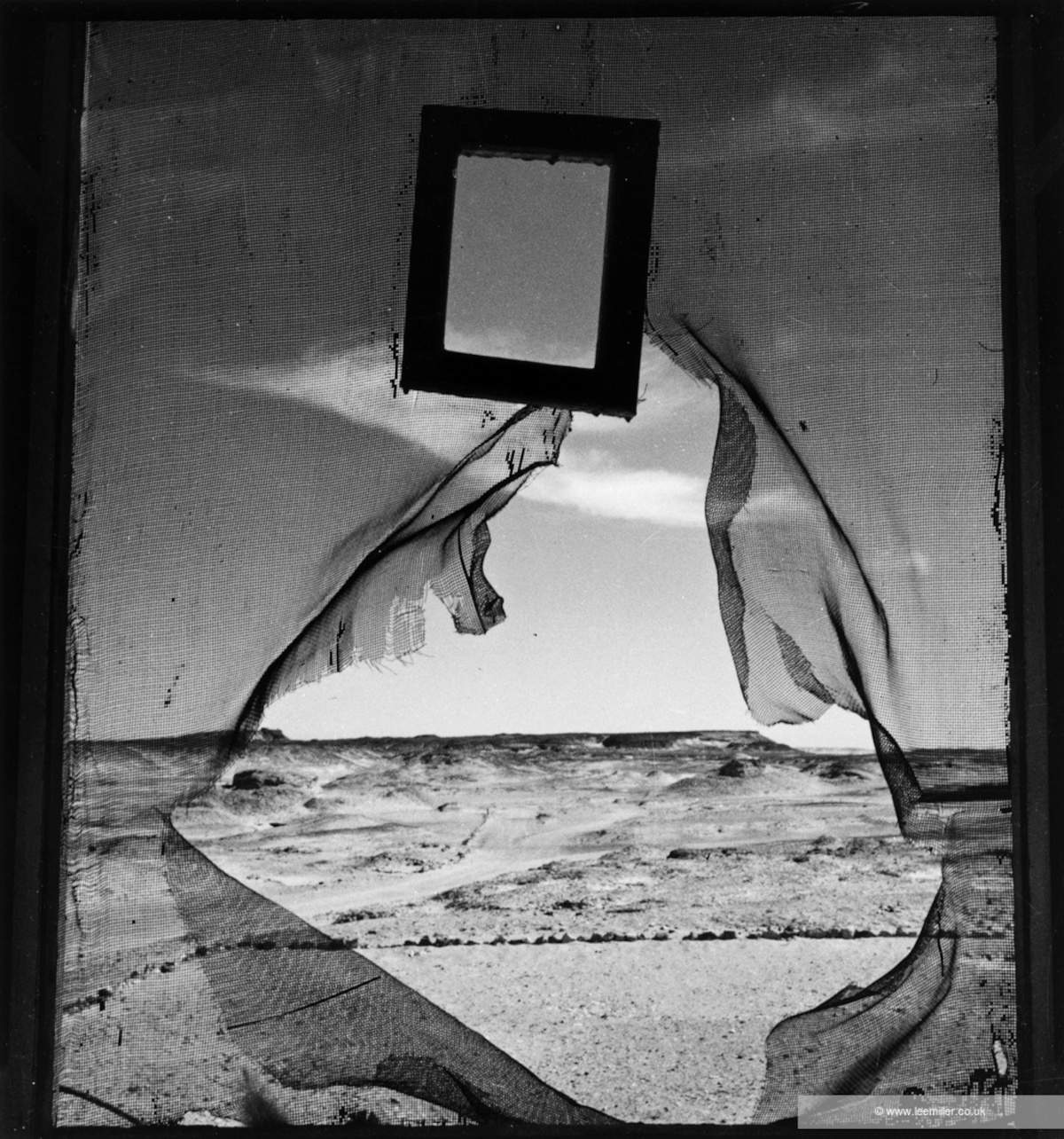
After returning to the United States, she opened a photography studio and photographed figures from the world of cinema and American high society, while at the same time strengthening her collaboration with *Vogue*. In 1934, she embarked on a new adventure by moving to Egypt with her husband, Aziz Eloui Bey. This period, too, proved particularly fruitful from a creative standpoint: Miller produced enigmatic landscape images and became involved with the Egyptian Surrealist scene. Among the most significant photographs from this phase is *Portrait of Space*, one of the most famous images of her career.
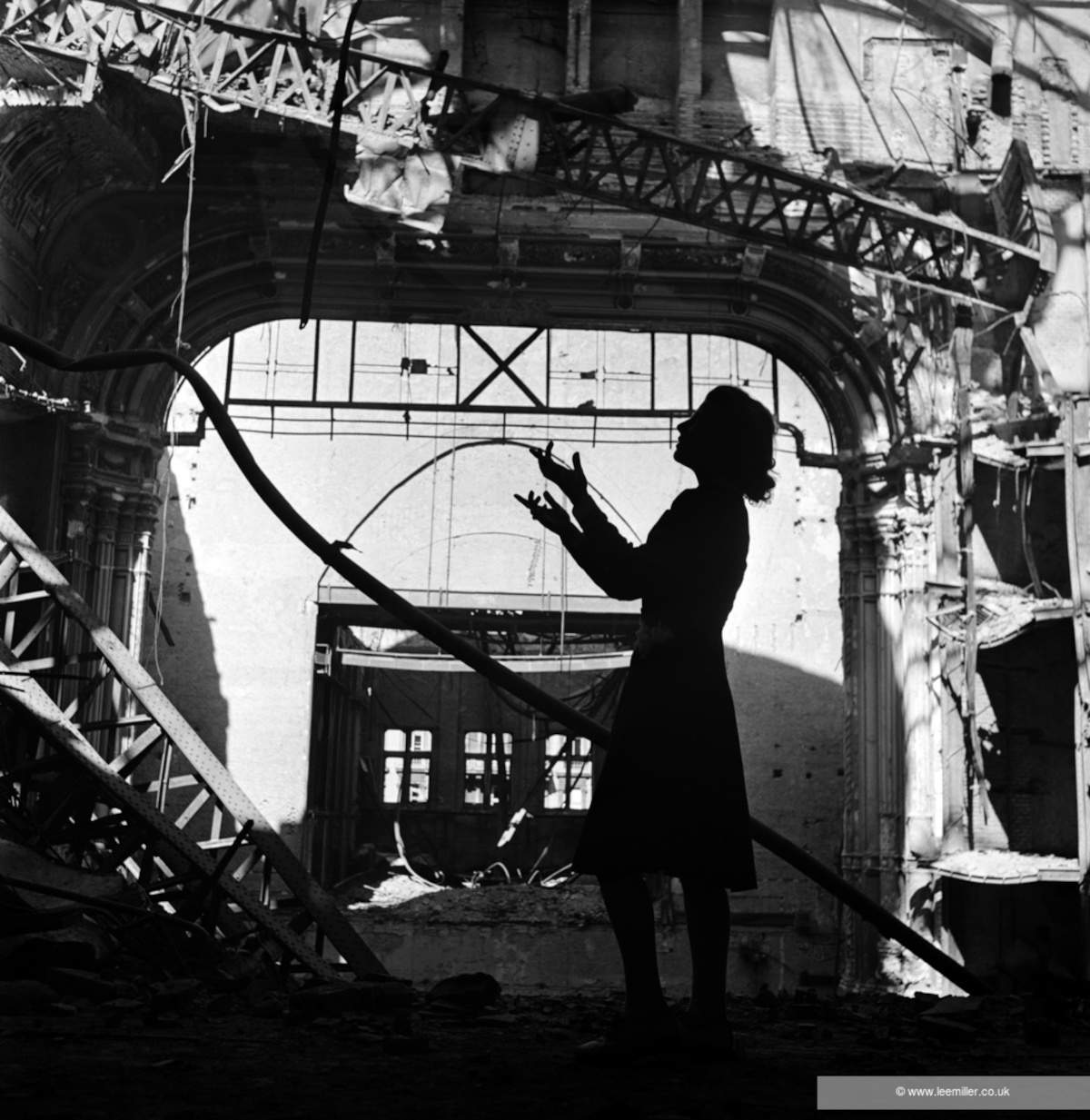
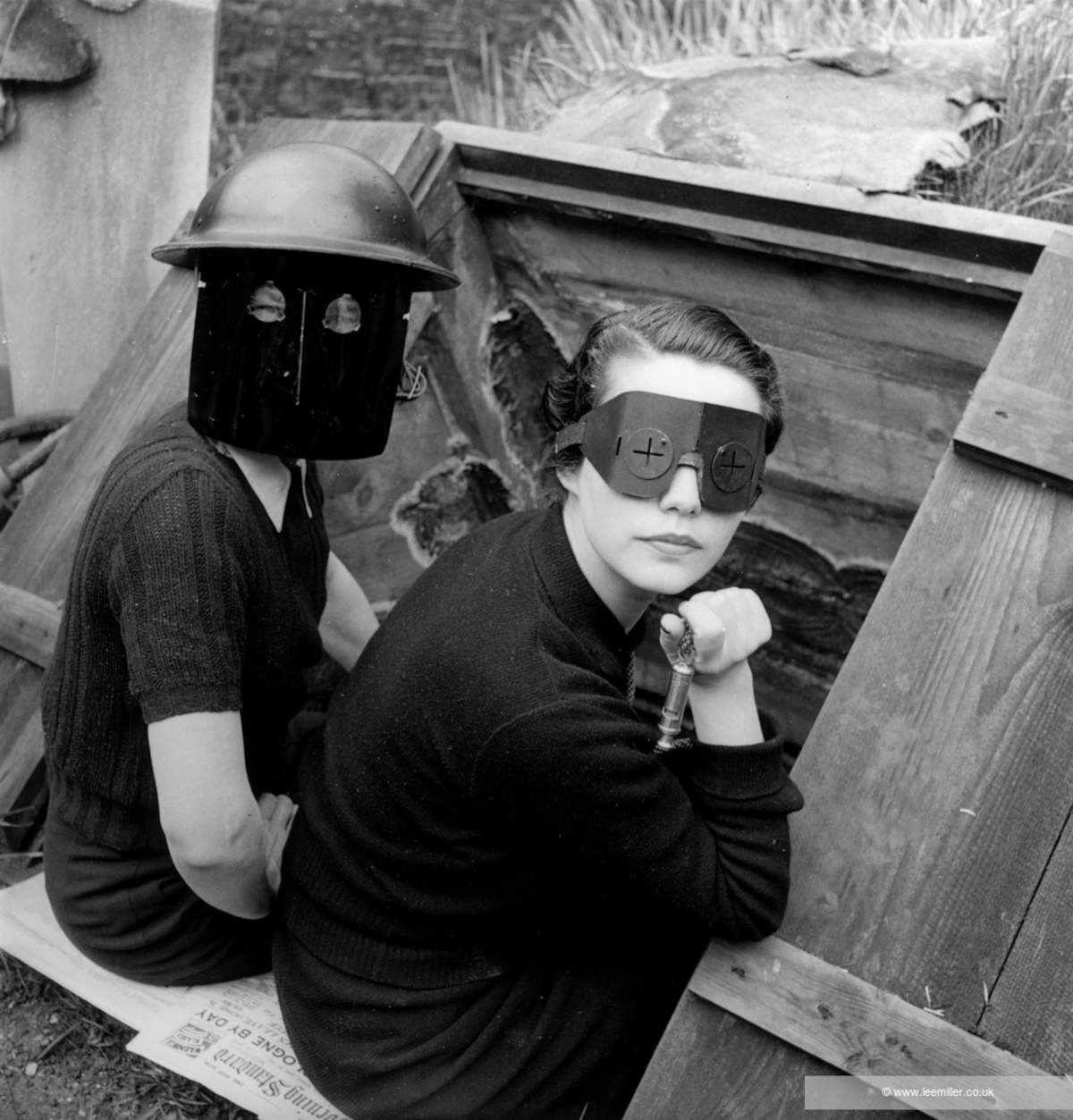
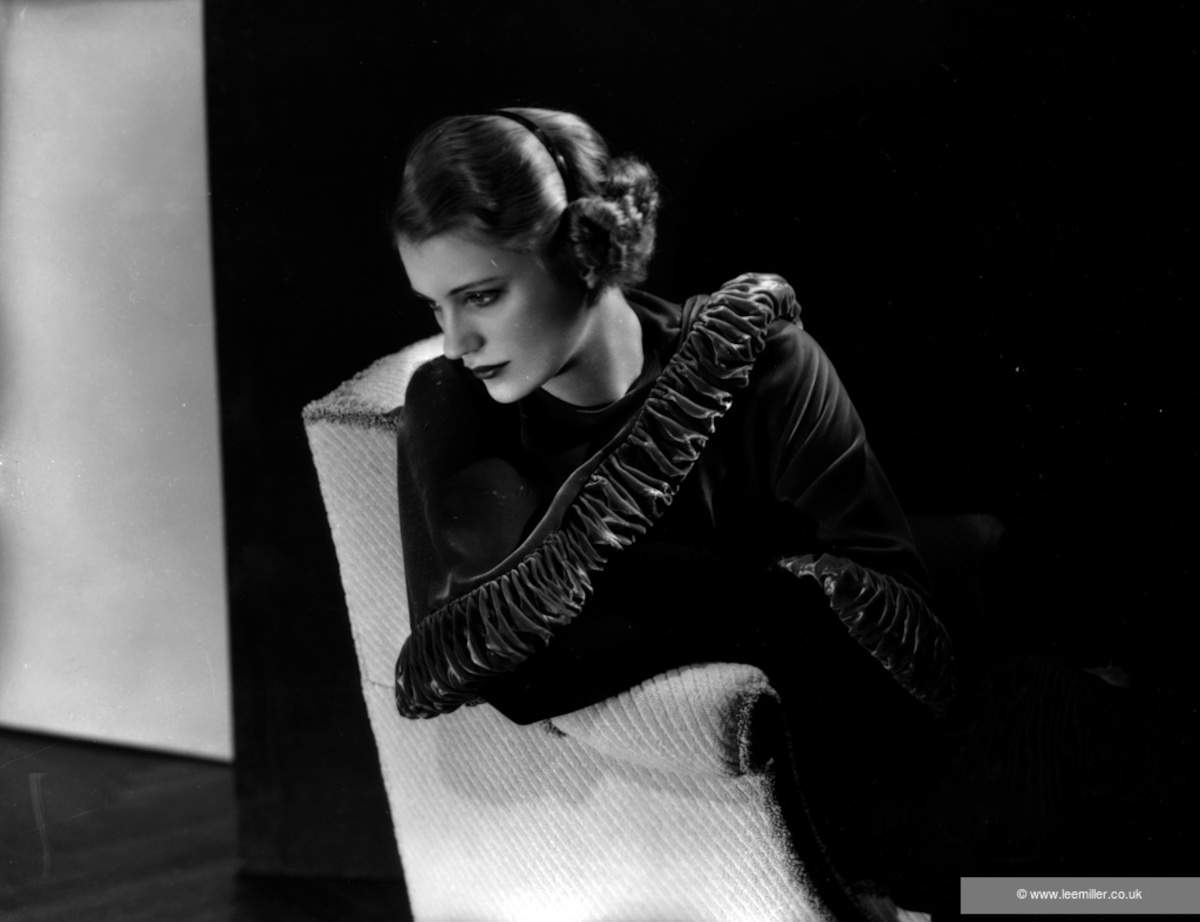
In 1937, Lee Miller returned to Europe, and in 1939 she moved to England with the artist and collector Roland Penrose, who would become her second husband. During World War II, she decided to stay in London and continue working as a volunteer for *Vogue*, documenting the city during the German bombings. Her photographs often transform the everyday reality of war into images of extraordinary visual power. This is the case in *Fire Masks*, where the protective gear worn by the subjects takes on an almost surreal quality.
Later, Miller chose to follow the Allied troops as a photojournalist, directly documenting some of the conflict’s most dramatic moments. Among her best-known images are those taken during the siege of Saint-Malo, in war-torn territories, and in concentration camps.
Her photographs from the end of the war, including those depicting Nazi Germany on the brink of collapse, represent one of the most significant chapters of her body of work. Miller documented the destruction, the suicidal Nazi officers, and the aftermath of the war with a direct, unvarnished gaze. Alongside the images, published by *Vogue*, the photographer personally wrote the accompanying captions, demonstrating remarkable journalistic skills.
The exhibition also traces Lee Miller’s career through the final years of her professional life. In Italy, the photographer produced several photo essays dedicated to the Venice Biennale, coming into contact with figures such as Peggy Guggenheim and Giorgio Morandi, and she also shot her last fashion spreads in Sicily. She later retired with Roland Penrose to the Sussex countryside, where she continued to socialize with artists, intellectuals, and leading figures in international culture. Their home became a gathering place for personalities such as Saul Steinberg, Max Ernst, Alfred H. Barr Jr., Renato Guttuso, and a young Richard Hamilton. Even during this period, Lee Miller continued to experiment, creating ironic and playful photographs that reflect her unconventional spirit.
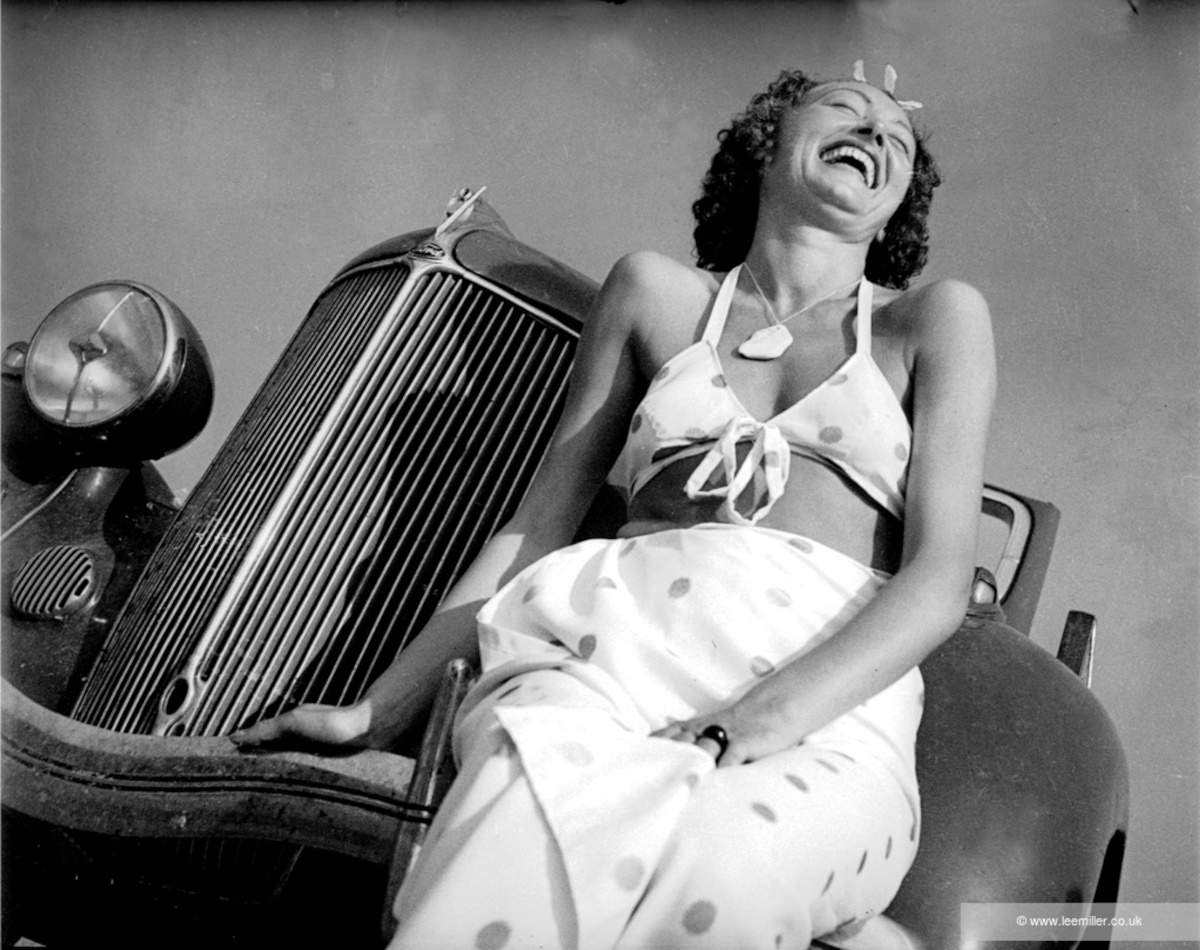
The exhibition in Forlì follows a chronological sequence, highlighting one of Lee Miller’s most distinctive traits: an inexhaustible curiosity and a constant desire to change, experiment, and discover new aspects of reality. The more than 160 photographs will be accompanied by reproductions of several pages from the magazines in which her photographic and journalistic reportages were published, thus also offering insight into the editorial context in which they originated. The exhibition will also be accompanied by a catalog published by Dario Cimorelli Editore and a program of activities dedicated to visual literacy, sharing, and participation, aimed at audiences of different ages and educational backgrounds.
The retrospective is sponsored by the Fondazione Cassa dei Risparmi di Forlì, through Civitas srl, in collaboration with the municipal administration and Camera – Italian Center for Photography, and features an exhibition design by the Lucchi & Biserni studio.
With this exhibition, Forlì continues its series dedicated to the great figures of international photography, offering the public the opportunity to rediscover Lee Miller not only as a war photographer or an icon of Surrealism, but as an artist capable of continually reinventing herself and navigating some of the most significant moments in 20th-century culture and history.
 |
| Lee Miller in Forlì: Over 160 Photographs Telling the Story of One of the 20th Century’s Most Versatile Photographers |

Warning: the translation into English of the original Italian article was created using automatic tools. We undertake to review all articles, but we do not guarantee the total absence of inaccuracies in the translation due to the program. You can find the original by clicking on the ITA button. If you find any mistake,please contact us.


















 IT
IT FR
FR DE
DE ES
ES CN
CN


