



by Redazione 29/05/2026



Categories: Exhibitions / Disclaimer
At the Royal Museums of Turin, a comparison between Lorenzo Lotto and Giovanni Girolamo Savoldo investigates the origins of the "light of truth" that anticipated the Caravaggio revolution. On display are three early 16th-century paintings, drawings by Cavalcaselle and an "imagined lesson" by Roberto Longhi.
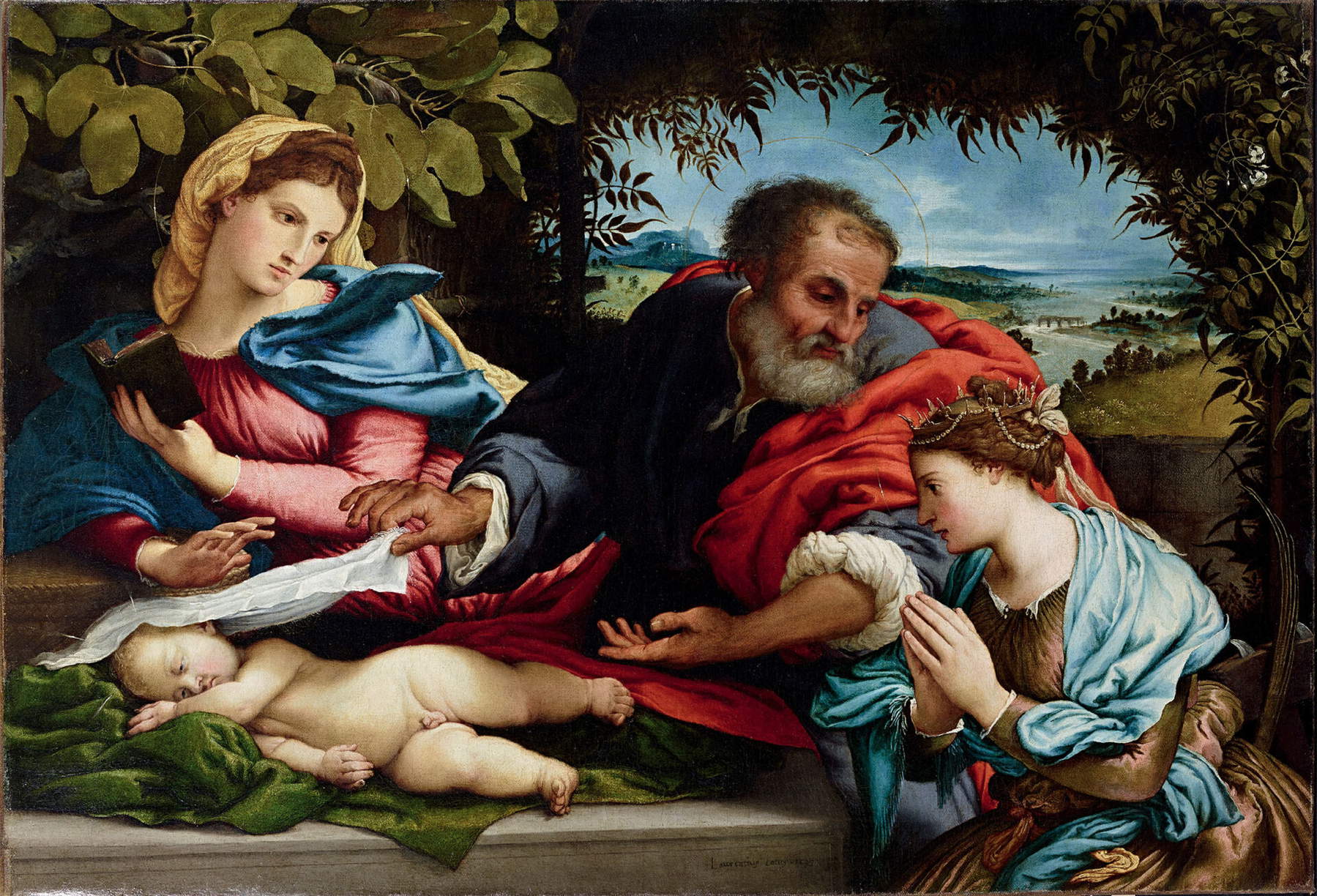
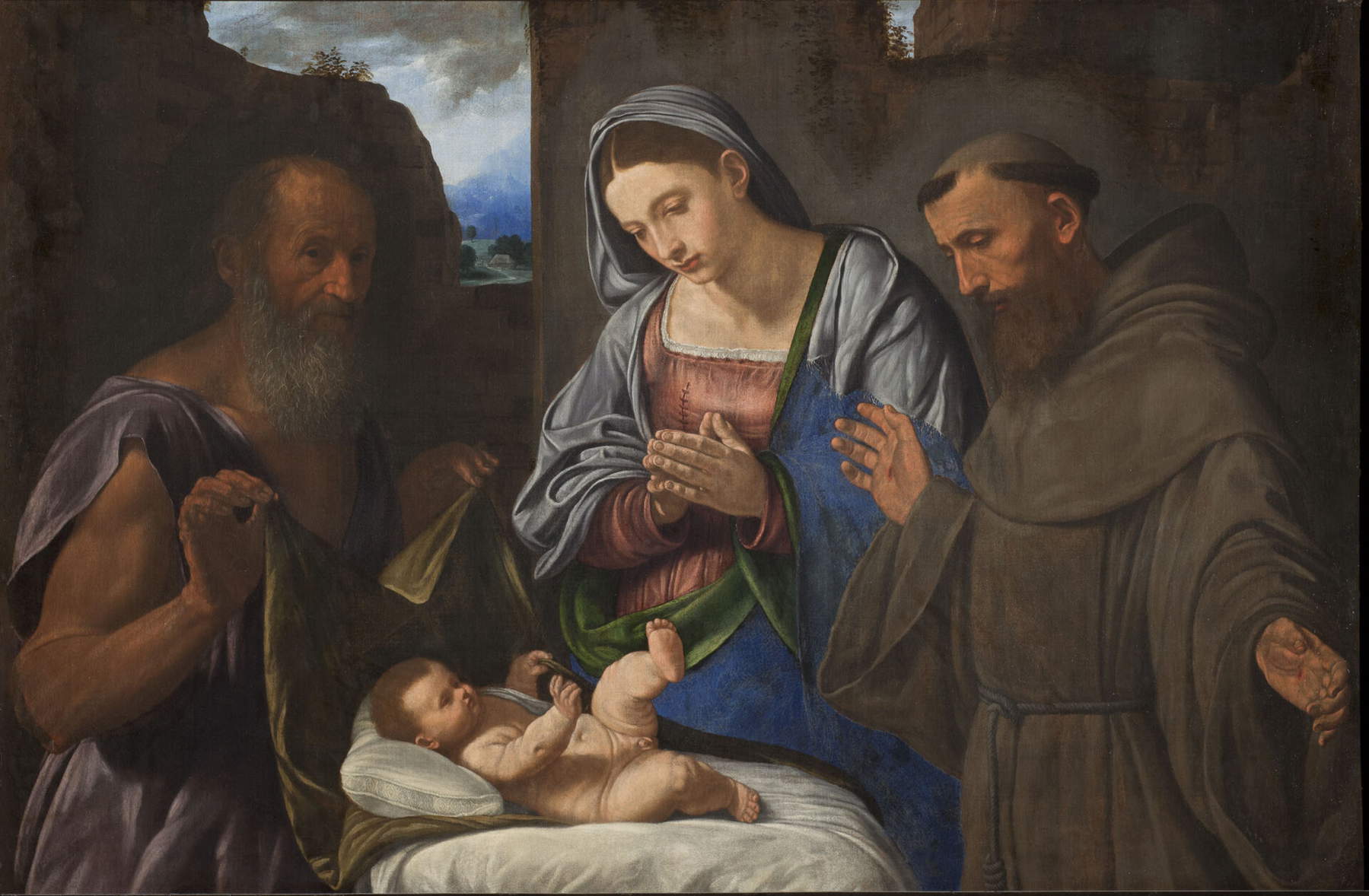
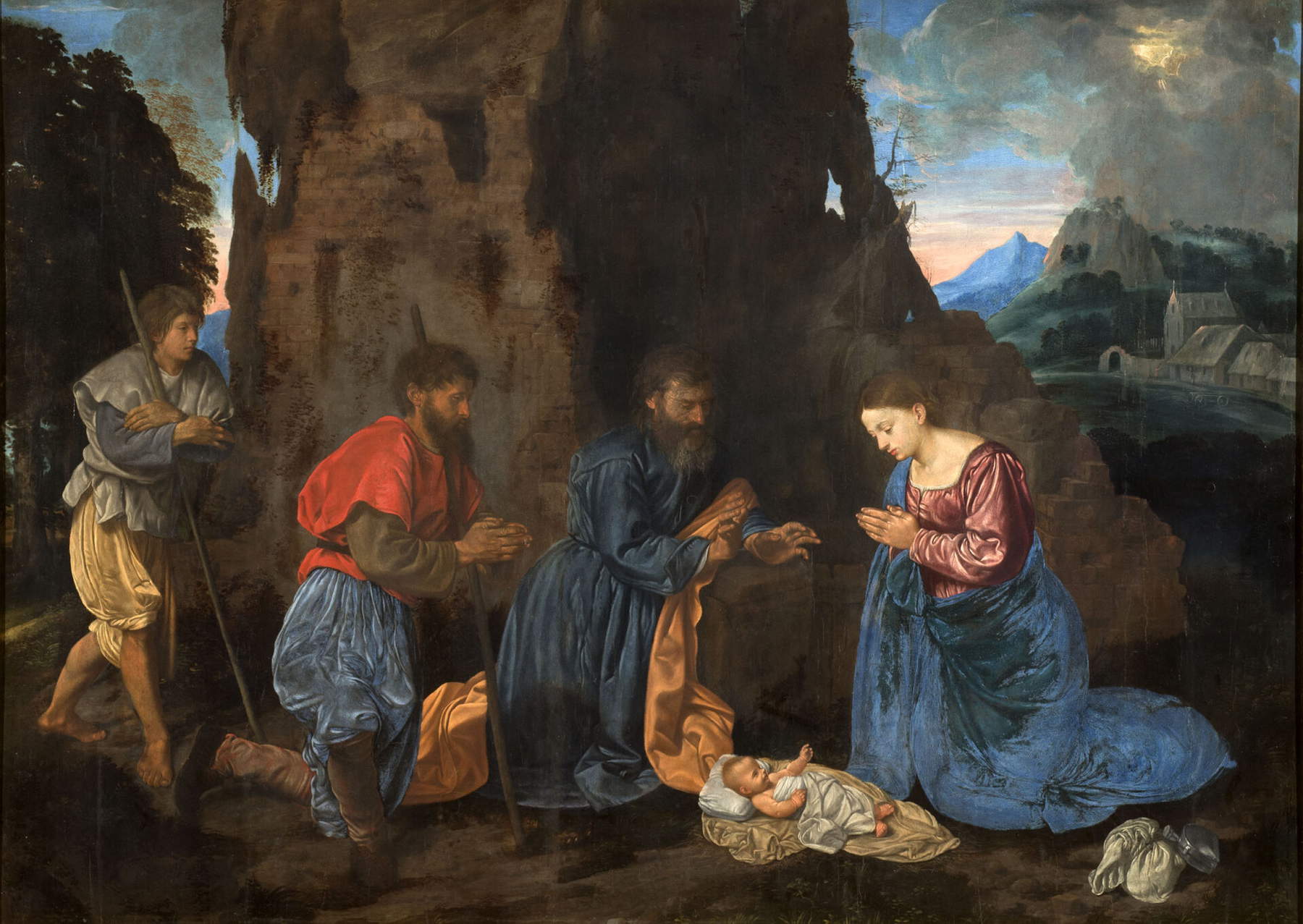
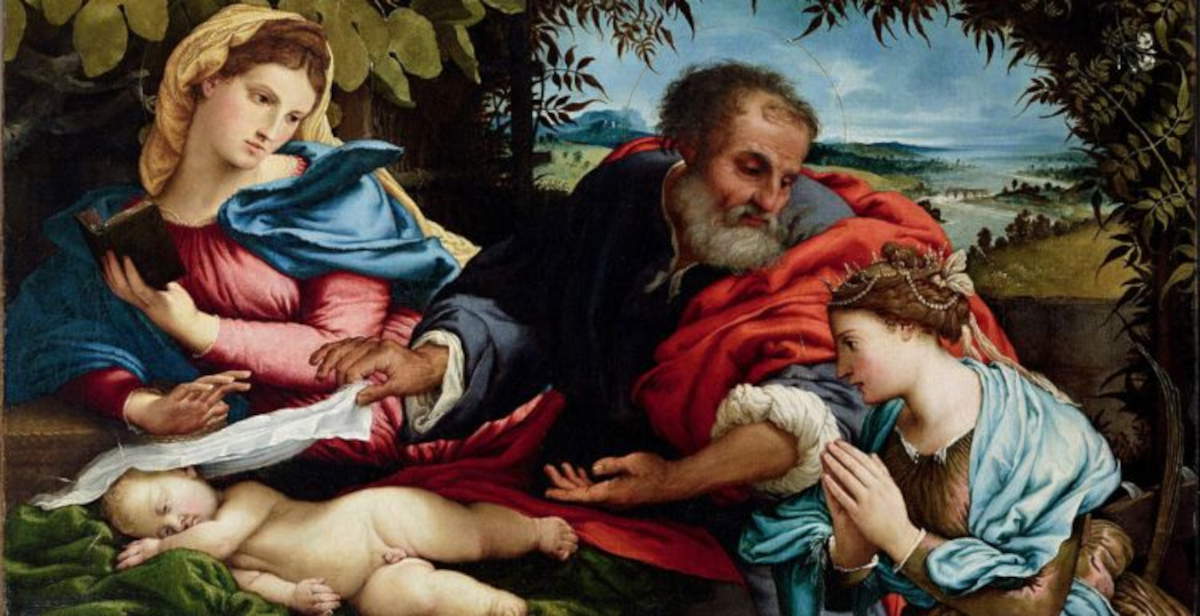
From May 30 to September 15, 2026, the Spazio Scoperte of the Royal Museums of Turin, on the second floor of the Galleria Sabauda, is hosting the exhibition La luce del vero prima di Caravaggio: Lotto e Savoldo, a dossier exhibition that compares two protagonists of the early 16th century in Veneto and Lombardy: Lorenzo Lotto (Venice, 1480 - Loreto, 1556/1557) and Giovanni Girolamo Savoldo (Brescia? c. 1480/1485 - Venice, post-1548). The project takes shape through a dialogue between Lotto’s Holy Family with St. Catherine of Alexandria, on loan from the Carrara Academy in Bergamo, and two paintings by Savoldo kept in the collections of the Galleria Sabauda, theAdoration of the Shepherds and theAdoration of the Child between St. Jerome and St. Francis of Assisi.The dossier exhibition is curated by Annamaria Bava and Alessandro Uccelli.
The exhibition addresses the theme of the origins of the so-called light of truth, identifying in the two artists some of the figurative experiences that anticipated central aspects of Caravaggio’s naturalistic revolution. Lorenzo Lotto and Giovanni Girolamo Savoldo are juxtaposed because of their common focus on luministic rendering, the psychological dimension of the characters, and the observation of the real datum.


The exhibition highlights the two painters’ relationship with Nordic figurative culture, evident in their use of light and interest in the atmospheric and material aspects of representation. In the selected paintings, chiaroscuro takes on a decisive expressive function, while the figures move in spaces charged with emotional tension and naturalistic focus. The path thus develops around the idea of a painting capable of combining concrete observation and inner participation, elements that Roberto Longhi would have recognized as fundamental anticipations of Caravaggio’s work.
The reference to Longhi’s studies constitutes one of the central axes of the exhibition. In his 1952 monograph devoted to the Lombard painter, the art historian in fact identified in Lotto and Savoldo some of the main precedents of Caravaggio’s sensibility, recognizing in their works “a more staid humanity” and a “truer and more attentive coloring.” According to Longhi, the painting of the two artists introduced a new way of interpreting reality and human nature, far from the idealized schemes of the more classicist 16th-century tradition.
Lotto ’s Holy Family with Saint Catherine of Alexandria, signed and dated 1533, was made in the Marche region and entered the collections of the Carrara Academy in 1866. The painting occupies a central position within the exhibition itinerary. The scene revolves around the gesture of St. Joseph, who lifts the veil to show the sleeping Child to St. Catherine. The infant Christ rests on a stone that symbolically recalls the sarcophagus and alludes to the future Passion. Mary, caught in the reading, appears troubled by the prophecies about her son’s fate. The composition combines a strong narrative tension with a sophisticated luministic construction, in which chiaroscuro contrasts and chromatic intensity define a scene suspended between everyday life and symbolic meaning.
Presented alongside Lotto’s work are two paintings by Savoldo belonging to the Savoy collections. TheAdoration of the Shepherds, made between 1522 and 1523, entered the Turin collections in 1824 following the acquisition of Palazzo Durazzo in Genoa, now the Royal Palace, and its collections. In the painting the chromatic richness and golden reflections of the Venetian tradition coexist with a more concrete and analytical luministic construction, traceable to Lombard culture. The light defines volumes, highlights surfaces and contributes to the construction of a collected and meditative atmosphere.
In theAdoration of the Child between Saint Jerome and Saint Francis of Assisi, executed between 1525 and 1530, Savoldo further develops the theme of emotional participation of the viewer. Saint Jerome lifts the veil and shows the Child, directly involving the viewer in the contemplation of the mystery of Revelation. Again, the gesture takes on a symbolic value that prefigures the Passion of Christ. The figures are characterized by a strong naturalism, while the pictorial language is constructed through subtle passages of light and shadow that accentuate the intimate dimension of the scene.
The exhibition also dedicates a second room to the figure of Giovan Battista Cavalcaselle, an art historian who was born in Legnago in 1819 and died in Rome in 1897 and is considered one of the pioneers of the art-historical discipline. The section reconstructs Cavalcaselle’s role in the critical rediscovery of Lotto and Savoldo through the display of reproductions of his study drawings related to the three works in the exhibition. The materials come from the Biblioteca Marciana in Venice, where his papers are preserved.
The documentary core highlights Cavalcaselle’s working method at a time before the spread of photography as a tool for analyzing and cataloging works of art. Indeed, the scholar used drawing to record compositional details, iconographic elements and stylistic characteristics of paintings observed in public and private collections. The exhibited papers show an approach that alternates quick annotations with extremely accurate descriptions, restoring the still empirical character of the nascent art history. The tour concludes with a film conceived as an imagined lecture by Roberto Longhi. The project, produced by Stefano P. Testa for Lab80 Film is based on a text by Alessandro Uccelli.
The exhibition design is by Stefania Dassi and Barbara Vinardi, while the graphic design is by Paolo Mamino.
 |
| Lotto and Savoldo at the Royal Museums of Turin: the light of truth before Caravaggio |
Warning: the translation into English of the original Italian article was created using automatic tools. We undertake to review all articles, but we do not guarantee the total absence of inaccuracies in the translation due to the program. You can find the original by clicking on the ITA button. If you find any mistake,please contact us.