





From Oct. 17, 2026 to Feb. 7, 2027, the Villa Bassi Rathgeb Museum in Abano Terme will host the exhibition Andrea Previtali disciple of Giovanni Bellini, curated by Raffaele Campion and Barbara Maria Savy, promoted and produced by the City of Abano Terme in collaboration with the Department of Cultural Heritage of the University of Padua and the Soprintendenza Archeologia, Belle Arti e Paesaggio for the provinces of Padua, Treviso and Belluno. The exhibition continues the path of enhancing the permanent collections launched by the museum in 2024 through research projects and in-depth historical-artistic studies. After the exhibitions dedicated to Cesare Tallone and Leonor Fini, the new exhibition project thus focuses attention on Andrea Previtali, a Renaissance painter in northern Italy, active between Venice and Bergamo.
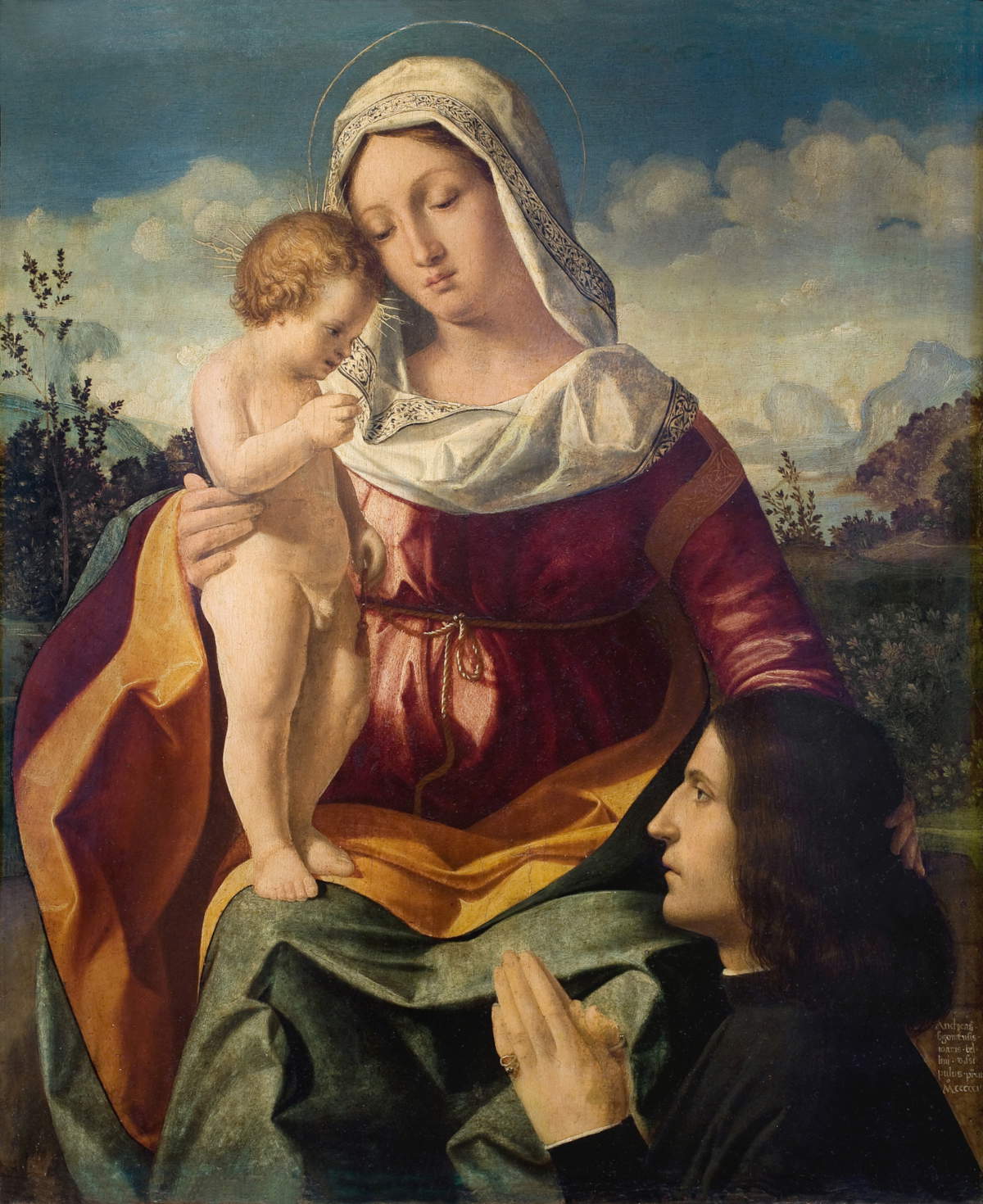
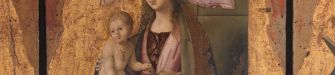
Originally from Valle Imagna, Previtali moved at a young age to Venice, where he entered the prestigious workshop of Giovanni Bellini, among the great masters of the Venetian Renaissance. The bond with the master was so important that in 1502 the artist proudly called himself “Ioanis Bellini dissipulus,” as evidenced by the Madonna and Child with Donor, now preserved at the Civic Museums of Padua and included in the exhibition itinerary. His artistic production includes Madonnas, Sacred Conversations, portraits and landscapes of Arcadian taste. In his works the teachings of Bellini and the influences of artists such as Vittore Carpaccio, Giorgione and Albrecht Dürer coexist. Later, once he returned to Bergamo, Previtali also assimilated the stylistic innovations introduced by Lorenzo Lotto, contributing to the evolution of early 16th-century Lombard-Venetian painting.
The focus of the exhibition is the relationship between the artist and Renaissance workshop practice. Through an itinerary of comparisons between works by Previtali and paintings by other protagonists of the period active between Venice, Bergamo and Brescia, including Francesco Bissolo, Girolamo da Santacroce, Palma il Vecchio and Giovanni Busi known as Cariani, the public will be able to delve into the dynamics of formation, collaboration and diffusion of artistic models in Renaissance Italy.
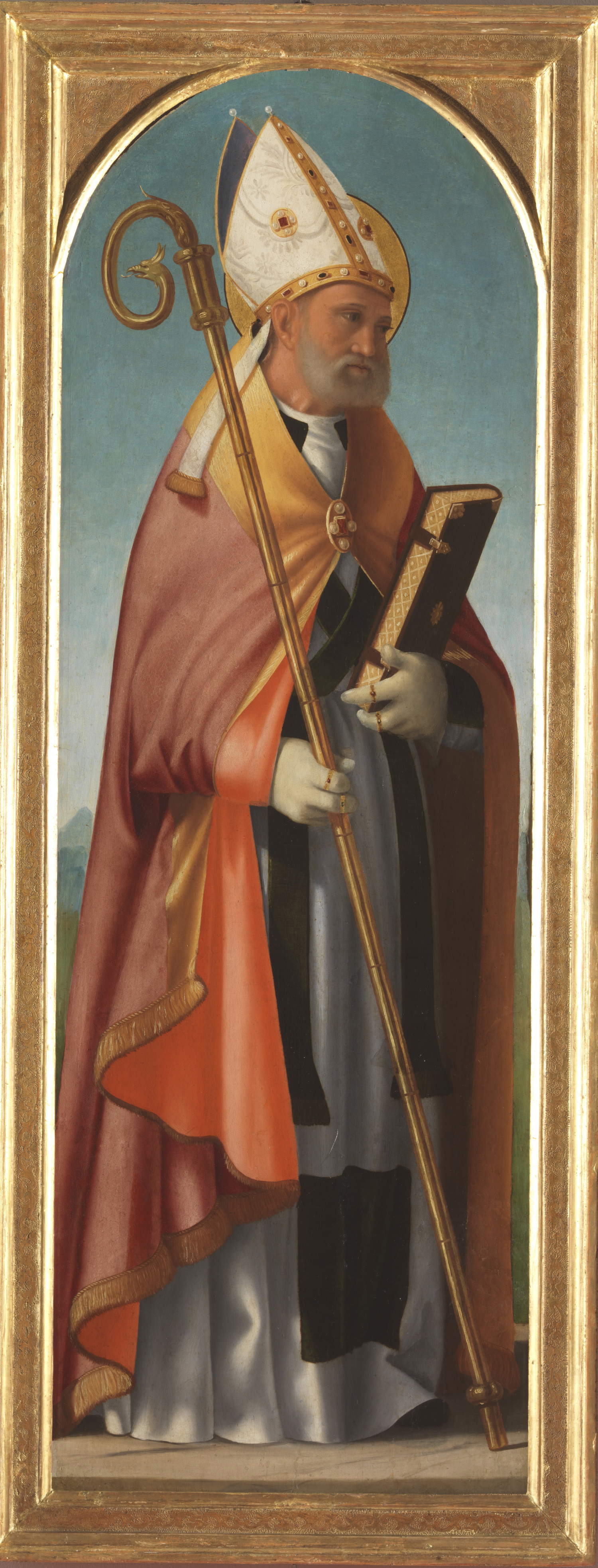
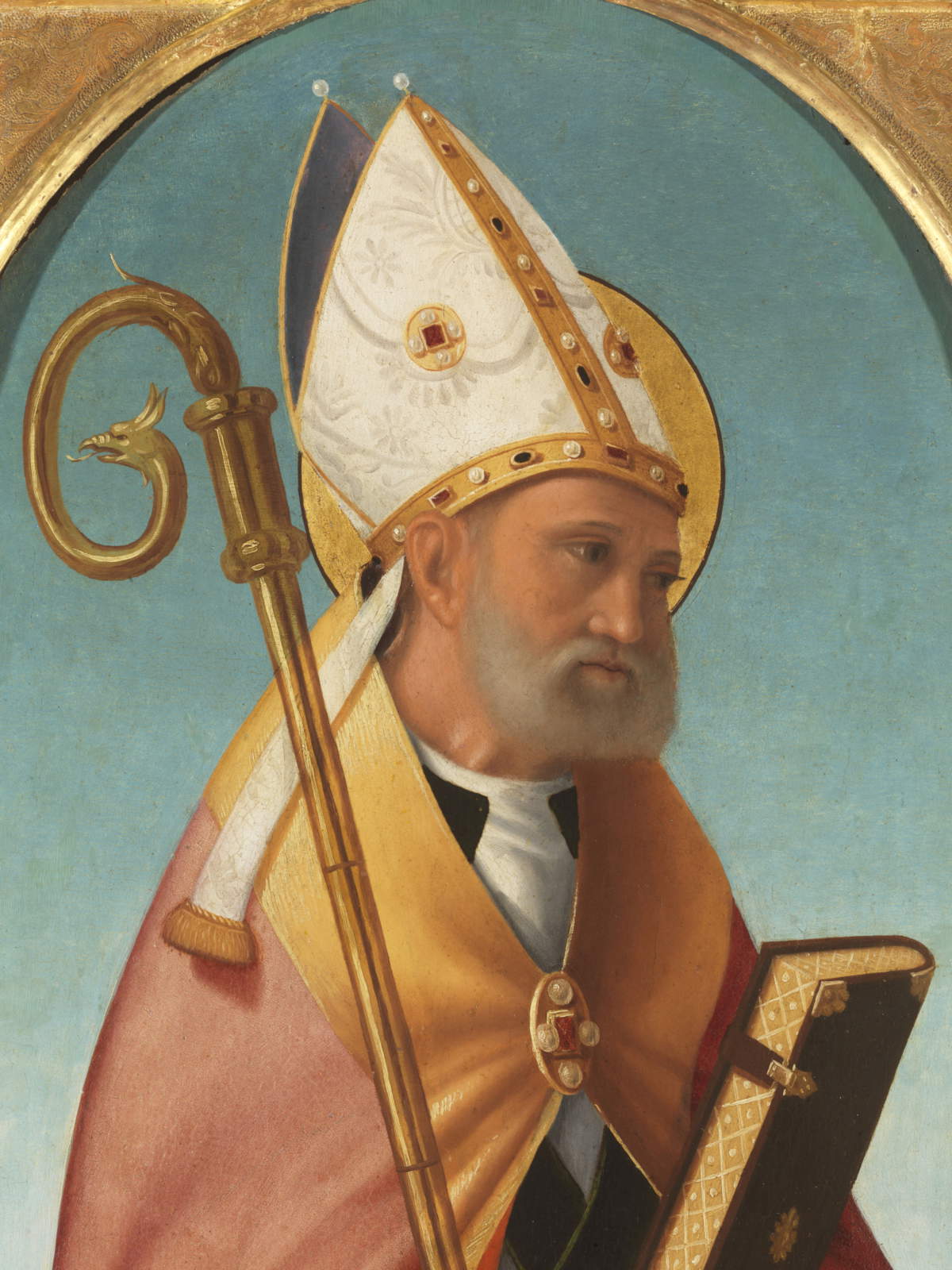
The exhibition also stems from a direct dialogue with the Bassi Rathgeb collection, donated to the City of Abano Terme between 1972 and 1980. Among the works preserved here is a panel by Previtali depicting a bishop saint, evidence of the interest that collector and scholar Roberto Bassi Rathgeb devoted to the artist, contributing significantly to his critical rediscovery.
One of the most important moments of the exhibition will be the reuniting of this panel with the other two panels originally belonging to a triptych from the Church of the Annunziata in Serina (Bergamo) dated around 1515. Thanks to the collaboration with the Diocese of Bergamo, the three panels will again be displayed together, offering visitors the rare opportunity to admire the work in its entirety.
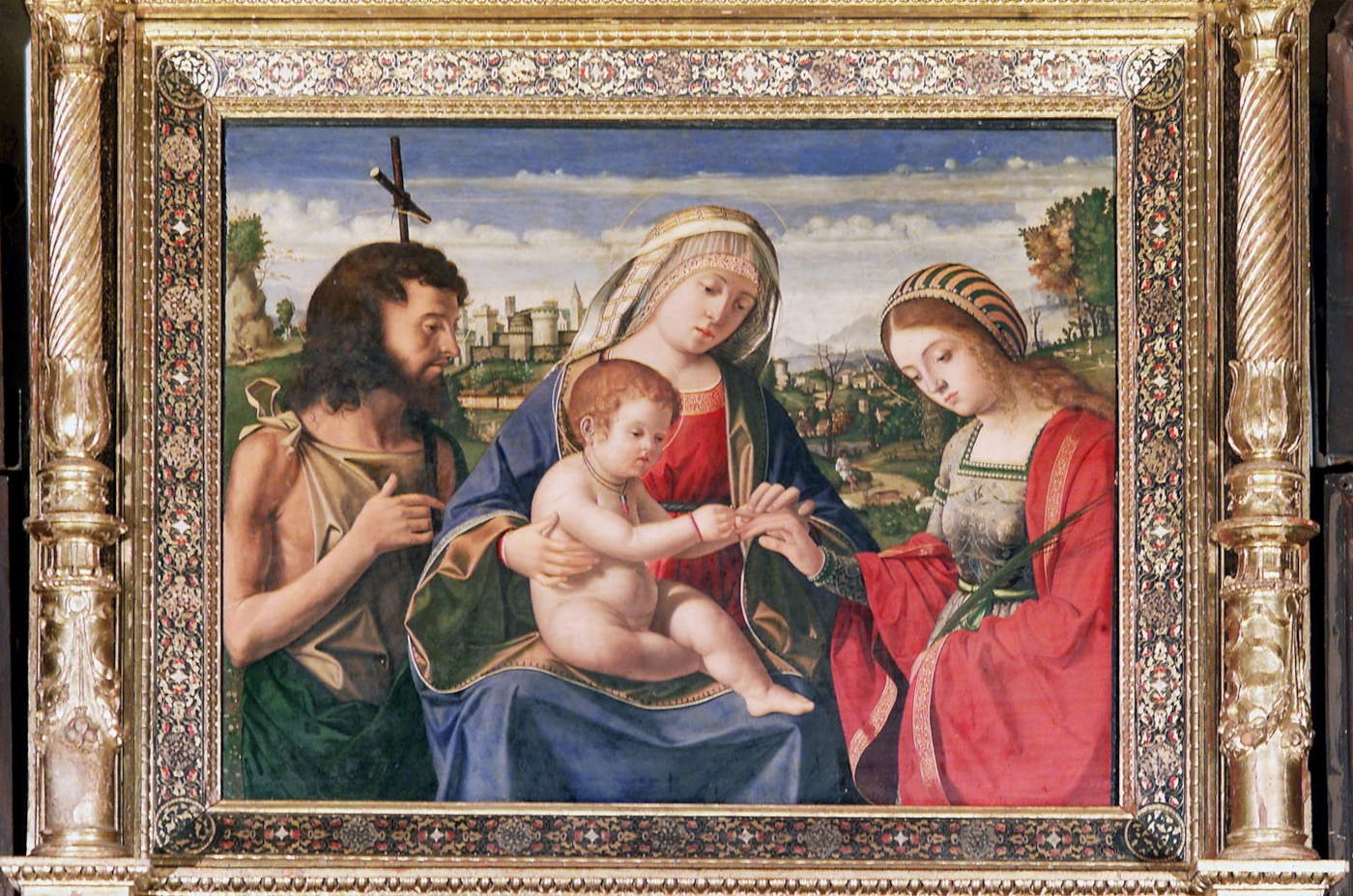
Alongside paintings of religious subjects, the exhibition will also devote space to Previtali’s portrait production. Also on display will be the famous Portrait preserved at theAccademia dei Concordi in Rovigo, a significant example of the artist’s ability to interpret Renaissance portraiture.
The exhibition will also be enriched by a section devoted to the artistic techniques of Renaissance workshops. Educational materials, multimedia aids and in-depth studies will enable the public to learn about the ways in which works were created and the creative processes that characterized the workshops of the time.
The project benefits from the contribution of a scientific committee composed, in addition to the curators, of Elisabetta Gastaldi (Musei Civici di Padova), Marta Mazza (Soprintendenza ABAP Padova, Treviso e Belluno), Antonio Carlo Mazzotta (Università degli Studi di Milano), Paolo Plebani (Accademia Carrara di Bergamo), and Alessia Vedova (Fondazione Cassa di Risparmio di Padova e Rovigo). Accompanying the exhibition will be a scholarly catalog that will collect the results of the studies carried out on the occasion of the exhibition, with essays and entries by scholars, curators and specialists in Renaissance art.
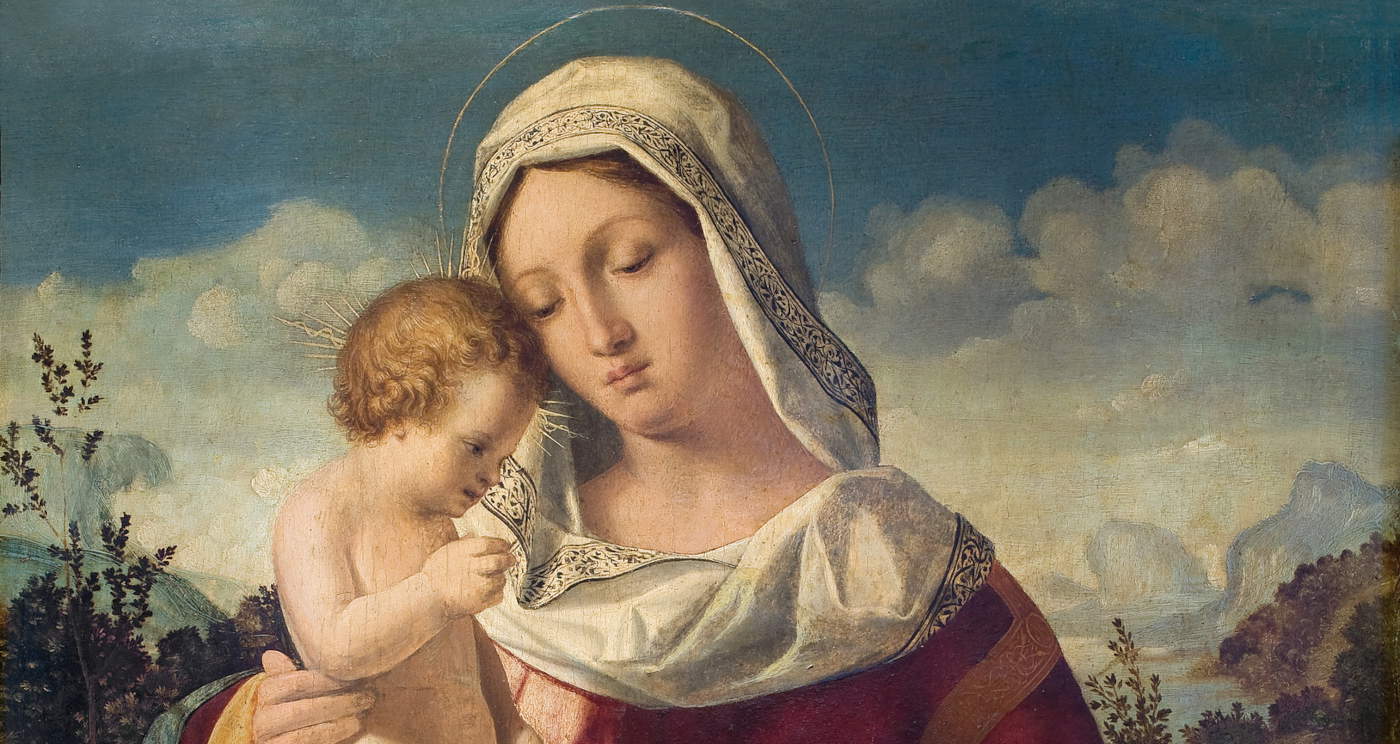 |
| Renaissance painting by Andrea Previtali, disciple of Giovanni Bellini, on display in Abano Terme |

Warning: the translation into English of the original Italian article was created using automatic tools. We undertake to review all articles, but we do not guarantee the total absence of inaccuracies in the translation due to the program. You can find the original by clicking on the ITA button. If you find any mistake,please contact us.


















 IT
IT FR
FR DE
DE ES
ES CN
CN


