



by Redazione 13/07/2026



Categories: Exhibitions / Disclaimer
From October 7, 2026, to January 25, 2027, the Louvre will present twenty-three polychrome wooden sculptures from the Museo Nacional de Escultura in Valladolid, offering, for the first time in France, a comprehensive overview of 17th-century Spanish sculpture.
From October 7, 2026, to January 25, 2027, in the Napoleon Hall of the Louvre Museum, the exhibition *Sculpting Color: Masterpieces from the Museo Nacional de Escultura in Valladolid will run alongside the exhibition dedicated to Francisco de Zurbarán, creating a dialogue between painting and sculpture through a display designed by set designer Nathalie Crinière.
For the first time in France, visitors will be able to admire a selection of twenty-three polychrome wooden sculptures from the Museo Nacional de Escultura in Valladolid, which is the focus of an exclusive partnership with the Louvre. The exhibition highlights the originality of 17th-century Spanish religious sculpture, an artistic tradition characterized by intense naturalism and extraordinary expressive power. The works illustrate the cultural, spiritual, and figurative context in which some of the greatest masters of Spanish painting—including Francisco de Zurbarán, Diego Velázquez, and Bartolomé Esteban Murillo—operated, highlighting the close relationship that united painting and sculpture in the 17th century.
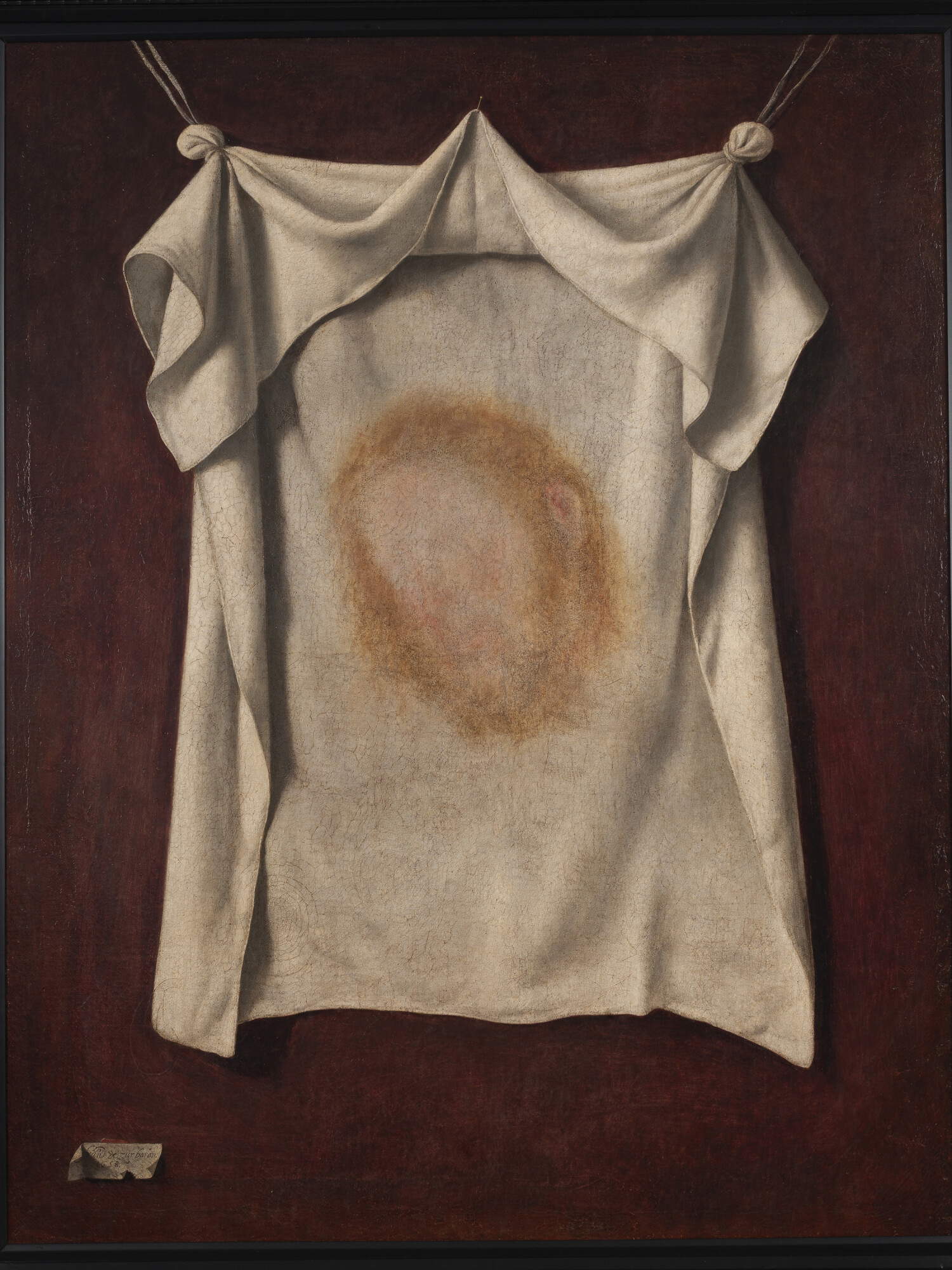
The exhibition brings together masterpieces from the major artistic centers of Spain at the time, particularly Andalusia, Madrid, and Valladolid, which served as the kingdom’s capital during the early decades of the 17th century. The connecting element between the two exhibitions is Zurbarán’s Holy Face, also on loan from the museum in Valladolid. The work introduces visitors to the central theme shared by the exhibitions: the quest for the most realistic possible representation of the sacred world, capable of making the presence of the divine tangible in everyday life.


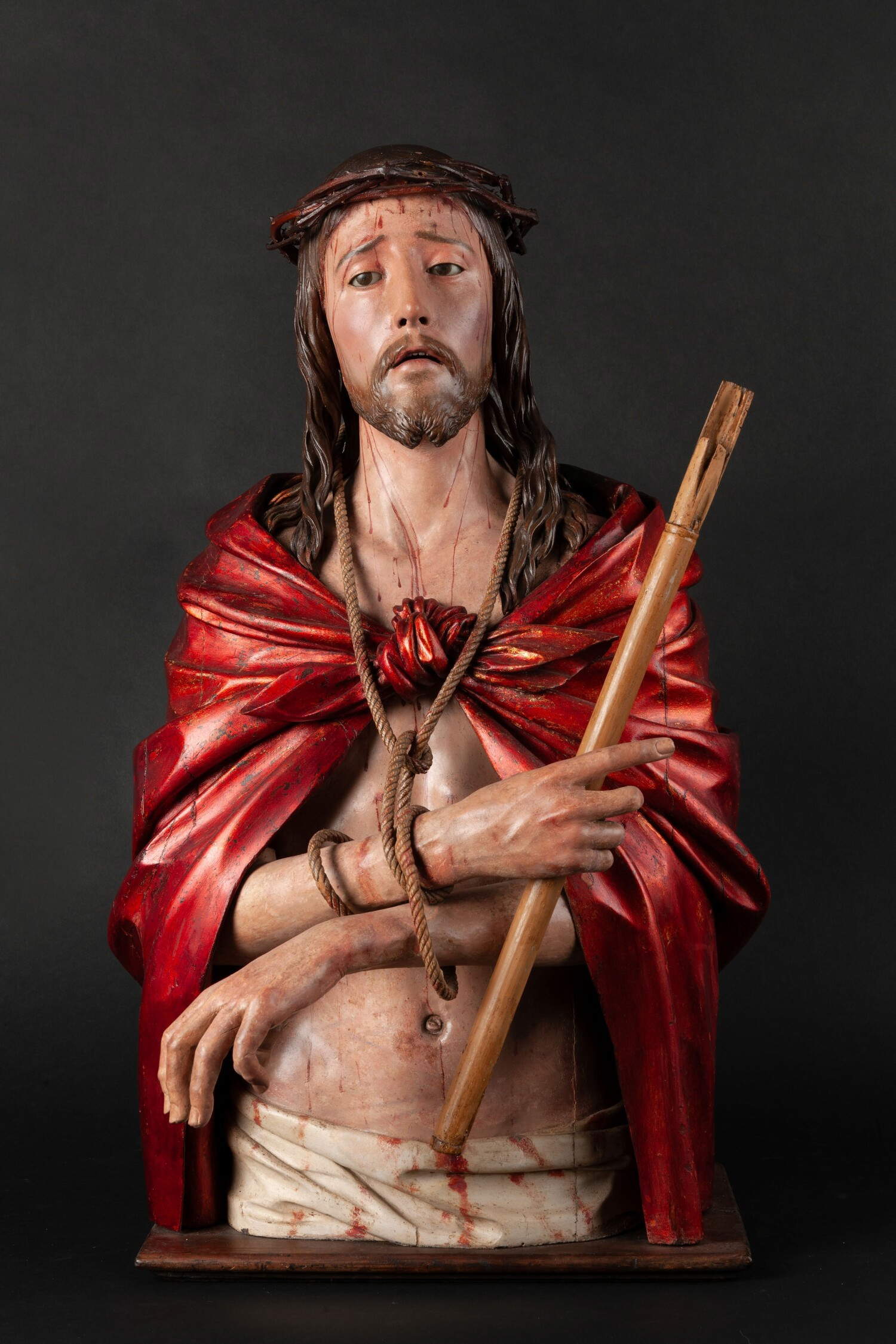
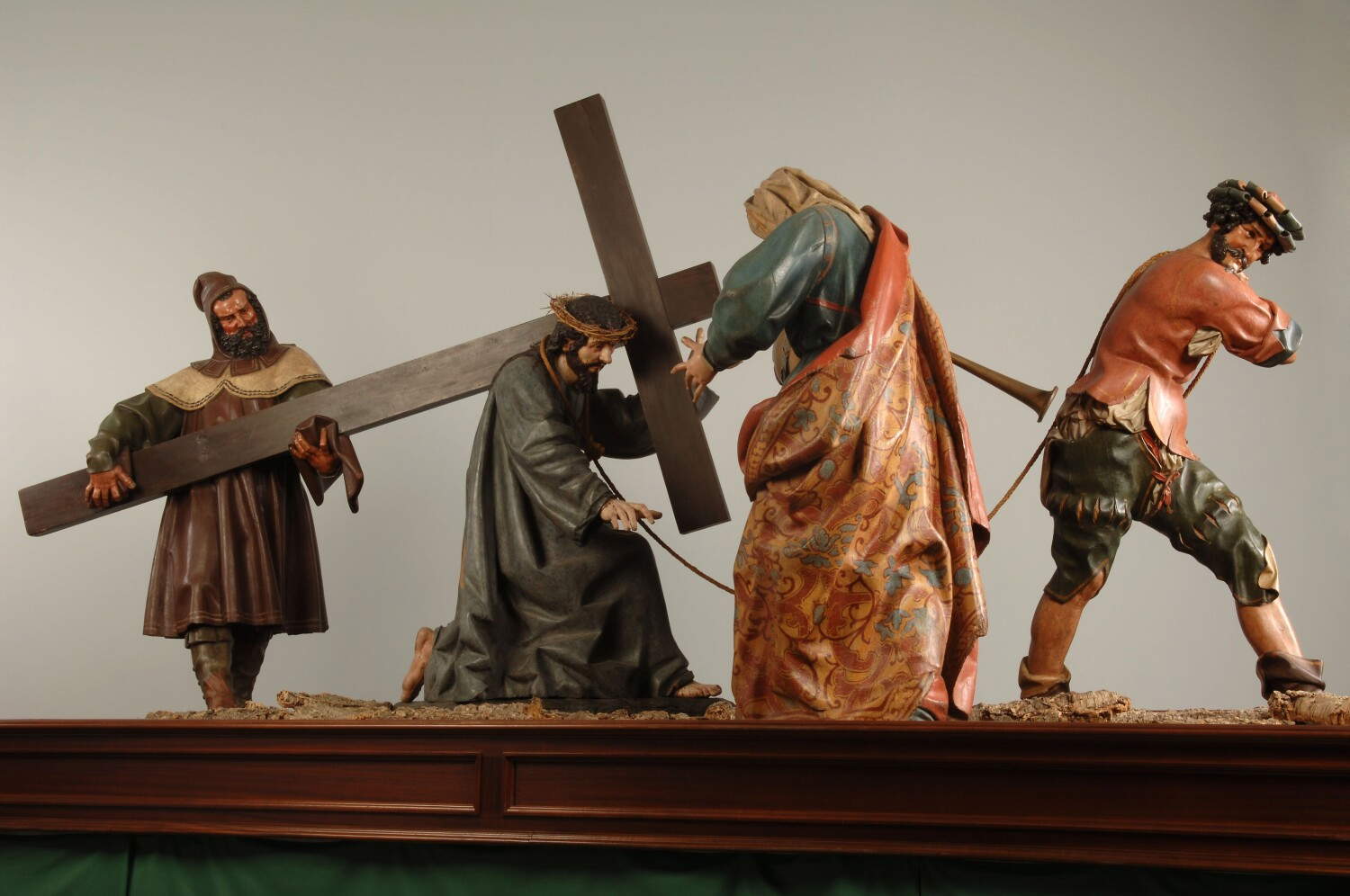
The exhibition opens with one of the most spectacular loaned works: a complete processional figure, a monumental ensemble of five life-size sculpted and painted figures dating from the early 17th century. Created by Gregorio Fernández, a renowned sculptor active in Valladolid at the time, it is displayed at eye level to allow for the most direct observation possible and to intensify the sense of immersion in the scene.
The exhibition then unfolds through various thematic sections dedicated to the veneration of relics, intercessory saints, clothed statues, the depiction of the Passion of Christ and the Sorrows of the Virgin, private devotion, and the theme of the Immaculate Conception. This itinerary allows visitors to explore not only the devotional functions of these works but also their technical aspects, regional stylistic characteristics, and the personalities of the leading figures in 17th-century Spanish sculpture.
Alongside Gregorio Fernández, the exhibition features artists such as Alonso Cano, renowned both as a painter and a sculptor, Juan de Mesa, José de Mora, Pedro de Mena, Jerónimo Francisco and Miguel Jerónimo García, José de Arce, Pedro Roldán, and Luisa Roldán—one of the few female sculptors of the era to achieve fame and prestige even at the royal court.
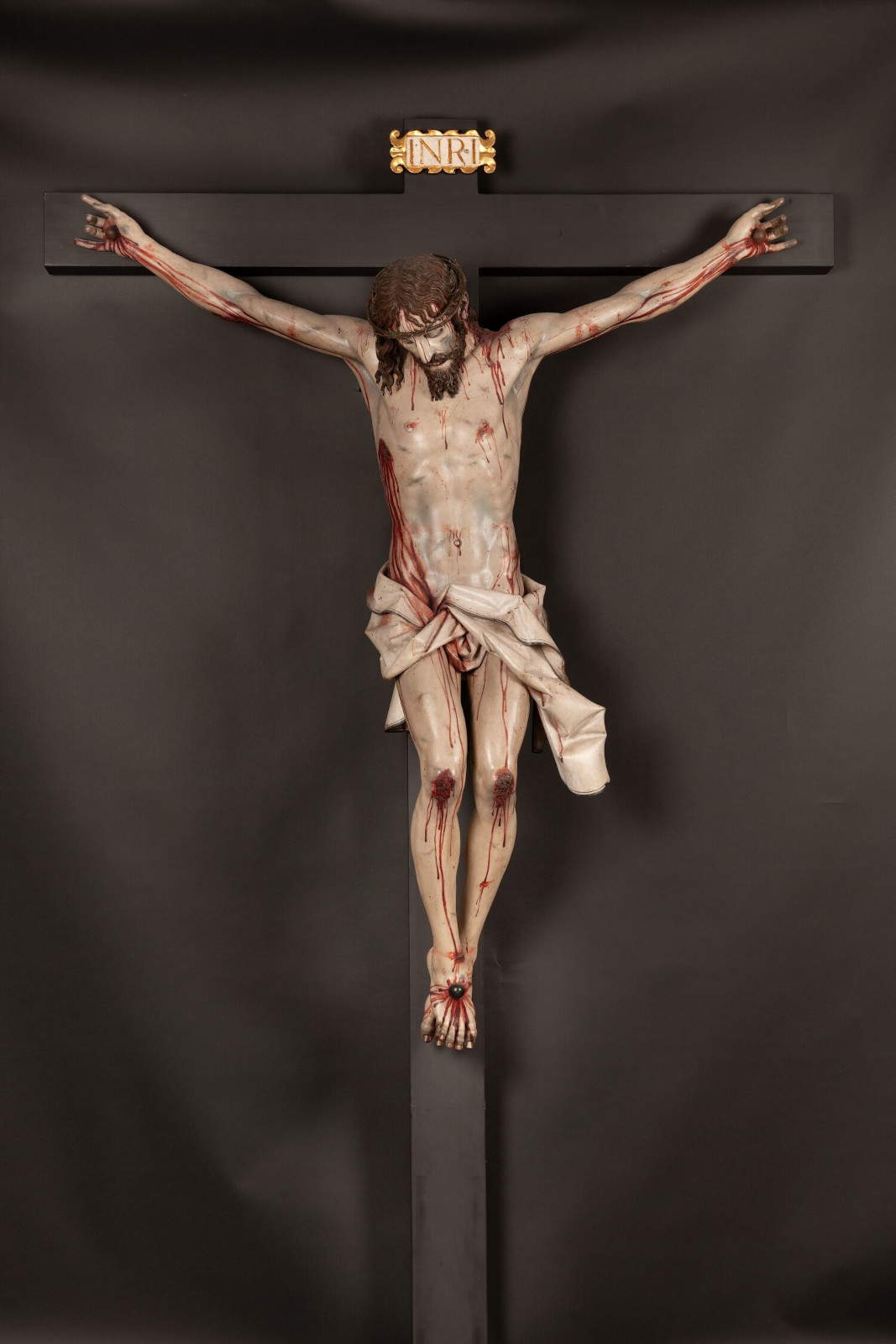
Among the most notable works are Gregorio Fernández’s *Cristo de la Luz*, an intense, life-size crucified Christ, Alonso Cano’s Saint John the Baptist, Luisa Roldán’s Virgin and Child with Saint John the Baptist, and Pedro de Mena’s Immaculate Conception, created in 1680 for a competition sponsored by the Bishop of Granada. These last two works, recently acquired by the museum in Valladolid, are being presented to the public following extensive restoration.
The exhibition is curated by Valérie Carpentier-Vanhaverbeke, head of the Sculpture Department at the Louvre, together with Alejandro Nuevo Gómez, director of the Museo Nacional de Escultura in Valladolid.
|
| Sculpting Color: Masterpieces of 17th-Century Spanish Sculpture at the Louvre |
Warning: the translation into English of the original Italian article was created using automatic tools. We undertake to review all articles, but we do not guarantee the total absence of inaccuracies in the translation due to the program. You can find the original by clicking on the ITA button. If you find any mistake,please contact us.