








In Venice, Korean artist Shim Moonseup presents his solo exhibition Harnessed From Nature, hosted in the historic spaces of Ca’ Faccanon in the sestiere of San Marco. The exhibition will run until September 30, 2026. The exhibition project, curated and directed by Sim Eunlog as curator and AI film director, offers a wide-ranging and layered reading of the work of Shim Moonseup, a central figure in Korean contemporary art and among the leading figures of the Korean Avant-Garde (AG) movement. Active since the late 1960s, the artist has developed research that has sought to redefine the very concept of sculpture, introducing the notion of “anti-sculpture” as an overcoming of the traditional idea of completed form and finished object.
The Venetian exhibition brings together works created over a period of more than 50 years, including sculptures, paintings and installations that testify to the evolution of an artistic language based on a progressive shift away from anthropocentrism toward an ecocentric and process-oriented view of matter. The exhibition is also set in the context of the artist’s international participation, who has taken part in major global exhibitions throughout his career, including the Paris Biennale in the 1970s, the São Paulo Biennale, the Sydney Biennale, and a collateral exhibition at the Venice Biennale in 1995.
The title Harnessed From Nature introduces a central reflection on the nature of the relationship between man and the environment, which is reinterpreted not in terms of domination or exploitation, but as the coexistence of autonomous forces. In the artist’s thinking, nature is not passive matter, but an active system endowed with energy, time and capacity for transformation. The artist defines himself in this sense not as a creator, but as a “condition setter,” the one who arranges the conditions for natural processes to manifest themselves autonomously.
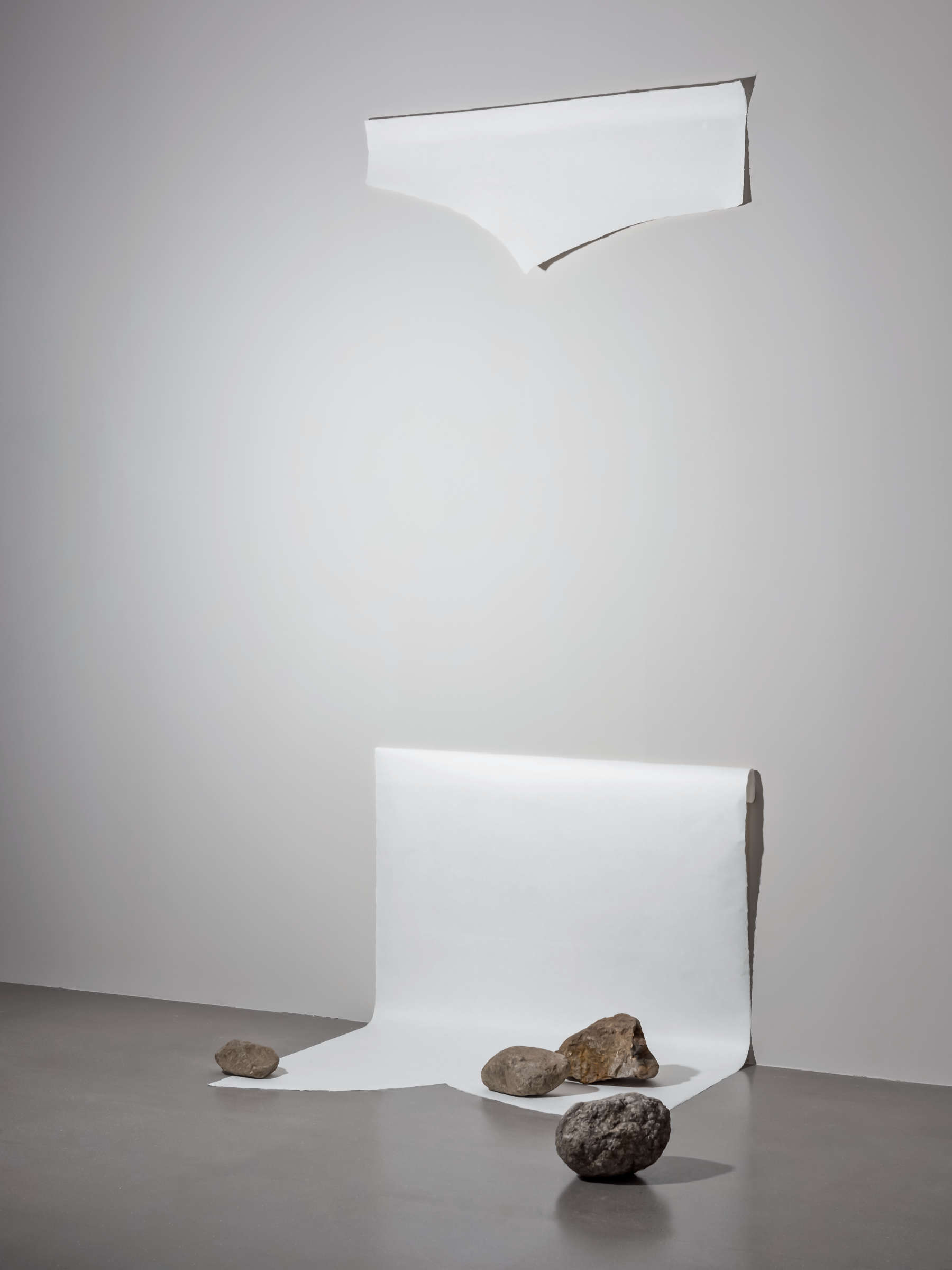
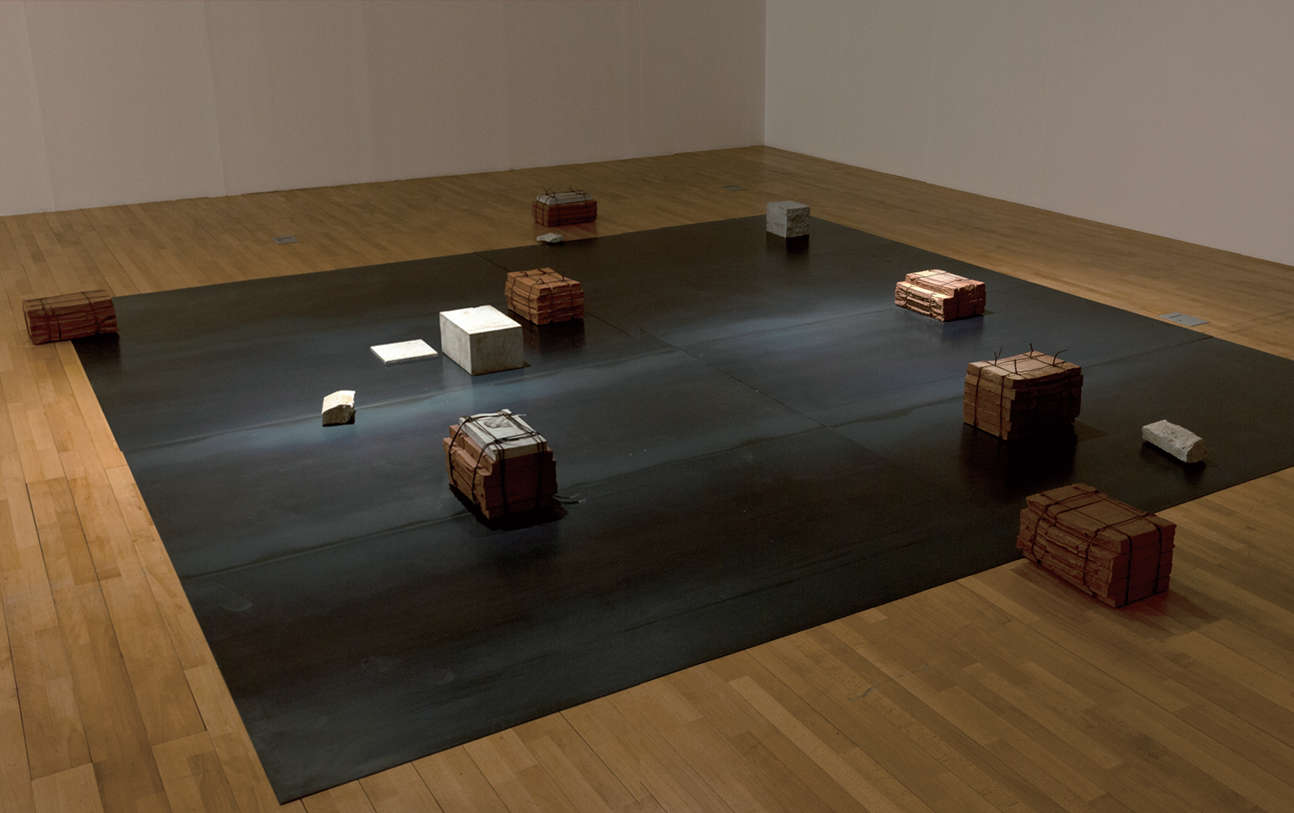
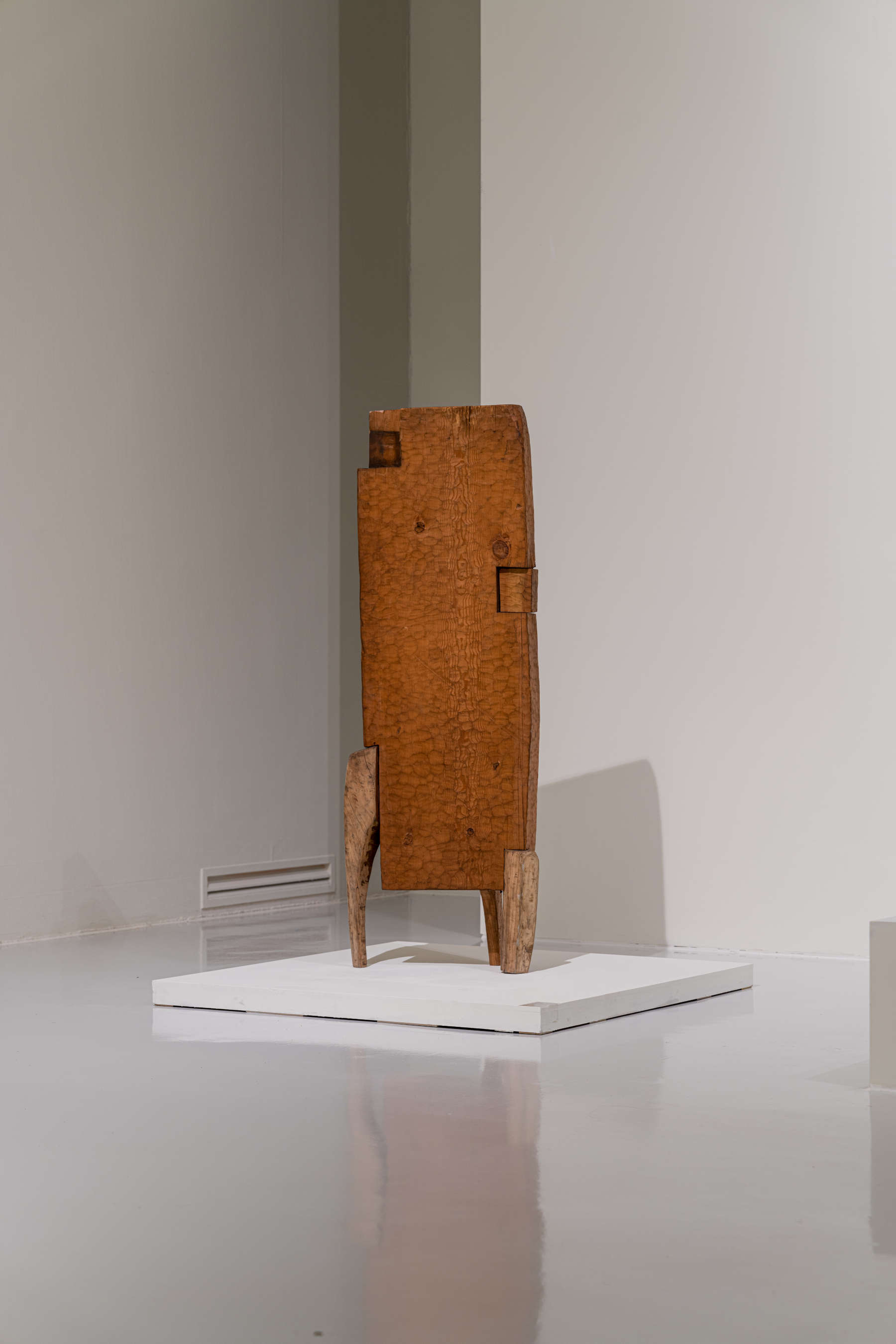
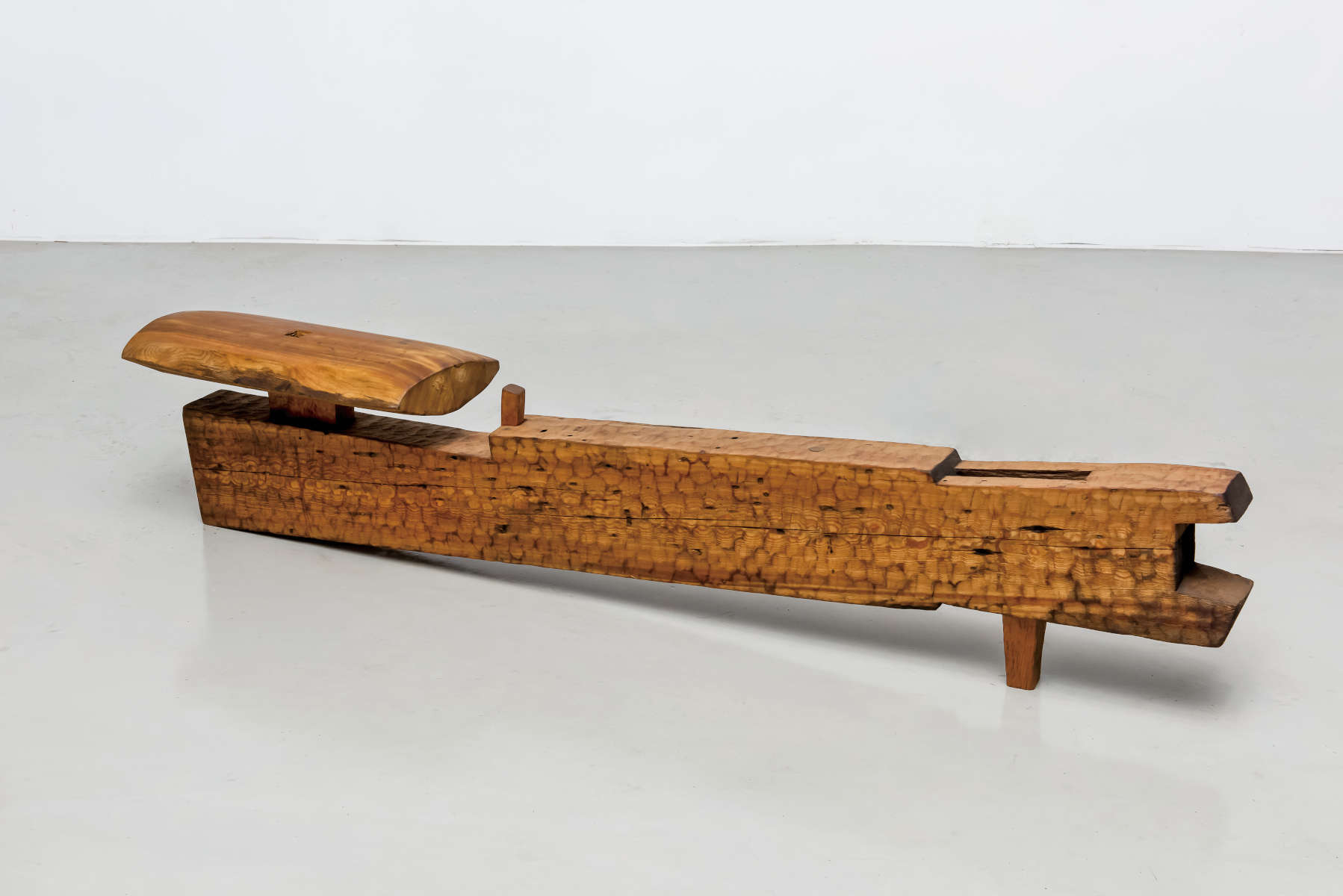
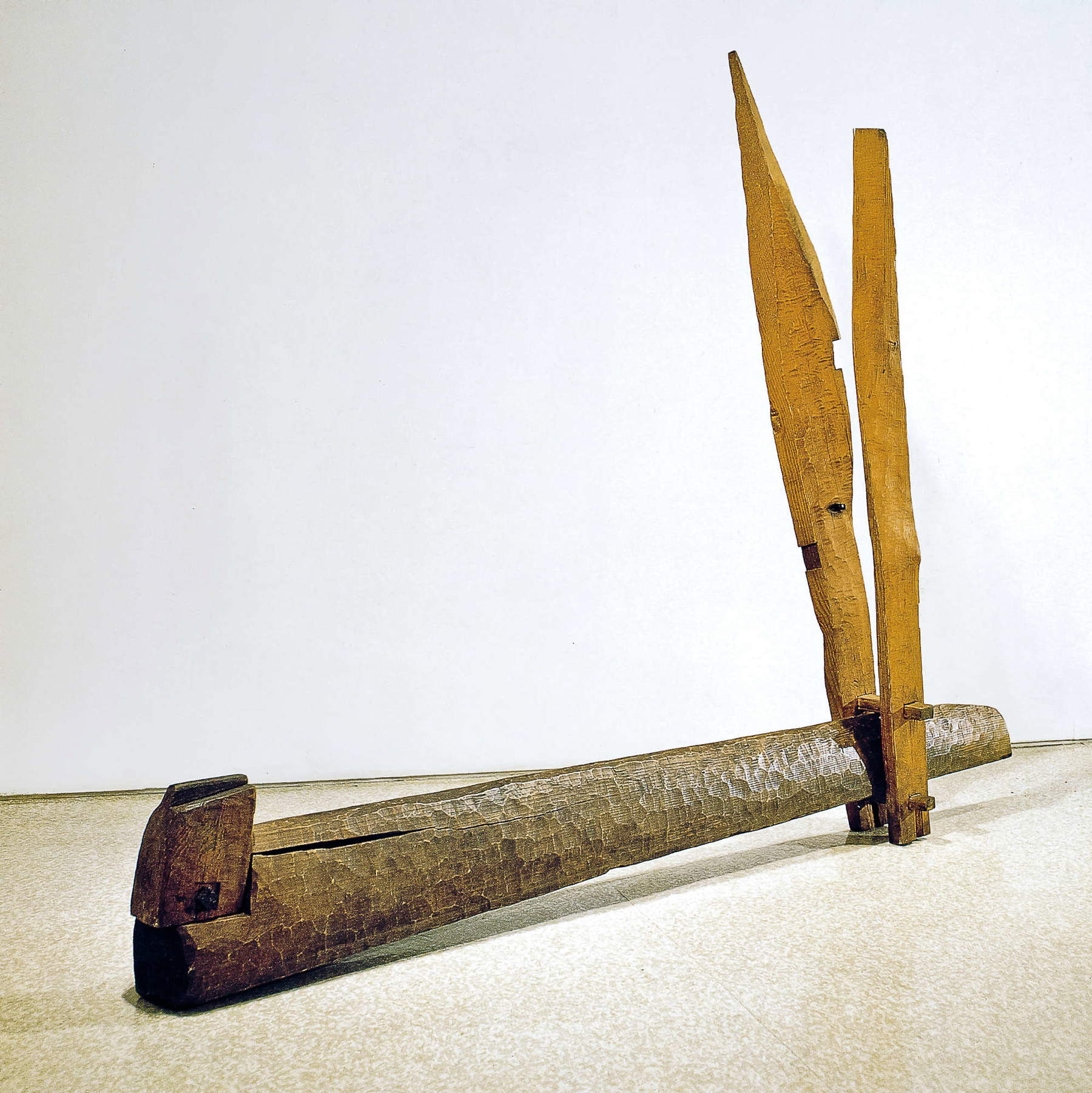
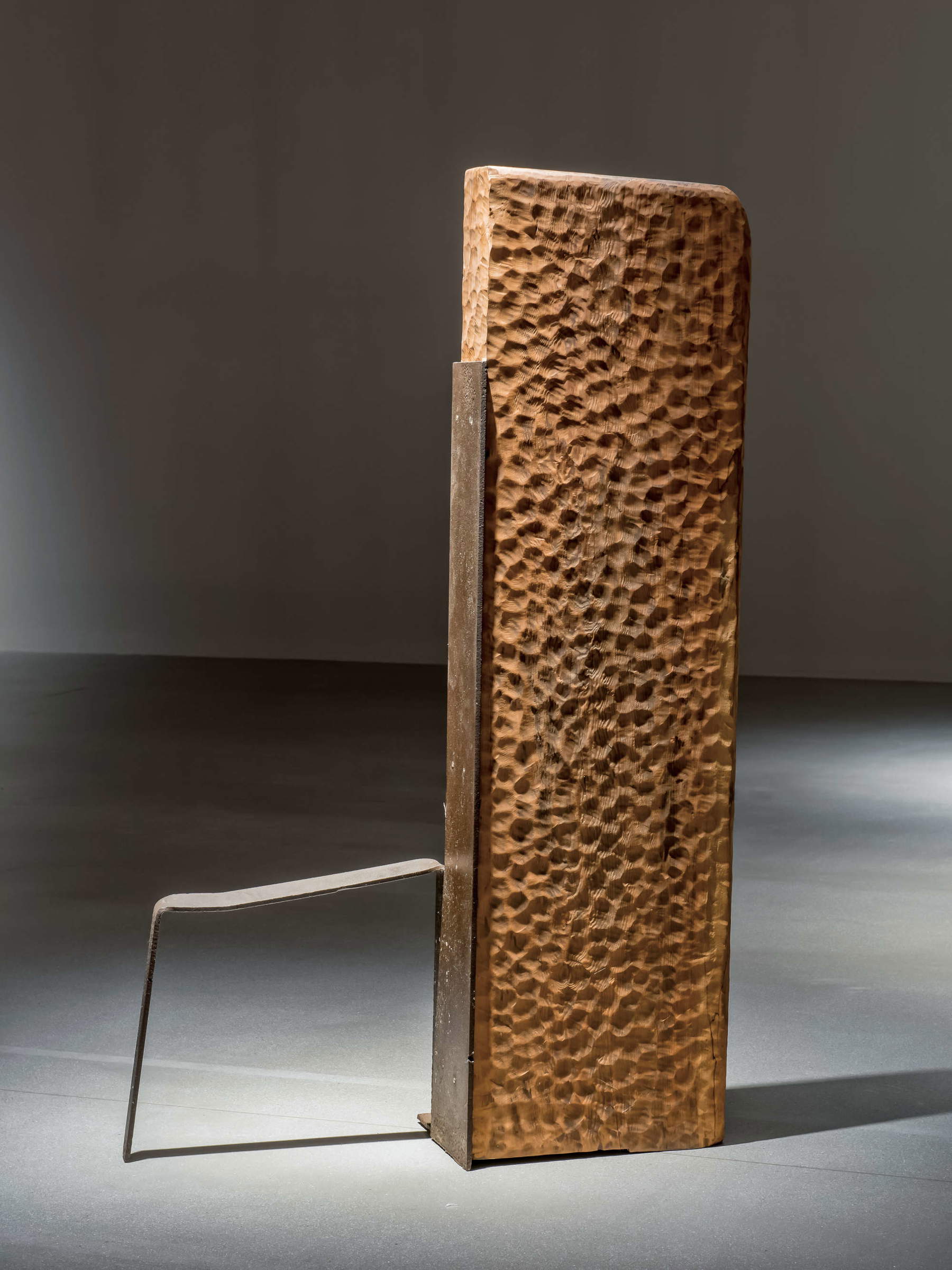
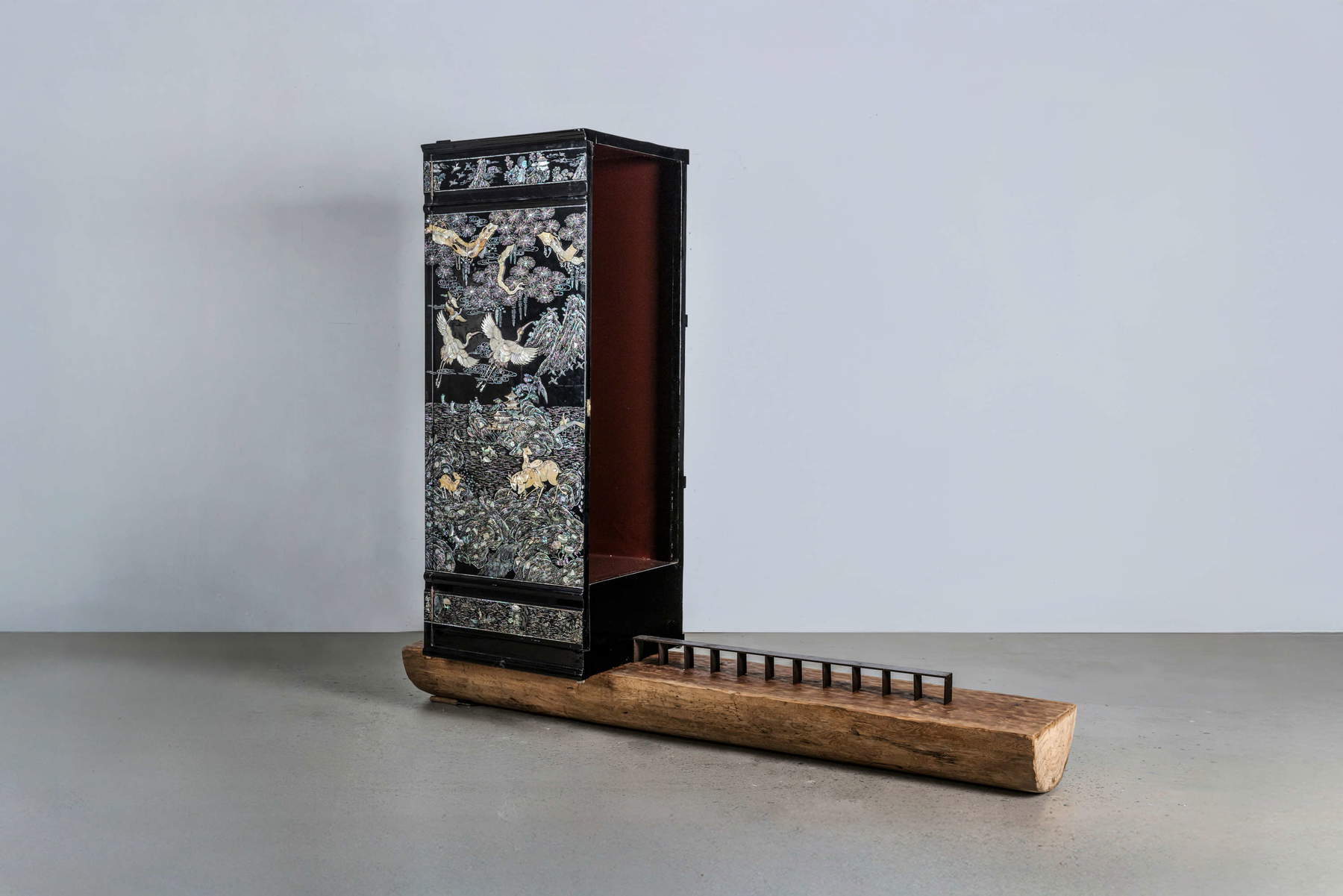
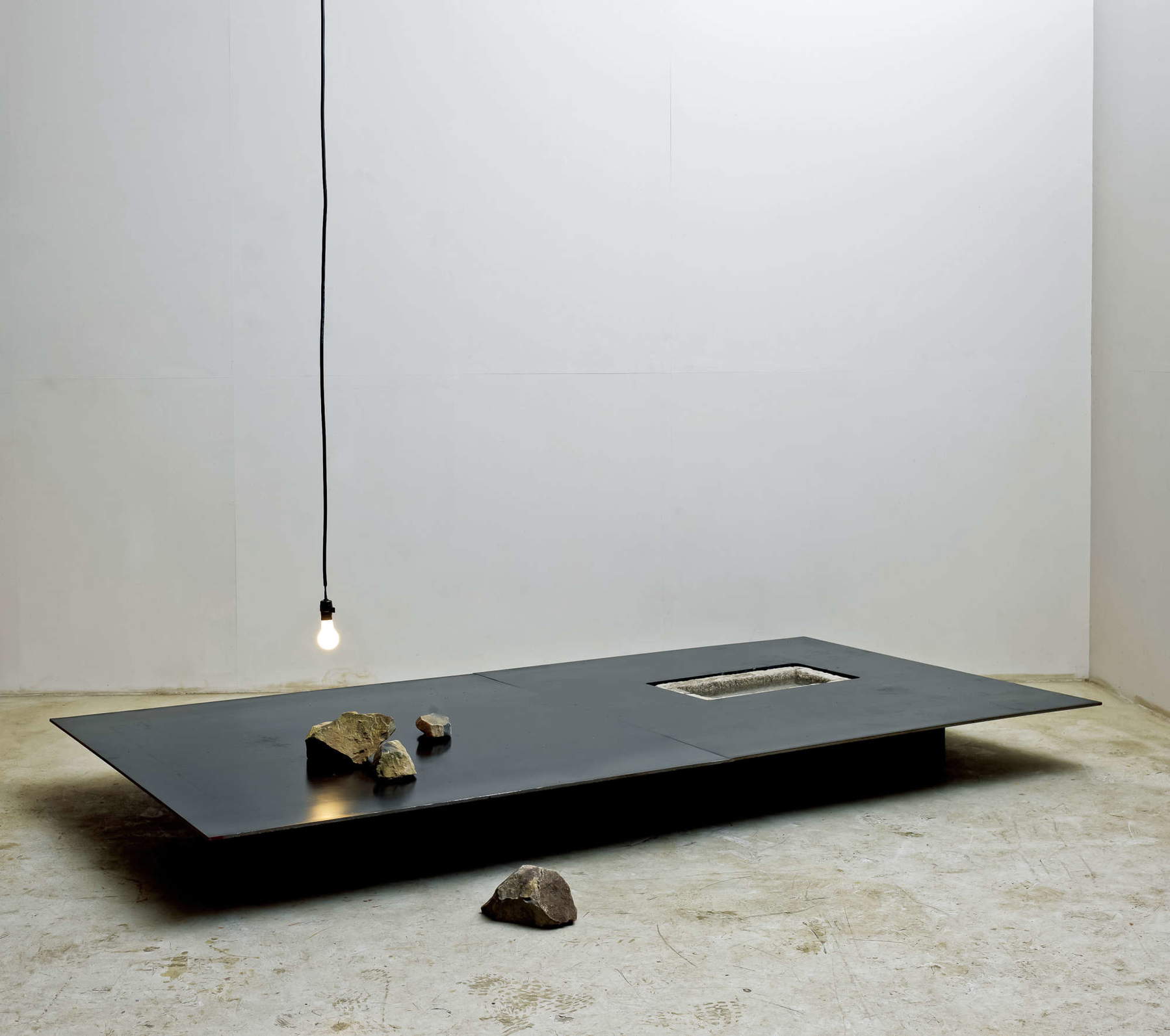
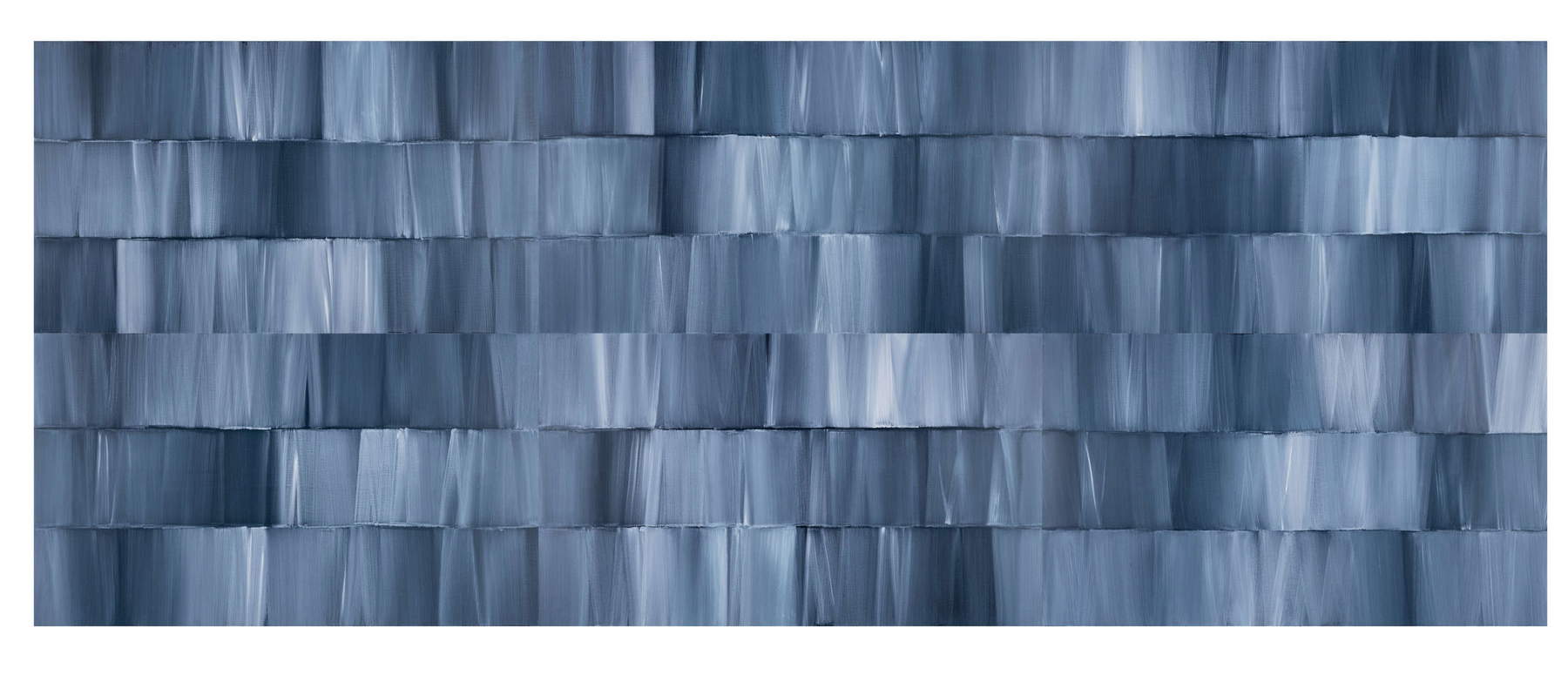
Within the exhibition, primary elements such as earth, stone, wood, water, and light are not treated as materials to be shaped, but as active presences that interact with each other generating forms in the making. Sculpture is thus not conceived as an end result, but as an open process in which the temporal dimension becomes an essential component of the work.
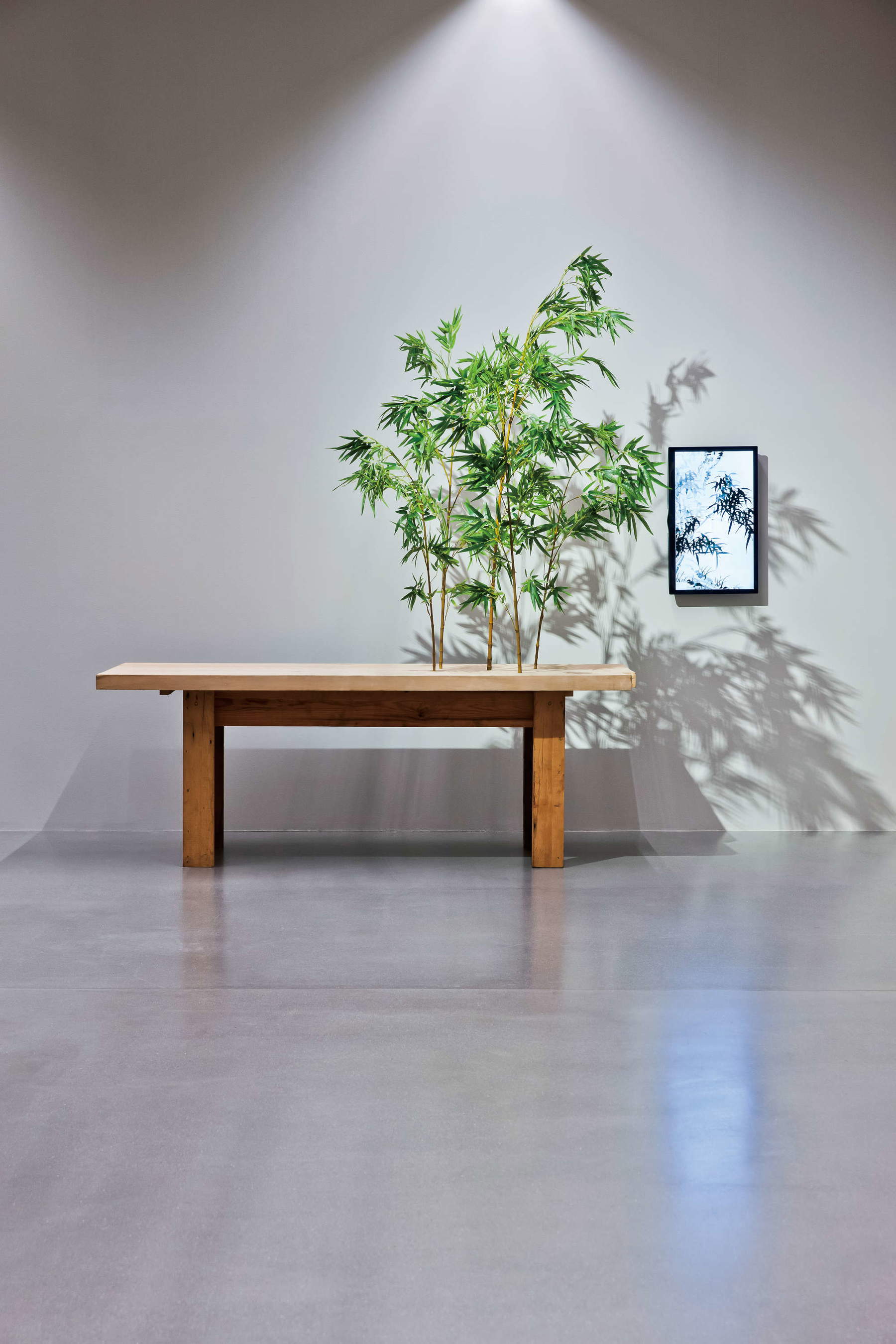
One of the elements presented in the exhibition is the large-scale work Re-present from 2010, made of bamboo, wood and monitor, which synthesizes the artist’s research on the dialogue between natural materials and technological devices. The work is part of a larger journey that sees Shim Moonseup interrogating the relationship between organic matter and contemporary systems of representation, relating sculptural tradition and technological languages.
The exhibition project at Ca’ Faccanon is not configured as a retrospective in the traditional sense, but as a critical reinterpretation of the artist’s entire career in light of contemporary urgencies. Indeed, the dialogue between art, ecology and technology takes on a central role, especially in relation to the transformations induced by the expansion of artificial intelligence and the growing global environmental crisis. In this context, Shim Moonseup’s work proposes a rethinking of the categories of production, speed and efficiency, favoring instead a slow, circular and relational temporality.
According to the curatorial reading, the concept of “harnessed” does not imply any form of control of nature, but rather the activation of minimal conditions that allow natural processes to express themselves autonomously. This approach entails a radical shift in the role of the artist, who no longer intervenes as a dominant author but as a facilitator of relationships between material and environmental elements.
Shim Moonseup’s research is also situated within an international dialogue with movements such as Mono-ha, Arte Povera and Land Art, while maintaining a specificity linked to East Asian philosophical thought and aesthetic tradition. Indeed, from his earliest experiments, the artist has questioned sculpture as a closed object, proposing instead a practice based on the relationships between matter, space and time.
Throughout his career, Shim Moonseup has received major international awards, including the Award of Excellence at the second Henry Moore Grand Prize Exhibition in 1981 and the appointment as Chevalier de l’Ordre des Arts et des Lettres conferred by the French Republic in 2007. He was also the first Korean artist to hold a solo exhibition in the Jardin du Palais-Royal in Paris at the invitation of the French Ministry of Culture.
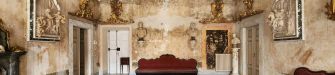
The spatial dimension of the Venetian exhibition plays a key role. Ca’ Faccanon is not conceived as a simple exhibition container, but as an active environment in which the works relate to the architectural space and the movement of visitors.
The works are arranged in the space as presences that do not require immediate interpretation, but rather a form of prolonged listening and observation. In this sense, the exhibition proposes a redefinition of the role of the viewer, who is no longer an external subject called upon to decode the meaning of the work, but a presence immersed in a system of material and temporal relationships.
The project also fits into a broader context of reflection on the relationship between contemporary art, technology and the ecological crisis. The coexistence between artificial intelligence and environmental transformations becomes the conceptual background within which Shim Moonseup’s proposal is developed, which avoids any form of environmentalist rhetoric to focus instead on an aesthetic experimentation of the relationship between nature and culture. The exhibition thus takes the form of an inquiry into how sculpture can be rethought today, beyond the anthropocentric categories that have traditionally defined its boundaries. Through his practice, the artist proposes a vision in which matter is never static, but always in transformation, and in which time becomes a constitutive element of the work itself.
|
| Shim Moonseup in Venice, at Ca' Faccanon the sculpture that puts nature at the center |

Warning: the translation into English of the original Italian article was created using automatic tools. We undertake to review all articles, but we do not guarantee the total absence of inaccuracies in the translation due to the program. You can find the original by clicking on the ITA button. If you find any mistake,please contact us.














 IT
IT FR
FR DE
DE ES
ES CN
CN