



by Redazione 07/04/2026



Categories: Exhibitions / Disclaimer
From March 21 to June 7, the Ulassai Biennial of Contemporary Art returns with 20 artists and three curators. A project spread between two museums that reflects on the meaning of the work today, in dialogue with Maria Lai's legacy and the transformations of the present.
In Sardinia, the town of Ulassai (Ogliastra) renews its role in the contemporary art scene with the second edition of the Ulassai Biennale Arte Contemporanea, entitled Il Significato dell’Opera (The Meaning of the Work), a project that develops in the sign of the legacy of Maria Lai, a native of the village, and transforms the small town in Ogliastra into a widespread platform for artistic research. After its debut in 2024, the new chapter of the event aims to explore the conceptual dimension of art and the collective value of aesthetic experience, questioning the very meaning of the work in the contemporary context.
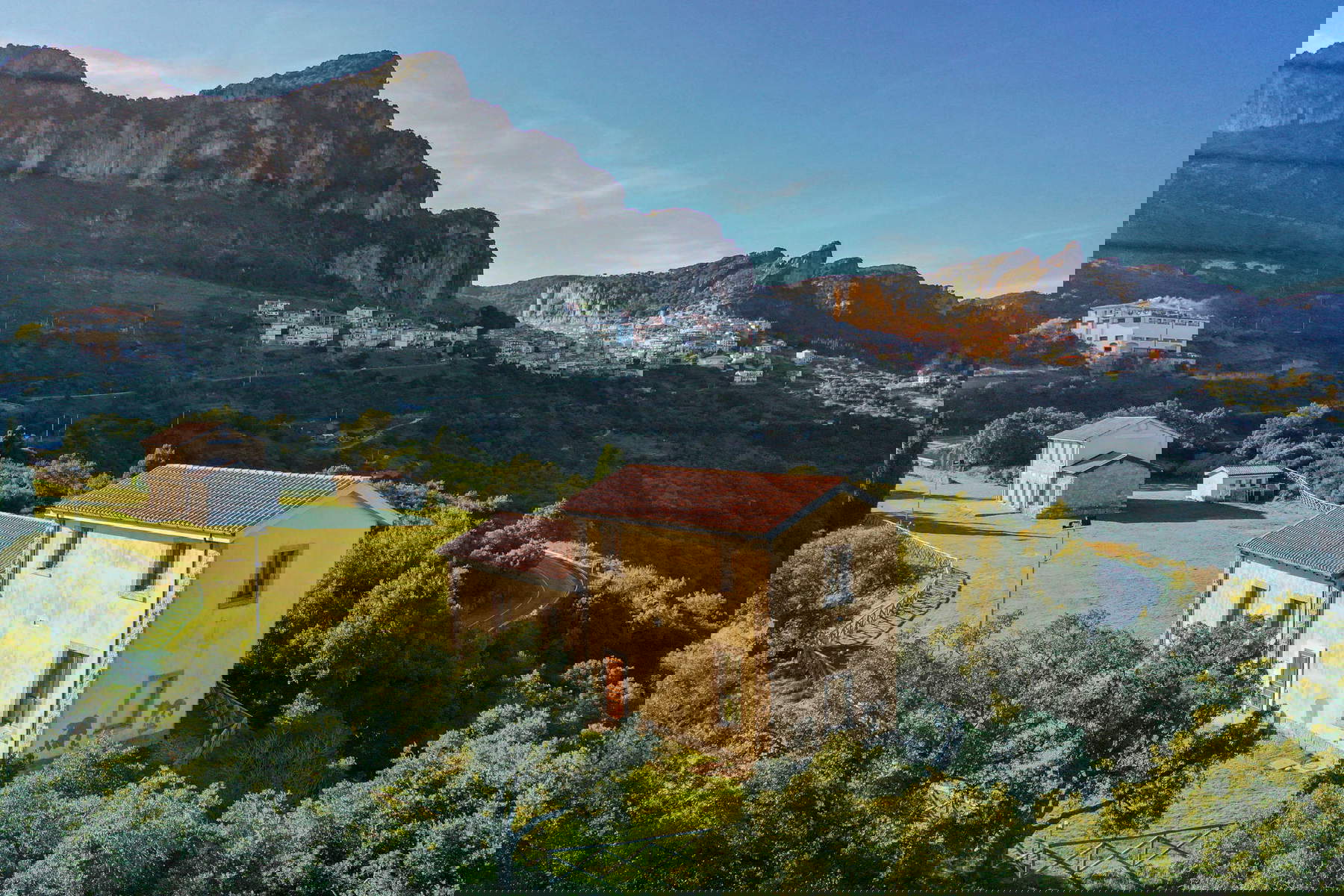
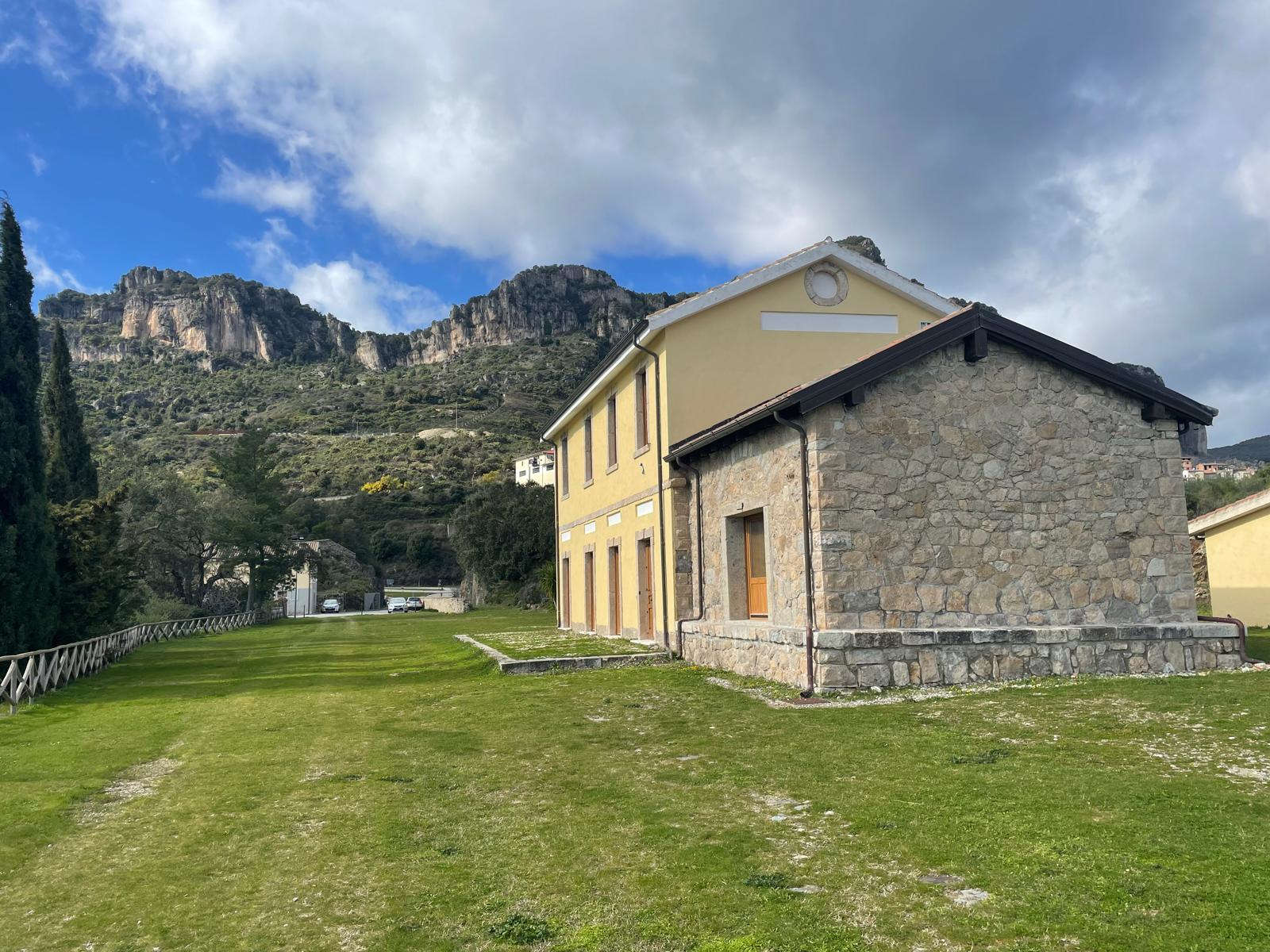
The Biennial, open from March 21 to June 7, 2026, involves twenty artists, three guest curators and two exhibition venues, the Art Station and CaMuC - Casa Museo Cannas. The project transforms museums into a dynamic and interconnected system capable of accommodating heterogeneous artistic practices and activating an ongoing dialogue between artists, curators, territory and public.
At the heart of the reflection is a question that runs through the entire curatorial framework: where does the meaning of the work of art reside today. Whether in the artist’s intention, in the creative process, in the relationship with the viewer or in the context that welcomes it. Moving from the example of Maria Lai, for whom interpretation is an essential component of the work, the Biennial proposes a vision of meaning as an open process, generated by the encounter between subjects, spaces and communities.




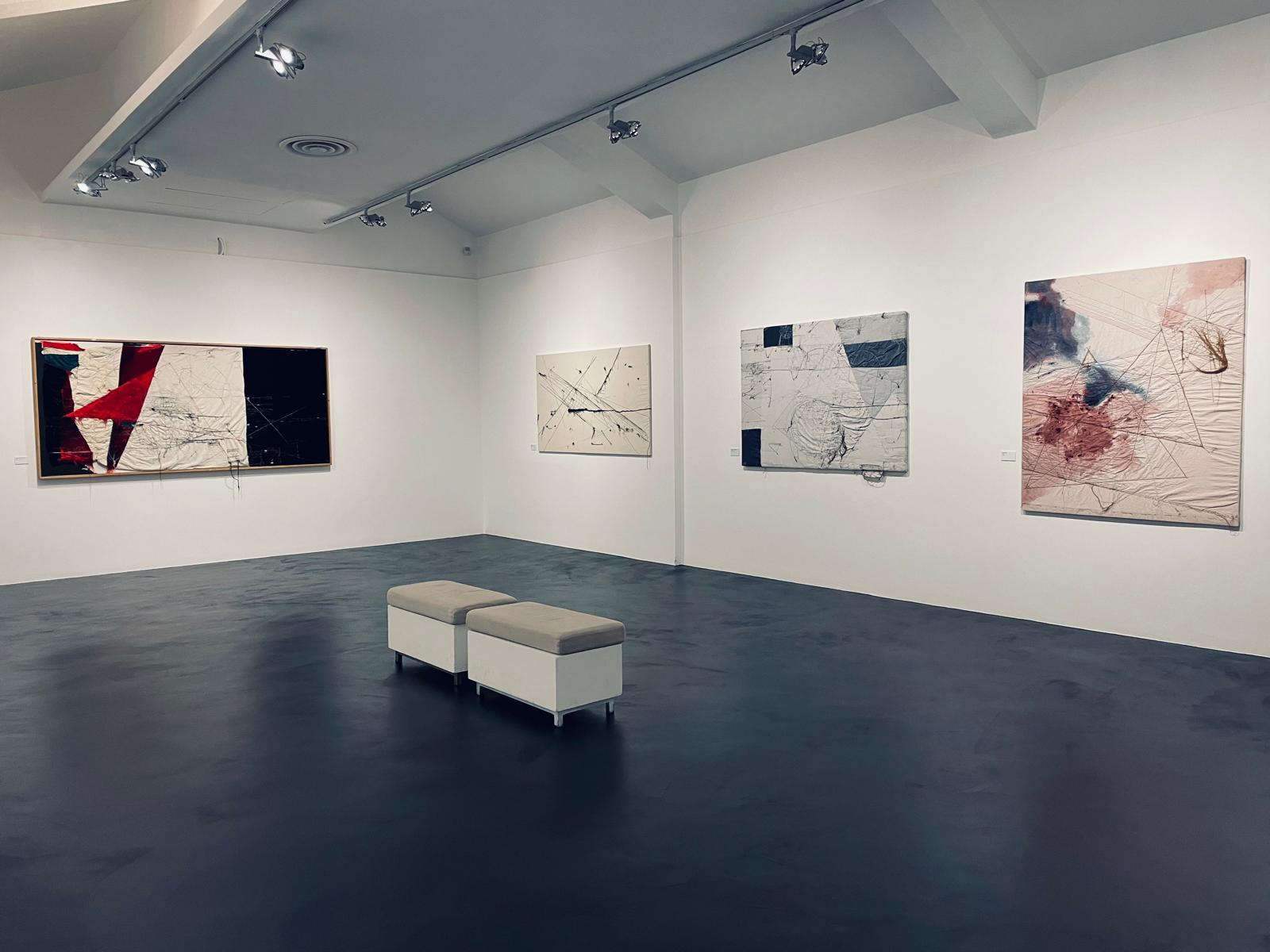
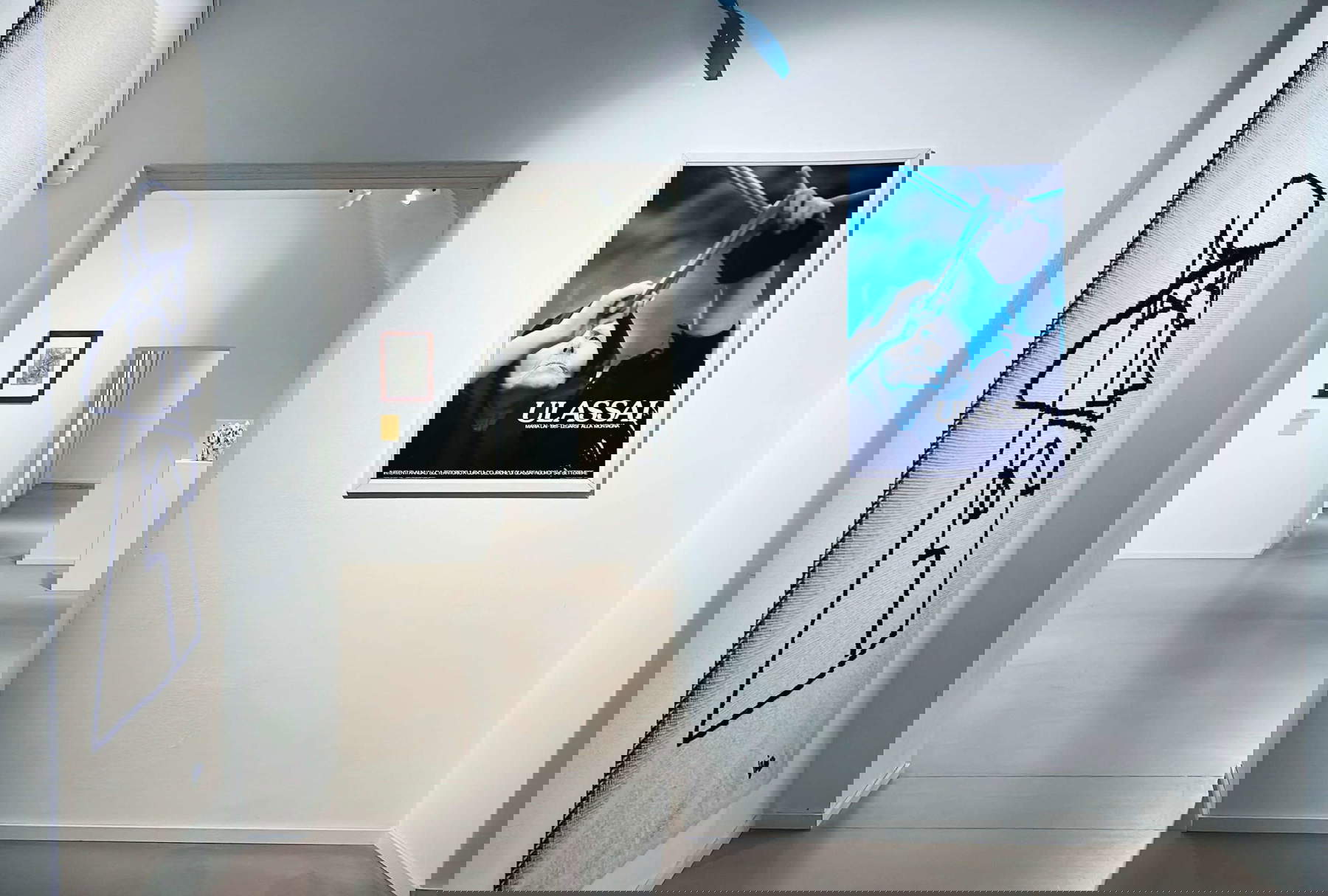
The project develops along two main lines: on the one hand, the redefinition of the relationship between author and cultural responsibility, and on the other, the enhancement of the plurality of languages and techniques as a ground for contamination and crossing. In an era marked by profound social and territorial transformations, the work thus returns to configure itself as a space of confrontation and relational device, capable of constructing meaning in a shared manner.
The artistic direction of the Biennial is entrusted to Gianni Murtas, an art historian and critic long involved in the study of Maria Lai, joined by Marco Peri, director of the Art Station. They are joined by three guest curators, called upon to develop exhibition projects consistent with the cultural and landscape context of Ulassai: Giannella Demuro, artistic director of Organica Museo in the Limbara Park; Ivo Serafino Fenu, curator of the Molineddu Arts Park in Ossi; and Francesca Sassu, independent curator and manager of the Nocefresca art residency in Milis. The Biennial is thus configured as a shared curatorial network. The museums of Ulassai become places of convergence between independent experiences and realities active in the Sardinian territory, such as Organica Museo, the Molineddu Arts Park and the nocefresca residency. What emerges is a platform intent on consolidating a regional cultural network in dialogue with the national and international context.
According to Marco Peri, the second edition of the Biennial represents a natural evolution of the mission of the Art Station Foundation. It aims to promote Maria Lai’s cultural legacy not only through the preservation and study of her work, but also through a lively confrontation with contemporary research. In this perspective, the dialogue with artists and women artists of the present allows to keep current a thought capable of generating visions, relationships and transformations.
The exhibition is divided into three sections, each entrusted to one of the guest curators and built around specific thematic cores. The first section, Orografie, curated by Giannella Demuro, brings together the works of four young artists - Fabiana Casu, Eleonora Desole, Giuseppe Loi and Davide Mariani - in a direct dialogue with the landscape. The project is part of the research of Organica Museo, which for years has been exploring the relationship between emerging art and the environment, understood not as a mere background but as an active subject and interlocutor of the creative process. Orografie is configured as a reflection on the posture of contemporary art towards places. The works arise from listening to the territory and develop in relation to its rhythms, its transformations and its ecological dimension. In this perspective, the landscape becomes a critical and poetic field, capable of orienting artistic practices and generating new forms of awareness.
The second section, This Is, curated by Ivo Serafino Fenu, takes its starting point from an expression used by Sardinian craftswomen (“custu est,” said at the end of a job, at the moment of delivery to the client) and reinterpreted in a contemporary key. The project brings together ten artists organized in five pairs: Giovanni Carta with Gianni Nieddu, Daniela Frongia with Stefano Porru, Mattia Enna with Daniela and Francesca Manca, Giusy Calia with Antonello Fresu, and Sabrina Oppo with Josephine Sassu. Central to the proposal is the theme of the author’s responsibility and the relational dimension of the work. This Is develops from the experience of the Molineddu Arts Park and is connected to the reflection onrelational aesthetics, understood as a space of encounter between artists and the public. “Custu est” - and its contemporary counterpart “This Is” - configures a profound cognition: the artisans, through their centuries-old expertise, did not simply execute an external project, but assimilated it, interpreted it and returned it as their creation, the result of embodied practical knowledge. Translated to today, this principle suggests that the artist’s responsibility is not complacency but implies an awareness of his or her impact, of his or her capacity as an “acting” entity in society. The project also recalls the experience of Maria Lai and her work Binding to the Mountain, emphasizing how art can be understood as a process of continuous connection. The works arise from the encounter between the artists and are configured as the outcome of a confrontation that goes beyond individuality to open up to a collective dimension.
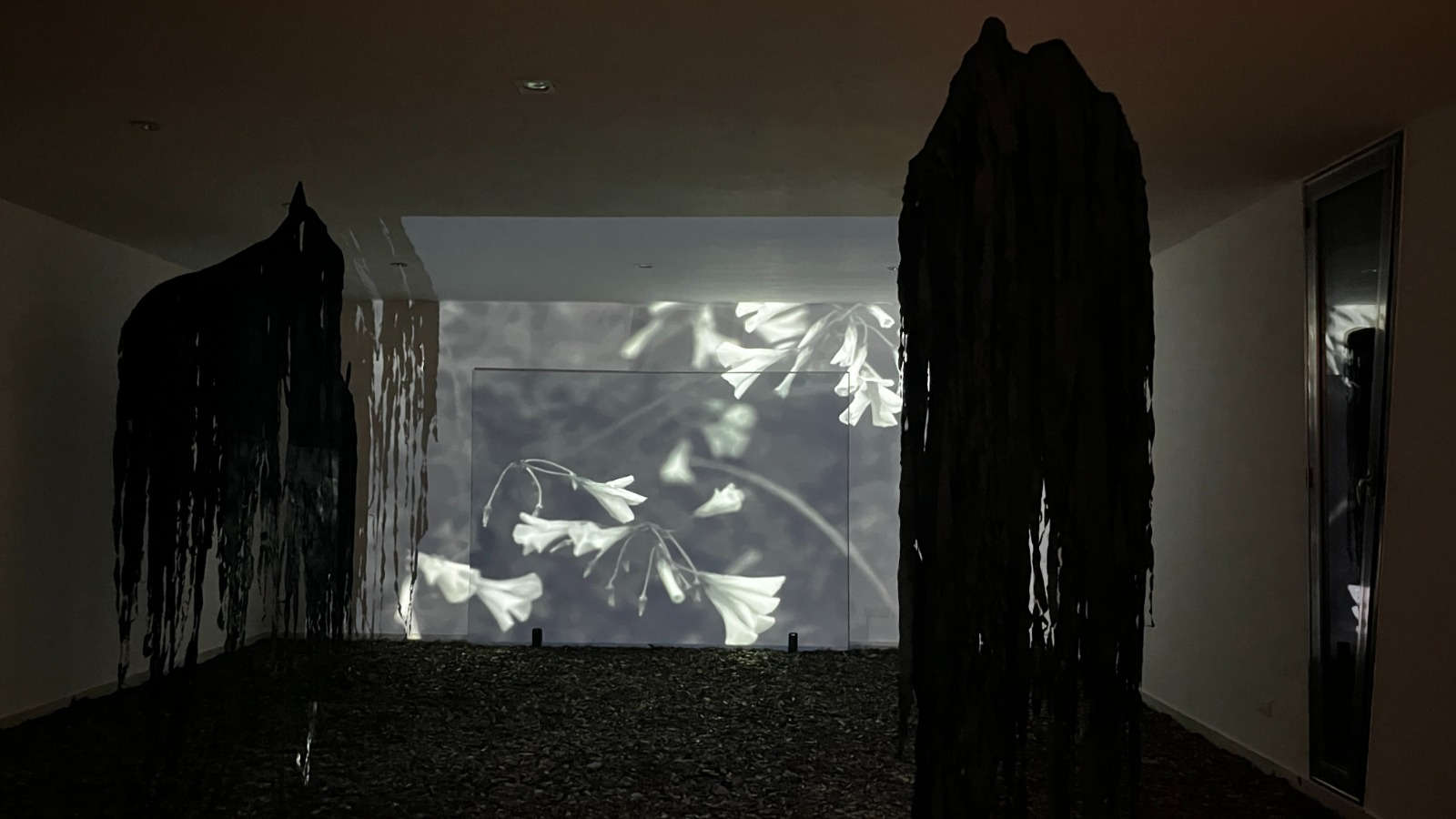
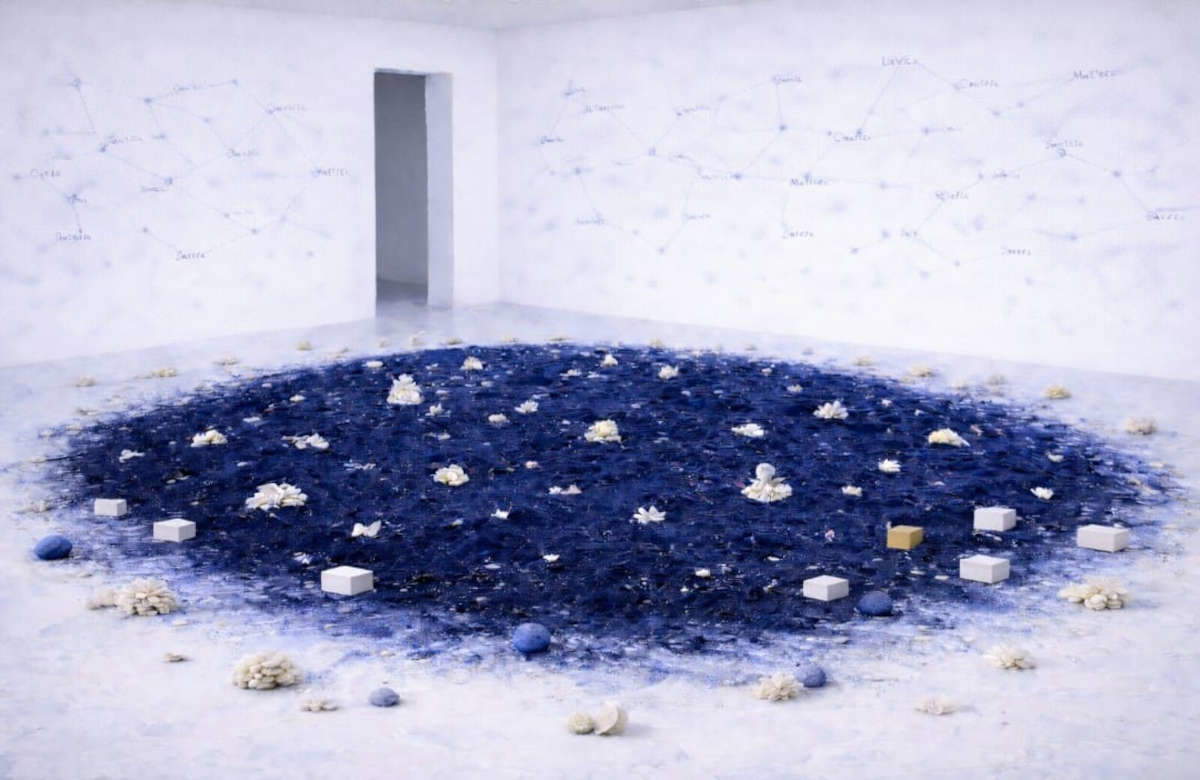
The third section, Luminous Field. Lights on the Countryside, curated by Francesca Sassu, offers a survey of the current state of the Sardinian countryside and its communities. Through the works of Chiara Cordeschi, Laure Jolissaint, Josef Kováč, Renée Lotenero and Simone Mizzotti, the project explores the rural landscape as a space of relationship, observation and experimentation. The journey starts in the Oristanese territory and extends to Ulassai, relating different contexts through an analysis of the forms of human presence, signs of abandonment and practices of care. The artistic researches, though heterogeneous, converge in a complex narrative of contemporary rural living, constructed through languages ranging from photography to installation, from video to sculpture. The works come from the archives of the Nocefresca residency and, in confrontation with the new exhibition context, are transformed, acquiring new meanings. The project highlights the international dimension of the residency and its relational approach, based on the involvement of local communities and the construction of a language capable of interpreting and reinventing territories.
Completing the framework of the Biennial is the theoretical contribution of Gianni Murtas, who in the concept emphasizes how the project stems from the need to rethink the roots of modernity and question the transformations taking place in the third millennium. Contemporary art, amplified by the impact of media, manifests a universalist vocation but continues to confront its poetic and technical roots.
Taking up the words of Maria Lai, Murtas highlights how the work of art requires a creative reading in order to fully exist. The artist initiates a process that is then developed by the interpreter, in a potentially infinite dialogue. In this sense, the Biennial is proposed as a space for reflection and confrontation, in which the gaze becomes thought and the aesthetic experience is transformed into an opportunity for shared knowledge.
The event is open to the public Tuesday through Sunday, with hours from 9:30 a.m. to 1:30 p.m. and 2:30 p.m. to 6:30 p.m. There are guided tours included in the ticket, organized in the morning and afternoon time slots. The exhibition venues are the Art Station, located along Provincial Road 11 in the former Ulassai train station, and the CaMuC - Casa Museo Cannas, on Garibaldi Street.
|
| Ulassai Biennial 2026 investigates the meaning of the work between art and community |
Warning: the translation into English of the original Italian article was created using automatic tools. We undertake to review all articles, but we do not guarantee the total absence of inaccuracies in the translation due to the program. You can find the original by clicking on the ITA button. If you find any mistake,please contact us.