





Donald de Decker (ddd) is a visual artist and graphic designer originally from Brussels. At the heart of his work lies the Acousma project, which emerged from his encounter with acousmatic music and has gradually evolved into an exploration of the concept of “modulating reproducibilities”—an open system in which forms evolve without an absolute original. His works, created digitally and also distributed via NFTs, explore the relationship between variation, authenticity, and space, questioning how an image can be perceived almost as a sonic experience.
In this interview, Donald de Decker discusses the project’s origins, the transition from digital compositions to future physical installations, the role of black and white in his research, and his reflections on the value of art in the age of digital reproducibility. A journey that combines theoretical rigor and visual experimentation, without resorting to artificial intelligence as a creative tool. De Decker works as a freelance graphic designer, collaborating with clients in the cultural, private, and institutional sectors. His background spans the arts (literature, film, music, dance, photography) and design (textiles, graphic design, architecture), and he has experience in the events industry, advertising, and even the healthcare sector.
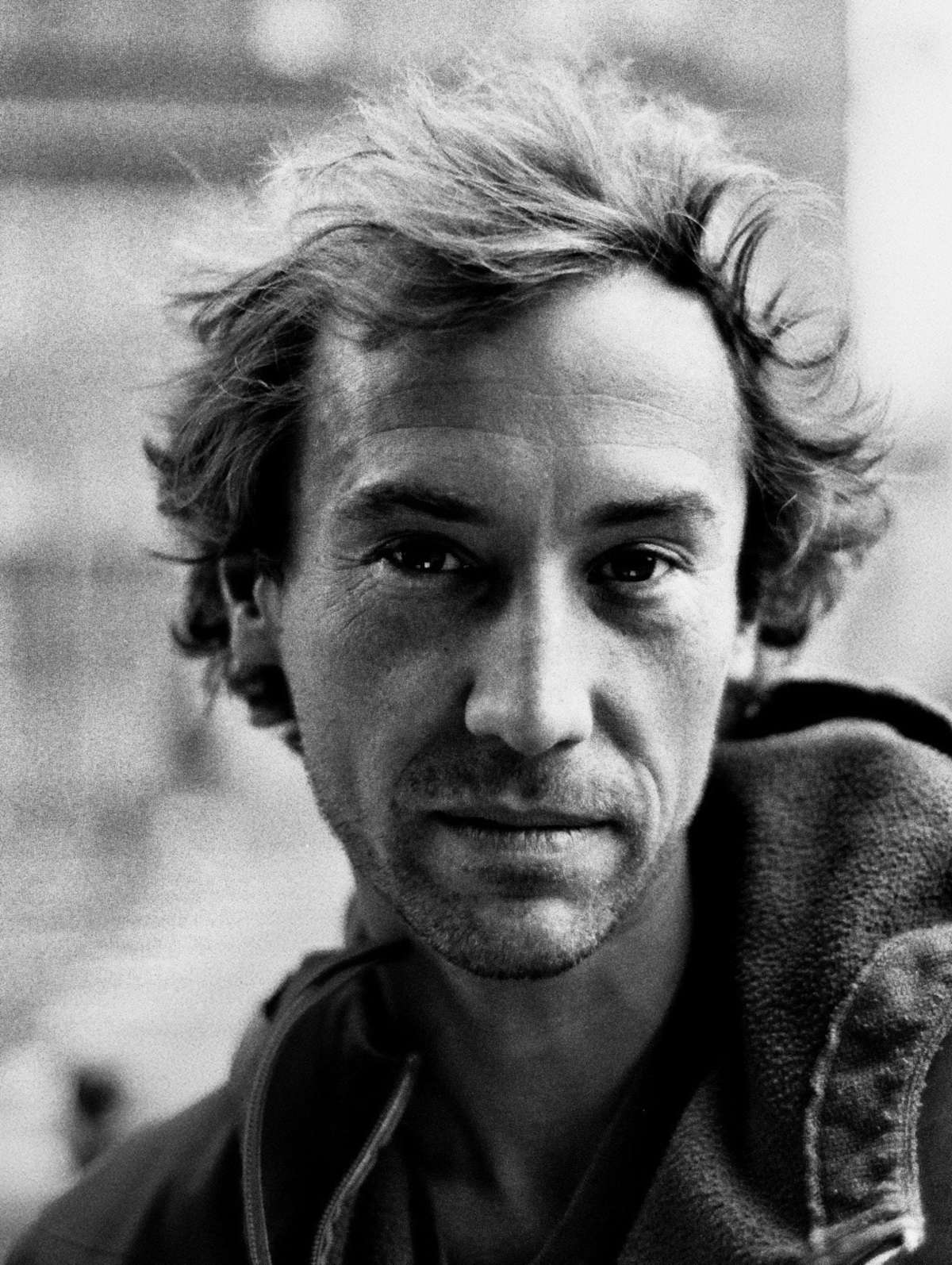
GL. How did your project come about and why?
DDD. The Acousma project is part of the continuity of my artistic development. With a background in visual, plastic and spatial arts, oriented toward graphic arts, I have been developing a freelance graphic design practice for more than fifteen years. Alongside this activity, it has always seemed essential to me to maintain a more experimental and personal strand of research. For a long time, it remained discreet and fragmentary, taking the form of tests, intuitions, or attempts left unresolved. Among these experiments, one line of inquiry dating back to my studies at ERG (School of graphic research) gradually emerged as particularly fertile. In my view, this exercise, related to acousmatic music, addressed both formal questions and a more theoretical reflection on composition. The relationship to acousmatic music thus played a triggering role in the genesis of the project. It constituted a point of entry, a stimulus that allowed me to orient and structure my initial intuitions. Over time, this research developed into the Acousma project, whose core does not lie solely in this musical reference, but in the concept of “modulating reproducibilities”, which now structures the entire body of work. You can discover a selection of works via the following links : Website : www.d-d-d.be/art, Instagram : www.instagram.com/ddd_donald.de.decker, OpenSea collection : opensea.io/collection/acousma.
What is acousmatic music, and how does it interact with your art ?
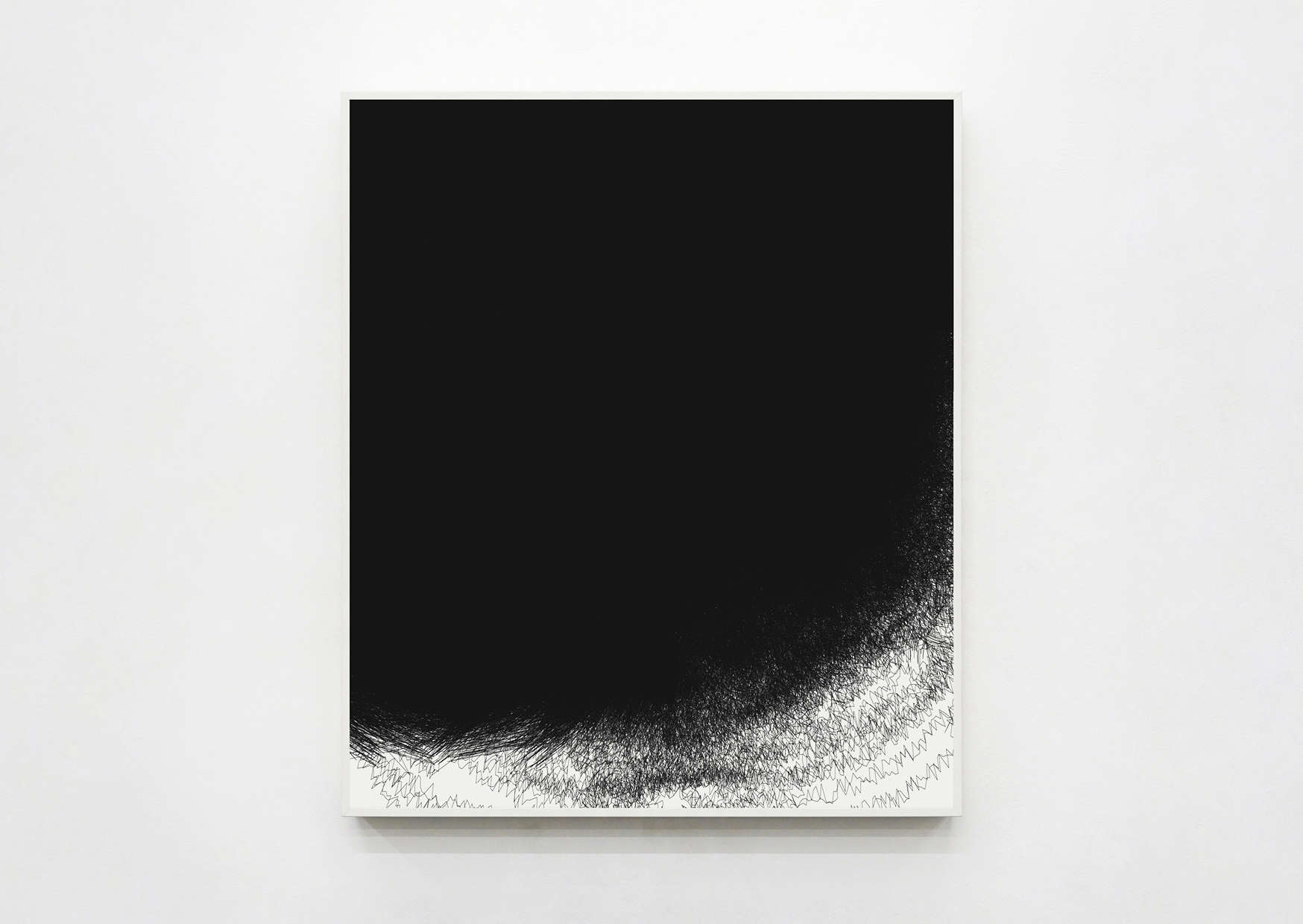
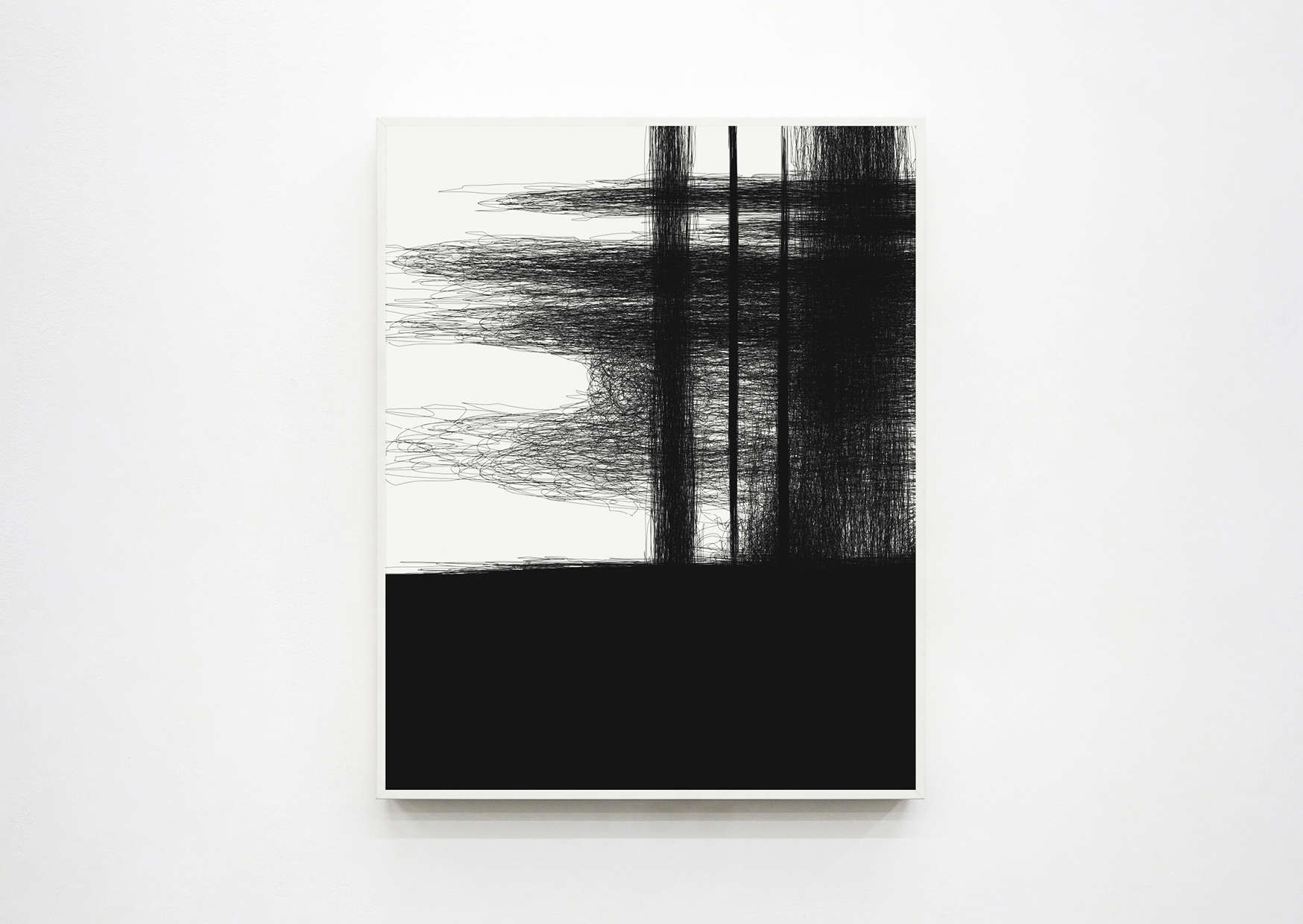
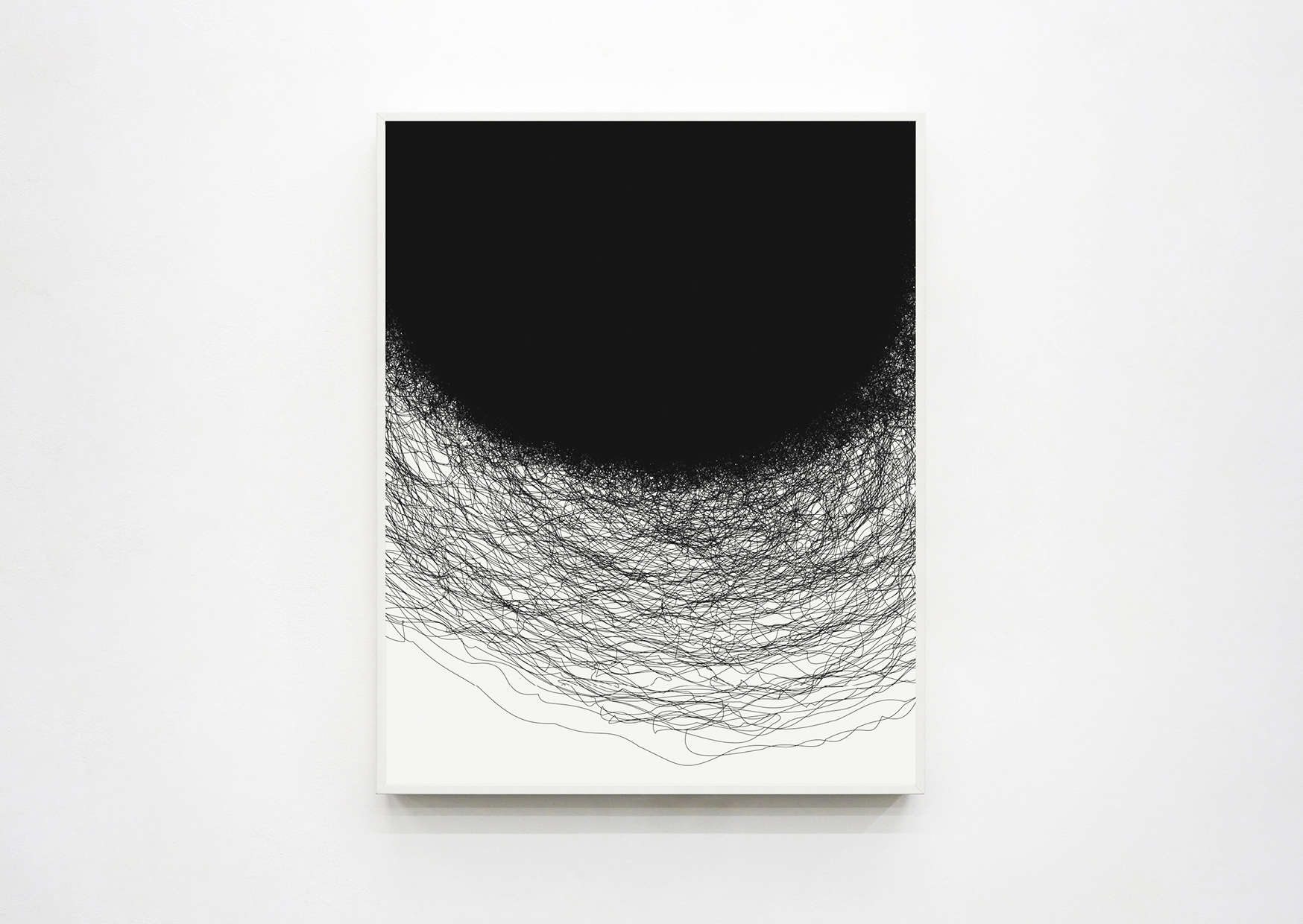
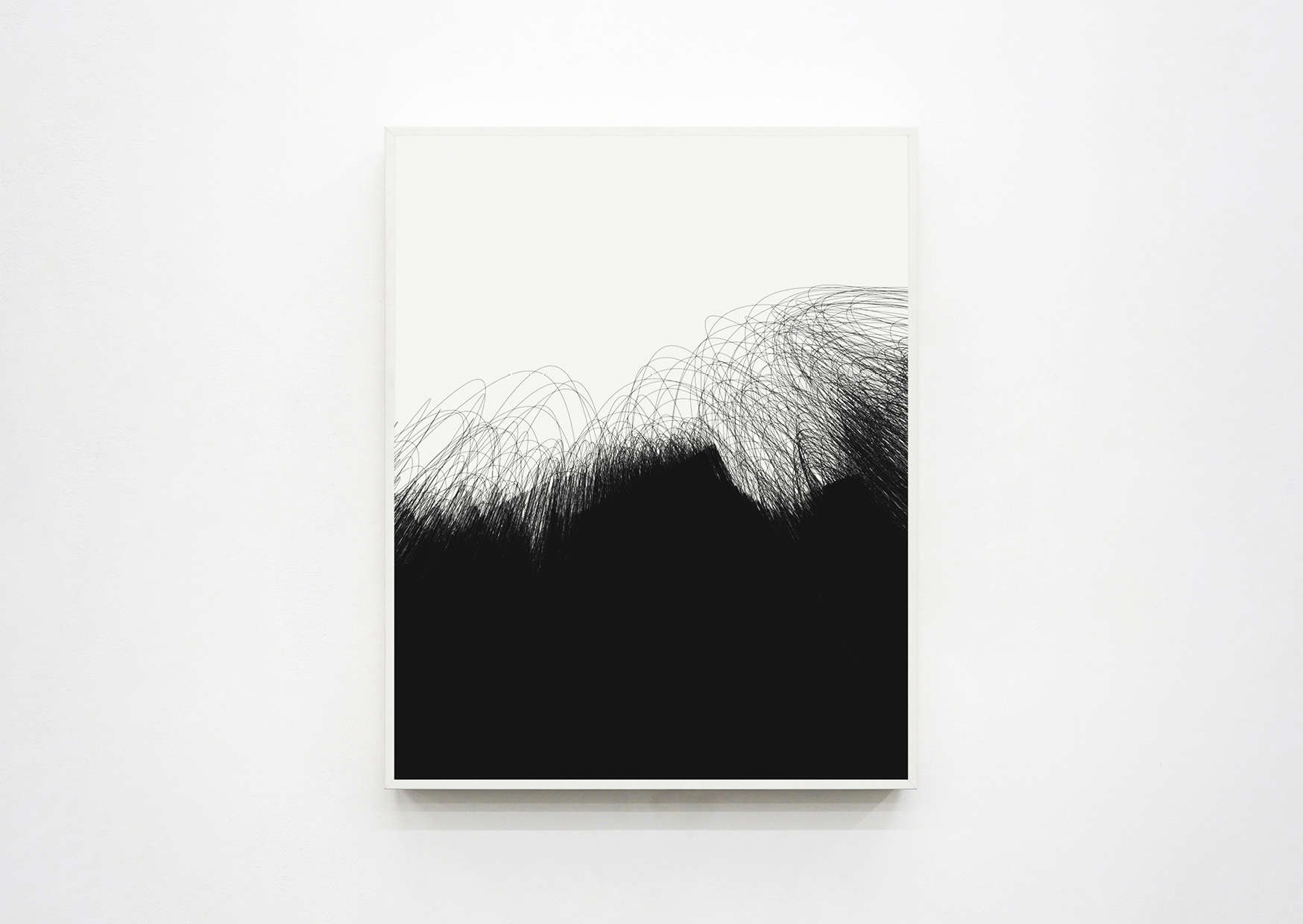
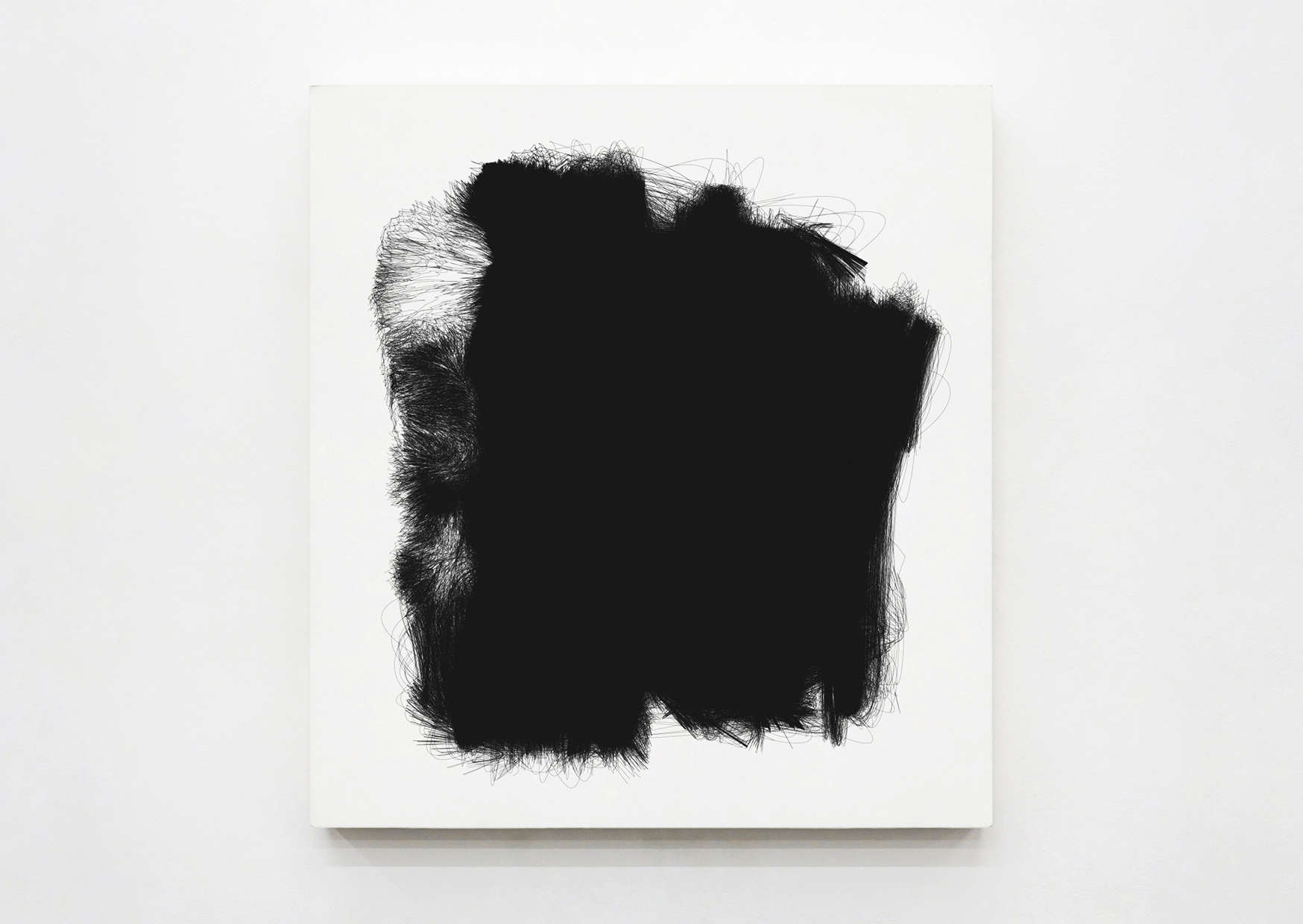
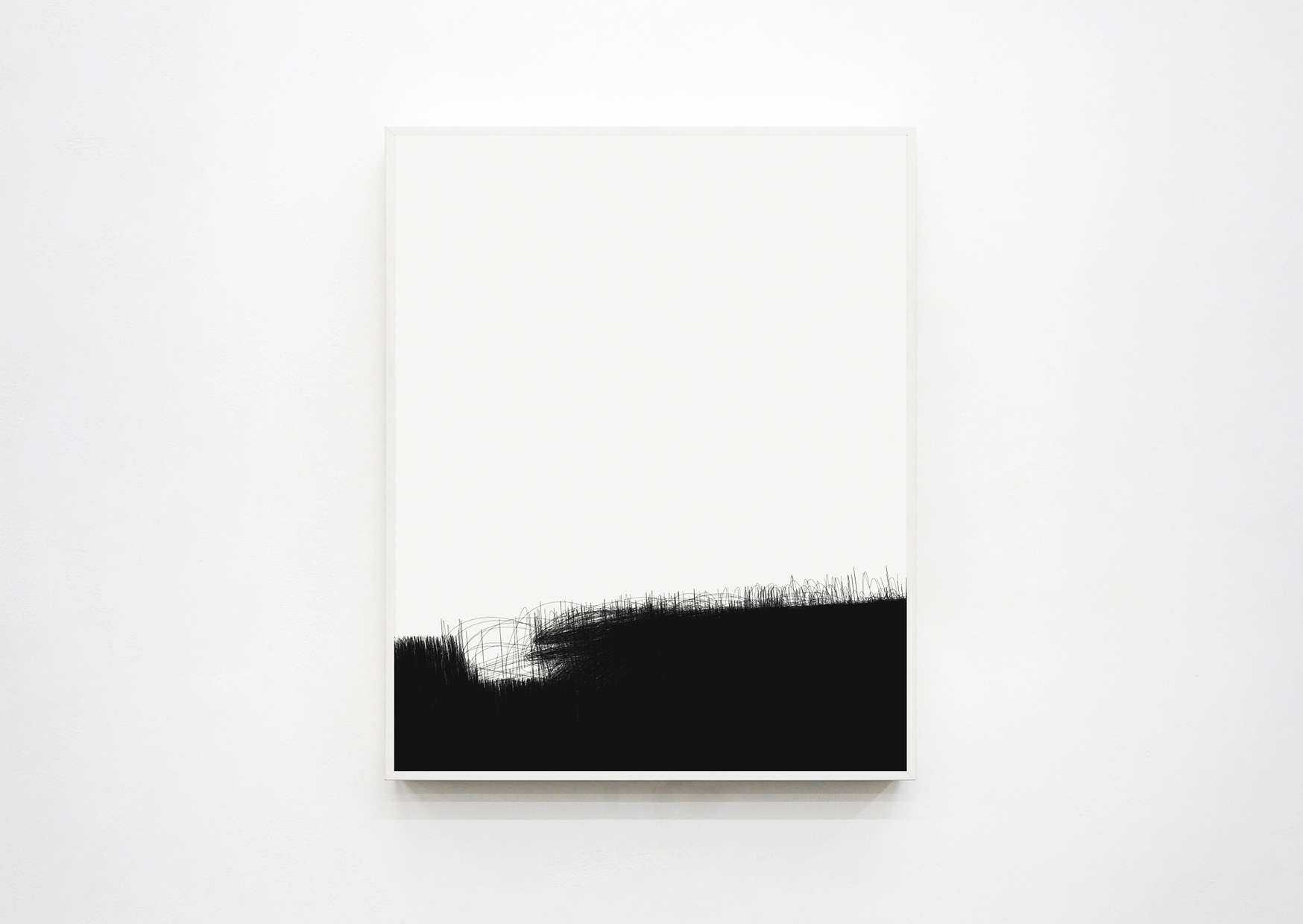
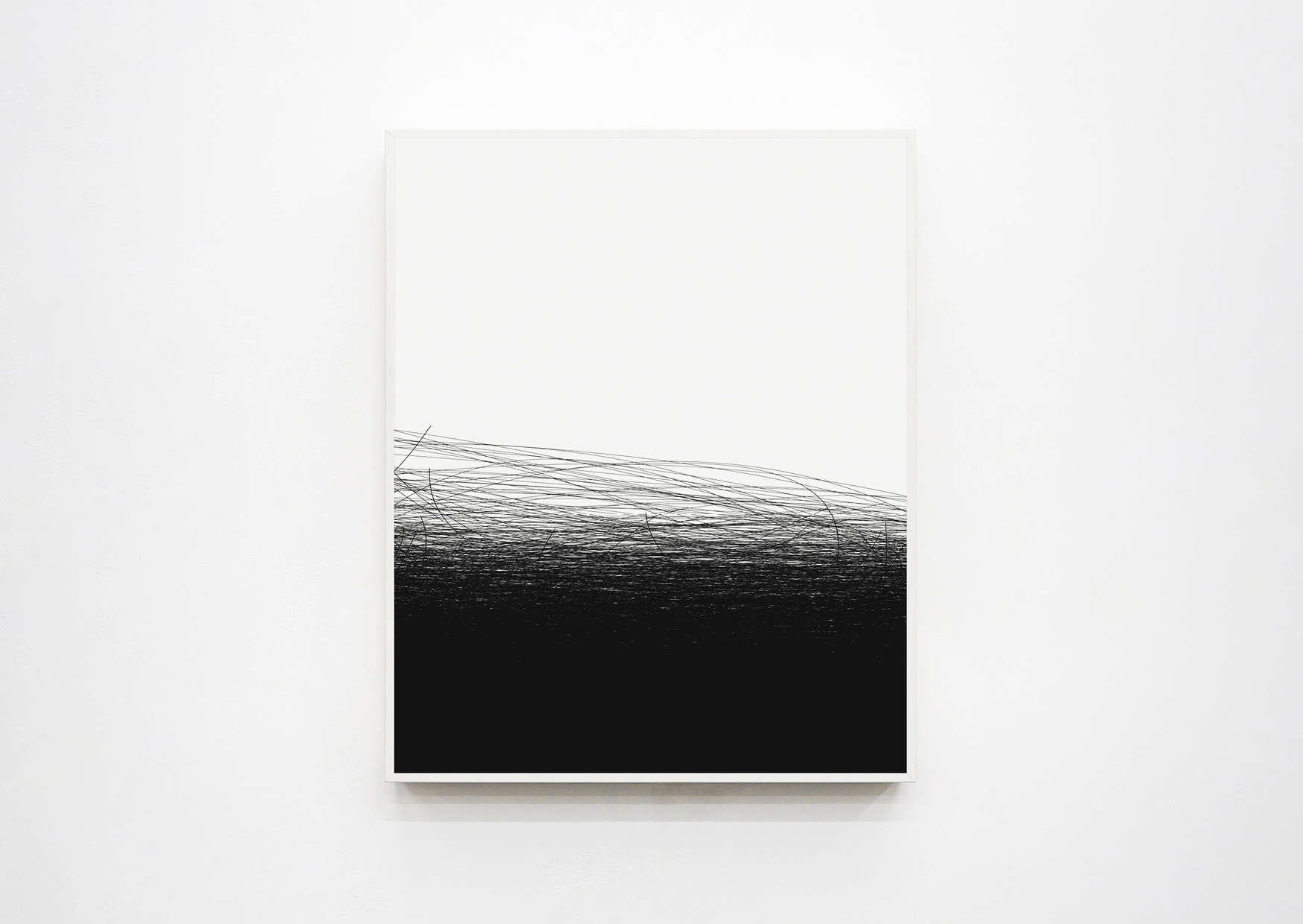
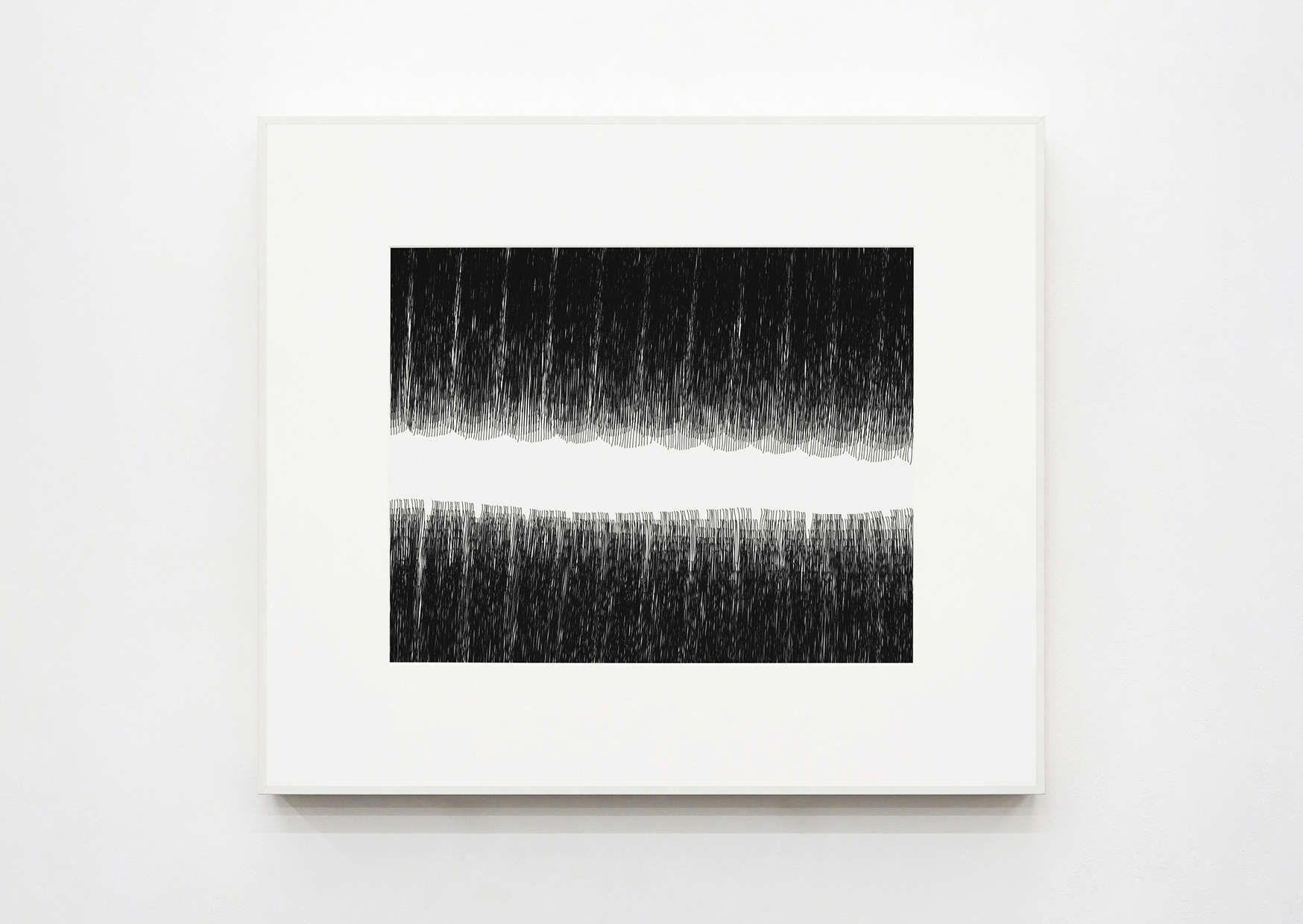
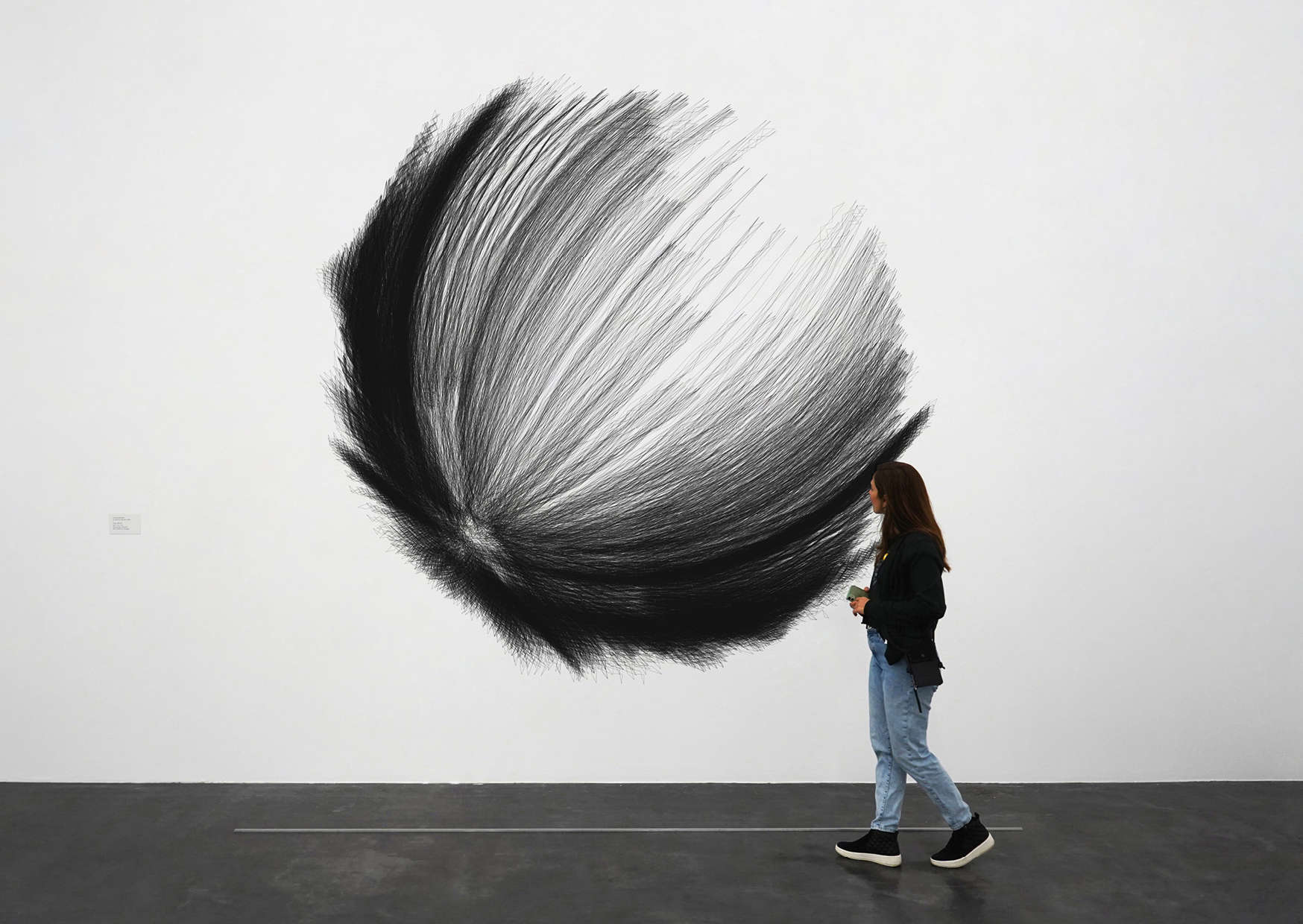
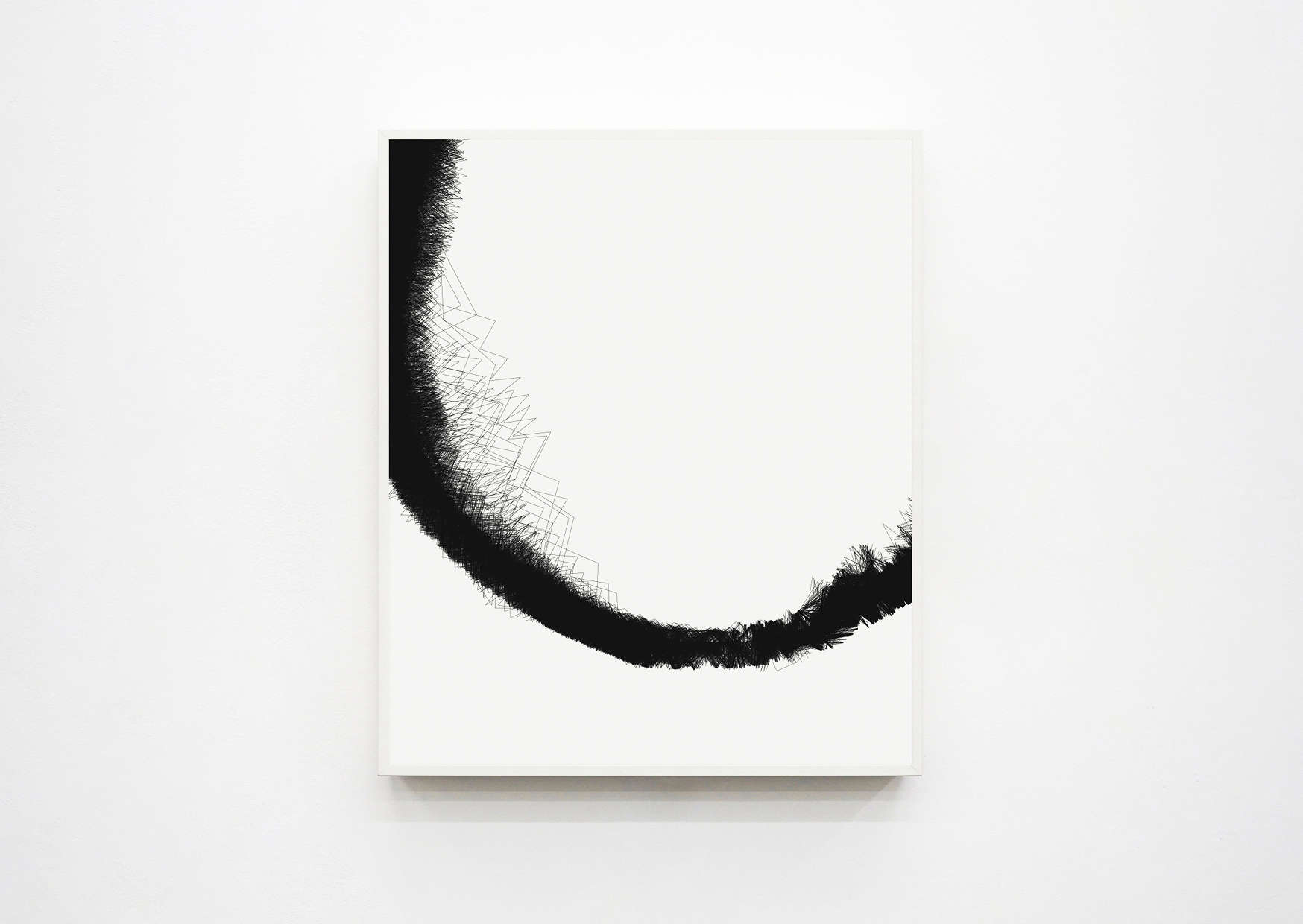
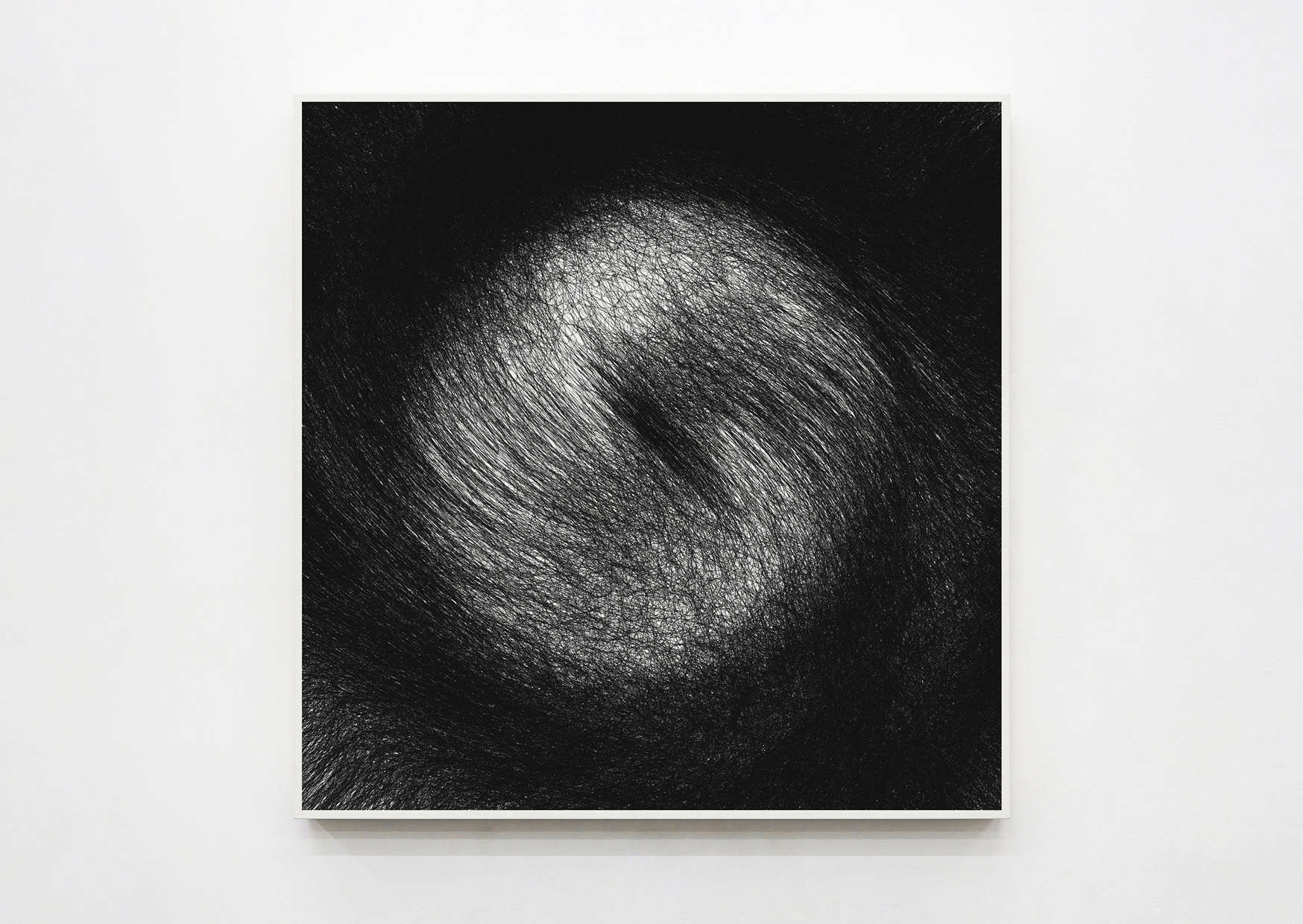
Acousmatic music is a musical genre made possible by electroacoustic techniques. Sounds are recorded, transformed, and composed in the studio, then diffused in space using spatialization devices (Acousmonium). Originally conceived for listening dissociated from any visible sound source, it aims to foster a heightened attention and to encourage the construction of mental images in the listener. In my work, this relationship is reversed. Today, it is no longer a matter of producing images from sound, but rather of suggesting a form of listening from a composition. This thereby becomes a support for perceptual projection, inviting the viewer to question their capacity to “listen” to an image, to perceive a sonority within it. A visual research process, through work with the line, aims to bring out a sensation of vibration within the compositions, contributing to stimulating this type of perception. This approach therefore does not fall within a musical practice strictly speaking, but rather within a transposition and interpretation of acousmatic principles in the field of visual arts.
Can you explain the concept of “ modulating reproducibilities ” ?
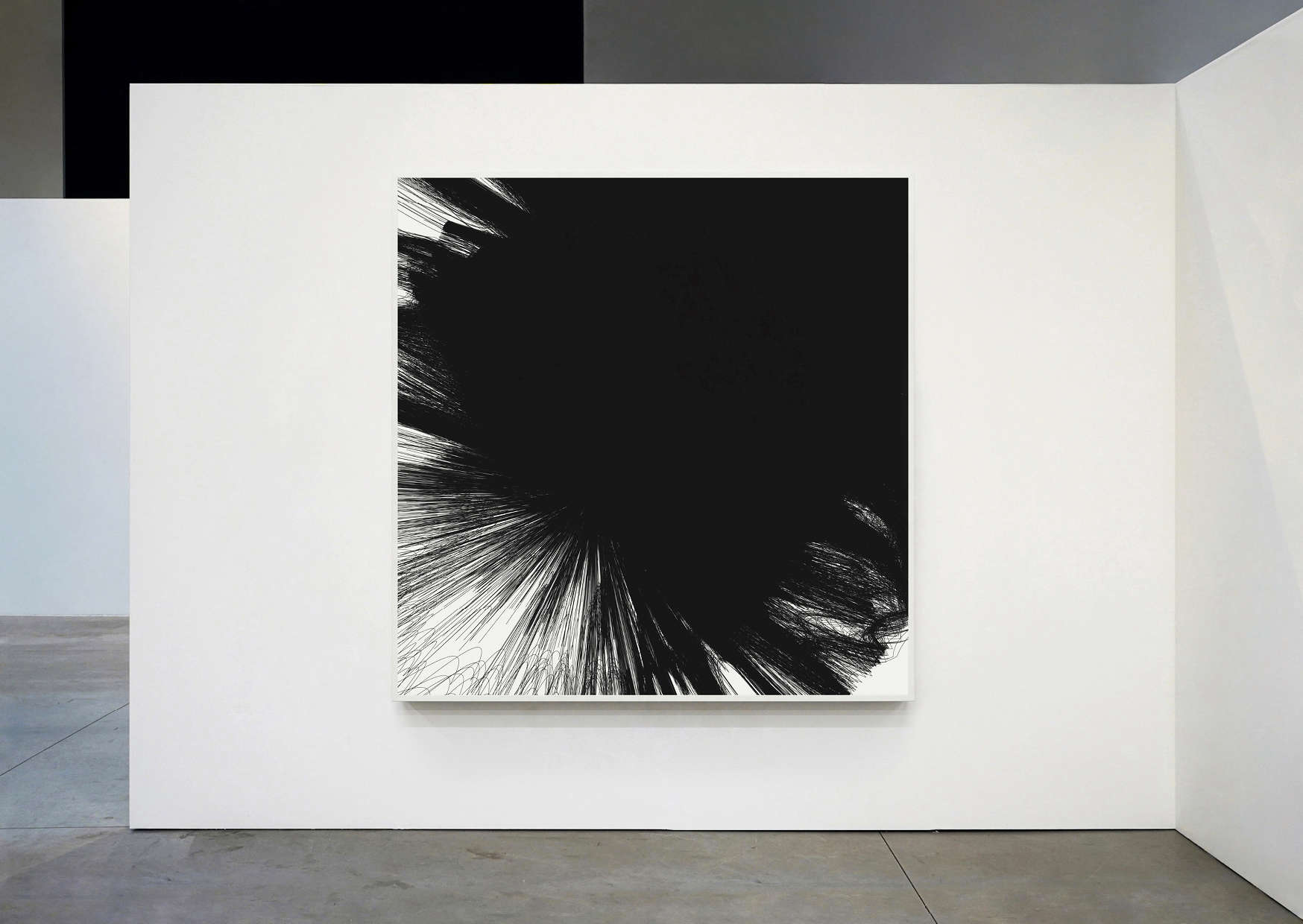
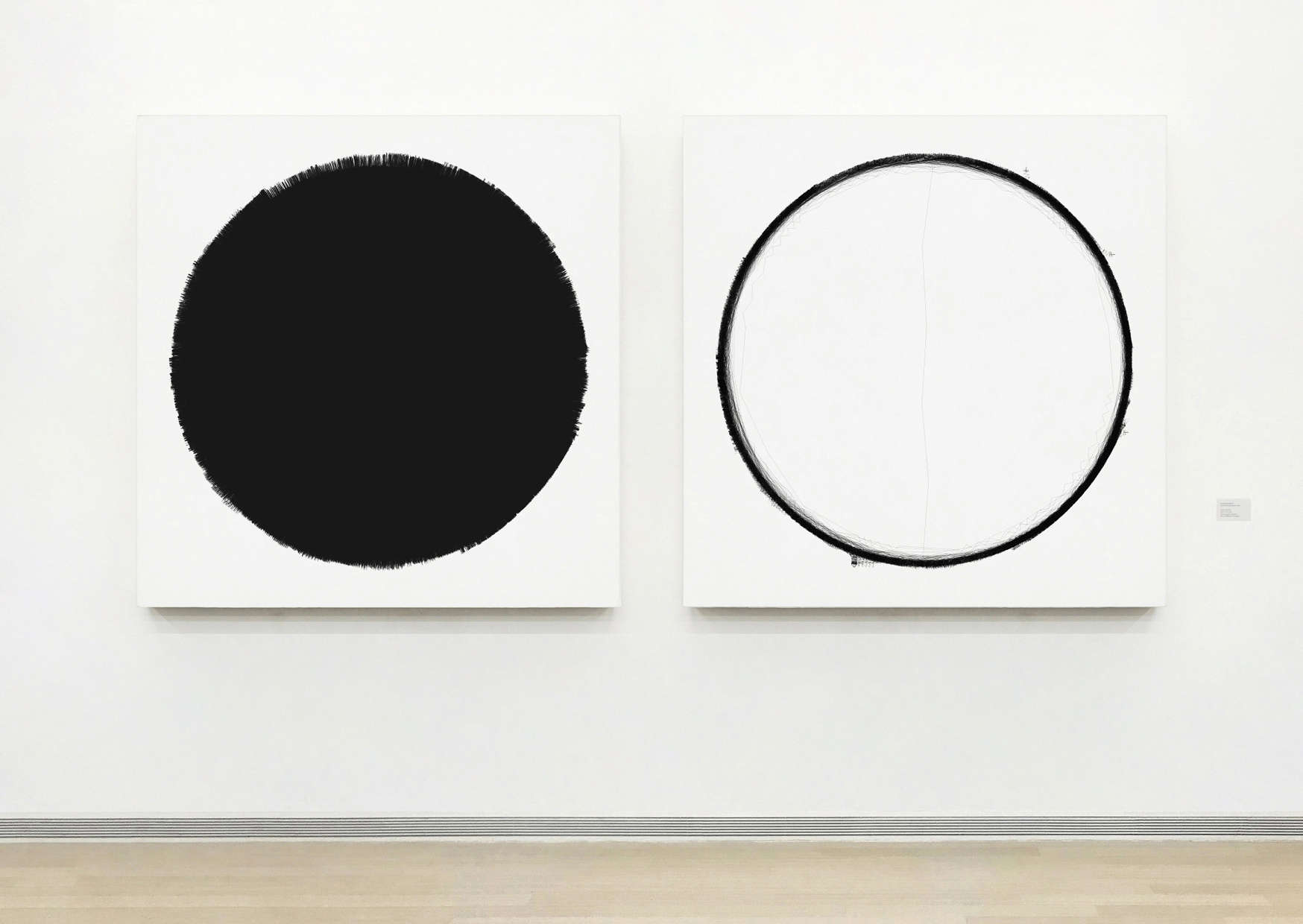
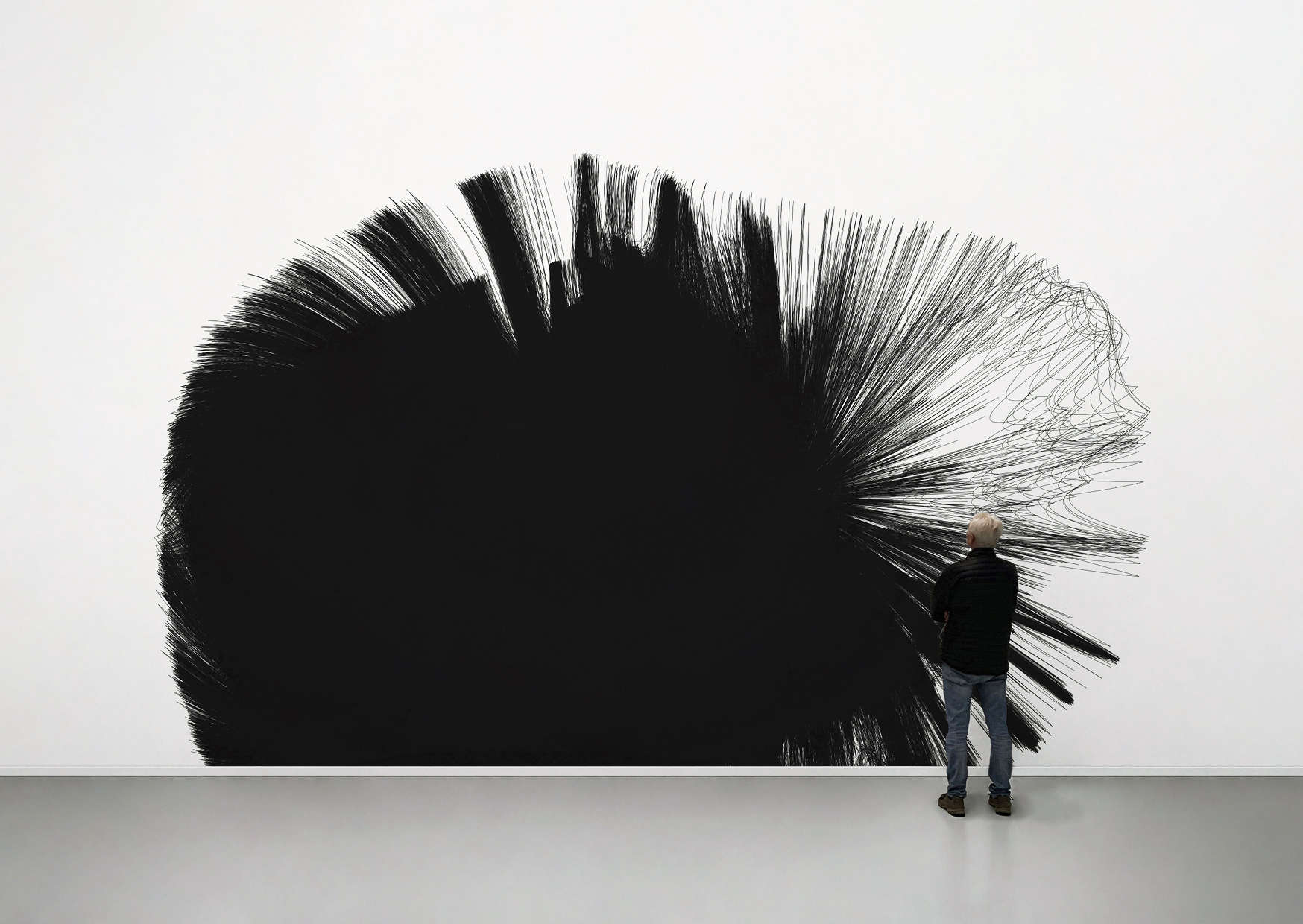
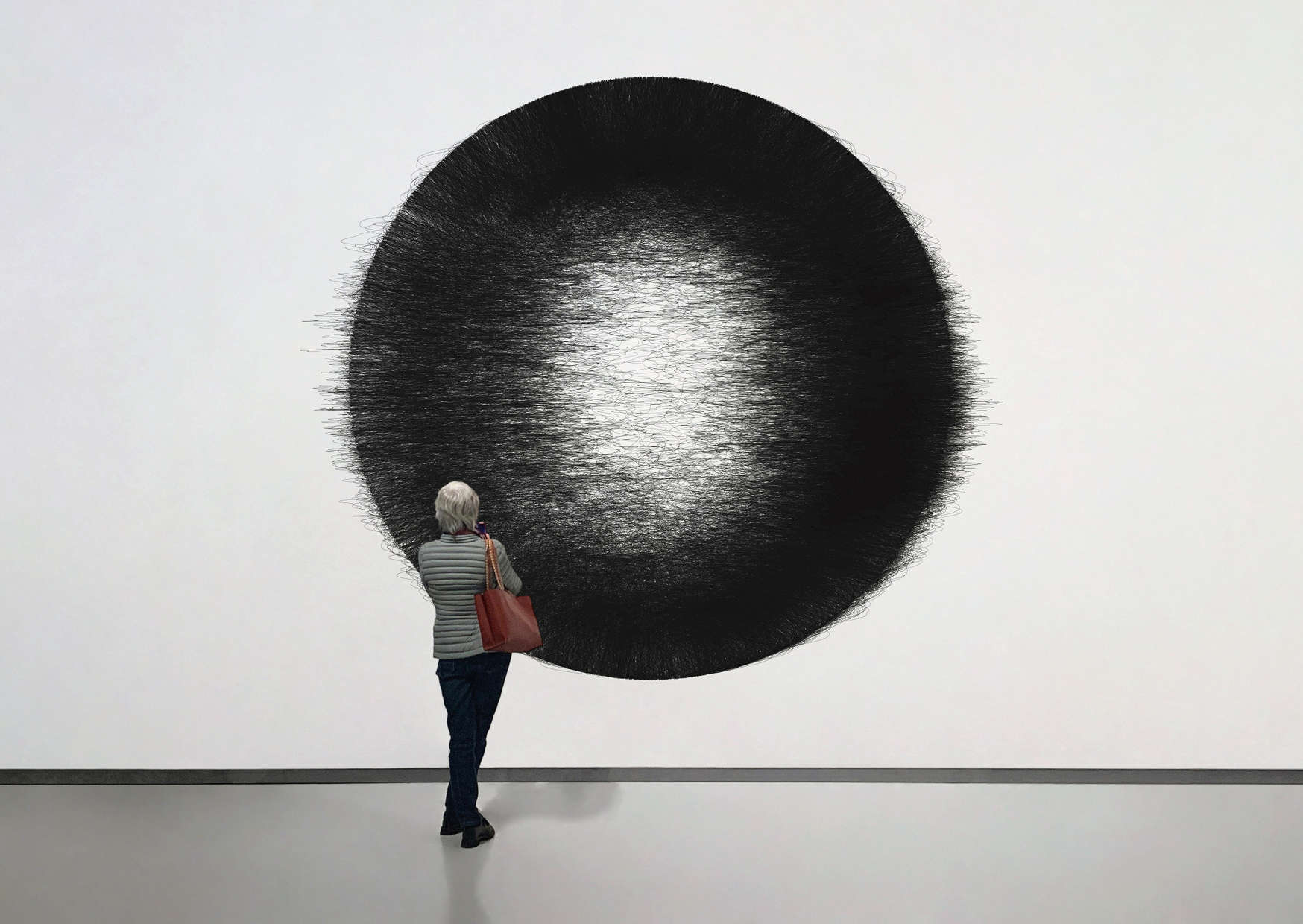
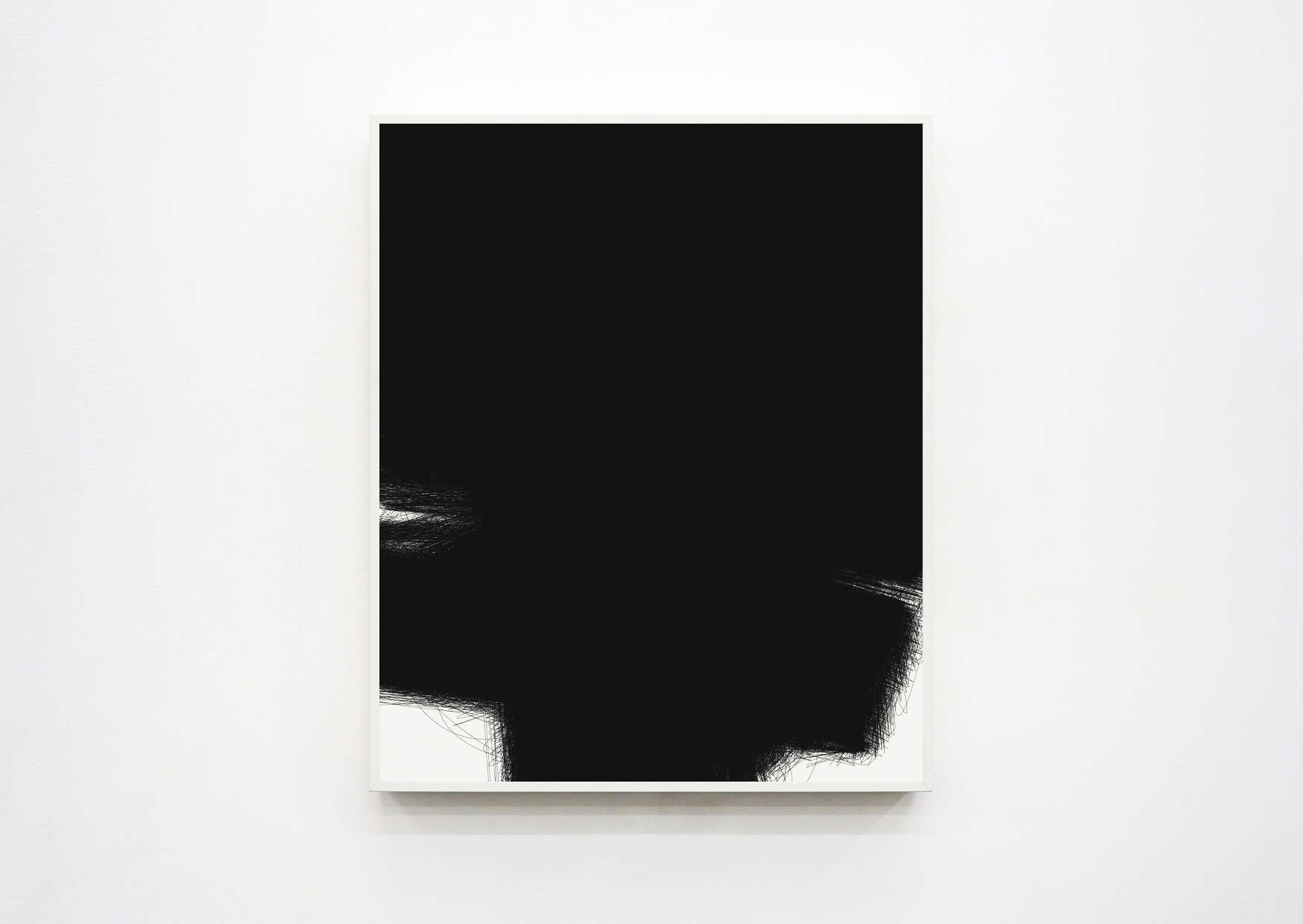
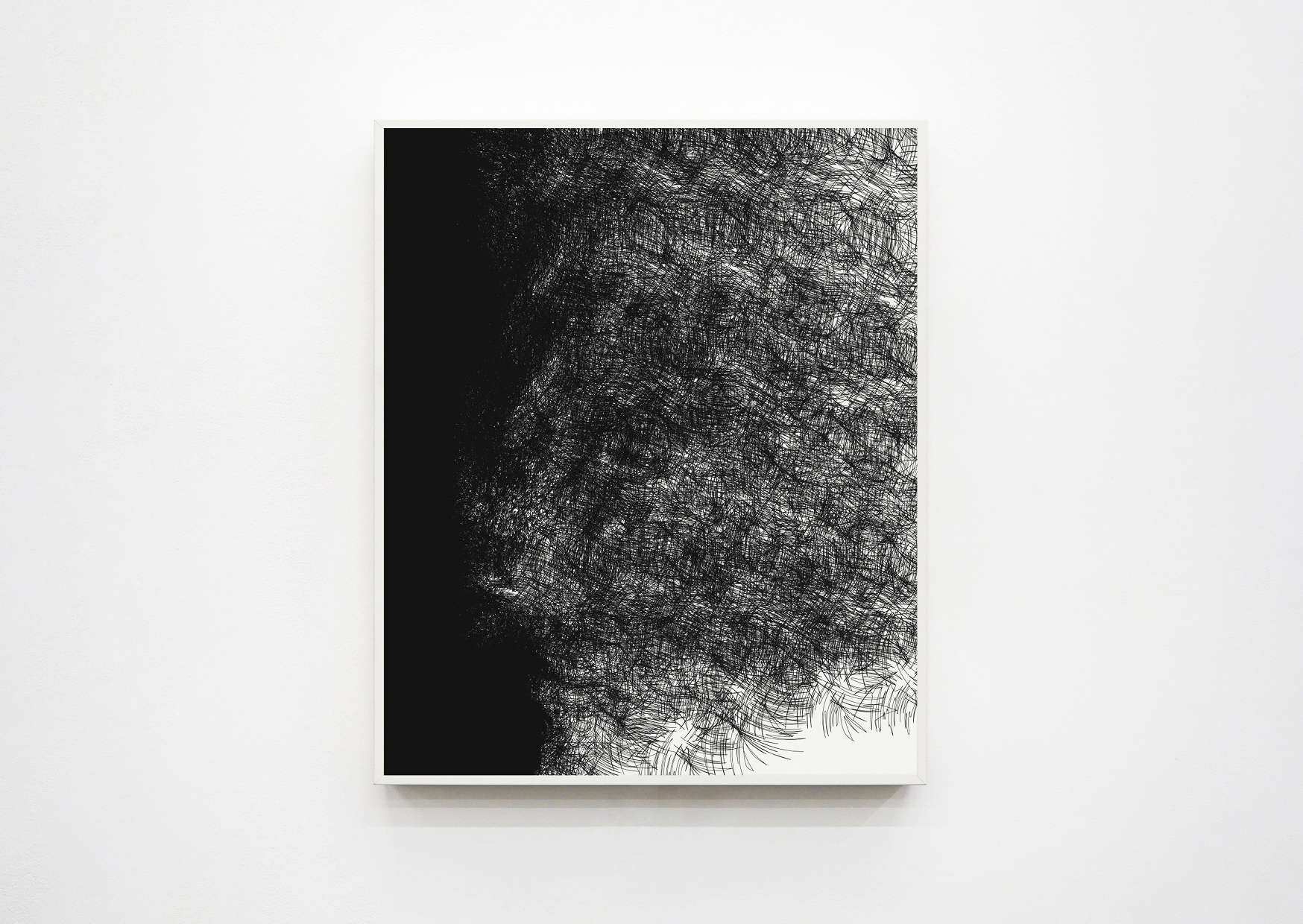
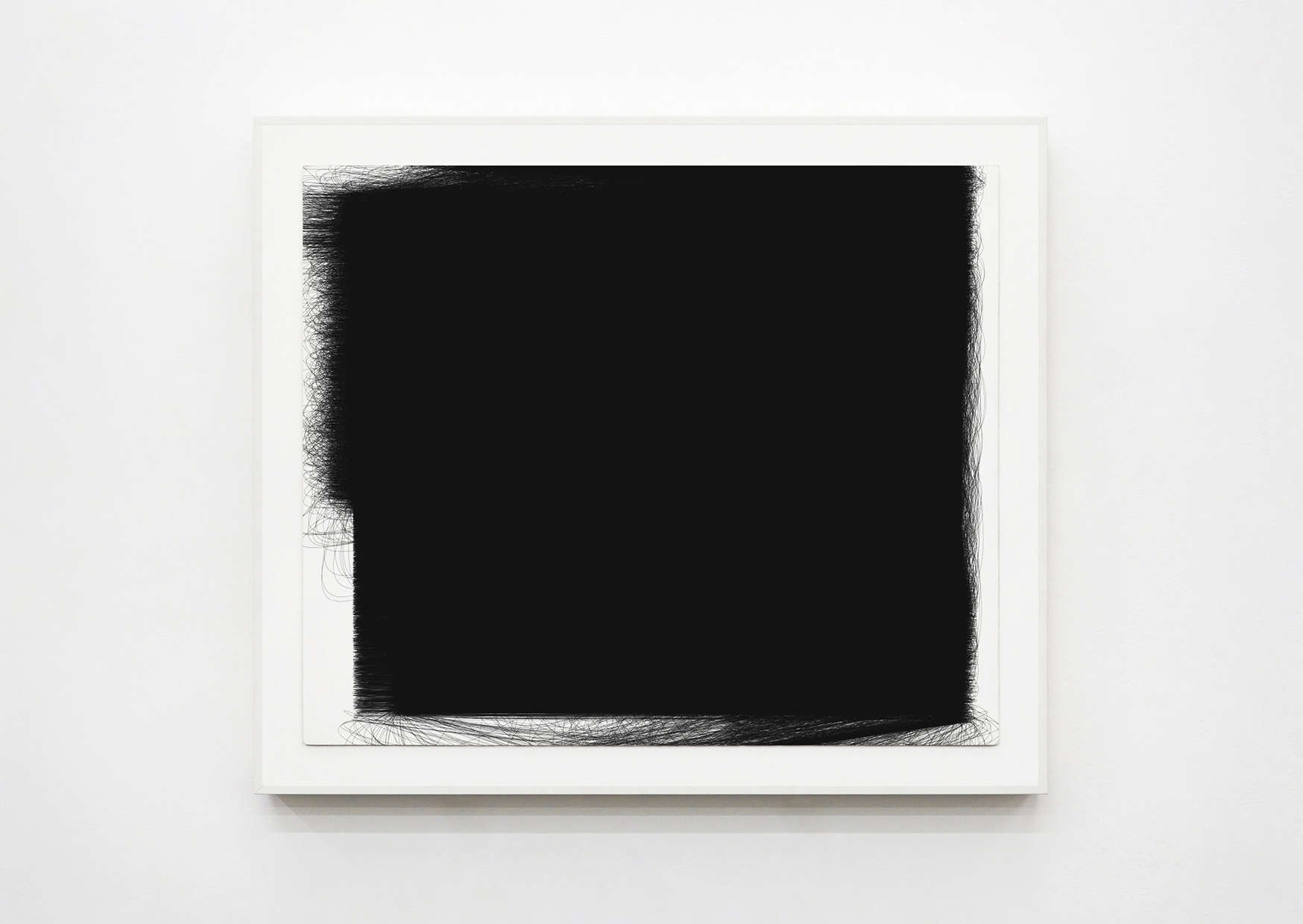
Forms are conceived as transformable structures, evolving matrices, capable of generating a multiplicity of states, without any of these manifestations being considered as original or derivative. This logic of modulation is based on a set of operations – cropping, scaling, distortion, deformation, addition or fusion – which, individually or in combination, allow new compositions to emerge from one or several initial matrices. It is part of a dynamic of systematic exploration, in which the multiplication of variations produces compositions while constantly shifting their states. It also echoes some principles drawn from acousmatic music, where sounds are composed, fixed onto a medium, then redeployed in space according to various configurations. This mode of diffusion does not aim solely to reproduce the work, but to offer an interpretation of it. Sound spatialization thus confers on it a renewed perceptual dimension. Acousma questions, through these processes, the tension between reproducibility and singularity, by proposing forms capable of modulation while maintaining a distinct identity, within an open generative system. These investigations contribute to an aesthetic of variation pushed to its furthest extent, where forms, subjected to these processes of reconfiguration, tend toward states of densification or reduction, potentially leading to compositions reaching extreme thresholds, between saturation and erasure. They thus aim to explore the conditions under which this system can evolve to the point of testing its limits.
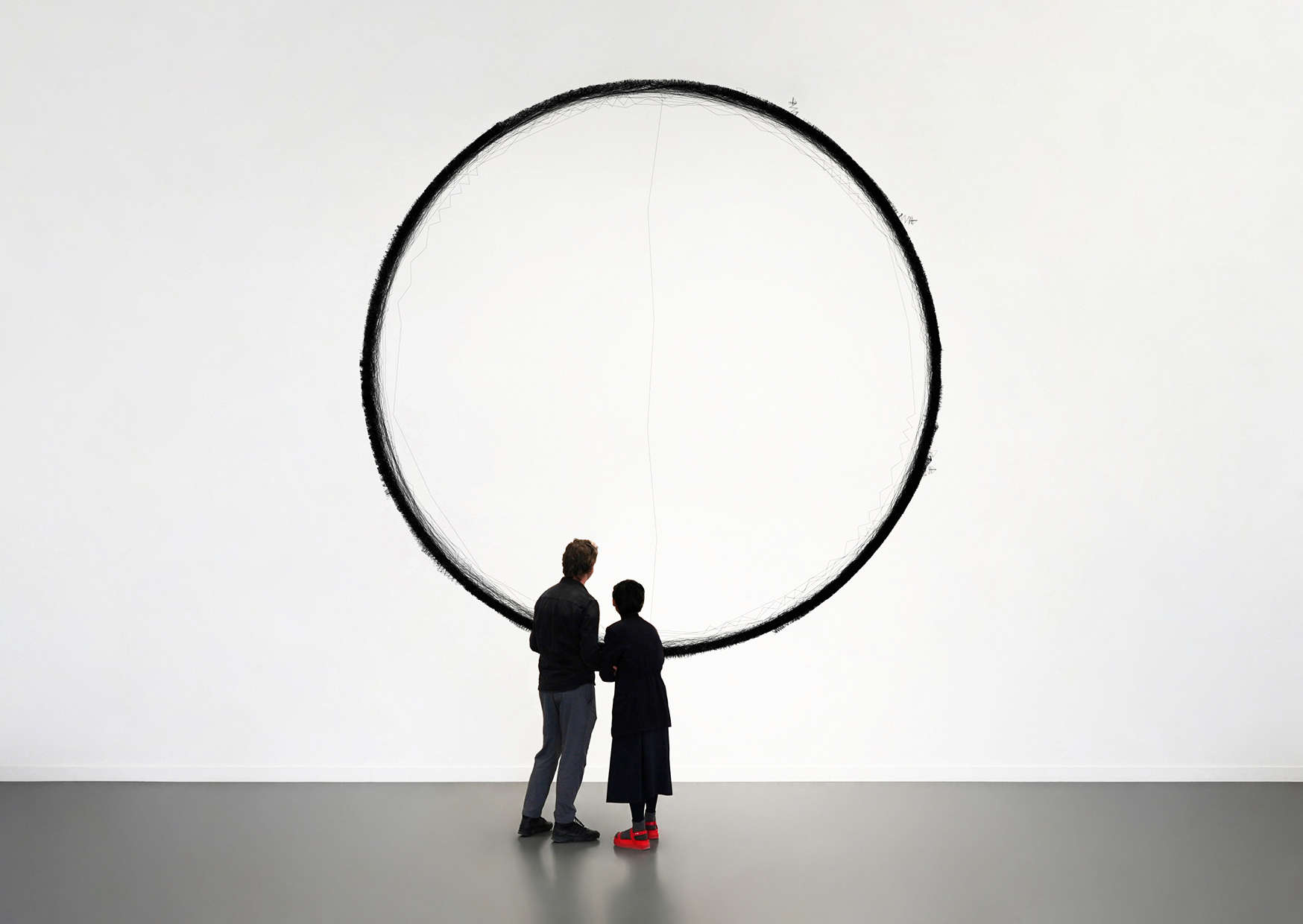
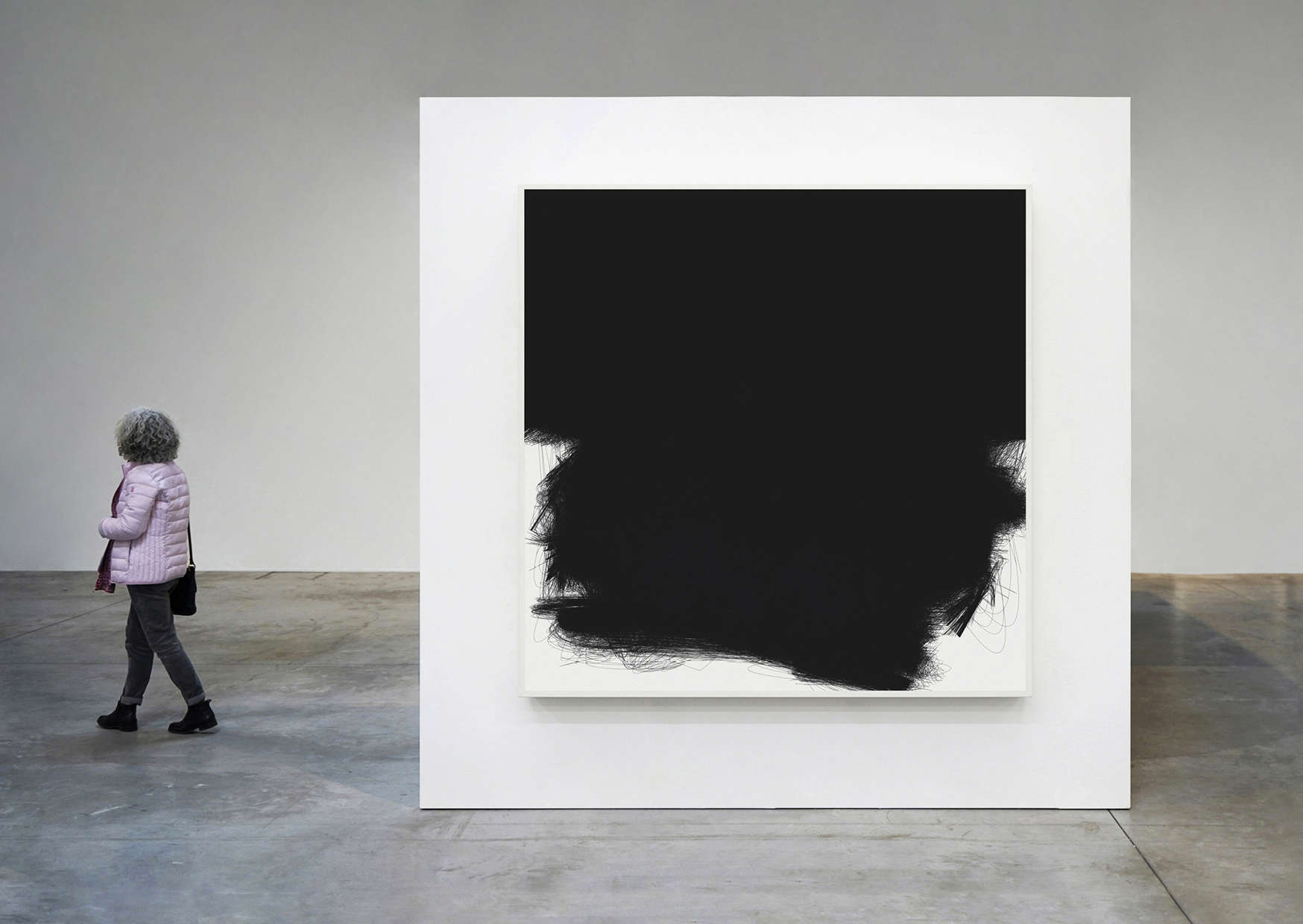
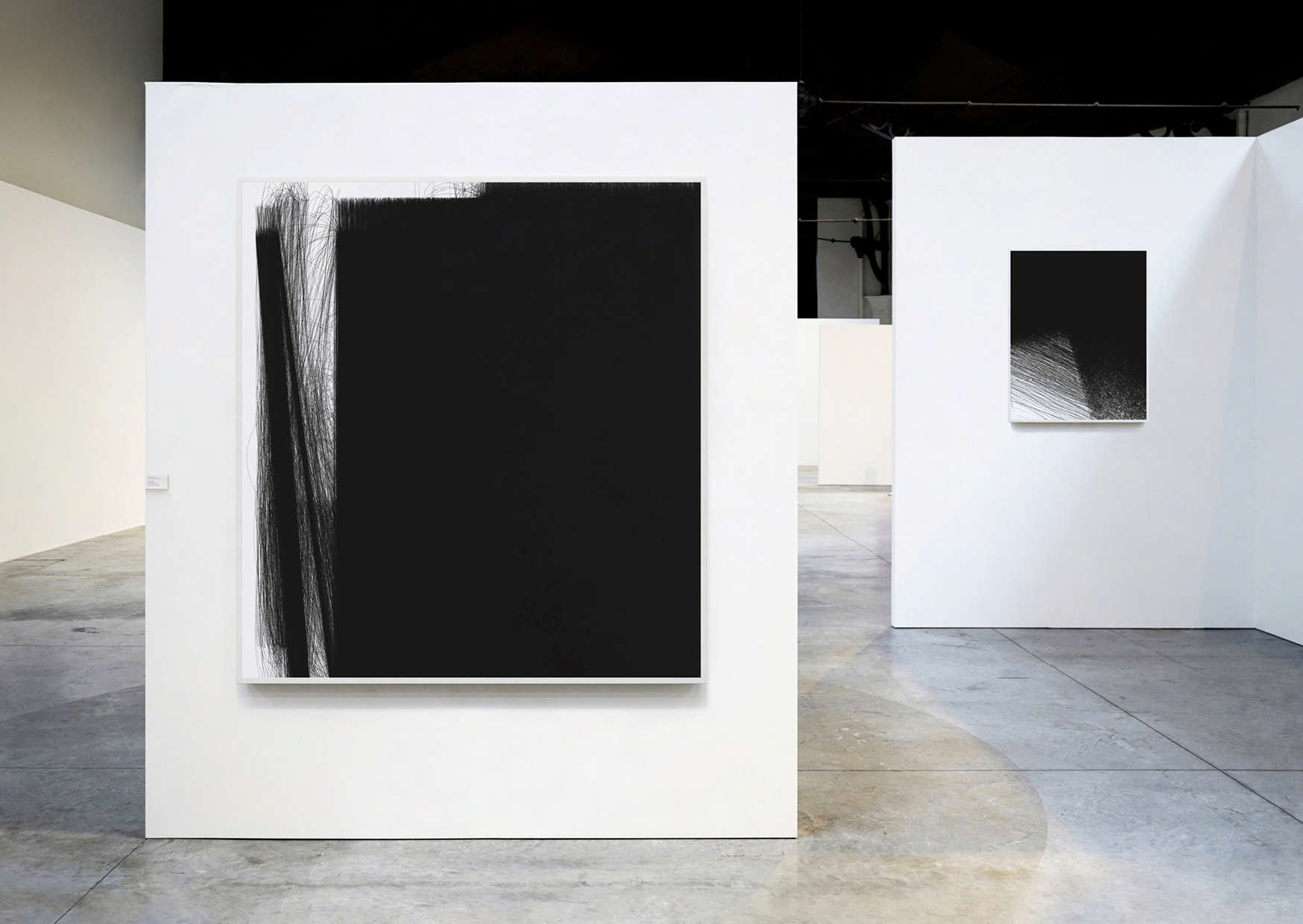
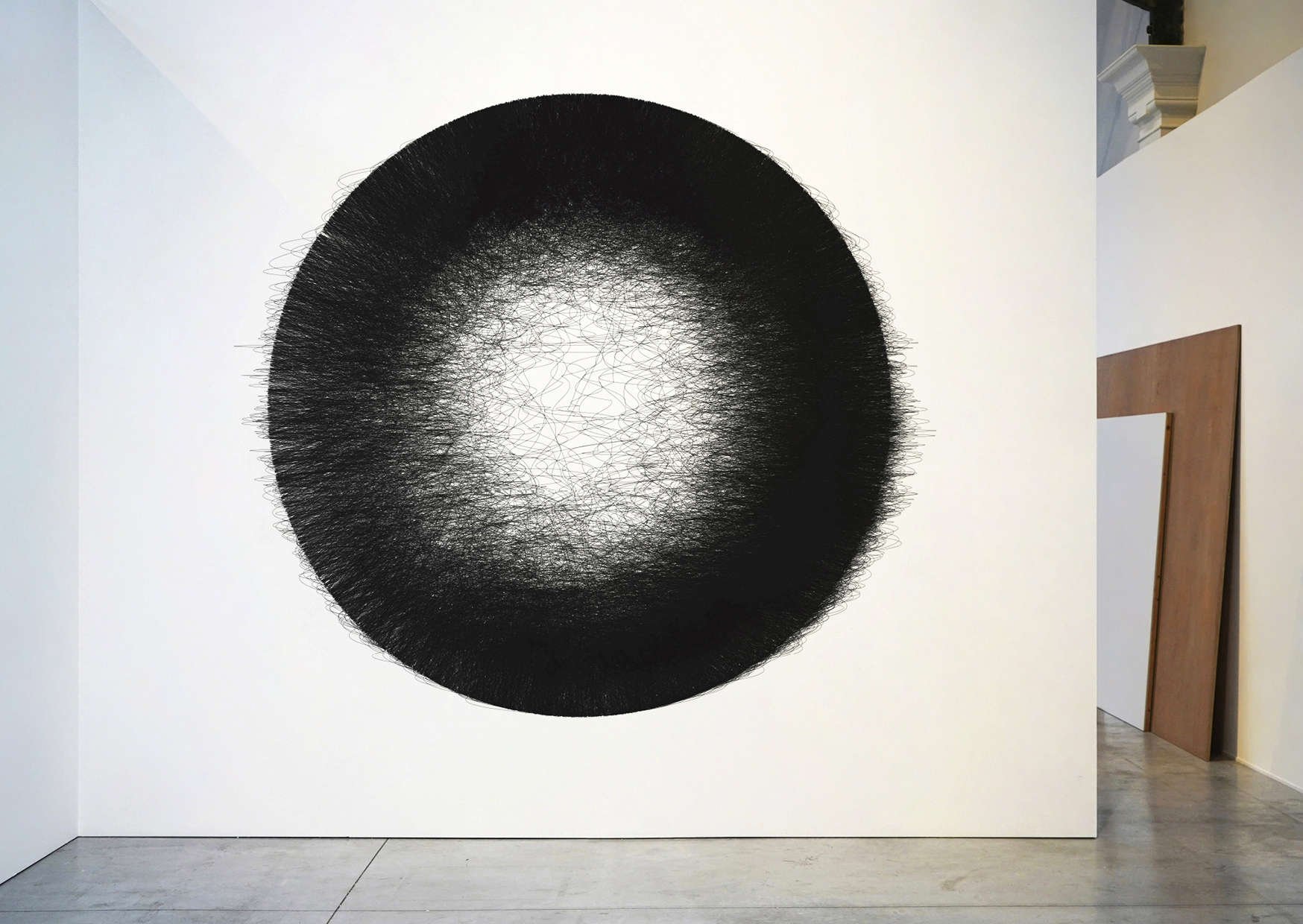
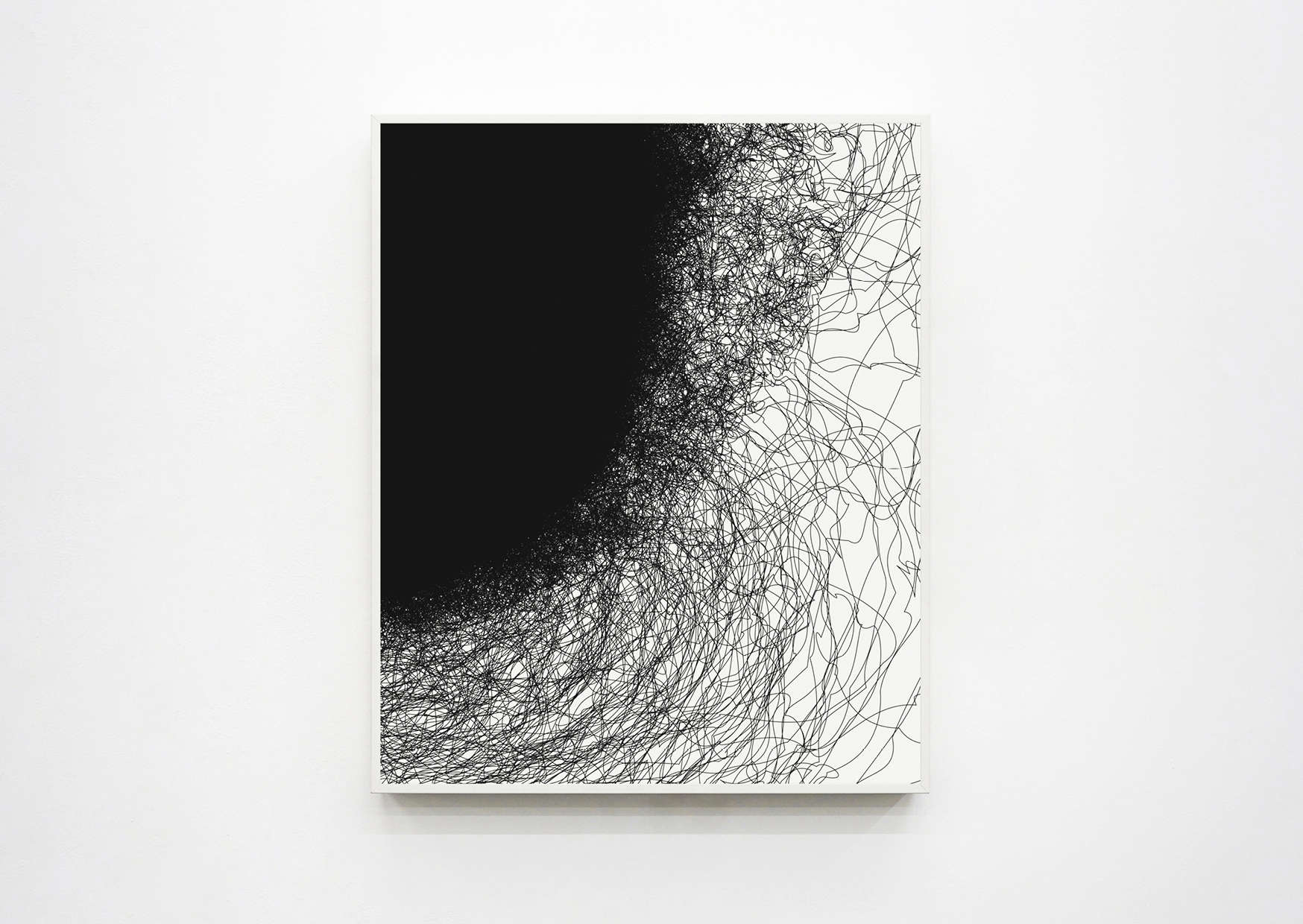
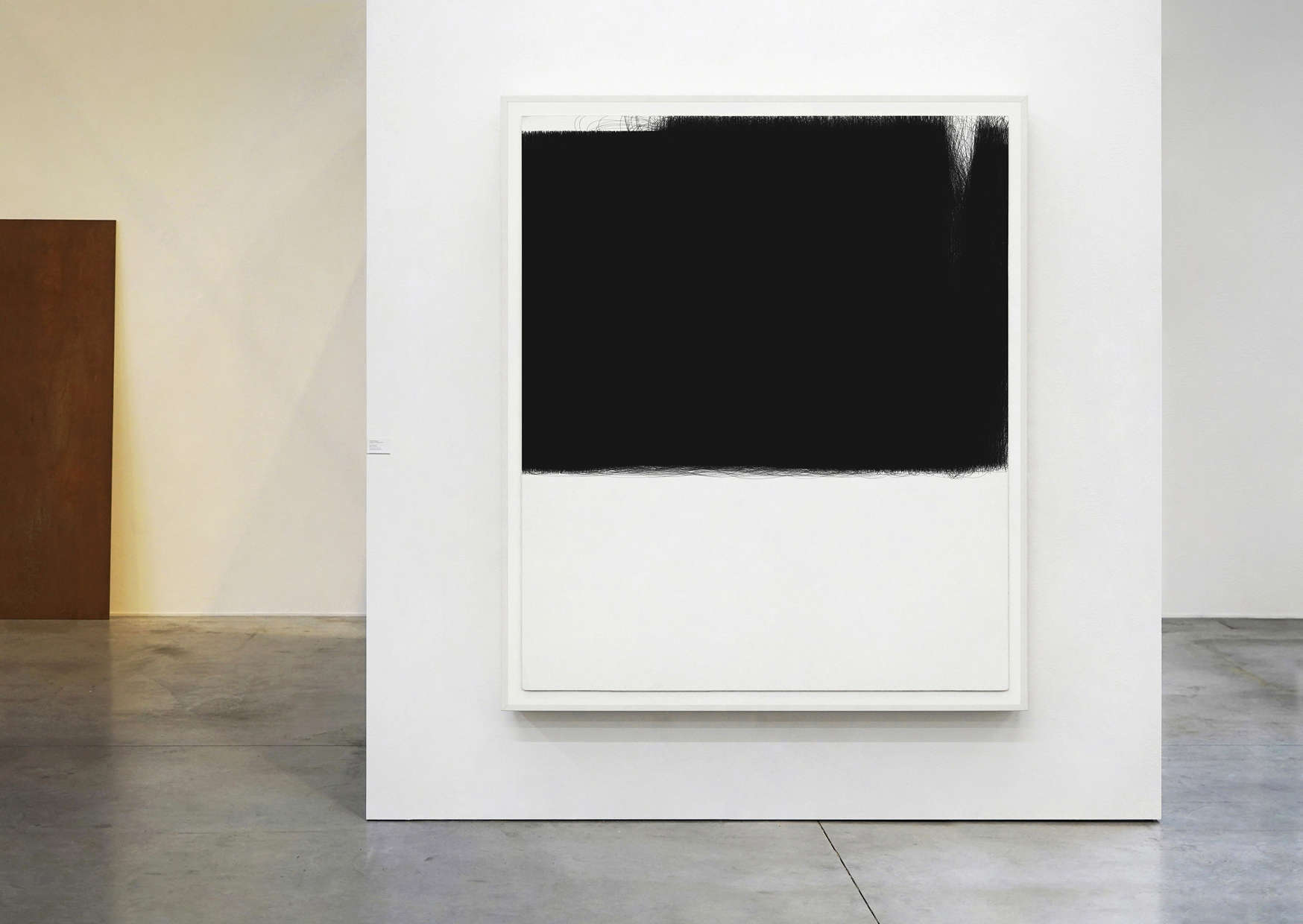
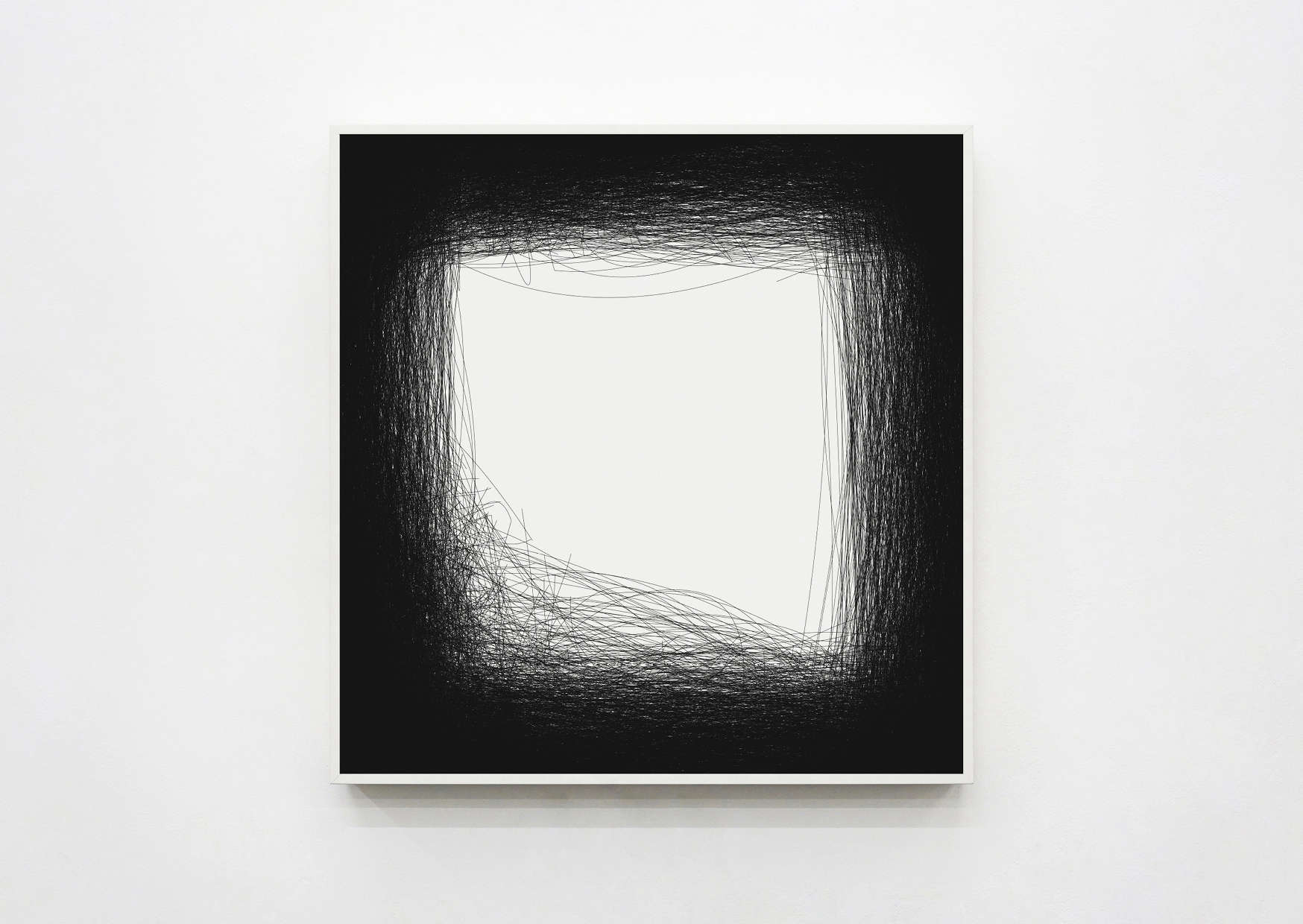
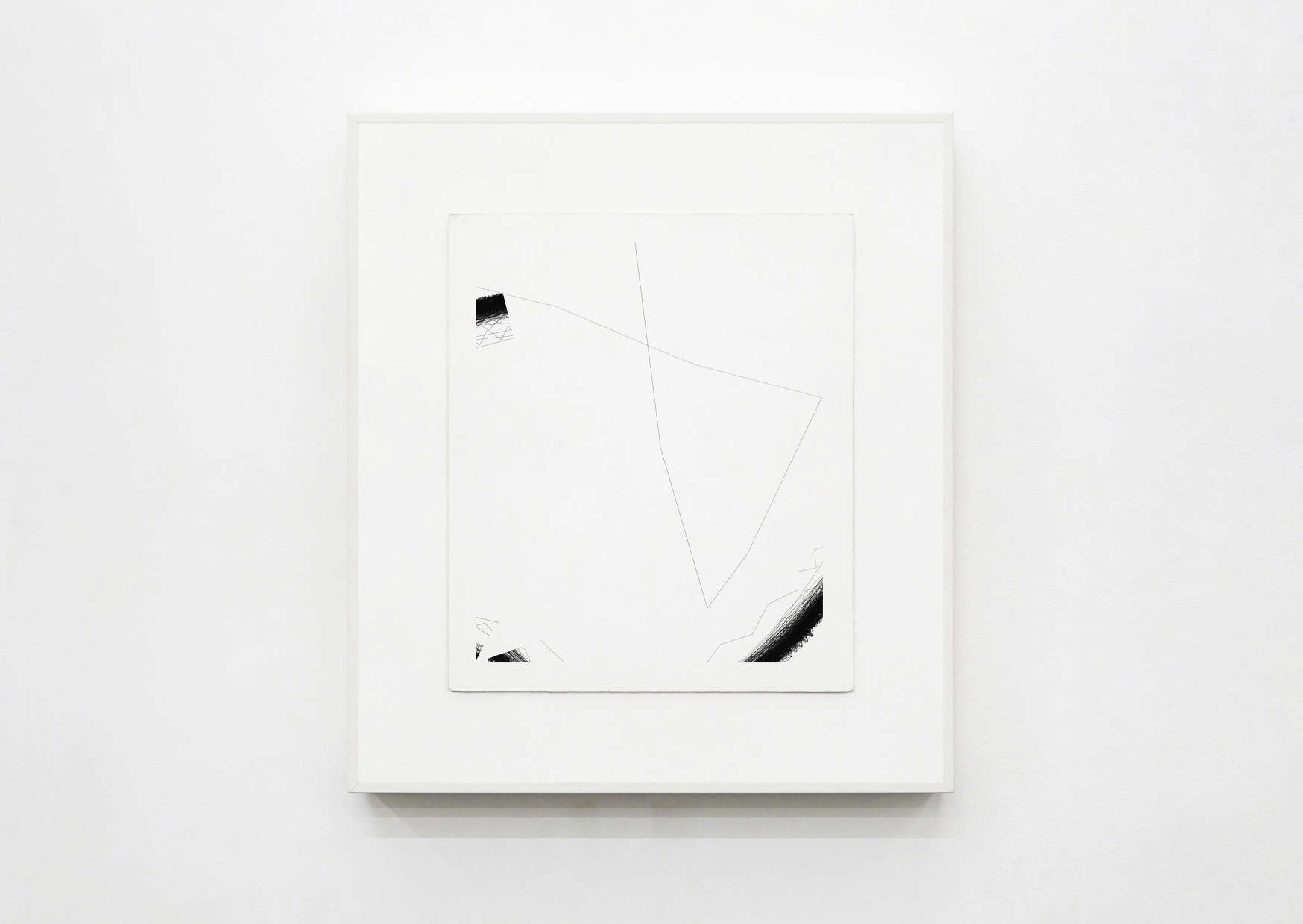
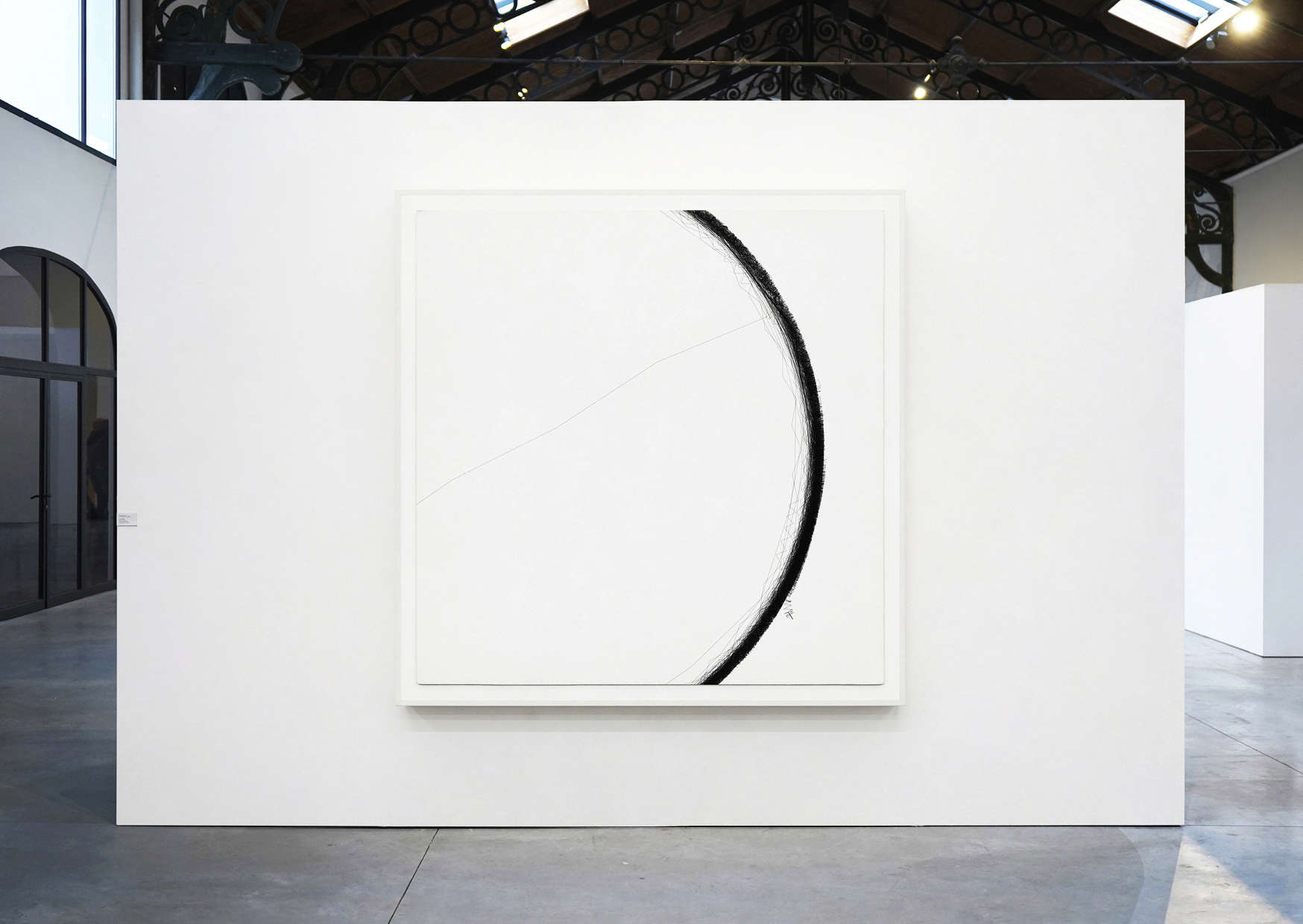
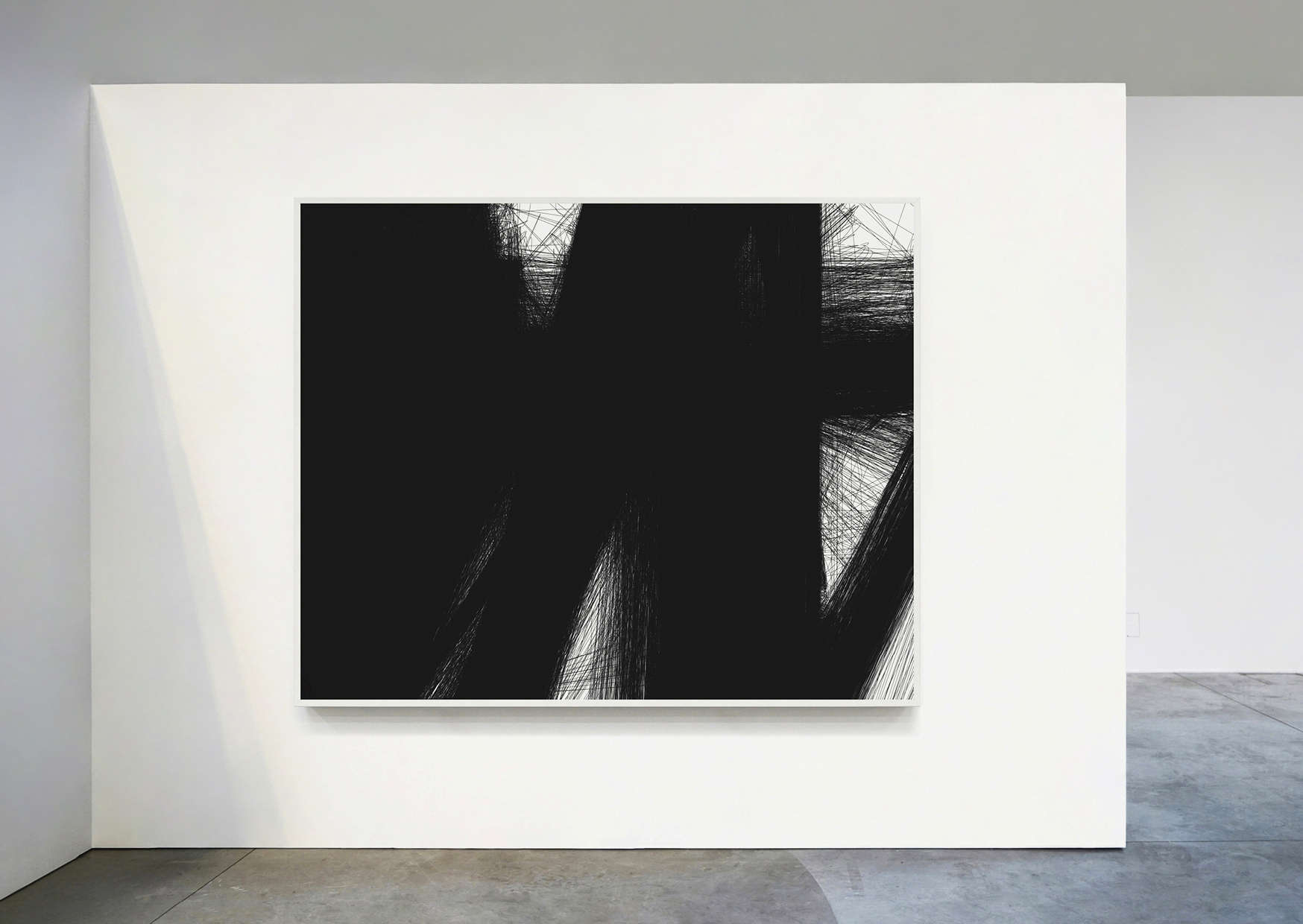
What we have seen so far are digitally created projects. How do you intend to develop your work ?
The project initially developed within a digital environment, which provides a privileged space for experimentation and dissemination. The digital works, presented as photographic simulations and distributed via NFTs, constitute the first expression of the project. They represent its foundational version, preceding its physical developments, and are part of an artistic process combining vector drawing, algorithmic manipulation, and digital composition. Today, I am progressively exploring the possibilities of the physical materialisation of these forms. This phase involves testing different modes of production, techniques, supports, and exhibition contexts. The issue lies not solely in the transposition of a digital work into a physical object, but also in the way these compositions can exist differently depending on their mode of appearance, and unfold across various media.
To date, your work has developed exclusively in black and white. Why this choice ?
Black constitutes a starting point : an operational base that allows the structure and consistency of forms to be tested. It unifies the system and plays a stabilizing role. From this base, forms are modulated and inscribed in the concept of “modulating reproducibilities”. It acts as a perceptual intensifier, by reinforcing the presence of the compositions and revealing a more immediate structural tension. This chromatic space activates mechanisms of association and engages a more intuitive reading, thereby opening a zone of referential ambiguity likely to trigger a symbolic charge in the viewer. This symbolic charge is neither thought nor constructed in advance. I do not necessarily recognize the associations of ideas that the compositions may evoke. Through these visuals, I perceive graphic operations derived from principles that codify a certain aesthetic. During the creation process, these operations partly orient the formal expression. A gap between my plastic affinities and the autonomy of the system is inscribed in the project. The process eventually imposes certain pieces.
Can you explain in more detail what the concept of “ modulating reproducibilities ” is ?
The concept of “modulating reproducibilities” is based on the idea that each form is not a fixed entity. A single form may thus be reconfigured and declined through different operations. It may also modulate according to the supports, volumes, and spaces within which it unfolds. Each variation is then considered a singular composition and becomes one of the possible manifestations of this system. What interests me is the ability of this system to generate variations and to explore its limits, up to states of exhaustion or formal wear. This approach is perhaps more easily understood through a few examples, which offer a clearer reading when the compositions are grouped according to the same matrix (see photographic simulations). Although this mode of presentation is not the one I favor (too obvious), it nevertheless makes certain mechanisms more legible. Material experimentation extends this approach, where these logics tend to become more concretely embodied. However, at this stage, I prefer to leave certain dimensions of the project deliberately implicit and in reserve.
The images in your projects often have environmental dimensions that seem to suggest specific relationships with the environments in which they appear. How do the spatial and, consequently, temporal dimensions come into play in your work ?
Temporality does not reside solely in the spectator’s experience, but in the very becoming of these structures, in their capacity to appear differently according to context. Acousma seeks to observe how a composition modifies its presence according to the conditions in which it is situated. A single composition may exist as a digital image, monumental print, sculpture, installation, animation, or painting. Space may then be considered a modulation capable of transforming the mode of reading and the temporality of the same visual matrix. Each translation from one medium to another would cause the composition to evolve through a cycle of reinterpretations generating successive losses and gains. The digital presentation of compositions through photographic simulations constitutes one of these modulations and is not limited to a simple tool of dissemination. Traditionally, the work first exists in physical space before being photographed, distributed, and archived digitally. Here, the compositions appear in the digital environment even before potentially becoming physically materialised. The digital no longer documents the work; it becomes its first mode of existence. The digital image ceases to be the representation of a pre-existing object and establishes itself as a state of the form, a “visual hypothesis”. Other types of modulations reveal temporalities already latent within the initial structure. A crop, for example, brings forth a space of reading already contained within a composition. This transformation can induce compression, expansion, or suspension of time. A zone previously perceived as a detail is thus exposed as a composition in its own right. These elements, however, only cover part of the relationships to space and temporality that run through the project. They seemed to me the most appropriate to share at first.
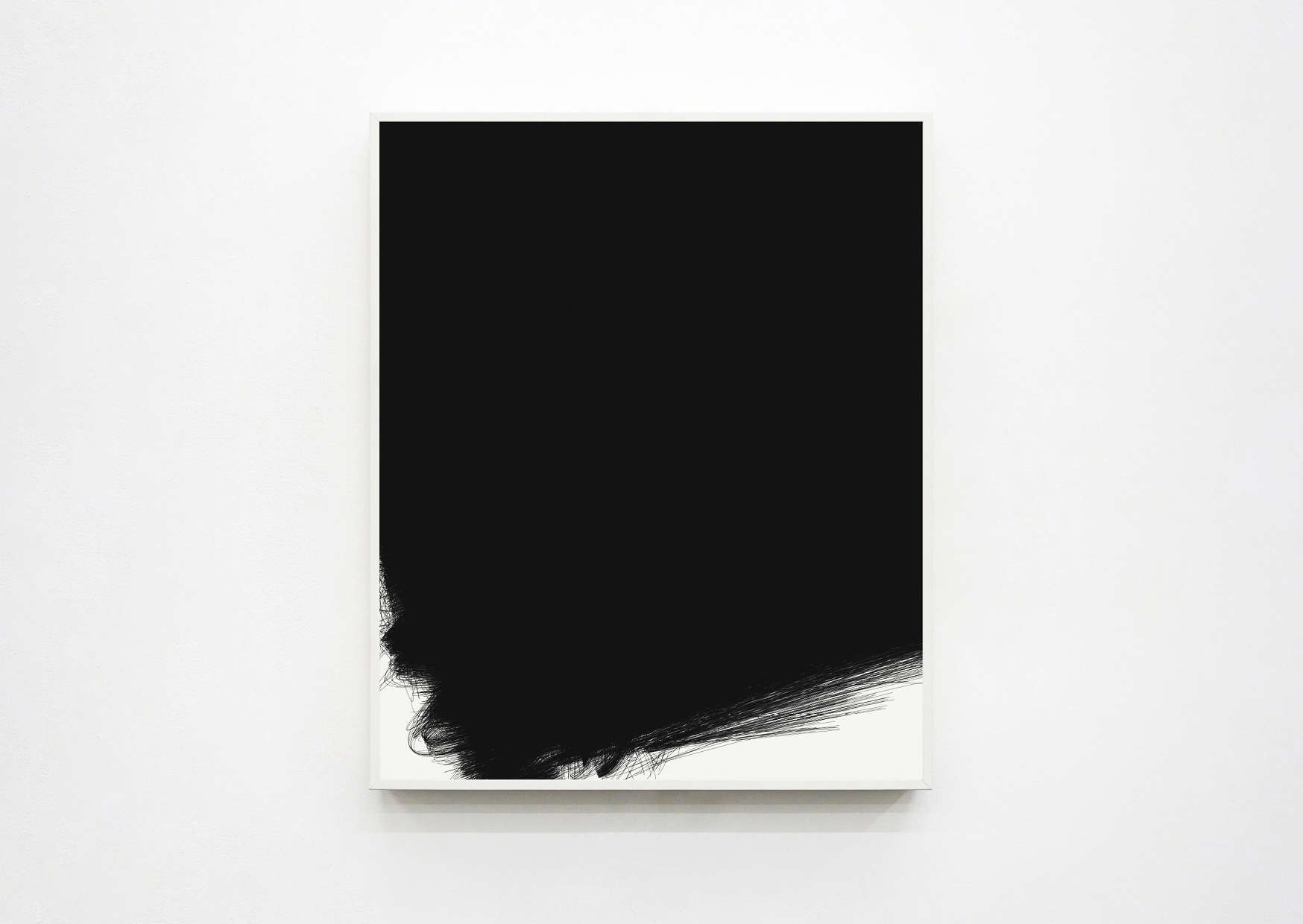
Do you use NFT technology ? Does this also apply to the sale of these images ?
Yes, the entire digital collection is available on OpenSea. The use of NFTs interested me primarily because of the ambiguity they introduce around the notions of rarity and authenticity within an environment intrinsically linked to duplication. This ambiguity echoes certain questions raised in Acousma concerning reproducibility, variation, and the status of the “original”. These interrogations are particularly stimulating when they displace and bring into tension our usual way of thinking about uniqueness, copying, or authenticity in the field of art. For more information about the NFT collection, please feel free to consult the “About” section on OpenSea: https://opensea.io/collection/acousma
I’d like to ask you to delve deeper into the question of authenticity and what your interests are in this regard.
The question of authenticity interests me insofar as it intersects with that of the original. However, it is the “evolving” nature of our conception of the original that captures my attention. The criteria by which a work is recognized as such have continually evolved throughout the history of art. From this perspective, the status of the original appears to me as a qualification whose contours can be redrawn according to historical, technical, legal, cultural, and institutional contexts. The history of art provides numerous examples showing that these criteria are constructed and stabilized through established conventions. In the field of sculpture, multiple casts of the same bronze can be recognized as original works when they meet certain conditions. In France, up to eight numbered casts, to which artist’s proofs may be added, are generally accepted as originals. The qualification of a work as original therefore does not rest solely on its material uniqueness, but also on the limitation of the edition and the manufacturing process, governed by regulatory frameworks. Printmaking, photography, and lithography have likewise demonstrated that a work can be multiplied while retaining its status as an original. Marcel Duchamp’s ready-mades, Andy Warhol’s silkscreens, and certain forms of generative art have each, in their own way, displaced the notion of the original. With regard to authenticity, cases of forgeries that were taken to be genuine highlight the role of mechanisms of validation, expertise, provenance, and institutional recognition in its construction. Today, NFTs contribute to a reconfiguration of some of these mechanisms by introducing new technical procedures of certification and traceability. The way these notions are understood over time thus reveals tensions in our manner of thinking about the artwork, its reproduction, and its value. In Acousma, these tensions may appear as structural effects of the process of modulation pushed to excess.
Do you use AI to create your images? If so, how?
The compositions result from personal artistic interventions and do not rely on artificial intelligence programs.

The author of this article: Gabriele Landi
Gabriele Landi (Schaerbeek, Belgio, 1971), è un artista che lavora da tempo su una raffinata ricerca che indaga le forme dell'astrazione geometrica, sempre però con richiami alla realtà che lo circonda. Si occupa inoltre di didattica dell'arte moderna e contemporanea. Ha creato un format, Parola d'Artista, attraverso il quale approfondisce, con interviste e focus, il lavoro di suoi colleghi artisti e di critici. Diplomato all'Accademia di Belle Arti di Milano, vive e lavora in provincia di La Spezia.Warning: the translation into English of the original Italian article was created using automatic tools. We undertake to review all articles, but we do not guarantee the total absence of inaccuracies in the translation due to the program. You can find the original by clicking on the ITA button. If you find any mistake,please contact us.
























 IT
IT FR
FR DE
DE ES
ES CN
CN


