



by Noemi Capoccia 18/07/2026



Categories: Interviews / Disclaimer
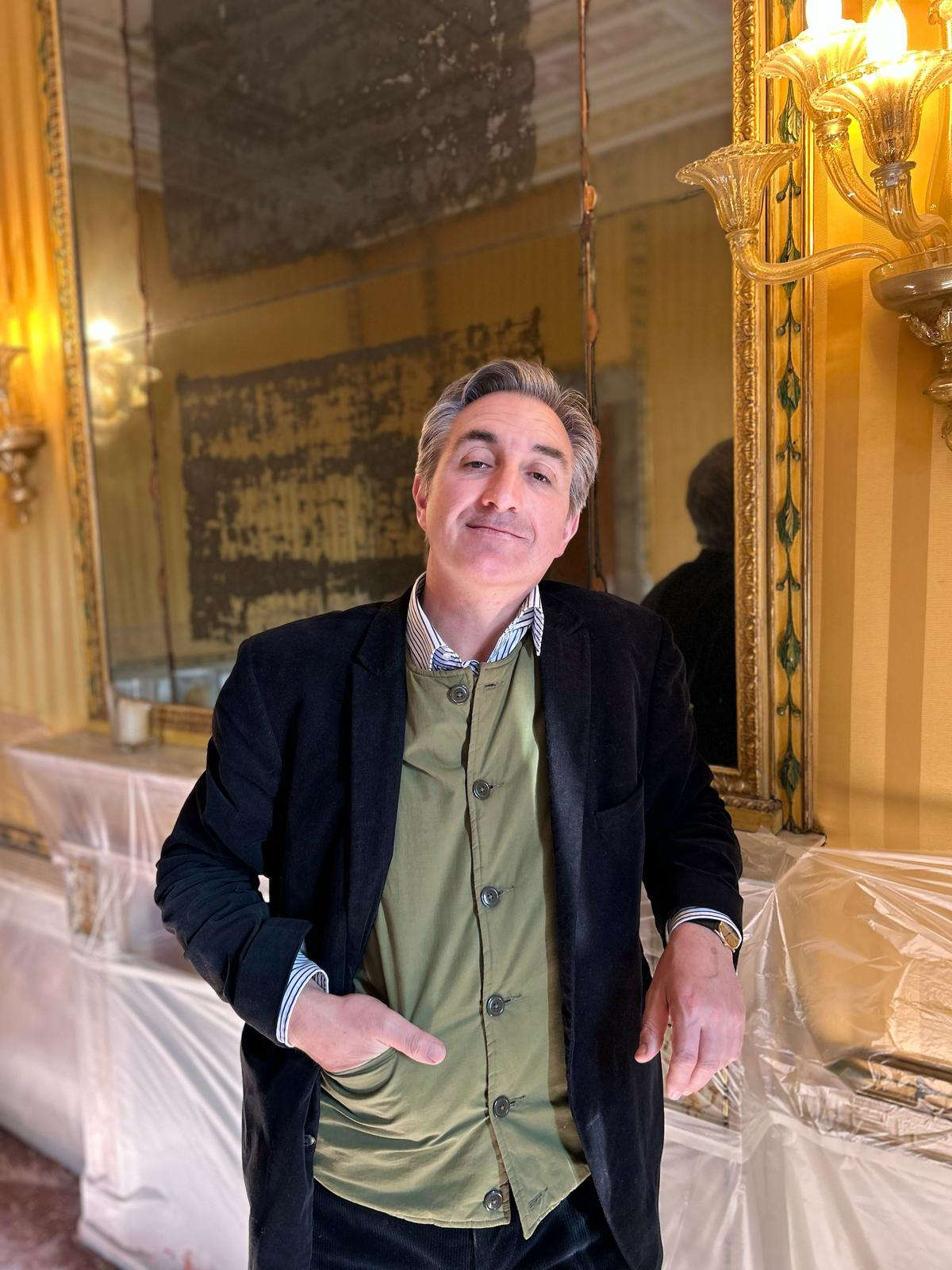
From the preservation of historic buildings to international events, Art Events President Filippo Perissinotto discusses in this interview with Noemi Capoccia a business model that prioritizes knowledge above all else and transforms culture into economic value without compromising the preservation and identity of these places.
With a career spanning subsidized finance, conservation restoration, and the cultural economy, Filippo Perissinotto, president of Art Events—a company specializing in the organization of cultural events—has, over the years, developed an entrepreneurial vision rooted in the belief that historical heritage can serve as a defining element of identity and a resource capable of generating economic sustainability and new opportunities for development. After extensive experience in the fields of restoration and the cultural economy, in the 2000s he founded Valorizzazioni Culturali, an organization specializing in the preservation and revitalization of historic buildings of particular artistic and cultural significance.
Over time, the group has expanded its scope of action across various areas of focus: from the enhancement of the landscape and agricultural heritage through Valorizzazioni Agricole, to the management of prestigious venues for cultural and international events via Art Events, to projects for the restoration and enhancement of historical heritage developed within the cultural real estate sector. This model combines long-term investments with temporary initiatives, with the goal of creating economic value without separating it from the preservation and understanding of these sites.


In this interview with Noemi Capoccia, Perissinotto reflects on the potential and challenges of Italy’s cultural economy, focusing on the relationship between historical heritage, business, and sustainability. From his experience gained in Venice, Milan, and numerous smaller towns, a vision emerges that views enhancement as a balance between conservation and contemporary use, based on the conviction that a cultural asset generates value when it increases collective knowledge and awareness. Through concrete examples, such as the restoration of the former Abbazia della Misericordia in Venice or the collaboration with the Querini Stampalia Foundation during the Venice Art Biennale, Perissinotto outlines a concept of the cultural economy as an integrated system, in which heritage, events, and investments work together to create a lasting impact on the local area and communities.
NC. After extensive experience in the fields of subsidized financing and conservation restoration, you have been developing your group since the early 2000s with the flagship company Art Events. What motivated you to build a model that connects cultural heritage, business, and economic development?
FP. My goal has always been to contribute to the preservation and enhancement of Italy’s cultural heritage. With this in mind, I conceived and sought to develop a model capable of providing visibility, promotion, and opportunities for economic sustainability to our country’s historic buildings, linking them to events of major international appeal that are characterized by temporary use, such as the Salone del Mobile in Milan and the Venice Biennale.
When did you realize that cultural heritage could be treated as a genuine economic asset?
The decisive moment came from the ongoing realization among our partners, clients, and investors—particularly foreign ones—that the good fortune of being Italian and living in the cradle of history could constitute a genuine asset, even in economic terms. An economic asset, to be more precise.
Today there is a lot of talk about cultural enhancement, often in rather abstract terms. In your opinion, what is the most common mistake institutions and private individuals make when trying to transform a historic asset into economic value?
The challenges vary significantly depending on whether the stakeholders are public or private, and this distinction is entirely understandable. In the case of public actors, the institutional nature that rightly distinguishes them entails inevitable complexities—both bureaucratic in nature and related to timelines that, when viewed from an international perspective, may appear to be slow or uncompetitive. In the private sector, on the other hand, the main challenge lies in the high degree of fragmentation in actions, ownership, and intentions, which often results in a general lack of a shared methodological approach. Within this framework, our group has carved out a unique position for itself, operating with methods and timelines typical of the private sector while maintaining a vision and objectives geared toward collective benefit.
When intervening on a historic property, are we truly creating value, or do we risk rewriting its identity to make it more appealing to the market?
There is a line that cannot and must not be crossed, within which all relevant public institutions operate to properly safeguard our heritage. I hope that those fortunate enough to work in this sector will always maintain a spirit of responsibility and common sense. It is a principle I reaffirm with absolute conviction: preservation comes before any other action. The combination of medium- and long-term initiatives—such as taking on the management of historic buildings—and the contribution of temporary exhibitions, such as individual events or Biennale pavilions, establishes a virtuous balance between the temporal dimension and cultural value. Essentially, it is a harmonious balance between the timing of action and the quality of its impact.
The use of historic residences and cultural spaces for events can spark debate. In your opinion, when does an event truly enhance a place? And when does it, on the other hand, deplete it?
First of all, long live the debate! Even when it takes on heated or polemical tones. In my view, regardless of ownership, cultural spaces and historic residences belong, in some way, to the community. It is therefore right—as well as constructive—that they be the focus of attention from various parties and from different perspectives. The first form of protection, just as the first form of enhancement, lies in knowledge: in the ability to make these assets visible, understandable, and a subject of public interest. This is not a given. In this sense, the work of cultural educators, at all levels, represents a valuable contribution. When asked whether an event truly enhances a place or, conversely, depletes it, the distinguishing factor is precisely this: an event enhances a place when it increases knowledge and awareness of it; it depletes it when it compromises its integrity, including through uses inconsistent with its identity or its conservation requirements. In other words, the risk arises when conservation obligations are disregarded or when the identity of a site is exploited in ways that are incongruous. That said, Italy possesses such a wide variety of historical assets that it is always possible to identify the most suitable context for each type of event. This helps prevent overcrowding at specific sites and reduces the concentration of visitors on a few well-known locations, naturally counteracting the dynamics of overtourism—or, to use a neologism, “over-cultourism.”
Your work brings together agriculture, events, and cultural real estate. Which of these sectors currently generates the most attractive economic return, and which, on the other hand, remains undervalued?
The framework that distinguishes agriculture, events, and cultural real estate is, in my view, accurate and well-structured. I’d like to take this opportunity to acknowledge the work of those who have contributed to this analytical assessment of the sectors. Among them, the one that appears most undervalued today is undoubtedly agriculture. It is precisely for this reason that, from the very beginning, we have developed a farm dedicated to the management of historic properties, called Costadilà Articoltura—an acronym for art and agriculture. The agricultural component—particularly that related to green spaces and the landscape—is often the least valued and the most difficult to translate into terms of protection, preservation, and economic enhancement. The situation is different when it comes to the combination of cultural real estate and temporary events. These are two complementary levers that contribute, in different yet synergistic ways, to supporting our heritage. Cultural real estate, as in the case of our company Culture Studio, attracts long- and very long-term investments focused on the structural management and conservation of historic buildings. Event management, on the other hand, mobilizes resources and interest over shorter time horizons, contributing to economic sustainability through temporary projects with high visitor engagement. A prime example can be found in international entities that choose to establish a permanent presence in Venice by acquiring or holding historic palaces under long-term leases, as opposed to those participating in temporary initiatives such as the Biennale pavilions for limited periods. Both of these areas represent key sectors of focus for us, in which we operate with conviction and consistency.
Is there one project, more than any other, that has made you reconsider what it truly means to transform culture into economic value?
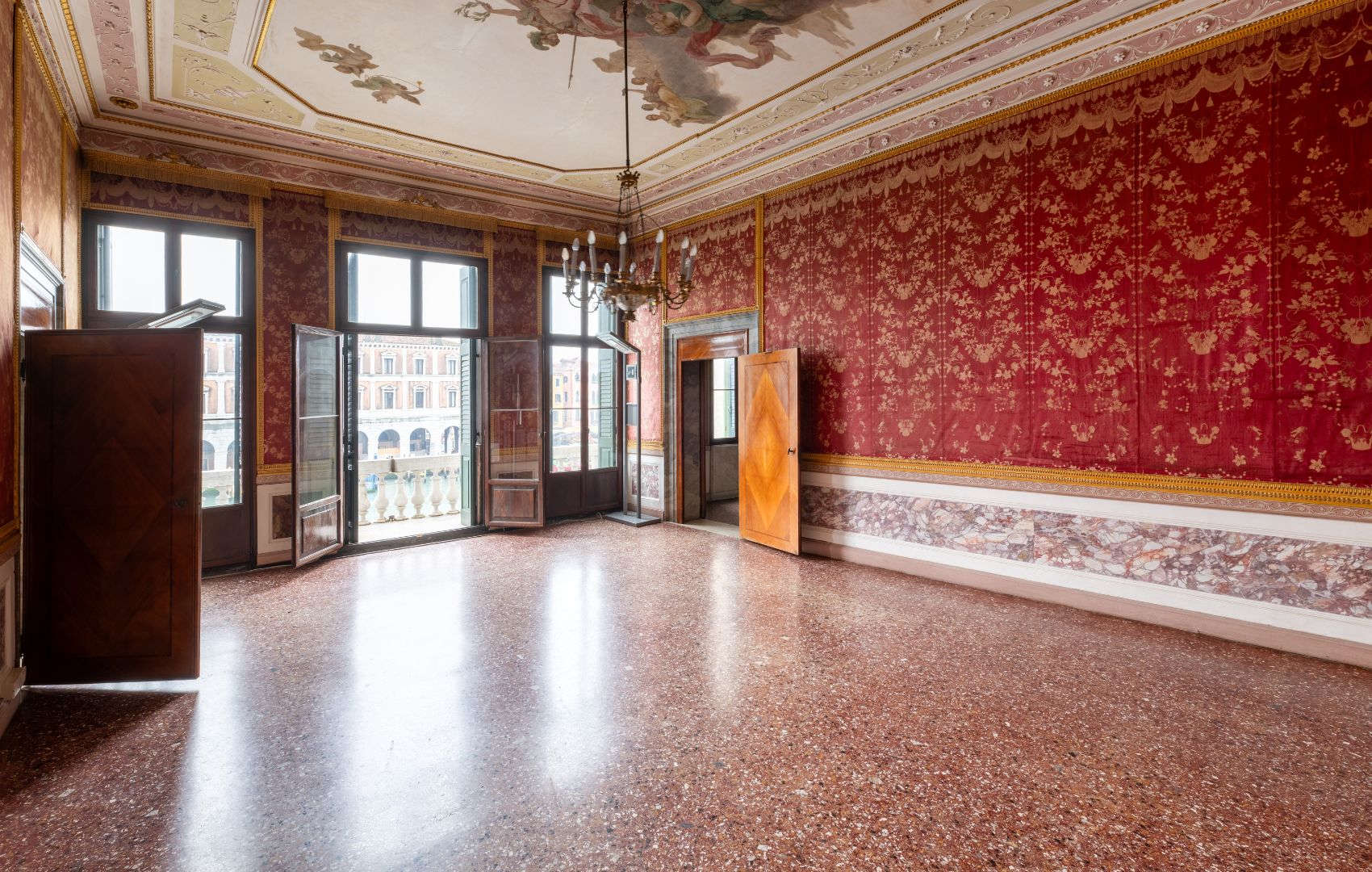
We have facilitated the restoration of several historic buildings, which now host numerous cultural events. Among these, a particularly significant example is the complex of the former Abbazia della Misericordia in Venice, a place dear to lovers of the fine arts and deeply rooted in the city’s identity. The building, which had been closed and neglected for a long time, was reopened thanks to our initiatives through a program of temporary yet ongoing events, which restored its visibility and cultural significance. Subsequently, the complex attracted a long-term investor, who has launched a restoration project and is defining a stable and ongoing cultural use for the site.
If you were to describe the future of the cultural economy in Italy without using reassuring words, what three structural challenges would you bring to the table without holding back?
A first issue concerns the lack of knowledge about the subject, which highlights the need for greater outreach efforts regarding both opportunities and challenges. Added to this are the difficulties associated with international initiatives, which are of a practical or bureaucratic nature and stem from the complexity of coordinating across different systems. A third issue is a widespread underestimation of the potential that Italy’s cultural-economic system is capable of generating, especially when viewed from a holistic perspective rather than one fragmented by individual cities. An important example is the relationship between areas such as Venice and Milan, which between April and May host a unique concentration of events: from the Salone del Mobile, the world’s leading design event, to the Venice Biennale. This is a one-of-a-kind phenomenon that goes far beyond the scope of a cultural and economic district. More accurately, we should speak of a universe of the Italian cultural economy, the perception of which remains partial and fragmented even today.
Venice and Milan represent two very different cultural ecosystems: how does Art Events’ operational and strategic approach differ between these two cities?
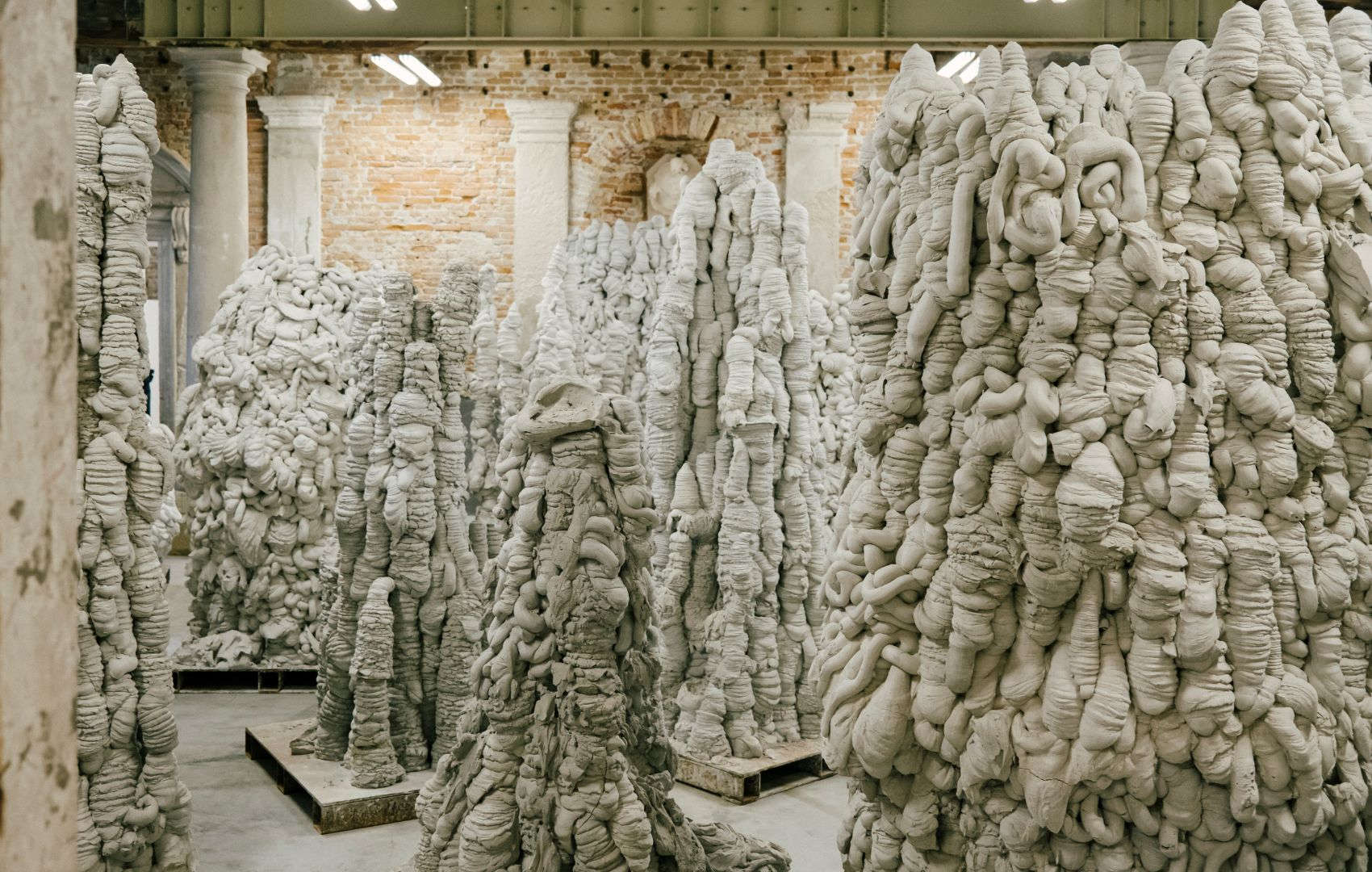
They are different but complementary ecosystems. They are complementary in a constructive sense, because they each hold a leading position within their respective spheres of the cultural economy. Milan is the hub for fashion and design; Venice is the hub for the Biennale system and a diverse array of international cultural initiatives. Rather than listing them individually, it’s helpful to view them as an integrated system of events and institutions that define a single, world-class cultural calendar. In this sense, Milan and Venice do not compete; they complement each other, even in terms of scheduling and international appeal. Every now and then, however, we tend to forget that this is a cultural economy ecosystem and not a single district. A telling example dates back a few years, when international events such as the Venice Biennale, Milan Design Week, and Vinitaly overlapped in the same week. If we broaden our perspective geographically, Venice and Milan represent an international paradigm of the cultural economy. Joining these hubs is Florence, which—though on a different scale—maintains a historical and identity-defining role of the utmost importance, and in relation to which our work has also developed on multiple occasions. In any case, alongside these flagship cities, there is a wider Italy made up of villages and smaller towns, where we have also been active. In these contexts, despite their more limited economic significance, the value in terms of identity and the impact on the local area are often proportionally equivalent—if not even more important. These are different models, yet they are consistent within a single vision of the Italian cultural economy, which is structured across multiple scales and levels of intervention.
Art Events works with exclusive and often historic venues. How much does the symbolic value of the venue weigh on the success of an event compared to the event’s content itself?
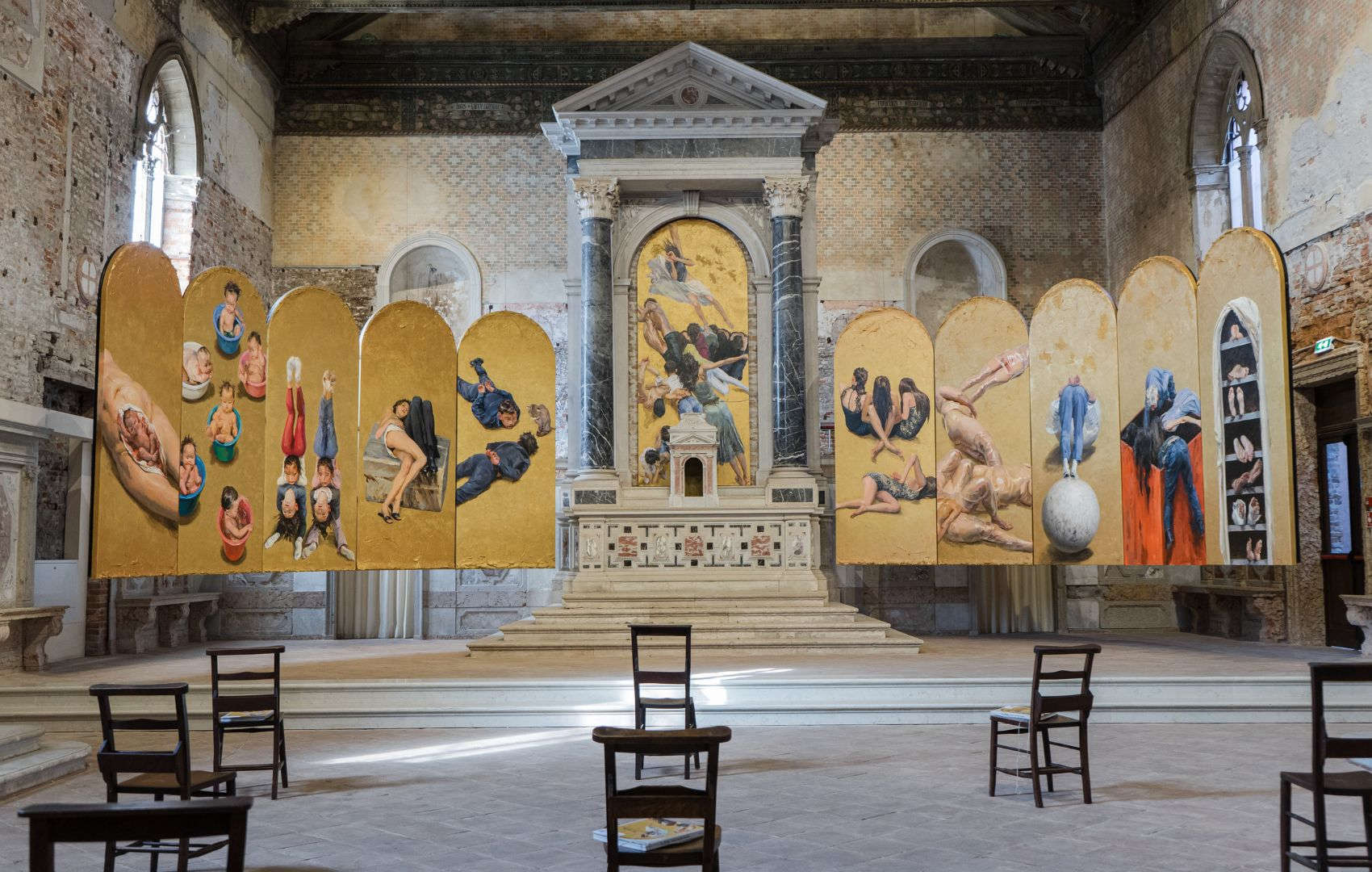
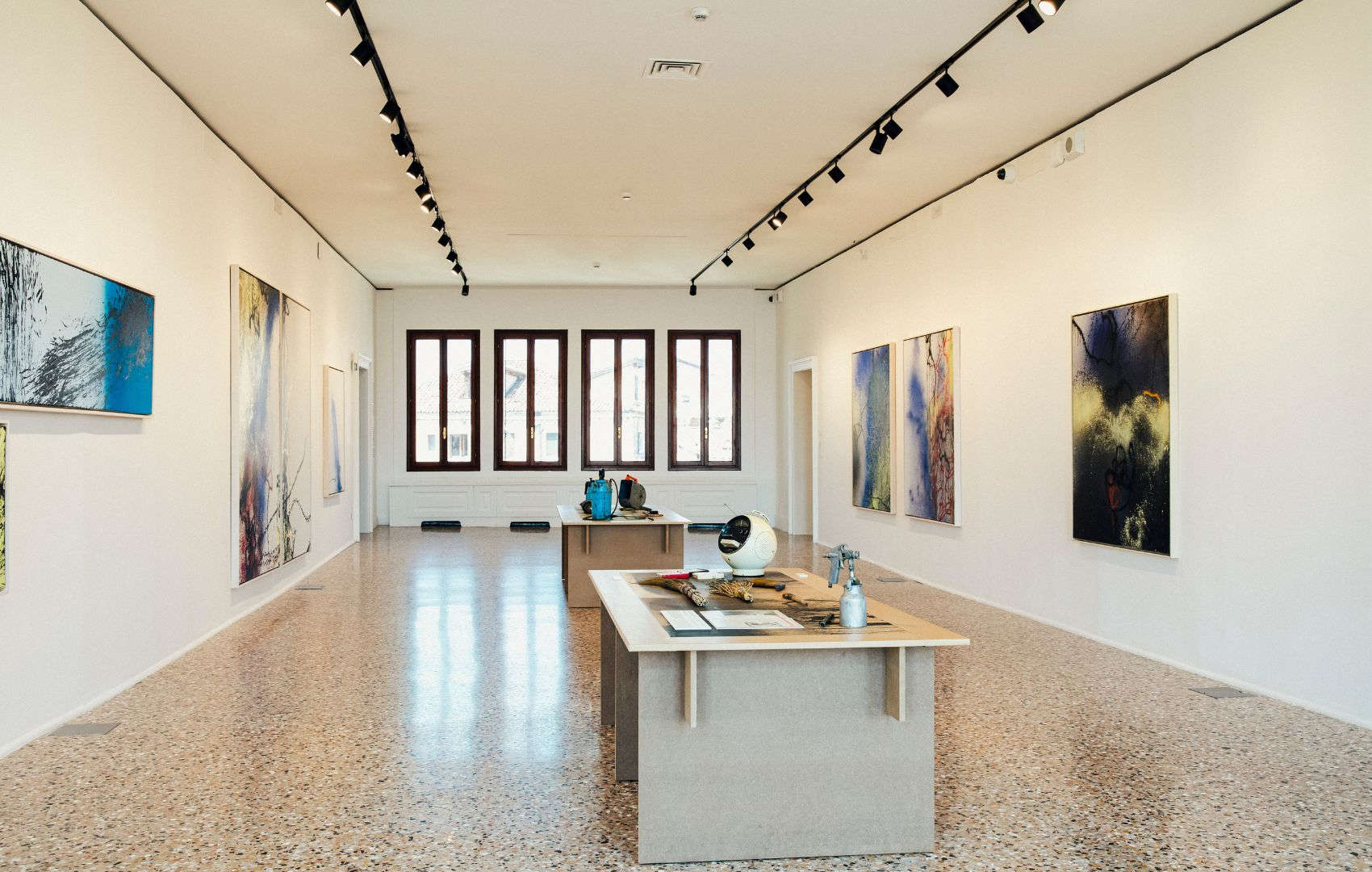
This is a particularly pertinent question, because it sums up the rationale behind our approach to business. In fact, we strive to incorporate cultural content into the events we present, even when they are not initiatives strictly tied to the world of culture. When asked how much this factors in, the answer is simple: not enough. In fact, I believe that the evocative value of cultural content or a cultural setting can translate into economic and business value that is far more significant than what we are currently able to fully recognize and capitalize on. This is precisely why our work maintains a strong focus on research and experimentation: the future of our profession is still largely yet to be written and invented. In this sense, it is a privilege for us to collaborate, as part of this Art Biennale, with the Querini Stampalia Foundation, an iconic venue where the building’s historical and architectural value intertwines with that of the cultural projects it hosts. For those of us who grew up in Venice, the Querini is much more than a museum or a library: it is part of the city’s collective memory. For us kids, it had an almost mythical aura, partly because it was the library that stayed open at night—it was a special place.
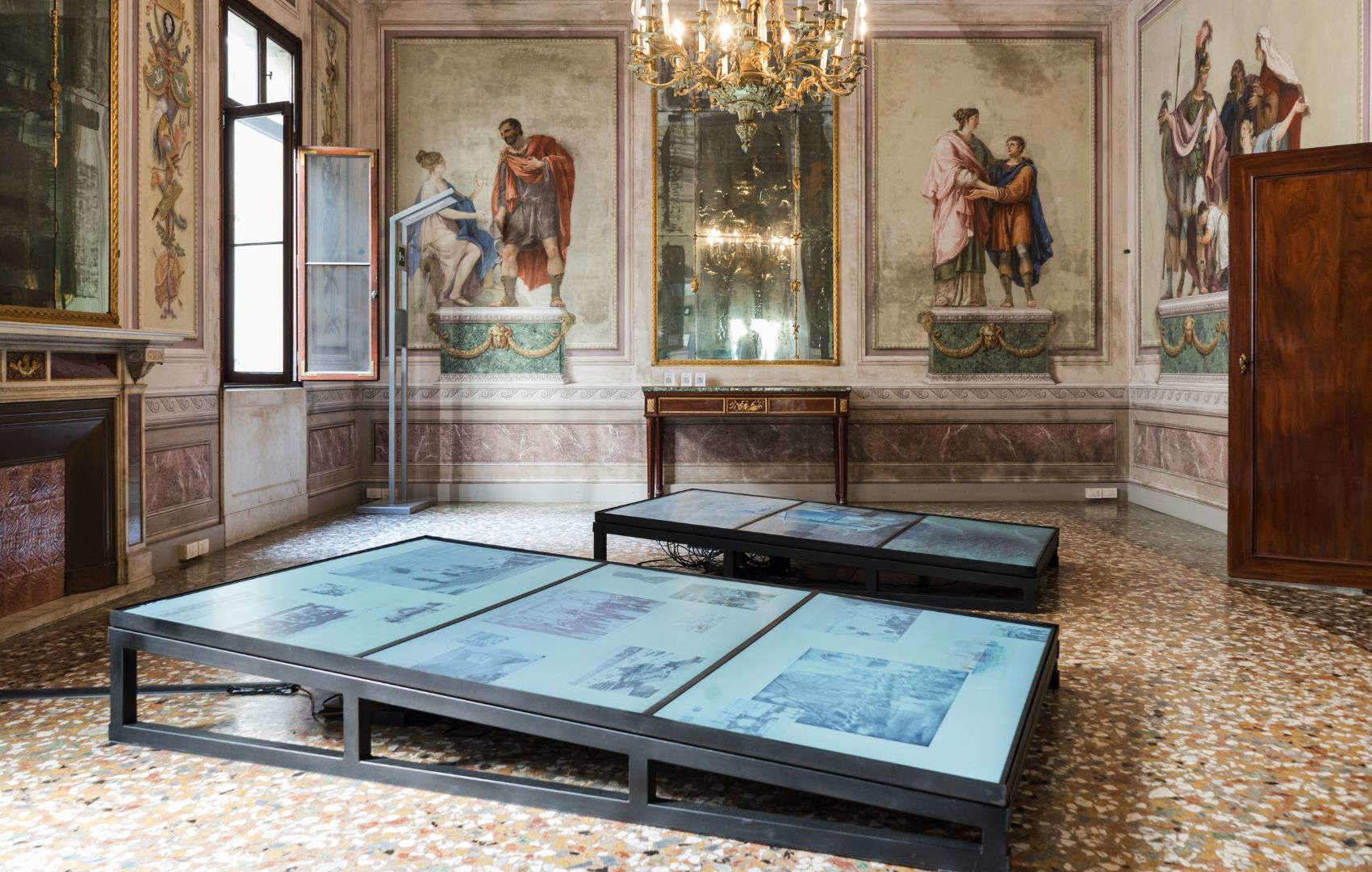
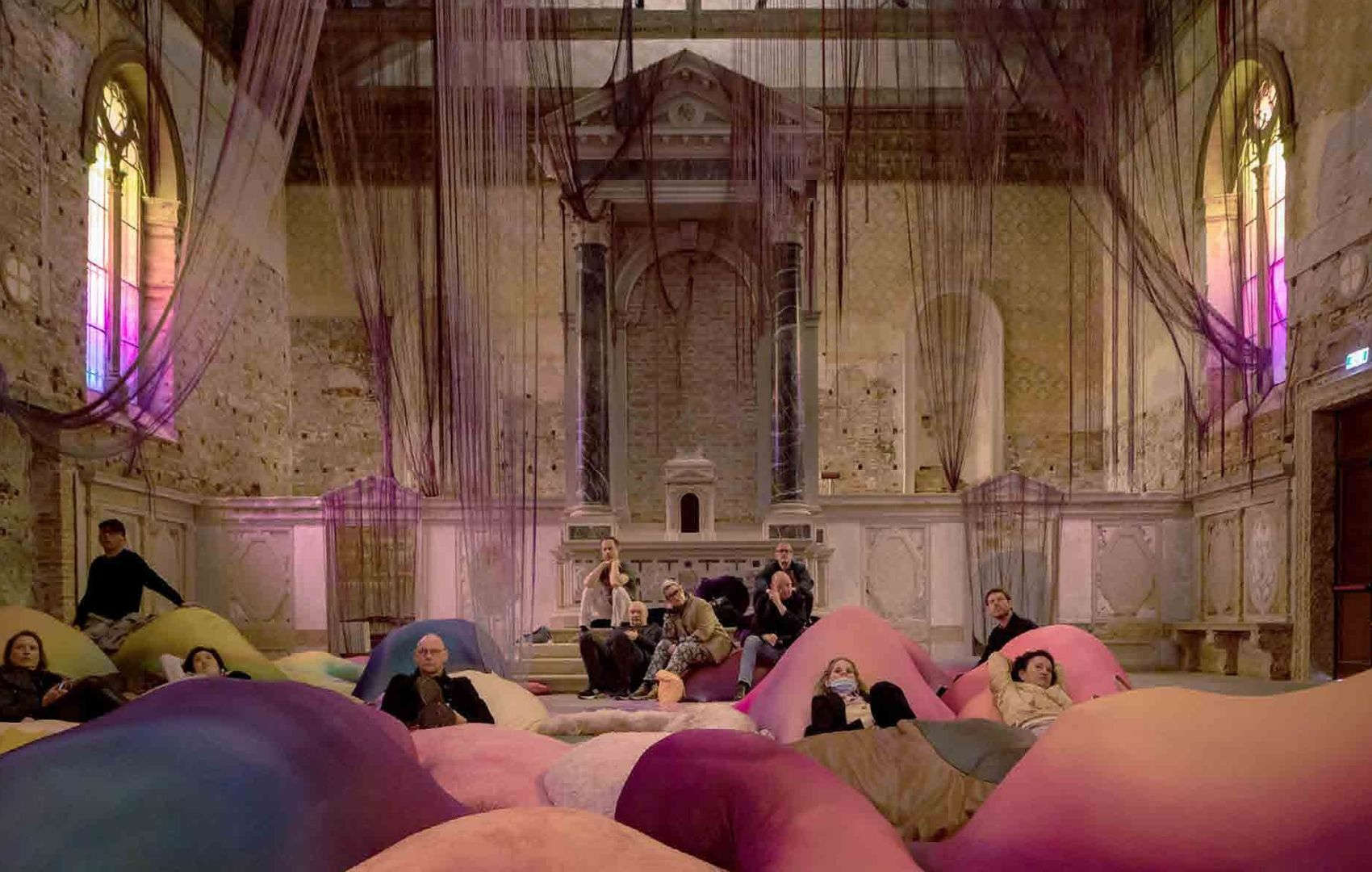
Working in high-profile contexts that are often of great historical value, how difficult is it to maintain a strong cultural identity in a sector often driven by purely commercial logic?
In the process of cultural planning, we are called upon to operate as entrepreneurs, even though the activities we carry out clearly have a collective impact. We do not, therefore, act as a philanthropic foundation, but as business entities. Consequently, I believe that one of the daily challenges of our work is to elevate the necessary economic component—or, if you will, the commercial logic—transforming it into a positive impact for cultural heritage and, indirectly, for the community. At the same time, we continuously pursue research, experimentation, and support initiatives aimed at understanding how to most effectively integrate these two dimensions. A concrete example of this approach is our real estate portfolio: alongside commercial activities, we have developed a network of artist residencies, which fosters a virtuous cycle between economic and cultural production.
Warning: the translation into English of the original Italian article was created using automatic tools. We undertake to review all articles, but we do not guarantee the total absence of inaccuracies in the translation due to the program. You can find the original by clicking on the ITA button. If you find any mistake,please contact us.