



by Redazione 10/04/2026



Categories: Museums / Disclaimer
The National Archaeological Museum of Reggio Calabria presents its Strategic Plan 2026-2028, a document that defines goals and actions for the next three years. Priorities include governance, accessibility, innovation and strengthening the museum's role in the national and international cultural system.
The National Archaeological Museum of Reggio Calabria has presented its Strategic Plan 2026-2028, a programmatic document that defines the institution’s vision, priorities and operational lines for the next three years. The goal is to strengthen the museum’s position within the national and international museum system through structured planning that integrates cultural, organizational and management policies.
The Plan was created with the intention of offering an organic instrument of direction and coordination capable of consistently directing the museum’s activities. The document brings together and systematizes the various projects already underway or under development within a unified strategy, with the aim of avoiding fragmentation and discontinuity in programming. The initiative comes at an important stage in the museum’s recent history, about two years after director Fabrizio Sudano took office, and responds to the need to equip the institution with medium-term planning.
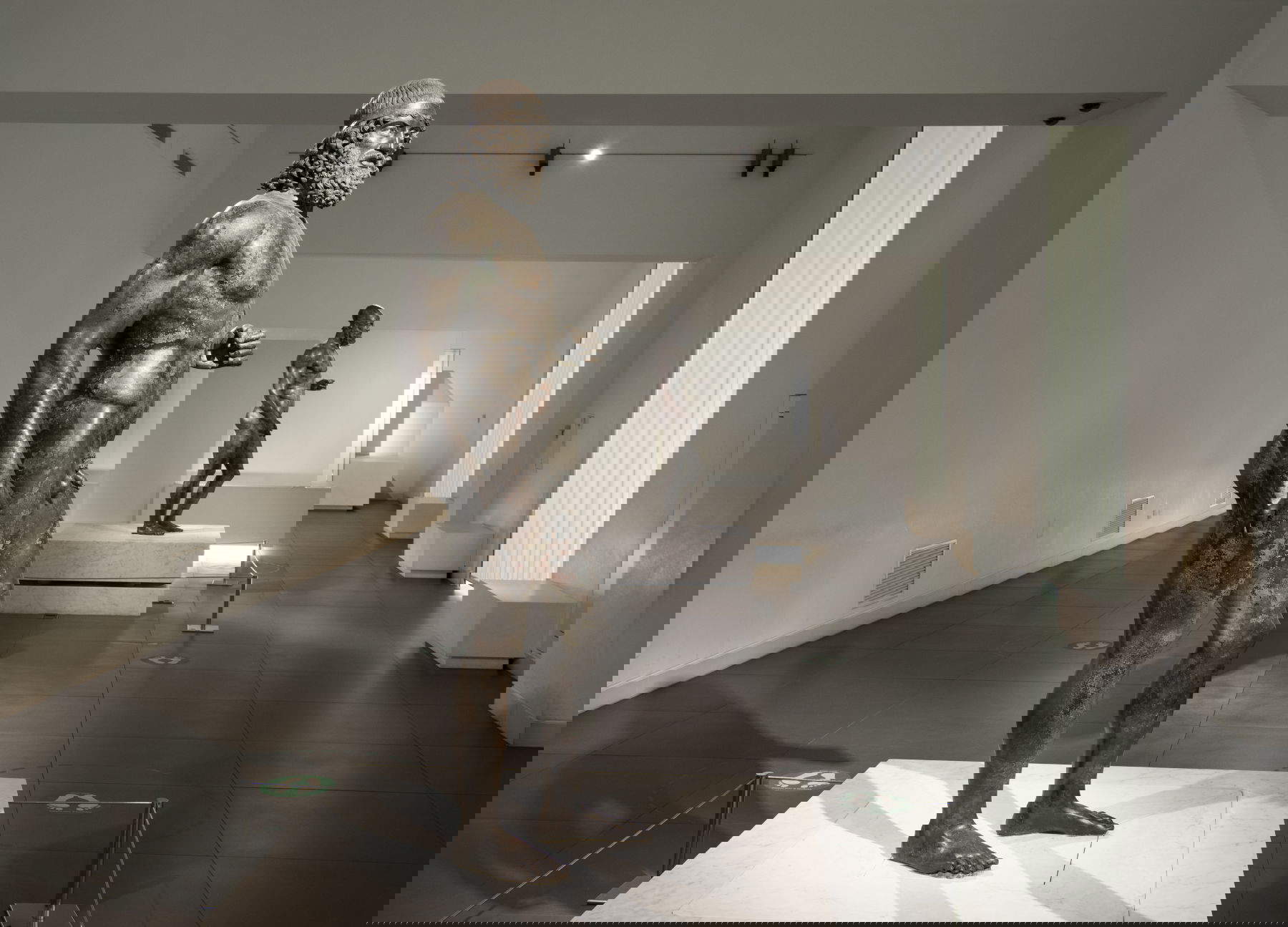
The National Archaeological Museum of Reggio Calabria holds one of the most significant archaeological heritages in the Mediterranean area, including the Riace Bronzes, a symbol of the collection and a point of reference for Magna Graecia studies. The Strategic Plan identifies among its objectives the consolidation of the museum’s role as an international reference center for the history and civilization of Magna Graecia. In this perspective, the document envisages the strengthening of scientific research activities, the organization of exhibitions and cultural initiatives, and the initiation of collaborations with national and international institutions, including within the framework of European programs and projects.


An important indicator of the institution’s recent trajectory concerns visitor trends. Attendance data show a growth path that was interrupted during the health emergency, followed later by a phase of gradual recovery. Between 2016 and 2019, the museum experienced a steady increase in admissions from about 210,000 annual visitors to more than 227,000. There was a significant drop in attendance in 2020, attributable to pandemic-related restrictions and travel restrictions.
Starting in 2021, a recovery phase began that gradually brought the museum back toward attendance levels similar to those before the health crisis, until pre-pandemic figures were exceeded in 2023. The growth trend continued in the following years, and in 2025 the National Archaeological Museum of Reggio Calabria welcomed more than 260,000 visitors. The figure indicates a consistent return of the public and a renewed attractiveness of the institution. Analysis of the composition of the user base also shows a prevalence of paying visitors, accounting for about 55 percent of the total, compared to free visitors, who account for 45 percent, a distribution that also indicates a greater capacity for economic enhancement of the cultural offer.
One of the main axes of the strategy concerns the relationship between the museum and the territory. The Plan aims to strengthen the link with the local context and different audiences, promoting greater integration between the museum institution and the community. The goal is to develop a cultural offer capable of dialoguing with differentiated audiences, expanding opportunities for participation and promoting greater enjoyment of heritage.
The theme of the quality of the museum experience also finds a place within the programming. The Plan includes coordinated interventions aimed at improving the physical, cognitive and digital accessibility of spaces and collections. In this perspective, the care of exhibition environments, innovation in cultural programming and the adoption of technological tools that enable new ways of enjoying heritage take on a central role.
Protection, preservation and digitization of collections represent another strategic area. The document identifies heritage management and enhancement as a fundamental prerequisite for the development of museum activities in the long term. Digitization is mentioned as a useful tool for both preservation and expanding access and research opportunities.
The Strategic Plan 2026-2028 is the result of a participatory drafting process that involved various professional and institutional figures. The work was coordinated by Director Fabrizio Sudano, who led the phases of analysis, listening and definition of the strategic lines. The document opens with a preface by Massimo Osanna, director general Museums of the Ministry of Culture.
The project also saw the active participation of museum staff, who were involved in the various stages of the Plan’s construction. Contributing to the realization of the document were CoopCulture for operational and design support, Professor Ludovico Solima of the University of Campania “Luigi Vanvitelli” for scientific and methodological advice, Sintesi Studio for graphic design, and Comin & Partners press office for communication coordination.
The methodological approach outlined by Solima involves a dynamic and participatory approach. The Plan identifies a series of integrated objectives concerning the strengthening of the museum’s positioning as a Mediterranean cultural hub, the development of accessibility and inclusion policies, the consolidation of relations with the territory and local audiences, and the ability to attract economic and project resources.
The document is designed as a flexible tool, subject to monitoring and periodic review. This approach makes it possible to adapt planning to changes in the cultural and institutional context, while maintaining consistency between strategic objectives and operational actions. A significant part of the Plan also concerns the strengthening of governance and internal organizational processes, with the aim of enhancing staff skills, improving management efficiency and developing partnership networks at the national and international levels.
The process of developing the Plan was characterized by a listening and discussion phase with various stakeholders. In addition to museum staff and the institution’s collegiate bodies, the process involved institutional, cultural, scientific and social stakeholders. This way of working made it possible to identify needs, priorities and strategic potential, defining shared planning.
The Strategic Plan also fits into the context of demands for greater transparency, planning capacity and accountability coming from the Ministry of Culture and funding bodies. In this sense, the adoption of a medium-term planning tool represents a step aimed at strengthening the institution’s management capacity and ensuring results-oriented planning.
Statements
“The MArRC’s Strategic Plan is a fundamental tool for guiding its development, clarifying its priorities and strengthening its cultural, scientific and territorial role,” said Ludovico Solima, professor of management at the Vanvitelli University of Naples, who collaborated in drafting the plan. “This is not a formal fulfillment, but a governance device that allows the museum to define clear objectives, enhance its resources and consolidate its relationship with the public, territory and stakeholders. The Plan is the result of a rigorous path, based on data analysis, listening and the ability to translate planning into concrete and sustainable actions, enhancing the heritage, the Museum’s public function and its projection in the Mediterranean context.”
“The Strategic Plan 2026-2028 represents a fundamental tool for the Museum to plan for the future with awareness and coherence,” said Fabrizio Sudano, Director of the National Archaeological Museum of Reggio Calabria. “It stems from the shared need to overcome fragmented interventions and build a unified vision, capable of integrating different projects and fully exploiting the MArRC’s potential. It is a path that puts people at the center, strengthening the identity of the Museum and its ability to dialogue with the territory, the public and institutions, in an increasingly open and plural perspective. We want to strengthen the role of the Museum as a place of research, dialogue and development, open to the community and projected into a national and international dimension, able to face with appropriate tools the challenges of digitization, accessibility and sustainability.”
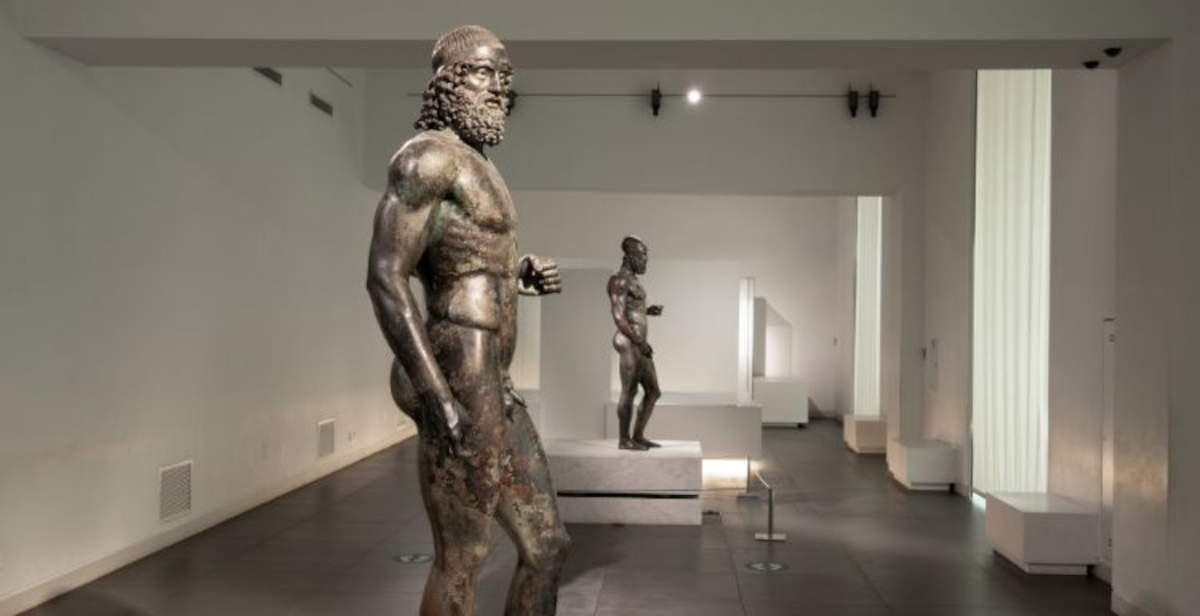 |
| Archaeological Museum of Reggio Calabria, here is the Strategic Plan 2026-2028 |
Warning: the translation into English of the original Italian article was created using automatic tools. We undertake to review all articles, but we do not guarantee the total absence of inaccuracies in the translation due to the program. You can find the original by clicking on the ITA button. If you find any mistake,please contact us.